



World's 50 Best #13 · Falstaff Bar - 94 Falstaff Points · Top 500 Bars Best Bars #70
Barro Negro occupies a tight address in central Athens at Ioannou Paparrigopoulou 15, positioning it within walking distance of the city's most discussed contemporary dining rooms. The name — black clay — signals a certain material seriousness, and the venue draws a crowd that treats the meal as a considered sequence rather than a quick cover. Athens diners who track the city's creative end of the market tend to have it on their rotation.

Pearl is the En Primeur Club membership app — saves, bookings, and concierge access live there. Same editors, same standards.
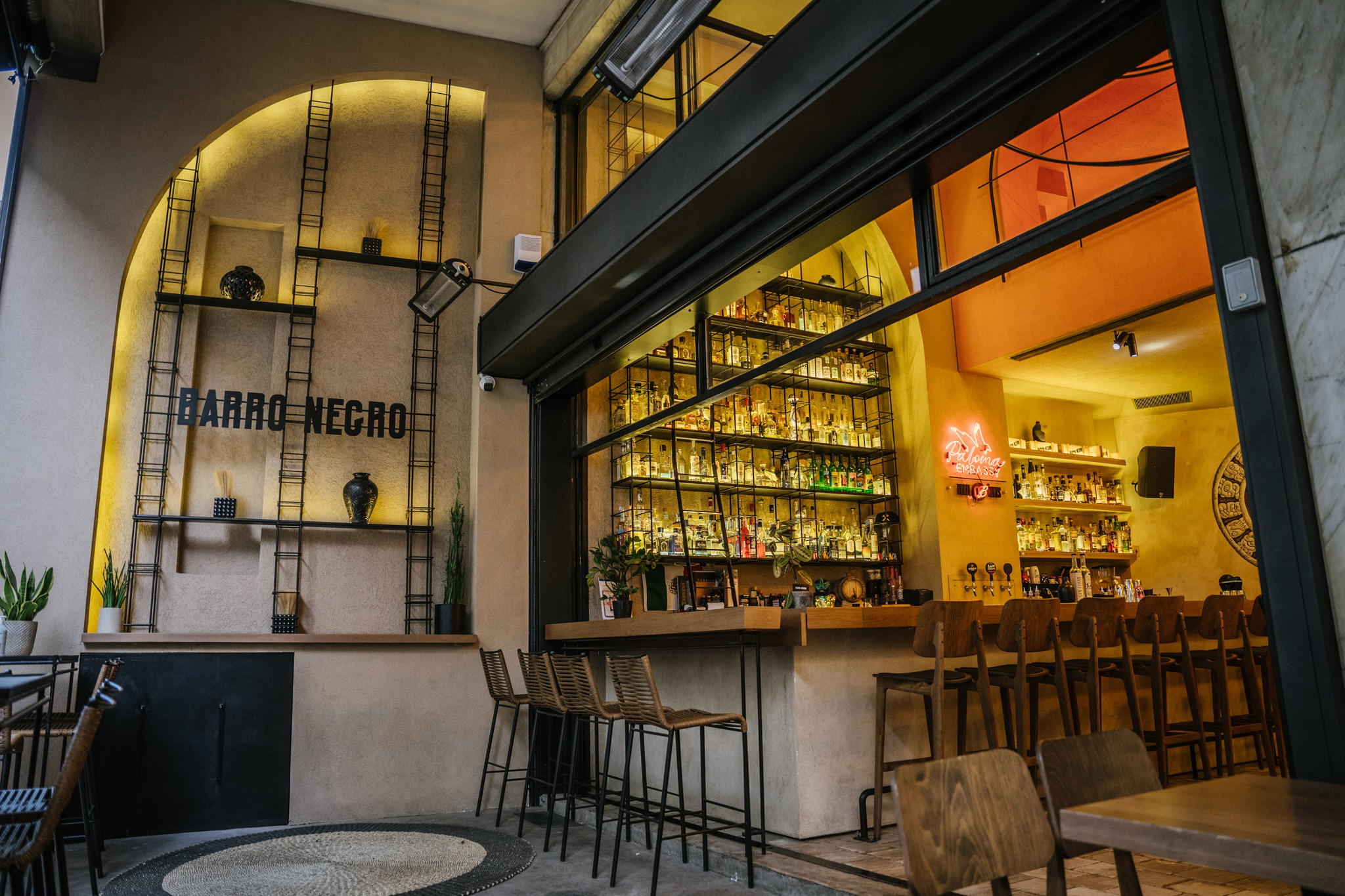
Where Athens Eats When It Means It
The central Athens dining scene has undergone a pronounced shift over the past decade. What was once a city dominated by taverna culture and fish-forward Piraeus imports has developed a tier of restaurants where the meal is structured as a deliberate sequence — courses calibrated against each other, the pacing timed, the sourcing made visible. Barro Negro, at Ioannou Paparrigopoulou 15 in the heart of Athens 105 61, operates within this tier. The address places it in the dense urban core where the city's creative dining concentration has settled, in close proximity to the peer group that defines what serious eating looks like in contemporary Athens.
The name itself — black clay, in Spanish, carries material weight. Clay as a vessel, as a cooking medium, as a reference to elemental technique: it signals intent before a single plate arrives. Names like this tend to belong to rooms with a point of view, and in Athens, where the distinction between a considered dining project and a repackaged tourist formula has become a meaningful editorial question, that kind of signal matters.
The Architecture of the Meal
Multi-course progression has become the dominant grammar of serious dining in Athens, as it has across European capitals that have developed a confident contemporary restaurant identity. The logic is direct: sequence allows a kitchen to argue a position across multiple acts rather than rely on a single dish to carry the evening. Opening courses tend to handle texture and acidity, palate-orienting moves that establish a register. Middle courses do the heavier editorial work, introducing richer proteins or more complex technique. Closing courses either mirror the opening in lightness or push into sweetness with restraint.
What distinguishes the better Athens rooms in this format is the degree to which Greek ingredient vocabulary is allowed to carry the sequence rather than being submerged beneath imported technique. The tension between a kitchen that reaches for Continental frameworks and one that insists on local raw materials as the subject of the meal is the defining creative question for contemporary Greek dining. Venues in the Athenian upper-middle tier, including Hytra at the €€€ level and Botrini's at €€€€, have staked different positions on that question. Delta and Hervé represent further coordinates on the same map. Barro Negro's address drops it into that conversation by proximity and category.
Athens and the Contemporary Greek Question
Greek cuisine has a credibility problem at the international level that its leading restaurants are actively working against. The taverna template, grilled octopus, horiatiki, charcoal lamb, is durable precisely because it is delicious, but it has historically crowded out the kind of creative interpretation that earns the scrutiny of serious food media. Athens has been slower than Thessaloniki and the islands to develop a stable fine-dining identity, partly because tourist volume creates commercial pressure to default to the familiar.
The correction, when it came, arrived through chefs with European training who were willing to return to Greek ingredients as a serious subject. The result is a cluster of restaurants in central Athens that treat the country's pantry, mountain herbs, island-specific legumes, aged cheeses from specific regions, Aegean seafood sourced with specificity, as material for a contemporary vocabulary rather than a nostalgic one. Barro Negro sits within this corrective wave. For context on how similar ambitions play out across Greece, the island dining scene offers useful comparison points: Selene in Santorini and Etrusco in Corfu represent the same impulse applied to different regional ingredient sets, while resort properties like Avaton in Halkidiki and Myconian Utopia in Mykonos show how the conversation extends into the luxury hospitality register.
Athens-based creative dining is also starting to draw the kind of international comparison that invites placement alongside rooms like Le Bernardin in New York or concept-driven formats like Lazy Bear in San Francisco, not as equivalents in prestige, but as part of the same global shift toward restaurants that treat the meal as a designed experience rather than a transaction.
The Room and the Rhythm
Central Athens dining rooms at this tier tend to run at higher energy than their equivalents in, say, Copenhagen or Tokyo. The city's social culture imports itself into the restaurant: tables talk across each other, service has warmth over ceremony, and the meal rarely feels like a performance for the benefit of a reviewing critic. This is not a weakness. It is a specific register that suits certain diners well and suits others less, worth knowing before you book.
The room will not be silent. The pacing will probably accommodate conversation. That places it closer to the Hytra model of engaged urban dining than to the hushed-reverence format that some tasting-menu rooms in Northern Europe enforce. For diners arriving from island settings, from Almiriki in Mykonos or Aktaion in Firostefani, the shift in register will be immediately legible.
Planning Your Visit
Ioannou Paparrigopoulou 15 sits in the central Athens urban core, walkable from Syntagma Square and well-served by the metro. For a restaurant at this tier in Athens, booking in advance is standard practice, particularly from April through October when the city's dining scene runs at full capacity and covers at the creative end of the market fill quickly. The broader Athens restaurant context, including direct peer comparisons and neighbourhood-level guidance, is covered in our full Athens restaurants guide. Diners planning a wider Greece itinerary should also note Olais in Kefalonia, Old Mill in Elounda, and To Psaraki as regional counterparts worth sequencing into a longer trip.
A Credentials Check
Comparable venues nearby, for context on price, style, and recognition.
| Venue | Cuisine | Price | Awards |
|---|---|---|---|
| Barro NegroThis venue (the venue you are viewing) | Tequila & Mezcal Bar | $10–20 | World's 50 Best #13 · Falstaff Bar - 94 Falstaff Points |
Recognition history
Dated appearances from independent guides and award organizations, with the underlying list record or original source where available.
World's 50 Best Europe's Best Bars #13
World's 50 Best
Falstaff Bar - 94 Falstaff Points
Falstaff
Tales Spirited Awards World’s Best Spirits Selection Top 10 Nominee
Tales Spirited Awards
Top 500 Bars Best Bars #70
Top 500 Bars
Full recognition history (7 entries)
World's 50 Best Bars #62
World's 50 Best
World's 50 Best Bars #68
World's 50 Best
World's 50 Best Bars #70
World's 50 Best
Continue exploring
More in Athens
Bars in Athens
All bars in Athens →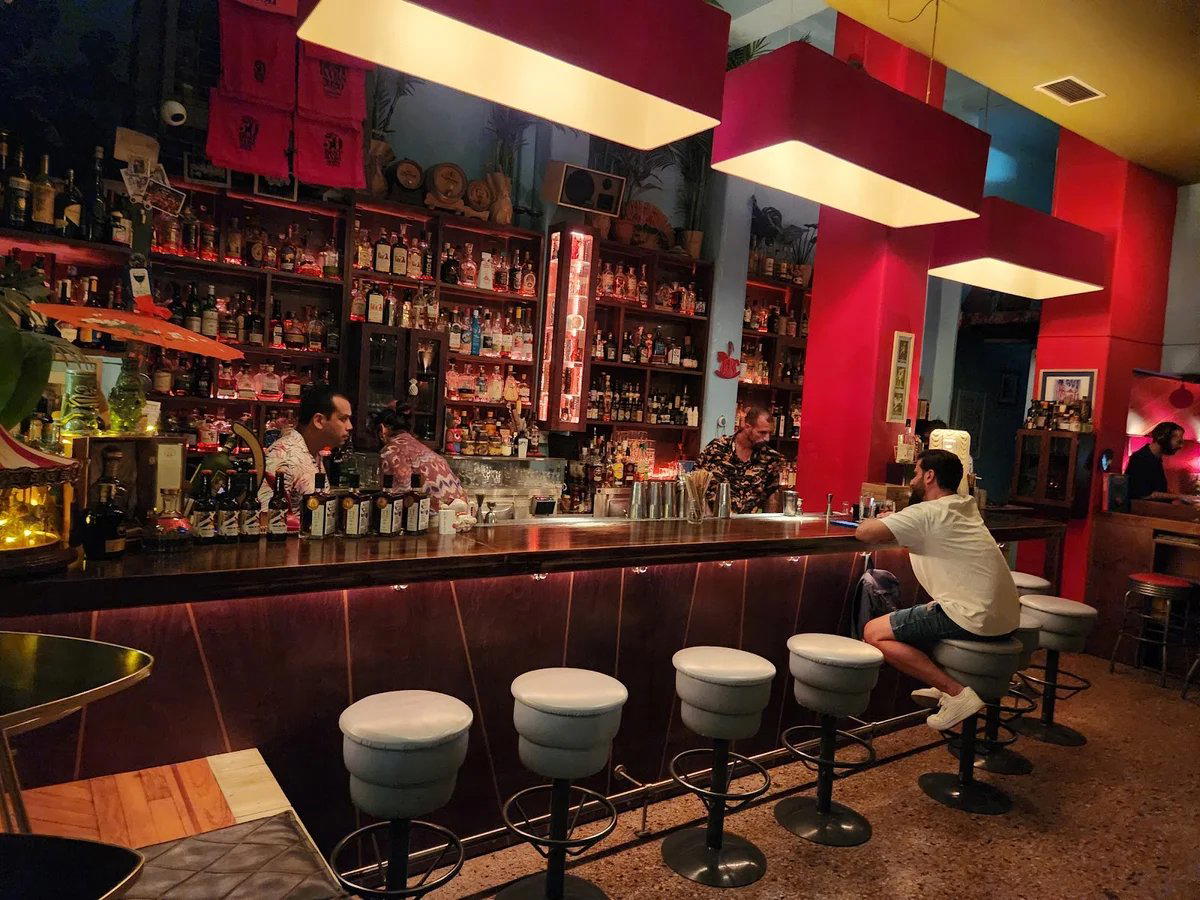
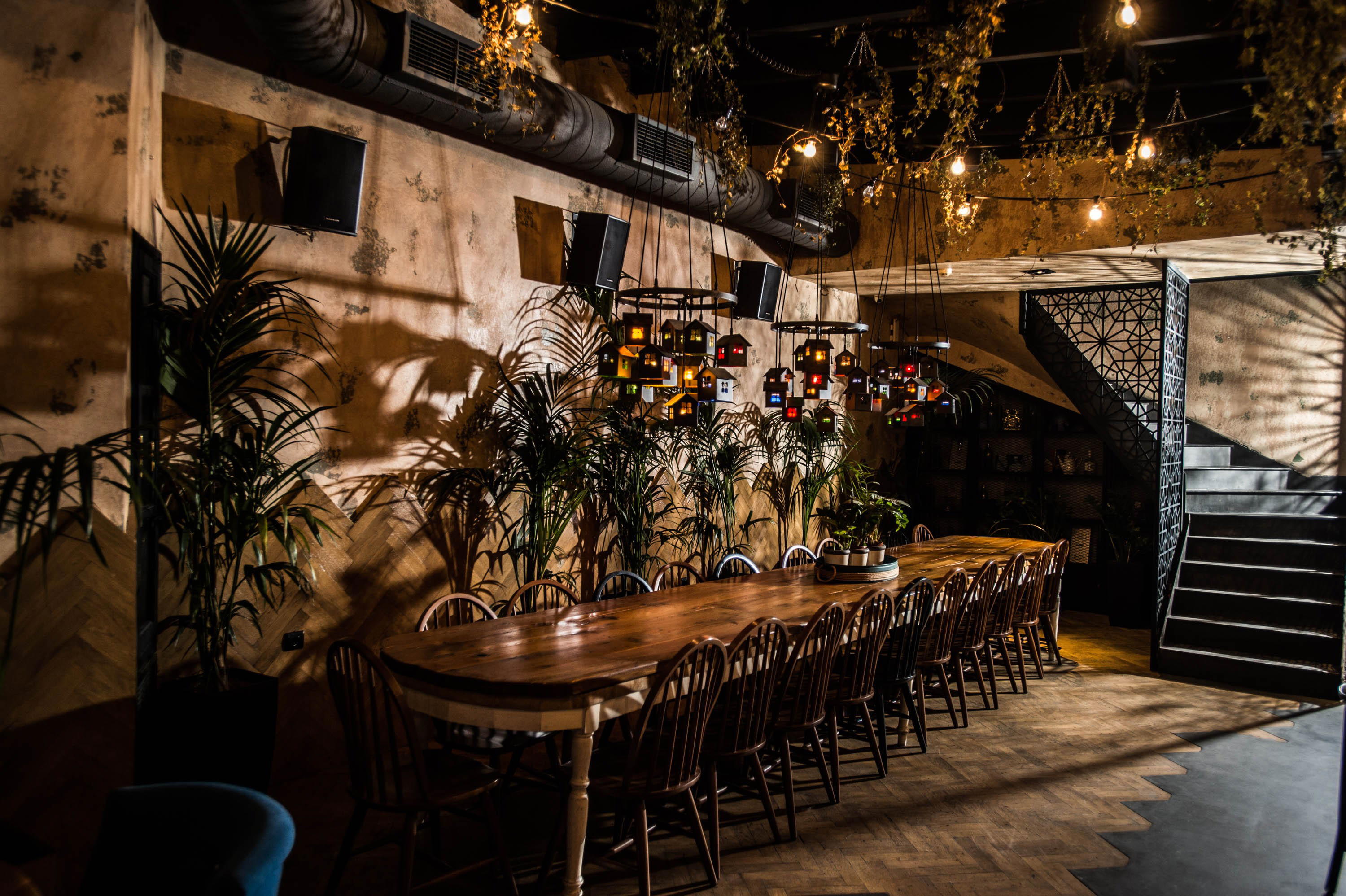
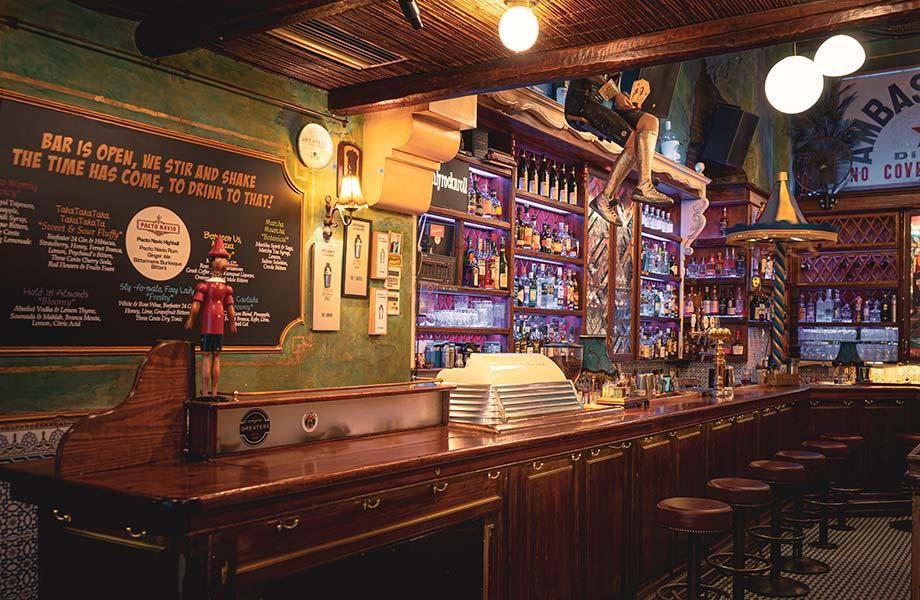
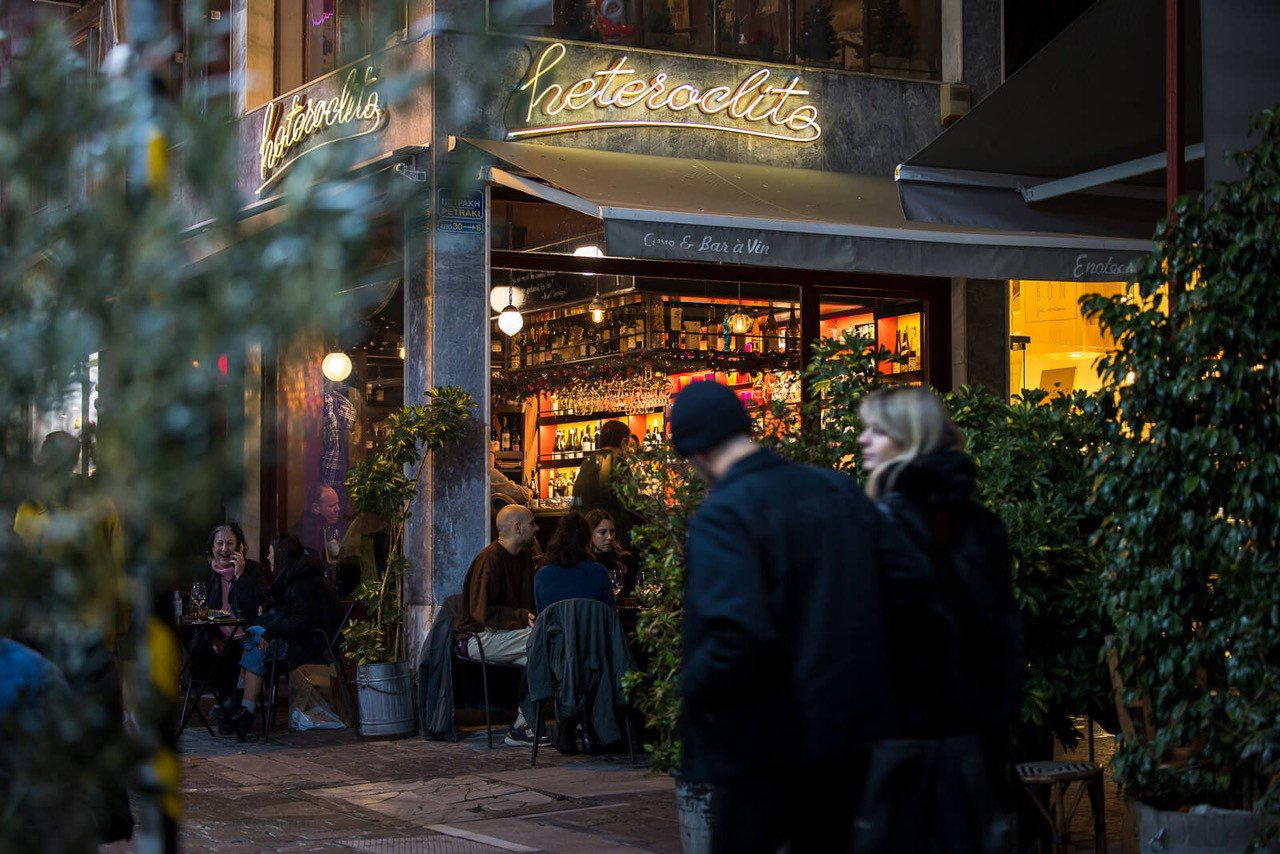
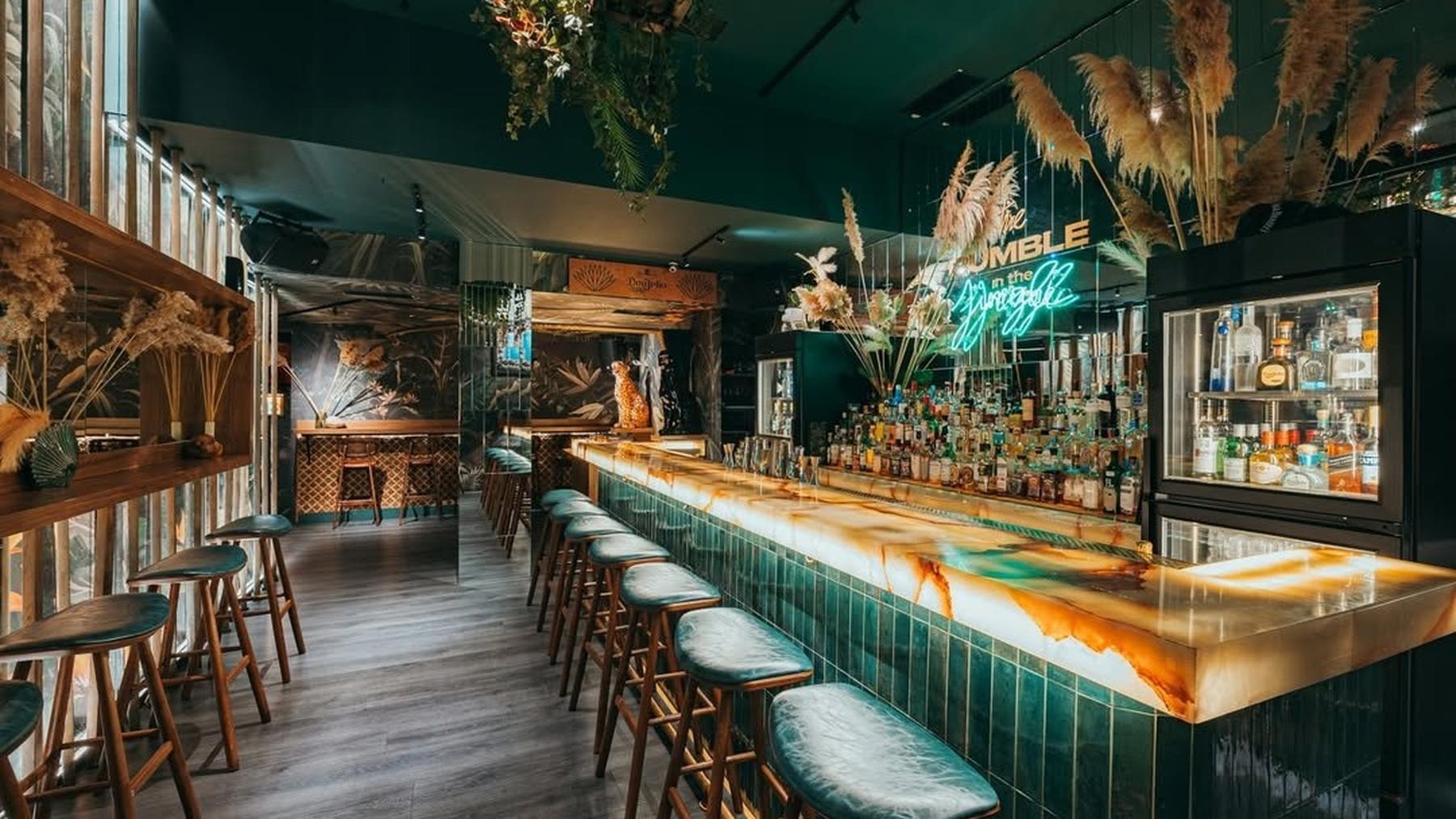
Restaurants in Athens
All restaurants in Athens →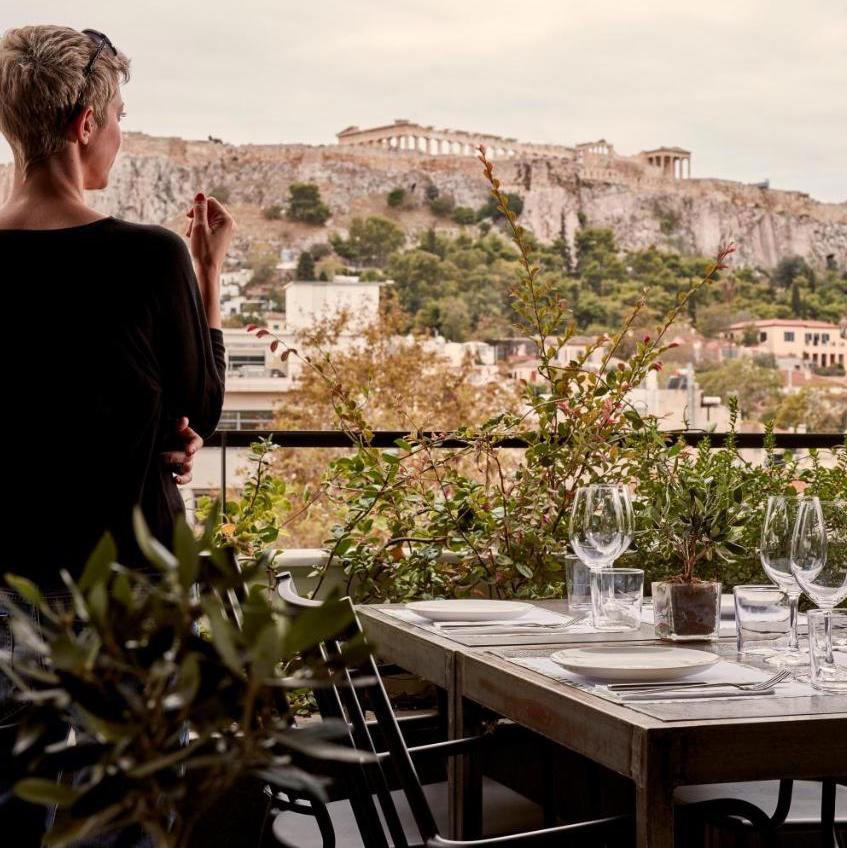
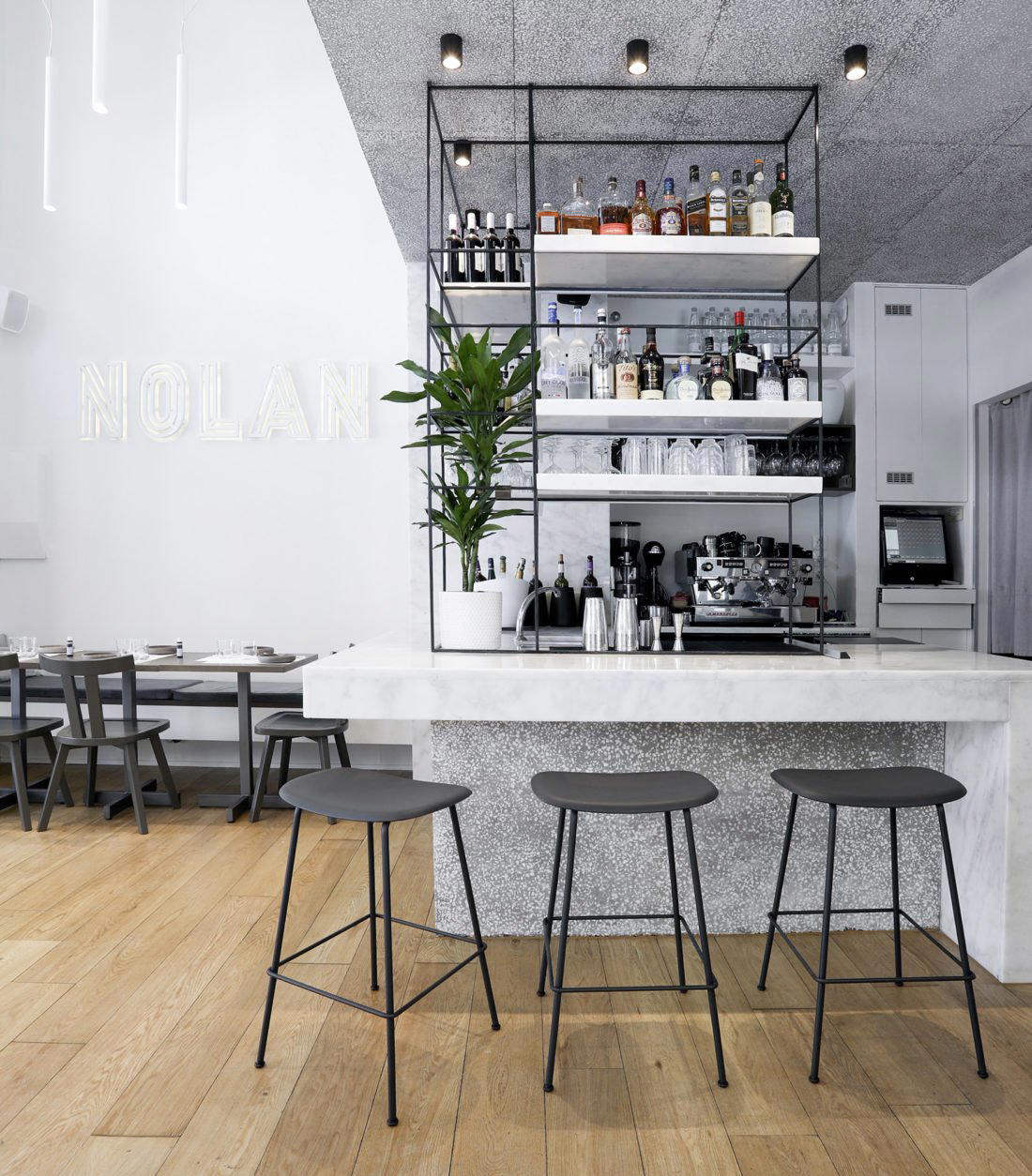
Details
- Intimate
- Trendy
- Cozy
- Elegant
- Lively
- Date Night
- Late Night
- Casual Hangout
- After Work
- Craft Cocktails
- Tequila
- Mezcal
Current opening hours
- Monday
- 6:30 PM–2 AM
- Tuesday
- 6:30 PM–2 AM
- Wednesday
- 6:30 PM–2 AM
- Thursday
- 6:30 PM–2 AM
- Friday
- 6:30 PM–3 AM
- Saturday
- 6:30 PM–3 AM
- Sunday
- 6:30 PM–2 AM
Hours can change for holidays and private events. Last verified .
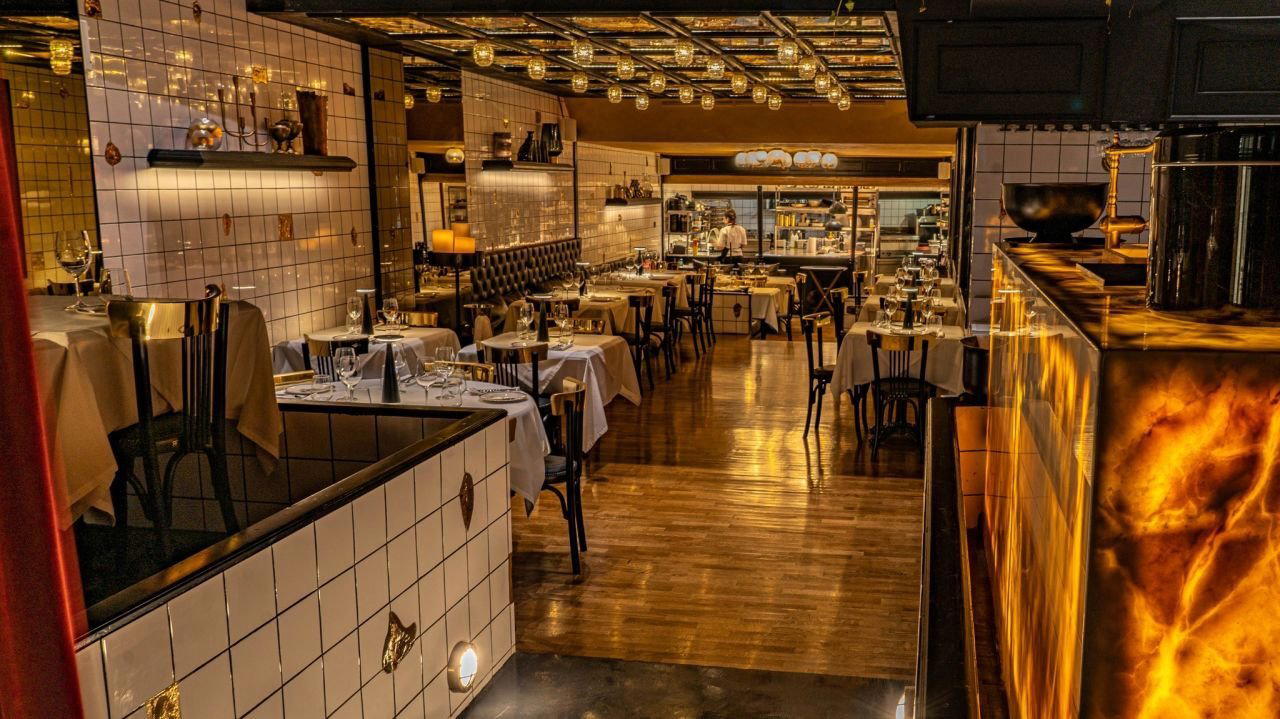
Sleek black interior with pink accents creating a moody, magical, cozy yet stylish intimate atmosphere.