Barlata
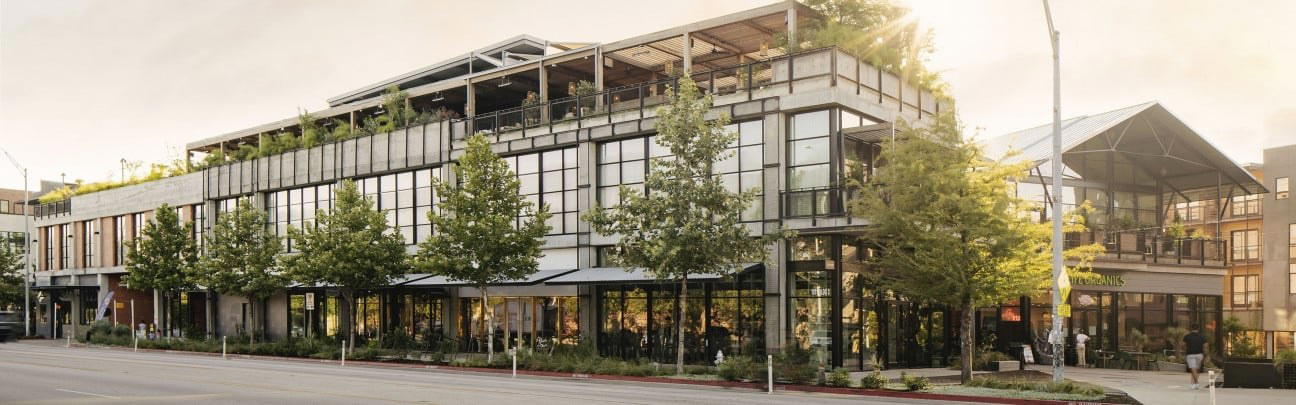
Barlata occupies a South Lamar address that places it squarely within Austin's most active dining corridor, where Spanish-influenced tapas formats have carved a durable niche alongside the city's broader restaurant scene. The format rewards sharing, unhurried pacing, and an approach to sourcing that connects the kitchen to producers rather than purveyors. A practical choice for the South Congress-adjacent crowd who want substance over spectacle.
- Address
- 1500 S Lamar Blvd #150, Austin, TX 78704
- Phone
- +1 512 473 2211
- Website
- barlataaustin.com
- Directions
- Get directions
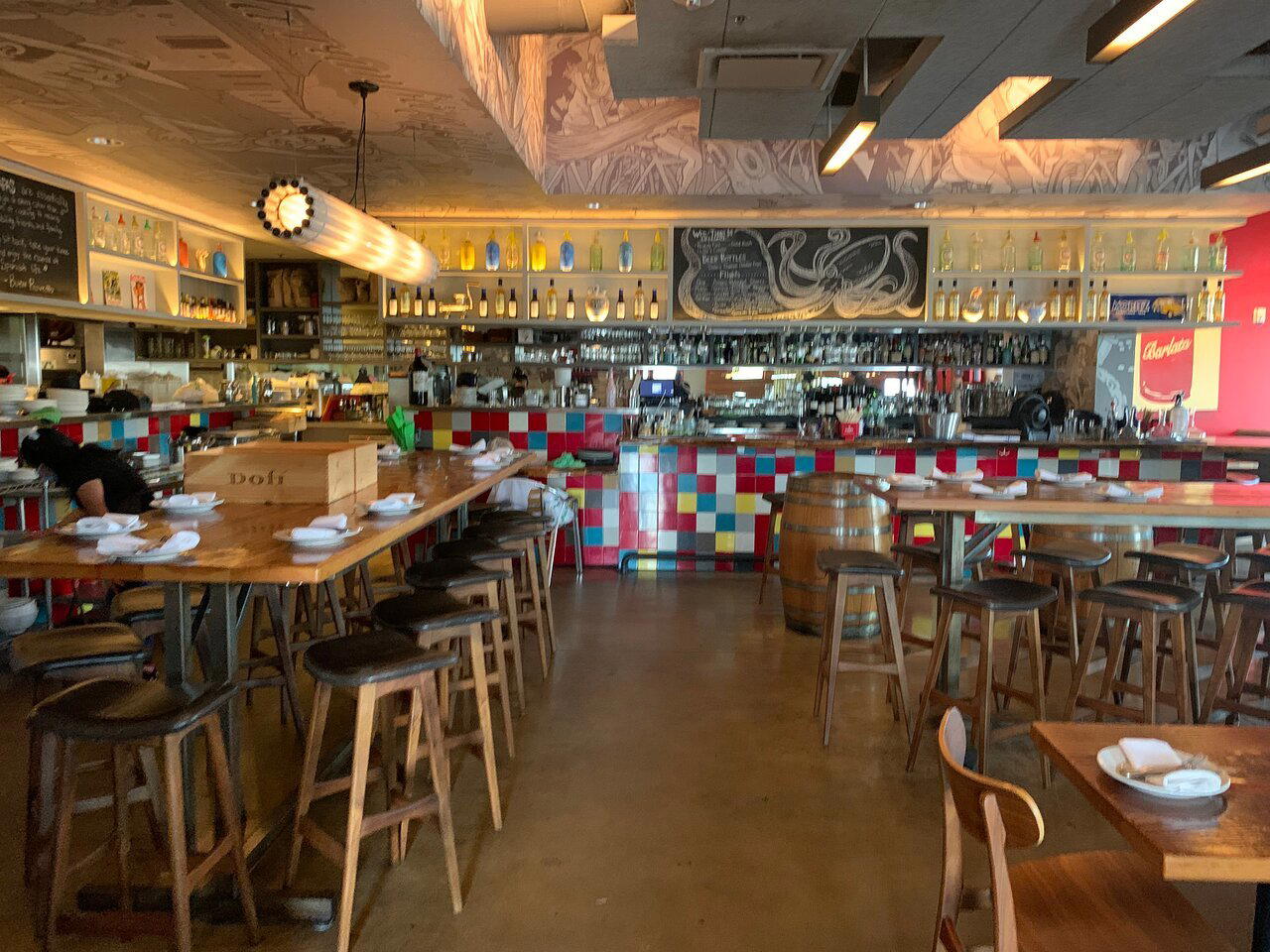
South Lamar and the Tapas Tradition in Austin
Austin's South Lamar corridor has spent the last decade sorting itself into something more deliberate than its earlier strip-mall reputation suggested. The stretch around 1500 S Lamar now holds a concentration of restaurants that compete less on volume and more on format, and the tapas model has proven particularly durable here. Small plates built around shared consumption align well with how Austin's dining culture actually operates: groups that linger, tables that order in waves, and a general preference for the informal over the ceremonial. Barlata, positioned at 1500 S Lamar Blvd, sits inside that pattern rather than against it.
Spanish tapas as a format carries a specific structural logic that distinguishes it from generic small-plates dining. The tradition prizes economy of ingredient, repetition of technique, and the idea that abundance is achieved through accumulation rather than portion size. That philosophy has an inherent relationship with waste reduction: smaller preparations mean tighter inventory management, and kitchens built around the tapas model tend to develop sourcing discipline by necessity. In Austin, where farm-to-table language has become so common as to lose meaning, the tapas format offers a structural argument for ethical sourcing rather than a marketing one.
Sourcing as Architecture, Not Decoration
The conversation around sustainability in restaurant kitchens has shifted considerably over the past several years. The earlier phase, dominated by chalkboard-menu shoutouts to named farms, gave way to something more embedded: procurement decisions that shape the menu rather than illustrate it. Kitchens that work within the constraints of seasonal Texas agriculture tend to produce menus that read differently from those sourcing globally year-round. The discipline shows in what's available and what isn't, in portion sizes calibrated to yield, and in preparations that extend rather than discard secondary cuts and vegetables.
Austin has a functional local-food infrastructure that makes this approach viable. Central Texas farms supply proteins and produce to a restaurant community that has developed genuine sourcing relationships over time, rather than the performative ones that characterized an earlier era of farm branding. A tapas kitchen that takes that infrastructure seriously ends up with a menu that changes with the season not as a branding exercise but as a practical consequence of its own supply chain. That's a different kind of sustainability story than the one told by solar panels and compostable packaging, and in some respects a more honest one.
The Format Itself
The shared-plate format at Barlata rewards a particular kind of table dynamic. Ordering is iterative rather than fixed, which distributes decision-making and naturally reduces over-ordering. The pacing suits the South Lamar crowd, which skews toward longer tables and social eating rather than the quick-turn model that dominates closer to downtown. For visitors arriving from other cities, that Austin's dining culture is less formal than comparable scenes in cities like Chicago or New York, and that extends to how shared tables are managed: there's less ceremony around service cadence and more latitude for the table to direct its own pace.
Where Barlata Sits in Austin's Bar and Restaurant Conversation
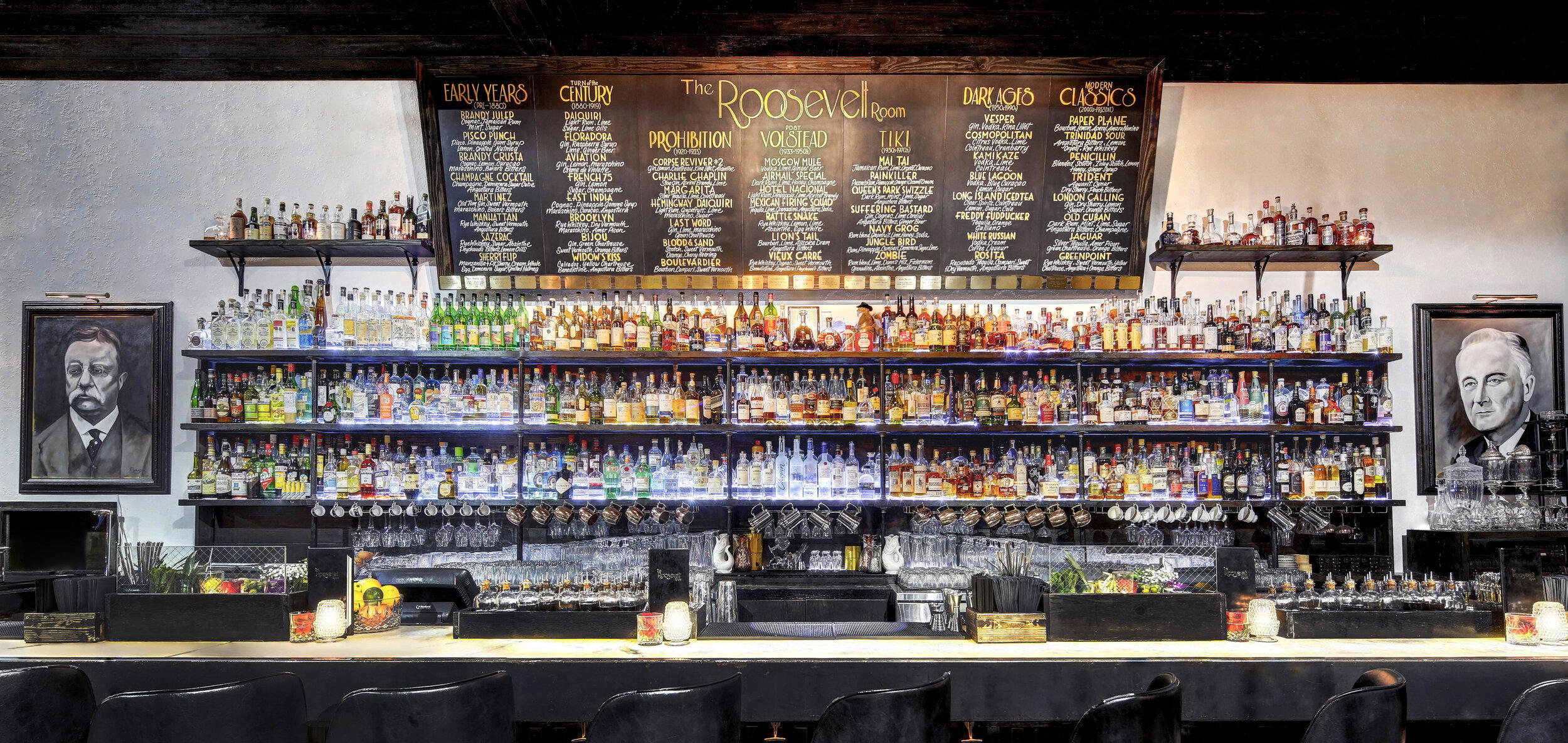
Austin's drinking and eating culture has fragmented into distinct comparable venues in a way that wasn't true a decade ago. On the bar side, venues like Nickel City and 2500 E 6th St occupy the neighbourhood-bar tier with strong cocktail programs, while Aba Austin operates at a higher price point with a Mediterranean-leaning food program that actually overlaps in spirit, if not in price or formality, with what Barlata does. The live music corridor anchored by Antone's Nightclub represents a different kind of night out entirely, one where drinking accompanies performance rather than food.
Barlata's comparable set is less the cocktail bar world and more the mid-tier restaurant group that has grown substantially in Austin over the past five years: places where the food program is the primary draw, the price point stays accessible without being cheap, and the format encourages multiple visits rather than single marquee occasions. Within that set, the Spanish tapas format offers a degree of differentiation that more generic American small-plates concepts don't have.
For context across the broader American bar and restaurant scene, the overlap between food-forward programming and ethical sourcing shows up in different forms in different cities. Jewel of the South in New Orleans and Julep in Houston both operate with a sense of regional identity baked into their sourcing, while Kumiko in Chicago and ABV in San Francisco represent technically driven programs where ingredient provenance feeds into the broader methodology. Superbueno in New York City applies a Latin-inflected lens to cocktail and food programming in a way that rhymes with Barlata's Spanish framework, even if the execution differs substantially. Internationally, Bar Leather Apron in Honolulu and The Parlour in Frankfurt on the Main show how format discipline and sourcing integrity translate across geographies.
Planning a Visit
Barlata is located at 1500 S Lamar Blvd #150, in the South Lamar strip that runs between the Barton Springs corridor and the South Congress retail district. The format works well with a group of three or more, which allows enough ordering range to cover the breadth of the tapas selection without redundancy.
Budget and Context
Comparable venues nearby, for context on price, style, and recognition.
| Venue | Cuisine | Price | Notes |
|---|---|---|---|
| BarlataThis venue — the venue you are viewing | Not listed | $$ | Not listed |
| Billy's On Burnet | Not listed | $$ | Rosedale, beer_bar |
| Whisler’s | Not listed | $$ | Central East Austin, cocktail_bar |
| Ski Shores Cafe | West Austin, pub | $$ | Not listed |
| Gourdough's Public House | Barton Hills, pub | $$ | Not listed |
| Mean Eyed Cat | Not listed | $$ | Old West Austin, dive_bar |
Continue exploring
More in Austin
Bars in Austin
Browse all →

Restaurants in Austin
Browse all →
Hotels in Austin
Browse all →
At a Glance
- Lively
- Trendy
- Energetic
- Date Night
- Group Outing
- Casual Hangout
- Standalone
- Seated Bar
- Communal Tables
- Craft Cocktails
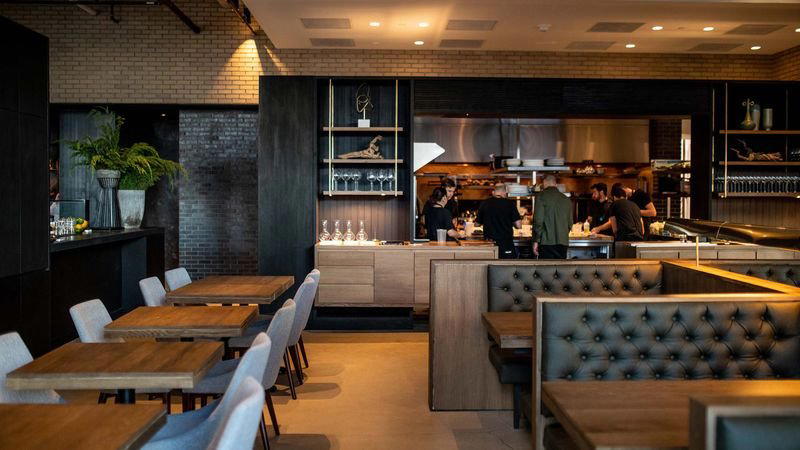
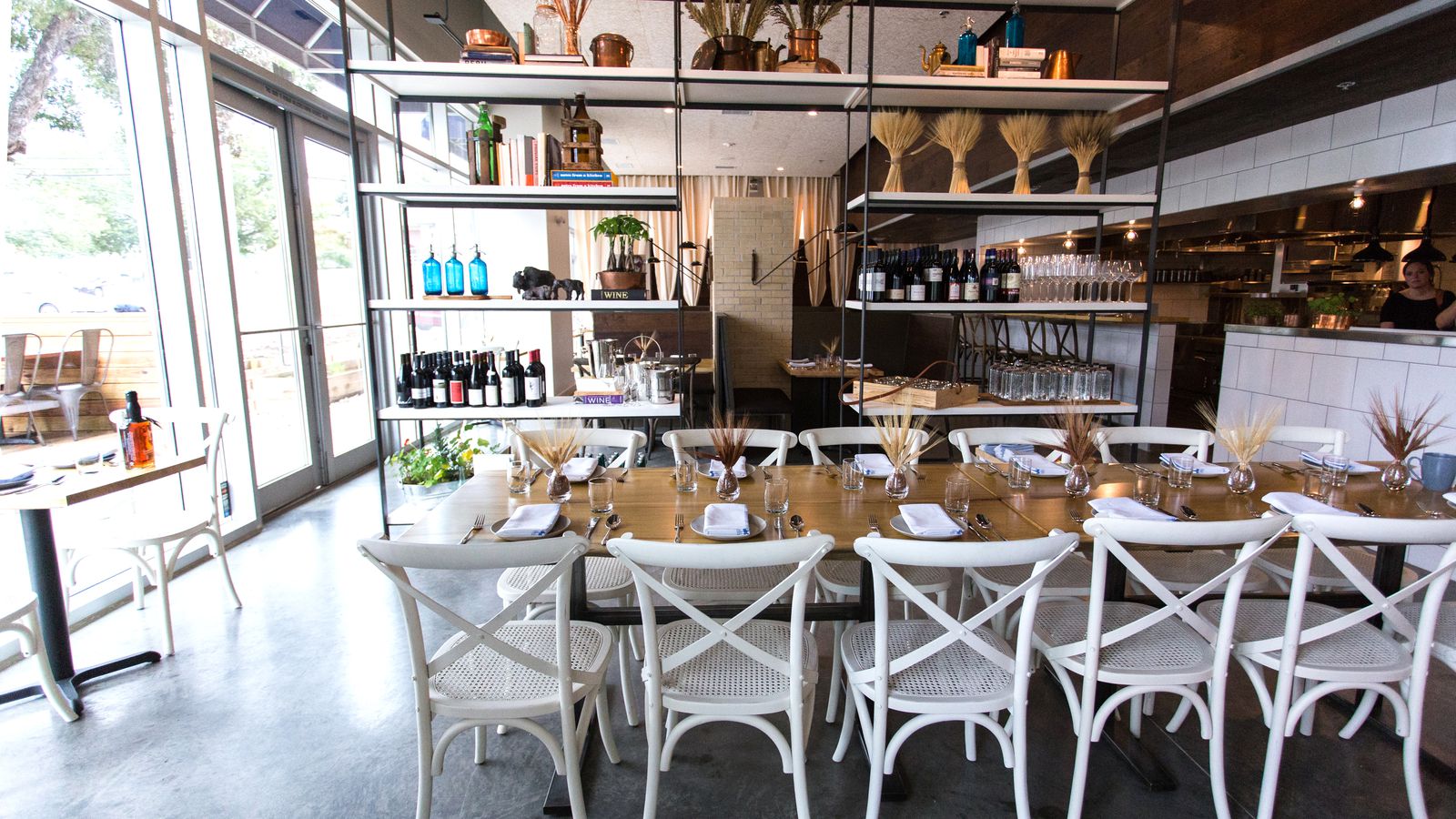
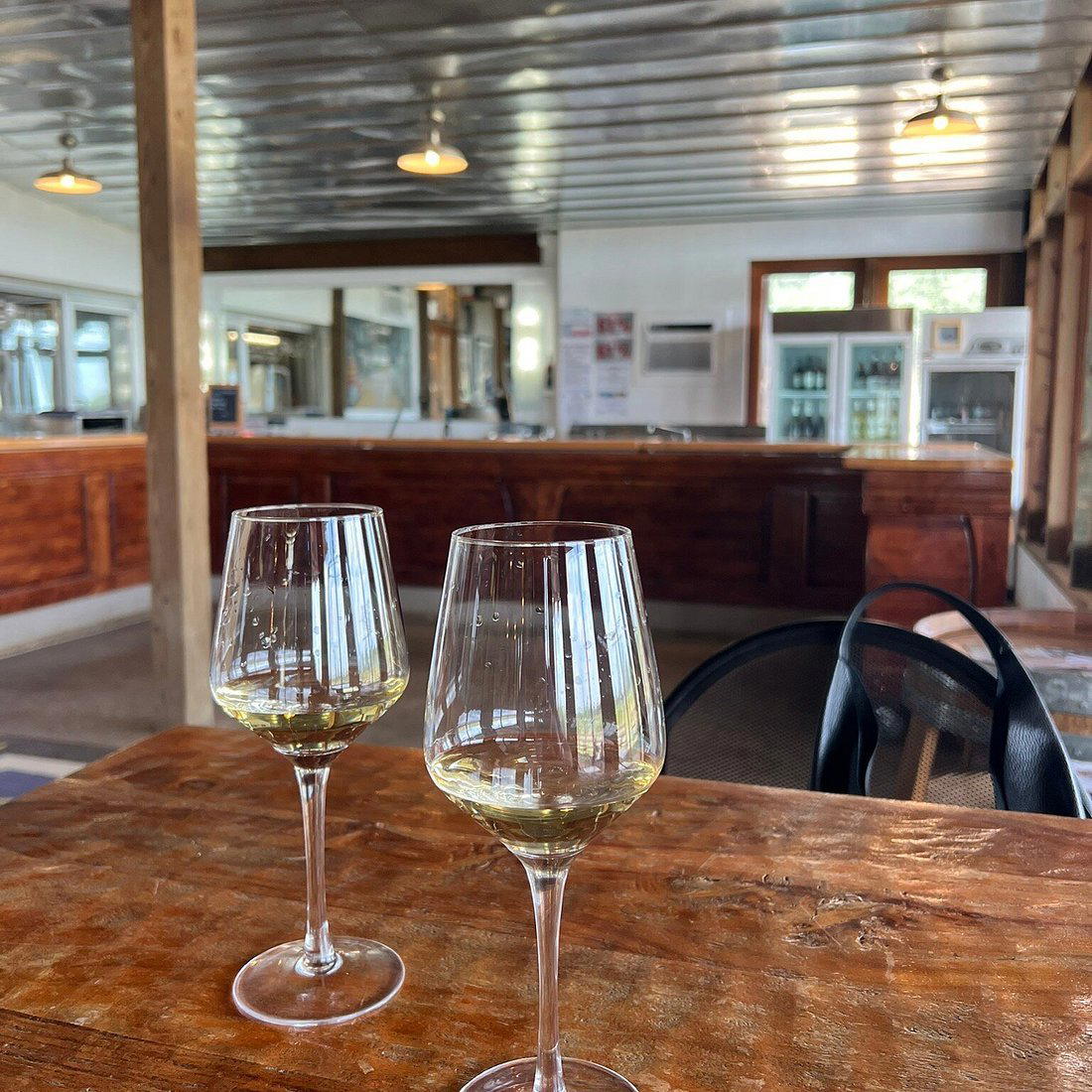
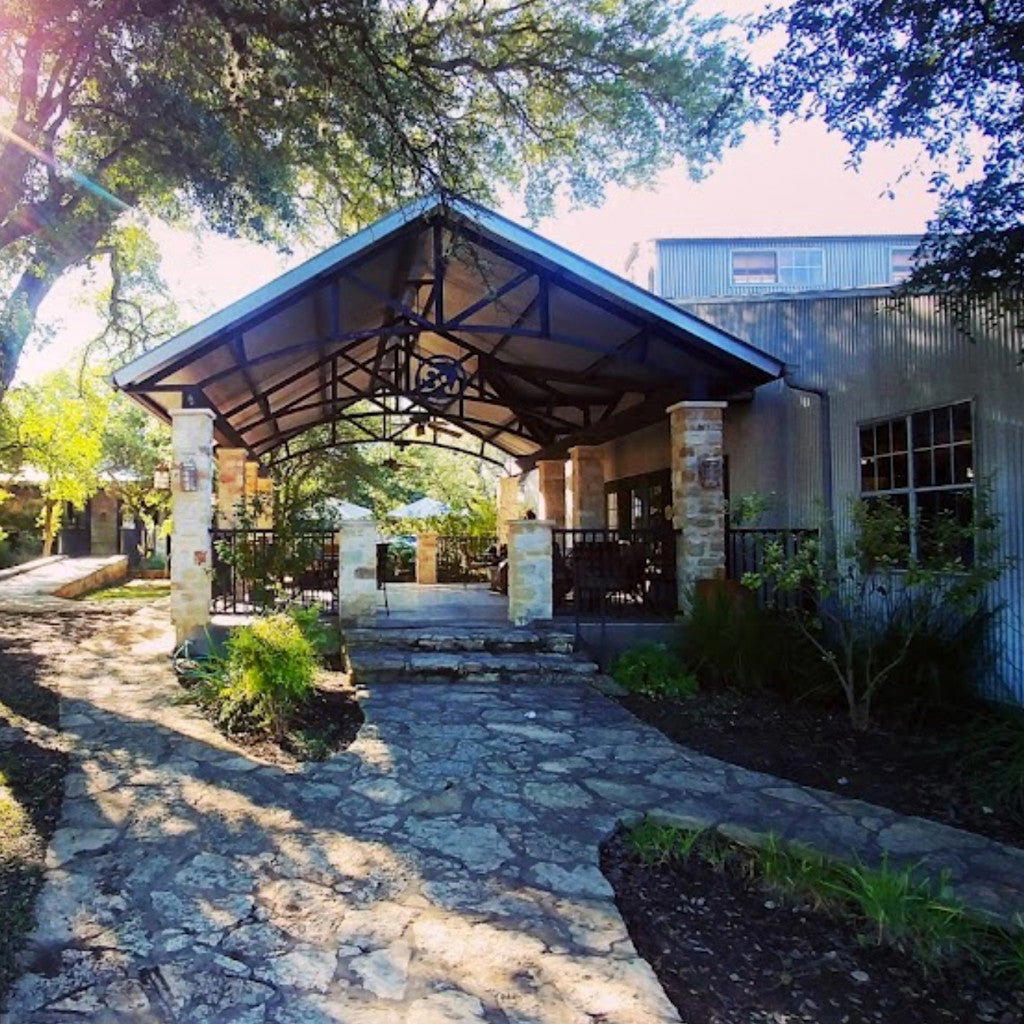
Stylish and lively Spanish atmosphere evoking communal dining experiences.