Bar Z Winery
Bar Z Winery sits along Farm to Market 1541 in Canyon, Texas, operating in a part of the Texas Panhandle where wine production remains a genuine outlier rather than an established tradition. The address alone signals something worth investigating: this is winemaking at the edge of the High Plains AVA's sphere, where the decision to grow and vinify in Randall County carries its own editorial weight.
Pearl is the En Primeur Club membership app — saves, bookings, and concierge access live there. Same editors, same standards.
- Address
- 19290 Farm to Market 1541, Canyon, TX 79015
- Phone
- +1 806 488 2214
- Website
- barzwinery.com
- Directions
- Get directions
 Saves & bookings on Pearl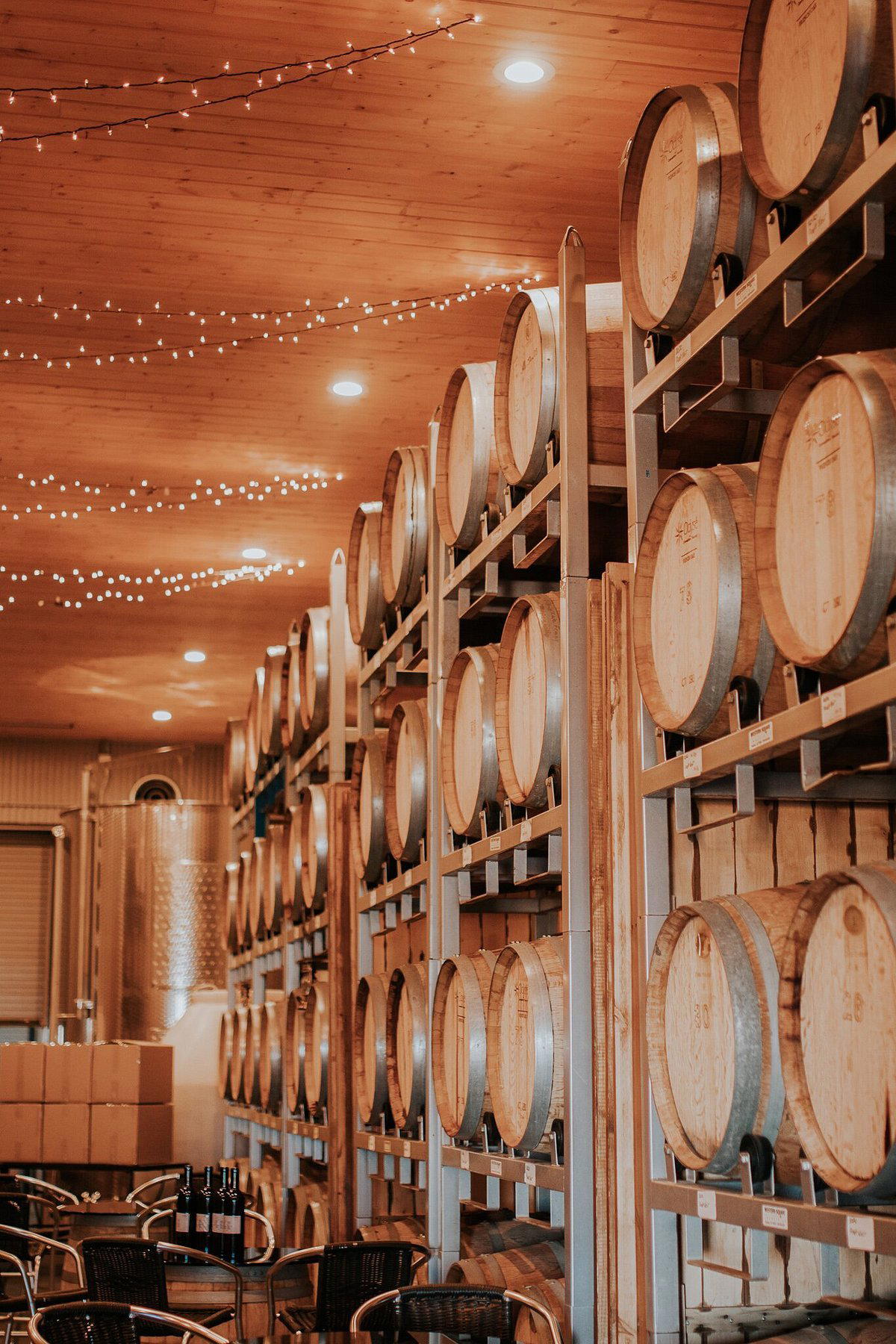
Randall County Wine Country: A Different Kind of Texas
The Panhandle flatlands along Farm to Market 1541 outside Canyon, Texas, are not where most people expect to find a winery. The elevation here sits above 3,500 feet, the sky runs wide in every direction, and the agricultural character of Randall County is defined more by grain and cattle than vine. That contrast is precisely what makes the presence of Bar Z Winery worth understanding: it occupies a category of rural Texas wine production that has been expanding quietly for two decades, as producers work with High Plains-grown fruit and a visitor model built around the land rather than a city hospitality circuit. For a broader picture of where Bar Z fits within the region's food and drink scene, our full Randall County restaurants guide maps the surrounding options.
The Setting Along FM 1541
Arriving at 19290 Farm to Market 1541 puts you on a rural route where the horizon is the dominant architectural feature. The approach offers none of the landscaped theatrics common to Napa tasting rooms or Hill Country showpieces. What you get instead is a working agricultural property with the kind of spatial generosity that only genuinely rural Texas delivers: open sky, clean air at altitude, and a quietness that urban tasting rooms consistently fail to replicate. The physical environment at a property like this functions as the primary experience before any glass is poured, and in that sense it aligns with a broader trend in American wine tourism toward place-specificity over production polish.
Texas Wine in the High Plains Context
To understand what Bar Z Winery represents, it helps to understand where Texas wine actually grows. The majority of Texas wine grapes, including those used by Hill Country producers, originate in the High Plains region around Lubbock and the surrounding counties. The elevation, sandy soils, and dry climate there produce fruit with structure that warmer, more humid Texas regions cannot consistently replicate. Randall County sits at the edge of this agricultural zone, and wineries operating here often have a directness of supply chain that larger, better-marketed Texas producers lack. The relationship between this part of the Panhandle and Texas viticulture is substantive rather than incidental.
That context matters when comparing Bar Z to the broader Texas craft wine tier. Producers in this category tend to operate with lower visitor volumes, less marketing infrastructure, and a more localized audience than destinations like Fredericksburg or Gruene. The trade-off is a tasting experience that runs closer to the agricultural reality of Texas wine production. Compare this with the more programmatic cocktail and hospitality formats at places like Julep in Houston or the technically precise drink programs at Kumiko in Chicago, and the contrast in format and intent is clear. Bar Z operates in a register entirely its own: rural, grounded, and defined by its geography rather than its programming.
The Drinks Program: Wine at the Source
The editorial angle most relevant to Bar Z is not cocktail innovation of the kind found at ABV in San Francisco, Allegory in Washington, D.C., or Bitter and Twisted in Phoenix. The winery format here means the drink program is built around estate or regionally sourced wine production rather than a bartender's technique-driven repertoire. That said, the principle that animates the leading small American drink programs, whether a clarified cocktail counter in New York like Superbueno or a spirits library like Canon in Seattle, applies here in a different register: specificity of sourcing and clarity of product identity over volume and variety.
Small Texas wineries at this tier typically offer tasting formats that move through a producer's range in a single sitting, often with some explanation of vintage variation or regional context. The experience is more educational than theatrical, closer in spirit to what Bar Leather Apron in Honolulu does with spirits knowledge than to anything resembling a high-concept cocktail bar. The value is in direct access to production decisions, not in the presentation layer.
Bar Z Winery sits in a peer group of independent, rurally located Texas wine producers rather than the Hill Country hospitality corridor. That distinction matters for visitor expectations. The Hill Country model, anchored around Fredericksburg, has increasingly moved toward a tourism-facing, high-traffic experience with food programming, live music, and weekend crowds. The Panhandle model, less developed and less trafficked, retains a character that some visitors will find preferable precisely because it has not been optimized for throughput. Compare the deliberate low-volume, specialist format here with what Jewel of the South in New Orleans does in cocktails, where craft and restraint define the experience rather than scale. The parallel is in ethos, not category.
Internationally, the rural winery visit format that Bar Z exemplifies has analogues across small European appellations and in New World wine regions where the distance from major cities keeps visitor numbers manageable and the atmosphere honest. The Parlour in Frankfurt on the Main and Bar Kaiju in Miami represent very different drink culture contexts, but the principle of a tightly defined, location-specific experience connects them to what rural Texas wine production offers at its finest.
Planning Your Visit
Bar Z Winery is located at 19290 Farm to Market 1541 in Canyon, Texas 79015, which places it south of Amarillo and accessible by car from the city center in under thirty minutes. Canyon itself is a small city with limited hospitality infrastructure beyond the basics, so visitors planning a half-day or full-day trip should account for meals and any accommodation needs in Amarillo rather than Canyon. The rural location means this is a drive-in destination with no realistic alternative transport. The Panhandle climate runs to extremes: summers are hot and dry, winters can be severe, and spring and fall offer the most comfortable conditions for an outdoor-oriented visit.
At a Glance
- Rustic
- Scenic
- Cozy
- Date Night
- Group Outing
- Celebration
- Live Music
- Terrace
- Panoramic View
- Outdoor Terrace
- Lounge Seating
- Conventional Wine
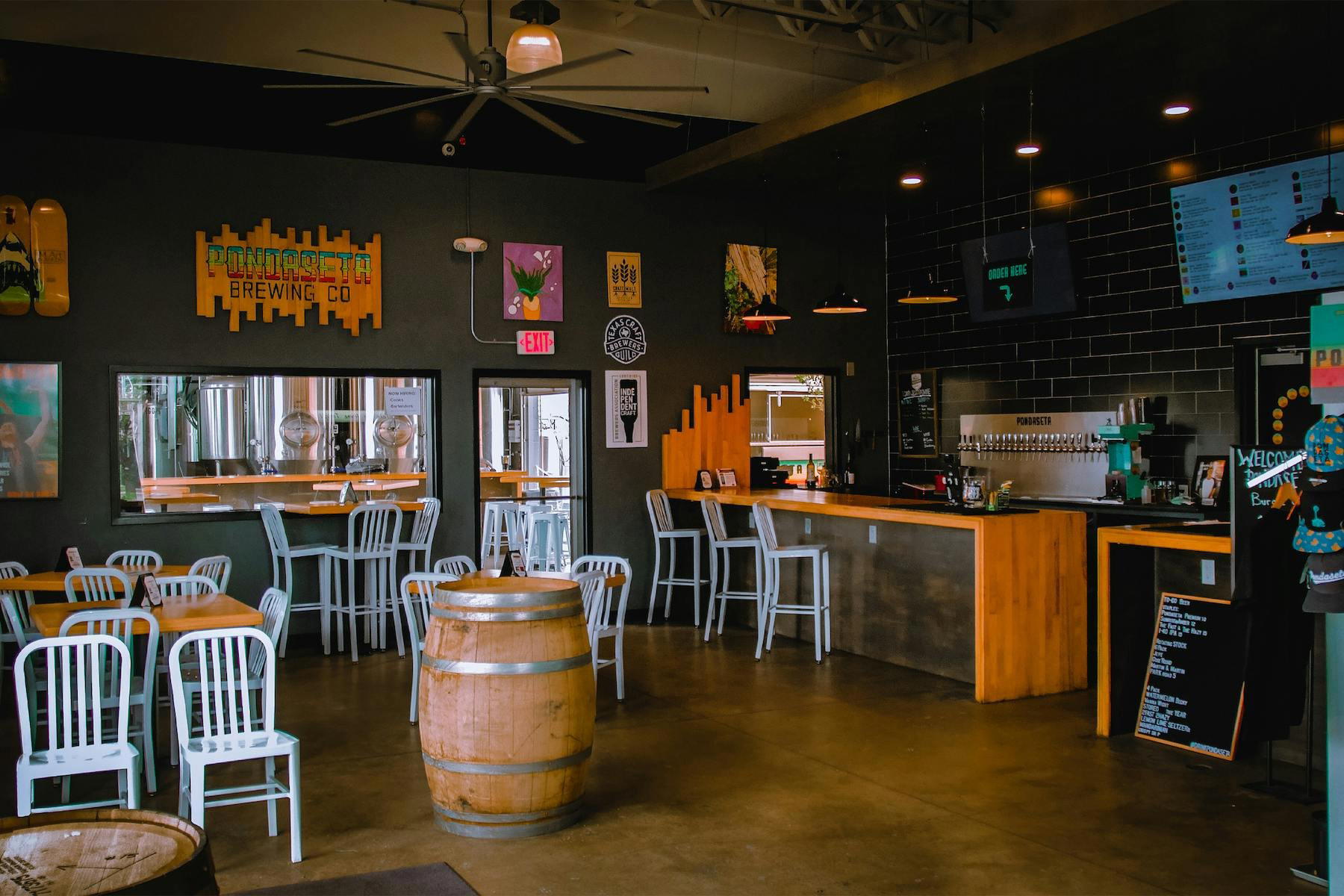
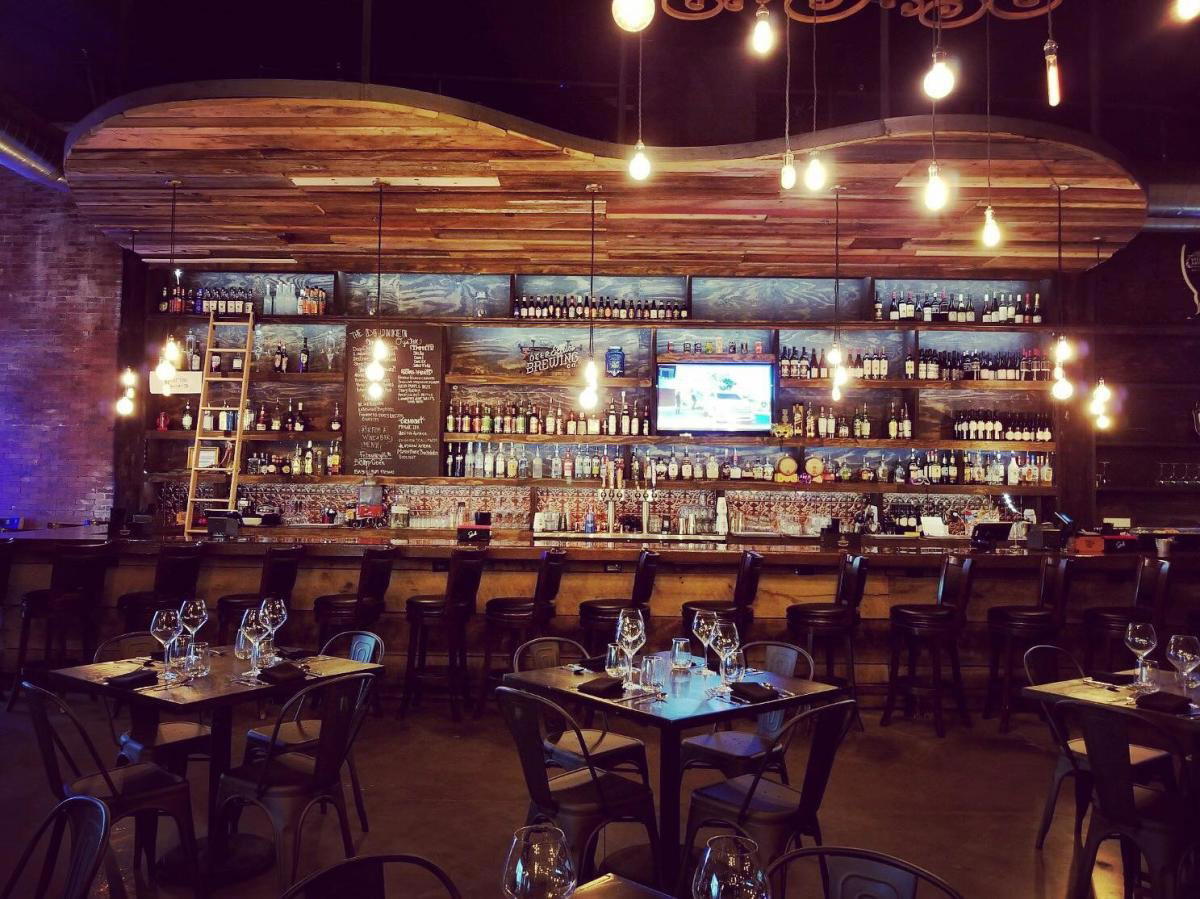
Casual contemporary industrial setting with dramatic natural canyon vistas, enhanced by sunset views and an inviting patio atmosphere.
Know Before You Go
- Getting there
- 19290 Farm to Market 1541, Canyon, TX 79015