Bar Hacienda
Bar Hacienda belongs in the Austin drinking conversation as a bar to approach through context rather than claims: there is no published public sources here for awards, pricing, hours, address, chef, or booking route.

Pearl is the En Primeur Club membership app, where members save venues, book tables and use the concierge.
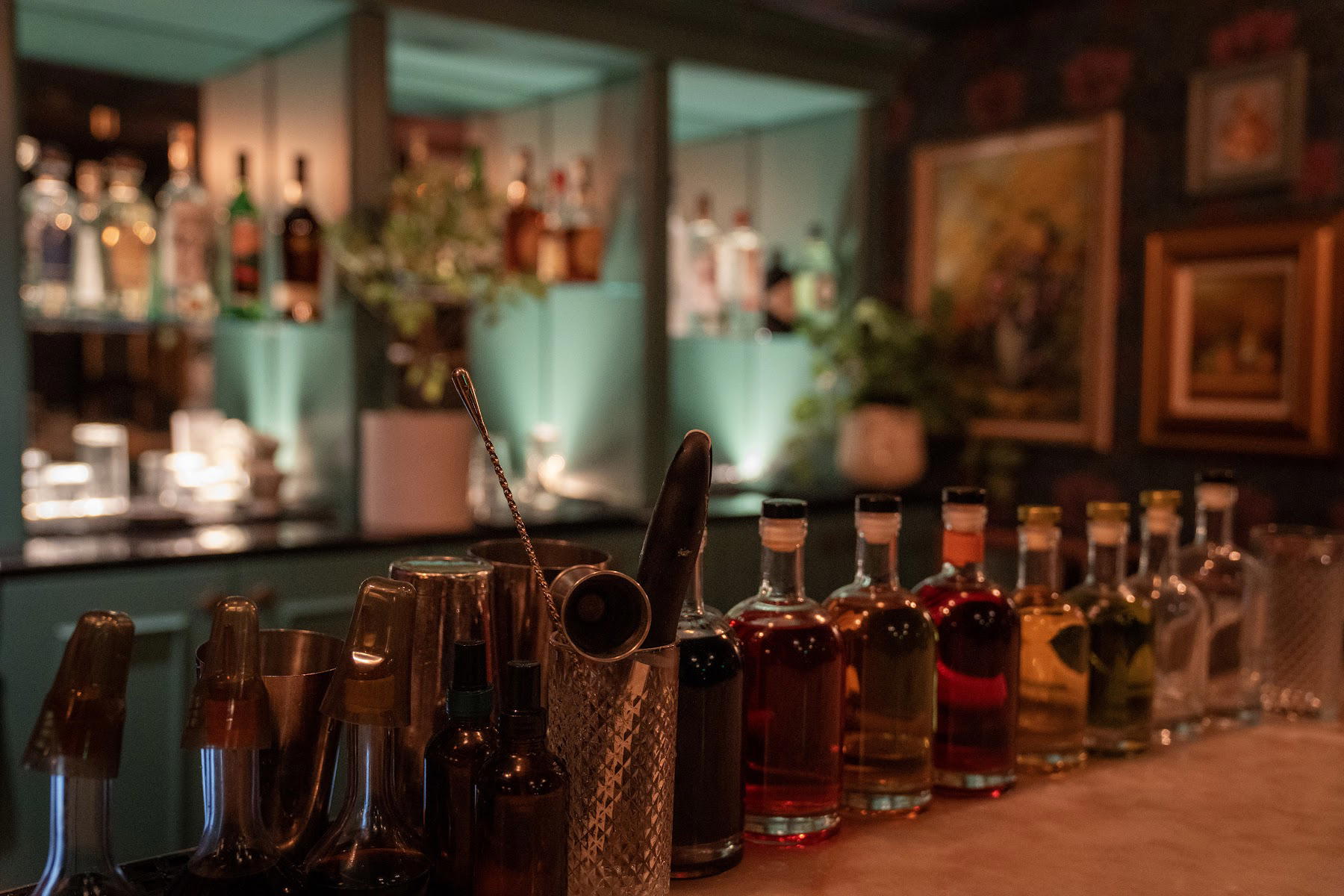
Austin cocktail culture before the first drink
Austin nights have a particular rhythm before a glass reaches the table: music escaping from doorways, patio conversations carrying over warm pavement, rideshares slowing near clusters of bars, and a city that treats drinking as both social glue and late-night punctuation. That setting matters for Bar Hacienda because Austin’s bar culture is not built around a single formal model. It moves between beer-and-shot rooms, agave-focused counters, hotel lounges, live-music institutions, neighborhood patios, and cocktail bars that have learned to speak in technique without losing the city’s informal cadence.
The current Austin cocktail scene rewards clarity. A bar does not need velvet ropes or theatrical concealment to read as serious; it needs a point of view behind the drinks, a room that understands pacing, and enough discipline to serve both the guest who wants a clean classic and the guest looking for a more constructed house serve. With no public details available for Bar Hacienda’s menu, price range, awards, hours, address, or booking method, the editorial frame is comparative rather than declarative. Place it inside a city where drinks programs are now judged less by novelty and more by whether the bar can hold its own across a full evening.
Austin has become useful for cocktail drinkers because its range is unusually legible. Nickel City represents the city’s easygoing high-low register, where serious bartending can live inside a neighborhood-bar format. Mezcalería Tobalá points toward agave specificity, a category where selection and education matter as much as speed. 2500 E 6th St speaks to the address-driven way East Austin drinking has developed, where a street can become a shorthand for a whole night’s itinerary. Antone's Nightclub keeps the live-music lineage in view, reminding drinkers that Austin bars are rarely separated from performance, sound, and late hours.
The drink program is the real test
For a bar with sparse public-facing database information, the cocktail program becomes the lens rather than the footnote. In Austin, the stronger modern bars tend to make their argument through structure: spirit base, modifier choice, dilution, glassware, speed, and how the menu handles guests who do not arrive speaking bartender shorthand. A list can be adventurous without becoming opaque. It can be concise without feeling underbuilt. It can lean into tequila, mezcal, whiskey, rum, or aperitif culture, but the real question is whether the drinks show internal logic from first round to last.
That is the frame to use here. Bar Hacienda should be read against the city’s broader move away from novelty-for-novelty’s-sake and toward programs that give guests a clear route through the menu. Austin’s bar audience is not passive. It contains service-industry regulars, music crowds, convention travelers, food-driven visitors, and locals who know the difference between a bar that happens to mix drinks and a bar that has a drink-making identity. A cocktail program in this market has to survive several demands at once: speed on busier nights, enough classics literacy to reassure cautious guests, and enough house perspective to justify a place on a planned bar crawl.
That restraint is not a weakness; it is part of how a useful guide should work. The correct move is to evaluate the program in person or through the venue’s current menu if available, paying attention to whether the list gives clear information about base spirits and style. If the menu is short, look for whether each drink has a reason to exist. If it is long, look for whether categories help rather than clutter the decision. If the bar offers bartender’s-choice service, the test is whether the prompt begins with useful questions about spirit, sweetness, bitterness, citrus, and strength rather than a performance of intuition.
How Bar Hacienda fits the Austin drinking map
Austin’s drinking geography has shifted from a simple downtown-versus-neighborhood split into a more layered map. Downtown still concentrates visitors, live music, and late-night momentum. East Austin carries much of the city’s contemporary bar energy, helped by walkable stretches, patio culture, and a food-truck ecosystem that keeps evenings flexible. South Congress and surrounding districts fold hotels, restaurants, and retail into polished drinking routes. The result is a city where the right bar choice depends less on a universal ranking and more on the kind of night being assembled.
But the editorial decision is clear. If the cocktail program carries a defined house style, it belongs in the same mental category as Austin bars chosen for drinks first rather than convenience alone. If the room is more about atmosphere and social ease, it may function better as an early-evening meeting point or late-night decompression stop. Both roles have value, but they serve different travelers.
That distinction matters in Austin because the city’s strongest nights are usually sequenced. A visitor might start with restaurants from Our full Austin restaurants guide, continue through bars in Our full Austin bars guide, and choose a hotel base from Our full Austin hotels guide depending on whether the priority is downtown access, East Austin proximity, or a quieter return at the end of the night. Wine-focused travelers can widen the trip through Our full Austin wineries guide, while culture-led planning sits better with Our full Austin experiences guide. In that broader planning context, a bar’s value is not abstract. It depends on timing, neighborhood, and the kind of drinking the night needs.
What the absence of awards and pricing actually tells you
Awards can be useful signals, but their absence is not a verdict. That means the page should not pretend to have external validation it does not have. In bar writing, false certainty is worse than limited information. A drinker can work with a blank field if the field is honestly labeled; they cannot work with inflated claims.
In practical terms, no published price range means visitors should avoid assuming casual or premium positioning until checking current menus or contacting the venue directly if contact details are available elsewhere. Austin cocktail pricing varies significantly by district, service style, and ingredient intensity. A neighborhood highball, a stirred spirit-forward house drink, a rare agave pour, and a hotel lounge cocktail may sit in different brackets even within a short ride of one another. No awards listed also means the argument for visiting should come from fit: the bar’s style, the surrounding night, and whether its cocktail program answers a gap in the itinerary.
This is where comparison helps. Miami’s Café La Trova in Miami works through a strong cultural format, with Cuban cantinero tradition shaping the room and the drink conversation. Happy Accidents in Albuquerque shows how a city outside the usual coastal cocktail circuit can build a serious bar identity through creativity and hospitality systems. Roquette in Seattle points to a more intimate, detail-led model. Austin sits between those poles: relaxed enough to resist stiffness, ambitious enough that weak technique is quickly exposed.
Planning Bar Hacienda into an Austin night
That is not bureaucratic caution; it is basic Austin intelligence. Hours can vary by day, private events can affect access, and neighborhoods that feel close on a map may require more time once traffic, ride availability, music events, and weekend crowds enter the equation.
The safer approach is to build flexibility into the evening. Treat Bar Hacienda as a cocktail-centered stop and pair it with nearby options only after confirming its current location and operating details. If the venue accepts reservations, secure a time that preserves the rest of the night rather than placing the booking at an awkward midpoint. If it operates walk-in only, arrive earlier in the evening or keep a second bar nearby. If the venue publishes a menu, read it for structure rather than simply scanning for familiar spirits. A well-built cocktail list will tell the drinker how the bar thinks.
Dress expectations are also unconfirmed, so Austin’s general rule applies: relaxed but intentional usually travels well. The city does not demand formalwear for most cocktail settings, but the better rooms reward guests who look like they planned the evening. For pricing, assume variability until a current menu confirms otherwise. For groups, confirm capacity or table policy if possible; cocktail bars can change character quickly when a party size exceeds what the room comfortably handles. For solo drinkers or pairs, counter seating, where available, remains the strongest way to read a drink program because ordering becomes a conversation about structure rather than a transaction across a crowded room.
- Miami Nice
- Sunshine Sazerac
- Salero
- Terry’s Chocolate Old Fashioned
- Hacienda Highball
- Caragigilo
Reputation & Price
Comparable venues nearby, for context on price, style, and recognition.
| Venue | Cuisine | Price | Awards | Notes |
|---|---|---|---|---|
| Bar HaciendaThis venue (the venue you are viewing) | Not listed | $30–50 | Not listed | Not listed |
| In Plain Sight | Not listed | $20–30 | Not listed | Congress Ave District, cocktail_bar |
| Tsuke Edomae | RMMA, Bar | $100–150 | Not listed | Not listed |
| WU Chow - Downtown | Not listed | Not listed | Not listed | Warehouse District, cocktail_bar |
| Rosie's Wine Bar | Not listed | $30–50 | Not listed | Old West Austin, wine_bar |
| Underdog | Not listed | Not listed | Star Wine List | Bouldin, wine_bar |
Continue exploring
More in Austin
Bars in Austin
All bars in Austin →
Restaurants in Austin
All restaurants in Austin →
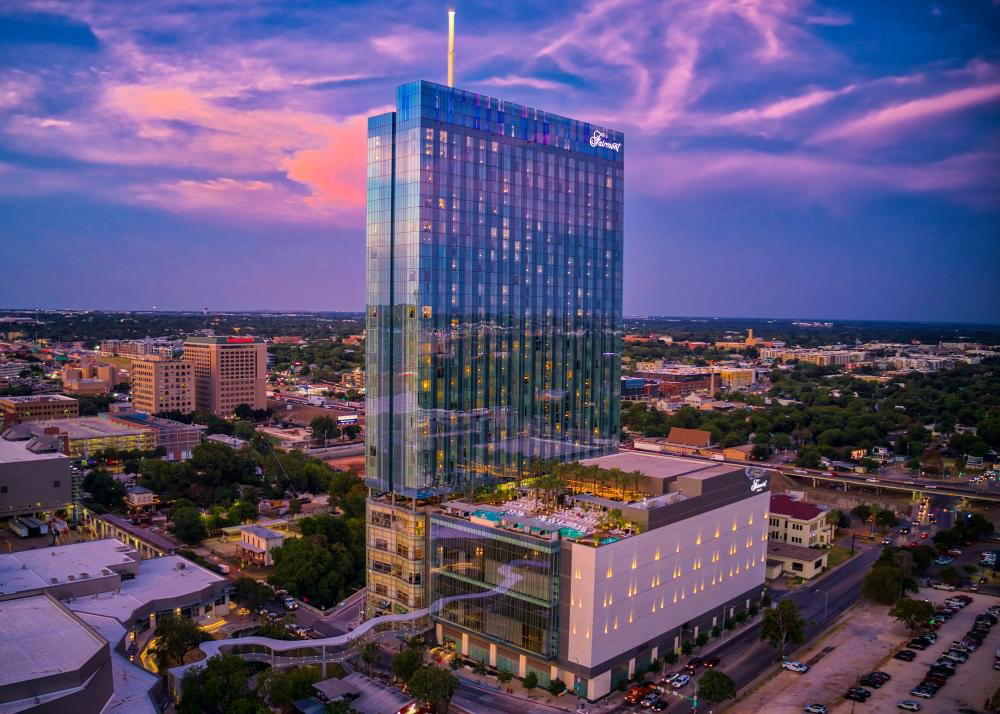
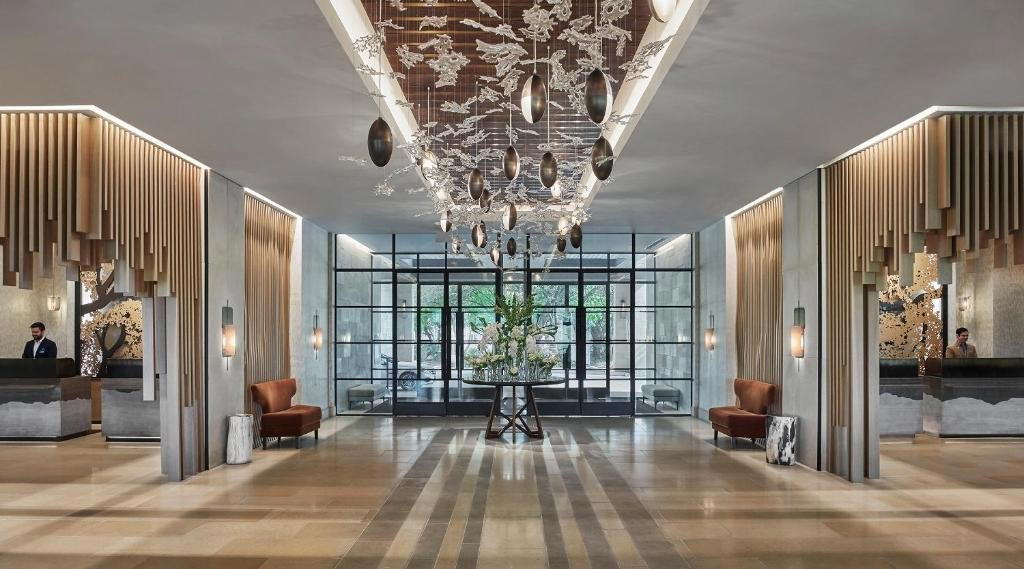
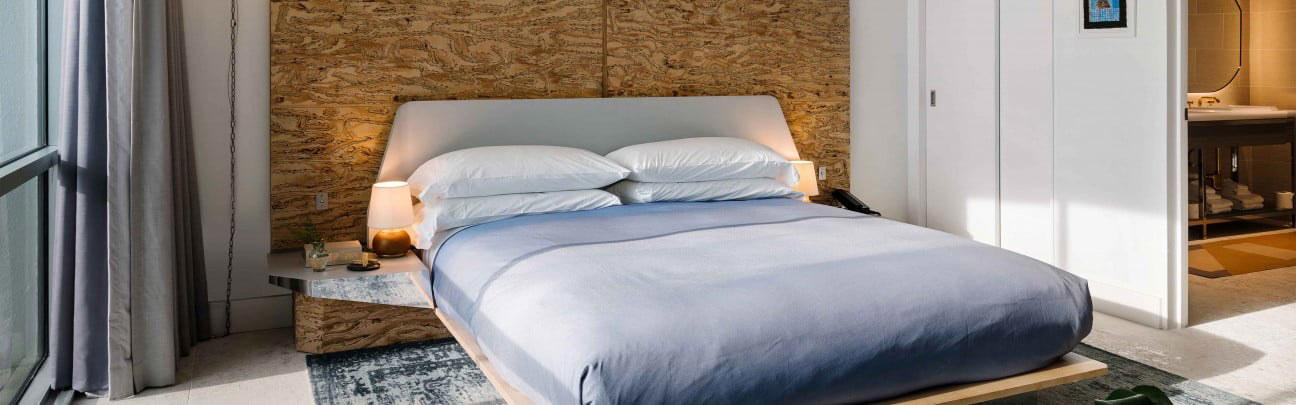
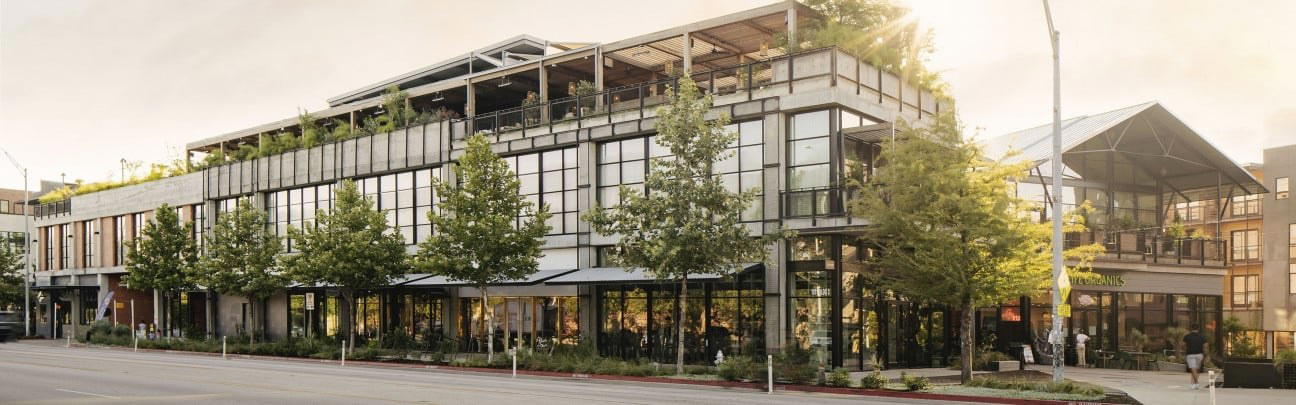
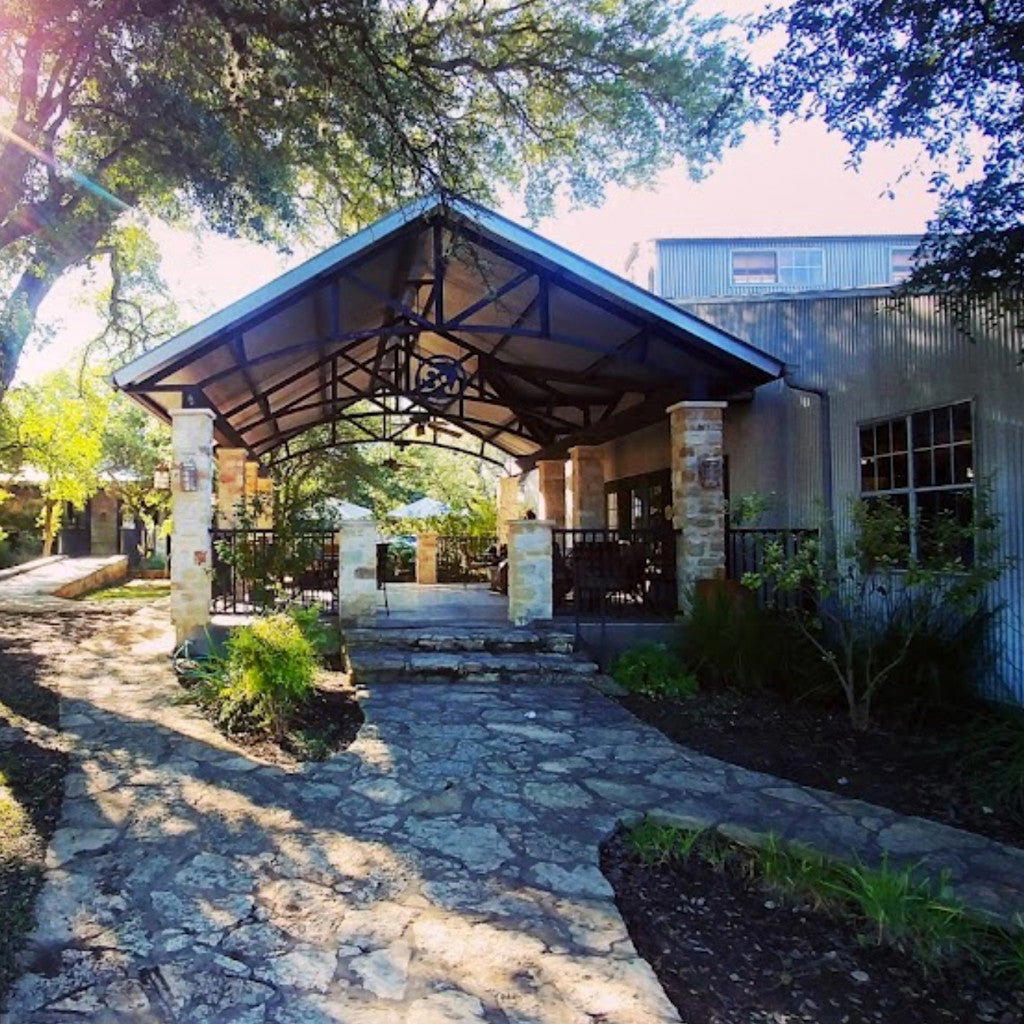
Bar Hacienda
The drinks
- Craft cocktails
- Mezcal
- Tequila
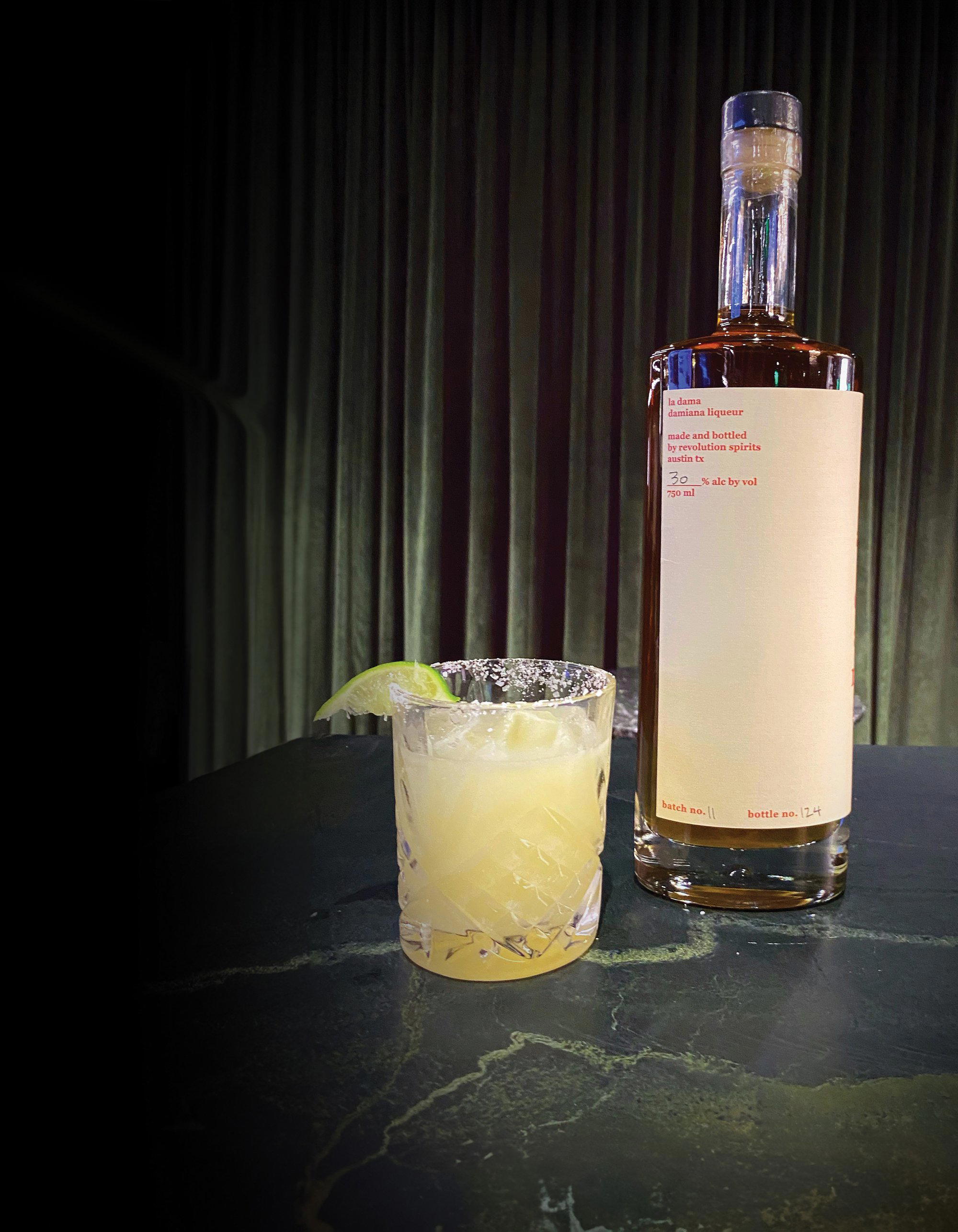
Signature drinks: Miami Nice, Sunshine Sazerac, Salero, Terry’s Chocolate Old Fashioned, Hacienda Highball, Caragigilo.
Details
- Trendy
- Elegant
- Lively
- Intimate
- Sophisticated
- Date Night
- After Work
- Late Night
- Group Outing
- Casual Hangout
- Celebration
- Private Event
- Speakeasy
- Design Destination
- Standalone
- Seated Bar
- Lounge Seating
- Booth Seating
- Private Rooms
- Craft Cocktails
- Whiskey
- Rum
- Mezcal
- Frozen
- Tequila
Current opening hours
- Monday
- Closed
- Tuesday
- 5–11 PM
- Wednesday
- 5 PM–12 AM
- Thursday
- 5 PM–1 AM
- Friday
- 5 PM–2 AM
- Saturday
- 2 PM–2 AM
- Sunday
- 1–10 PM
Hours can change for holidays and private events. Hours as of .
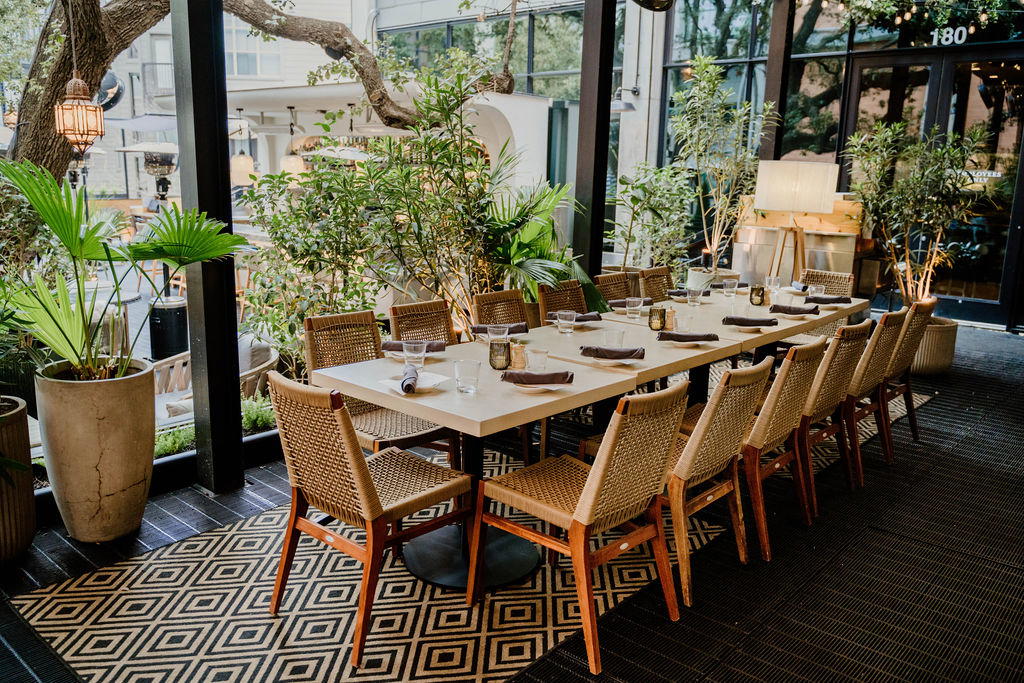
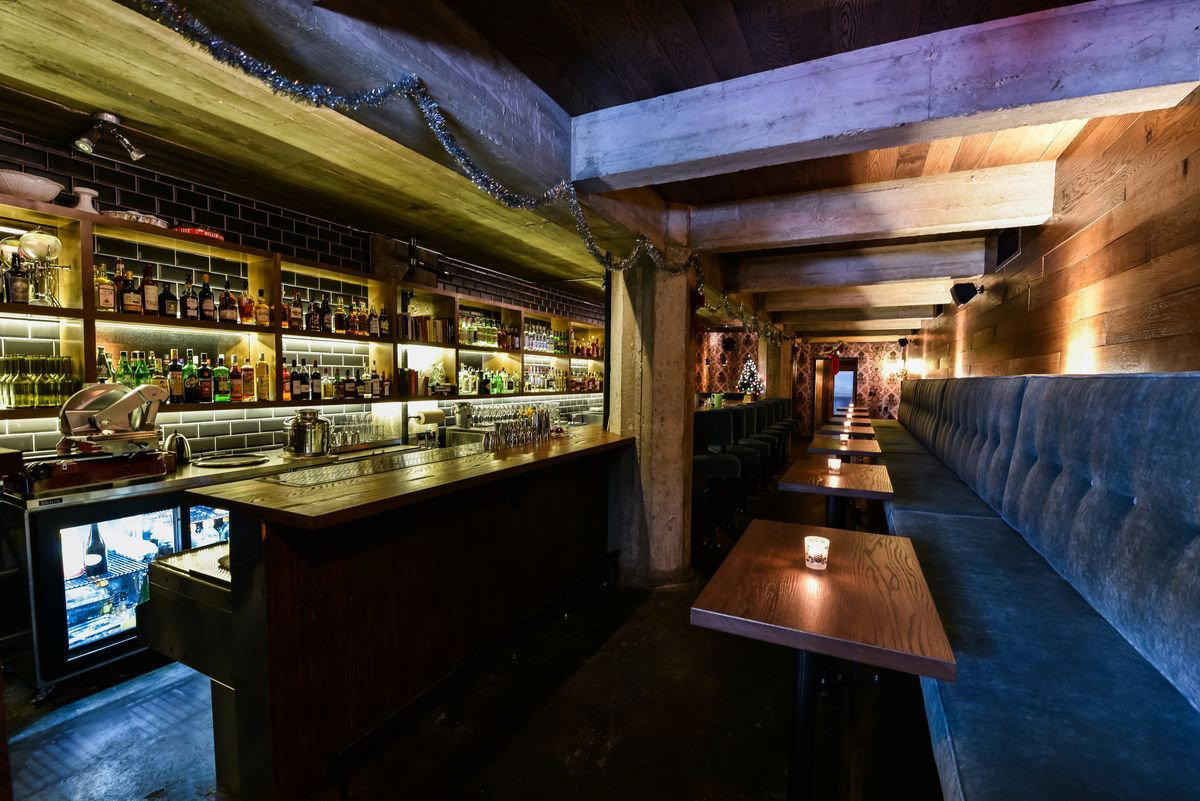
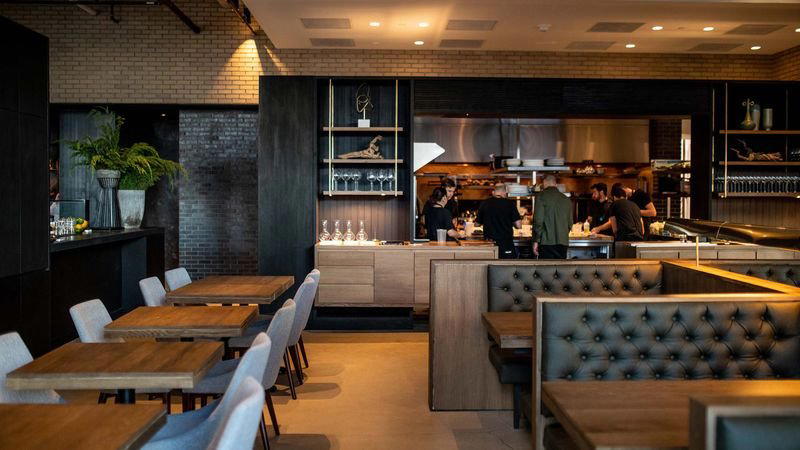
Dimly lit and jewel‑toned with tufted furniture and layered patterns, pairing a vintage‑meets‑modern lounge look with an unpretentious but high‑energy cocktail‑bar feel, R&B and hip hop on the sound system, and a ‘all flavor, no behavior’ party vibe.