Bar. Ter sits inside Singapore’s serious cocktail conversation, a city where back bars, bottle selection, and bartender discipline matter as much as address or décor. EP Club has no verified public record for awards, chef, pricing, or booking method here, so the useful read is comparative: treat it as a bar to assess through curation, service rhythm, and how its spirits list speaks against Singapore’s deeper drinking culture.
Pearl is the En Primeur Club membership app — saves, bookings, and concierge access live there. Same editors, same standards.
- Address
- 42 S Bridge Rd, #01-01, Singapore 058676
- Phone
- +65 9273 5750
- Website
- barter.sg
- Directions
- Get directions
 Saves & bookings on Pearl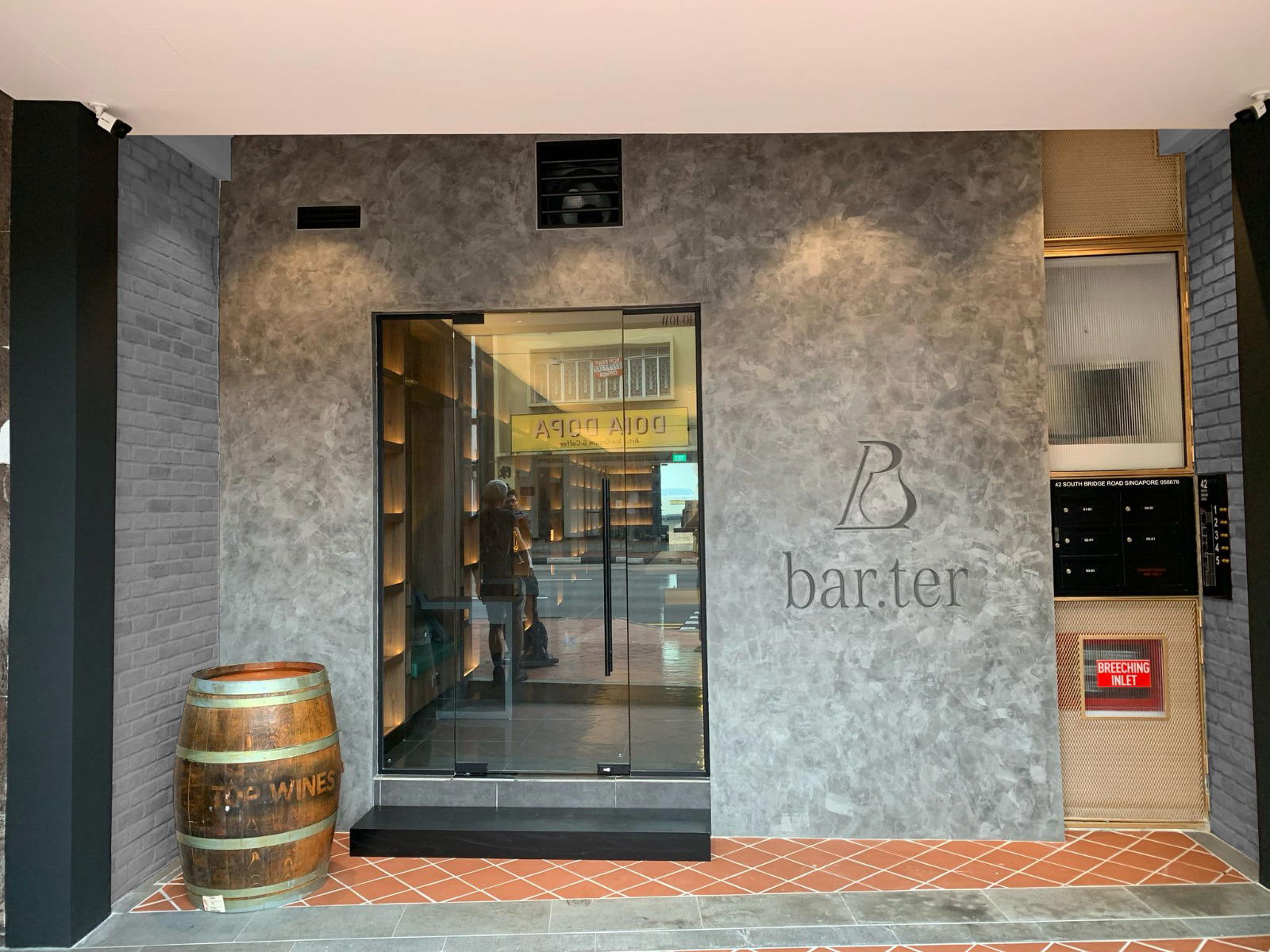
The room before the label
Singapore cocktail bars often announce themselves through restraint rather than noise. The city has spent more than a decade refining a drinking culture where the first read is rarely a neon sign or a theatrical entrance; it is the way bottles are arranged, how quickly a bartender reads the table, and whether the menu has been built to sell a concept or to support actual drinking. Bar. Ter should be approached through that lens. The sharper question is where a Singapore bar with limited public-facing data sits in a city where cocktail credibility is earned through curation, consistency, and peer comparison.
That absence of published detail is useful in its own way. In Singapore, the better bar conversation has moved beyond a simple split between hotel lounges and independent cocktail rooms. The serious end of the market now contains several formats: rare-spirit temples, technique-led counters, plant-forward bars, American-style speakeasy rooms, and hotel bars with deep procurement power.A place such as Bar. Ter enters a market where drinkers are trained to look past décor and ask harder questions: what does the back bar say, how wide is the spirits collection, how confident is the staff with styles beyond the house signatures, and does the room reward a second round?
Singapore's back-bar culture has become the real competition
The city’s cocktail reputation was not built only on shaken sours and clarified milk punches. Its deeper advantage is access. Singapore is a trade city with a long habit of importing, cellaring, comparing, and pricing luxury goods, and the bar scene reflects that mercantile instinct. Rare whisky, mezcal, aged rum, vintage amari, grower Champagne, Japanese gin, and small-production liqueurs all circulate through a market that understands both scarcity and hospitality. This is why the spirits collection matters. It is not a decorative wall of bottles; it is the bar’s argument about taste.
In that context, Atlas represents the grand-scale model: a hotel-adjacent, collection-driven room whose reputation is tied to the depth and visual force of its gin library as much as to mixed drinks. 28 HongKong Street belongs to a different chapter, the American cocktail-room influence that helped normalize serious drinks in an unshowy setting. Analogue pushes the conversation toward future-facing ingredients and plant-led thinking, while Anti:Dote shows how hotel bars can use procurement, staffing, and location to compete with independents. Bar. Ter’s name appears in that crowded city category, but with fewer verified public markers attached in EP Club’s database. That makes bottle depth, staff fluency, and menu clarity the criteria that matter on arrival.
The comparison is not cosmetic. Singapore drinkers are used to crossing town for a single bar because the city is compact and transport is efficient.A bar cannot rely on neighbourhood captivity in the way venues sometimes can in larger cities. It has to justify itself against the reader’s existing shortlist, and that shortlist is often packed with rooms carrying international recognition, distinctive formats, or specialist spirits programs. When official awards and pricing are not available for a venue, the practical test becomes sharper: does the selection show editorial intent, or is it merely wide?
What a serious spirits collection should tell you
A deep back bar is not measured by bottle count alone. In mature cocktail cities, quantity can be a distraction.A room with disciplined curation usually reveals itself through range within categories: not just a token mezcal, but different agave styles; not just a famous Islay whisky, but a reasoned spread across peat, sherry cask, refill bourbon cask, age, and producer; not just standard vermouth, but bottles fresh enough to support aperitif drinking. Singapore’s stronger bars understand that the back bar is a working library. The bartender should be able to move from a stirred drink to a neat pour to a lower-ABV recommendation without making the guest feel as if they have left the main program.
Bar. Ter’s available record does not verify rare bottles, house signatures, or a named bar lead, so the spirits-collection angle has to be read as an assessment framework rather than a claim. The useful reader strategy is to treat the first exchange as diagnostic. Ask for something within a defined mood and base spirit, then listen for how the response is framed.A strong bar will not simply push a house drink; it will translate preference into structure, strength, and category. In Singapore, where many guests are already fluent in Japanese highballs, Martinis, tropical classics, and spirit-forward nightcaps, that kind of interpretive service separates a collector’s shelf from a bar program.
This is also where pricing discipline matters, even though EP Club has no verified price range for Bar. Ter. Singapore’s cocktail market sits in a higher-cost operating environment than many regional capitals, with imported spirits, central leases, and staffing costs all shaping the bill. The more serious comparison is not whether a drink feels cheap, but whether the price makes sense against ingredient ambition, glassware, service time, and the back-bar alternatives available in the same evening. For rare pours, value is often expressed through access and storage condition rather than headline price.
The city context: a small market with high standards
Singapore is compact, but its drinking scene is unusually dense. The city has hotel bars with major capital behind them, independent rooms with international guest-shift calendars, and concept bars that use design as a way of organizing the menu rather than as a gimmick. For readers planning a broader trip, Our full Singapore bars guide gives the broader map, while Our full Singapore restaurants guide is useful because serious drinking here often follows serious eating. Cocktail plans are rarely isolated; they sit after a tasting menu, before late hawker food, or between hotel check-in and dinner.
The hotel layer matters too. Singapore’s luxury hotels have long understood beverage as part of the city’s international identity, not merely an amenity for guests. Readers comparing bar nights with where to stay can use Our full Singapore hotels guide to see how hospitality clusters shape evening movement. The same logic extends beyond restaurants and hotels. Our full Singapore experiences guide helps place bars within a wider cultural schedule, and Our full Singapore wineries guide is relevant for travellers who treat wine, spirits, and cellar access as one connected pursuit rather than separate hobbies.
Against that city structure, Bar. Ter benefits from being in Singapore but also faces a demanding audience because of it. In a less competitive market, a modestly publicized bar can rely on novelty. Here, the drinker has reference points. The city’s better rooms have trained guests to expect precise dilution, cold glassware when required, readable menus, and staff who can discuss spirits without reciting brand copy. Those standards create pressure, but they also create an opening for a bar that can earn trust quietly through the bottle list and service.
How Bar. Ter compares with international drinking cities
Singapore’s spirits culture sits closer to London, Tokyo, and New York than to many resort-driven Asian destinations. It rewards compact rooms, serious sourcing, and repeat custom. The comparison with the United States is instructive. Café La Trova in Miami builds its authority through Cuban cantinero tradition, live energy, and a sense of place. Happy Accidents in Albuquerque reflects a different American model, where regional creativity and approachable service can carry a bar outside the coastal circuit. Roquette in Seattle points toward the wine-and-aperitif side of modern drinking, where bottle intelligence becomes as important as cocktail technique.
Singapore’s version is more compressed.A guest can move between hotel glamour, independent cocktail craft, and late-night food in a single evening without the logistical friction of a larger city. That compression raises expectations. If Bar. Ter leans into spirits curation, the relevant comparable set is not every bar in town; it is the subset where the back bar drives the experience. In those rooms, the collection must do more than impress at a glance. It needs to support decisions across aperitif, classic, experimental, and after-dinner drinking. It also needs staff who can resist overexplaining when a guest simply wants a clean, cold drink.
Ter’s address, website, phone number, hours, booking method, dress code, or price range, planning should be handled with extra verification. Check the venue’s current official channel before setting an evening around it, especially on Sundays, public holidays, and during major Singapore event weeks when bar staffing and private events can change the usual rhythm. If reservations are offered, use the official channel rather than third-party assumptions. If walk-ins are accepted, arrive earlier in the evening for a calmer read of the room and a better chance to discuss spirits rather than ordering under peak-hour pressure.
Singapore’s climate and dining pattern also affect the evening. Heavy rain can change arrival times, ride-hailing demand, and the appeal of crossing neighbourhoods between venues. Dinner reservations often set the pace, so a spirits-led bar works well either as a pre-dinner aperitif stop or as a later session when the guest can spend time with the back bar. Without verified price data, assume cocktails and rare pours may sit within Singapore’s premium-city range and order accordingly: start with one drink that tests the house style, then move toward neat pours or category-specific recommendations if the staff response earns confidence.
Comparable Venues Nearby
Comparable venues nearby, for context on price, style, and recognition.
| Venue | Cuisine | Price | Notes |
|---|---|---|---|
| Bar. TerThis venue — the venue you are viewing | cocktail_bar | $$$ | Not listed |
| Saga Bar | lounge | $$ | Holland Village |
| LQV Singapore | wine_bar | $$$ | CHINATOWN |
| PLUME | cocktail_bar | $$$ | MARINA CENTRE |
| Big Wine Freaks | wine_bar | $$$ | CHINATOWN |
| Side Door | cocktail_bar | $$ | CHINATOWN |
Continue exploring
More in Singapore
Bars in Singapore
Browse all →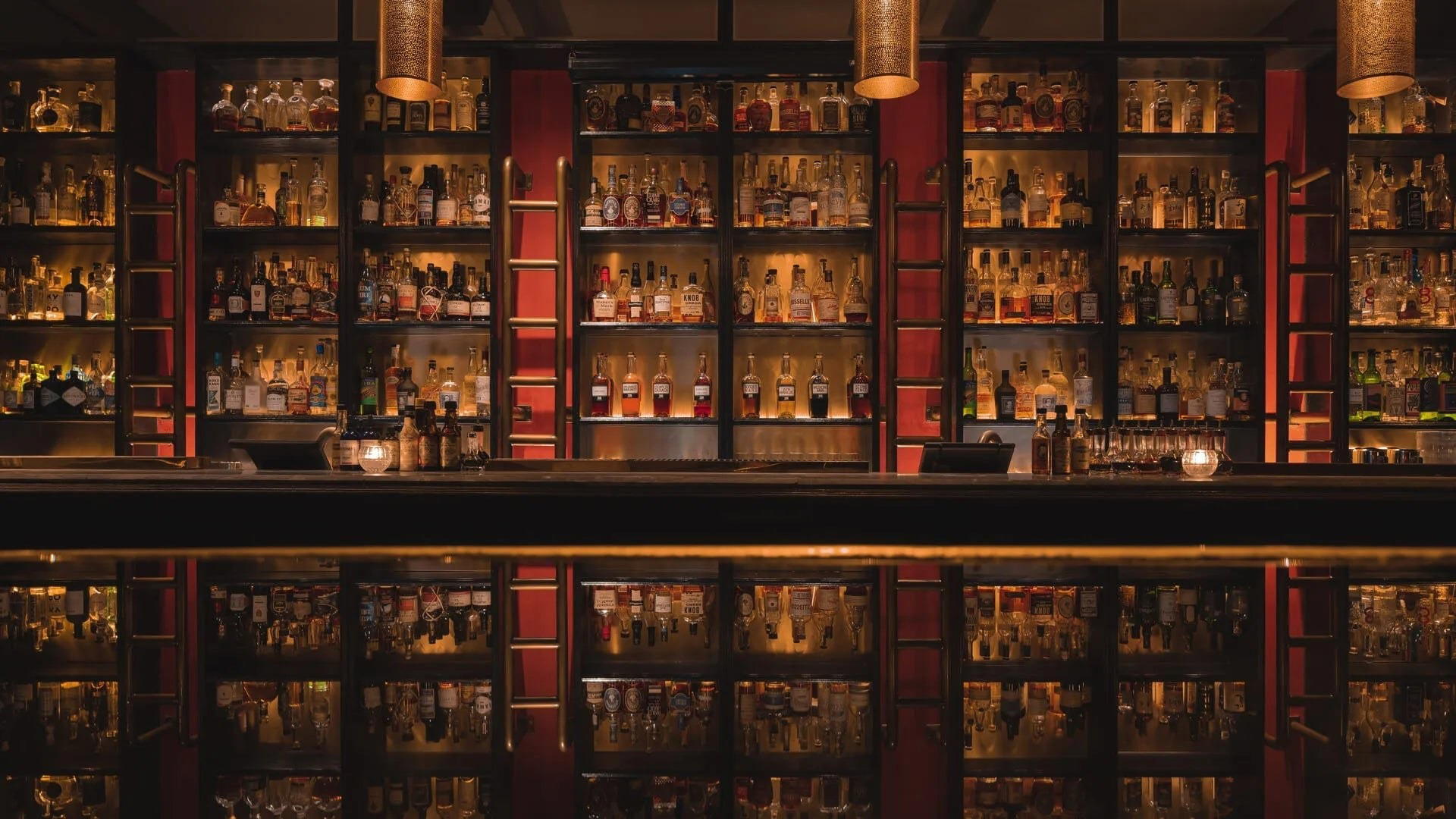
Restaurants in Singapore
Browse all →
At a Glance
- Modern
- Cozy
- Intimate
- Trendy
- Sophisticated
- After Work
- Late Night
- Group Outing
- Solo
- Casual Hangout
- Private Event
- Design Destination
- Standalone
- Seated Bar
- Lounge Seating
- Standing Room
- Craft Cocktails
- Whiskey
- Rum
- Tequila
- Gin
- Zero Proof
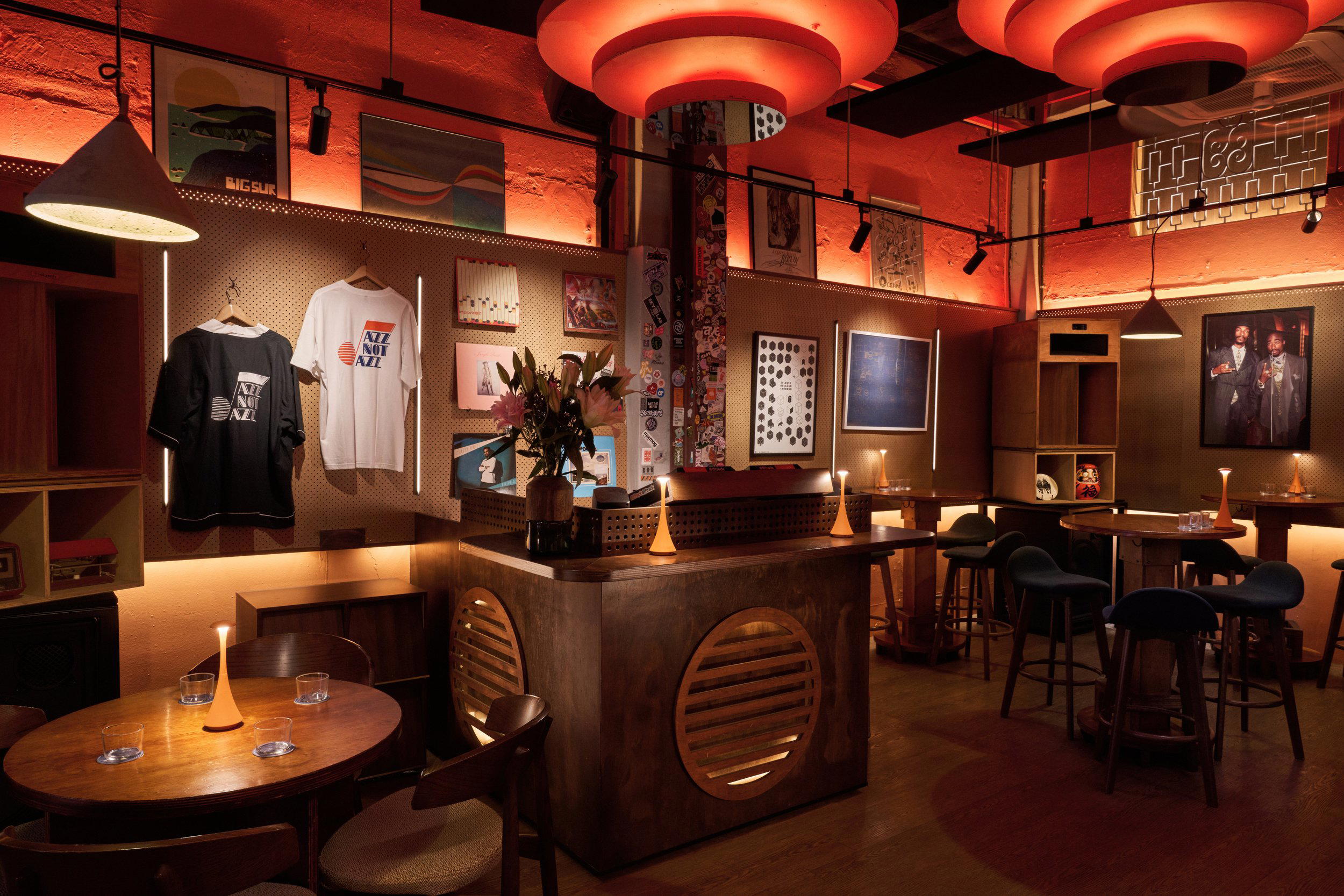
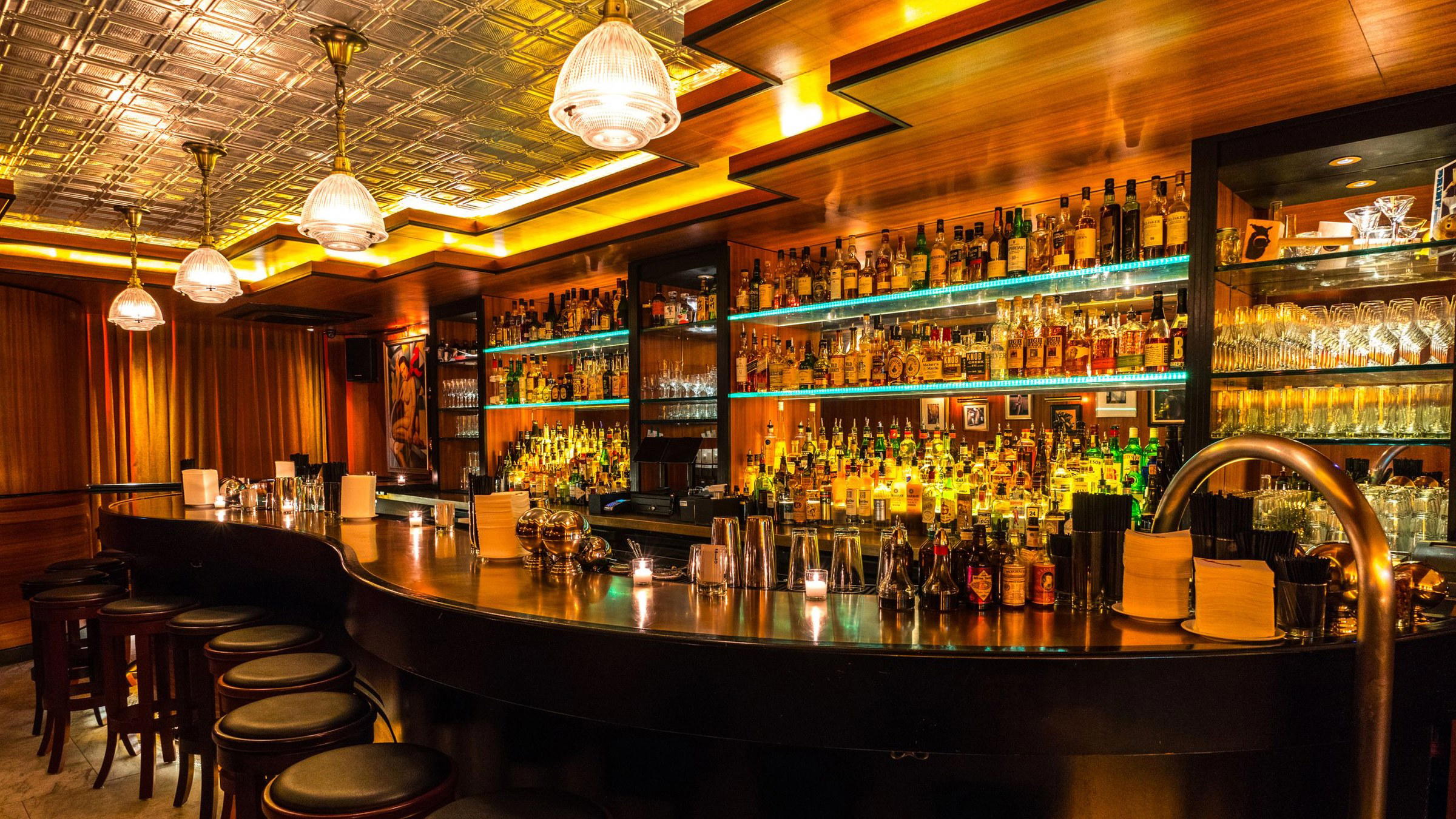
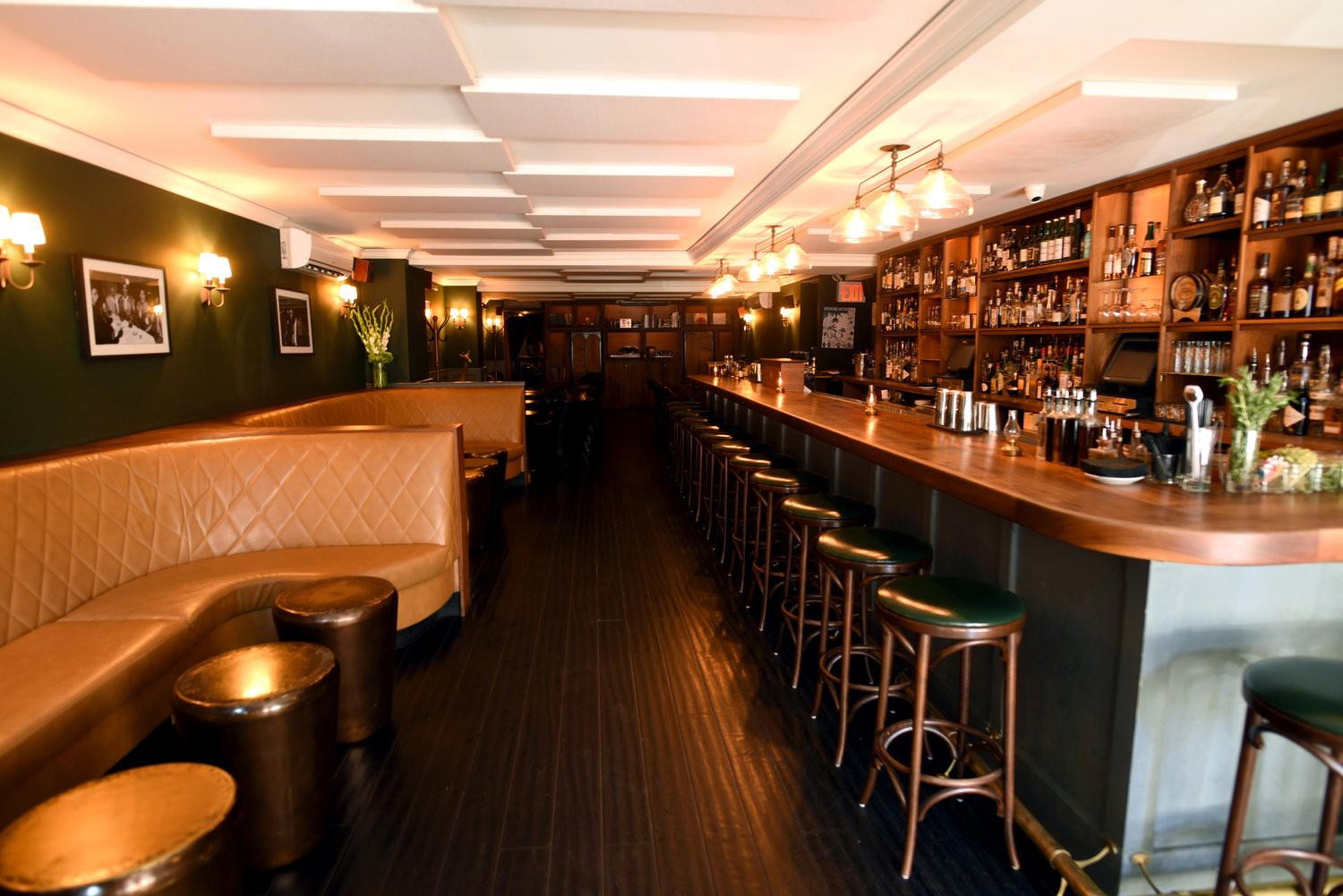
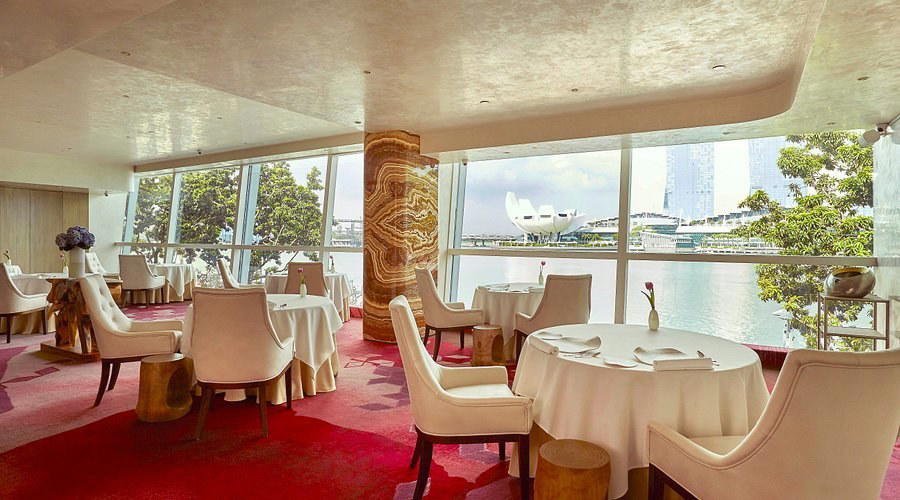
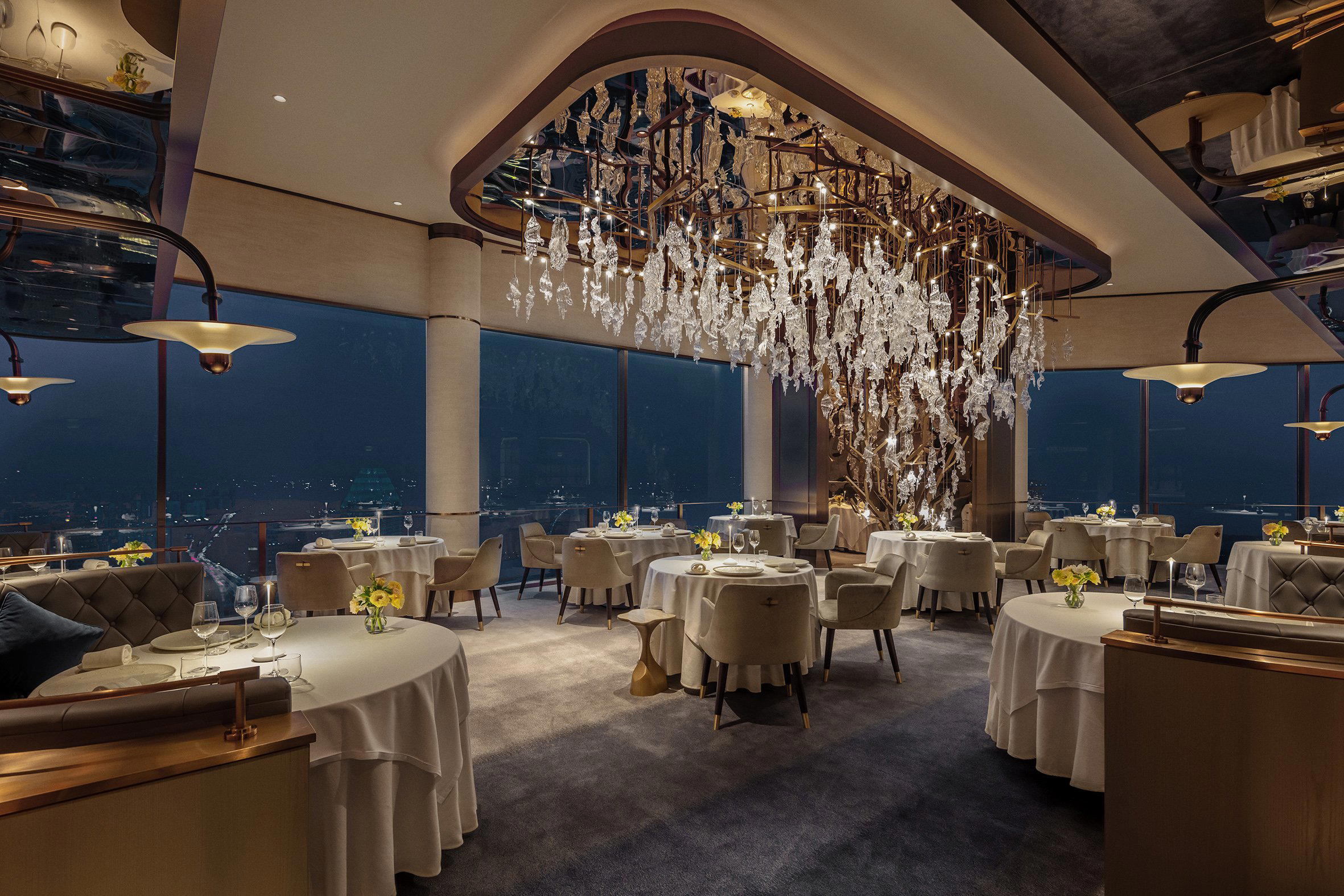
An intimate, modern space with warm cream tones and deep forest green accents, dimmer evening lighting, and a cozy yet polished feel that focuses attention on the backbar rather than theatrics.