Bar Tarobá
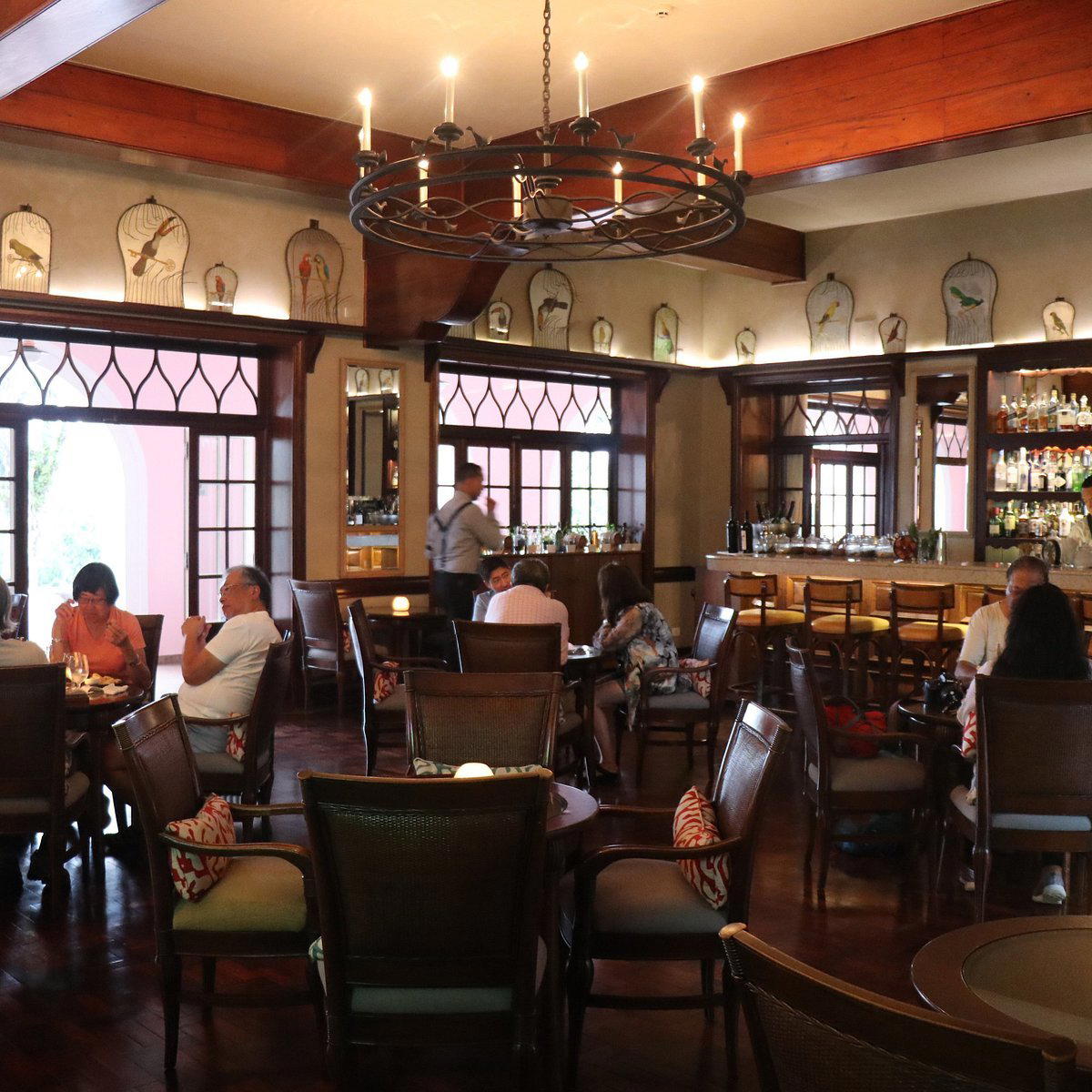
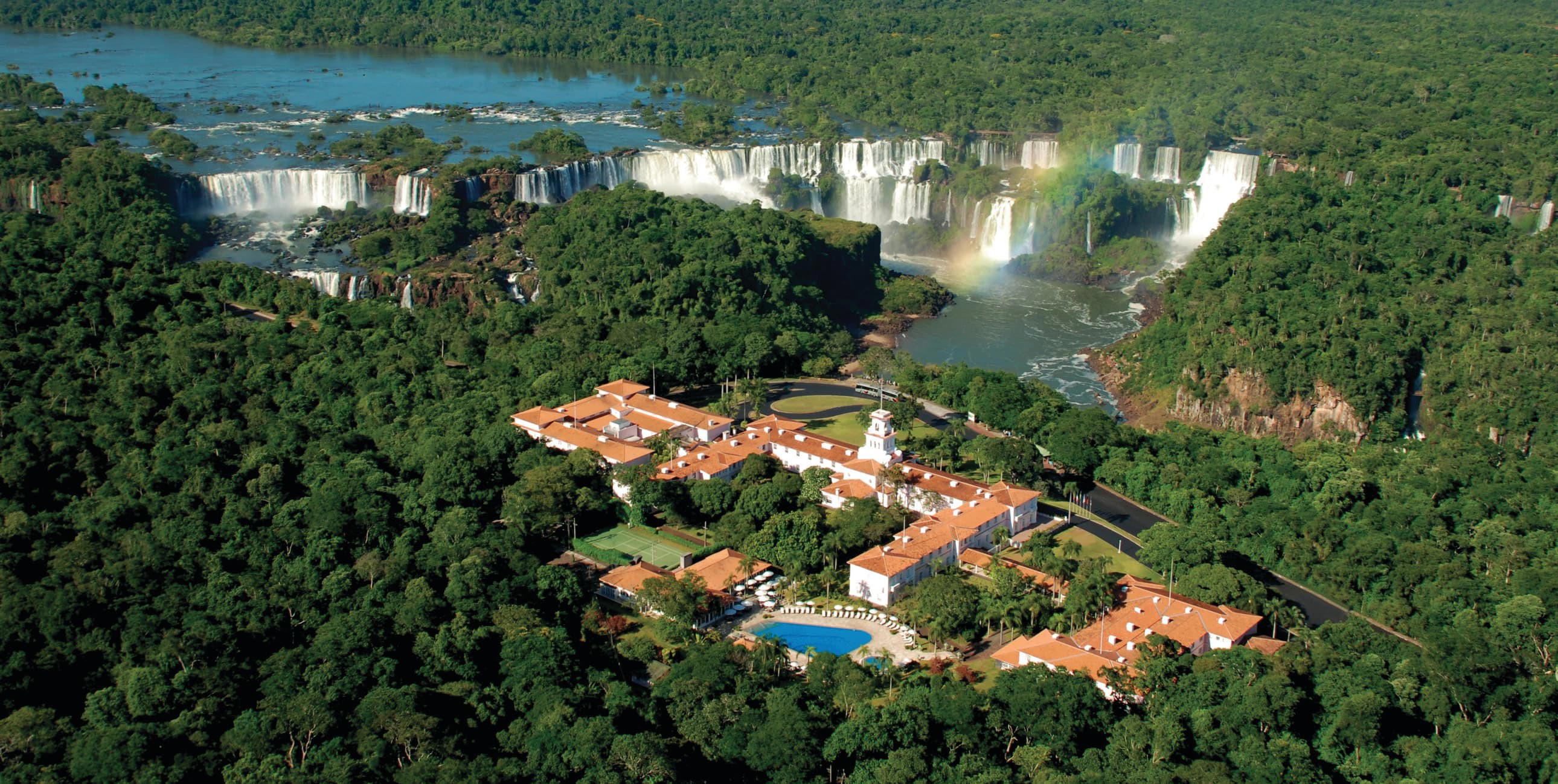
Bar Tarobá sits inside Iguaçu National Park on Rodovia BR 469, placing it in a rare category for Brazil: a bar defined first by protected-land setting rather than nightlife density.

Pearl is the En Primeur Club membership app — saves, bookings, and concierge access live there. Same editors, same standards.
- Address
- Iguaçu National Park - Rodovia Br 469, Km 32 - s/n - Foz do Iguaçu, PR, 85855-750, Brazil
- Phone
- +55 45 2102-7000
- Hours
- Daily 4–11 PM
- Website
- belmond.com
- Directions
- Get directions
Where the Falls Set the Tempo
Approaching a bar inside Iguaçu National Park changes the usual grammar of drinking. The soundtrack is not late-night traffic or a hotel lobby piano, but the movement of visitors through protected land, the heat and humidity of Paraná, and the expectation that builds around one of South America’s great natural sites. Bar Tarobá is listed at Iguaçu National Park, Rodovia BR 469, Km 32, in Foz do Iguaçu, which immediately separates it from the urban cocktail model that defines São Paulo, Rio de Janeiro, Belo Horizonte, and Porto Alegre. Here, the setting does not decorate the experience; it frames the entire decision to stop for a drink.
That matters because Iguassu Falls is not a conventional bar city. Travellers do not come primarily to work through a list of counters, speakeasies, hotel lounges, wine bars, and late-night rooms. The destination is built around movement between park infrastructure, viewpoints, border logistics, hotels, and daylight-dependent experiences. A bar in this context has a different job from a destination cocktail address in a dense neighbourhood. It has to fit the pace of a day structured by walking, weather, transport, and the opening patterns of the park. The drink becomes part of the day’s choreography rather than an isolated evening plan.
That absence should shape expectations. This is not a page where named mixologists, competition medals, or a documented cocktail canon can do the work. The stronger editorial reading is practical and contextual: a bar inside the national park belongs to the visitor-infrastructure side of Iguassu Falls, and its appeal depends on location, timing, and the rare chance to pause within the park environment rather than leave the protected area for a separate drinking address.
The Cocktail Question in a Nature-First Destination
Brazil’s cocktail culture is often discussed through metropolitan references: São Paulo’s technical bars, Rio’s hotel and beach-adjacent rooms, Belo Horizonte’s cachaça culture, Salvador’s music-driven social drinking, and the new wave of hybrid restaurant-bars in the south. Iguassu Falls sits outside that pattern. Its drinking culture is filtered through tourism flow, hotel dining rooms, park concessions, and cross-border travel rather than neighbourhood bar-hopping. That makes a park bar a different kind of case study. The craft is less about proving status against an awards circuit and more about whether the programme can serve visitors who arrive at uneven times, in outdoor clothing, after a long walk, and often with limited patience for formality.
That limitation is important. A responsible reading cannot name a house caipirinha variation, claim a local-fruit infusion, or describe a clarified serve without source data. What can be said is that a cocktail programme in this setting has a narrower margin for excess than in a city bar. Drinks need to make sense in heat, daylight, and transit. Heavy theatrical formats read differently when the next concern is transport out of the park or a return to a hotel. In Iguassu Falls, the right drink format is often the one that respects the day’s physical reality.
That is also where regional context becomes useful. Paraná sits within a broader Brazilian drinking culture where cachaça, citrus, sugar, ice, and fruit-driven refreshment occupy a central role, but national context is not the same as venue-specific evidence. Readers should treat any detailed drink expectation as something to verify on site or through current official channels if available. The editorial point remains: the strongest bars in destination environments understand setting. A park address asks for drinks that are legible, cooling, and efficient rather than over-engineered for social media theatre.
How It Compares with Brazil's Urban Bar Circuit
The comparison set is instructive. In São Paulo, Tan Tan in São Paulo belongs to a city where bar culture competes on technique, late-night energy, and a dense peer group. In Rio, Bar de Copa in Rio de Janeiro sits within a hospitality tradition where hotels, beaches, and polished service shape the drinking occasion. In Belo Horizonte, Bar da Lora in Belo Horizonte connects to a city better known for casual tables, bar food, and social drinking than hushed cocktail ritual. Each market gives a bar a different kind of pressure.
Iguassu Falls applies pressure of another kind: itinerary compression. Visitors often plan around park entry, weather windows, border crossings, airport transfers, and hotel check-in times. A bar inside Iguaçu National Park therefore competes less with other cocktail rooms and more with fatigue, daylight, and logistics. That is why location is the primary verified data point here. The address at Km 32 on Rodovia BR 469 tells the story more clearly than a missing awards field could. It places the bar in the visitor route, not in an entertainment district.
Other Brazilian references show how broad the category has become. Dionisia Restaurante VinhoBar in Porto Alegre reflects the restaurant-wine bar overlap that has grown in southern cities. Purgatório in Salvador points to a more nocturnal, music-aware register. Bar da Piscina in Porto Feliz belongs to a resort-inflected model where leisure, swimming pools, and hotel pacing set the tone. Even Café La Trova in Miami, outside Brazil, is useful as a counterpoint: there the cocktail room is wrapped in Cuban-American performance and urban nightlife. Against those examples, a bar in Iguaçu National Park reads as a daylight-oriented, place-dependent stop rather than a standalone night out.
What the Setting Does to the Drink
Environmental context is not a decorative note in Iguassu Falls. Heat, mist, rain, walking distance within park infrastructure, and the physical intensity of the falls alter what people want from a glass. A spirit-forward drink that works at midnight in a dark room may feel misplaced after hours outside. The better measure for a park bar is not only complexity but suitability: how quickly the offer can be understood, whether the serve matches the climate, and whether the experience respects the fact that many guests are between activities.
There is also a question of tempo. Urban cocktail bars often reward lingering: a first drink, a second round, a conversation with the bartender, a late snack, and the slow reveal of a room. A park bar usually works on shorter intervals. The editorial value lies in that constraint. The format has to perform under conditions that are less forgiving than a destination lounge. It must handle fluctuating demand, mixed international expectations, families and couples on different schedules, and visitors who may not have planned a bar stop until they arrive.
Because no current hours are recorded, timing should be treated with caution. Anyone planning a stop should check locally before relying on it as the day’s only bar option. That is especially relevant in Iguassu Falls, where the rhythm of a trip is often set by transport rather than by meal times.
Planning a Stop Without Over-Planning It
The practical case is simple: Bar Tarobá is recorded inside Iguaçu National Park on Rodovia BR 469, Km 32, in Foz do Iguaçu, PR, 85855-750. That makes it unsuitable for the kind of rigid itinerary planning used for reservation-led cocktail bars in major cities. Treat it instead as a situational stop within a park day, subject to current access conditions and on-site information.
That approach is not a compromise; it is appropriate to the destination. Iguassu Falls rewards plans that leave room for weather and movement. The falls can change a day’s priorities quickly, and a bar inside the park should be judged by how naturally it fits that rhythm. If the visit is built around a long lunch, a formal tasting menu, or a late cocktail crawl, the broader city and hotel ecosystem may be more relevant. For a pause close to the park experience, the address gives Bar Tarobá its strongest claim.
For broader planning, EP Club’s city guides are better starting points than a single venue page. Dining around the destination is covered in Our full Iguassu Falls restaurants guide, while hotel context belongs in Our full Iguassu Falls hotels guide. Drinking options should be read through Our full Iguassu Falls bars guide, especially if the goal is to compare park-based convenience with city or hotel bars. Travellers building a wider itinerary can also use Our full Iguassu Falls wineries guide and Our full Iguassu Falls experiences guide to understand how drinking, dining, and sightseeing fit together.
Editorial Take
The case for Bar Tarobá rests on setting, not documented acclaim. There are no awards in the record, no named bartender, and no verified signature serve. In a city bar, that would leave a thin critical file. Inside Iguaçu National Park, it becomes a different kind of recommendation: the venue belongs to the infrastructure of the falls experience, and that gives it relevance for travellers who want a drink without breaking the day apart.
Expectations should stay precise. This is not the page to promise a technical cocktail laboratory or a destination counter with a known creative lead. The more credible angle is narrower and stronger: a park bar can be valuable because it understands context. In Iguassu Falls, where weather, daylight, and transport shape the visitor day, that context often matters more than a long list of accolades.
Continue exploring
More in Iguassu Falls
Bars in Iguassu Falls
Browse all →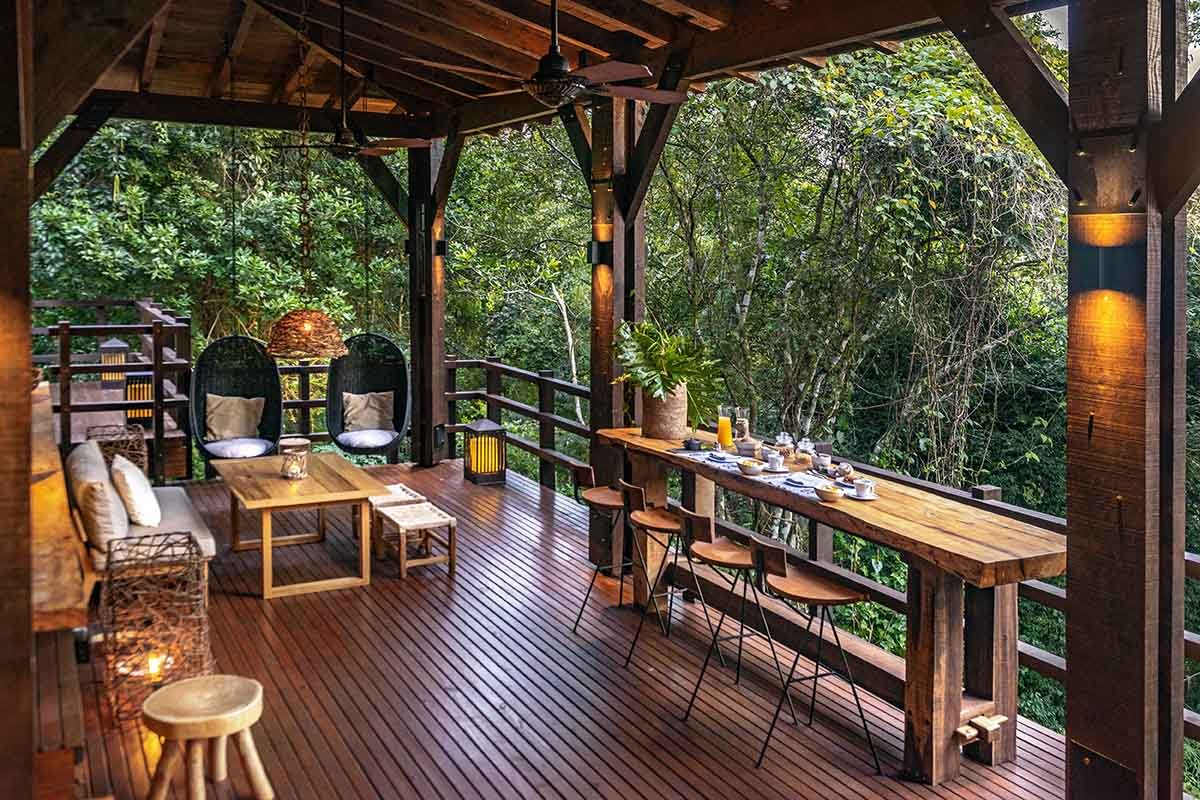
Restaurants in Iguassu Falls
Browse all →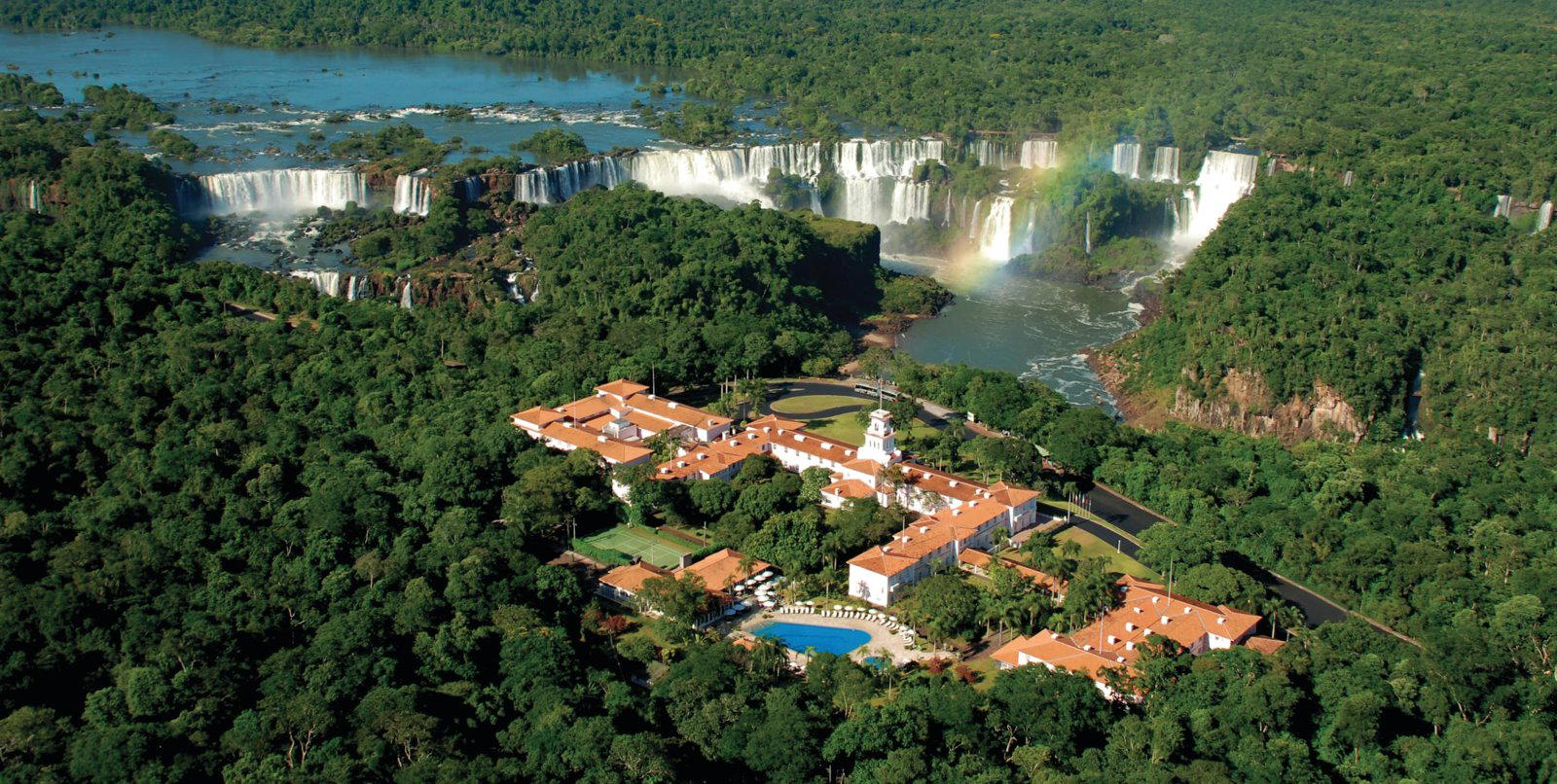
Details
- Scenic
- Sophisticated
- Romantic
- Intimate
- Classic
- Casual Hangout
- Date Night
- Group Outing
- Special Occasion
- After Work
- Hotel Bar
- Terrace
- Panoramic View
- Seated Bar
- Lounge Seating
- Outdoor Terrace
- Craft Cocktails
- Classic Cocktails
- Conventional Wine
- Zero Proof
- Waterfront
- Garden
- Mountain
Current opening hours
- Monday
- 4–11 PM
- Tuesday
- 4–11 PM
- Wednesday
- 4–11 PM
- Thursday
- 4–11 PM
- Friday
- 4–11 PM
- Saturday
- 4–11 PM
- Sunday
- 4–11 PM
Hours can change for holidays and private events. Last verified .
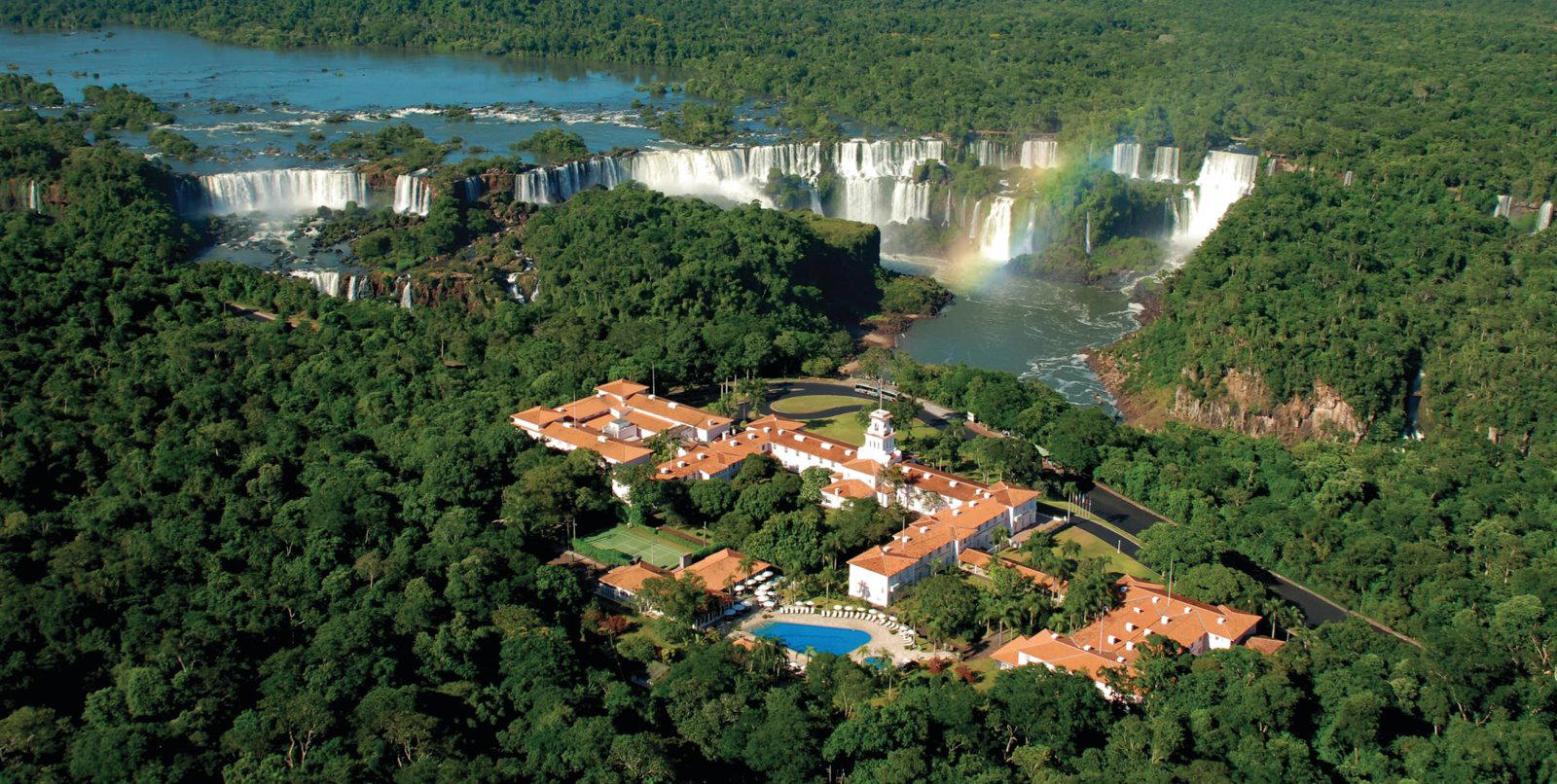
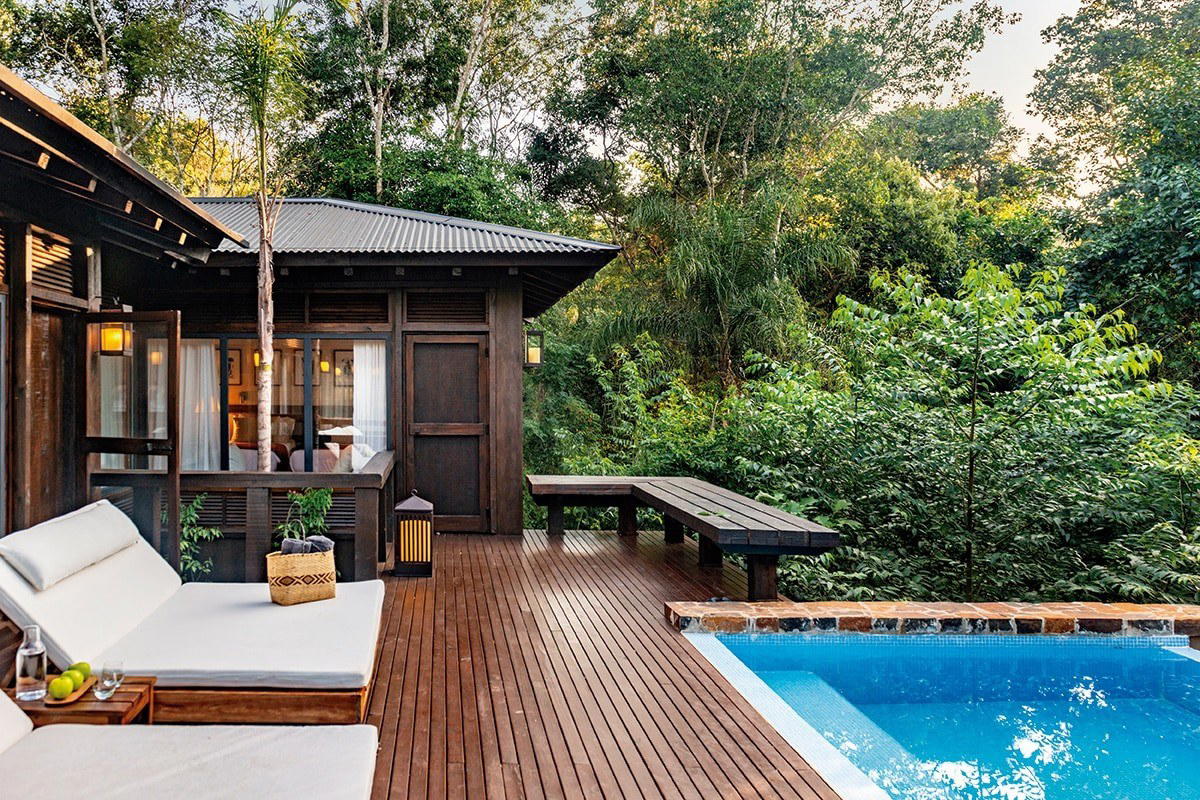
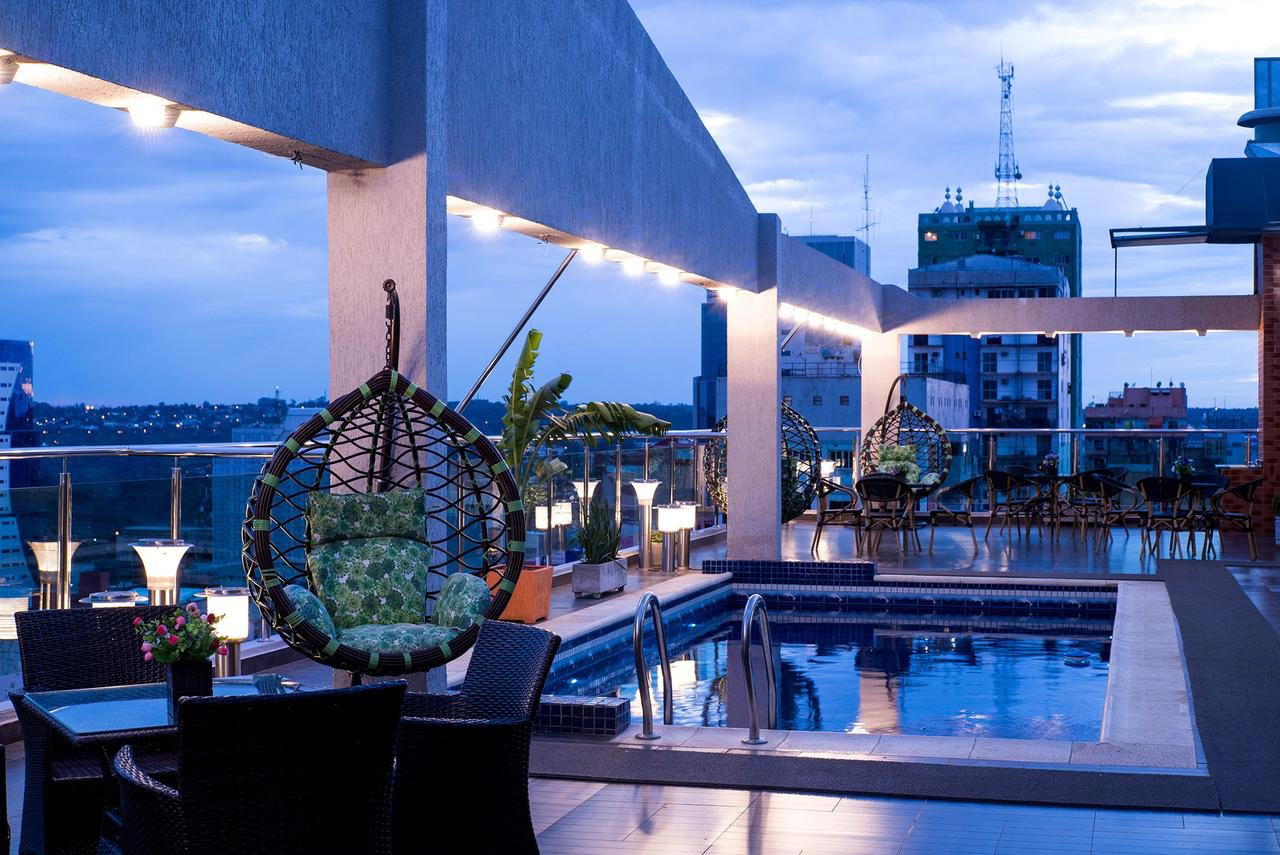
Elegant and relaxed, with a scenic rainforest backdrop, sunset-facing balcony seating, and a refined lounge feel suited to drinks and socializing.