Bar Mangold sits in Hamburg’s Bahrenfeld district, away from the city’s more familiar hotel-bar and HafenCity drinking circuits. With public venue data offering no published awards, chef figure, menu details, price band, hours, phone number, or website, the useful reading is contextual: this is a neighbourhood cocktail address to assess through Hamburg’s broader shift toward smaller, technique-led bars rather than spectacle.
Pearl is the En Primeur Club membership app — saves, bookings, and concierge access live there. Same editors, same standards.
- Address
- Beim Alten Gaswerk 3/EG, 22761 Hamburg, Germany
- Phone
- +49 40 89062464
- Website
- gastwerk.com
- Directions
- Get directions
 Saves & bookings on Pearl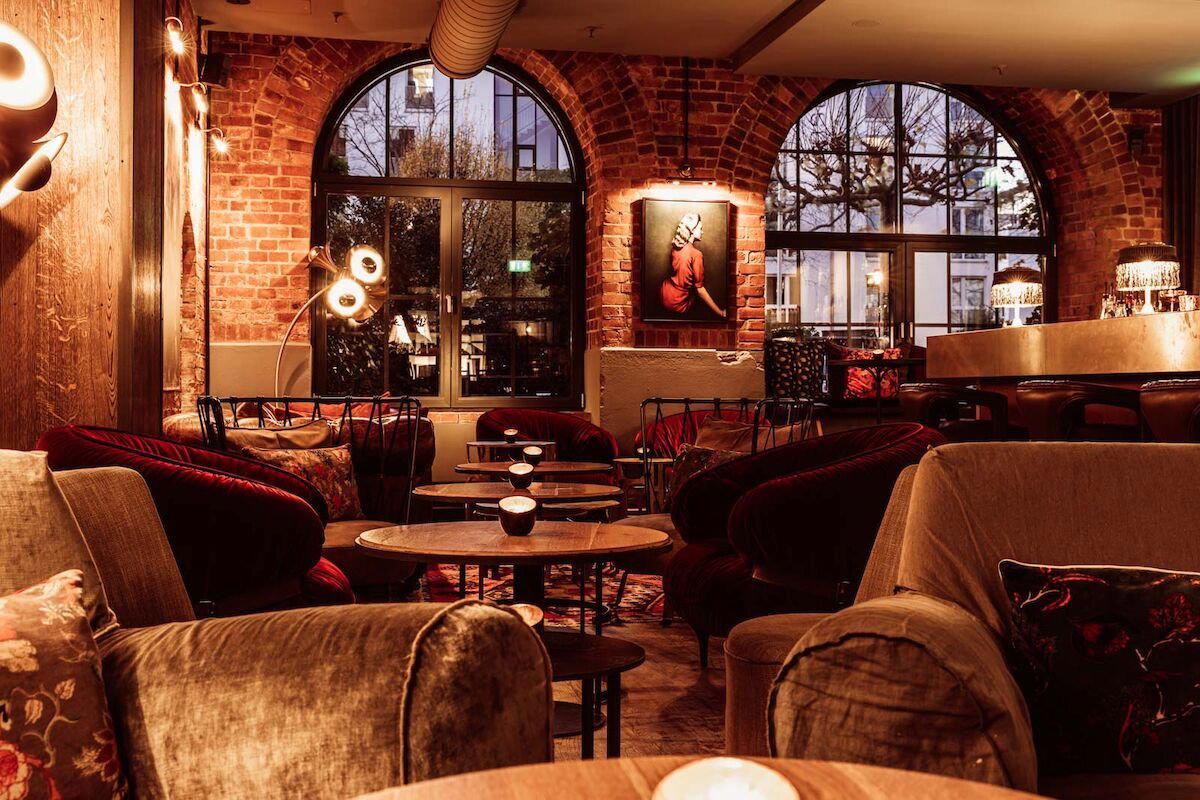
Approaching Hamburg's Smaller Cocktail Map
Beim Alten Gaswerk in Bahrenfeld does not set up a classic Hamburg bar arrival. The address points west of the postcard city, away from the Binnenalster, away from the grand-hotel corridor, and away from the St. Pauli late-night shorthand that still shapes how many visitors read Hamburg after dark. That geography matters. A bar placed here asks a different question from a marble lobby counter or a tourist-facing beer hall: what does a serious drink address look like when it is not leaning on waterfront views, heritage décor, or a famous street as its first argument?
Bar Mangold belongs to that quieter layer of Hamburg drinking culture, where the point is less about spectacle than format. That absence should shape expectations rather than invite invention. Without a published signature cocktail list or recognised ranking to cite, the responsible read is to place the bar inside Hamburg’s broader cocktail scene: a city where polished institutions, beer traditions, hotel bars, and neighbourhood specialists coexist without collapsing into one style.
The useful comparison begins with scale and context. Hamburg can support formal cocktail rooms such as Le Lion Bar de Paris, where the city’s modern drinking reputation has long been tied to an international cocktail vocabulary. It can also carry hotel-adjacent elegance through addresses such as Atlantic Bar, where the expectation is shaped by hospitality ritual as much as by the drink in the glass. Bar Mangold reads differently because Bahrenfeld is not selling inherited glamour. The setting puts more pressure on the programme itself: clarity of drinks, room discipline, service rhythm, and whether the bar gives locals a reason to cross the city grid rather than default to familiar central districts.
The Cocktail Programme, Read Without Hype
In a data-rich bar profile, the cocktail programme can be assessed through named drinks, house techniques, menu architecture, glassware choices, ice treatment, and pricing. What can be said is that Bar Mangold sits in the category where the cocktail programme, rather than food, room count, or hotel backing, is the likely centre of gravity.
That distinction is useful in Hamburg. The city’s drinking identity has never been only cocktails. Beer remains structurally important, from neighbourhood pubs to historic brewing rooms such as Gröninger Privatbrauerei Hamburg. Wine bars and bottle-led venues occupy another lane; Buddels points toward a different kind of drinking night, where producers, vintages, and conversation can matter more than shaker work. Cocktail bars have to justify themselves with technique and point of view because Hamburg already offers several persuasive alternatives for people who simply want a good drink in company.
That is why a Bahrenfeld cocktail address is interesting. Outside the central theatre of Hamburg nightlife, a bar cannot rely on passing tourist traffic in the same way. It needs repeat customers, a recognisable rhythm, and a drinks structure that rewards regular use. In practical terms, that often means a tighter list rather than an encyclopaedia, bartenders who can translate preferences into a glass without turning the exchange into performance, and a room that works both before dinner and after it. Those are category observations, not claims about a specific unpublished menu. They are the criteria by which this kind of bar should be judged.
Bahrenfeld Changes the Reading
Neighbourhood context is not decoration in Hamburg; it changes the social function of a bar. Bahrenfeld has an industrial and residential character that differs from the polished commercial core. The supplied address, Beim Alten Gaswerk 3/EG, 22761 Hamburg, Germany, places Bar Mangold in a district better read through local movement than through landmark tourism. For travellers, that means the bar is less likely to be an accidental stop between museums and shopping streets. For residents, it can operate as a dedicated evening address rather than a convenient pause.
This difference separates it from central cocktail institutions. A bar near the Alster participates in a long-established circuit of hotels, restaurants, and formal nightlife. A bar in St. Pauli or the Reeperbahn inherits a louder late-night grammar, where momentum often matters more than precision. Bahrenfeld asks for another tempo. The decision to go there is deliberate, and deliberate bars need substance. Without published awards or a visible price band, the test becomes less about status and more about whether the bar’s format has enough discipline to earn the journey.
Hamburg’s hospitality map also rewards planning by category. A visitor building a broader evening may pair a bar decision with dining from Our full Hamburg restaurants guide, then choose whether the night wants a hotel base from Our full Hamburg hotels guide or a drinks-led route through Our full Hamburg bars guide. Bar Mangold belongs in that last route, but its western address makes it better suited to a planned stop than to a casual wander through central Hamburg.
How It Sits Beside Hamburg's Better-Known Bar Types
Hamburg’s bar culture is often misunderstood by visitors who reduce the city to maritime mood, beer halls, and late-night St. Pauli. The more accurate picture is segmented. There are classic cocktail rooms with international recognition, hotel bars where service codes are part of the appeal, neighbourhood drinking rooms that depend on regulars, and brewery-led venues where the social structure is older than the current cocktail revival. Bar Mangold’s sparse public data means it cannot be placed in an awards hierarchy, but it can be placed in this segmentation.
The comparison with Le Lion is especially useful because it shows what Bar Mangold is not being asked to be. Le Lion carries the weight of Hamburg’s modern cocktail identity and speaks to a guest who may travel for a specific bar name. Atlantic Bar, by contrast, occupies the polished hotel lane, where a drink is inseparable from the hospitality frame around it. Gröninger Privatbrauerei answers a different brief entirely: Hamburg beer culture, group energy, and brewing tradition. Bar Mangold’s value, if it works for a given reader, lies in the smaller-format cocktail lane, where the address and the programme have to do quieter work.
That peer reading matters more than adjectives. No award data is available in the record, so there is no basis for calling the bar decorated or ranked. No price range is available, so there is no basis for placing it in a budget, mid-market, or luxury bracket. No seat count is available, so claims about intimacy or capacity would be guesswork. The better editorial stance is to treat Bar Mangold as a Hamburg cocktail address for drinkers who prefer a less obvious neighbourhood setting and who are comfortable confirming operational details before arranging an evening around it.
The Wider German and International Context
German cocktail culture has become more technically confident over the last two decades. Berlin pushed experimental and speakeasy-adjacent formats; Frankfurt developed polished bars shaped by business travel and high-spend weekday traffic; Hamburg built a reputation through a smaller number of serious rooms rather than a sprawling cocktail district. For comparison outside the city, Stagger Lee in Berlin reflects the capital’s taste for theatrical bar settings, while The Parlour in Frankfurt on the Main belongs to a city where cocktail bars often intersect with expense-account dining and hotel stays.
That national context helps explain why a Hamburg address outside the usual tourist circuit can be worth attention. The city is wealthy, design-aware, and used to precise service, but it is not always as loud about nightlife as Berlin. Bars here often have to win guests through consistency rather than novelty. The international comparison reaches even further: Café La Trova in Miami shows how a cocktail venue can be inseparable from music, Cuban hospitality, and a theatrical room; Hamburg’s smaller specialists tend to operate with less public flamboyance and more northern restraint. That restraint can be a strength when the drinks are disciplined.
For Bar Mangold, the key issue is not whether it competes with Miami, Berlin, or Frankfurt in scale. It does not need to. The more relevant question is whether Hamburg’s western neighbourhoods can support cocktail bars that are neither hotel lobbies nor nightlife clichés. The existence of a listed address at Beim Alten Gaswerk points to the ongoing spread of serious drinking beyond the city’s predictable zones. In travel terms, that is a more interesting development than another central bar repeating the same international template.
Planning a Visit Without Inventing the Details
The practical file is limited, and that should be treated as useful information. Bar Mangold is listed at Beim Alten Gaswerk 3/EG, 22761 Hamburg, Germany. Anyone planning around a specific date should verify current hours and reservation options through a trusted live source before crossing town, especially because a neighbourhood cocktail bar may not operate on the same rhythm as a hotel bar or central late-night venue.
For travellers, the Bahrenfeld address makes sequencing important. It is better read as a planned drinks stop after dinner in the west or as the focal point of a quieter evening, not as a casual add-on to an Altstadt walking route. If the night is meant to compare formats, start with the broader city map in Our full Hamburg bars guide, then decide whether the evening wants cocktails, beer, wine, or hotel-bar formality. For category breadth, EP Club’s city pages also separate Our full Hamburg wineries guide and Our full Hamburg experiences guide, which is useful in a city where drinking, dining, and cultural plans often sit in different neighbourhoods.
The absence of a published price band also affects planning. In Hamburg, a serious cocktail bar can range from accessible neighbourhood pricing to higher spend depending on ingredients, technique, and location. Without confirmed figures, no responsible guide should imply affordability or luxury. The safer approach is to check current menu information before committing to a group plan. Treat the logistics as part of the evening’s due diligence rather than an afterthought.
Who Should Put It on the Shortlist
Bar Mangold makes the strongest editorial case for drinkers who are interested in Hamburg beyond the obvious names. It is built on positioning: a cocktail address in Bahrenfeld, outside the better-known central circuits, in a city where category choice matters. That makes it a sensible candidate for travellers who have already understood the standard Hamburg bar map and want to test how far the city’s cocktail culture extends into less predictable districts.
It is less suited to readers who need every detail confirmed before choosing a venue. With no supplied hours, phone number, website, menu, price range, or booking method, advance verification is necessary. It is also not the right page on which to claim a single drink, bartender, or technique as definitive. The more honest recommendation is conditional: if current opening information lines up and the aim is a smaller Hamburg cocktail room away from the central hotel-and-landmark axis, Bar Mangold is worth considering within a broader drinks plan. If the aim is a documented award-winner or a bar with a famous drink attached, other Hamburg addresses provide firmer evidence.
- I did it my way
- Mokkaroni
- Asmaraloka
- Wat mutt dat mutt
- Mangold Vodka Martini
- Mangold Gin Martini
Continue exploring
More in Hamburg
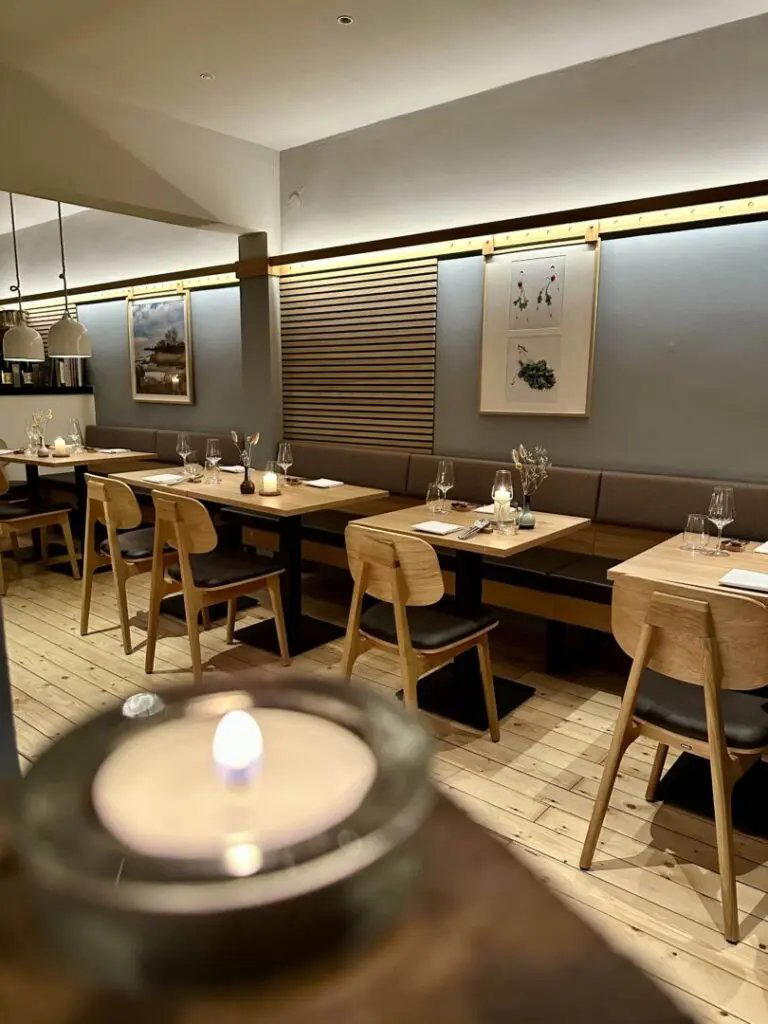
Bars in Hamburg
Browse all →
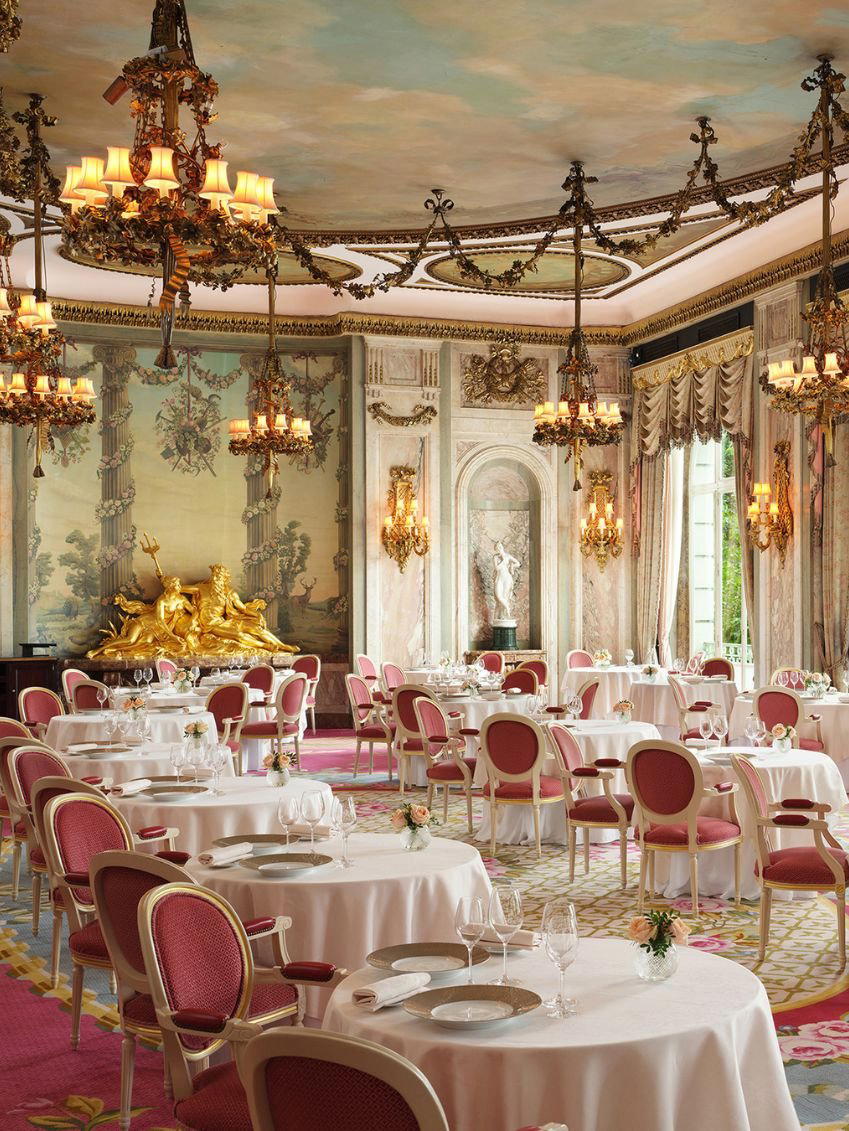
Restaurants in Hamburg
Browse all →
Hotels in Hamburg
Browse all →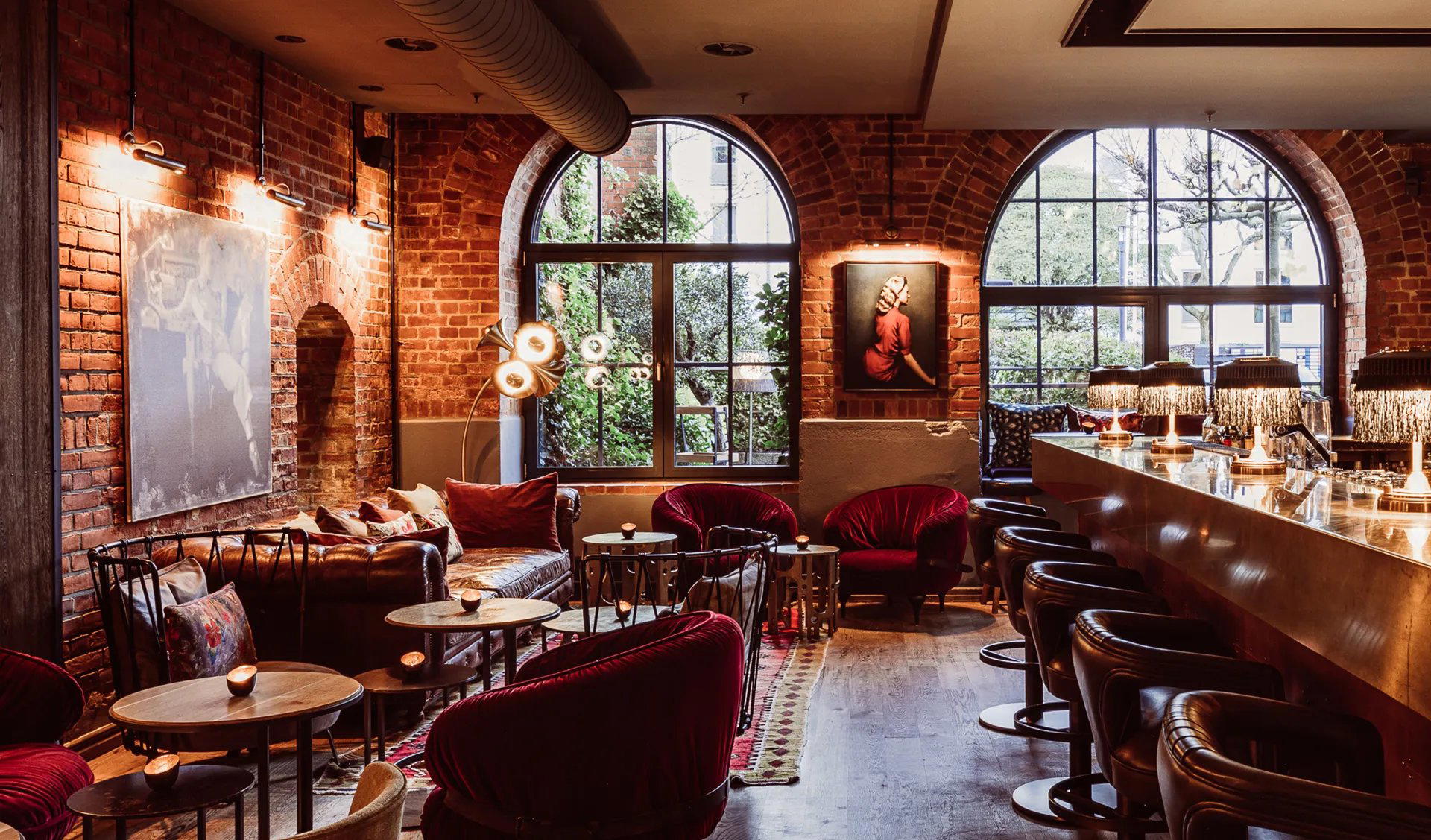
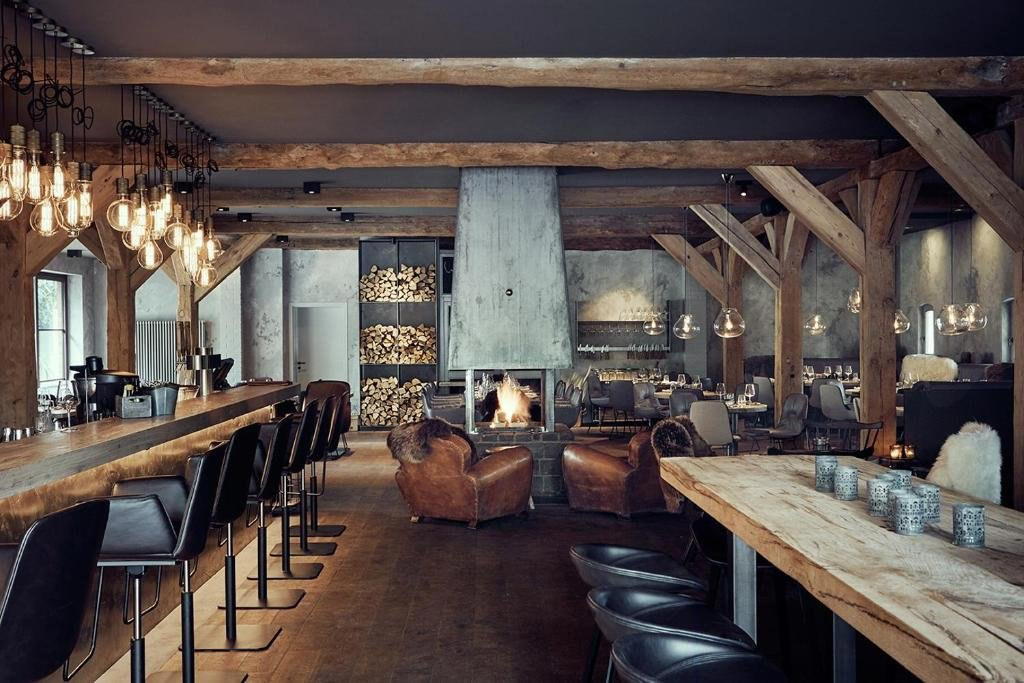
Wineries in Hamburg
Browse all →
At a Glance
- Elegant
- Cozy
- Industrial
- Intimate
- Sophisticated
- After Work
- Late Night
- Date Night
- Casual Hangout
- Group Outing
- Special Occasion
- Terrace
- Design Destination
- Hotel Bar
- Historic Building
- Seated Bar
- Lounge Seating
- Outdoor Terrace
- Classic Cocktails
- Craft Cocktails
- Gin
- Rum
- Tequila
- Frozen
Current opening hours
- Monday
- 5 PM–1 AM
- Tuesday
- 5 PM–1 AM
- Wednesday
- 5 PM–1 AM
- Thursday
- 5 PM–1 AM
- Friday
- 5 PM–1 AM
- Saturday
- 5 PM–1 AM
- Sunday
- 4 PM–12 AM
Hours can change for holidays and private events. Last verified .
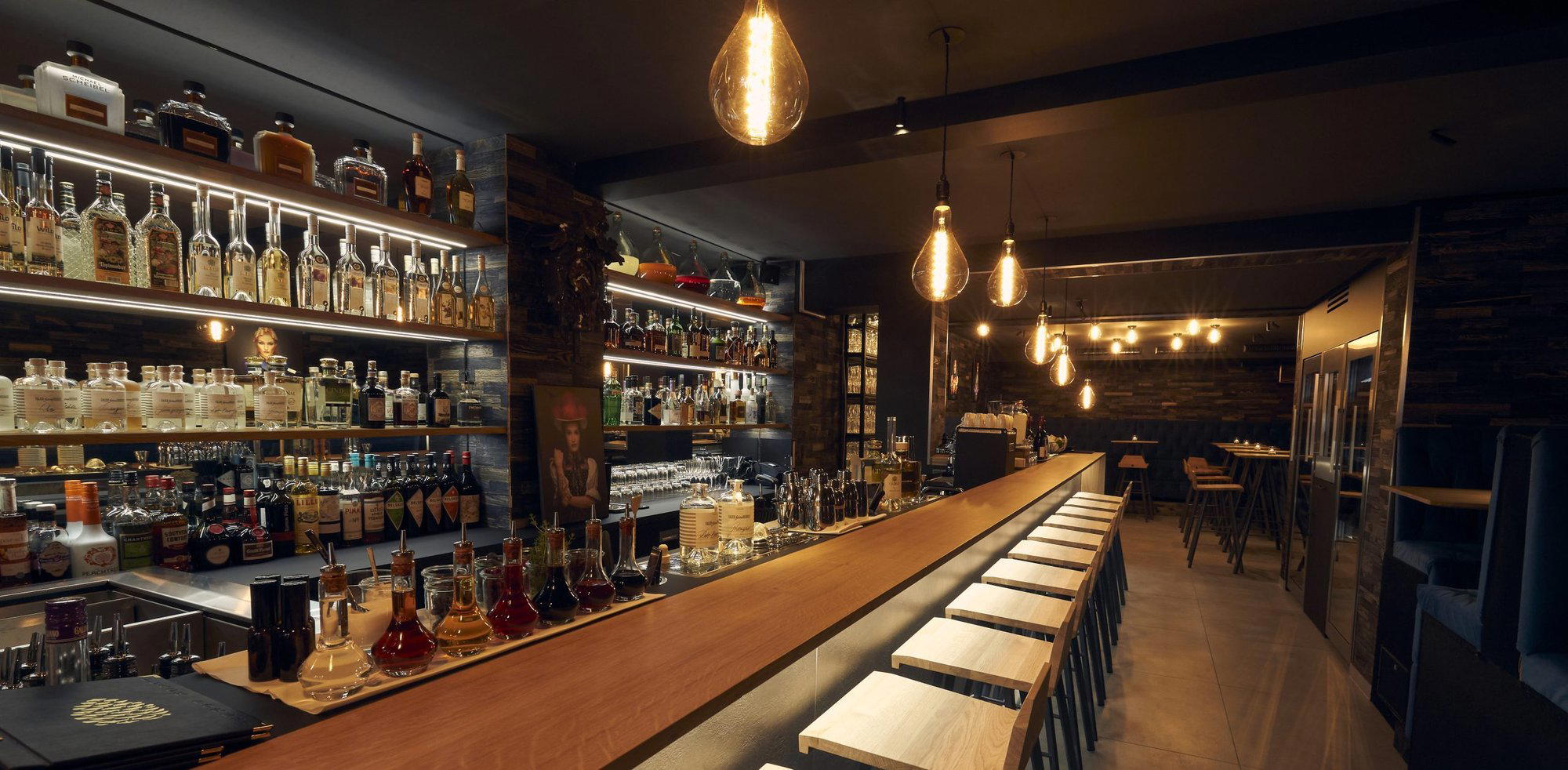
Dimmed lighting, deep velvet armchairs and leather sofas in an industrial loft setting create a relaxed yet sophisticated lounge atmosphere, accompanied by electronic music at an easy, steady tempo.
Know Before You Go
- Getting there
- Beim Alten Gaswerk 3/EG, 22761 Hamburg, Germany