Bar Maeda

Bar Maeda on Charlton Street brings a Tokyo-style cocktail sensibility to the western edge of SoHo, where Hudson Square's residential quiet makes it feel more like a neighbourhood fixture than a destination bar. The program draws on Japanese bartending discipline, precision, restraint, hospitality, in a city where that approach has moved from novelty to a recognised point of craft. A reliable address for serious cocktails without the theatre.
Pearl is the En Primeur Club membership app — saves, bookings, and concierge access live there. Same editors, same standards.
- Address
- 68 Charlton St, New York, NY 10014
- Phone
- (646) 455-0277
- Website
- barmaeda.nyc
- Directions
- Get directions
 Saves & bookings on Pearl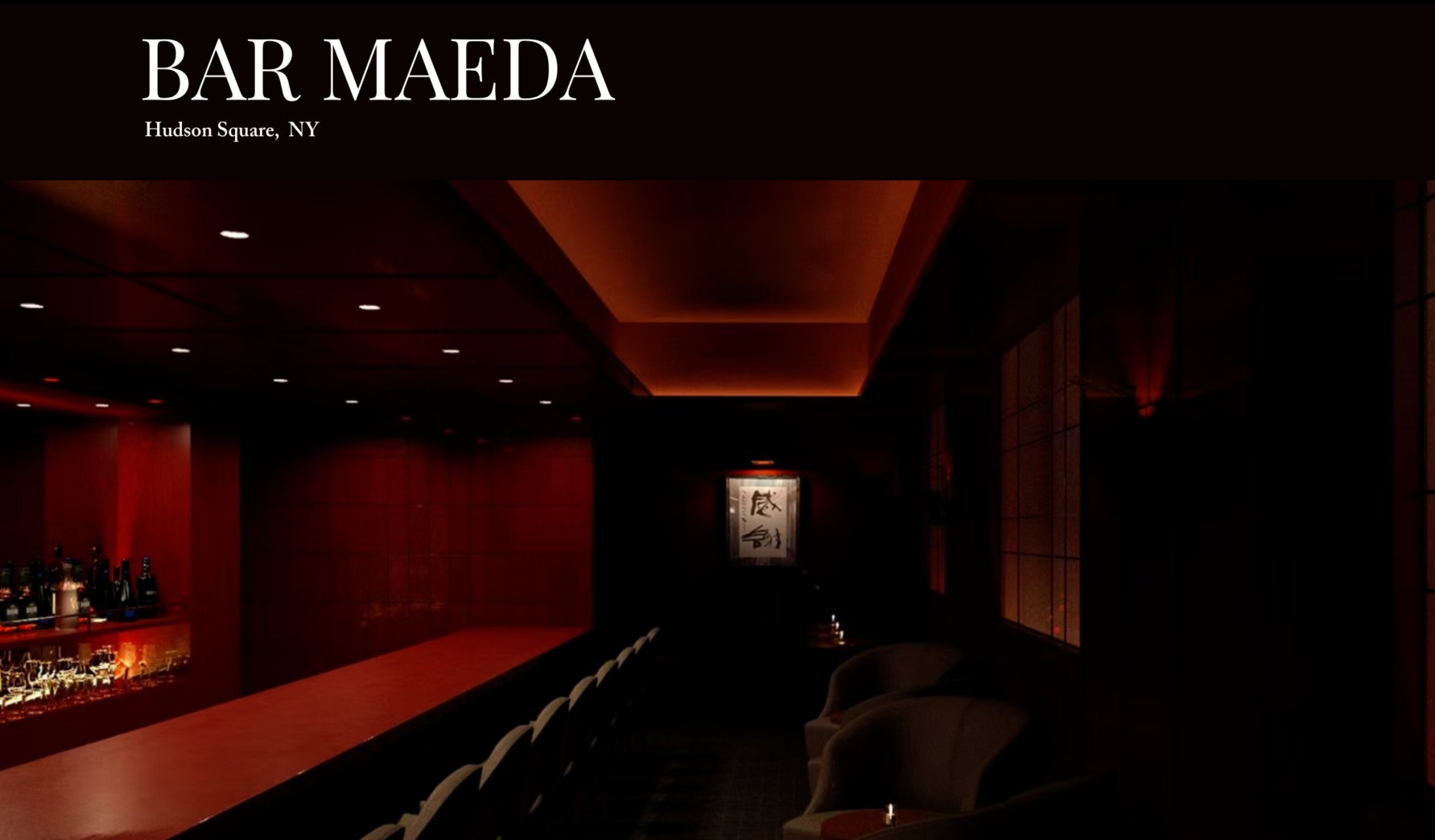
A Tokyo Sensibility on a SoHo Side Street
Charlton Street sits one block south of Houston in a stretch of lower SoHo that has resisted the neighbourhood's more theatrical commercial drift. The buildings are low, the foot traffic irregular, and the bars that survive here tend to do so because locals keep coming back rather than because algorithmically driven visitors discovered them. Bar Maeda arrived on that block carrying a specific set of references: Tokyo-style cocktails, a format that prizes precision and restraint over spectacle, and the quiet confidence of a room that does not need to announce itself. That combination has earned the bar recognition from enthusiasts who value Japanese bar culture and from a younger generation of drinkers who arrived at it through different routes entirely.
What Tokyo-Style Cocktails Actually Mean in This Context
The phrase "Tokyo-style cocktails" carries real weight in New York's bar conversation, and it is worth being precise about what it signals. Japanese bartending, as it developed through the Ginza and Roppongi bars of the 1980s and codified further in the decades since, is characterised by immaculate technique, long stirring times, hand-cut ice, minimal garnish, and a hospitality posture that treats silence as a legitimate part of service. The drinks tend toward clarity over complexity, with balance achieved through process rather than through the addition of ingredients. New York has a handful of bars that take this tradition seriously. Angel's Share in the East Village was one of the earliest, opening in 1994 above a Japanese restaurant and maintaining a strict no-standing policy that enforced the quiet the format demands. Bar Maeda, on Charlton Street, operates in that same tradition while sitting in a neighbourhood with a different character.
The Star Wine List recognition the bar received in 2026 places it among New York drinking establishments where the beverage program is taken seriously enough to attract specialist attention. Star Wine List, which focuses on bars and restaurants with strong drinks lists, does not award recognition on atmosphere alone. The credential signals a level of program discipline that is consistent with the Japanese bartending ethos the venue references.
The Neighbourhood as Context
SoHo's drinking culture has moved through several phases. The neighbourhood was once dominated by artist lofts and dive bars, then by the retail expansion of the 1990s and 2000s, which pushed many of its more interesting small venues toward the margins. What remained, particularly on the side streets south of Spring, tends toward the specific: wine bars with focused lists, cocktail rooms with clear point of view, and a handful of places that have been gathering locals since before the neighbourhood's more recent commercial transformation. Bar Maeda at 68 Charlton St fits that pattern. The address is not a destination in the way a Michelin-listed restaurant might be, but it draws the kind of regulars who regard familiarity and consistency as the point rather than as a consolation prize.
The city's most recognised precision-cocktail bars, including Attaboy NYC on the Lower East Side and Amor y Amargo in the East Village, have built their followings around distinct technical identities. The bar's Tokyo framing puts it in conversation with that group while occupying a corner of lower SoHo that has its own pace and its own regulars.
How It Compares: A Practical Orientation
| Bar | Format | Neighbourhood | Recognition | Walk-in Accessibility |
|---|---|---|---|---|
| The bar | Tokyo-style cocktails | SoHo / Charlton St | Star Wine List 2026 | Check current policy directly |
| Angel's Share | Japanese-influenced cocktails | East Village | Long-standing NYC institution | Seated only, limited capacity |
| Attaboy NYC | No-menu bespoke cocktails | Lower East Side | Consistent critical recognition | Walk-in, queue likely on weekends |
| Amor y Amargo | Bitters-focused cocktails | East Village | Strong specialist following | Walk-in friendly |
| Superbueno | Latin-influenced cocktails | Lower East Side | High-energy, award-recognised | Walk-in, lively atmosphere |
The Regulars and the Room
Bars operating in the Japanese tradition tend to attract a particular type of regular: someone who values a drink made without hurry, who does not need background noise to feel comfortable, and who returns to the same place precisely because the experience does not vary much. This is a different proposition from the cocktail bars that built their reputations on theatrical presentations or elaborate menus that rotate seasonally. The gathering-place function of a bar like Bar Maeda is quieter but no less real. In a city where most small bars measure success by how quickly tables turn, a venue that operates at a deliberate pace is making a specific argument about what a neighbourhood bar can be.
That argument is legible across a number of American cities where Japanese bar culture has taken hold. Kumiko in Chicago has built among the more discussed Japanese-influenced programs in the country. Bar Leather Apron in Honolulu operates with a similar commitment to technique in a different geographic context. Internationally, The Parlour in Frankfurt represents the format's reach into European bar culture. The bar belongs to this broader pattern while remaining distinctly local in its address and its community.
Planning Your Visit
The bar is at 68 Charlton Street in lower SoHo, a short walk from the Spring Street subway station (C, E lines) and within reasonable distance of Hudson Square and the West Village. The bar is priced at a tier 3 level, and reservations are recommended. Reservations are recommended.
Standing Among Peers
Comparable venues nearby, for context on price, style, and recognition.
| Venue | Cuisine | Price | Notes |
|---|---|---|---|
| Bar MaedaThis venue — the venue you are viewing | cocktail_bar | $$$ | Not listed |
| Stars | wine_bar | $$$ | East Village |
| ACME | cocktail_bar | $$$ | Greenwich Village |
| Swan Room | hotel_bar | $$$ | Chinatown-Two Bridges |
| Thyme Bar | speakeasy | $$$ | Midtown South-Flatiron-Union Square |
| Bar Chimera | cocktail_bar | $$$ | Midtown East |
Recognition history
Dated appearances from independent guides and award organizations, with the underlying list record or original source where available.
Star Wine List
Star Wine List
Continue exploring
More in New York City
Bars in New York City
Browse all →
Restaurants in New York City
Browse all →
Hotels in New York City
Browse all →






At a Glance
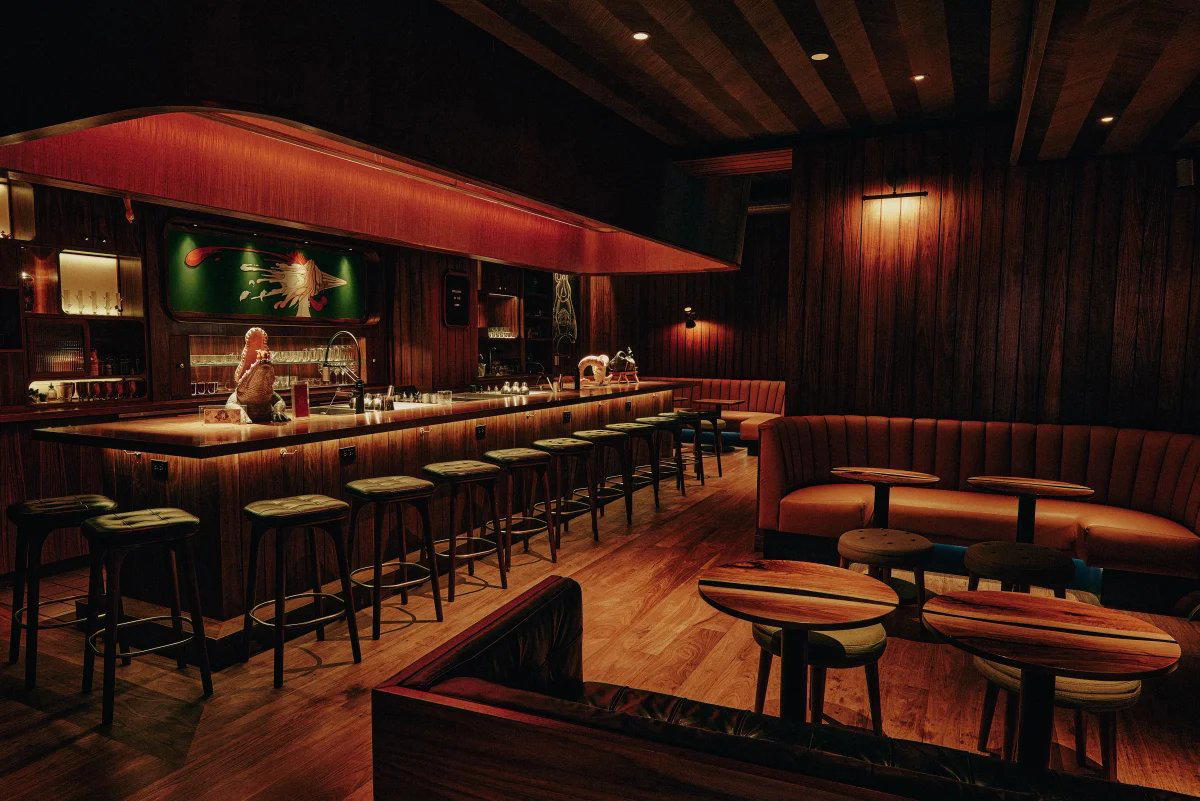
- Intimate
- Sophisticated
- Date Night
- Special Occasion
- Speakeasy
- Seated Bar
- Lounge Seating
- Craft Cocktails