Aalia Wine Room brings Middle Eastern and North African-inspired drinking culture to Sydney, operating as the kind of neighbourhood fixture where the wine list and the atmosphere do equal work. The format sits closer to a serious wine bar than a restaurant adjunct, with a culinary identity that places it outside the city's more conventional wine room formats.

Pearl is the En Primeur Club membership app, where members save venues, book tables and use the concierge.
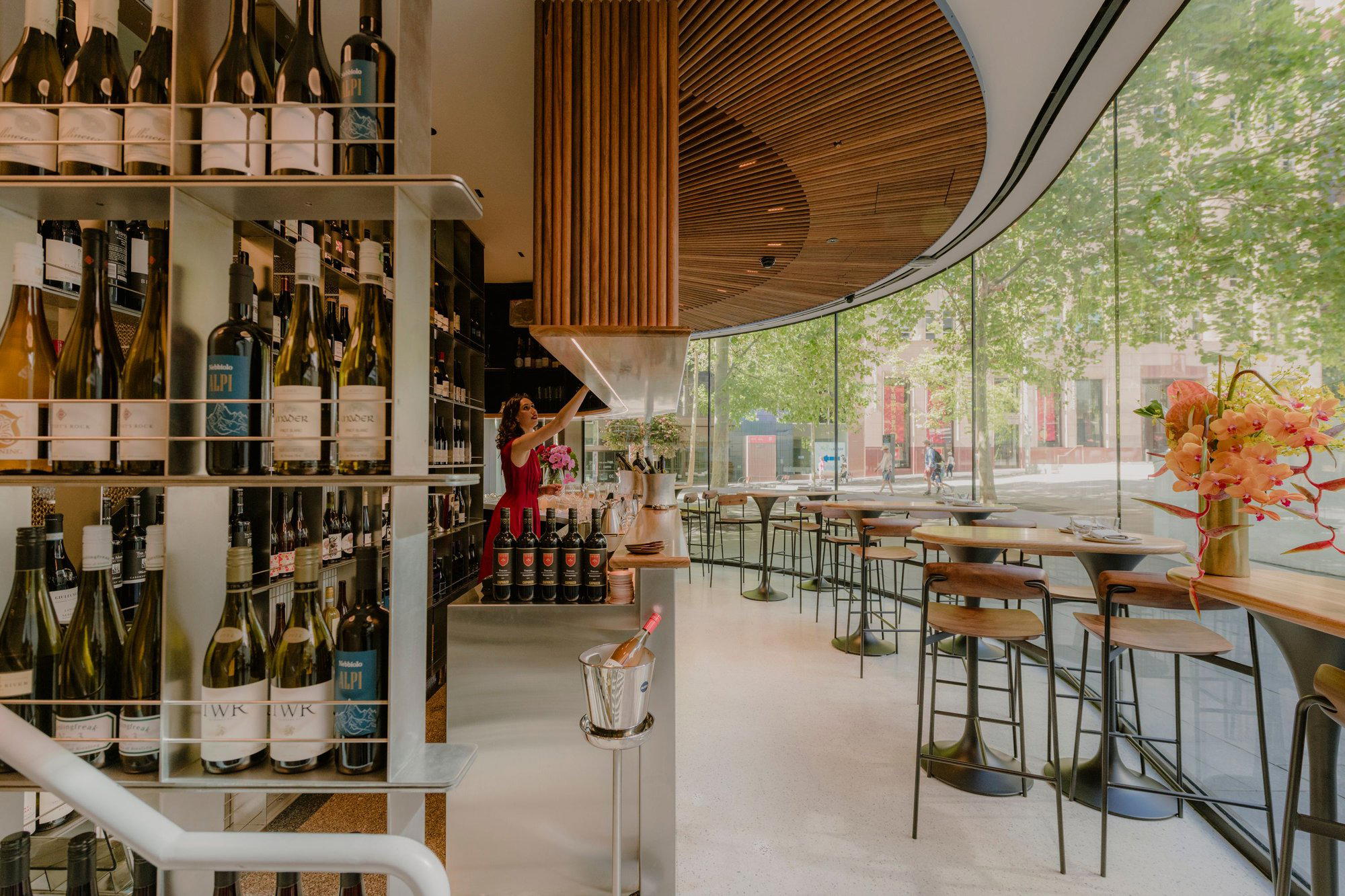
Where the Neighbourhood Comes to Drink Something Interesting
Sydney's wine bar scene has fractured into distinct tiers over the past decade. At one end sit the high-volume natty-wine pours and shared plates that dominate inner-suburb openings; at the other, the more serious list-driven rooms where a glass of orange wine from the Bekaa Valley or a skin-contact Roussanne from McLaren Vale carries as much weight as the food beside it. Aalia Wine Room occupies a position that doesn't map neatly onto either category. Its Middle Eastern and North African culinary identity gives the drinks list a different kind of frame, one where the food and wine relationship is built around spice, acid, and fermentation rather than the butter-and-oak pairings that still anchor most Sydney wine rooms.
That specificity is worth noting because it changes the dynamic of the room. Wine bars organised around a culinary tradition rather than a general hospitality brief tend to attract a more committed regular crowd. The conversation at the counter shifts from "what's good tonight" to something closer to a standing argument about producers and regions, the kind of exchange that makes a neighbourhood bar function as a genuine gathering place rather than a service transaction.
Middle Eastern and North African Wine Culture in a Sydney Context
The wine traditions of the Middle East and North Africa, Lebanon's Bekaa Valley, Morocco, Greece's Aegean islands, Georgia's ancient qvevri producers, have moved from footnote to serious category in the past five years across Australian wine bars. That shift reflects both increased importer activity and a broadening of what Sydney drinkers consider reference-point wines. A room built around this culinary geography has access to a genuinely interesting selection of grape varieties and winemaking traditions that most Australian wine bars still treat as curiosities: Assyrtiko, Cinsault from Lebanon, Xinomavro, amber wines made with extended skin contact in the eastern Mediterranean style.
For context, bars like Eau de Vie and Maybe Sammy have built their reputations on technical precision within a European-leaning cocktail framework. Aalia Wine Room operates from a different premise, the culinary identity of the food drives the selection logic, and the wine follows accordingly. That's a less common structural approach in Sydney, where most wine bars treat the list as a standalone programme rather than a direct extension of the kitchen's geography.
The Bar as Gathering Place
The neighbourhood watering hole occupies a specific social function that the broader hospitality industry periodically rediscovers and rebrands. In Sydney's inner suburbs, the venues that hold genuine community gravity tend to share certain characteristics: a format that rewards return visits rather than one-time special-occasion dining, a price point and atmosphere that doesn't require a reason to show up, and a staff culture that treats regulars as participants rather than customers. Wine bars built around a strong culinary identity often develop this character faster than more neutral formats, because the specificity of the offering creates a self-selecting crowd of people who have already decided they're interested.
The comparison with Palmer & Co. in Sydney is instructive. That venue built its identity around a specific atmosphere and format discipline, the underground jazz-era room, that created a regular crowd almost by design. The mechanism at Aalia Wine Room is different: here, the self-selection comes through the culinary angle rather than a theatrical setting. People who show up for North African-inflected food and the wines that work alongside it are already more invested than the general walk-in crowd.
Similar dynamics appear in wine-focused neighbourhood bars across Australia. La Cache à Vín in Spring Hill operates as a French-inflected wine bar that has built a local following through list depth rather than scale. Fratelli Paradiso in Potts Point holds its neighbourhood anchor status through a combination of culinary identity and physical consistency over many years. Both demonstrate that the bars with the most durable community role are generally those with a clear point of view sustained through the day-to-day operation rather than a launch-period identity that fades.
Placing Aalia Wine Room within Sydney's current wine bar hierarchy requires a brief mapping of the broader scene. Cantina OK! operates as a tightly controlled mezcal-focused format, small capacity, deep specialist knowledge, a very different flavour proposition. The comparison is useful not because the venues are similar but because both demonstrate that Sydney's drinking scene increasingly rewards specificity over breadth. The bars that attempt to cover all bases tend to be outcompeted at every point by venues that have chosen a lane and stayed in it.
For visitors building a broader Sydney drinking itinerary, the city's serious bar scene has sufficient depth to support several nights of distinct programming. Eau de Vie covers the cocktail and whisky side of the ledger. Blu Bar on 36 in The Rocks delivers a skyline-view format that operates in a different register entirely. Aalia Wine Room occupies the food-driven wine bar position, and the culinary identity means it pairs most naturally with an evening that starts with curiosity about the list rather than a specific occasion.
Further afield, the neighbourhood bar model translates well across Australian cities. 1806 in Melbourne holds a comparable anchor position in its own local bar ecosystem. Bowery Bar in Brisbane performs a similar function for a different demographic. Internationally, Bar Leather Apron in Honolulu and Whipper Snapper Distillery in East Perth each demonstrate that the most durable bar formats across the Pacific tend to be those built around a specific production or culinary identity rather than a broad appeal brief.
Planning a Visit
The culinary identity, Middle Eastern and North African-inspired, signals a food programme that pairs well with wine in a way that suits both drop-in drinking and a more considered evening. Sydney venues in this category typically reward booking over walk-in on Thursday through Saturday evenings, when the local regular crowd and destination visitors compete for the same seats. For a broader orientation to Sydney's eating and drinking options across all categories, our full Sydney restaurants guide covers the scene with neighbourhood-level detail.
Standing Among Peers
Comparable venues nearby, for context on price, style, and recognition.
| Venue | Cuisine | Price | Awards | Notes |
|---|---|---|---|---|
| Aalia Wine RoomThis venue (the venue you are viewing) | wine_bar | $50–100 | Not listed | Not listed |
| Famelia | wine_bar | $30–50 | Star Wine List | Newtown |
| Searock Grill | hotel_bar | Not listed | Not listed | Sydney |
| Cantina OK | mezcaleria | $30–50 | World's 50 Best #96 · Tatler Listed in Best Bars Asia-Pacific | Sydney |
| P&V Wine + Liquor Merchants Paddington | wine_bar | Not listed | Star Wine List | Newtown |
Aalia Wine Room
Featured Guides
Continue exploring
More in Sydney
Bars in Sydney
All bars in Sydney →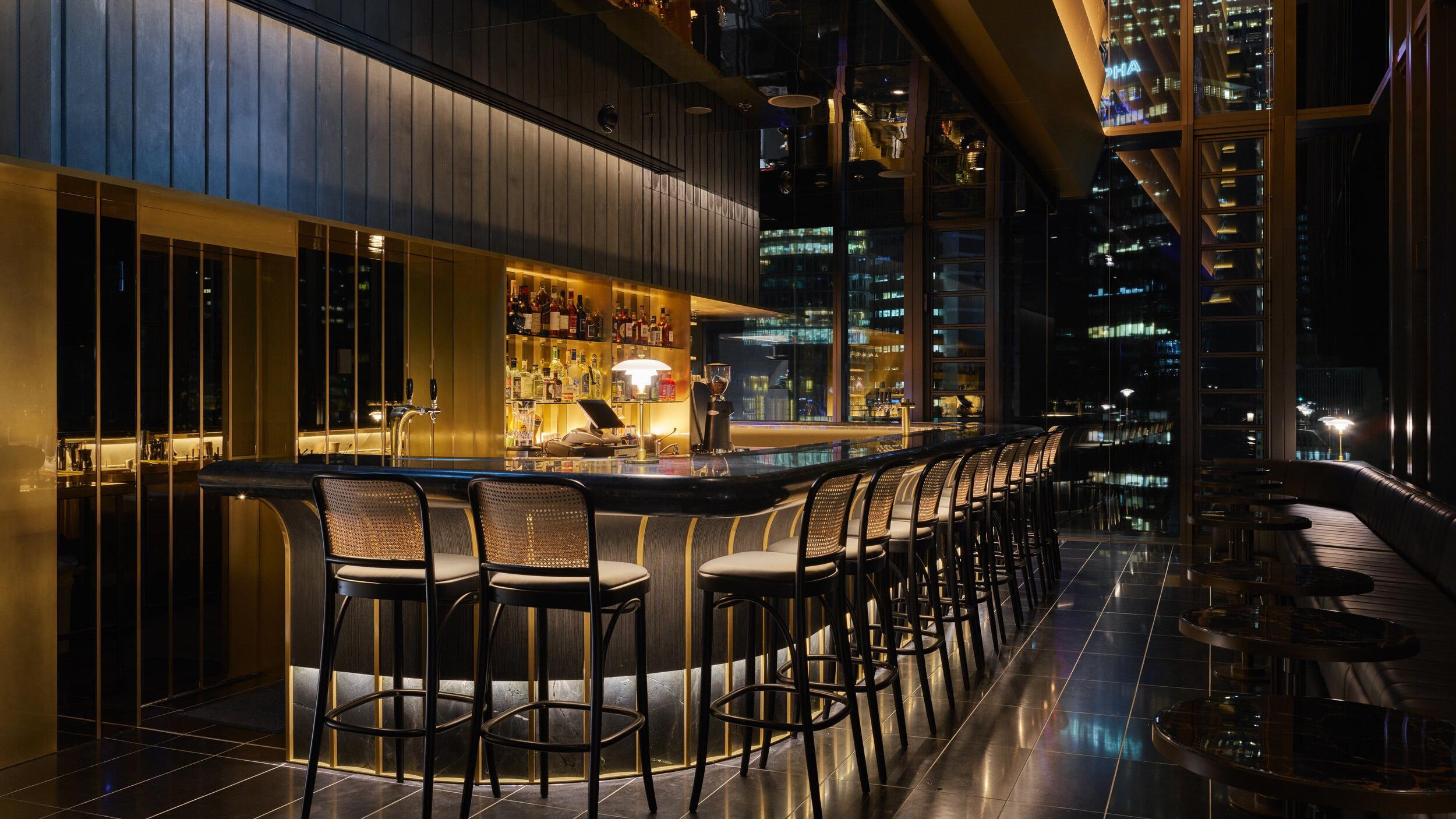
Restaurants in Sydney
All restaurants in Sydney →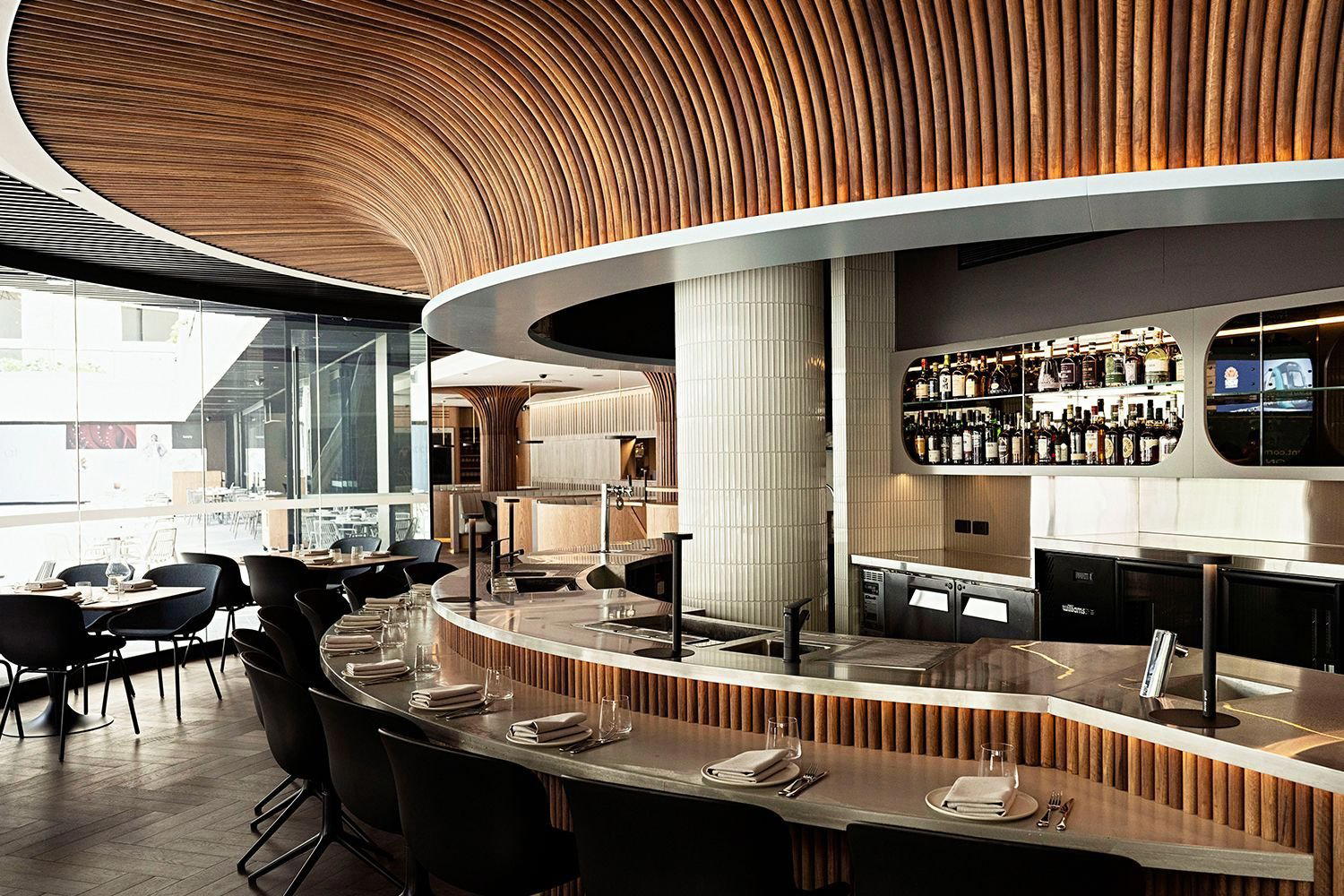

Details
- Intimate
- Elegant
- Sophisticated
- Modern
- Date Night
- After Work
- Casual Hangout
- Special Occasion
- Design Destination
- Standalone
- Seated Bar
- Lounge Seating
- Booth Seating
- Natural Wine
- Conventional Wine
- Street Scene
Current opening hours
- Monday
- Closed
- Tuesday
- 12–11 PM
- Wednesday
- 12–11 PM
- Thursday
- 12–11 PM
- Friday
- 12–11 PM
- Saturday
- 5–11 PM
- Sunday
- Closed
Hours can change for holidays and private events. Hours as of .
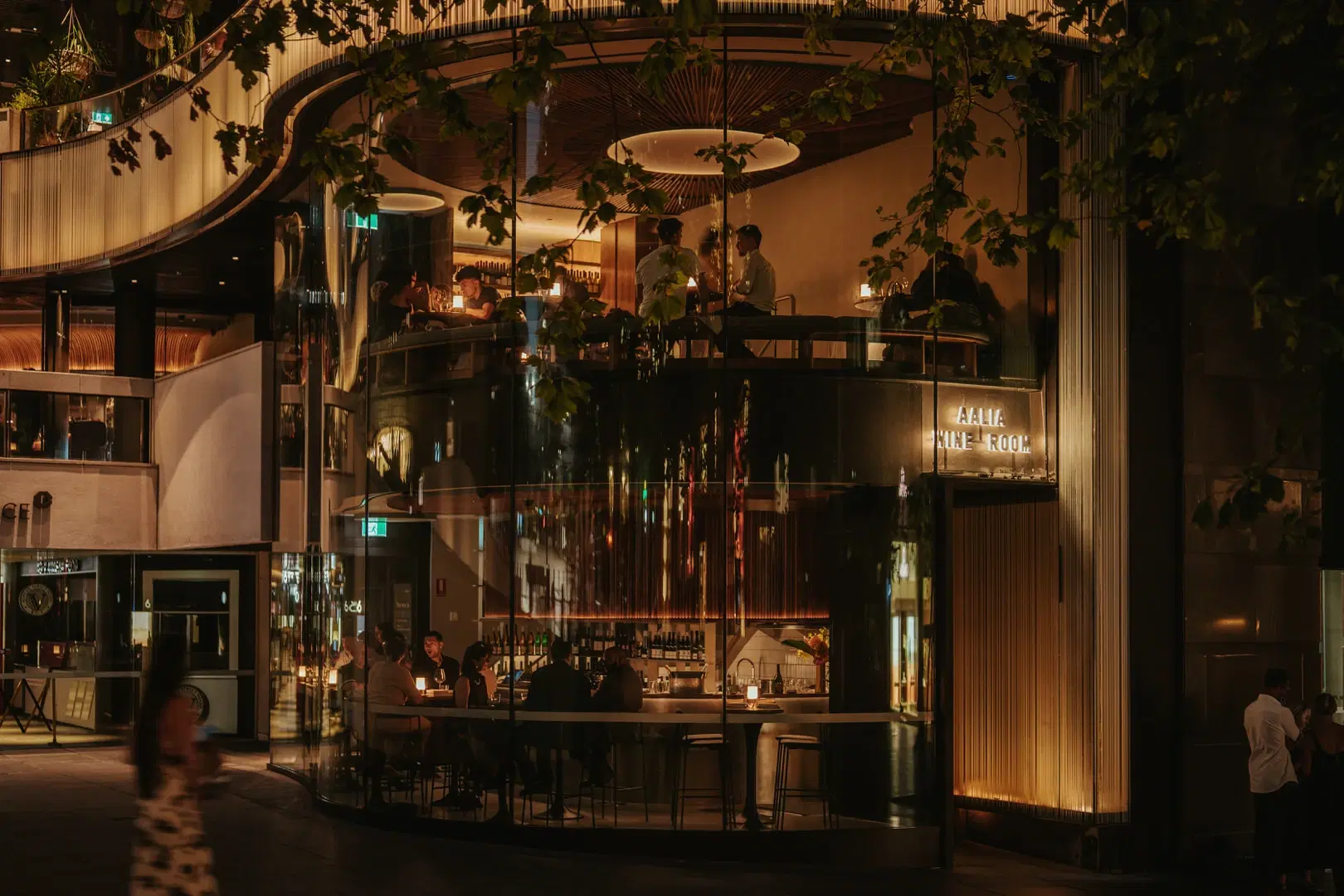
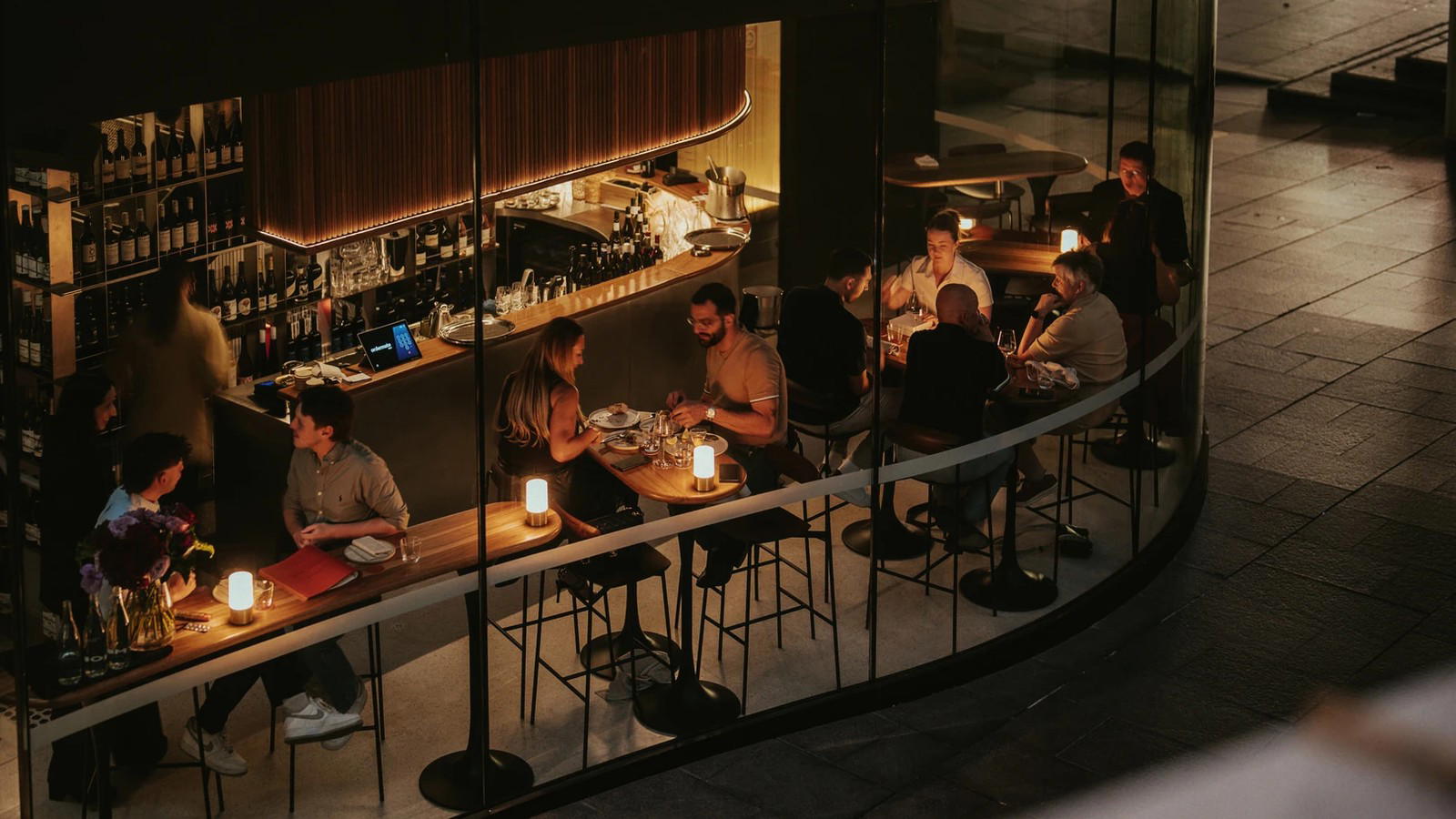
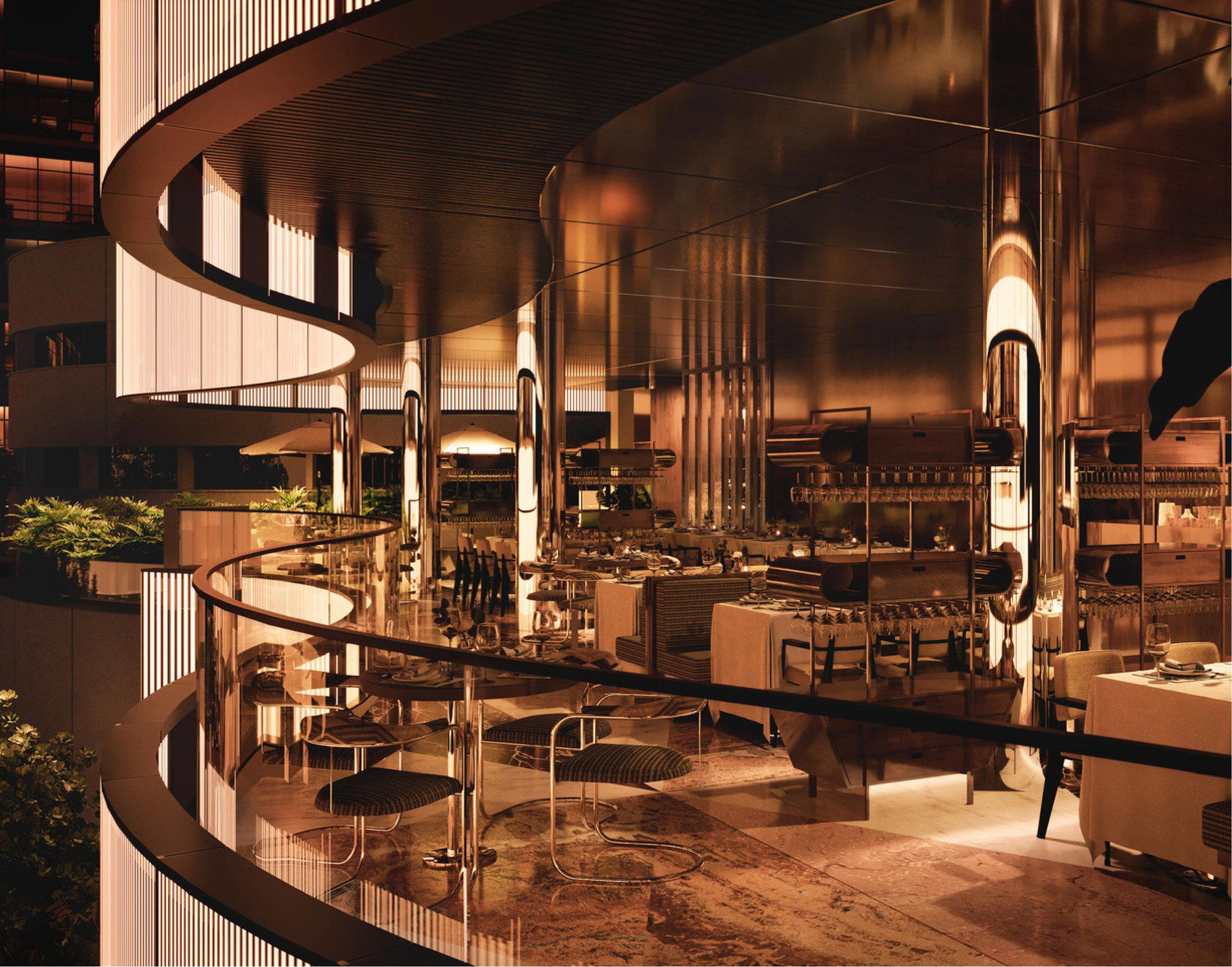
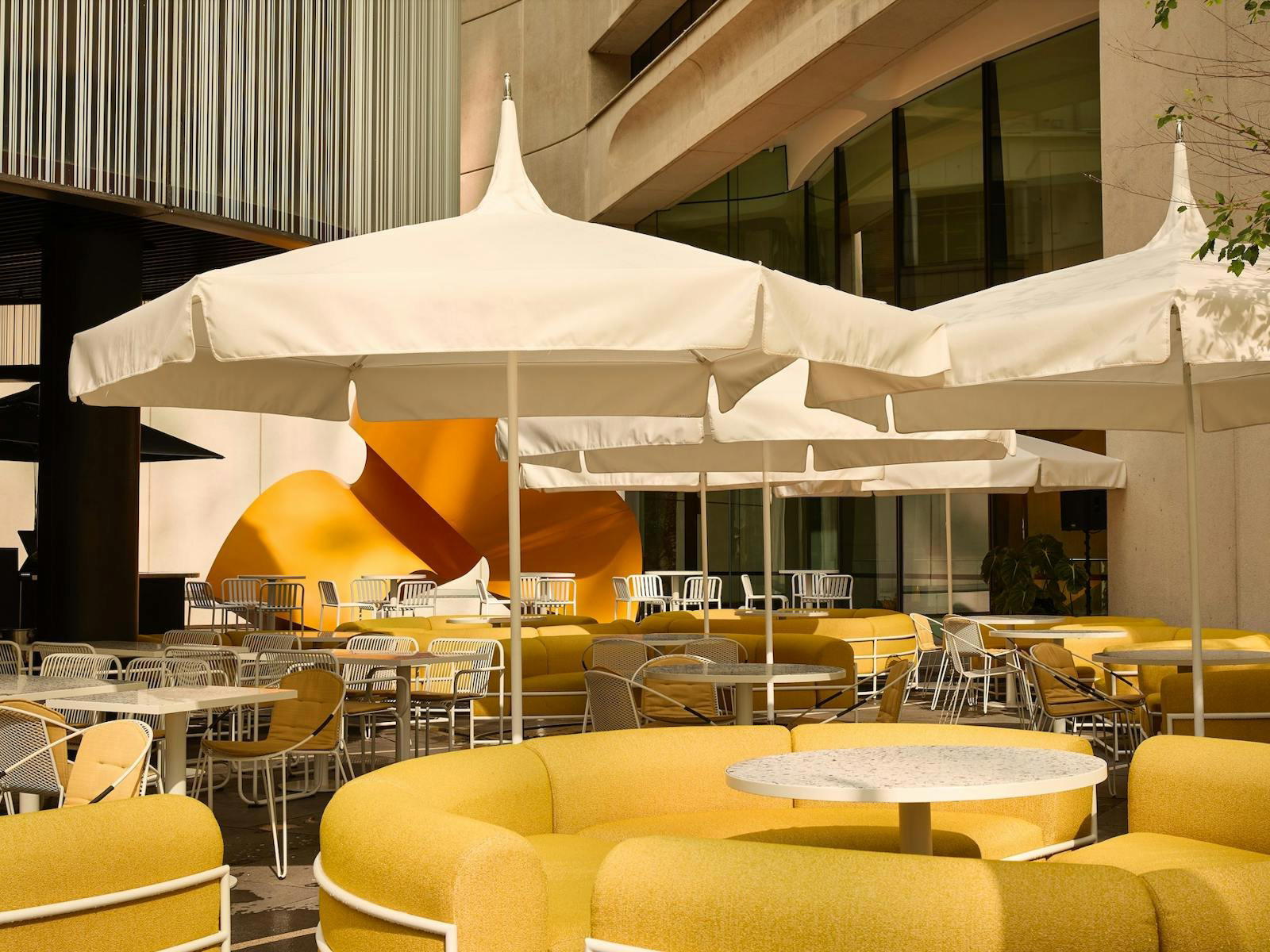
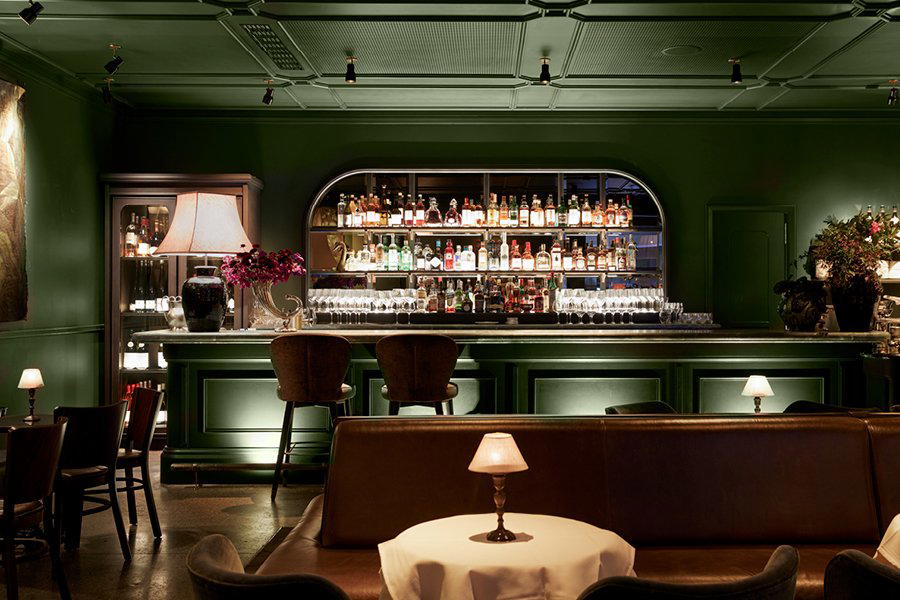
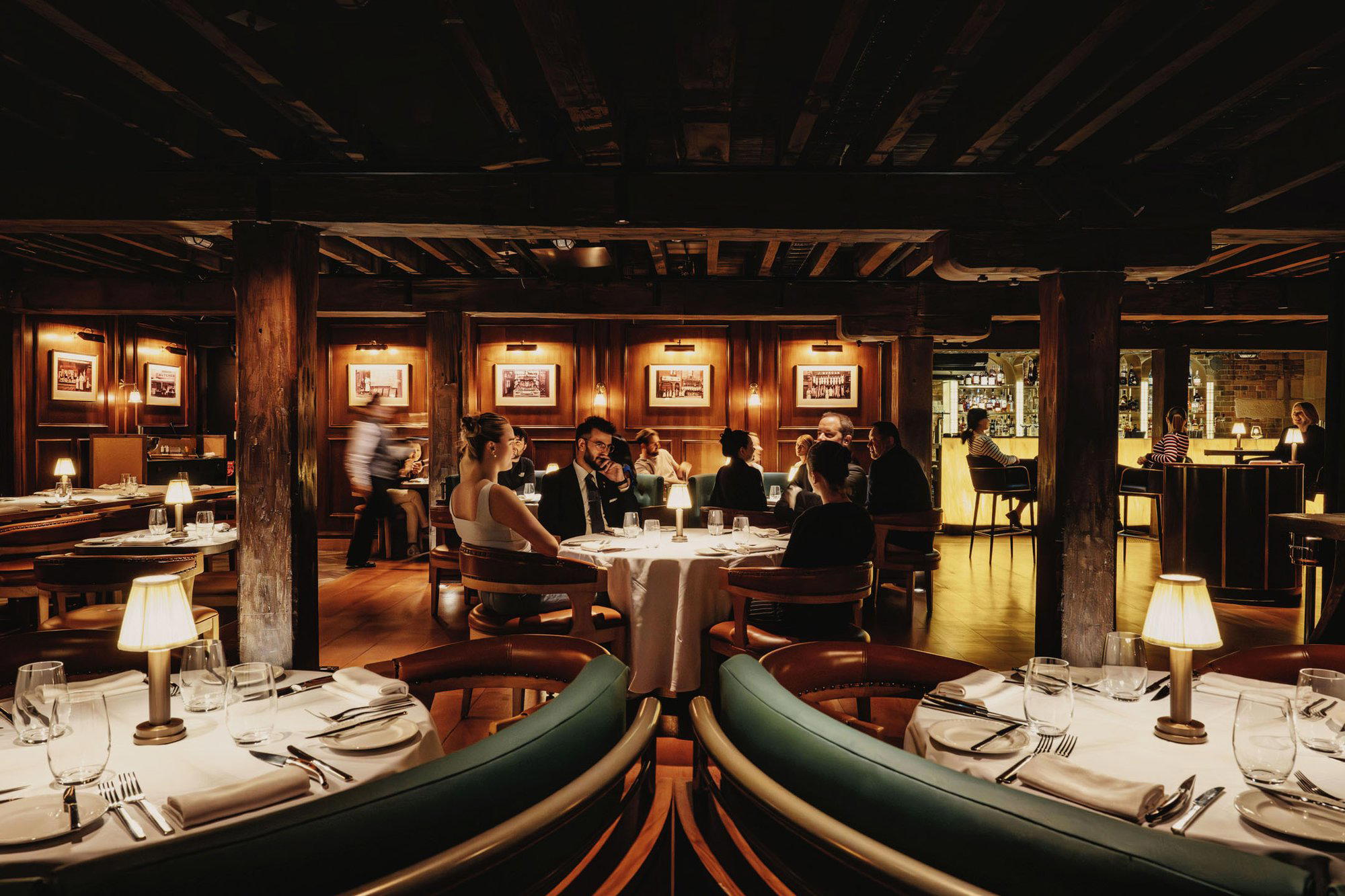
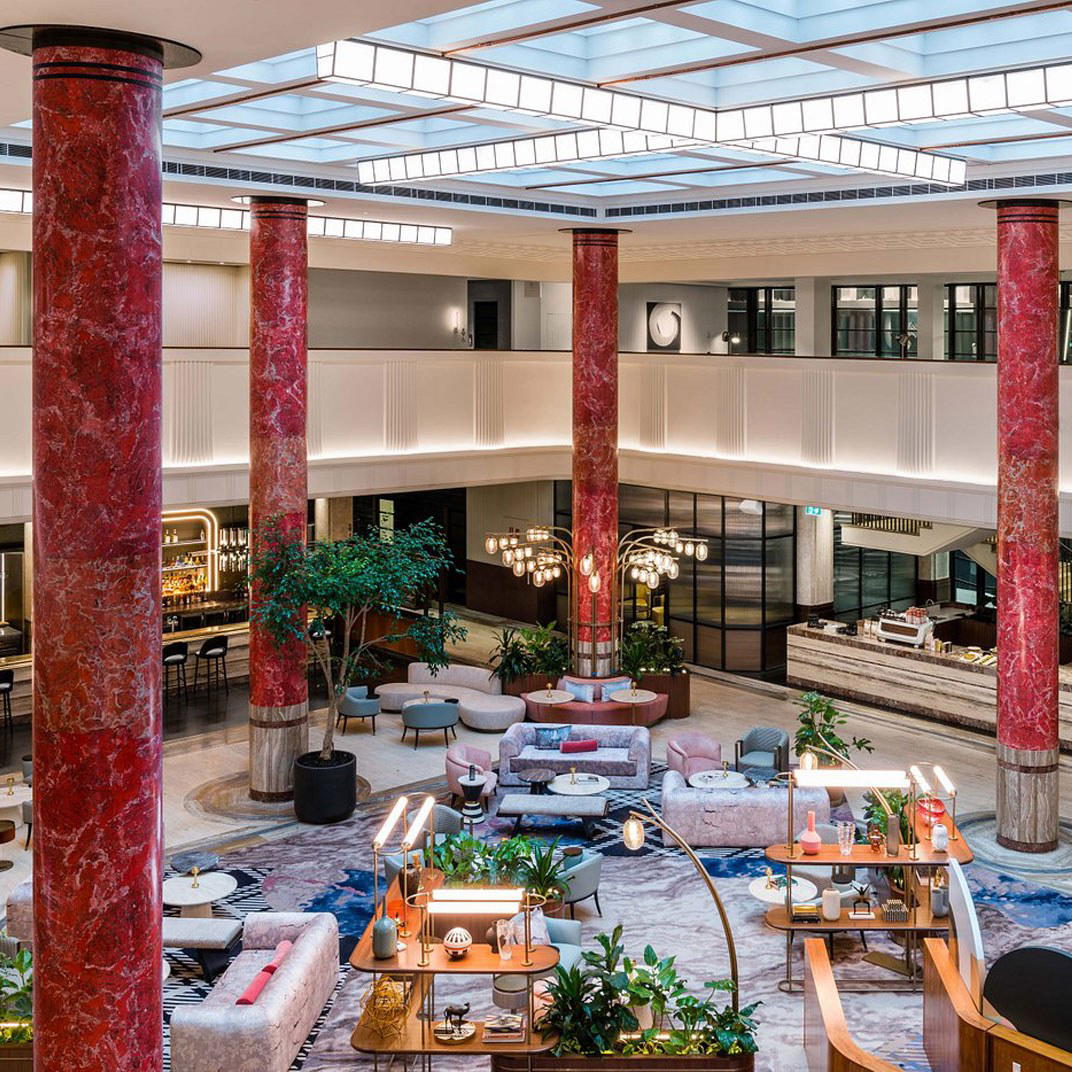
Warm timber, banquette seating, mood lighting, and eye-catching tiles with views of the modernist MLC Centre; refined and tactile setting.