Bar Calablanca sits on Isla de Barú, outside Cartagena de Indias’ walled-city bar circuit, inside Calablanca Restaurant at Sector Porto Nao km 7. With no published awards, prices, hours, cocktail list, or booking channel in the available record, it reads less as a checklist venue and more as a coastal planning decision: go for the Barú setting, then confirm the drinking details directly before committing the journey.
Pearl is the En Primeur Club membership app — saves, bookings, and concierge access live there. Same editors, same standards.
- Address
- Sector Porto Nao km 7 Isla de Barú (Calablanca Restaurant)
- Directions
- Get directions
 Saves & bookings on Pearl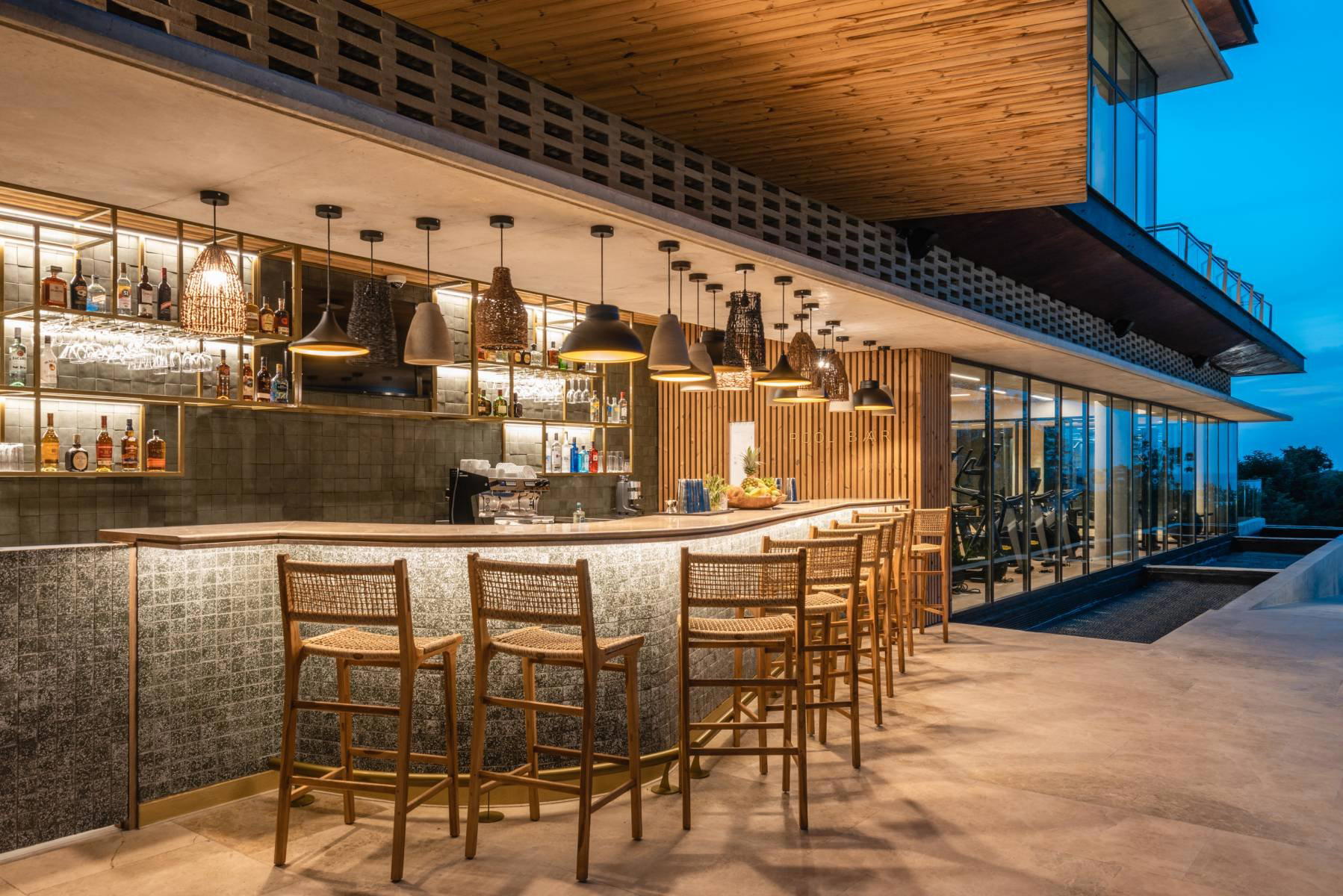
Barú changes the rules of the Cartagena drink
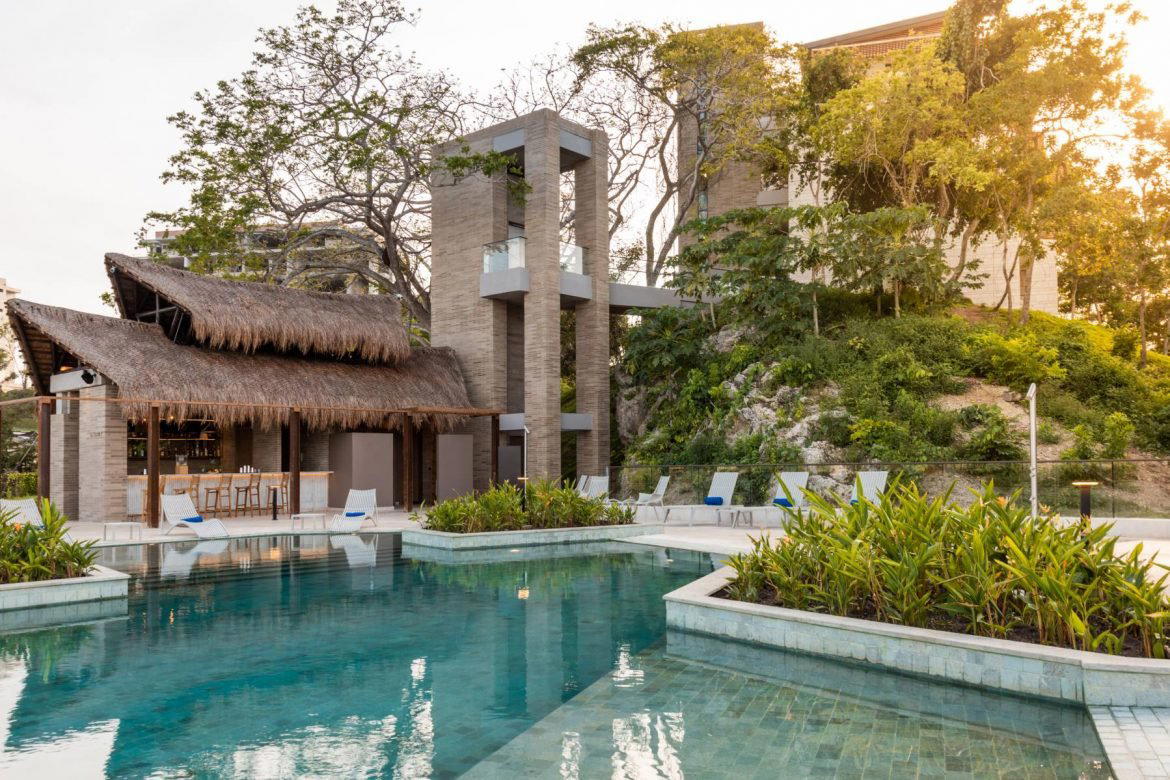
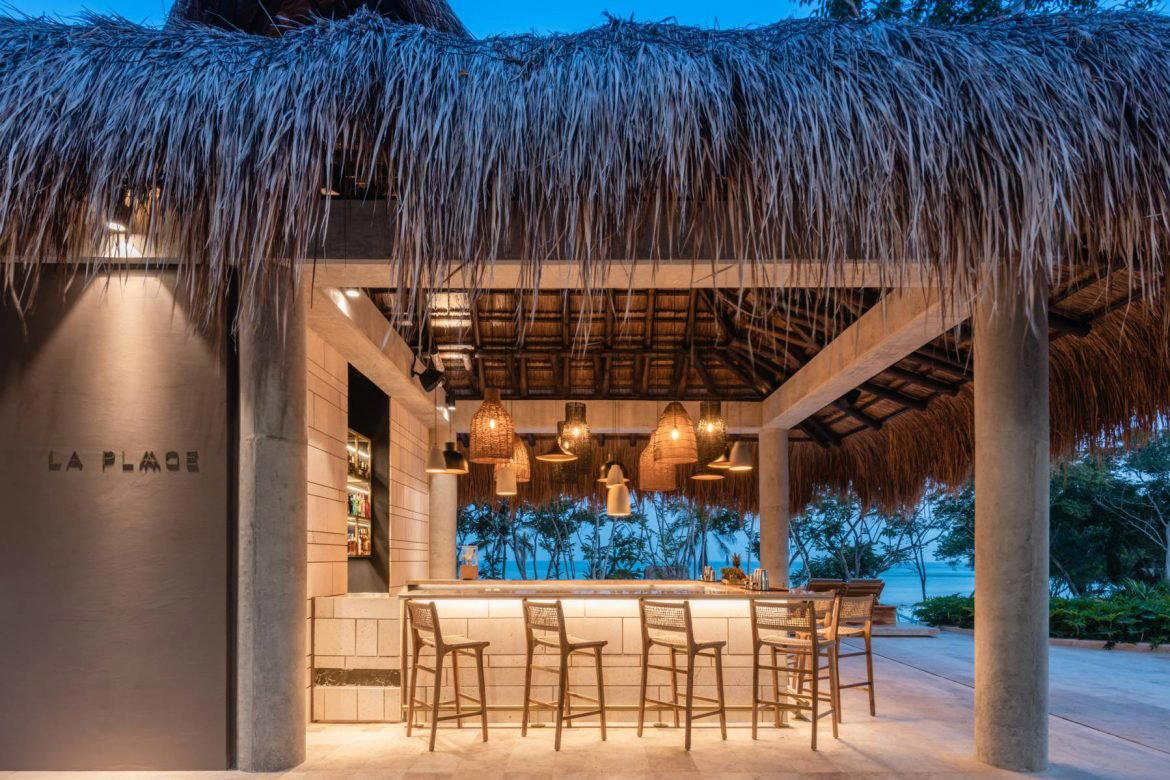
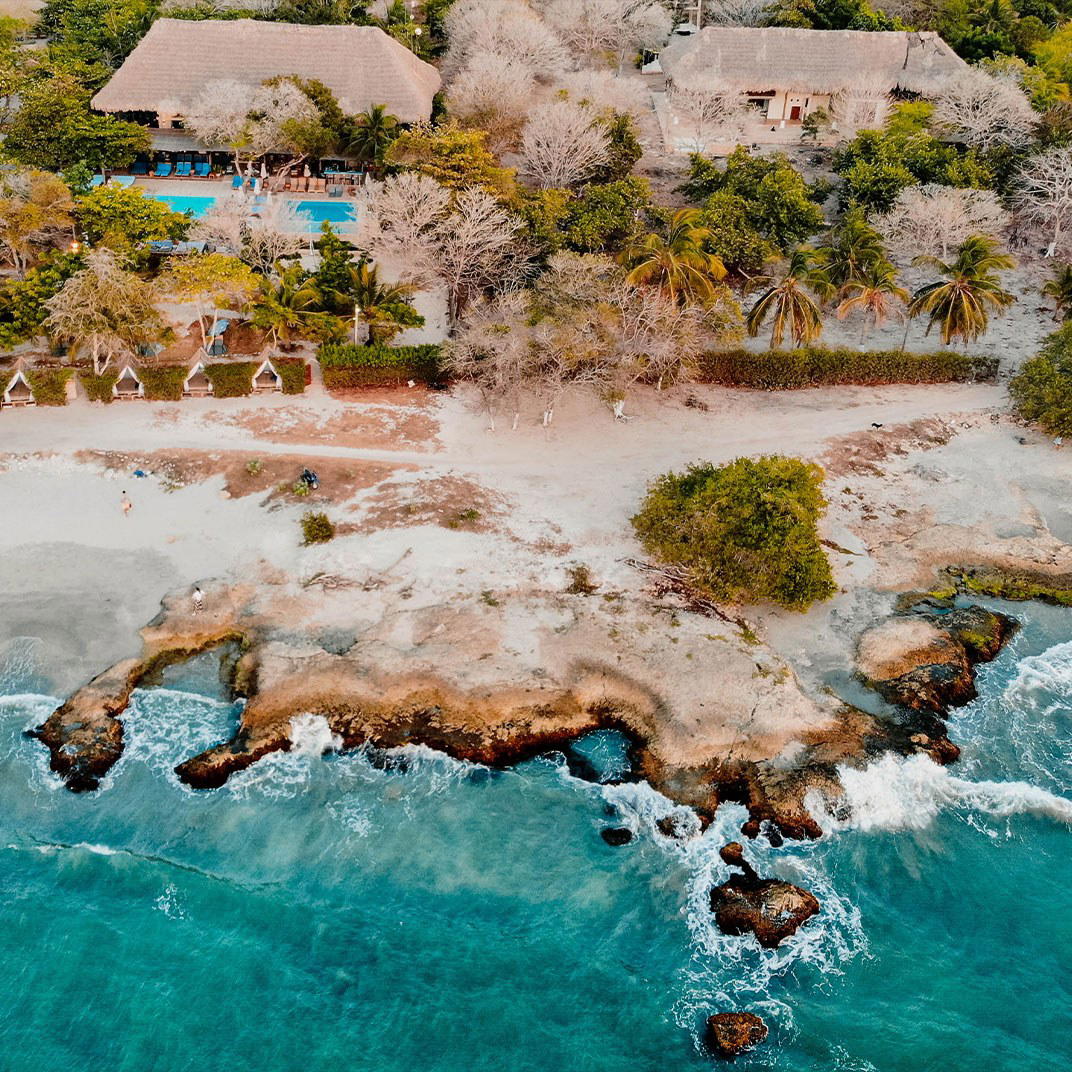
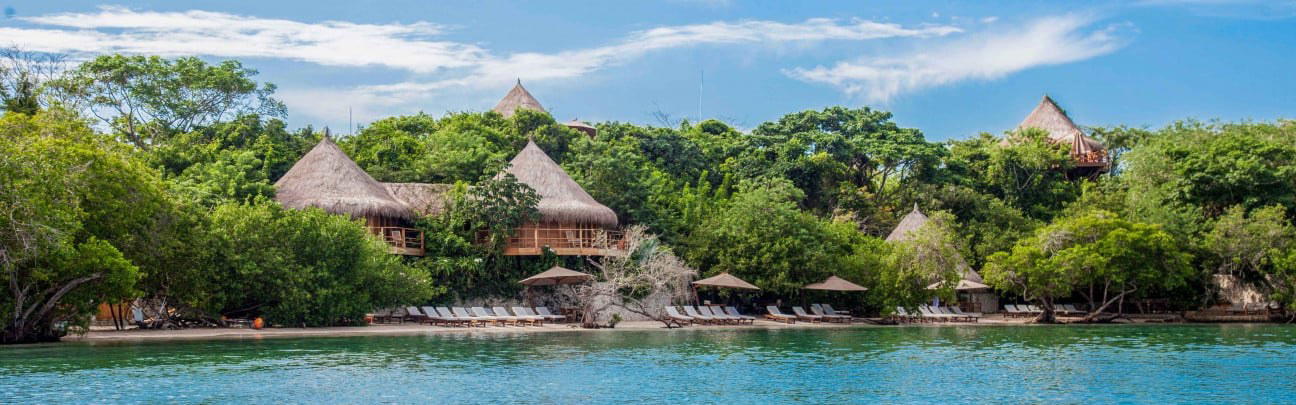
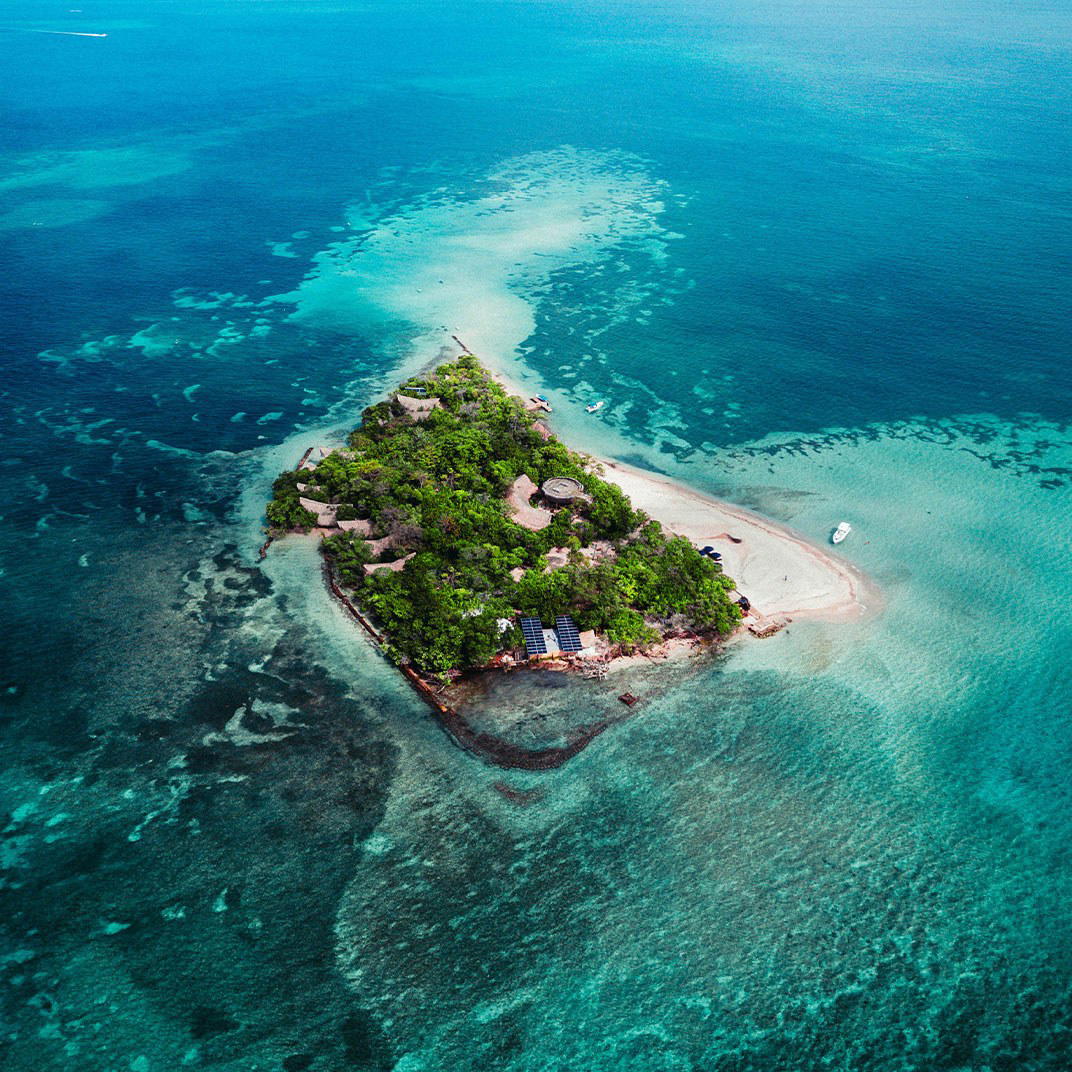
The approach to Bar Calablanca is already a filter. Cartagena’s old-city bars trade in stone walls, balconies, dense street sound, and late-night foot traffic; Isla de Barú shifts the experience toward open air, salt, slower transfers, and the practical reality of leaving the Centro Histórico behind. The address, Sector Porto Nao km 7 Isla de Barú, places the bar within Calablanca Restaurant rather than in the usual Getsemaní or walled-city drinking grid. That matters because the decision is not only what to order. It is whether the coastal setting justifies building part of the day around a bar outside the city’s compact nocturnal circuit.
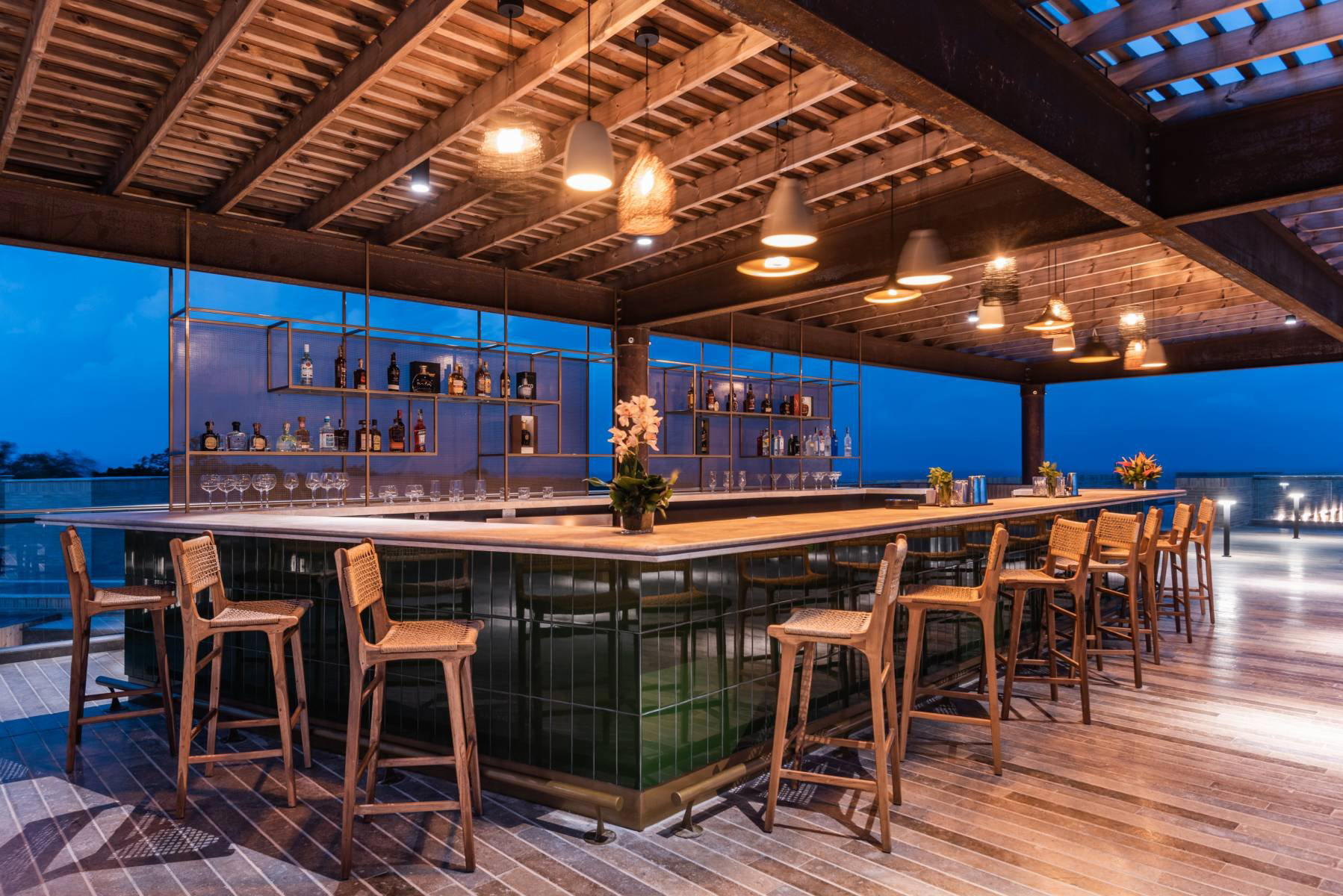
Cartagena’s modern cocktail identity is usually discussed through urban rooms: back bars in restored colonial houses, rooftop hotel lounges, and high-volume tropical bars built around rum, fruit, music, and theatrical service. Barú belongs to another category. A bar attached to a restaurant on the island has to work with daylight, weather, transfers, and the appetite patterns of beach and restaurant guests. The strongest version of that format is not a late-night speakeasy transplant; it is a drinks program that understands heat, seafood, rum culture, agave’s current pull, and the need for clean structure rather than heavy sweetness. The available record does not publish a spirits list or signature serves, so any serious drinker should treat the back bar as something to verify, not assume.
For the broader Cartagena context, Our full Cartagena de Indias restaurants guide is the better starting point for mapping the city’s dining and drinking geography. Bar Calablanca is useful in that map because it marks the outer edge: the point where a bar becomes part of a beach-and-restaurant itinerary rather than a simple stop between dinner and a second round.
The spirits question: curation matters more when the room is remote
In a city bar, a thin back bar can be masked by location, crowd, and quick service. On Barú, the standards are less forgiving. Once guests have committed to the transfer, the bottle selection has to justify the inconvenience. That does not mean rare spirits for their own sake. It means a considered range: Colombian and Caribbean rum treated with the same seriousness as imported whisky or mezcal, clear decisions on house modifiers, and enough non-sugary options for people drinking through a hot afternoon. The smarter editorial read is narrower: its location makes curation the central test.
Cartagena already has a strong reference point for ambitious city drinking in Alquímico in Cartagena, where the conversation tends to focus on scale, energy, and Colombian ingredient narratives. Bar Calablanca sits in a different lane. A Barú bar does not need to compete with a multi-level city cocktail institution by volume or nightlife intensity. It needs clarity: fewer drinks that make sense near the water, a back bar that does not default to anonymous international labels, and service timing that matches a meal rather than a bar crawl. Without published menu data, the safe recommendation is to ask directly about current pours, house cocktails, and rum selection before travelling specifically for drinks.
Colombia’s drinking scene also shows how varied the country’s premium bar culture has become. La Sala de Laura in Bogotá belongs to a capital-city register, shaped by altitude, dining ambition, and a more formal night out. Bar Carmen in Medellín speaks to Medellín’s restaurant-bar crossover, where cocktails often share the table with a serious kitchen. Bar Calablanca, by contrast, is useful for readers precisely because the address changes the expectation. The question is not whether it can imitate those city formats. The question is whether the bar makes the island setting feel coherent through the glass.
How to read the Cartagena cocktail scene from this address
Cartagena’s drinking culture has several layers. There is the historical Caribbean base: rum, citrus, sugar, cold beer, fruit, and long social evenings. There is the tourism layer, often built around rooftop views and fast-moving tropical drinks. Then there is the contemporary bar layer, where Colombian botanicals, clarified serves, fermentation, and regional spirits enter the conversation. A venue on Isla de Barú can borrow from each layer, but it cannot rely on the old city’s architecture to do the work. That is why the physical address is such a useful clue. Sector Porto Nao km 7 signals a different pace, with the bar functioning as part of a coastal meal or day plan.
The comparative set is not limited to Colombia. Caribbean and Latin American bars abroad have shown how diaspora, rum history, and tropical drinking can be handled with discipline rather than cliché. Café La Trova in Miami frames Cuban bar culture through performance and classic technique. Superbueno in New York City channels Mexican-American drinking through a high-energy urban lens. Jewel of the South in New Orleans is a reminder that historical drinking cities reward bars that understand tradition without freezing it. Those comparisons matter because Barú should not be judged only by beach-bar expectations. If the spirits collection is serious, the setting gives it a point of difference; if it is thin, the address becomes scenery rather than substance.
There is also a useful contrast with music-led Caribbean culture. LA TROJA- Patrimonio Cultural y Musical de Barranquilla. 59 años de saborsura in Barranquilla represents a different kind of Colombian night out, where sound, dance, and social ritual carry the experience. Bar Calablanca’s available data points instead toward a restaurant-based coastal bar. That makes it less about volume and more about timing: sunset, lunch stretching into drinks, or a post-meal pour before the return to Cartagena.
What can be said, and what should be verified
The confirmed facts are spare: the name, city, country, and address inside Calablanca Restaurant on Isla de Barú. For EP Club readers, that absence is not a minor footnote. It shapes the recommendation.
That lack of published detail also prevents certain claims. There is no verified cocktail to name, no bottle list to rank, no award to cite, and no chef or bar lead to use as a credential. The trust signal here is geographical and contextual rather than accolade-based: the bar is part of Cartagena de Indias’ broader coastal hospitality scene, positioned on Isla de Barú rather than inside the city’s denser bar districts. That is a real distinction, but it is not the same as a documented award, review score, or published beverage program.
For readers comparing international bar formats, the caution is familiar. Destination bars attached to restaurants or resorts often ask guests to commit more time than city bars do. Bar Leather Apron in Honolulu, Julep in Houston, The Parlour in Frankfurt on the Main, and Kumiko in Chicago all sit in cities where cocktail credentials can be checked against clearer public records, menus, awards, or booking systems. The bar requires a different reader posture: confirm first, then plan.
Planning a visit from Cartagena de Indias
The practical decision is simple but consequential. The bar is listed at Sector Porto Nao km 7 on Isla de Barú, so it should be planned as a Barú outing rather than a spontaneous old-city drink. That is especially relevant for late-afternoon or evening plans, when island transfers can define the experience as much as the drinks themselves.
Price is also unlisted, which makes advance confirmation sensible for anyone building a premium itinerary. Cartagena has a wide spread of bar pricing, from casual coastal drinking to polished hotel and cocktail rooms, and an island restaurant bar can sit anywhere within that range depending on supply, service model, and bottle selection. Dress code is not provided in the record. In practical terms, the safest assumption is polished resort-casual rather than beachwear alone, because the bar is tied to a restaurant setting, but that should be checked if the visit is attached to lunch, dinner, or a private event.
The editorial recommendation is therefore conditional and clear. The bar makes sense for travellers already prioritising Isla de Barú, coastal dining, or a day outside Cartagena’s historic centre. It is less convincing as a drinks-only target unless the current cocktail list, spirits range, and operating hours are confirmed in advance. In a city with stronger documented bar references, the island address has to earn the journey through curation and timing.
Continue exploring
More in Cartagena
Bars in Cartagena
Browse all →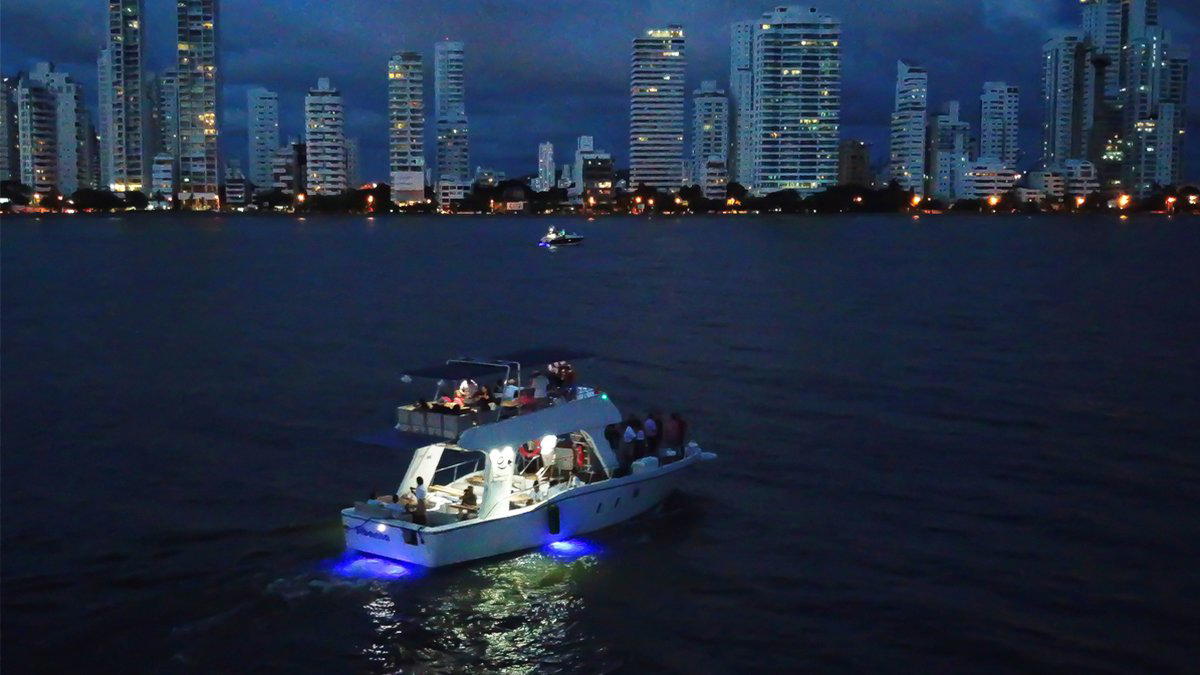
Restaurants in Cartagena
Browse all →
At a Glance
- Elegant
- Scenic
- Sophisticated
- Romantic
- Modern
- Date Night
- After Work
- Group Outing
- Celebration
- Special Occasion
- Casual Hangout
- Waterfront
- Terrace
- Panoramic View
- Design Destination
- Hotel Bar
- Seated Bar
- Lounge Seating
- Outdoor Terrace
- Classic Cocktails
- Conventional Wine
- Waterfront
- Garden
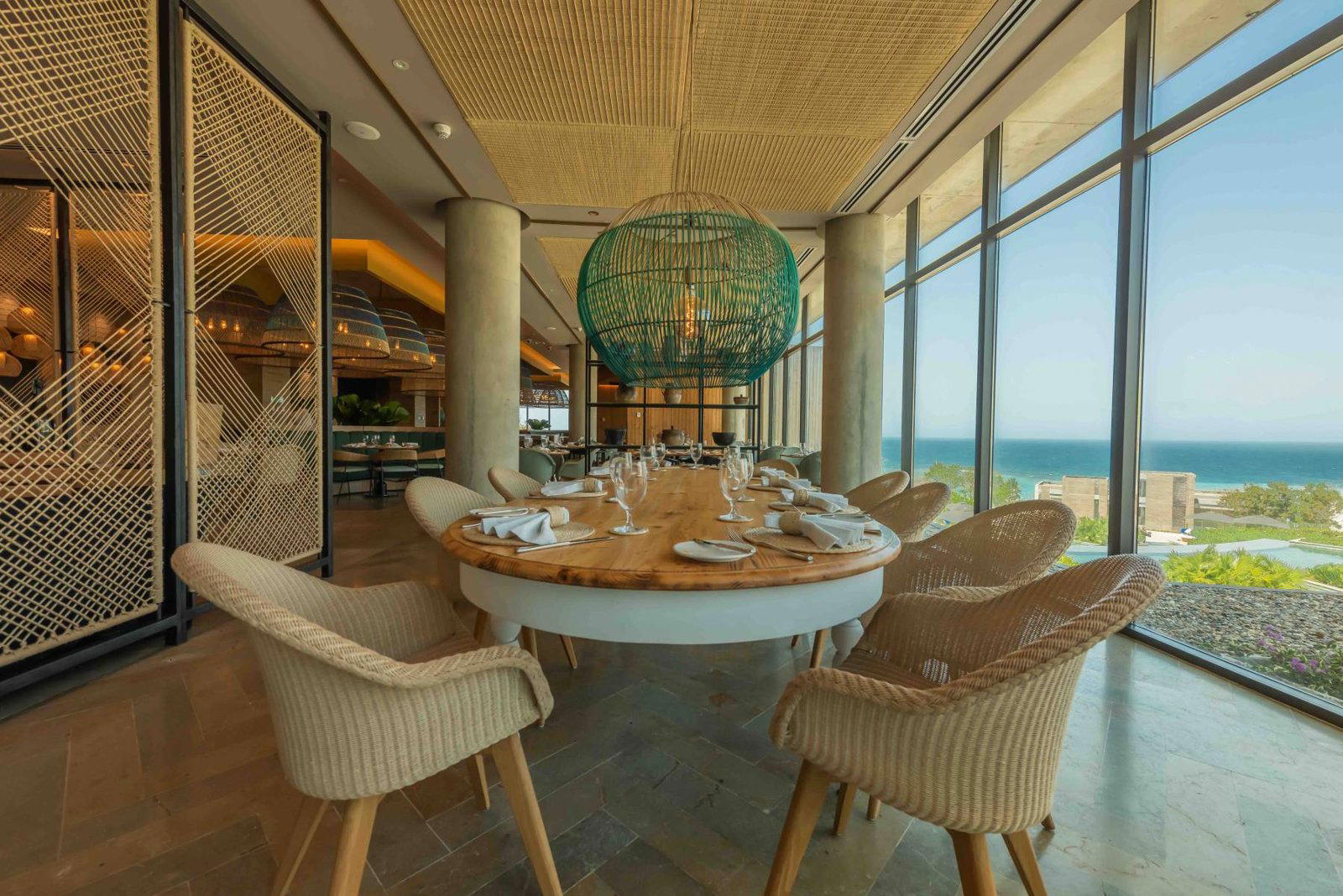
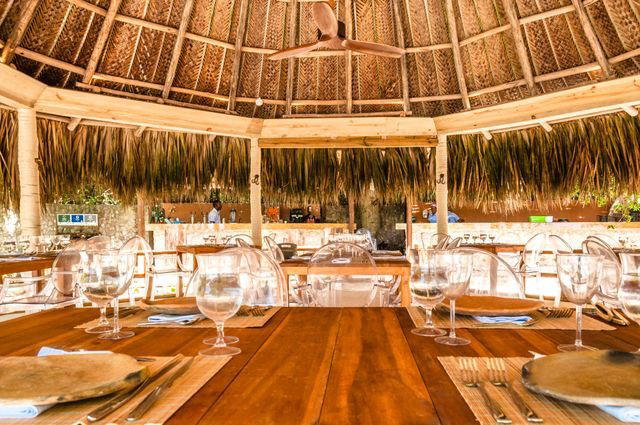
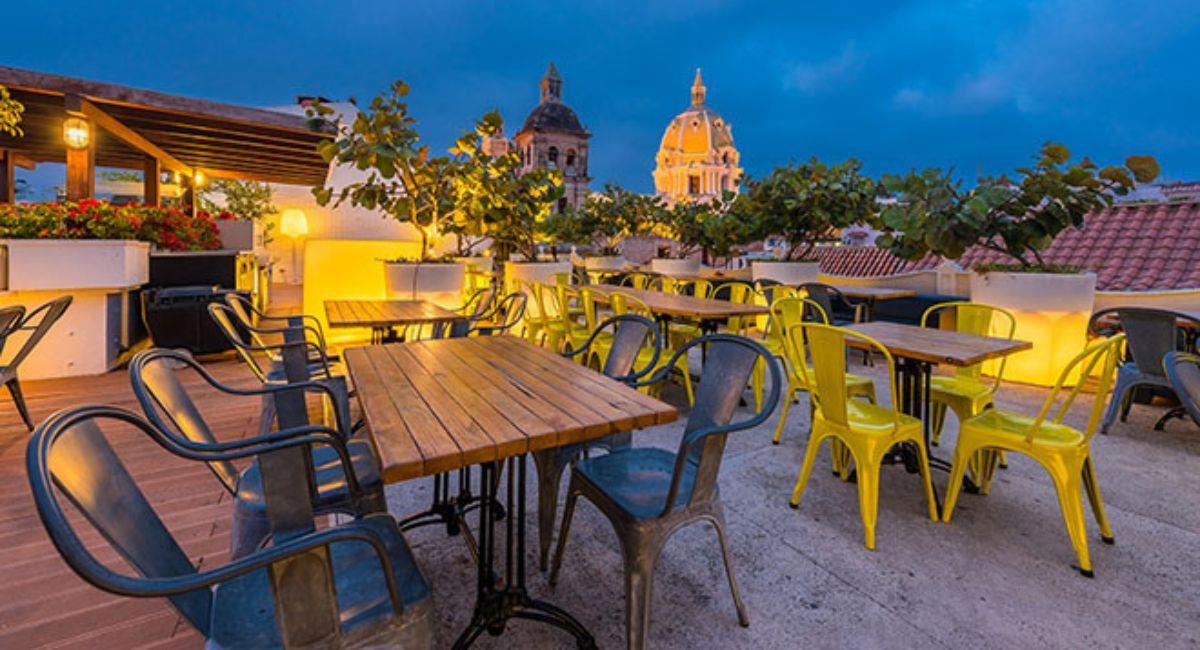
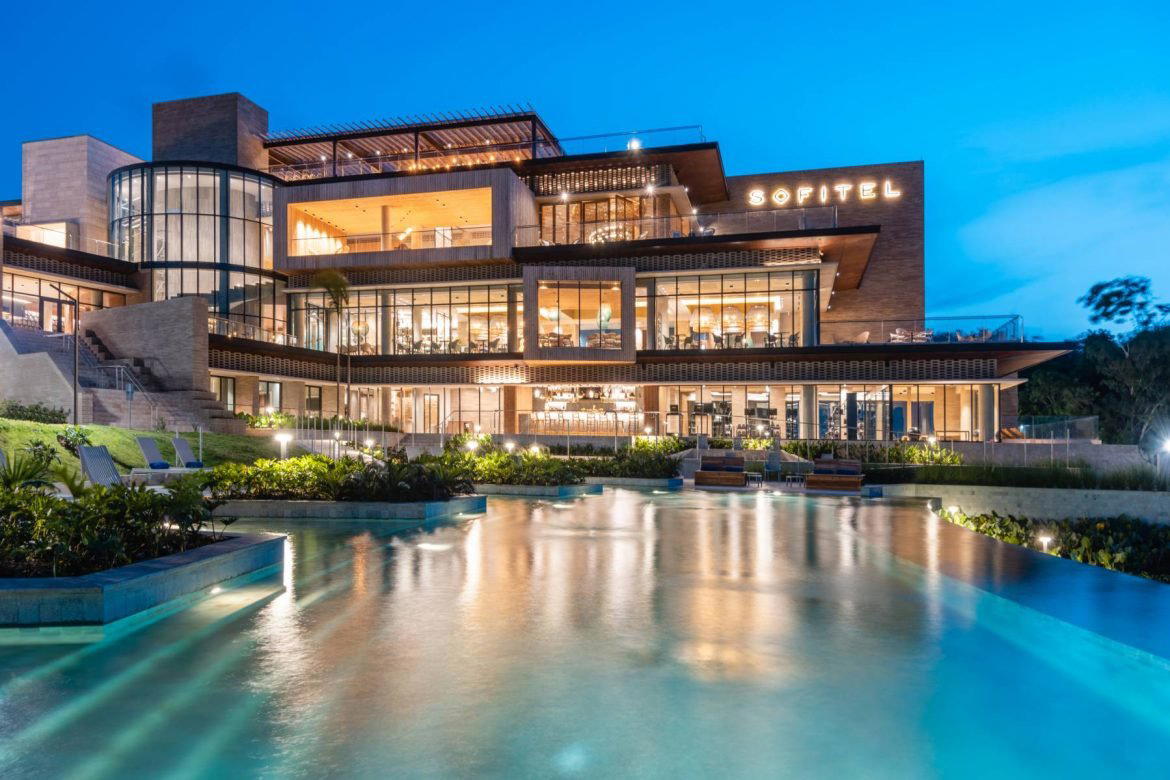
Upscale yet relaxed resort atmosphere with polished contemporary design, natural materials, and open spaces that flow toward the pools and sea, creating a refined but unpretentious setting for cocktails and socializing.