Bar Bahia is a Barú-side Cartagena de Indias address for readers tracking the city’s drinking culture beyond the walled centre.
Pearl is the En Primeur Club membership app — saves, bookings, and concierge access live there. Same editors, same standards.
- Address
- Sector Porto Nao km 7 Isla de Barú (Bahía Restaurant)
- Directions
- Get directions
 Saves & bookings on Pearl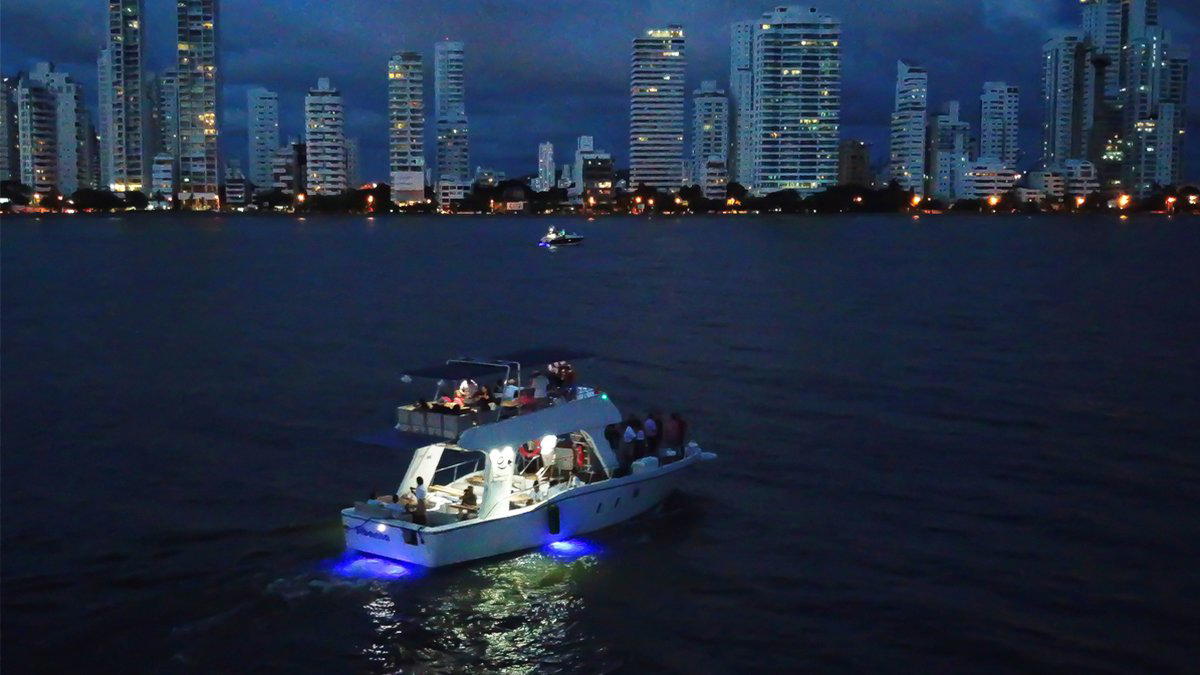
Cartagena Drinking Moves Toward the Water
Approaching the Barú side of Cartagena de Indias changes the rhythm before a glass reaches the table. The city’s old-centre bar circuit is built around stone walls, interior courtyards, balconies, and late-night foot traffic; Isla de Barú introduces a different grammar, with sea air, slower transitions between lunch and aperitif hour, and a setting where the bar has to answer to weather, boat schedules, and the appetite of guests who have left the dense historic core behind. Bar Bahia belongs to that second Cartagena: not the Plaza de la Trinidad crawl, not the clock-tower address, but the coastal extension of a city whose drinking culture has become more geographically layered.
That distinction matters because Cartagena’s cocktail conversation is often compressed into the walled city. The international visitor tends to read the city through a narrow loop of rooftops, salsa rooms, hotel lounges, and high-recognition cocktail bars. Barú complicates that map. A bar located at Sector Porto Nao km 7 on Isla de Barú, inside Bahía Restaurant, asks a different planning question: not simply where to drink after dinner, but whether the day’s route points toward the islands and the coast. For a broader view of where the city’s restaurants and bars sit in relation to one another, Our full Cartagena de Indias restaurants guide is the better starting point.
The Cocktail Programme, Read Through Context Rather Than Hype
The useful way to read Bar Bahia is through format. No database field confirms a signature drink, bartender name, cocktail list, price tier, awards, hours, booking channel, or house technique, so the responsible editorial point is not to invent a clarified rum serve or a coconut-laced house classic. The point is that a coastal Cartagena bar has a different job from a destination cocktail room in the historic centre. It has to suit heat, salt, a mixed dining-and-drinking audience, and a service pattern that can begin before sunset rather than after dinner. In this category, restraint and timing count as much as spectacle.
Cartagena’s cocktail identity has been pulled between two forces: Caribbean ingredients and international bar technique. Rum, citrus, tropical fruit, coffee, cane, bitters, and cold service all make sense in the region, but the city’s more ambitious bars increasingly borrow from global cocktail vocabulary: clarified builds, highball discipline, low-waste prep, fermentation, and theatrical service. The distinction protects the reader from false precision and keeps attention on the planning choice: this is an Isla de Barú drinking stop tied to Bahía Restaurant, not a verified award-circuit cocktail counter.
For comparison, Alquímico in Cartagena represents the city-centre model more clearly: multi-room, cocktail-led, and embedded in the old city’s late-night circuit. Medellín and Bogotá add their own reference points, from Bar Carmen in Medellín to La Sala de Laura in Bogotá, where urban bar culture is shaped by different altitudes, neighbourhood patterns, and dining calendars. Bar Bahia sits apart from that inland frame because its address on Isla de Barú shifts the decision from bar-hopping to route-building.
Why the Address Changes the Reader’s Decision
Sector Porto Nao km 7 is not a throwaway line. It tells readers that this is not a spontaneous stop for someone wandering out of dinner in Getsemaní or the Centro Histórico. The address places Bar Bahia on Isla de Barú, within Bahía Restaurant, which means the drinking occasion is likely to be tied to a longer coastal plan. That is logistical intelligence, not decoration. In Cartagena, the distance between a walled-city hotel and a Barú address can shape the entire evening: transport, weather, return timing, and whether dinner is part of the same outing all become part of the bar decision.
It does not mean access is impossible; it means the reader should verify current operating details before building an itinerary around the address. Cartagena’s island and coastal venues can be more exposed to seasonal traffic, private events, and transport variables than central bars. A serious plan should confirm the day’s route and opening status through a reliable local contact, hotel concierge, or direct channel if one becomes available, rather than assuming a city-centre walk-in pattern.
This is also where price expectations need discipline. No price range is available in the record, and no awards field is listed. That places Bar Bahia outside the kind of credential-led ranking where a reader can infer premium positioning from Michelin, 50 Best, or a published bar list. The better assessment comes from geography and format: an Isla de Barú bar connected to a restaurant is likely to be chosen for setting and route logic, while a central cocktail bar is usually chosen for programme density, room energy, and late-hour flexibility. Those are different uses, not direct substitutes.
Cartagena’s Bar Scene Is Not One Scene
Cartagena rewards readers who separate its drinking formats. The colonial centre offers theatre: thick walls, courtyards, balconies, loud transitions from dinner to music, and a steady supply of visitors moving between rooms. Getsemaní tends to loosen the mood, with street life, dance, and a more social bar cadence. Hotel lounges add another layer, usually designed around comfort, air-conditioning, and international service expectations. The coast and islands create a fourth category, where the clock stretches and the bar becomes part of a day shaped by sun, water, and the journey back.
Bar Bahia belongs to that fourth category by address alone. That is not a small distinction in a city where many visitors under-plan geography. A cocktail stop in the old city can be added after dinner with little consequence. A Barú stop should be selected earlier in the day, especially if dinner, transport, or a beach programme is involved. The reader who values a precise cocktail list above all else should compare confirmed programme details elsewhere before committing. The reader who wants Cartagena to feel less compressed around the old walls has a stronger reason to consider this address.
Colombia’s wider bar culture reinforces the point. The country is not a single drinking template. Bogotá’s altitude and dining-room seriousness shape a different evening than Medellín’s polished, social restaurant-bars, while the Caribbean coast has a stronger relationship with music, heat, and open-air pacing. Barranquilla’s cultural drinking life, represented here by LA TROJA- Patrimonio Cultural y Musical de Barranquilla. 59 años de saborsura in Barranquilla, belongs to a music-driven tradition rather than a quiet mixology room. Cartagena pulls from all of these, then adds the pressure of international tourism and Caribbean geography.
How It Compares With Serious Cocktail Cities
The global cocktail conversation has moved away from password doors and vague speakeasy nostalgia toward clearer technique, stronger regional identity, and menus that can explain themselves without costume. That trend can be seen across different markets: Superbueno in New York City works from a Latin American cultural frame in a high-pressure Manhattan bar environment, while Kumiko in Chicago belongs to a more composed, Japanese-influenced service model. Jewel of the South in New Orleans and Julep in Houston show how regional American drinking traditions can be sharpened without losing local reference points.
Those comparisons are not offered to inflate the bar’s credentials. There are no listed awards in the record and no confirmed drink list to compare against those bars. The comparison is useful because it clarifies the reader’s criteria. If the goal is a documented, technique-heavy cocktail destination, choose places with published menus, awards, and bar-team visibility. If the goal is to understand Cartagena as a coastal city rather than only a colonial one, the Barú address becomes editorially relevant. The value lies in situating the drink within the day’s geography.
Other international references sharpen the category further. Café La Trova in Miami connects cocktails with Cuban music-room culture, Bar Leather Apron in Honolulu reflects a high-detail island-city cocktail model, and The Parlour in Frankfurt on the Main sits within a European urban drinking frame. Against that spread, the bar should be read through Cartagena’s own conditions: Caribbean coast, island access, restaurant adjacency, and a city where the old centre does not contain the whole story.
Planning the Barú Stop
The practical version is simple: treat the bar as a planned coastal stop, not an afterthought. Confirm current operation before travelling, allow more time than a central Cartagena transfer, and avoid building a tight post-dinner schedule around a venue whose public logistics are not fully listed in the available record.
Timing is the quiet variable. Cartagena’s heat and coastal traffic make early-evening drinking a different proposition from a late-night city bar. If the day already includes Barú, this address can make sense as part of the same movement rather than a separate return journey. If the day is centred on the old city, a confirmed central cocktail bar may be the cleaner decision. The reader should make the choice by itinerary shape, not by vague reputation.
Continue exploring
More in Cartagena
Bars in Cartagena
Browse all →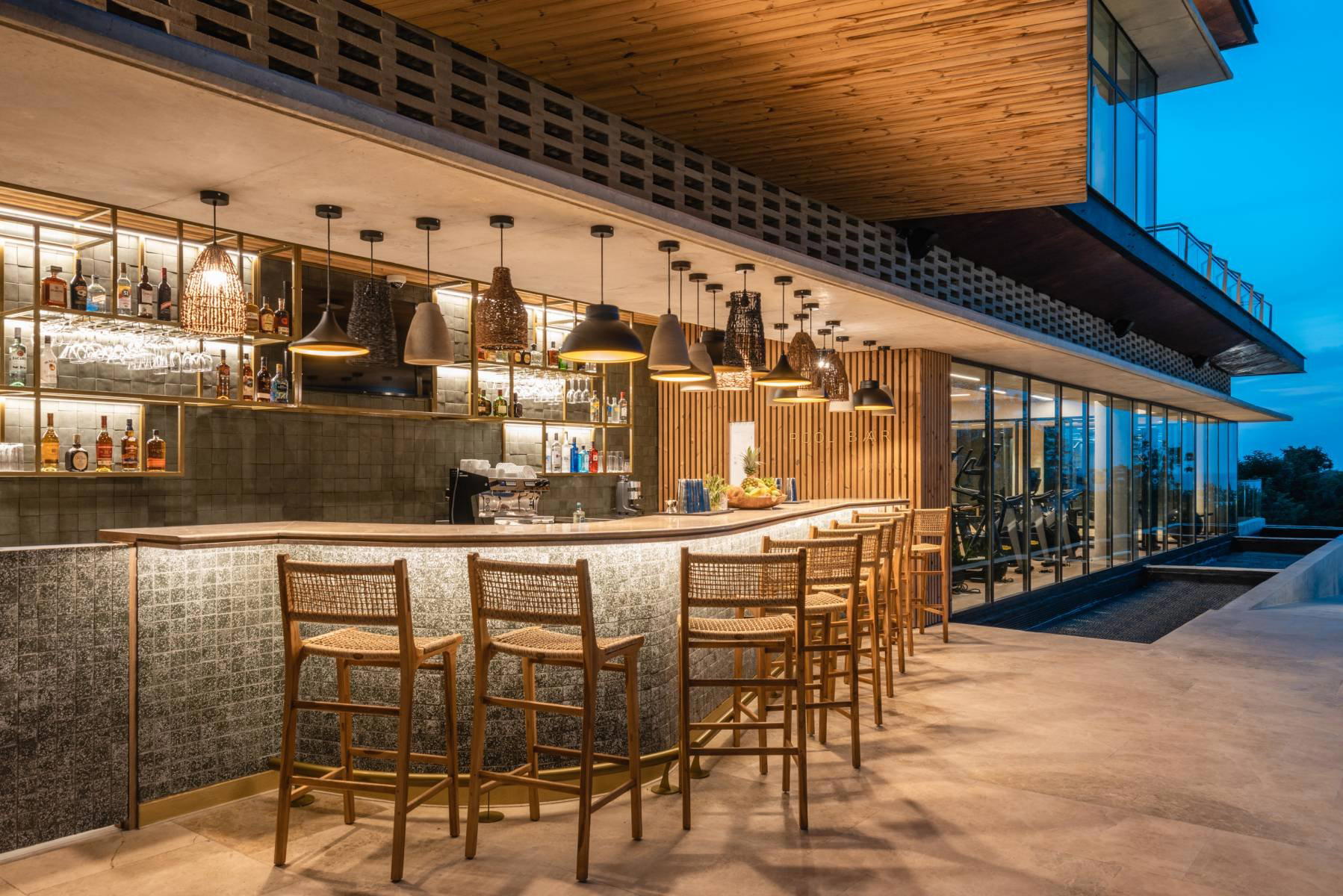
Restaurants in Cartagena
Browse all →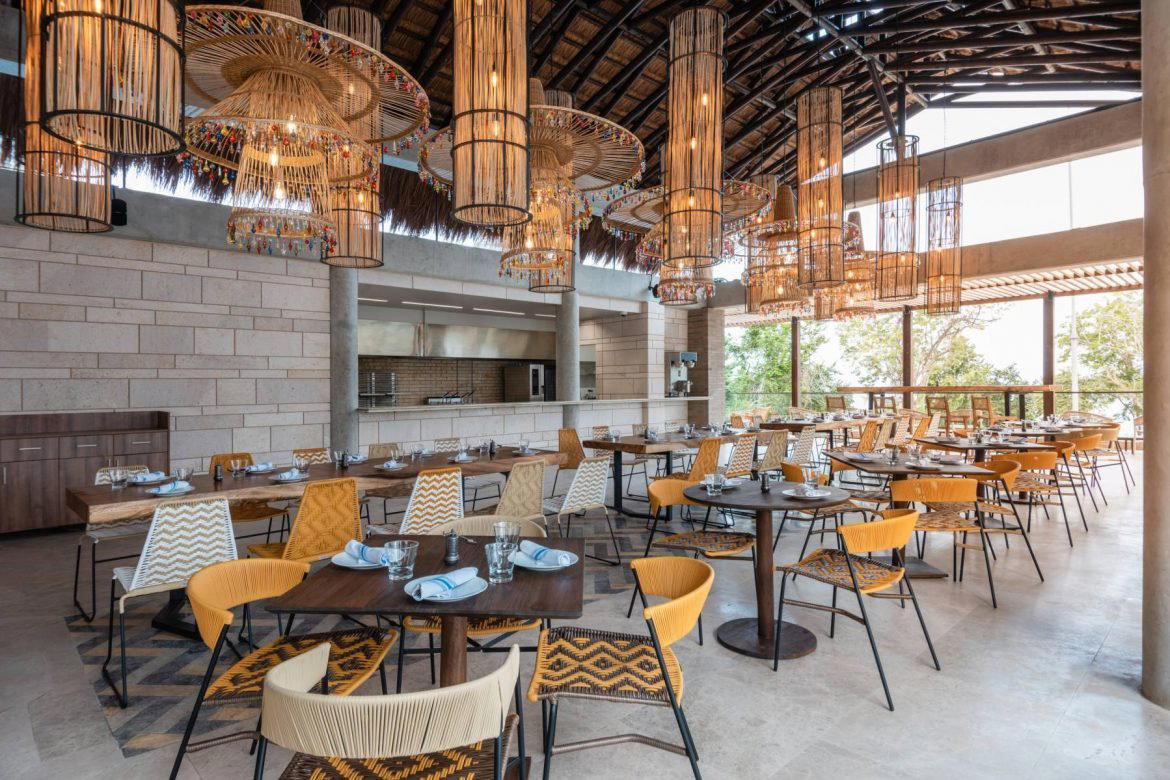
At a Glance
- Scenic
- Elegant
- Romantic
- Sophisticated
- Date Night
- After Work
- Group Outing
- Casual Hangout
- Special Occasion
- Waterfront
- Terrace
- Hotel Bar
- Seated Bar
- Outdoor Terrace
- Classic Cocktails
- Waterfront
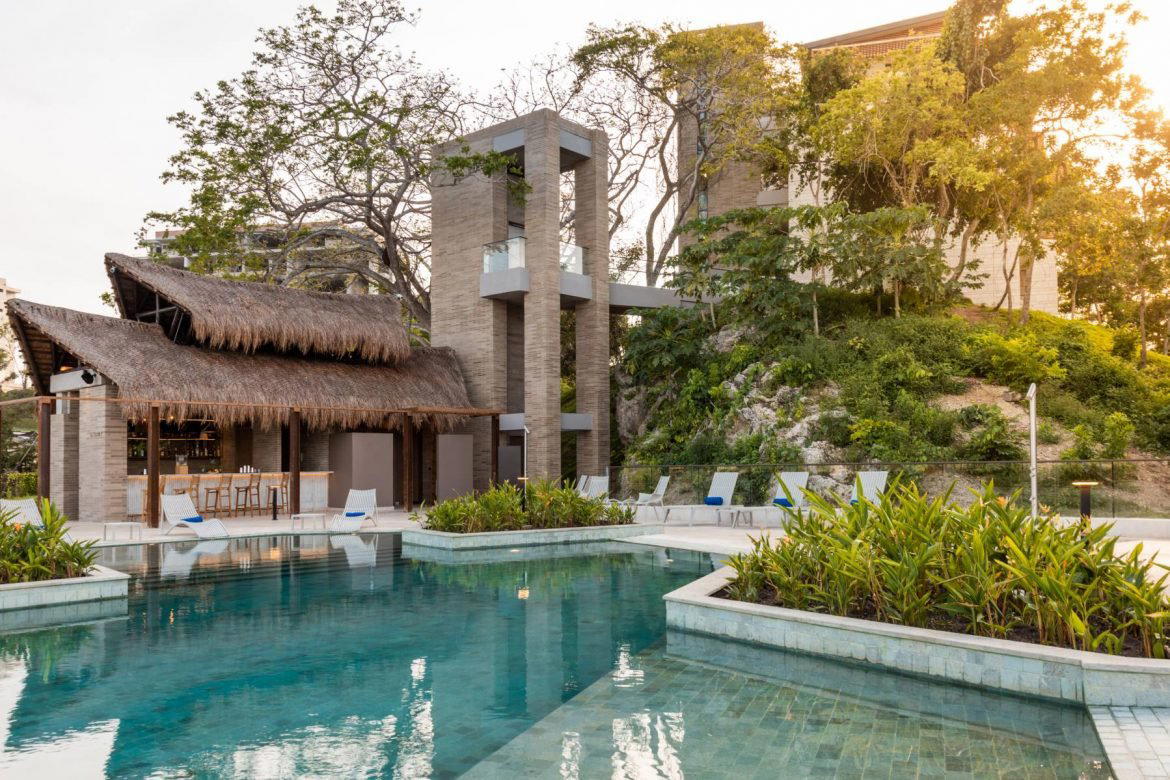
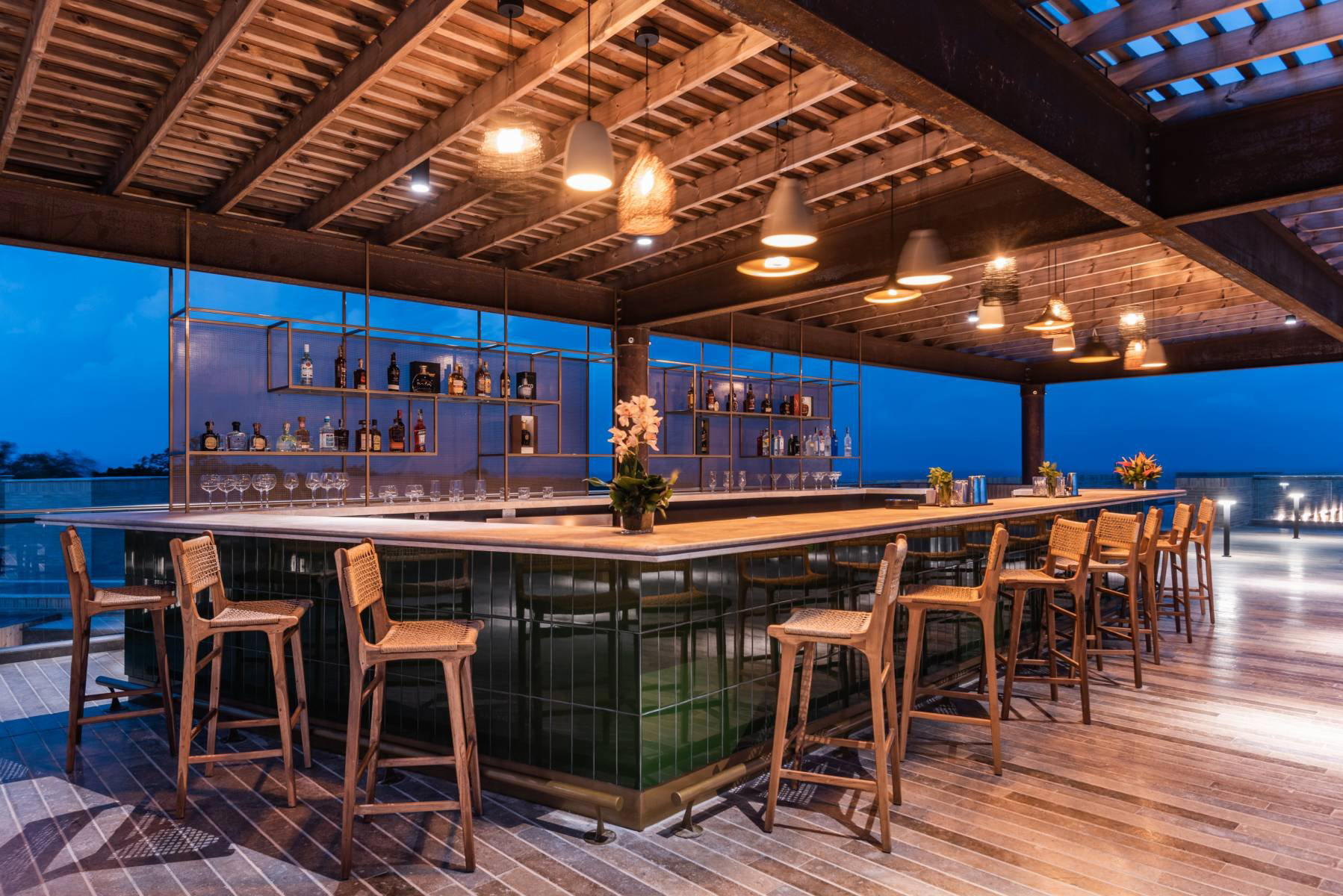
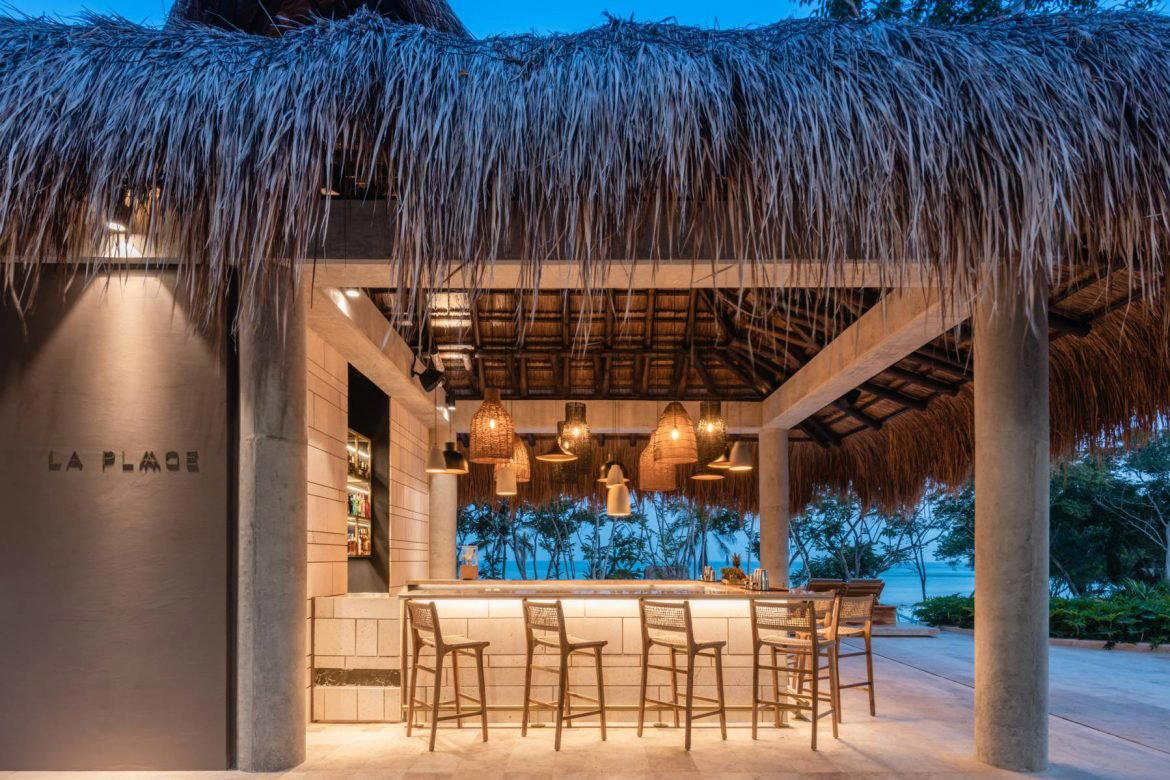
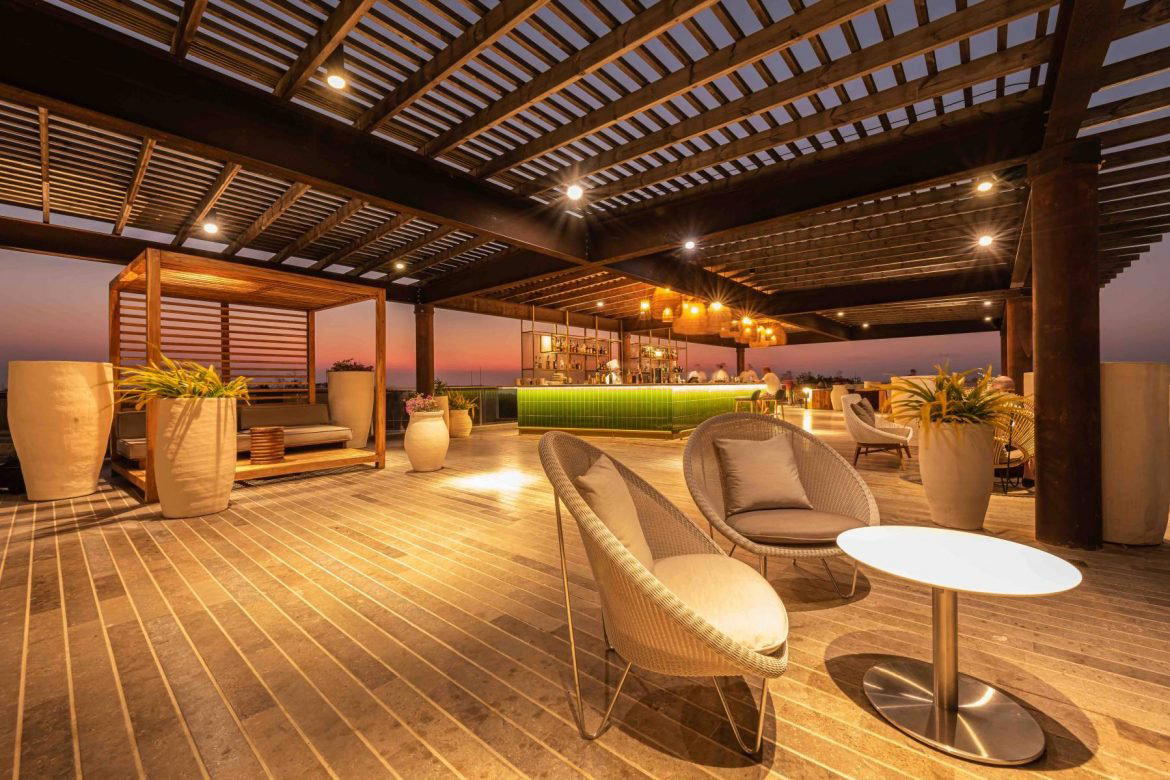
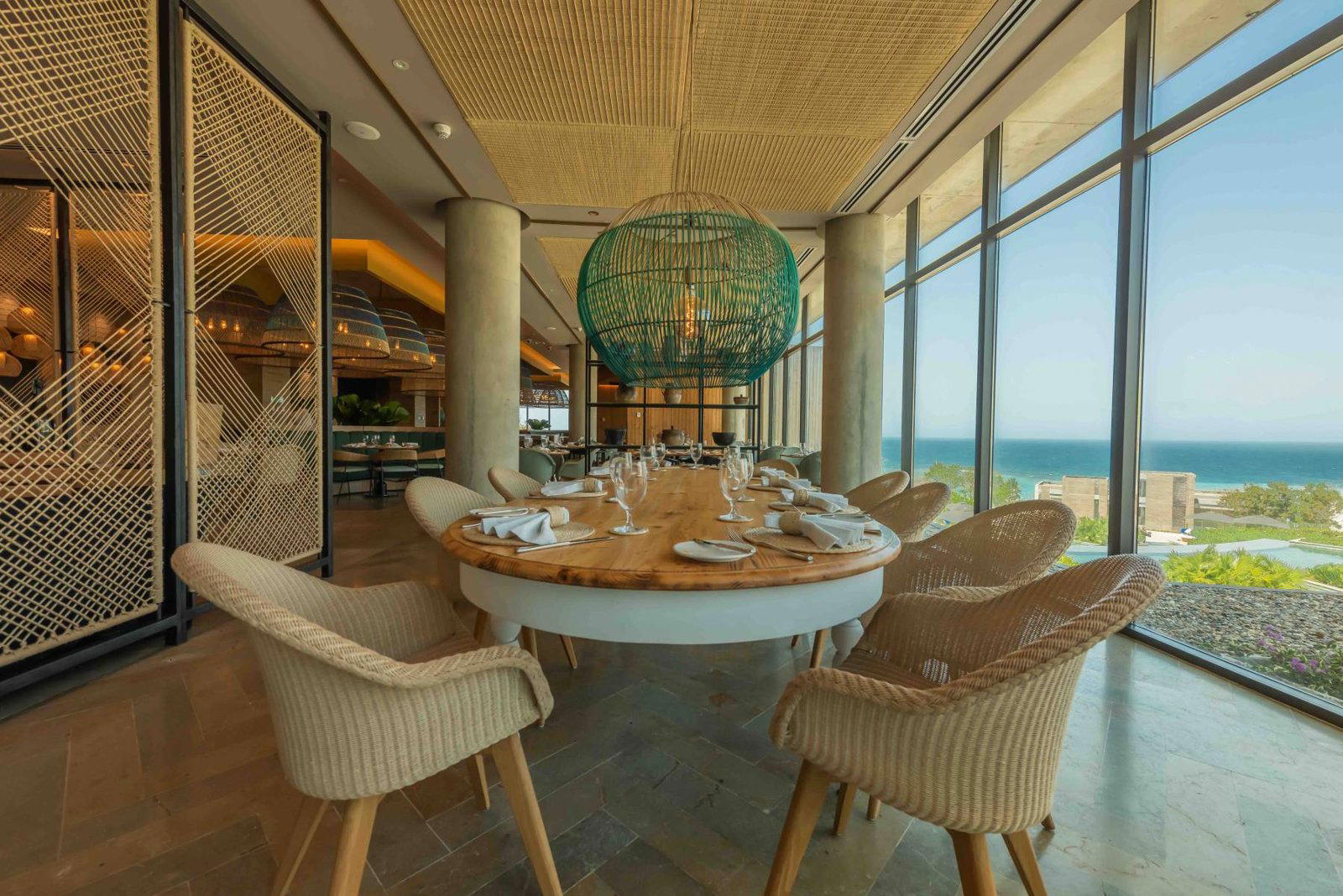
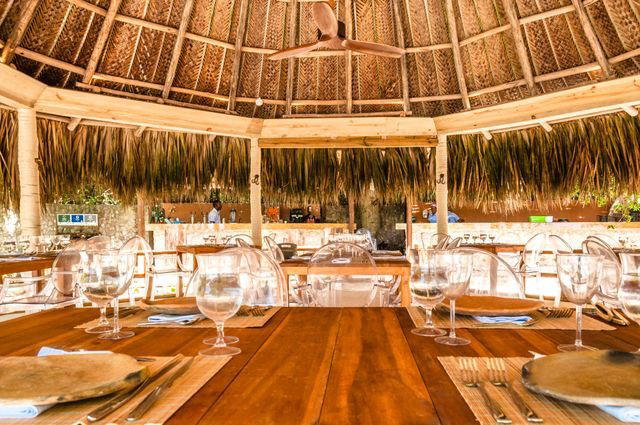
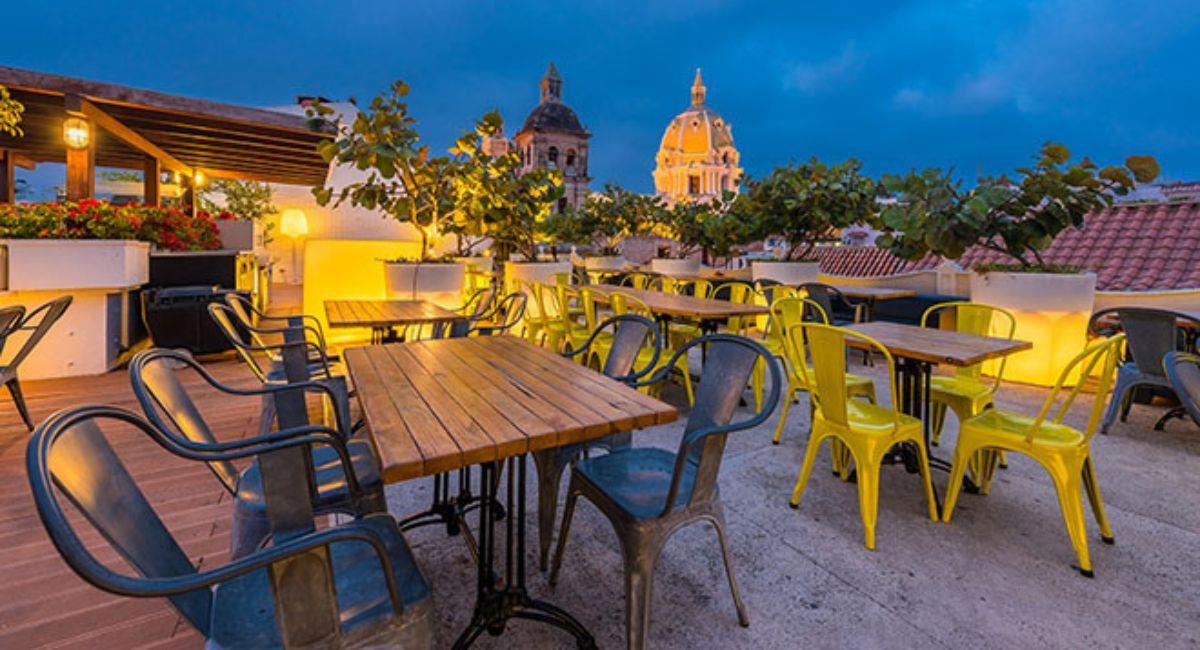
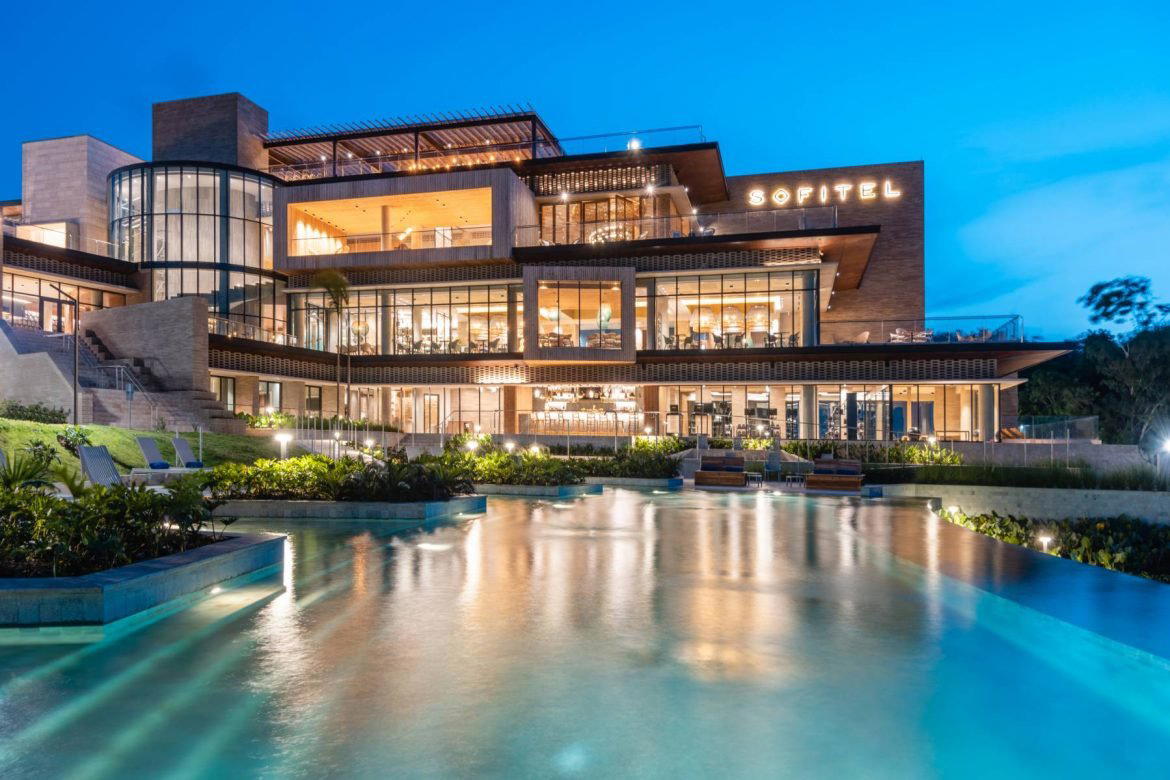
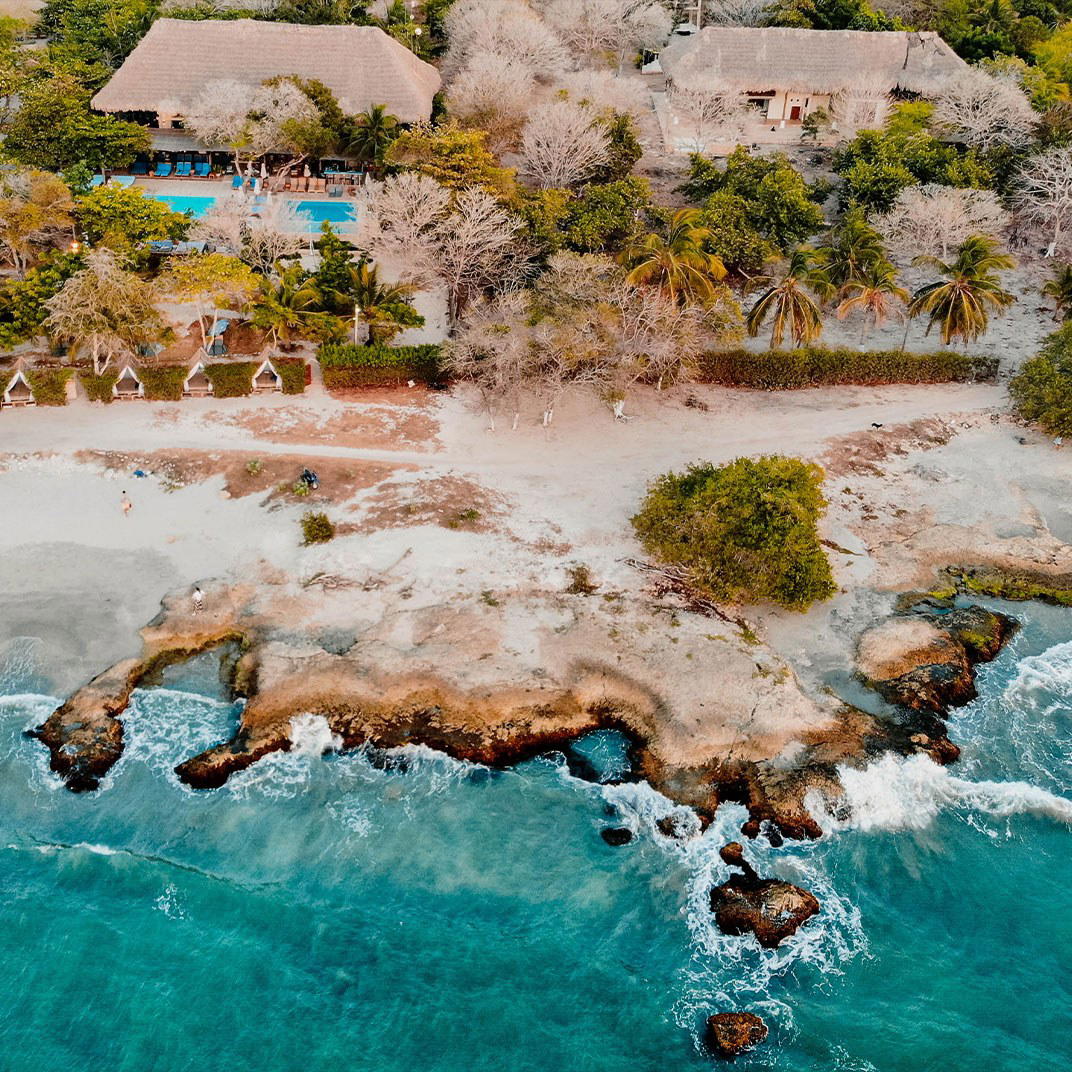
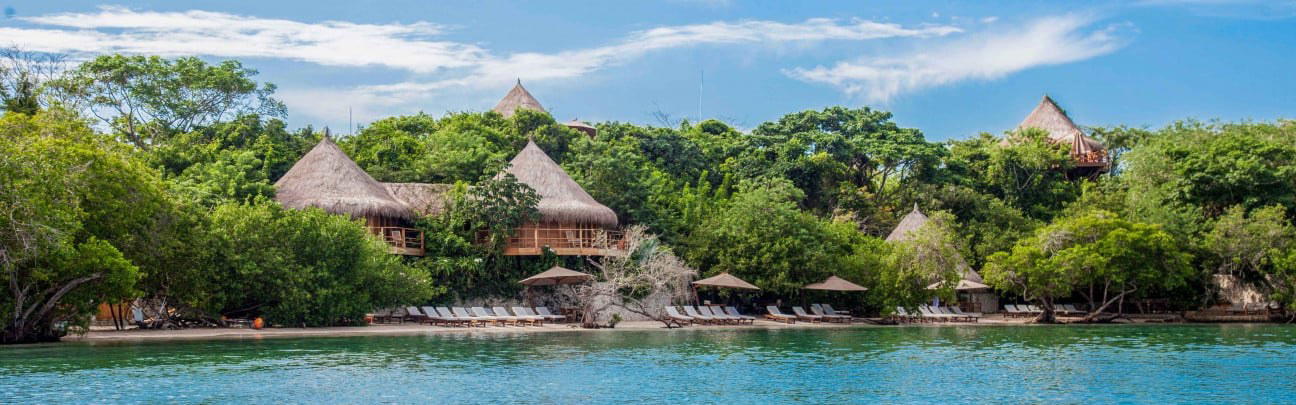
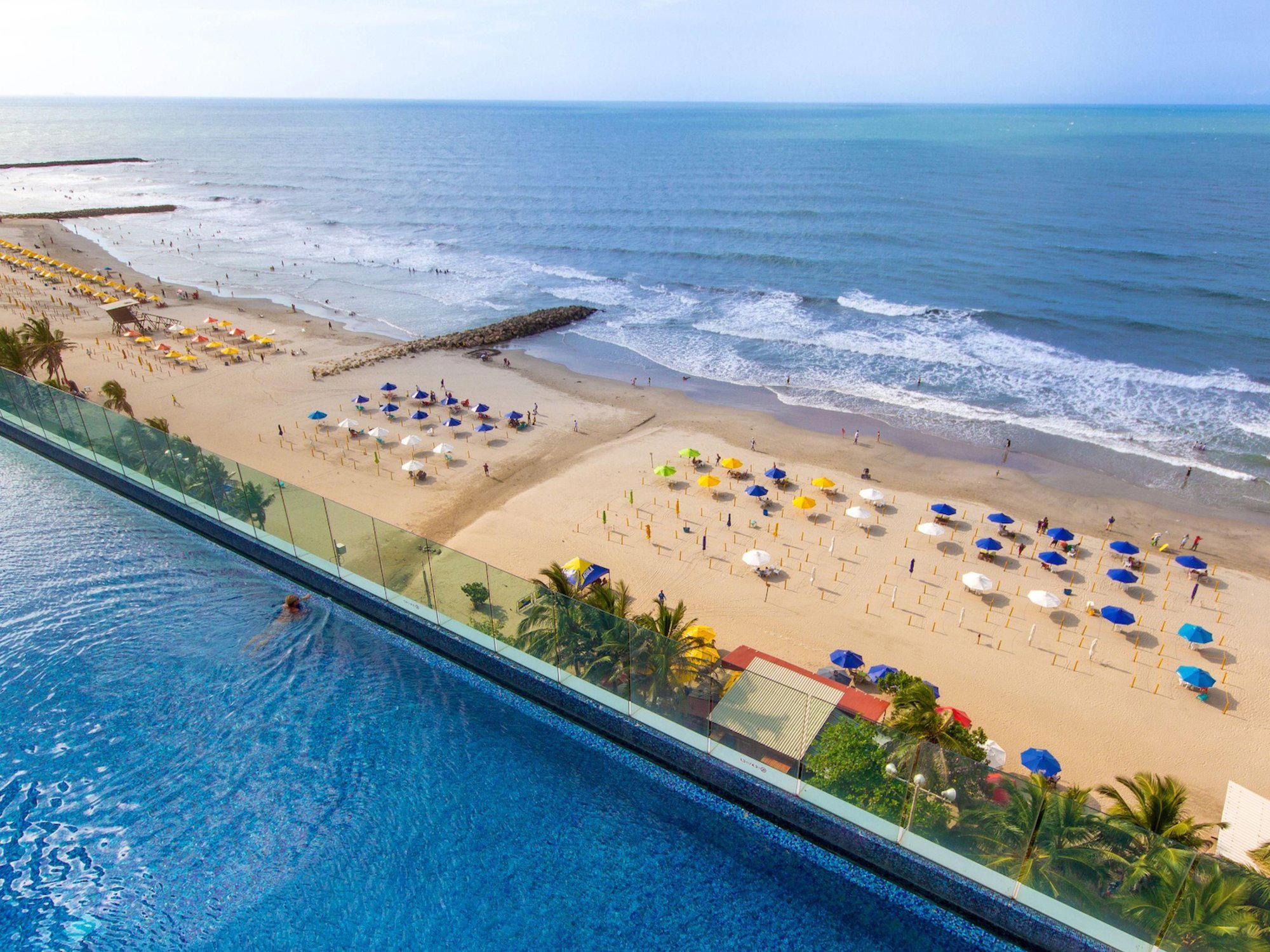
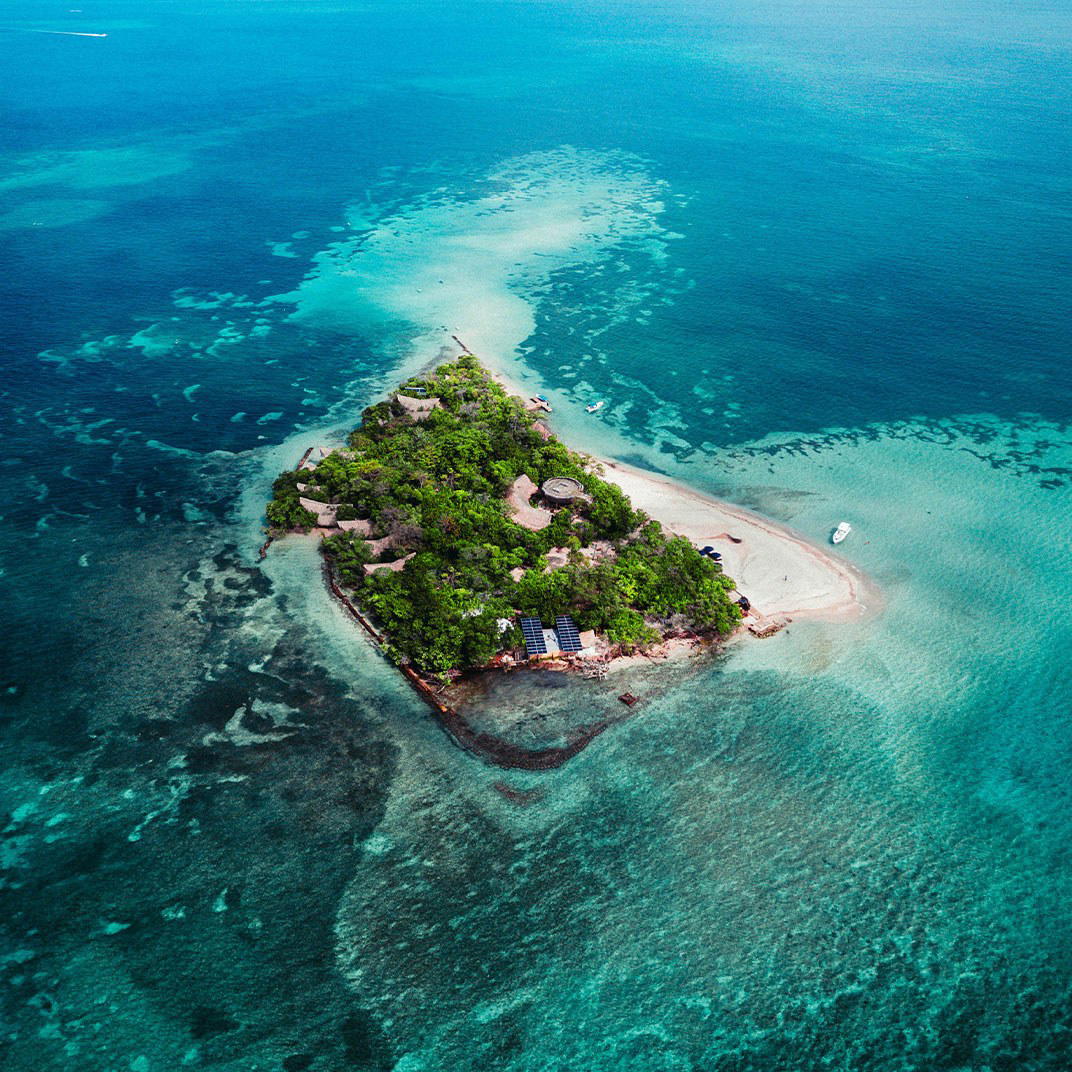
Refined beachfront resort bar with a relaxed Caribbean atmosphere, where guests enjoy cocktails in open-air spaces by the sea, framed by tropical breezes and resort-style comfort.