August Hill Winery Tasting Room
August Hill Winery Tasting Room occupies a converted mill space on Mill Street in North Utica, Illinois, where the Illinois River Valley wine trail finds one of its more grounded stopping points. The format is tasting-room focused, with wines poured in a setting that reflects the working agricultural character of the surrounding LaSalle County terrain. For visitors passing through the Illinois Valley, it functions as a regional anchor for understanding the state's smaller-production wine scene.
Pearl is the En Primeur Club membership app — saves, bookings, and concierge access live there. Same editors, same standards.
- Address
- 106 Mill St, North Utica, IL 61373
- Phone
- +1 815 667 5211
- Website
- augusthillwinery.com
- Directions
- Get directions
 Saves & bookings on Pearl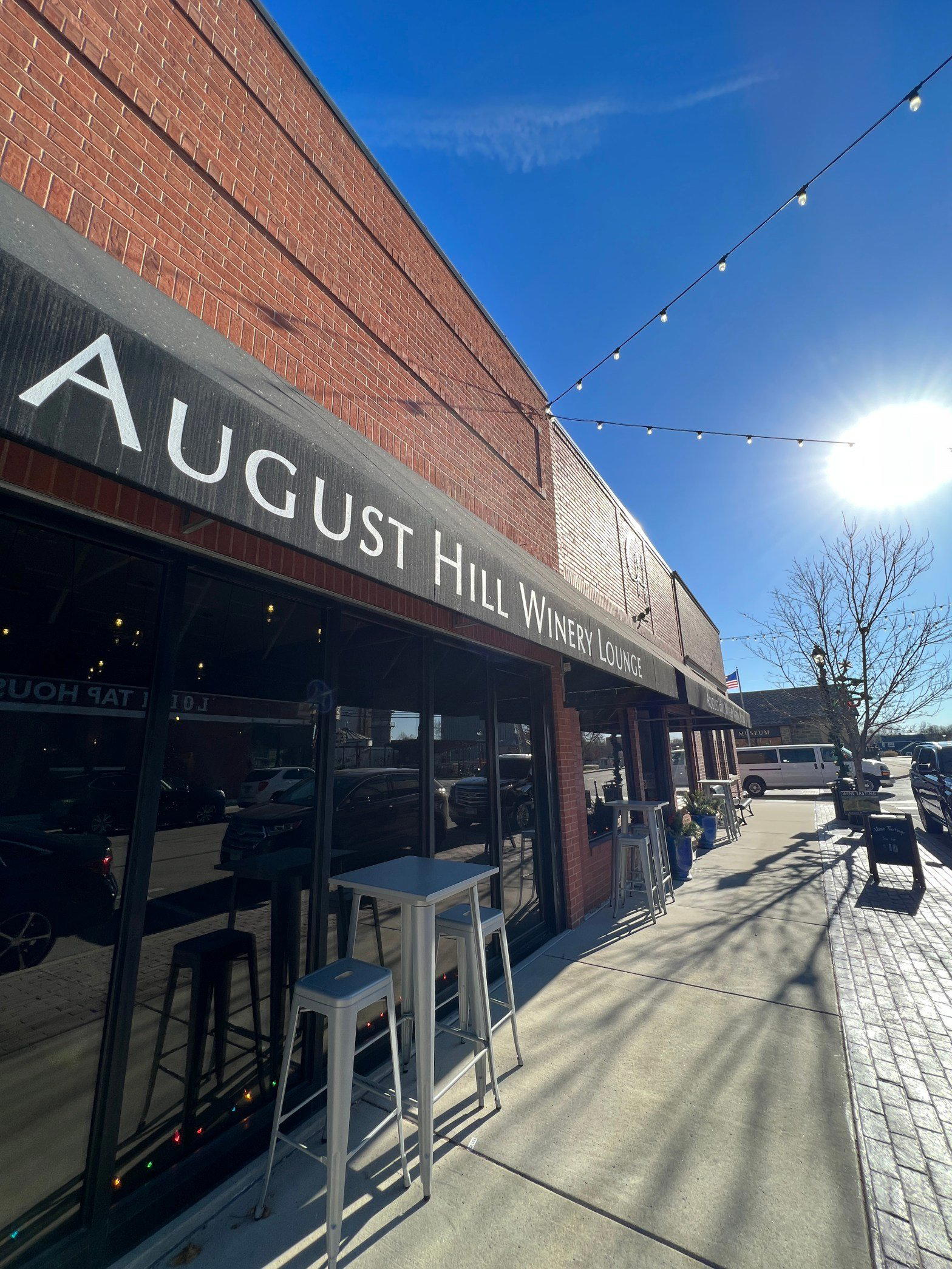
Illinois Valley Wine Country, and Where North Utica Fits In
The Illinois River Valley wine trail doesn't command the same recognition as the state's Shawnee Hills appellation to the south, but it has been building a quiet case for itself over the past two decades. LaSalle County sits at the northern edge of this corridor, where cooler growing temperatures and a shorter season push producers toward cold-hardy varietals and hybrid grapes that the broader American wine market is only beginning to take seriously. North Utica, a small river town leading known as the gateway to Starved Rock State Park, sits at the centre of this activity, drawing a visitor base that arrives primarily for the park and discovers the wine trail as a secondary itinerary. That context matters when assessing what August Hill Winery Tasting Room is doing at 106 Mill Street: it is operating as a regional hospitality anchor in a town where the tourist infrastructure is still catching up to the visitor numbers. For a broader sense of how North Utica's food and drink scene is organised, our full North Utica restaurants guide maps the options across the town centre and surrounding area.
The Setting on Mill Street
Mill Street runs close to the Illinois River in a part of North Utica where the architecture still carries the low-profile, industrial practicality of a working river town. The building at number 106 fits that register: it reads as a converted commercial space rather than a purpose-built hospitality venue, which, in a wine-trail context, is often an asset. Tasting rooms that occupy former utilitarian structures tend to frame the wine more honestly than those built to perform a lifestyle aesthetic. The physical approach from the town centre is short and walkable, and the address sits within easy reach of the trailheads and visitor facilities that bring most people to North Utica in the first place. Practically, that proximity matters: tasting room visits in this part of Illinois function leading as part of a longer day that combines outdoor activity with food and wine stops, and the Mill Street location is positioned to fit that pattern.
What the Pour Looks Like in the Illinois Valley
Illinois wine production has historically been shaped more by climate necessity than by varietal ambition. The growing season in LaSalle County is shorter and colder than in southern Illinois, which means the varietals that perform here tend to be cold-hardy hybrids such as Chambourcin, Vignoles, and Traminette, alongside fruit wines that take advantage of the region's apple and berry agriculture. This is not a region where Cabernet Sauvignon or Chardonnay lead the conversation. The more interesting drinking in Illinois wine country has always come from producers willing to work with what the climate allows rather than straining against it. Tasting rooms in this tier function differently from those in established appellations: the pour is as much an education in regional viticulture as it is a direct drinking experience, and visitors who arrive expecting a Napa or Willamette Valley analogue will need to recalibrate. Comparative peers for understanding this kind of Midwest tasting-room format include the cocktail and spirits programs at venues like Kumiko in Chicago, where the emphasis on local and regional ingredient sourcing reflects a similar philosophy of working within a defined geographic and seasonal context, even if the format is entirely different.
Tasting Room Culture and the Drink Programme
Tasting rooms in small Midwest wine towns occupy a particular hospitality register that is worth understanding before you arrive. They are not bars in the urban technical sense, and they are not restaurants. The format is closer to a guided retail encounter, where the pour is structured to move visitors through a range of the winery's current releases, often with staff who can speak to growing conditions and production choices at a level of detail you would not find in a casual bar setting. The creative vision in a tasting room of this type is expressed through the selection itself: which wines are poured, in what order, at what temperature, and against what food pairings if any are offered. For visitors accustomed to the more technically elaborate cocktail programmes found at venues like Bar Leather Apron in Honolulu, Jewel of the South in New Orleans, or Julep in Houston, the tasting room model asks for a different kind of engagement: slower, more conversational, and less focused on immediate sensory payoff than on building a picture of how a region's wine is made and why it tastes the way it does. That comparison is not a criticism; it is a framing tool. Across the US, the venues that have done the most to advance regional drink culture, from ABV in San Francisco to Allegory in Washington, D.C. and Bitter and Twisted in Phoenix, share a commitment to specificity over spectacle, and that is precisely the orientation a tasting room visit rewards.
Planning a Visit
North Utica is most accessible by car, with the town sitting roughly 90 miles southwest of Chicago via I-80. The majority of visitors arrive as part of a Starved Rock weekend, which means weekend foot traffic into the tasting room is likely to be meaningfully higher than on weekdays. Given the limited published information about hours and booking arrangements for August Hill's North Utica tasting room, it is worth verifying current opening times before planning a visit, particularly in the off-season months between November and March when Illinois wine trail traffic drops sharply. The address at 106 Mill Street places the tasting room in walkable proximity to the town's other visitor infrastructure. For comparison, wine-programme venues operating at a higher urban technical register, such as Canon in Seattle, Superbueno in New York City, Bar Kaiju in Miami, and The Parlour in Frankfurt, typically publish detailed booking and hours information as a baseline expectation. The tasting-room model in smaller wine regions operates on different norms, and visitors should plan accordingly.
At a Glance
- Cozy
- Rustic
- Intimate
- Date Night
- Group Outing
- Casual Hangout
- Live Music
- Seated Bar
- Lounge Seating
- Outdoor Terrace
- Conventional Wine
Current opening hours
- Monday
- 11 AM–6 PM
- Tuesday
- 11 AM–6 PM
- Wednesday
- 11 AM–6 PM
- Thursday
- 11 AM–6 PM
- Friday
- 11 AM–7 PM
- Saturday
- 11 AM–7 PM
- Sunday
- 11 AM–6 PM
Hours can change for holidays and private events. Last verified .
Beautifully decorated in modern decor with a welcoming environment, indoor seating, outdoor patio, and live music events.
Know Before You Go
- Getting there
- 106 Mill St, North Utica, IL 61373