Arbor
On West Main Street in downtown Fort Wayne, Arbor draws on the city's growing appetite for ingredient-led dining in a setting that rewards attention. The room's atmosphere and sourcing-conscious approach position it within a small cohort of Fort Wayne restaurants where the food's provenance matters as much as the plate. A considered choice for diners who want more than a reliable neighborhood meal.
Pearl is the En Primeur Club membership app — saves, bookings, and concierge access live there. Same editors, same standards.
- Address
- 204 W Main St, Fort Wayne, IN 46802
- Phone
- +1 260 800 8685
- Website
- bradleyhotel.com
- Directions
- Get directions
 Saves & bookings on Pearl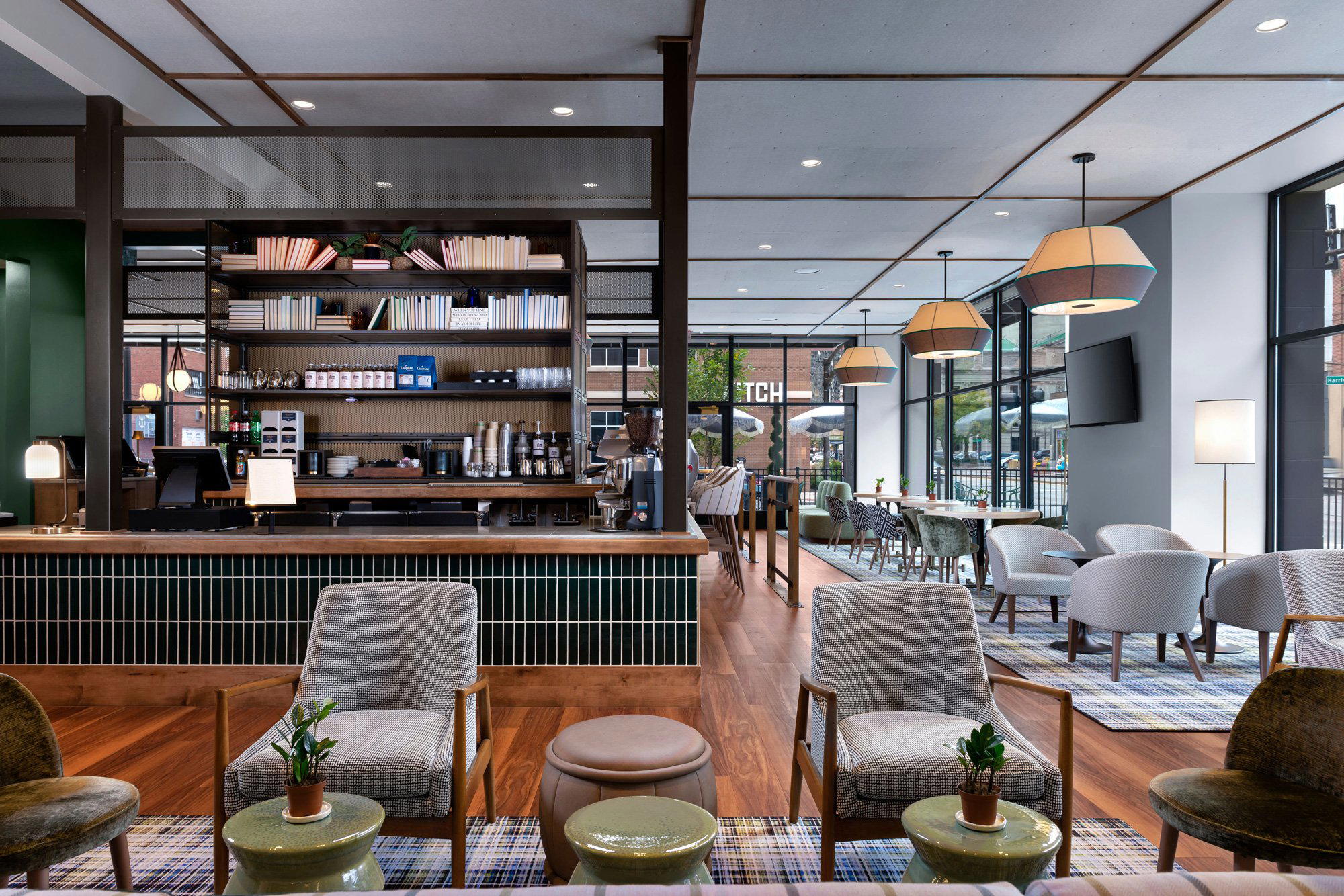
Where Downtown Fort Wayne Gets Serious About the Source
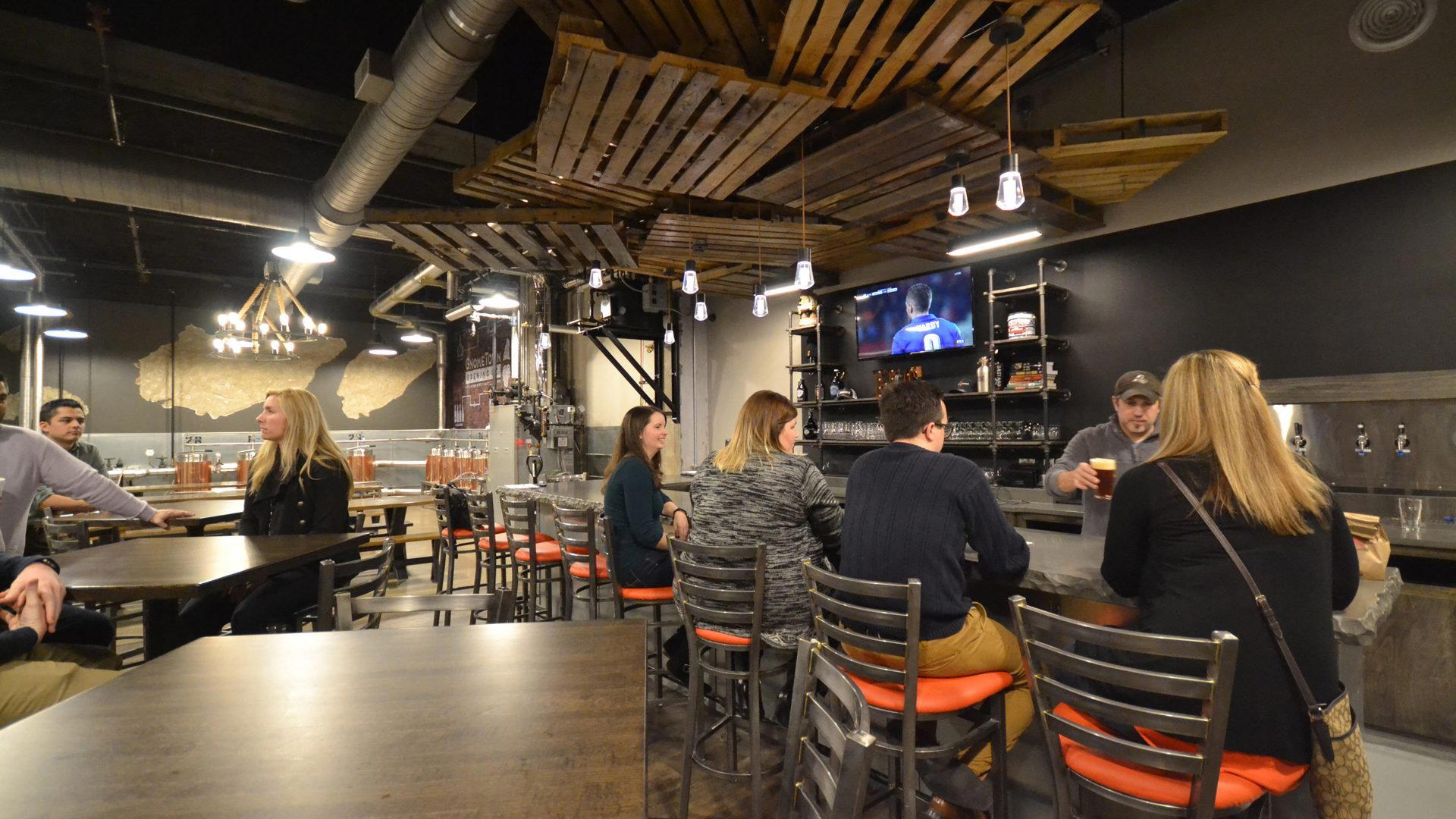
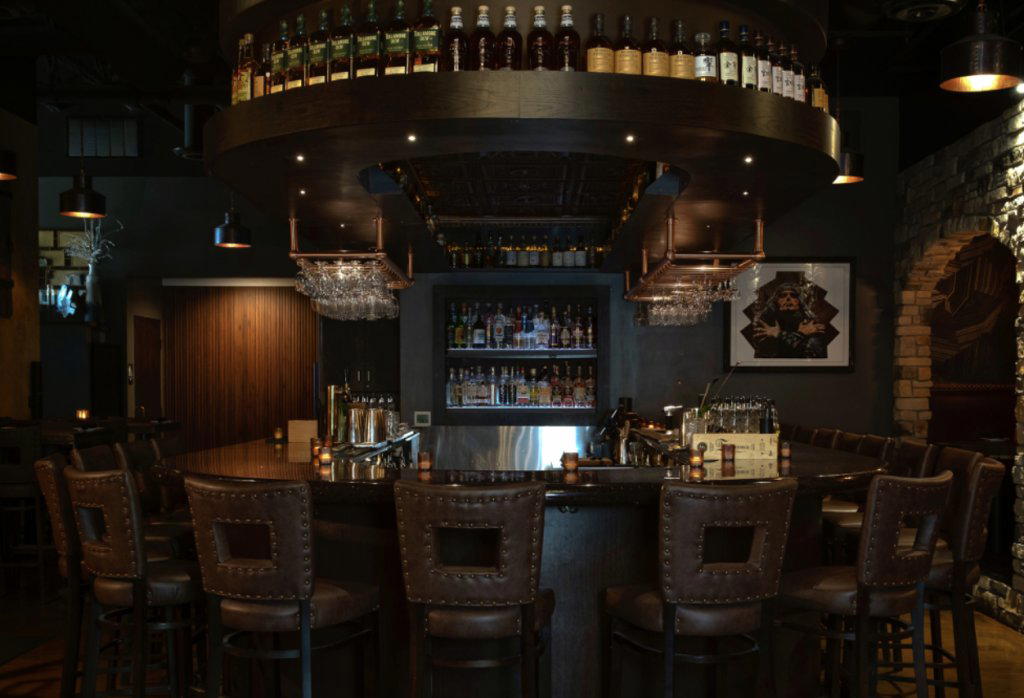
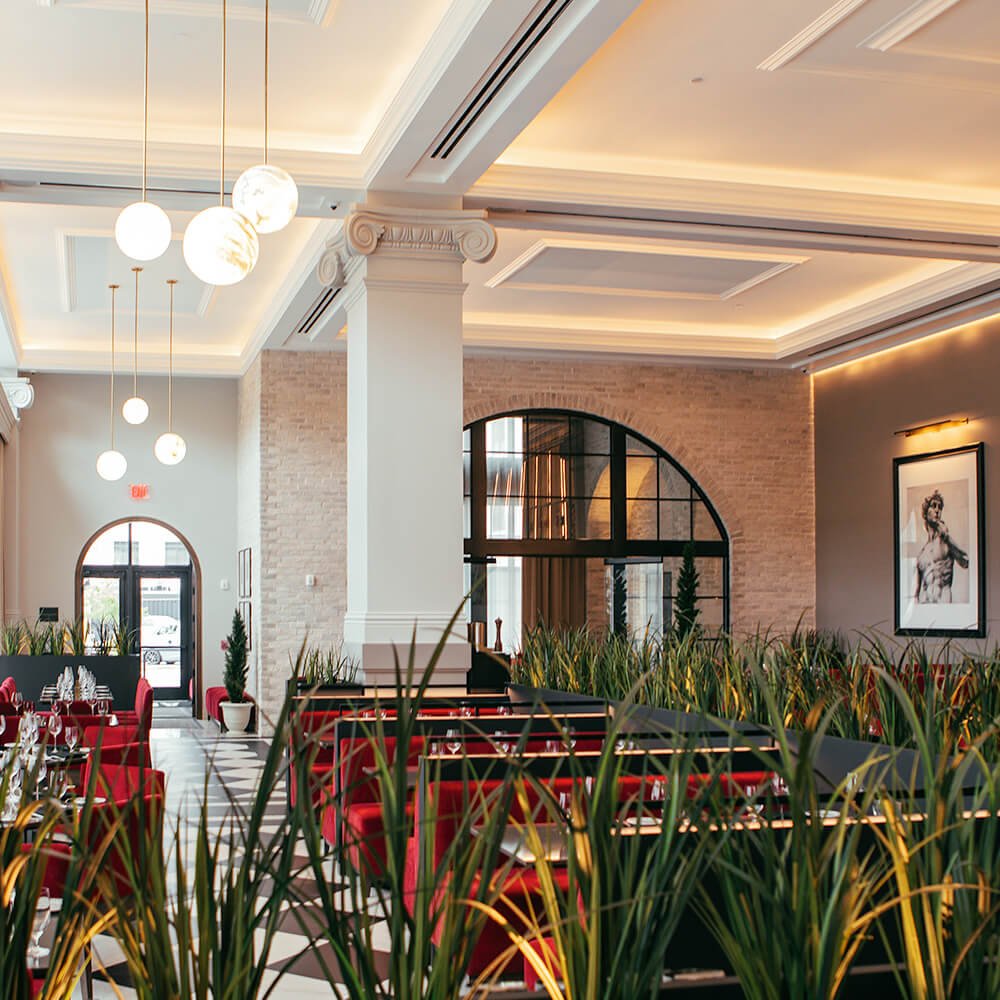
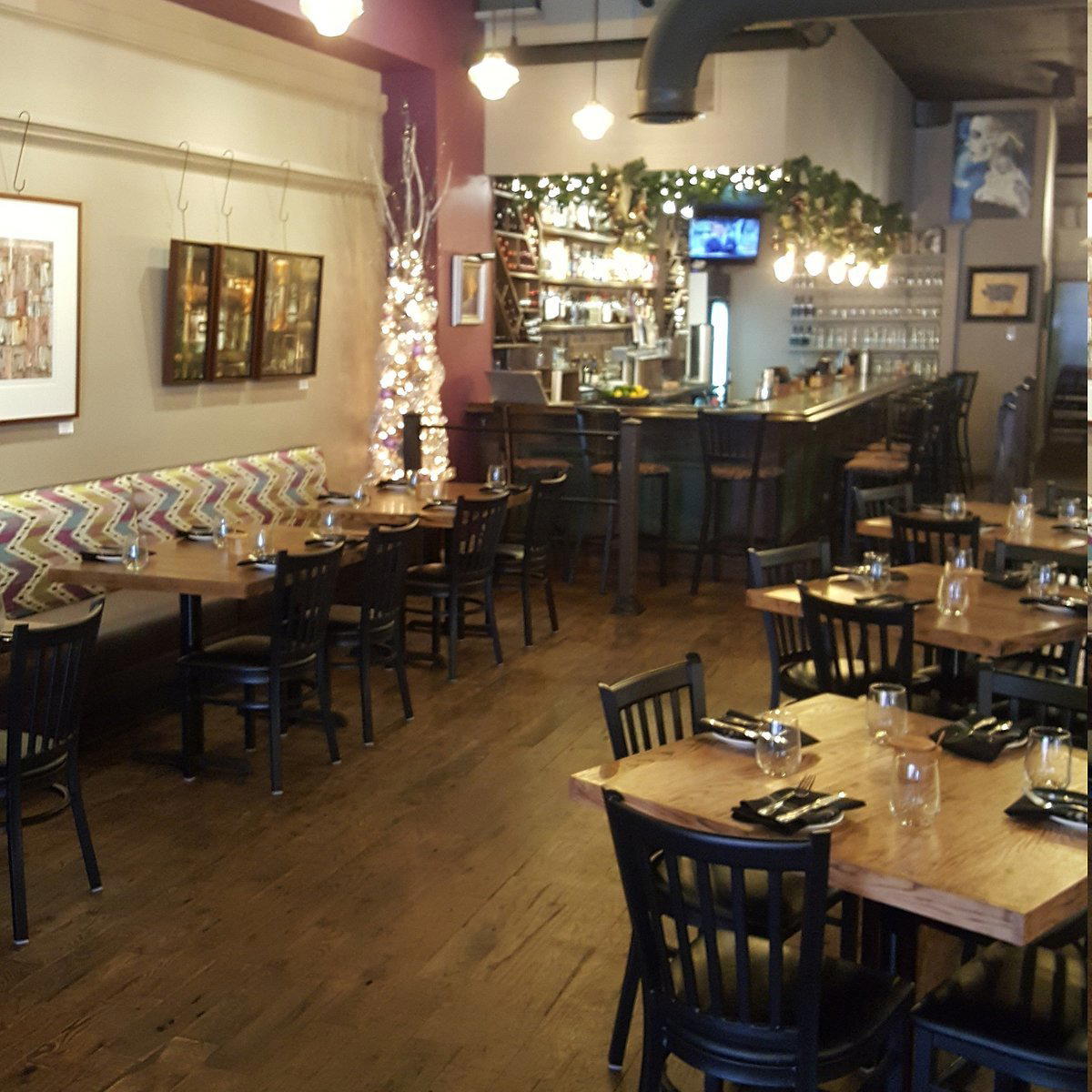
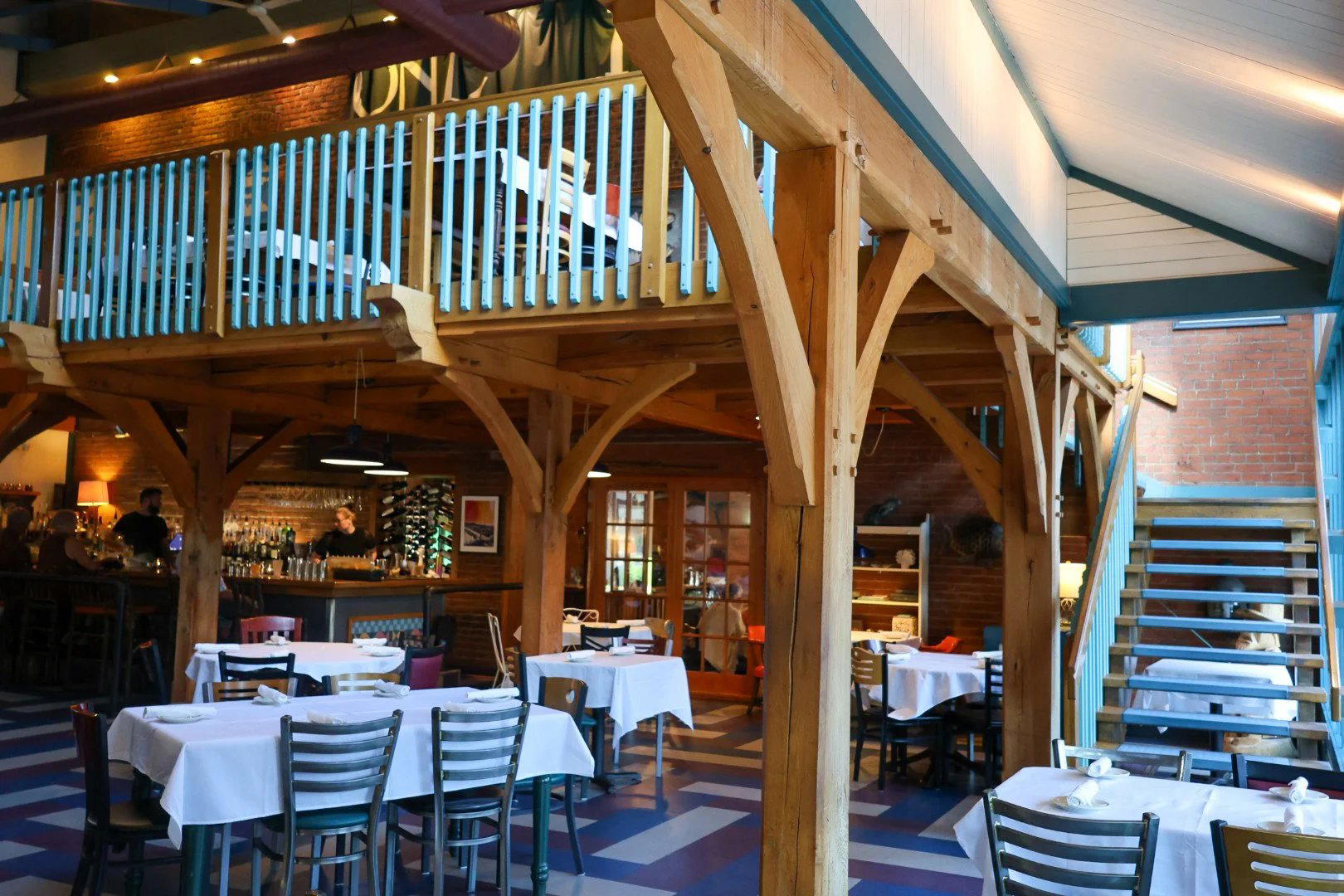
West Main Street in downtown Fort Wayne has been accumulating a quiet confidence over the past decade. The blocks around 204 W Main St now hold a range of dining rooms that push past the city's longstanding comfort with steakhouses and casual American fare, and Arbor sits inside that shift. The building's street presence is understated, and the venues that earn sustained local attention usually let the interior do the work. Walking into Arbor, the room communicates intent before a menu arrives. This is a space organized around a specific point of view about what a meal in this city can be.
Ingredient Sourcing as Editorial Statement
In cities like Chicago, the sourcing-driven restaurant has been a standard for years. Operators at venues like Kumiko in Chicago have built entire programs around where ingredients originate and how that provenance shapes a guest's experience. Fort Wayne is not Chicago, and the comparison is not meant to flatten the difference — but it does illuminate what Arbor is attempting within its own market. When a restaurant in a mid-sized Indiana city makes sourcing a visible priority, it is operating against local convention, not with it. That signals a kitchen that treats the origin of an ingredient as part of the dish's argument.
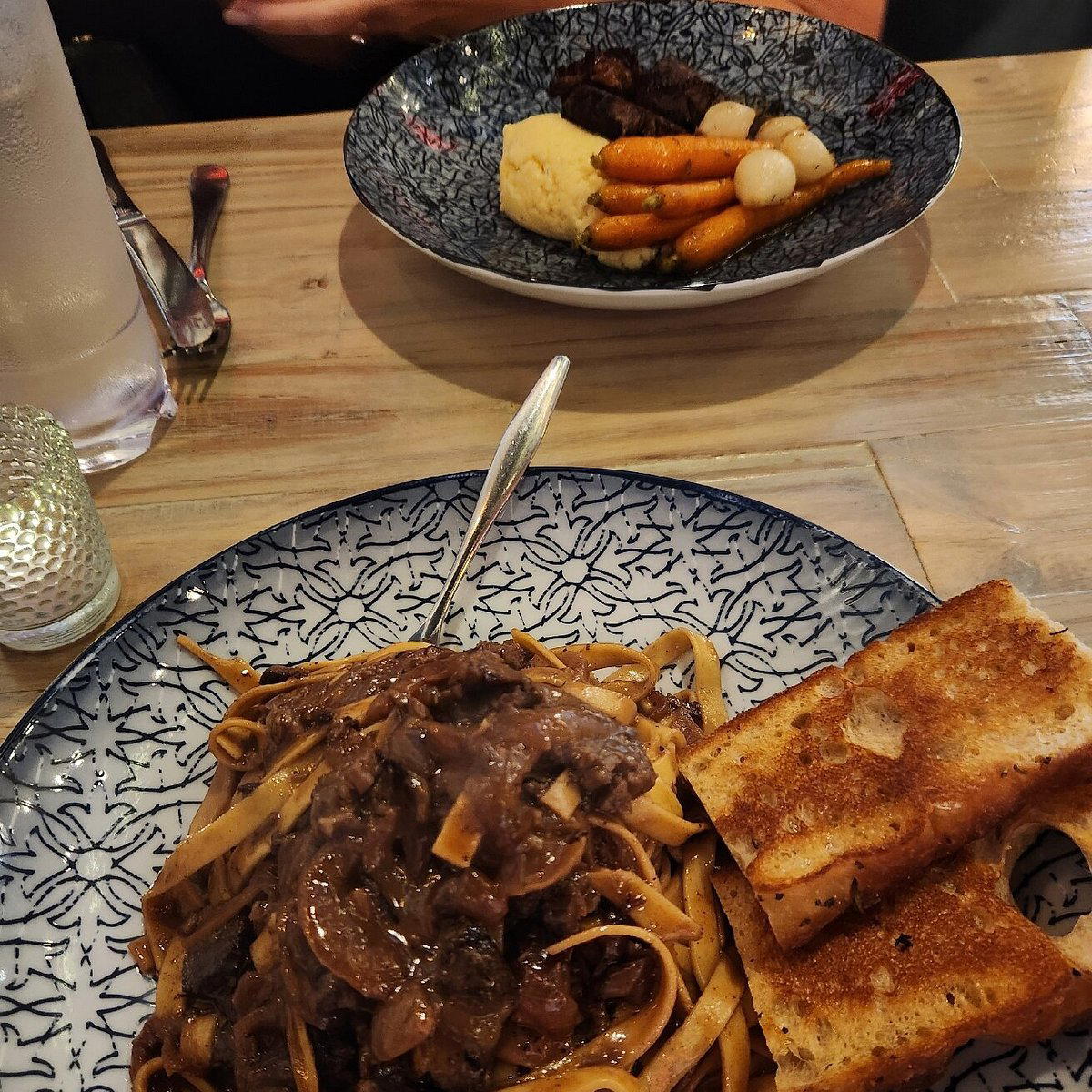
The logic of ingredient-led cooking is direct in agricultural terms: Indiana's position in the American Midwest means proximity to some of the country's most productive farmland. The case for sourcing locally or regionally from that base is not purely ideological. Shorter supply chains reduce time between harvest and kitchen, which affects texture and flavor in ways that menu language rarely captures but that a guest notices when eating something in season versus something that has traveled. Restaurants that build menus around this reality tend to shift their offerings more frequently than those working from a fixed card, a pattern that makes repeat visits more rewarding and that demands more from the kitchen team each service.
Reading the Room: Arbor in Fort Wayne's Dining Tier
Fort Wayne's dining scene has a visible stratification. At one end sit the high-volume steakhouses and nationally branded concepts that anchor the convention and sports crowd. At the other end, a smaller cohort of independent operators has been building more specific programs. Bistro Nota operates in this space with a European-leaning format, while Copper Spoon has established itself as a neighborhood anchor with its own distinct register. BakerStreet Steakhouse covers the classic end of the carnivore tier. Arbor occupies a position in this ecosystem that is harder to categorize quickly, which is often a signal worth paying attention to.
In mid-sized American cities, the venues that resist easy categorization tend to be the ones building something with a longer horizon. They are not optimizing for the broadest possible audience; they are building a room for a specific guest and trusting that guest to find them. That calculus carries risk, Fort Wayne's dining public is not New York's, and the runway for a niche concept is shorter without the population density that sustains low-volume, high-conviction programs in larger markets. The fact that Arbor holds a position on West Main Street at all is its own form of evidence.
On the Drinks Side
The cocktail conversation in Fort Wayne is less developed than in cities with established bar programs, but the direction of travel is visible. National reference points for serious cocktail work include Bar Leather Apron in Honolulu, Jewel of the South in New Orleans, Julep in Houston, Superbueno in New York City, ABV in San Francisco, and The Parlour in Frankfurt on the Main, programs where the drinks list functions as a parallel argument to the food, not a supporting act. Arbor's bar program, within the context of a Fort Wayne dining room, is more likely to reward guests who treat it as a complement to the meal rather than a destination in its own right. For dedicated brewing culture in the city, 2Toms Brewing Company operates in a different register entirely and is worth a separate visit.
Planning a Visit
Arbor sits at 204 W Main St in downtown Fort Wayne, within walking distance of the city's central hotels and the arts district. Downtown Fort Wayne's parking is manageable by Midwestern city standards, with surface lots and a garage structure within a block of the address.
Who This Is For
The most productive use case for Arbor is the guest who is already in Fort Wayne, for a conference, a family visit, or a deliberate trip to a city that national food media has not yet mapped thoroughly, and who wants a meal that reflects the city's actual ambitions rather than its historical baseline. It does represent the kind of independent operator that gives a mid-sized city its dining identity over time. Guests who arrive with calibrated expectations and genuine curiosity about what Fort Wayne's sourcing-conscious tier looks like in practice will find the visit worthwhile.
Quick Comparison
| Venue | Cuisine |
|---|---|
| ArborThis venue — the venue you are viewing | This venue |
Continue exploring
More in Fort Wayne
Bars in Fort Wayne
Browse all →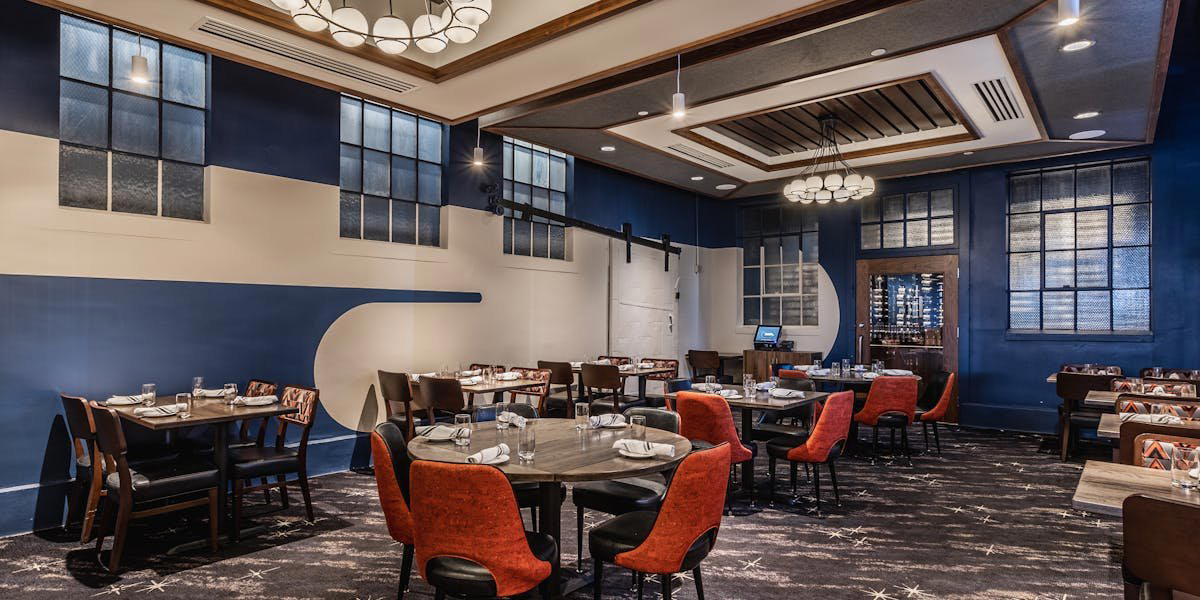
At a Glance
- Modern
- Elegant
- Date Night
- After Work
- Casual Hangout
- Group Outing
- Hotel Bar
- Design Destination
- Seated Bar
- Lounge Seating
- Outdoor Terrace
- Private Rooms
- Craft Cocktails
- Classic Cocktails
Current opening hours
- Monday
- 7 AM–2 PM
- Tuesday
- 7 AM–10 PM
- Wednesday
- 7 AM–10 PM
- Thursday
- 7 AM–10 PM
- Friday
- 7 AM–10 PM
- Saturday
- 7 AM–10 PM
- Sunday
- 7 AM–2 PM
Hours can change for holidays and private events. Last verified .
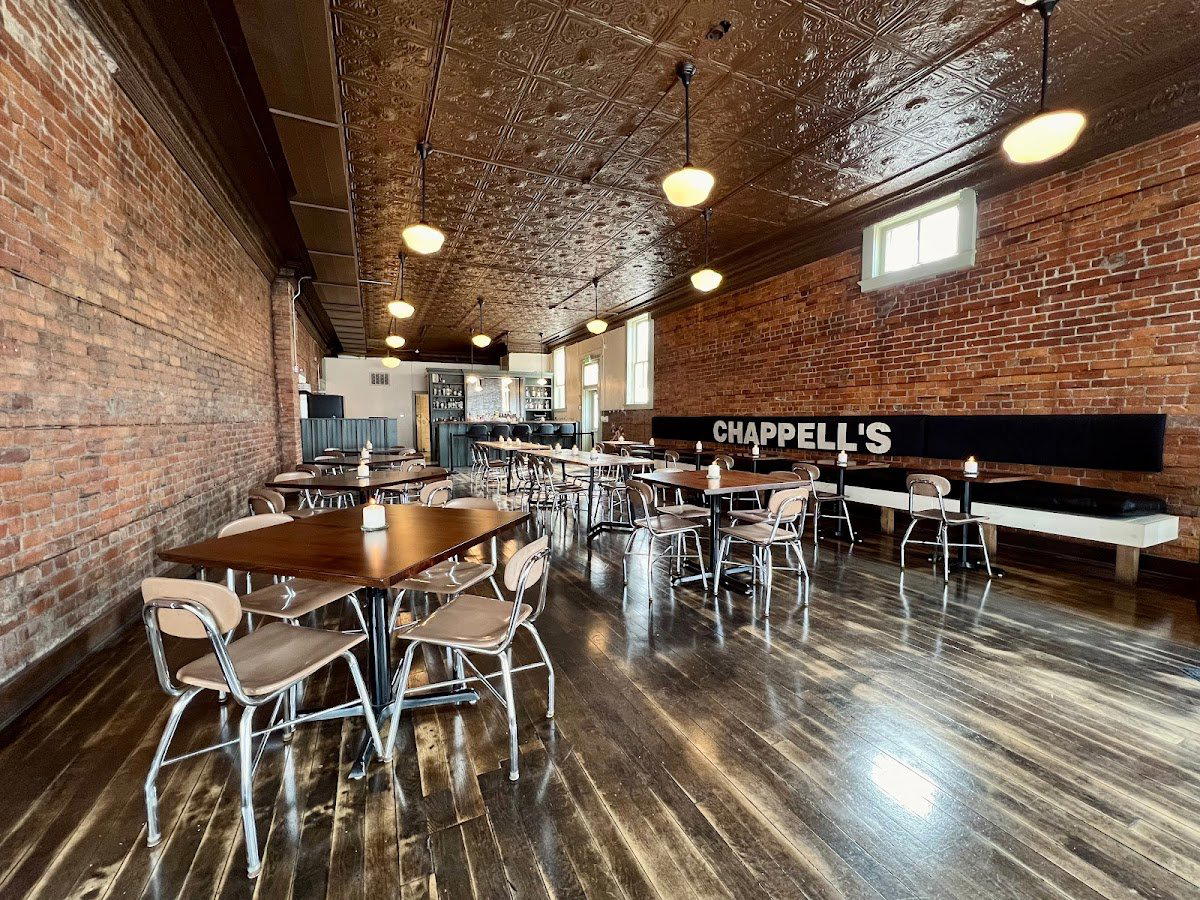
Chic and modern setting with contemporary design, natural lighting, and a welcoming atmosphere suitable for casual meals or special occasions.