Aperitif Lounge
Drinking at the Edge of the World There are places where a bar earns its reputation through sheer improbability. The Galápagos Islands are, by most measures, the wrong place to run an ambitious cocktail programme: supply chains are complicated by the archipelago's protected status, the visitor pool skews toward naturalists and eco-tourists rather than cocktail enthusiasts, and the nearest city with a genuine bar scene — Guayaquil — sits several hundred kilometres across the Pacific. Yet Aperitif Lounge operates on the upper deck of a Puerto Ayora restaurant on Santa Cruz Island and occupies, by default and by effort, a space that has no real local peer. In cities with saturated bar markets, a venue positions itself within a competitive set. Here, the competitive set doesn't exist in the same way. What that means in practice is that Aperitif Lounge draws its reference points from a broader international frame rather than a neighbourhood conversation. The bars it most naturally resembles in ambition, places like Bar Leather Apron in Honolulu or Kumiko in Chicago, are also bars that have chosen to operate at a remove from the major metropolitan centres, finding their identity in specificity of place rather than density of competition. The Setting and What It Does to a Drink The upper deck position is not incidental. In Puerto Ayora, where the town hugs the southern shore of Santa Cruz and fishing boats share the harbour with dive operators and research vessels, an refined vantage point gives the bar a relationship with its environment that a ground-floor space could not replicate. The equatorial light shifts fast here: dusk arrives with little warning, and the transition from afternoon heat to cooler evening air happens in the span of a single drink. That rhythm, unhurried by the standards of a city bar, is part of what defines drinking at Aperitif Lounge. The adjacency to the dining room matters too. In destinations where food-and-beverage operations tend to collapse into a single undifferentiated hospitality offering, separating the bar as a distinct upper-deck space is a structural statement. It signals that the drinking programme is meant to stand independently, not merely to support dinner covers. This is the same logic that drives the design of venues like Jewel of the South in New Orleans or Dear Irving in New York City, where physical separation from the dining function allows the bar to develop its own pace and character. What the Cocktail Programme Is Actually Doing Running a serious cocktail programme in the Galápagos requires solving problems that most bar programmes never encounter. The islands operate under strict import controls designed to protect endemic species, which shapes what ingredients arrive and when. Ice, spirits, citrus, and fresh botanicals all involve logistical layers that a bar in Miami or Paris simply does not face. That constraint, though, tends to produce a certain kind of creativity: bars that cannot rely on the full range of metropolitan supply tend to develop a clearer point of view about what they actually need. The aperitif format implied by the name points toward a particular corner of cocktail culture, lower-ABV, bitter-forward, aperitivo-style drinking, that has been gaining ground across premium bars internationally. Café La Trova in Miami and Superbueno in New York City both demonstrate how bars oriented around a specific drinking tradition can use that focus to build a more disciplined and recognisable programme. An aperitif-led approach also suits the setting: drinks designed to open the appetite, served as equatorial light fades over the harbour, fit the rhythm of a Galápagos evening more naturally than a spirits-heavy late-night format. The broader international shift toward technique-driven, lower-intervention cocktails has reached bars in unexpected locations. Experimental Bistro in Taipei, Raised by Wolves in San Diego, and The Parlour in Frankfurt on the Main each represent the diffusion of serious cocktail thinking into cities that were not previously considered centres of bar culture. Puerto Ayora is a more extreme version of the same phenomenon: a town of roughly twelve thousand people, defined by marine biology and ecotourism, that now has a bar worth discussing on its own terms. The Puerto Ayora Context Puerto Ayora is the largest settlement in the Galápagos and the functional hub of the archipelago's tourism infrastructure. The Charles Darwin Research Station sits at the edge of town; dive operators, boat charters, and national park offices occupy the waterfront. The visitor profile trends toward travellers who have made a considerable commitment to get here, many combining the Galápagos with broader Ecuador itineraries, and who arrive with expectations calibrated by the remoteness and cost of the journey. For context on how Puerto Ayora's food and drink scene fits together, our full Puerto Ayora restaurants guide maps the wider picture. That visitor profile shapes what the bar needs to be. A programme that reads as casual or generic would underperform against the expectations of a guest who has flown from Europe or North America specifically to reach this part of the Pacific. Aperitif Lounge operates in full knowledge of that dynamic. The same logic applies at Julep in Houston and Le Bar du Plaza Athénée in Paris: bars that serve a traveller audience at a certain price point face a different brief than neighbourhood locals-first operations, and the programme has to carry the weight of that expectation. Planning Your Visit Reaching Aperitif Lounge requires first reaching the Galápagos, which means flying into Baltra or San Cristóbal airport and connecting to Santa Cruz Island. Puerto Ayora itself is compact and walkable from the main harbour. The upper-deck location, adjacent to the dining room, makes it a natural pre-dinner or post-excursion stop, the physical separation from the restaurant floor means you can drink without committing to a full meal, though the proximity makes a transition between the two direct. Given the limited number of comparable operations on the island, arriving without a reservation or visit window in mind during peak season (June to August and December to January) risks finding the space at capacity. The Galápagos attracts a finite number of visitors by regulatory design, but those visitors tend to concentrate their evenings in a small number of locations. Frequently Asked Questions Is Aperitif Lounge more low-key or high-energy? The upper-deck setting and aperitif-led format suggest a pace that sits closer to unhurried than high-energy. Puerto Ayora is a small research and tourism town, not a nightlife destination, and the bar's positioning within that environment reflects the quieter, more considered rhythm of the islands. The guest profile, expedition travellers, researchers, ecotourists, skews toward people who want a drink with a view rather than a late-night scene. What should I drink at Aperitif Lounge? The name points toward the programme's emphasis: aperitif-style drinks, which typically means bitter-forward, lower-alcohol builds that work well before or alongside food. Given the supply constraints of operating in the Galápagos, the most interesting choices are likely to be those that engage with locally available ingredients or adapt international formats to the specific conditions of the archipelago. What's the defining thing about Aperitif Lounge? Location, in the most literal sense. Operating a deliberate cocktail programme on Santa Cruz Island, one of the most remote inhabited places in the Pacific, is itself the defining fact. The bar does not compete with anything nearby because nothing nearby is competing at the same level. That singularity of context gives every drink served there a frame that no amount of technique or award recognition could manufacture elsewhere. Can I visit Aperitif Lounge without dining at the restaurant? The bar occupies a physically distinct upper-deck space adjacent to the dining room, which suggests it functions with a degree of independence from the restaurant operation. In most venues with this kind of layout, the bar is accessible without a dining reservation, though confirming with the property directly before arrival is advisable, particularly during the Galápagos high season when both spaces are likely to see concentrated demand from the island's regulated visitor flow.

Pearl is the En Primeur Club membership app — saves, bookings, and concierge access live there. Same editors, same standards.
- Address
- Puerto Ayora, Santa Cruz Island, Galapagos (HQ) (upper deck, adjacent to dining room)
- Directions
- Get directions
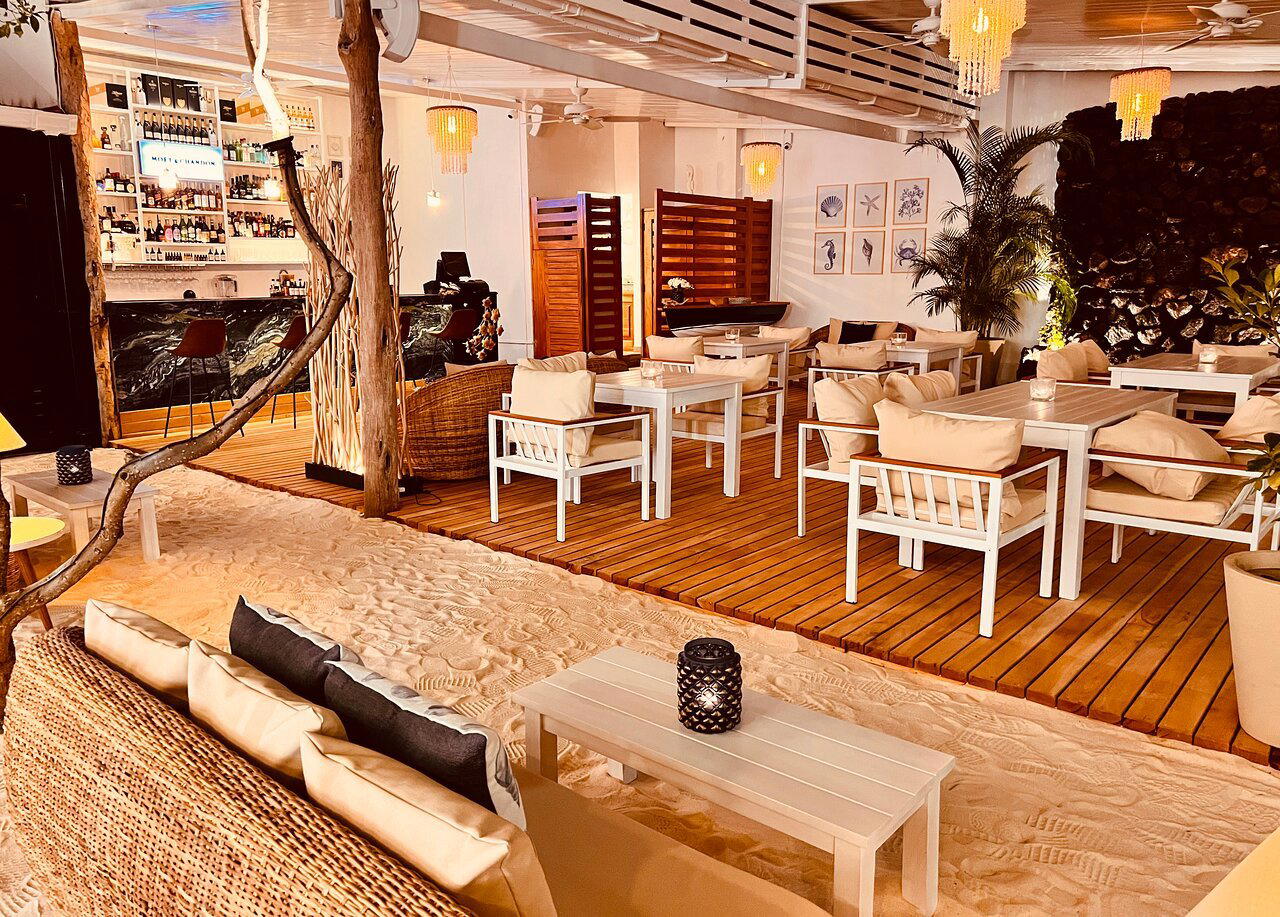
Drinking at the Edge of the World
There are places where a bar earns its reputation through sheer improbability. The Galápagos Islands are, by most measures, the wrong place to run an ambitious cocktail programme: supply chains are complicated by the archipelago's protected status, the visitor pool skews toward naturalists and eco-tourists rather than cocktail enthusiasts, and the nearest city with a genuine bar scene — Guayaquil — sits several hundred kilometres across the Pacific. Yet Aperitif Lounge operates on the upper deck of a Puerto Ayora restaurant on Santa Cruz Island and occupies, by default and by effort, a space that has no real local peer.
In cities with saturated bar markets, a venue positions itself within a competitive set. Here, the competitive set doesn't exist in the same way. What that means in practice is that Aperitif Lounge draws its reference points from a broader international frame rather than a neighbourhood conversation. The bars it most naturally resembles in ambition, places like Bar Leather Apron in Honolulu or Kumiko in Chicago, are also bars that have chosen to operate at a remove from the major metropolitan centres, finding their identity in specificity of place rather than density of competition.
The Setting and What It Does to a Drink
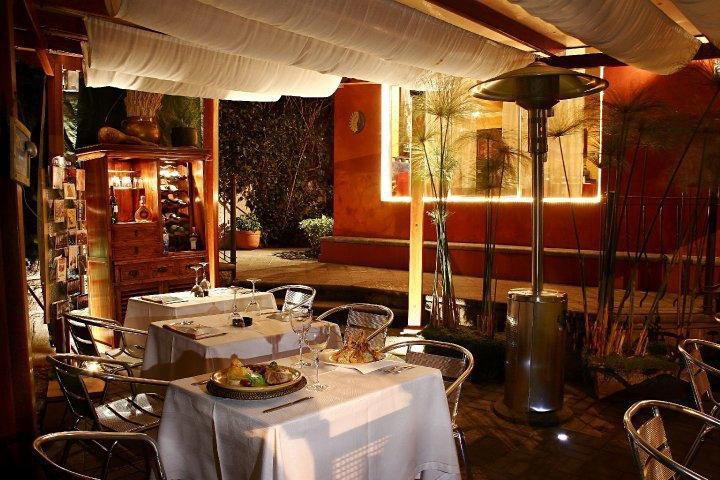
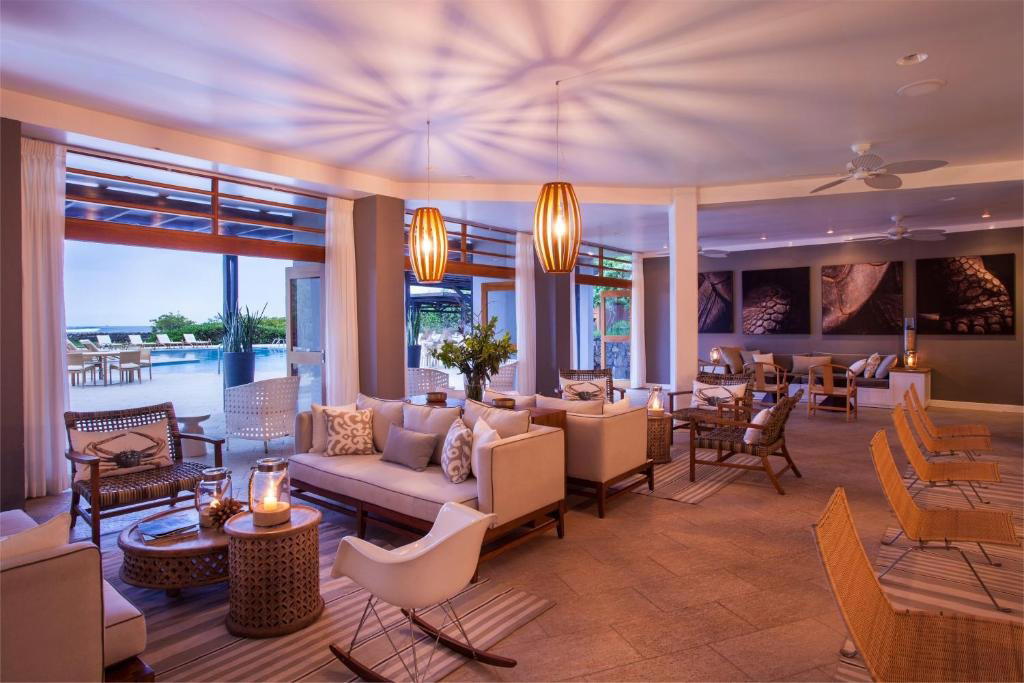
The upper deck position is not incidental. In Puerto Ayora, where the town hugs the southern shore of Santa Cruz and fishing boats share the harbour with dive operators and research vessels, an refined vantage point gives the bar a relationship with its environment that a ground-floor space could not replicate. The equatorial light shifts fast here: dusk arrives with little warning, and the transition from afternoon heat to cooler evening air happens in the span of a single drink. That rhythm, unhurried by the standards of a city bar, is part of what defines drinking at Aperitif Lounge.
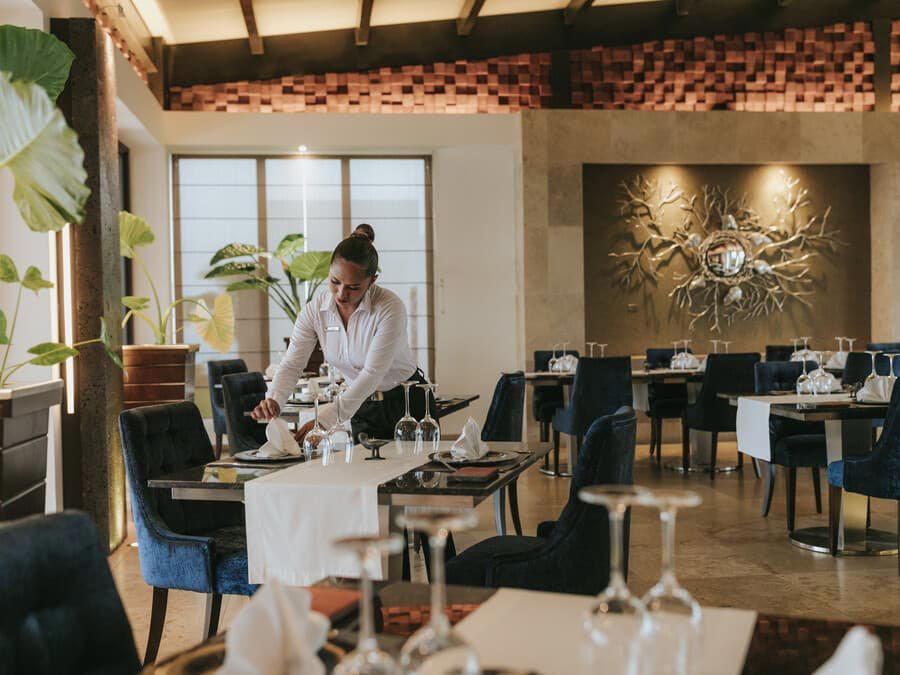
The adjacency to the dining room matters too. In destinations where food-and-beverage operations tend to collapse into a single undifferentiated hospitality offering, separating the bar as a distinct upper-deck space is a structural statement. It signals that the drinking programme is meant to stand independently, not merely to support dinner covers. This is the same logic that drives the design of venues like Jewel of the South in New Orleans or Dear Irving in New York City, where physical separation from the dining function allows the bar to develop its own pace and character.
What the Cocktail Programme Is Actually Doing
Running a serious cocktail programme in the Galápagos requires solving problems that most bar programmes never encounter. The islands operate under strict import controls designed to protect endemic species, which shapes what ingredients arrive and when. Ice, spirits, citrus, and fresh botanicals all involve logistical layers that a bar in Miami or Paris simply does not face. That constraint, though, tends to produce a certain kind of creativity: bars that cannot rely on the full range of metropolitan supply tend to develop a clearer point of view about what they actually need.
The aperitif format implied by the name points toward a particular corner of cocktail culture, lower-ABV, bitter-forward, aperitivo-style drinking, that has been gaining ground across premium bars internationally. Café La Trova in Miami and Superbueno in New York City both demonstrate how bars oriented around a specific drinking tradition can use that focus to build a more disciplined and recognisable programme. An aperitif-led approach also suits the setting: drinks designed to open the appetite, served as equatorial light fades over the harbour, fit the rhythm of a Galápagos evening more naturally than a spirits-heavy late-night format.
The broader international shift toward technique-driven, lower-intervention cocktails has reached bars in unexpected locations. Experimental Bistro in Taipei, Raised by Wolves in San Diego, and The Parlour in Frankfurt on the Main each represent the diffusion of serious cocktail thinking into cities that were not previously considered centres of bar culture. Puerto Ayora is a more extreme version of the same phenomenon: a town of roughly twelve thousand people, defined by marine biology and ecotourism, that now has a bar worth discussing on its own terms.
The Puerto Ayora Context
Puerto Ayora is the largest settlement in the Galápagos and the functional hub of the archipelago's tourism infrastructure. The Charles Darwin Research Station sits at the edge of town; dive operators, boat charters, and national park offices occupy the waterfront. The visitor profile trends toward travellers who have made a considerable commitment to get here, many combining the Galápagos with broader Ecuador itineraries, and who arrive with expectations calibrated by the remoteness and cost of the journey. For context on how Puerto Ayora's food and drink scene fits together, our full Puerto Ayora restaurants guide maps the wider picture.
That visitor profile shapes what the bar needs to be. A programme that reads as casual or generic would underperform against the expectations of a guest who has flown from Europe or North America specifically to reach this part of the Pacific. Aperitif Lounge operates in full knowledge of that dynamic. The same logic applies at Julep in Houston and Le Bar du Plaza Athénée in Paris: bars that serve a traveller audience at a certain price point face a different brief than neighbourhood locals-first operations, and the programme has to carry the weight of that expectation.
Planning Your Visit
Reaching Aperitif Lounge requires first reaching the Galápagos, which means flying into Baltra or San Cristóbal airport and connecting to Santa Cruz Island. Puerto Ayora itself is compact and walkable from the main harbour. The upper-deck location, adjacent to the dining room, makes it a natural pre-dinner or post-excursion stop, the physical separation from the restaurant floor means you can drink without committing to a full meal, though the proximity makes a transition between the two direct. Given the limited number of comparable operations on the island, arriving without a reservation or visit window in mind during peak season (June to August and December to January) risks finding the space at capacity. The Galápagos attracts a finite number of visitors by regulatory design, but those visitors tend to concentrate their evenings in a small number of locations.
- Hotsy-Totsy
- Passion & Envy
- Tres Limons
- IL Padrino
- Apéritif Reviver No. 2
- Rompope
Continue exploring
More in Puerto Ayora
Bars in Puerto Ayora
Browse all →
Restaurants in Puerto Ayora
Browse all →
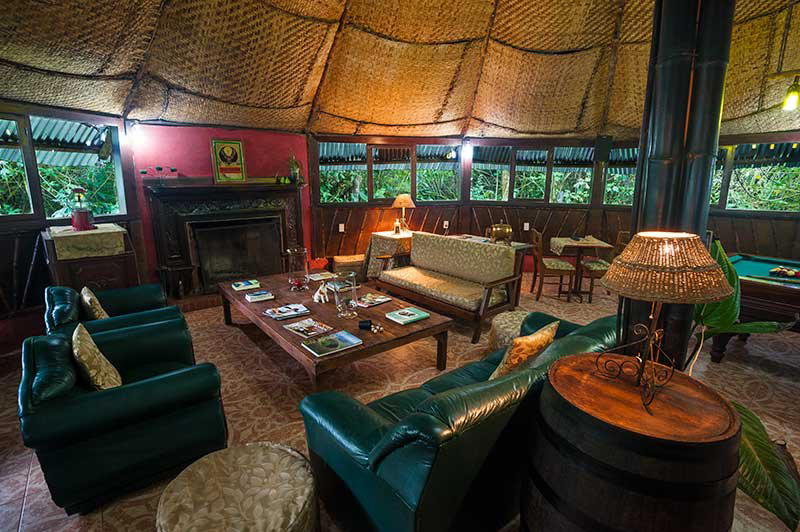
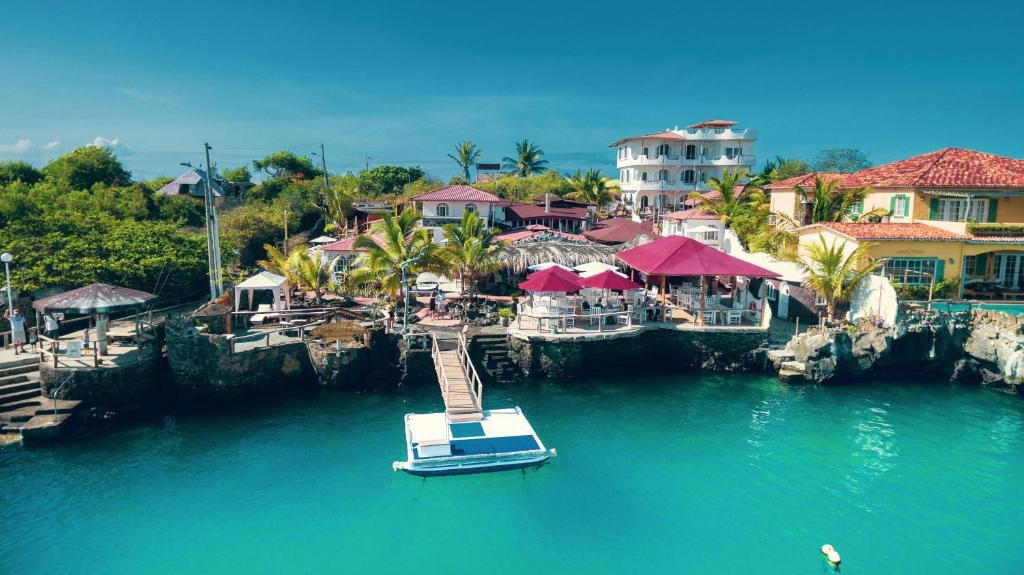
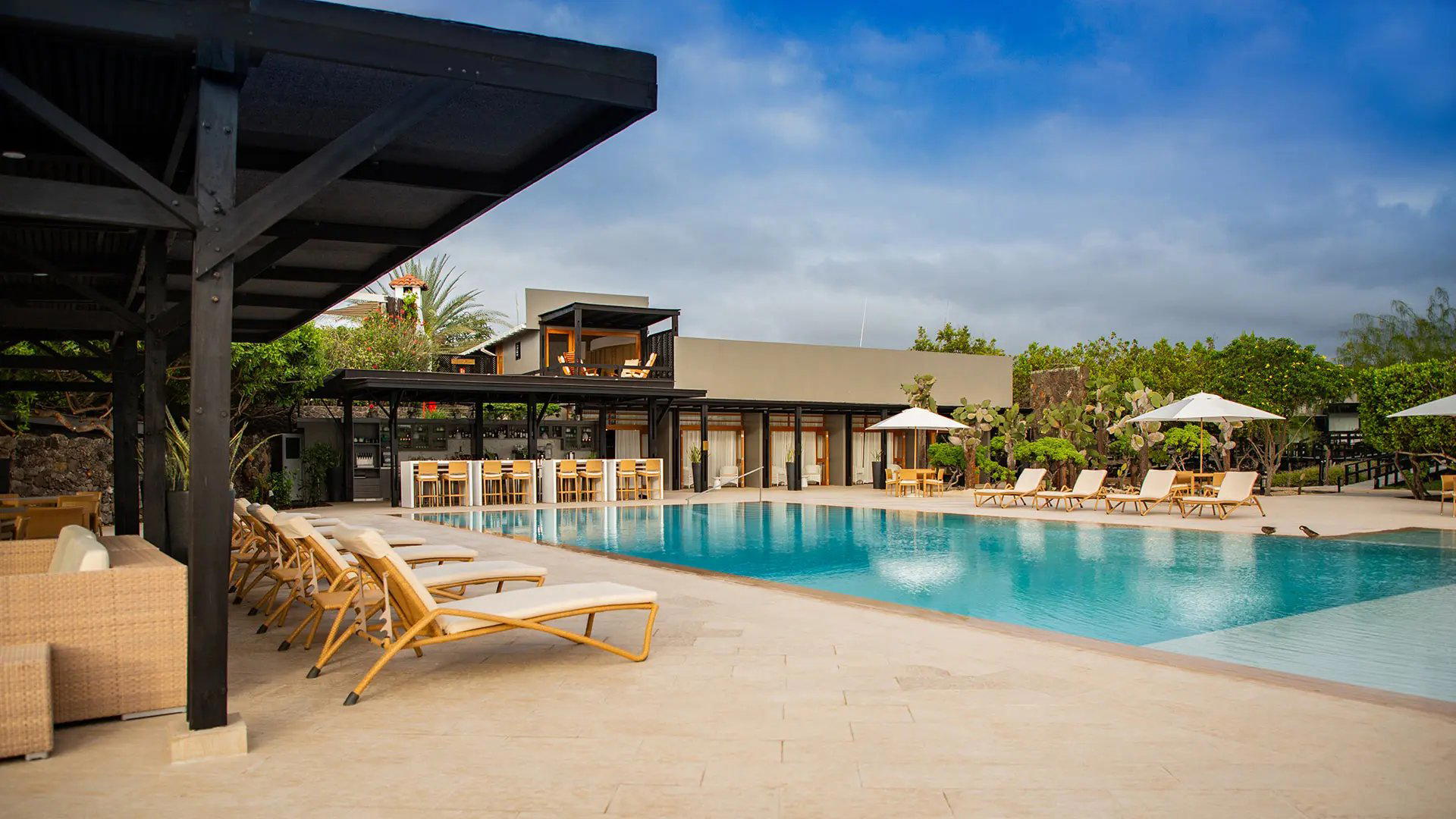
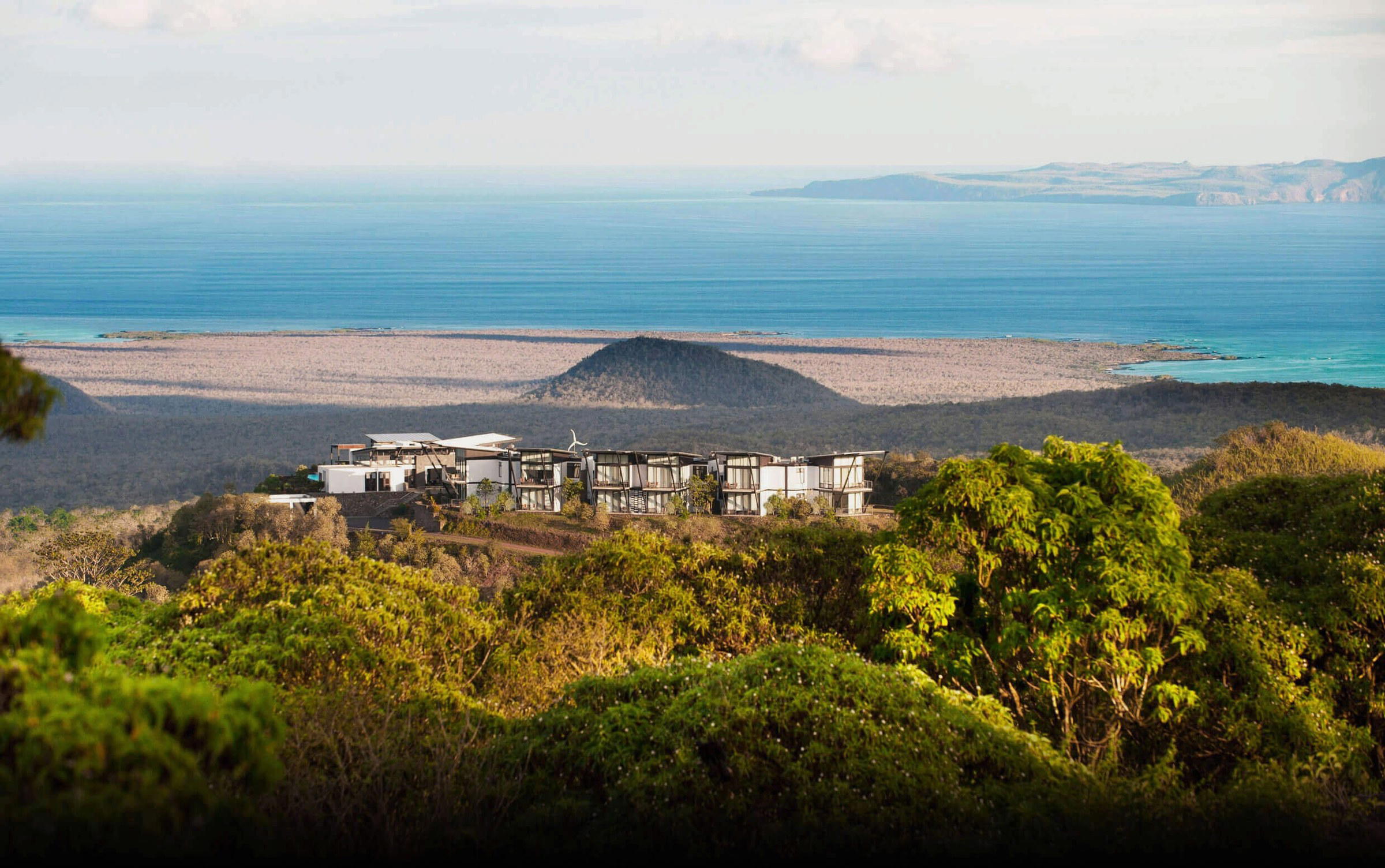

Aperitif Lounge
The drinks
- Craft cocktails
- Classic cocktails
- Mezcal
- Tequila
Signature drinks: Hotsy-Totsy, Passion & Envy, Tres Limons, IL Padrino, Apéritif Reviver No. 2, Rompope.
Details
- Cozy
- Intimate
- Trendy
- Casual Hangout
- After Work
- Date Night
- Standalone
- Lounge Seating
- Craft Cocktails
- Classic Cocktails
- Mezcal
- Gin
- Rum
- Tequila
- Whiskey
- Low Abv
- Waterfront