Antelope Valley Winery
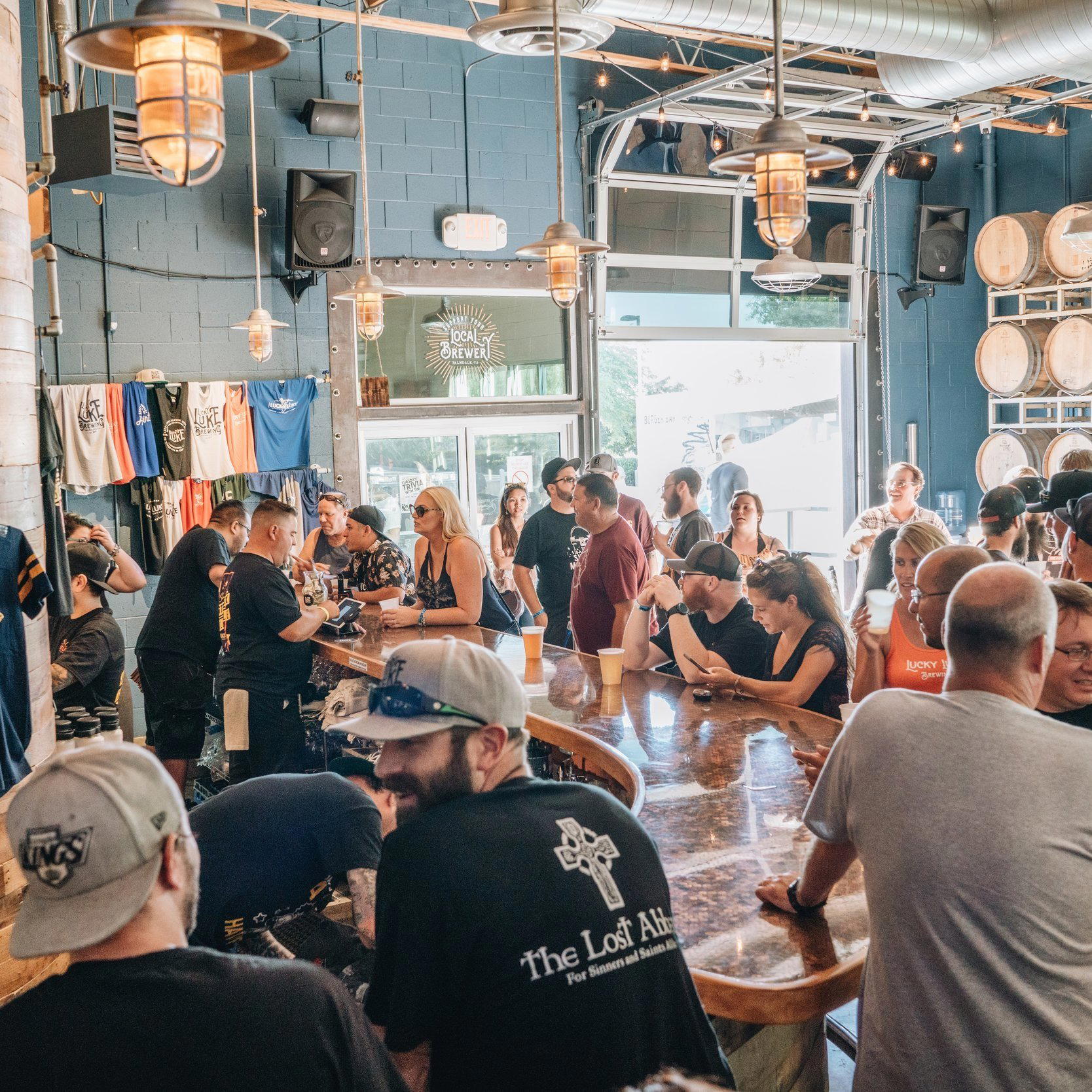
Antelope Valley Winery operates out of Lancaster, California, at 42041 20th St W, sitting within the high desert corridor that has quietly developed its own agricultural identity distinct from coastal California wine country. For visitors exploring the Antelope Valley drinking scene alongside options like Bravery Brewing Company and Lucky Luke Brewpub, it represents the winery end of a range of local producers worth investigating.
Pearl is the En Primeur Club membership app — saves, bookings, and concierge access live there. Same editors, same standards.
- Address
- 42041 20th St W, Lancaster, CA 93534
- Phone
- +1 661 722 0145
- Website
- avwinery.com
- Directions
- Get directions
 Saves & bookings on Pearl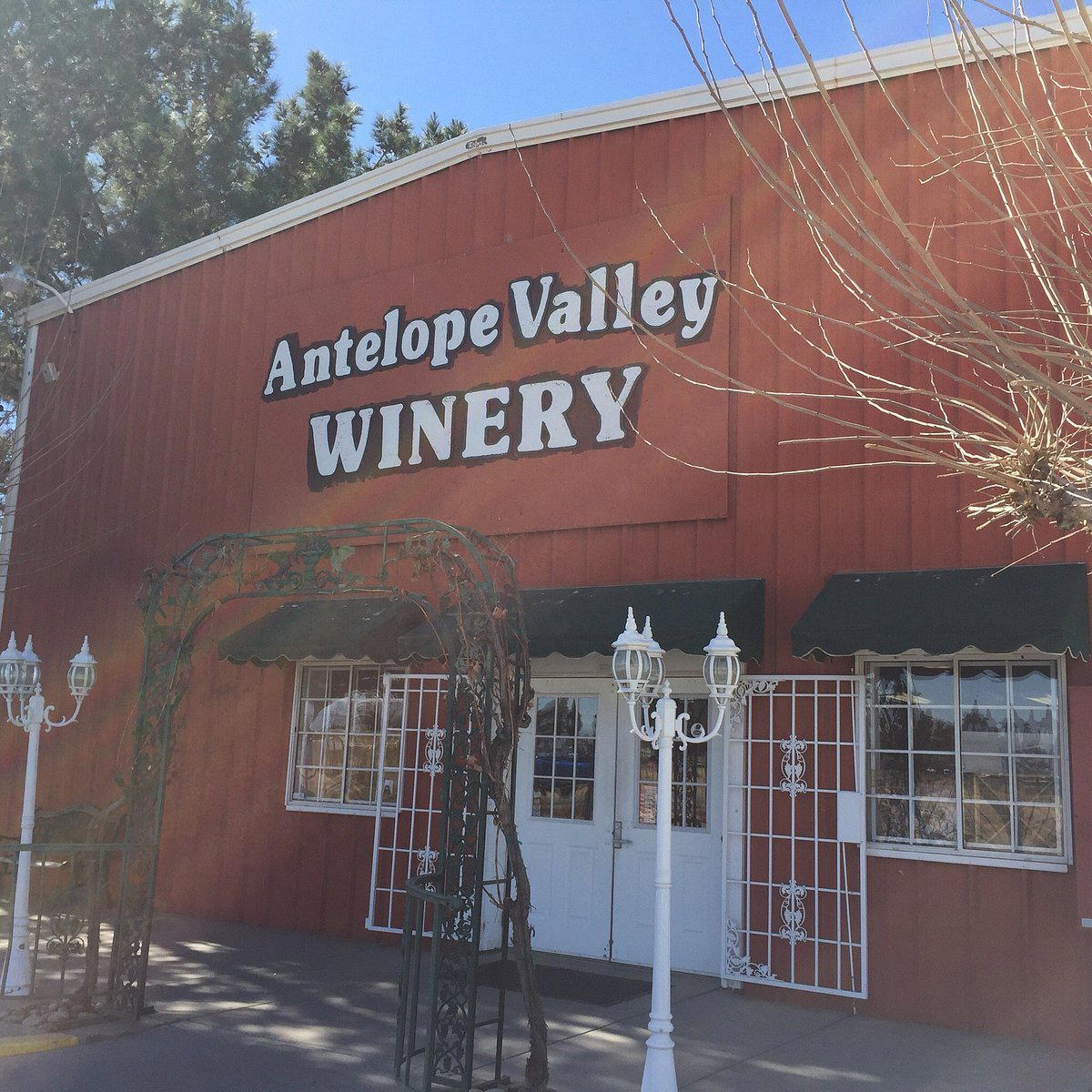
Winery in the High Desert: What Antelope Valley Winery Represents for Lancaster
California wine geography is rarely flat, and not just topographically. The state's wine culture has fragmented into a loose hierarchy: Napa and Sonoma at the recognized premium end, Central Coast appellations carving out increasingly credible identities, and a tier of inland and high desert producers that operate largely outside the critical conversation. Antelope Valley Winery sits in that last bracket. The region's elevation, temperature swings, and semi-arid conditions create a growing environment that differs sharply from coastal norms, and the wineries working here are, by definition, making choices that the mainstream California wine industry has not prescribed for them.
Antelope Valley Winery, located at 42041 20th St W in Lancaster, is part of that picture. Lancaster is not a wine destination in the way that Paso Robles or the Santa Ynez Valley are, which means that visiting here requires a different mental frame. You are not arriving in a polished tasting-room corridor with a curated itinerary. You are in a working Californian high desert city, and the winery sits within that context rather than apart from it.
The Desert Drinking Scene and Where This Fits
Lancaster's beverage scene is more varied than its reputation suggests. Craft beer has established a foothold through venues like Bravery Brewing Company and Lucky Luke Brewpub, which draw local regulars and passing visitors in roughly equal measure. On the bar side, places like The Fridge and Zelda's 750 West round out a scene that has more range than the city's size might imply. A winery in this context performs a different function than it would in a dedicated wine region: it tends to serve local loyalists, weekend day-trippers from the Los Angeles basin, and people curious about what California viticulture looks like when stripped of its coastal prestige markers.
That is not a dismissal. Some of the more interesting California wine being made right now comes from producers working in underexplored regions, precisely because they are not optimizing for a predetermined market expectation. Whether Antelope Valley Winery falls into that category is something a visit would need to answer. What the address and location confirm is that the winery is physically situated in the heart of Lancaster, not on a rural estate an hour from town, which shapes the likely experience significantly.
How This Compares to Serious Cocktail and Wine Programs Nationally
The national conversation around serious drinking programs has been dominated, in recent years, by cocktail bars with rigorous technical identities: clarified drinks, fermented syrups, Japanese spirits programs, and format discipline that treats the glass as a composition rather than a serving vessel. Venues like Kumiko in Chicago, Bar Leather Apron in Honolulu, and Jewel of the South in New Orleans sit at that end of the spectrum, where the program itself is the product. On the West Coast, ABV in San Francisco represents a similar commitment to technical specificity in a cocktail format. Internationally, The Parlour in Frankfurt on the Main shows how that sensibility travels across different drinking cultures.
A winery tasting room occupies a different position in that spectrum. The measure is not technique in the cocktail sense but rather the quality, coherence, and distinctiveness of the wine itself, combined with the intelligence of how it is presented and contextualized. Venues like Julep in Houston and Superbueno in New York City demonstrate that a clearly defined point of view, whether spirit-led or wine-led, is what separates a destination program from a generic pour. For Antelope Valley Winery, that point of view is what a visitor would be trying to assess on arrival, absent any public critical record to consult in advance.
Planning Your Visit
The winery is located at 42041 20th St W, Lancaster, CA 93534, which places it in the western part of the city. Lancaster is accessible from Los Angeles via the Antelope Valley Freeway (SR-14), typically around an hour from central LA under normal conditions, making it a plausible half-day or day trip from the metro area. Hours are Wed to Sun, with Monday and Tuesday closed, and reservations are recommended.
Continue exploring
More in Lancaster
Bars in Lancaster
Browse all →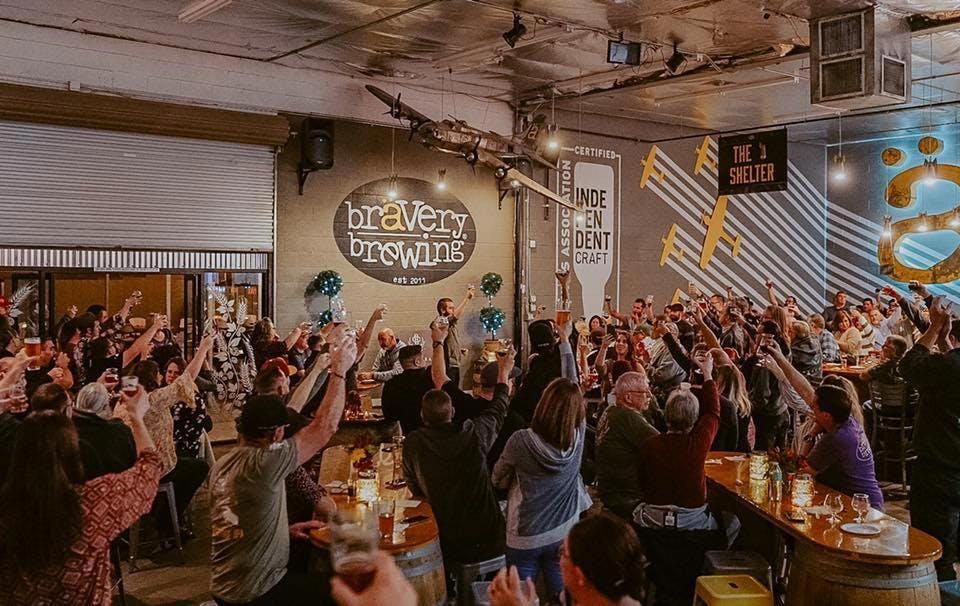
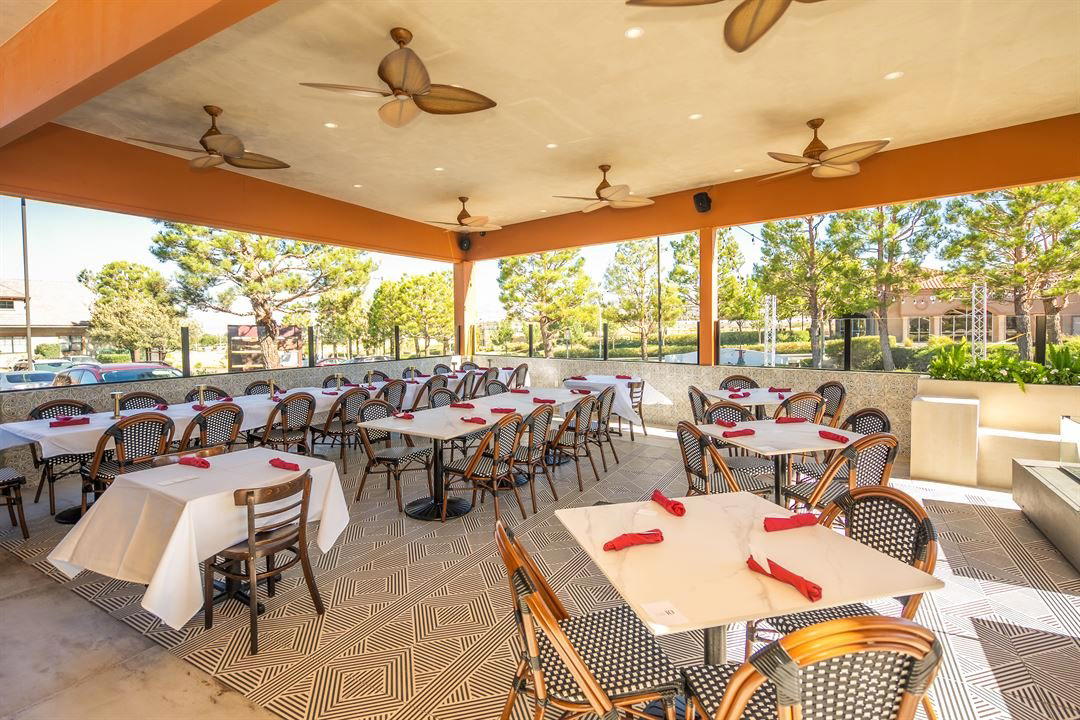
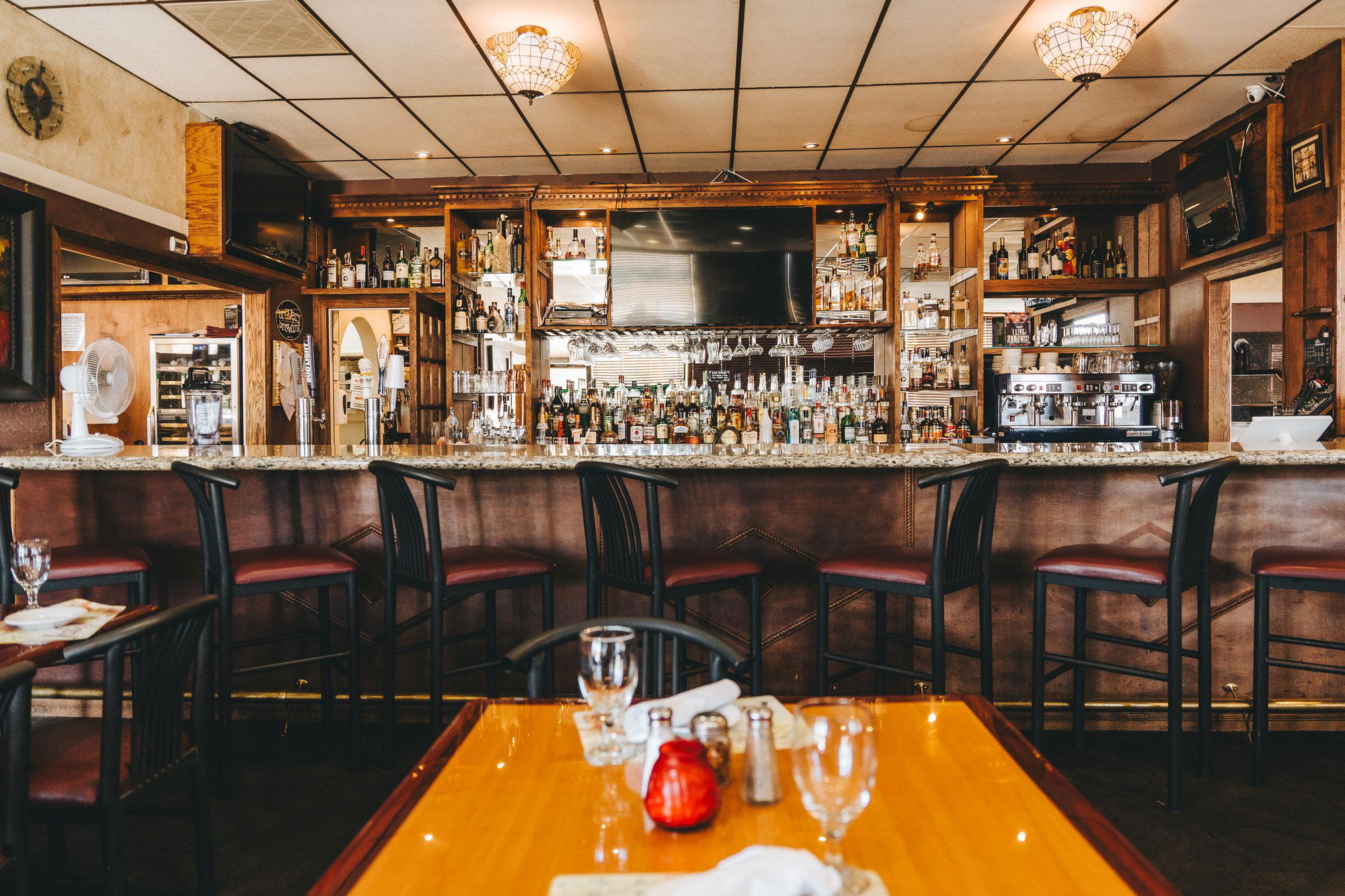
Restaurants in Lancaster
Browse all →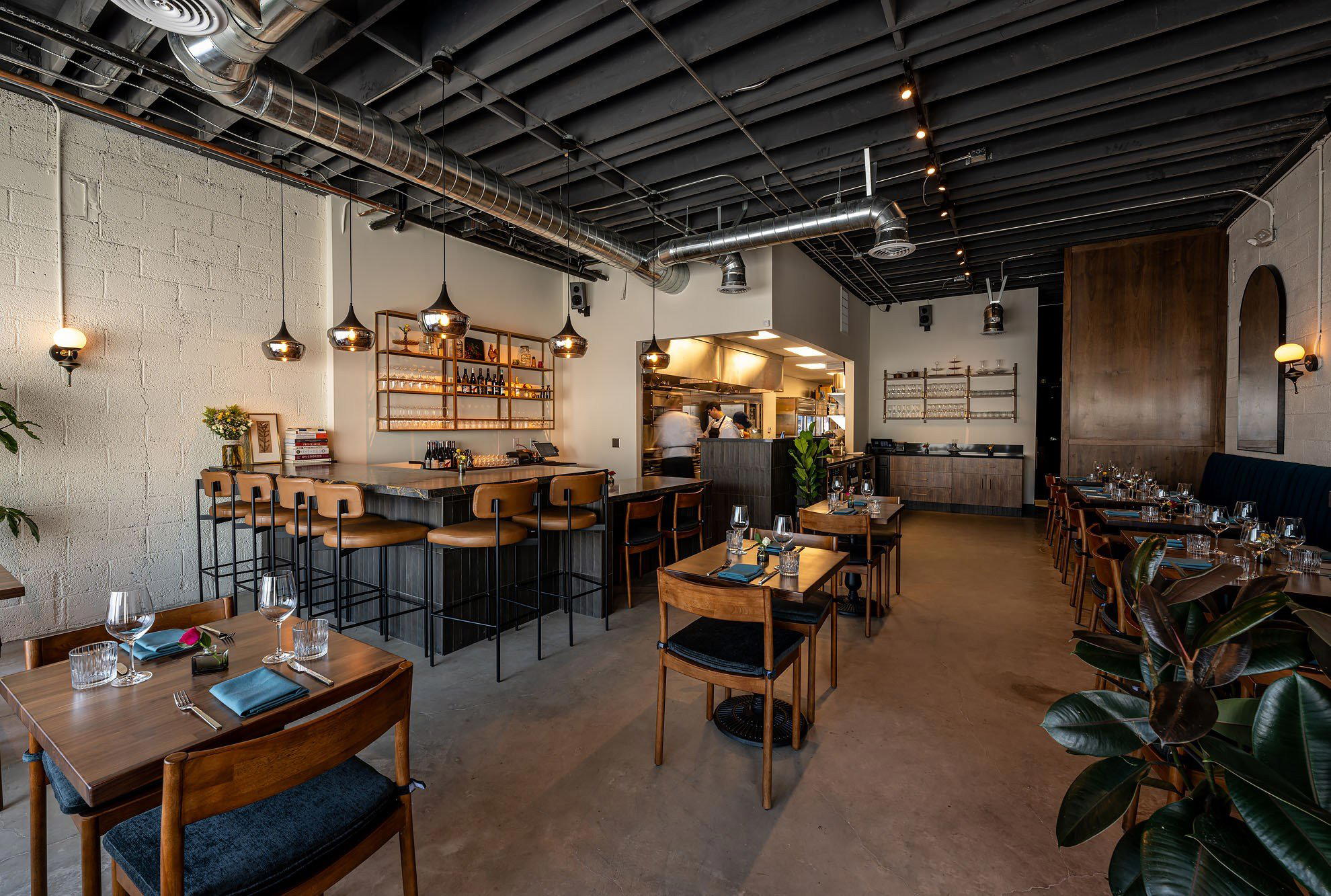
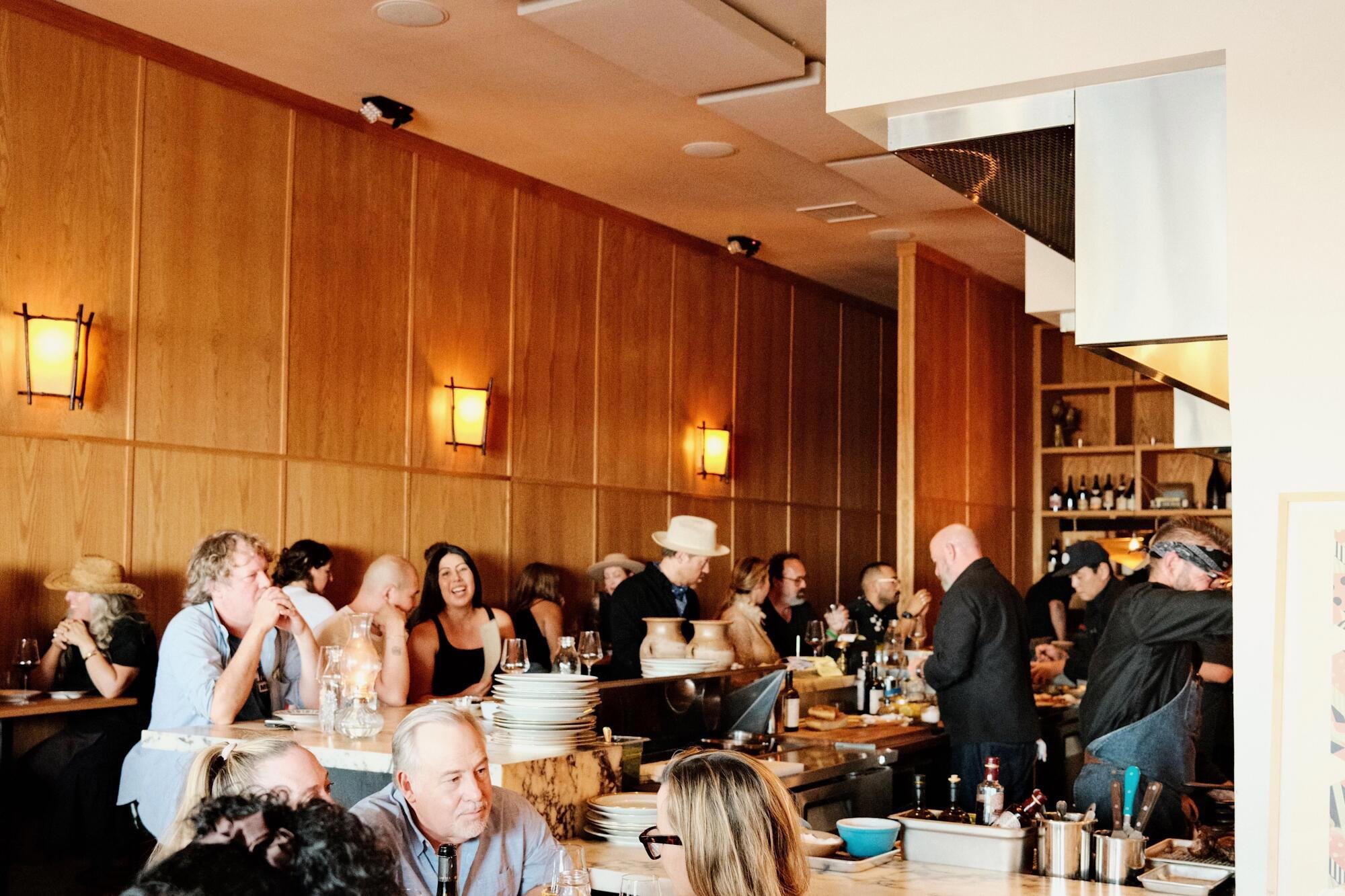
Hotels in Lancaster
Browse all →
At a Glance
- Rustic
- Cozy
- Scenic
- Date Night
- Casual Hangout
- Group Outing
- Live Music
- Lounge Seating
- Outdoor Terrace
- Conventional Wine
- Craft Beer
- Vineyard
Current opening hours
- Monday
- Closed
- Tuesday
- Closed
- Wednesday
- 2–7 PM
- Thursday
- 2–7 PM
- Friday
- 2–9 PM
- Saturday
- 12–9 PM
- Sunday
- 12–5 PM
Hours can change for holidays and private events. Last verified .
Cozy and relaxed with warm lights, featuring intimate barrel room for music and scenic vineyard picnic areas.
Know Before You Go
- Getting there
- 42041 20th St W, Lancaster, CA 93534