Drinks on the Water: Udaipur's Palace Bar Tradition Udaipur has a particular problem that most Indian cities do not: the physical setting can overwhelm everything else. Lake Pichola, ringed by the Aravalli hills and the pale stone of the City Palace, creates a backdrop that makes even a mediocre drink feel significant. The question for any serious bar programme operating inside this environment is whether it can hold its own once the view stops doing the heavy lifting. At Amrit Sagar, positioned within the Taj Lake Palace — a 18th-century marble structure built on a natural island in the lake — that tension is baked into the experience from the moment the hotel boat pulls away from the Bansi Ghat jetty. Access by water is not a design choice; it is a logistical necessity. The palace sits roughly 1.5 kilometres from the eastern shore and is reachable only by the hotel's own ferry service. That approach by boat, with the white marble structure growing larger as you cross the lake, frames the experience before a single drink is ordered. It is the kind of arrival that Indian palace hospitality has historically deployed with precision, and the Taj group, which has managed the property for decades, understands how to use it. The Cocktail Programme in Context India's cocktail culture has matured considerably over the past decade. Cities like Mumbai, Bengaluru, and Delhi now host programmes built on local-ingredient sourcing, regional spirit categories, and genuine technical ambition. Bars such as The Bombay Canteen in Mumbai, Soka in Bengaluru, and Hoots' in New Delhi have shifted the conversation from adapted international formats toward programmes with a distinctly Indian vocabulary. Rajasthan, by contrast, has been slower to produce bars with that kind of technical identity, the region's premium drinking has largely remained tied to heritage hotel settings where ambience is the primary product. Amrit Sagar occupies that heritage-hotel category, but within it, the drinks programme reflects the broader Indian trend toward regional flavour reference. Rajasthani botanicals, spice market ingredients, and local fruit provide the palette for cocktails that are built around the geography rather than imported from a generic luxury template. This is not the clarified-drink, precision-technique format you find at Copitas in Bangalore or the fermentation-forward approach at Boilermaker in Goa, but it belongs to the same broader movement of Indian bars finding their own reference points rather than copying Western programmes. The signature drink format here tends toward spiced and aromatic builds, cocktails where hing, saffron, rose, and tamarind appear alongside more familiar bar ingredients. This is consistent with how luxury hotel bars in Rajasthan have adapted to an increasingly travelled clientele that expects regional specificity rather than a pan-Indian approximation. For context on how other palace-adjacent bar programmes handle this tension between heritage setting and contemporary drinks, the Bar Palladio Jaipur in Jaipur offers a useful comparison, a palazzo-aesthetic bar that has built a recognisable drinks identity within a similarly theatrical setting. Setting and Atmosphere The interior of the Taj Lake Palace is what most visitors come for, and Amrit Sagar is positioned to capitalise on it. The bar occupies a space where the palace's characteristic white marble, carved jharokha windows, and inlaid detail create an atmosphere that feels closer to sitting inside a museum artefact than a conventional hotel bar. Ceiling height, candlelight, and the reflection of the lake through open screens at certain hours of the evening produce an environment that requires very little additional effort to feel significant. That setting does create a certain pressure on the drinks programme: the bar cannot rely entirely on the space, because at this price tier, and Taj Lake Palace operates at the upper end of Rajasthan's premium hotel market, guests arrive with expectations shaped by the group's broader reputation. Comparable palace experiences in the Taj portfolio, including The Oberoi Amarvilas in Agra, have shown that monument-adjacent luxury can sustain a programme only if the service and drinks quality justify the premium independently of the view. How It Sits in the Rajasthan Drinks Scene Rajasthan's bar scene remains anchored to its palace hotels. There is no meaningful independent cocktail bar culture in Udaipur of the kind that has developed in Goa, with venues like Tesouro in Colvá, or in Pune with Cobbler & Crew. What exists is a tiered set of hotel bars, ranging from five-star international brands to heritage properties run by local families, and Amrit Sagar sits at the apex of that tier by virtue of its setting and the Taj group's positioning. For travellers building a serious bar itinerary across India, the context here matters. The programmes worth following for technique and menu ambition are predominantly in the metropolitan cities. What Udaipur and Amrit Sagar offer is a different kind of value: the intersection of a drinks programme with a historically significant setting, in a city whose entire character is shaped by its relationship with water and the palaces that define its skyline. That is a legitimate reason to visit, provided you arrive with accurate expectations about what this bar is and what it is not. For reference on what ambitious Indian drinking programmes look like at their most developed, Indian Accent in Delhi offers a useful metropolitan benchmark, and internationally, Café La Trova in Miami illustrates how a bar can carry a strong cultural identity without letting it substitute for technical quality. Amrit Sagar sits in neither of those registers; its pitch is more specific and more dependent on place. Planning Your Visit Access to the Taj Lake Palace is by hotel ferry from the Bansi Ghat jetty in central Udaipur; non-staying guests should confirm current access policy with the hotel before visiting, as walk-in bar access is subject to capacity and hotel policy. Udaipur is served by Maharana Pratap Airport with connections from major Indian cities; the city is also accessible by train from Jaipur and Ahmedabad. For a broader picture of Udaipur's dining and drinking options, including venues beyond the palace hotel circuit, see our full Udaipur restaurants guide. Frequently Asked Questions What's the general vibe of Amrit Sagar? Amrit Sagar is a palace hotel bar operating at the upper end of Udaipur's premium market. The atmosphere is defined by the Taj Lake Palace's 18th-century architecture, carved marble, ornamental detail, lake views, rather than by a contemporary cocktail culture sensibility. Expect an experience shaped heavily by setting and service formality, with drinks that draw on regional Rajasthani ingredients. It fits travellers whose priority is the full palace experience rather than those seeking a technically progressive cocktail programme. What's the signature drink at Amrit Sagar? The bar's cocktail direction centres on Rajasthani botanical and spice-market ingredients, saffron, rose, tamarind, and local herbs appearing across the menu. This places it within the broader trend of Indian luxury hotel bars building drinks programmes around regional flavour references rather than generic international templates. Specific signature offerings are best confirmed directly with the property, as menus at this level tend to evolve seasonally. What should I know about Amrit Sagar before I go? The Taj Lake Palace is island-based, reachable only by hotel ferry from Bansi Ghat. Non-resident guests should verify current bar access arrangements before making the trip across the lake, as the property controls entry carefully. The price tier reflects the Taj group's flagship palace positioning in Rajasthan, so budget expectations should be set accordingly. Visiting at dusk, when the light on the lake and the palace facade shifts, makes the most of the setting. Is Amrit Sagar accessible if I'm not staying at the Taj Lake Palace? Taj Lake Palace's island location means all access is managed by the hotel's ferry service, and non-resident access to bars and restaurants is subject to availability and prior arrangement. Travellers specifically visiting for the bar experience rather than an overnight stay should contact the hotel in advance to confirm whether walk-in or reservation-based access is available on their preferred date. This is a practical reality of palace hotels on Lake Pichola rather than an unusual restriction, the island setting creates a natural boundary that the property manages as part of its exclusivity positioning.

Pearl is the En Primeur Club membership app — saves, bookings, and concierge access live there. Same editors, same standards.
- Address
- Taj Lake Palace Lake, Pichola, Udaipur, Rajasthan 313001, India
- Phone
- +91 294 242 8800
- Hours
- Daily 11 AM–11 PM
- Website
- tajhotels.com
- Directions
- Get directions
Drinks on the Water: Udaipur's Palace Bar Tradition
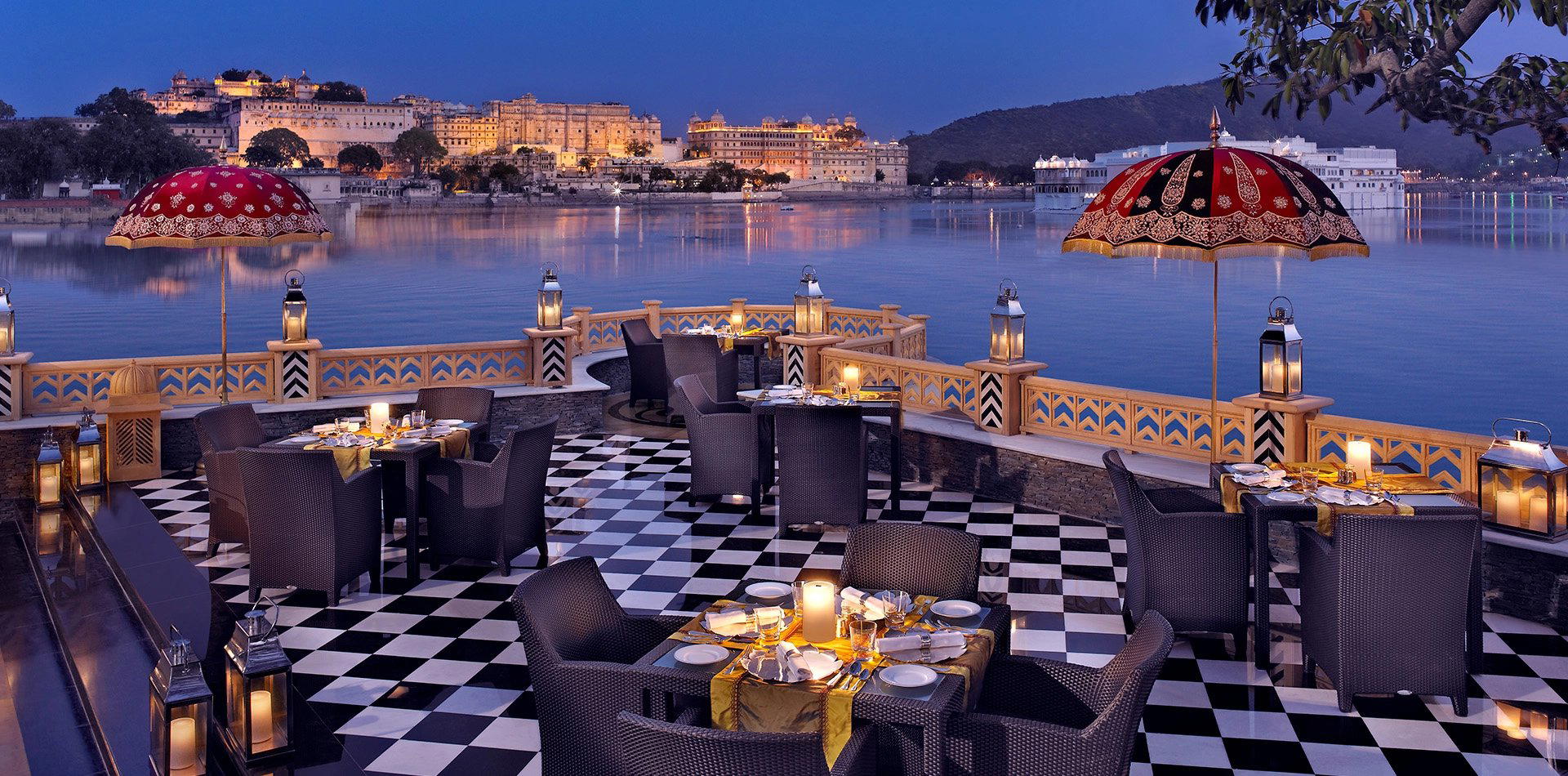
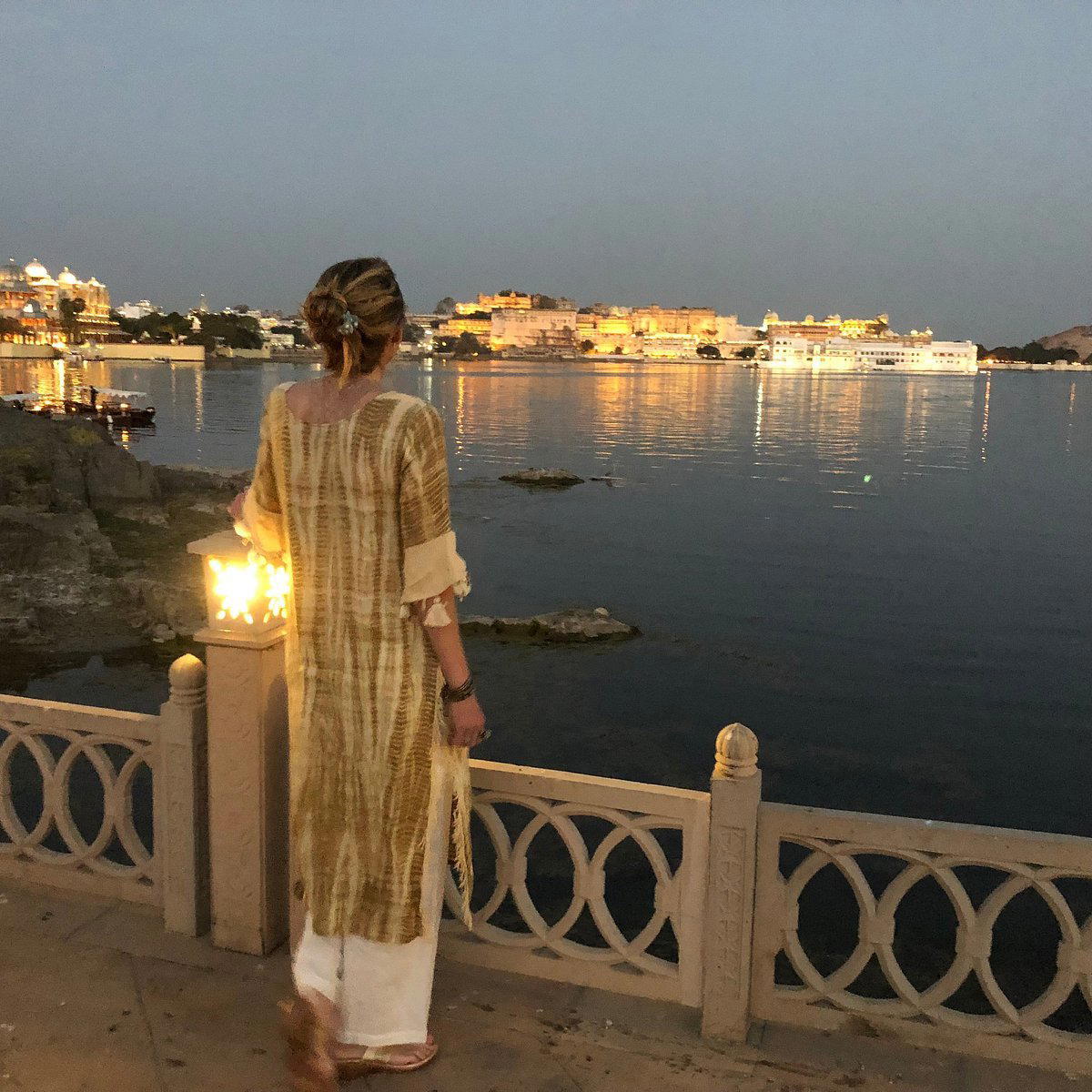
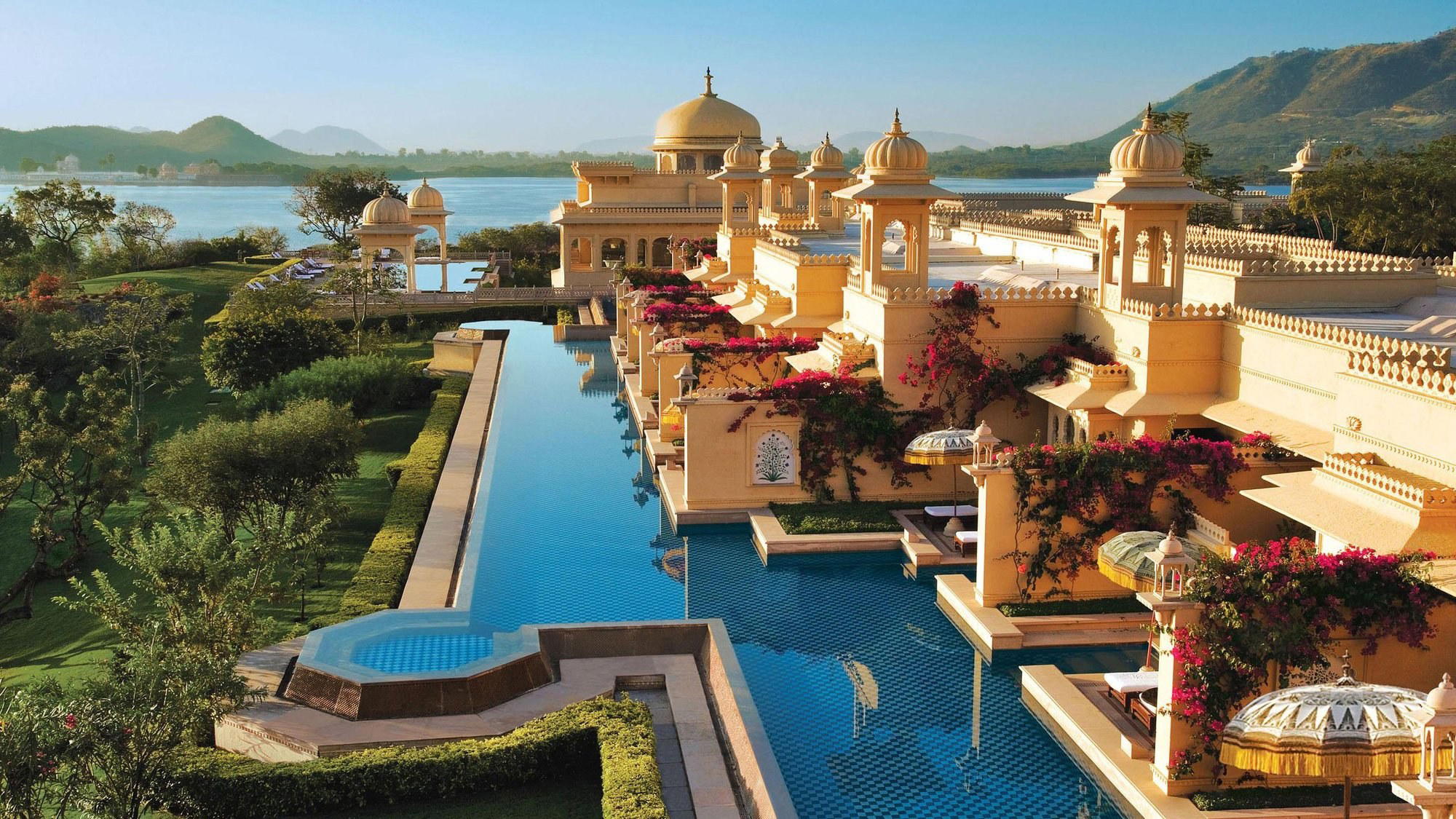
Udaipur has a particular problem that most Indian cities do not: the physical setting can overwhelm everything else. Lake Pichola, ringed by the Aravalli hills and the pale stone of the City Palace, creates a backdrop that makes even a mediocre drink feel significant. The question for any serious bar programme operating inside this environment is whether it can hold its own once the view stops doing the heavy lifting. At Amrit Sagar, positioned within the Taj Lake Palace — a 18th-century marble structure built on a natural island in the lake — that tension is baked into the experience from the moment the hotel boat pulls away from the Bansi Ghat jetty.
Access by water is not a design choice; it is a logistical necessity. The palace sits roughly 1.5 kilometres from the eastern shore and is reachable only by the hotel's own ferry service. That approach by boat, with the white marble structure growing larger as you cross the lake, frames the experience before a single drink is ordered. It is the kind of arrival that Indian palace hospitality has historically deployed with precision, and the Taj group, which has managed the property for decades, understands how to use it.
The Cocktail Programme in Context
India's cocktail culture has matured considerably over the past decade. Cities like Mumbai, Bengaluru, and Delhi now host programmes built on local-ingredient sourcing, regional spirit categories, and genuine technical ambition. Bars such as The Bombay Canteen in Mumbai, Soka in Bengaluru, and Hoots' in New Delhi have shifted the conversation from adapted international formats toward programmes with a distinctly Indian vocabulary. Rajasthan, by contrast, has been slower to produce bars with that kind of technical identity, the region's premium drinking has largely remained tied to heritage hotel settings where ambience is the primary product.
Amrit Sagar occupies that heritage-hotel category, but within it, the drinks programme reflects the broader Indian trend toward regional flavour reference. Rajasthani botanicals, spice market ingredients, and local fruit provide the palette for cocktails that are built around the geography rather than imported from a generic luxury template. This is not the clarified-drink, precision-technique format you find at Copitas in Bangalore or the fermentation-forward approach at Boilermaker in Goa, but it belongs to the same broader movement of Indian bars finding their own reference points rather than copying Western programmes.
The signature drink format here tends toward spiced and aromatic builds, cocktails where hing, saffron, rose, and tamarind appear alongside more familiar bar ingredients. This is consistent with how luxury hotel bars in Rajasthan have adapted to an increasingly travelled clientele that expects regional specificity rather than a pan-Indian approximation. For context on how other palace-adjacent bar programmes handle this tension between heritage setting and contemporary drinks, the Bar Palladio Jaipur in Jaipur offers a useful comparison, a palazzo-aesthetic bar that has built a recognisable drinks identity within a similarly theatrical setting.
Setting and Atmosphere
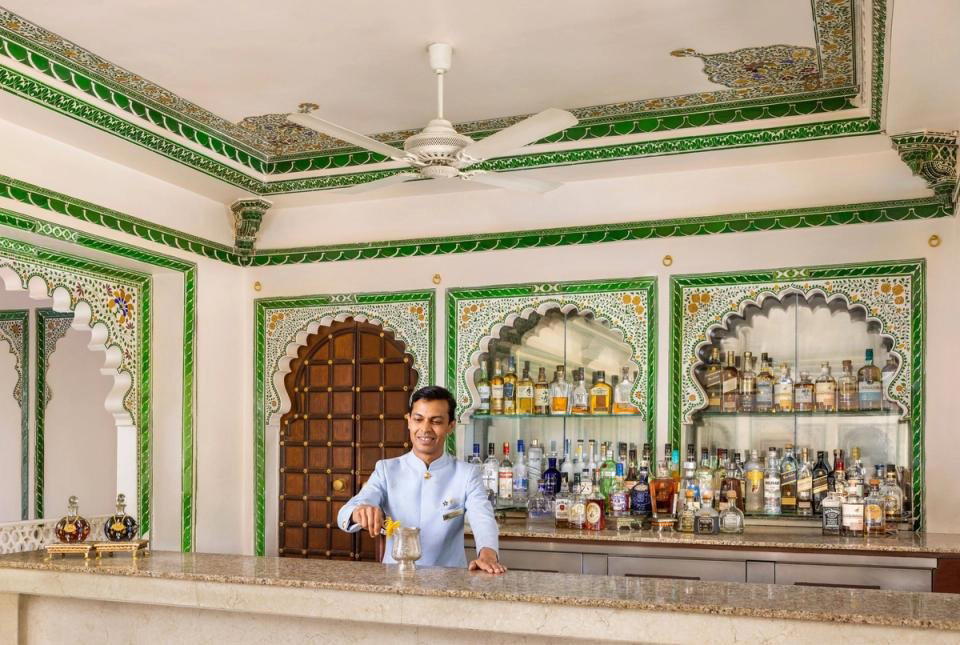
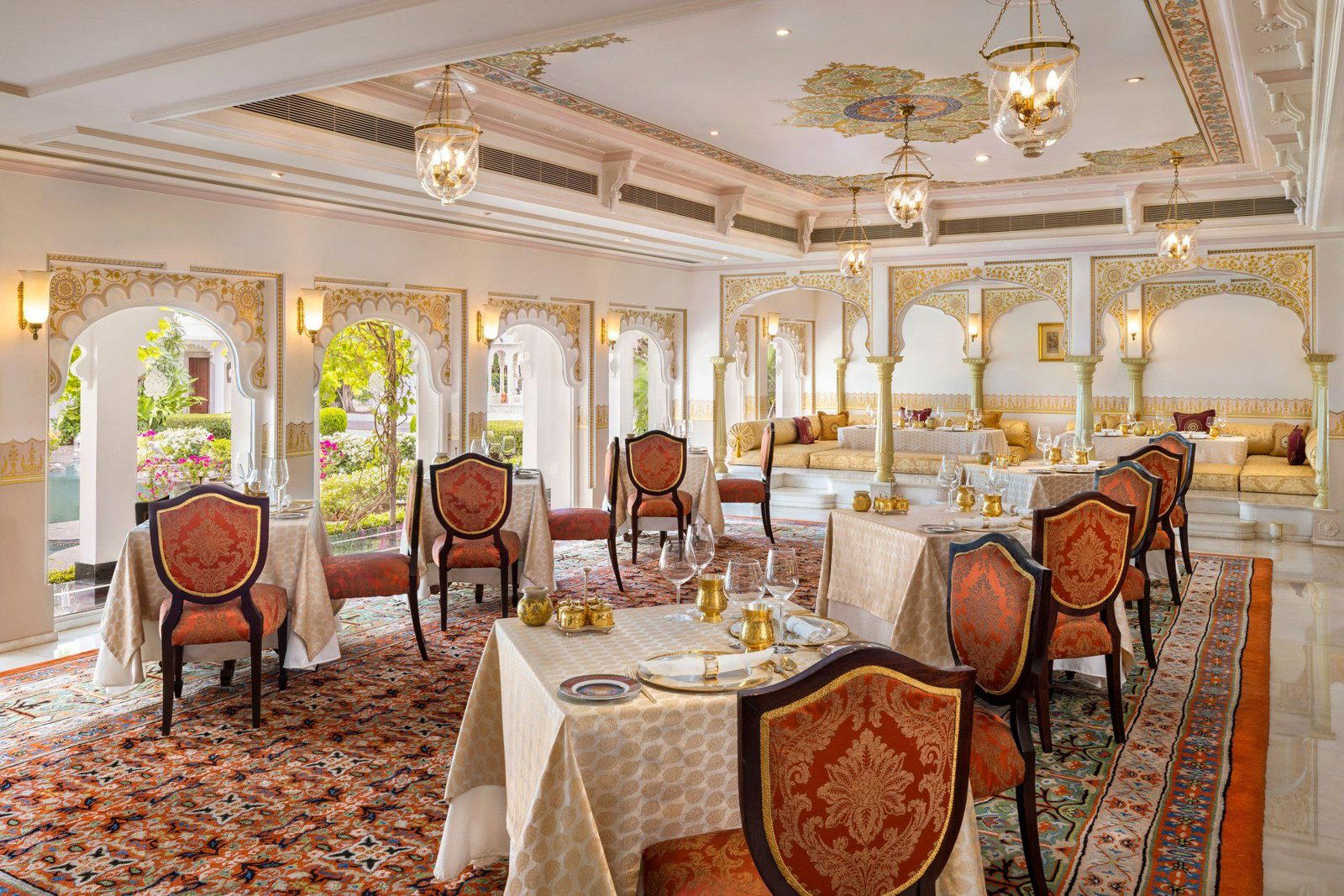
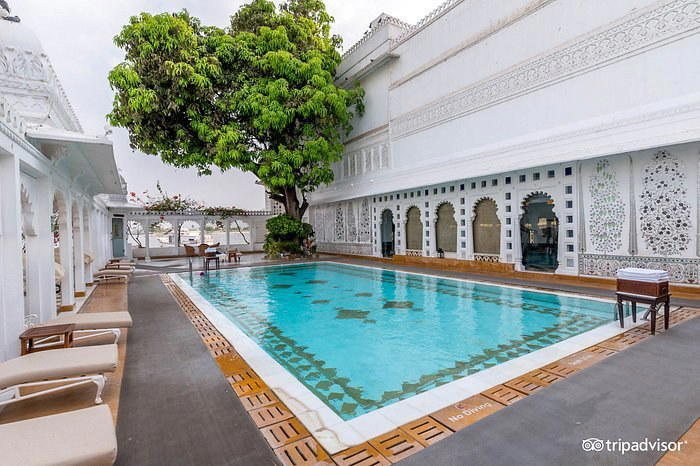
The interior of the Taj Lake Palace is what most visitors come for, and Amrit Sagar is positioned to capitalise on it. The bar occupies a space where the palace's characteristic white marble, carved jharokha windows, and inlaid detail create an atmosphere that feels closer to sitting inside a museum artefact than a conventional hotel bar. Ceiling height, candlelight, and the reflection of the lake through open screens at certain hours of the evening produce an environment that requires very little additional effort to feel significant.
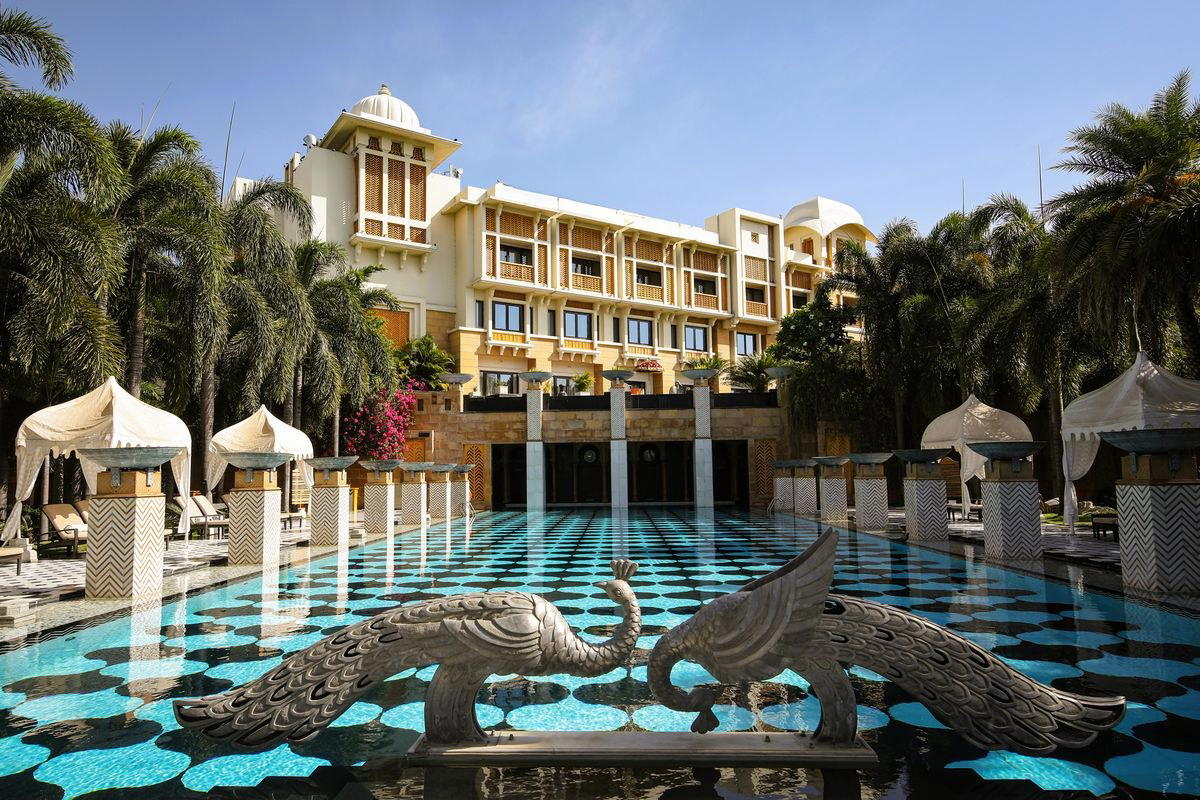
That setting does create a certain pressure on the drinks programme: the bar cannot rely entirely on the space, because at this price tier, and Taj Lake Palace operates at the upper end of Rajasthan's premium hotel market, guests arrive with expectations shaped by the group's broader reputation. Comparable palace experiences in the Taj portfolio, including The Oberoi Amarvilas in Agra, have shown that monument-adjacent luxury can sustain a programme only if the service and drinks quality justify the premium independently of the view.
How It Sits in the Rajasthan Drinks Scene
Rajasthan's bar scene remains anchored to its palace hotels. There is no meaningful independent cocktail bar culture in Udaipur of the kind that has developed in Goa, with venues like Tesouro in Colvá, or in Pune with Cobbler & Crew. What exists is a tiered set of hotel bars, ranging from five-star international brands to heritage properties run by local families, and Amrit Sagar sits at the apex of that tier by virtue of its setting and the Taj group's positioning.
For travellers building a serious bar itinerary across India, the context here matters. The programmes worth following for technique and menu ambition are predominantly in the metropolitan cities. What Udaipur and Amrit Sagar offer is a different kind of value: the intersection of a drinks programme with a historically significant setting, in a city whose entire character is shaped by its relationship with water and the palaces that define its skyline. That is a legitimate reason to visit, provided you arrive with accurate expectations about what this bar is and what it is not.
For reference on what ambitious Indian drinking programmes look like at their most developed, Indian Accent in Delhi offers a useful metropolitan benchmark, and internationally, Café La Trova in Miami illustrates how a bar can carry a strong cultural identity without letting it substitute for technical quality. Amrit Sagar sits in neither of those registers; its pitch is more specific and more dependent on place.
Planning Your Visit
Access to the Taj Lake Palace is by hotel ferry from the Bansi Ghat jetty in central Udaipur; non-staying guests should confirm current access policy with the hotel before visiting, as walk-in bar access is subject to capacity and hotel policy. Udaipur is served by Maharana Pratap Airport with connections from major Indian cities; the city is also accessible by train from Jaipur and Ahmedabad. For a broader picture of Udaipur's dining and drinking options, including venues beyond the palace hotel circuit, see our full Udaipur restaurants guide.
Continue exploring
More in Udaipur
Restaurants in Udaipur
Browse all →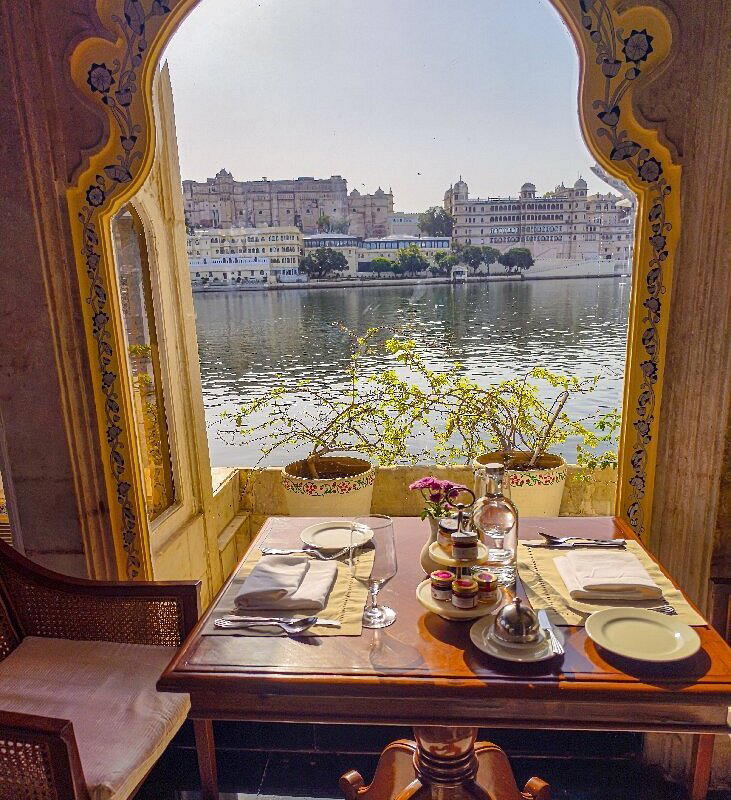
Details
- Elegant
- Scenic
- Sophisticated
- Relaxed
- Date Night
- Special Occasion
- Casual Hangout
- Waterfront
- Historic Building
- Hotel Bar
- Lounge Seating
- Outdoor Terrace
- Classic Cocktails
- Whiskey
- Waterfront
Current opening hours
- Monday
- 11 AM–11 PM
- Tuesday
- 11 AM–11 PM
- Wednesday
- 11 AM–11 PM
- Thursday
- 11 AM–11 PM
- Friday
- 11 AM–11 PM
- Saturday
- 11 AM–11 PM
- Sunday
- 11 AM–11 PM
Hours can change for holidays and private events. Last verified .
Refreshing indoor-outdoor ambience with relaxed charm, dappled sunlight from the water, and cooling lake zephyrs.