Amadeus Café Bar
A Lobby Bar in Prague's Most Characterful District Prague's bar scene has split cleanly along two lines: the theatre-forward venues clustered in the first and second districts, where elaborate concepts and celebrity bartenders compete for tourist attention, and a quieter tier of neighbourhood-anchored spots that have grown up alongside the residential communities of Vinohrady and Žižkov. Amadeus Café Bar sits in the latter category. Its address on Vinohradská, on the Prague 3 side of the Žižkov border, places it inside one of the city's most historically layered neighbourhoods, a district where the density of independent wine bars, old-school pivnice, and corner cafés is higher than almost anywhere else in the city. That context matters when assessing what a lobby bar here is actually competing against, and what it needs to offer to hold its ground. Lobby bars in residential districts operate under a different contract than hotel bars in tourist corridors. The audience is not a captive hotel guest killing time before dinner; it is a local population that has strong opinions and equally strong alternatives within walking distance. For a bar on Vinohradská to earn repeat visits from that audience, the drinks programme and the physical environment both need to justify the stop over the neighbourhood's other options. The Back Bar as Editorial Statement In cities where cocktail culture has matured beyond the classic era revival, the composition of the back bar functions as an argument. What a venue chooses to stock — and how those bottles are organised and presented — signals its position in the drinks conversation more clearly than any printed menu claim. Prague has reached that point of maturity. Bars like Alcron Bar in the city centre and Almanac X Alcron Prague have established a benchmark for spirits curation that the broader city is now measured against. Even the theatrically minded AnonymouS Bar demonstrates, through its own idiosyncratic format, that Prague drinkers respond to programmes with a clear point of view. The question for any café bar operating in this climate is whether it presents a curated selection or simply a functional one. Curation implies editorial choices: a preference for craft distilleries over volume brands, an interest in regional Central European spirits alongside the expected international categories, a willingness to hold bottles that move slowly because they are the right bottles to have. Functional stocking, by contrast, fills the well and the speed rail and leaves decisions to price point. The difference is visible in seconds to anyone who knows what they are looking at. Czech spirits culture is more interesting than its international profile suggests. Slivovitz and other fruit spirits produced in Moravia and Slovakia carry genuine regional depth, with producers in villages like those around Vrbice demonstrating the kind of terroir-specific character that the broader spirits world has only recently started to appreciate. A back bar that engages with that tradition, rather than defaulting entirely to imported categories, makes a different kind of argument about place. Similarly, the Czech relationship with beer is well-documented, but the country's wine regions, particularly southern Moravia, produce whites and naturals that a thoughtful bar programme can draw on to complement its spirits offering. The Alchemist Club in Mcely is one example of a Czech venue that has built an identity around the intersection of local provenance and international reference points. The Physical Environment: What Lobby Bars Do Well The specific qualities of a lobby bar, when it is well-executed, are distinct from those of a standalone cocktail room or wine bar. The ceiling heights tend to be more generous. The flow between entrance and seating is less compressed. There is usually access to natural light that basements and interior rooms cannot offer. At Vinohradská 2733/157a, the lobby position means the space operates as both a point of arrival and a room in its own right, a dual function that requires a design approach confident enough to serve both purposes without defaulting to purely transitional furniture and lighting. The leading lobby bars internationally manage this by treating the bar itself as the room's anchor, giving the spirits collection enough visual presence to hold attention and signal to anyone passing through that this is a drinks destination, not a waiting area. Venues like Bar Leather Apron in Honolulu have demonstrated that a rigorously composed back bar and a commitment to technical precision can define a lobby environment as decisively as purpose-built cocktail rooms. The same logic applies in Prague: environment and programme are not separate decisions. How Amadeus Sits in the Prague 3 Context Žižkov and the Vinohrady fringe are not where international bar guides typically send their readers, and that has been one of the neighbourhood's persistent advantages. The density of independently operated bars and cafés along the Vinohradská corridor means that venues here have developed without the pressure of competing for tourist footfall. The audience is local, returning, and comparative, characteristics that tend to produce more honest bar programmes than tourist-dependent economics allow. For comparison, Prague's most internationally recognised bars operate in very different commercial environments. The rooftop format at ABOVE ROOFTOP serves a view-driven audience; its drinks programme earns its keep partly through the physical experience of the setting. A lobby bar on Prague 3 earns its keep through the drink itself and the quality of the hour spent over it. That is a harder test and, arguably, a more honest one. Broader Reference Points in the Café Bar Format The café bar format has found its most convincing recent expressions in cities where neighbourhood drinking culture is strongest. Café La Trova in Miami built a critically respected programme around a specific cultural identity without abandoning the accessibility that a café format implies. Jewel of the South in New Orleans demonstrated that historical reference and genuine spirits depth are not in conflict with a relaxed room. Superbueno in New York City and Julep in Houston each show, from different angles, how a clearly stated programme identity allows a bar to hold a neighbourhood position even in competitive markets. The shared lesson is that format clarity and drinks conviction are more durable than concept novelty. Planning Your Visit Amadeus Café Bar is located at Vinohradská 2733/157a in Prague 3-Žižkov, accessible from Náměstí Míru or Jiřího z Poděbradů metro stations on Line A, both within a short walk of the Vinohradská corridor. Tram lines running along Vinohradská provide a direct connection from the city centre. No booking data, pricing information, or current hours are confirmed in EP Club's records; arriving without a reservation is the practical approach for a lobby bar of this type, though it is worth confirming hours directly before making a specific journey. For the broader Prague drinking and dining context, see our full Prague restaurants guide. Frequently Asked Questions What's the atmosphere like at Amadeus Café Bar?Amadeus Café Bar sits in the lobby position of an address on Vinohradská, on the Prague 3 side of the Žižkov border. The neighbourhood is residential and independently minded, giving the bar a local-audience character distinct from the tourist-facing venues in the city centre districts. Expect a quieter, more considered room than Prague's headline cocktail destinations.What should I drink at Amadeus Café Bar?Without a confirmed current menu in EP Club's records, specific drink recommendations cannot be verified. Prague's broader bar scene has developed strong expertise in both classic cocktails and Central European spirits, and any café bar in this neighbourhood is likely to reflect at least some of that regional influence. Confirm the current programme directly with the venue.What should I know about Amadeus Café Bar before I go?The address places it in Prague 3-Žižkov, a neighbourhood with strong independent bar culture and a local-first audience. EP Club does not hold confirmed data on current hours, pricing, or booking requirements, so it is advisable to check these details directly before visiting. Metro Line A serves the area, with Náměstí Míru and Jiřího z Poděbradů both within walking distance.What's the ideal way to book Amadeus Café Bar? For a lobby bar in a residential neighbourhood context, walk-in is typically the practical approach, though confirming hours in advance is recommended.Is Amadeus Café Bar worth visiting?For anyone already spending time in Vinohrady or Žižkov, the Vinohradská address makes it a convenient stop with neighbourhood character that the city-centre tourist corridors do not replicate.Does Amadeus Café Bar reflect any Czech spirits traditions in its programme?Czech and Moravian spirits culture, particularly fruit spirits and slivovitz from southern Moravia, represents one of Central Europe's most distinctive and underappreciated categories. A café bar operating in Prague 3's independent-minded drinking culture is positioned well to engage with that regional tradition, though EP Club does not hold verified data on the current back bar composition at Amadeus. Asking staff about local and regional spirits is the most reliable way to assess the programme's depth on arrival.

Pearl is the En Primeur Club membership app — saves, bookings, and concierge access live there. Same editors, same standards.
- Address
- Vinohradská 2733/157a, 130 00 Praha 3-Žižkov, Czechia (lobby)
- Hours
- Daily 8 AM–1 AM
- Directions
- Get directions
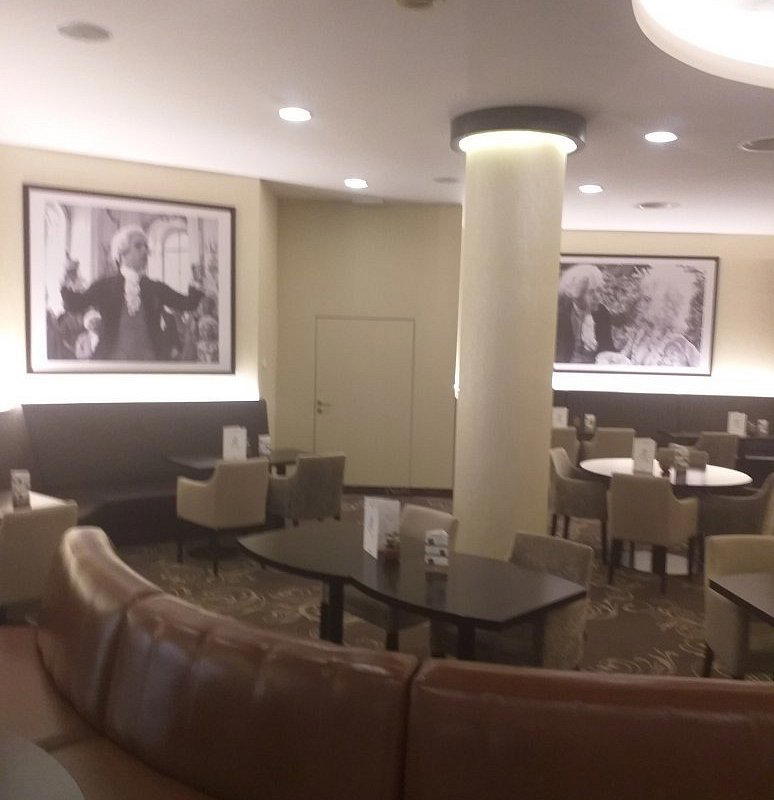
A Lobby Bar in Prague's Most Characterful District
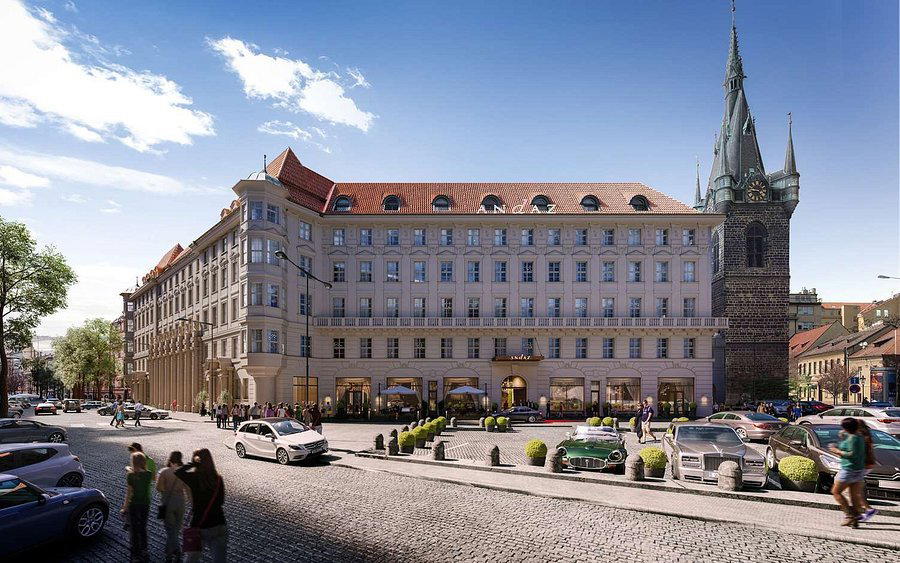
Prague's bar scene has split cleanly along two lines: the theatre-forward venues clustered in the first and second districts, where elaborate concepts and celebrity bartenders compete for tourist attention, and a quieter tier of neighbourhood-anchored spots that have grown up alongside the residential communities of Vinohrady and Žižkov. Amadeus Café Bar sits in the latter category. Its address on Vinohradská, on the Prague 3 side of the Žižkov border, places it inside one of the city's most historically layered neighbourhoods, a district where the density of independent wine bars, old-school pivnice, and corner cafés is higher than almost anywhere else in the city. That context matters when assessing what a lobby bar here is actually competing against, and what it needs to offer to hold its ground.
Lobby bars in residential districts operate under a different contract than hotel bars in tourist corridors. The audience is not a captive hotel guest killing time before dinner; it is a local population that has strong opinions and equally strong alternatives within walking distance. For a bar on Vinohradská to earn repeat visits from that audience, the drinks programme and the physical environment both need to justify the stop over the neighbourhood's other options.
The Back Bar as Editorial Statement
In cities where cocktail culture has matured beyond the classic era revival, the composition of the back bar functions as an argument. What a venue chooses to stock — and how those bottles are organised and presented — signals its position in the drinks conversation more clearly than any printed menu claim. Prague has reached that point of maturity. Bars like Alcron Bar in the city centre and Almanac X Alcron Prague have established a benchmark for spirits curation that the broader city is now measured against. Even the theatrically minded AnonymouS Bar demonstrates, through its own idiosyncratic format, that Prague drinkers respond to programmes with a clear point of view.
The question for any café bar operating in this climate is whether it presents a curated selection or simply a functional one. Curation implies editorial choices: a preference for craft distilleries over volume brands, an interest in regional Central European spirits alongside the expected international categories, a willingness to hold bottles that move slowly because they are the right bottles to have. Functional stocking, by contrast, fills the well and the speed rail and leaves decisions to price point. The difference is visible in seconds to anyone who knows what they are looking at.
Czech spirits culture is more interesting than its international profile suggests. Slivovitz and other fruit spirits produced in Moravia and Slovakia carry genuine regional depth, with producers in villages like those around Vrbice demonstrating the kind of terroir-specific character that the broader spirits world has only recently started to appreciate. A back bar that engages with that tradition, rather than defaulting entirely to imported categories, makes a different kind of argument about place. Similarly, the Czech relationship with beer is well-documented, but the country's wine regions, particularly southern Moravia, produce whites and naturals that a thoughtful bar programme can draw on to complement its spirits offering. The Alchemist Club in Mcely is one example of a Czech venue that has built an identity around the intersection of local provenance and international reference points.
The Physical Environment: What Lobby Bars Do Well
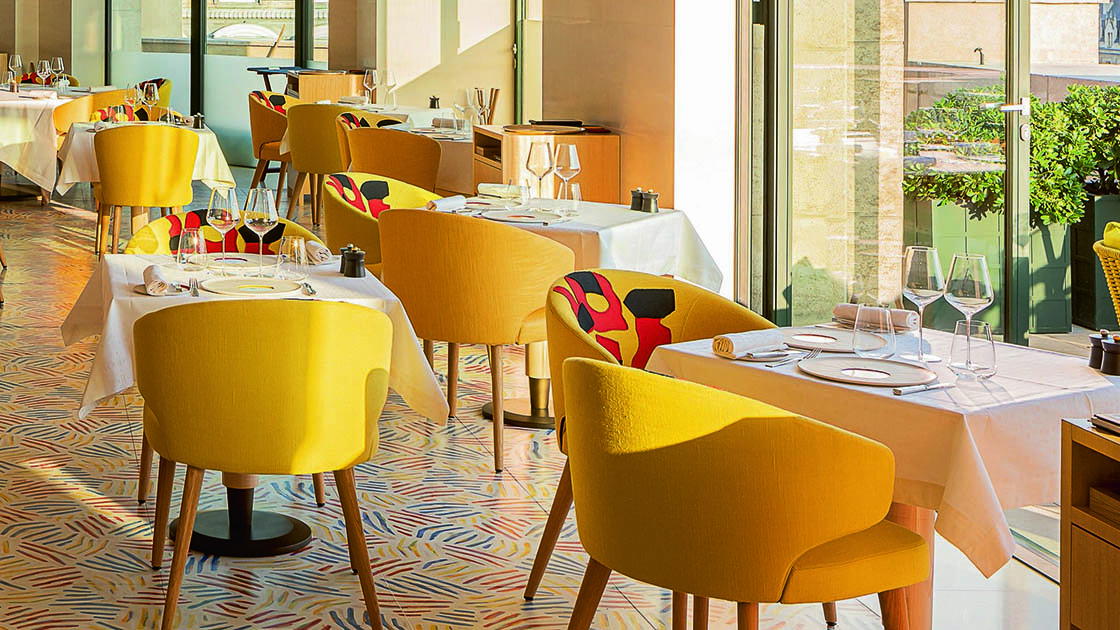
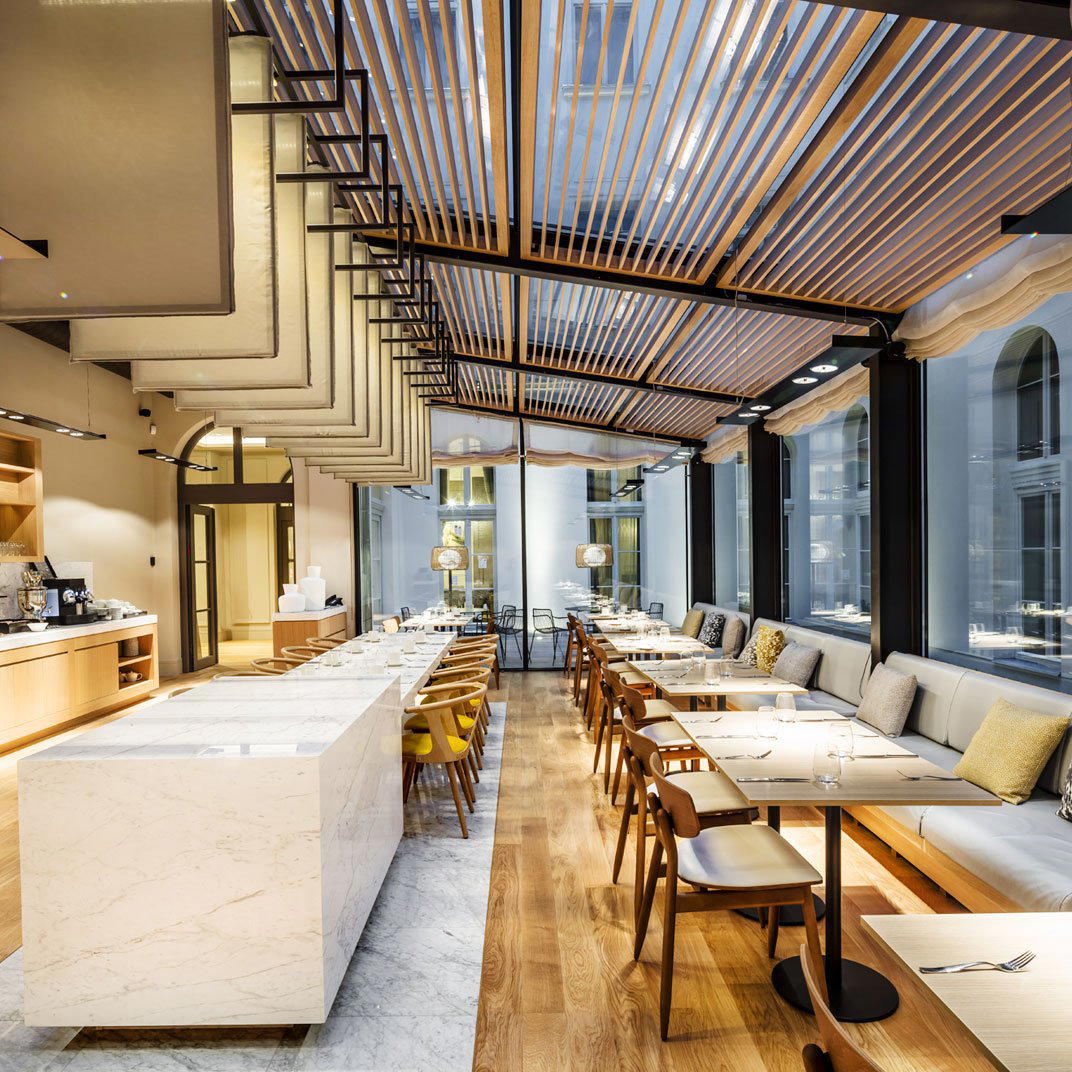
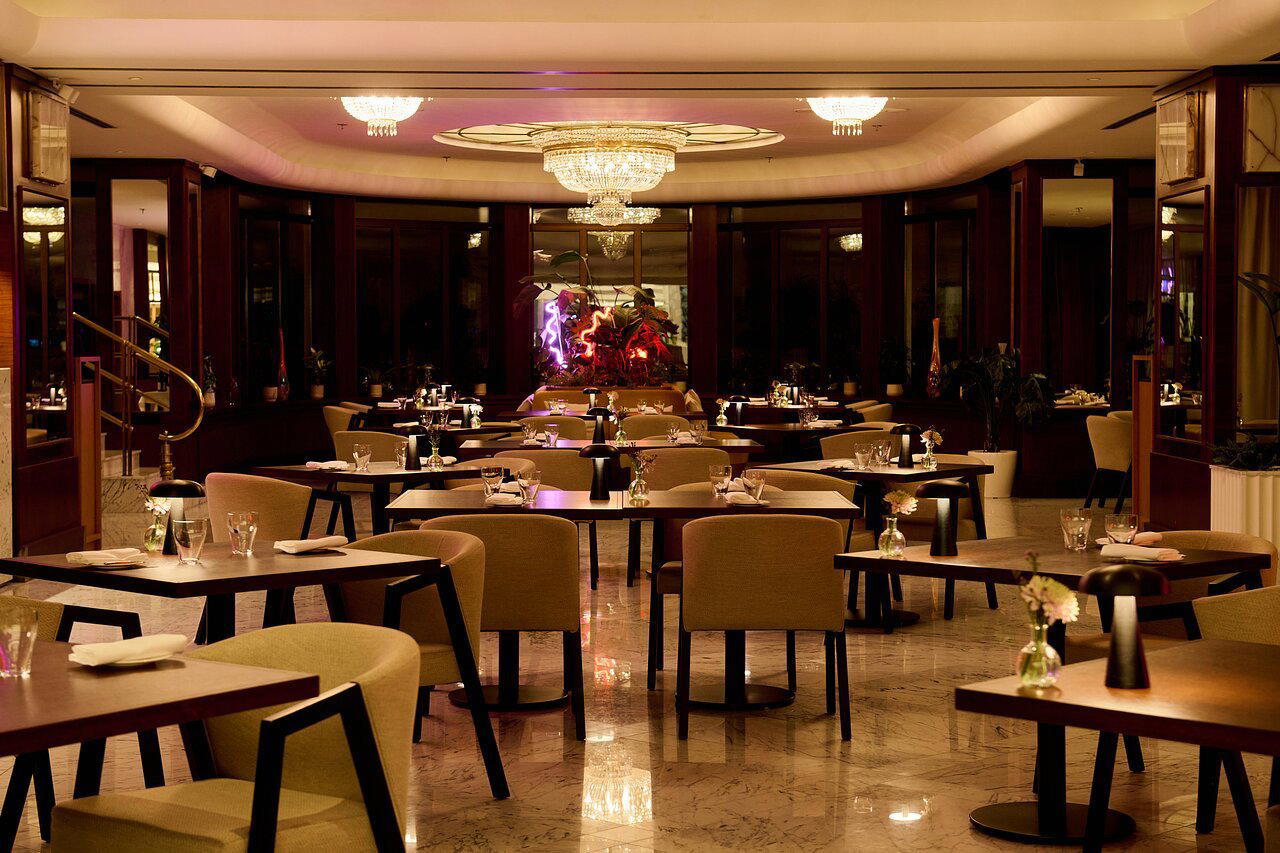
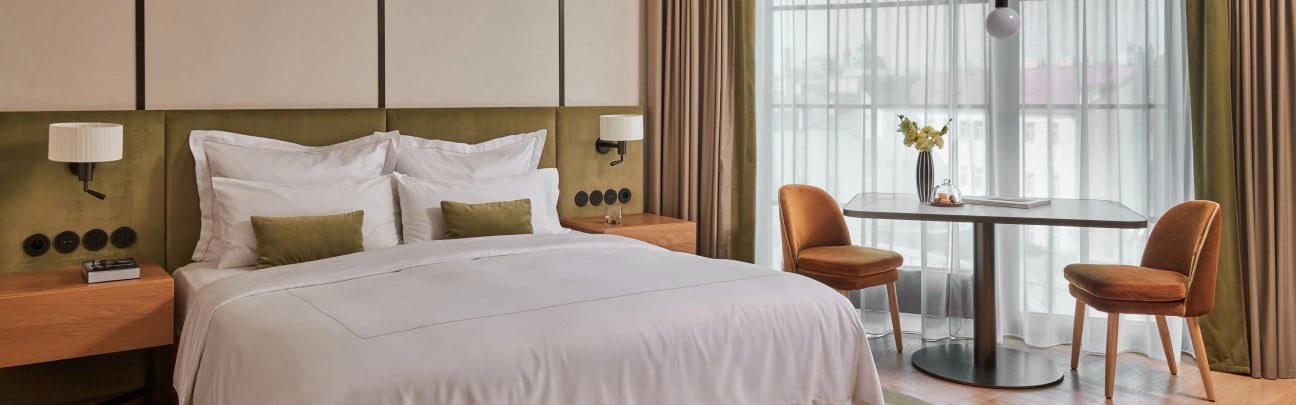
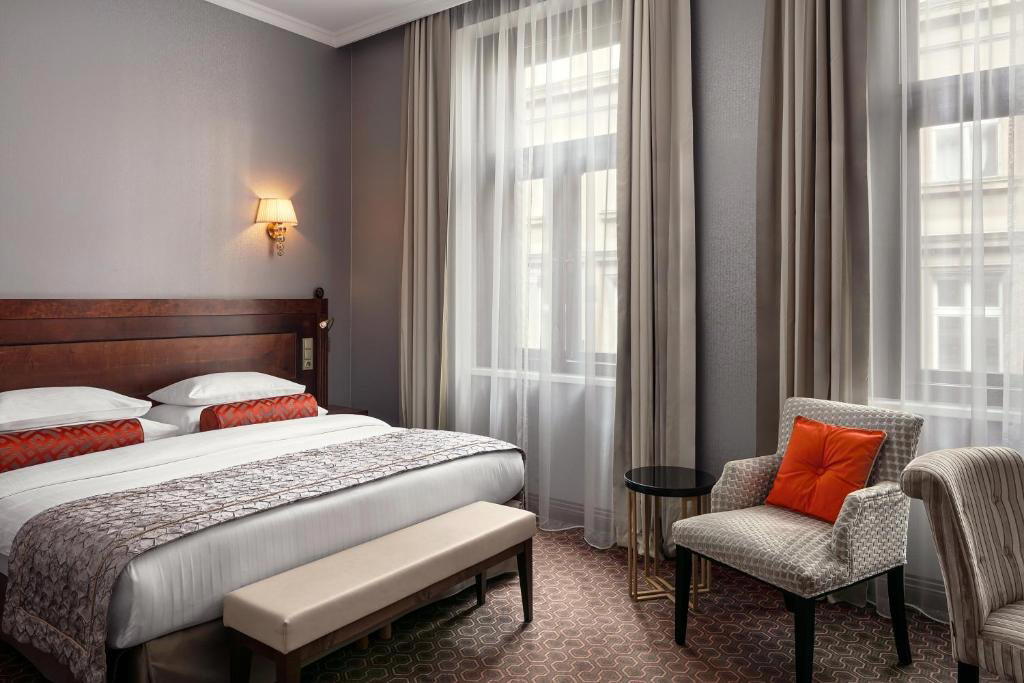
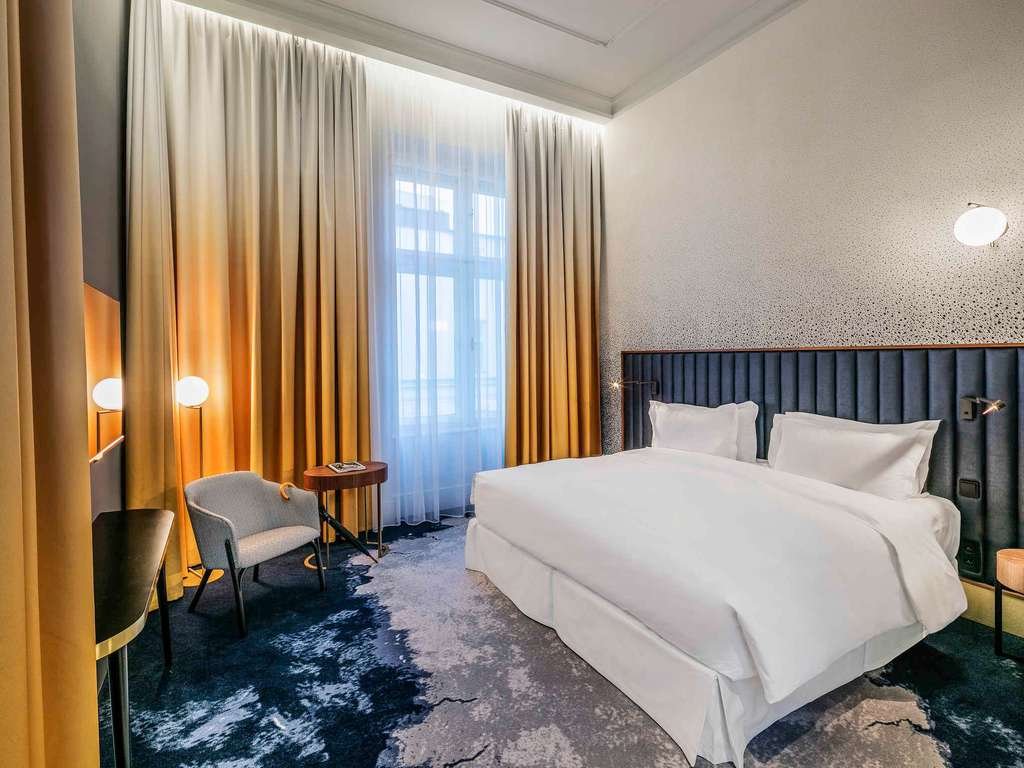
The specific qualities of a lobby bar, when it is well-executed, are distinct from those of a standalone cocktail room or wine bar. The ceiling heights tend to be more generous. The flow between entrance and seating is less compressed. There is usually access to natural light that basements and interior rooms cannot offer. At Vinohradská 2733/157a, the lobby position means the space operates as both a point of arrival and a room in its own right, a dual function that requires a design approach confident enough to serve both purposes without defaulting to purely transitional furniture and lighting.
The leading lobby bars internationally manage this by treating the bar itself as the room's anchor, giving the spirits collection enough visual presence to hold attention and signal to anyone passing through that this is a drinks destination, not a waiting area. Venues like Bar Leather Apron in Honolulu have demonstrated that a rigorously composed back bar and a commitment to technical precision can define a lobby environment as decisively as purpose-built cocktail rooms. The same logic applies in Prague: environment and programme are not separate decisions.
How Amadeus Sits in the Prague 3 Context
Žižkov and the Vinohrady fringe are not where international bar guides typically send their readers, and that has been one of the neighbourhood's persistent advantages. The density of independently operated bars and cafés along the Vinohradská corridor means that venues here have developed without the pressure of competing for tourist footfall. The audience is local, returning, and comparative, characteristics that tend to produce more honest bar programmes than tourist-dependent economics allow.
For comparison, Prague's most internationally recognised bars operate in very different commercial environments. The rooftop format at ABOVE ROOFTOP serves a view-driven audience; its drinks programme earns its keep partly through the physical experience of the setting. A lobby bar on Prague 3 earns its keep through the drink itself and the quality of the hour spent over it. That is a harder test and, arguably, a more honest one.
Broader Reference Points in the Café Bar Format
The café bar format has found its most convincing recent expressions in cities where neighbourhood drinking culture is strongest. Café La Trova in Miami built a critically respected programme around a specific cultural identity without abandoning the accessibility that a café format implies. Jewel of the South in New Orleans demonstrated that historical reference and genuine spirits depth are not in conflict with a relaxed room. Superbueno in New York City and Julep in Houston each show, from different angles, how a clearly stated programme identity allows a bar to hold a neighbourhood position even in competitive markets. The shared lesson is that format clarity and drinks conviction are more durable than concept novelty.
Planning Your Visit
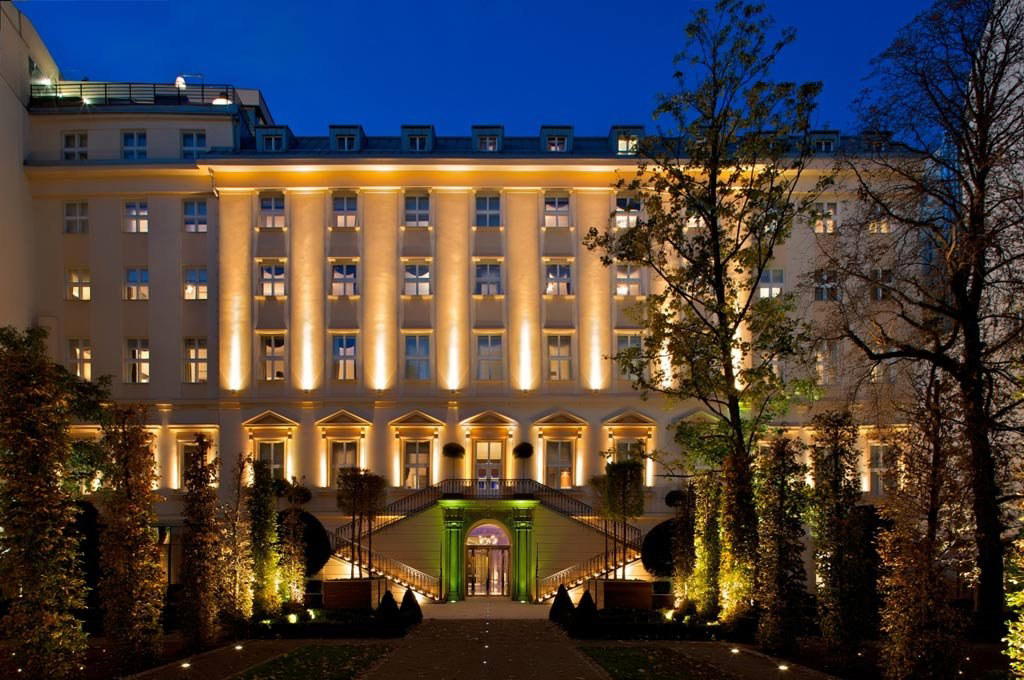
Amadeus Café Bar is located at Vinohradská 2733/157a in Prague 3-Žižkov, accessible from Náměstí Míru or Jiřího z Poděbradů metro stations on Line A, both within a short walk of the Vinohradská corridor. Tram lines running along Vinohradská provide a direct connection from the city centre. No booking data, pricing information, or current hours are confirmed in EP Club's records; arriving without a reservation is the practical approach for a lobby bar of this type, though it is worth confirming hours directly before making a specific journey. For the broader Prague drinking and dining context, see our full Prague restaurants guide.
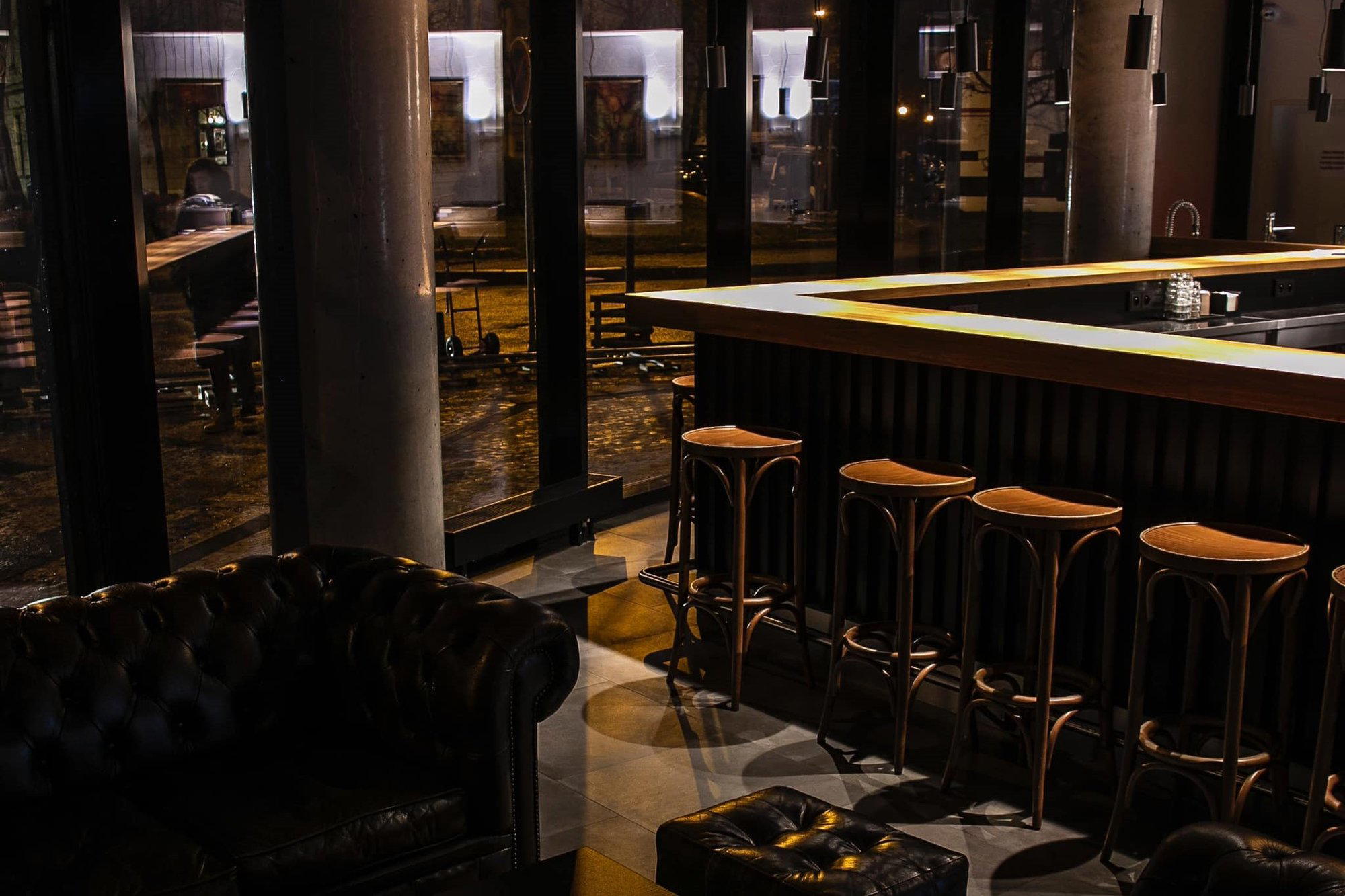
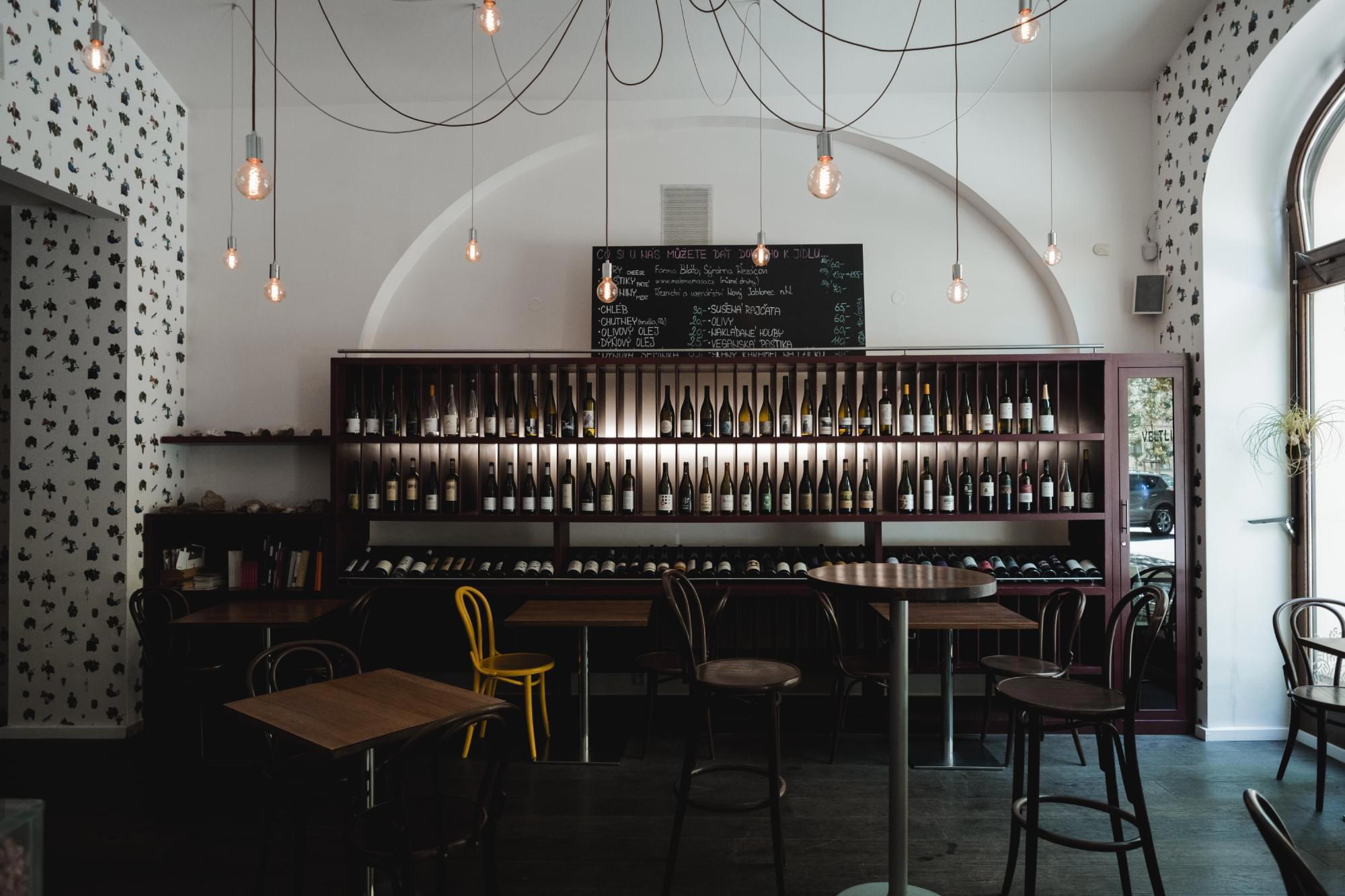
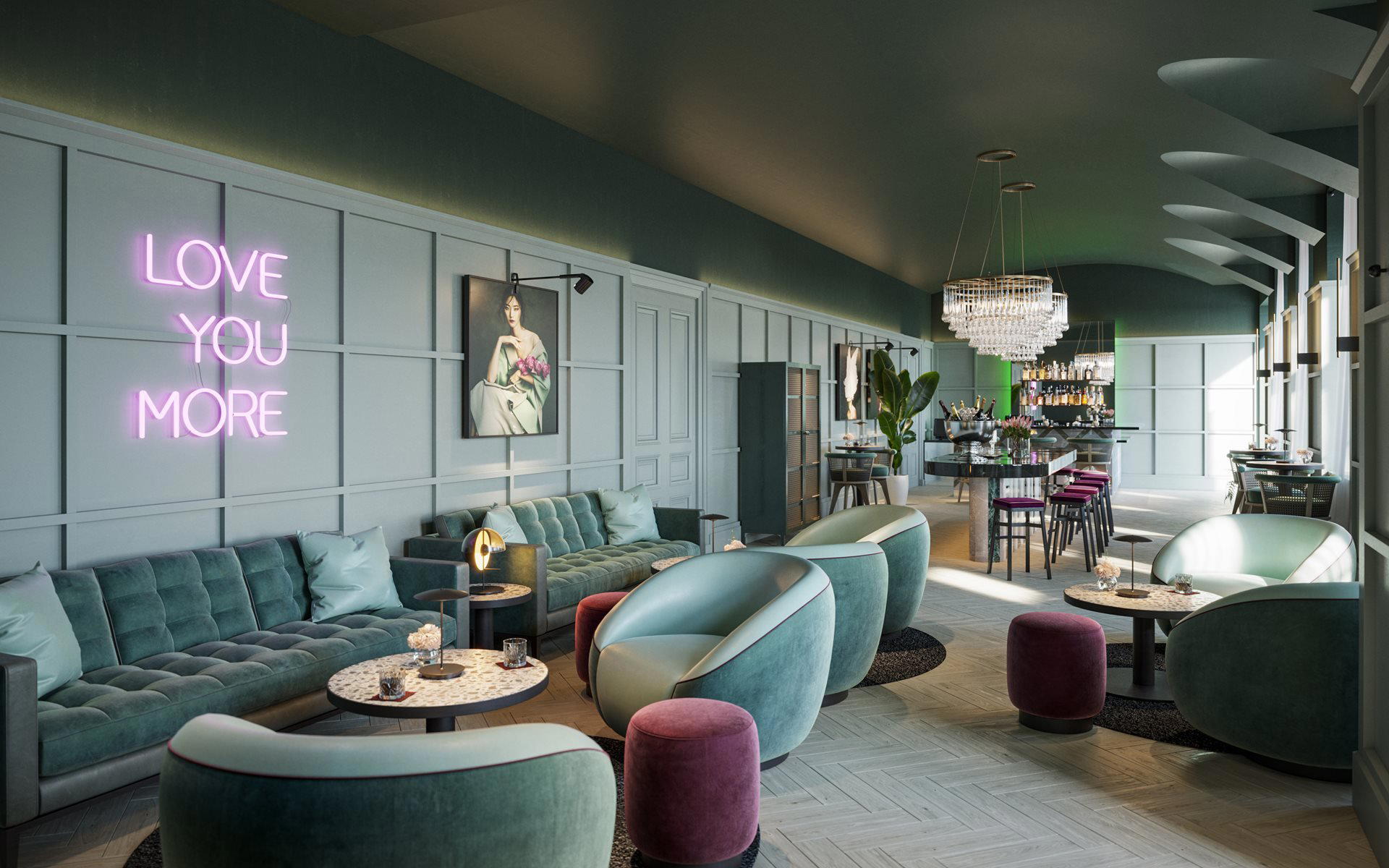
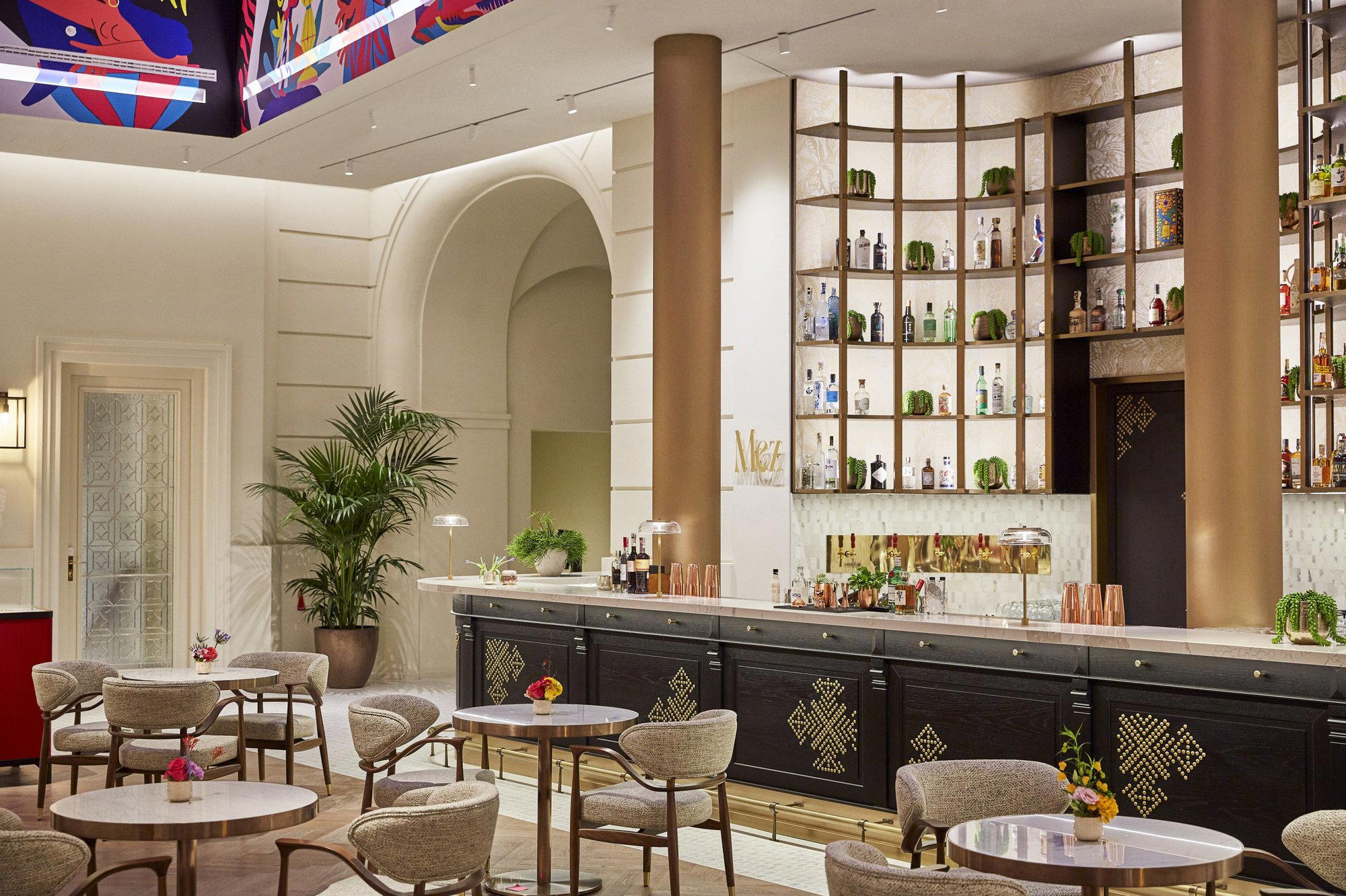
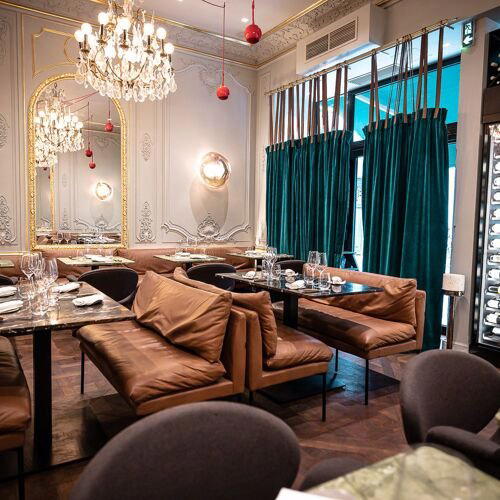
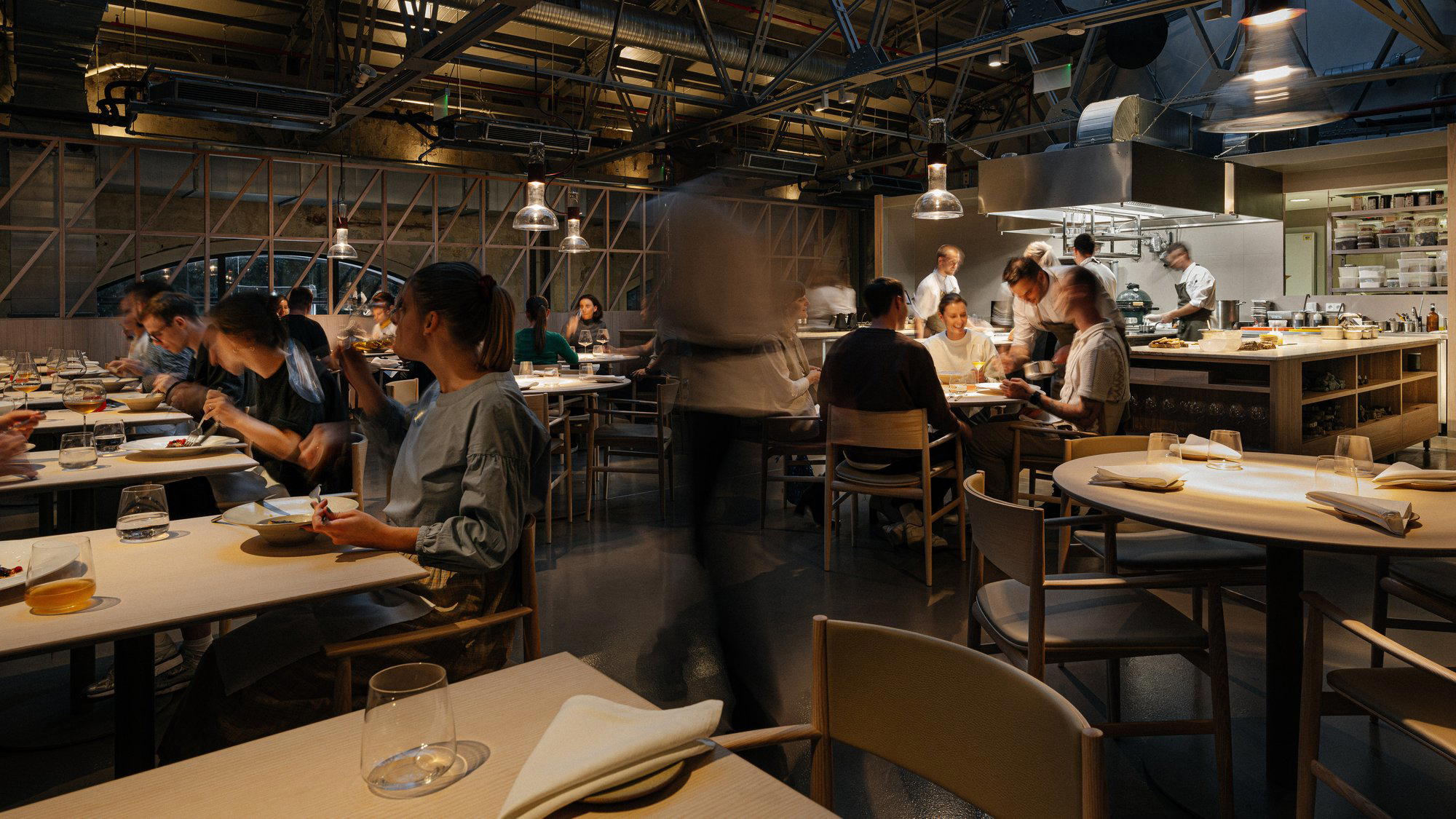
Amadeus Café Bar
The drinks
- Classic cocktails
Signature drinks: Slivovice.
Details
- Classic
- Late Night
- Casual Hangout
- Live Music
- Hotel Bar
- Lounge Seating
- Classic Cocktails
Current opening hours
- Monday
- 8 AM–1 AM
- Tuesday
- 8 AM–1 AM
- Wednesday
- 8 AM–1 AM
- Thursday
- 8 AM–1 AM
- Friday
- 8 AM–1 AM
- Saturday
- 8 AM–1 AM
- Sunday
- 8 AM–1 AM
Hours can change for holidays and private events. Last verified .
Friendly and relaxing atmosphere well-suited for unwinding after a day in the city.