Café Rincón
Our verdict
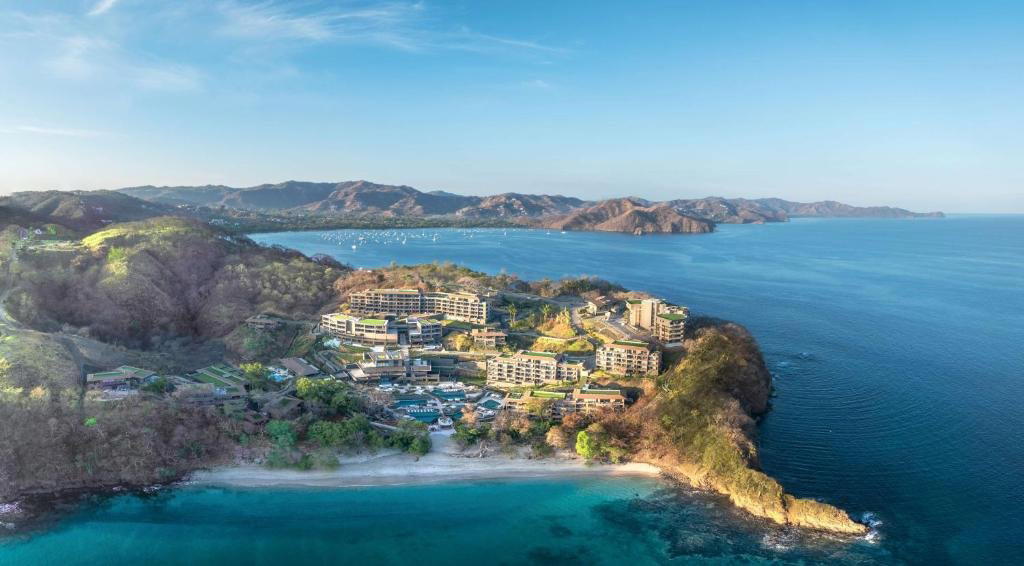
Café Rincón belongs to Guanacaste’s resort-corridor dining scene, where the strongest meals tend to read through produce, seafood, heat, and the rhythms of a dry-forest coast rather than formal tasting-menu theatre. Its Peninsula Papagayo setting makes it a useful reference point for travelers comparing casual Costa Rican cooking, hotel-adjacent restaurants, and ingredient-led regional tables across the province.

Pearl is the En Primeur Club membership app — saves, bookings, and concierge access live there. Same editors, same standards.
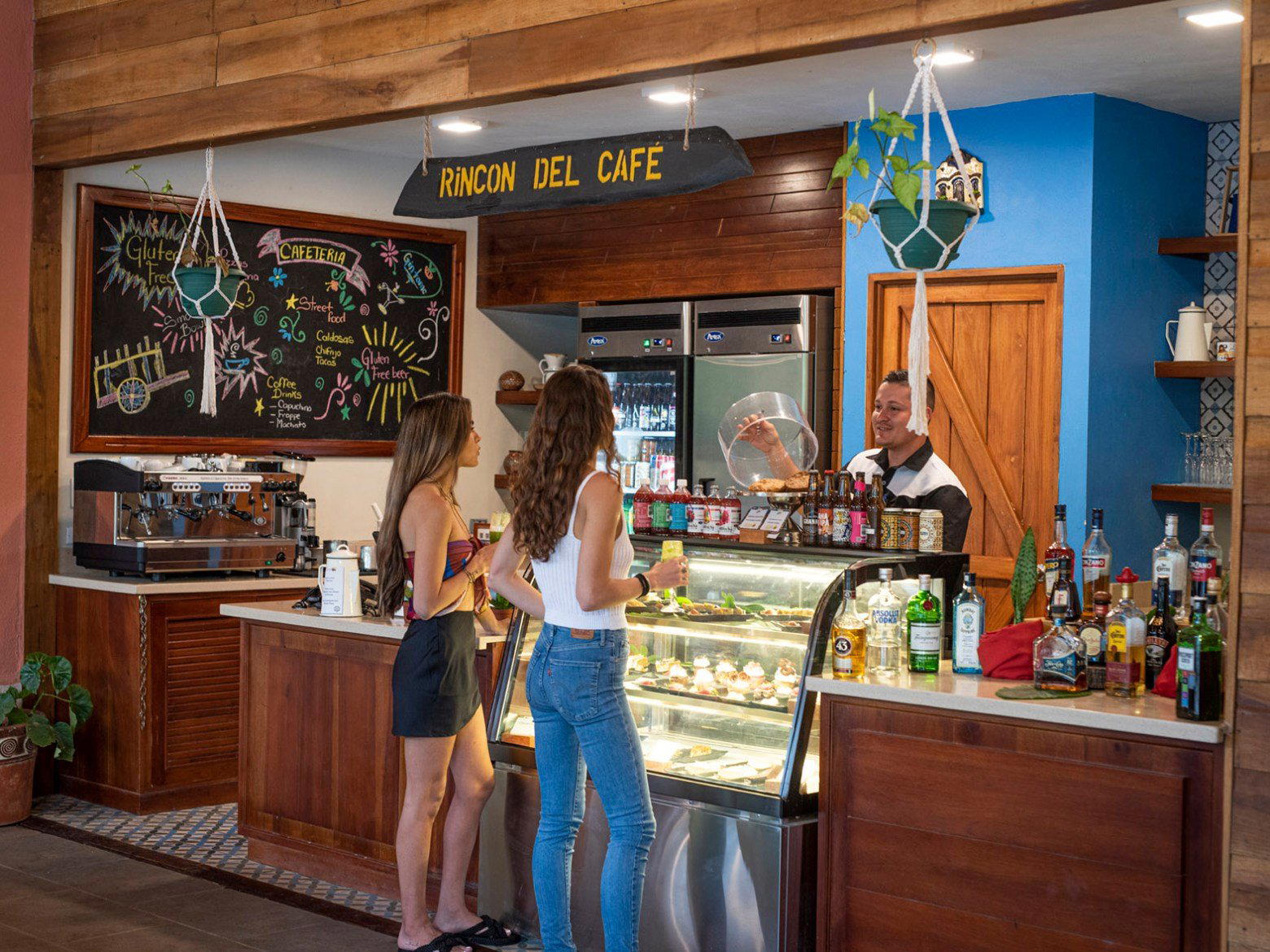
The menu
What to order
- Farm-to-cup Costa Rican coffee flights
- Coffee cocktails such as the Carajillo
- Artisan chocolate and cacao-based desserts
- French-influenced pastries
Approaching Guanacaste, the dining mood changes before the menu does. The province asks travelers to think less in terms of urban ceremony and more in terms of pace, climate, shade, timing, and the practical question of what a restaurant can express in one of Costa Rica’s major coastal travel regions. Café Rincón sits inside that conversation rather than outside it: a Guanacaste address where the point is less spectacle than the relationship between place, format, and the kind of meal that makes sense during a stay in this part of the country.
Guanacaste dining works when the setting stays legible
Guanacaste is not San José with a beach attached. The province has its own travel logic, shaped by coastal movement, resort stays, road days, and the sharper rhythms of Costa Rica’s northwest. In visitor zones, that local grammar can sometimes get softened into broadly international hospitality. The more interesting tables keep the region visible: a sense of place, a practical understanding of climate, and cooking that does not feel forced into a metropolitan template.
That is the lens through which Café Rincón is useful. Rather than leaning on a long public mythology, the editorial question becomes simpler and more honest: does the meal help a traveler read Guanacaste better? In this part of the country, context matters because distance, timing, and heat are felt quickly. A restaurant that feels grounded in the region reads differently from one built only around imported luxury cues. The province rewards restraint: clarity, confident pacing, and an understanding that a relaxed meal can still feel considered.
Guanacaste also changes the comparison set. Restaurants here serve visitors who may be moving between beach clubs, hotel dining rooms, regional bars, and casual cafés in a single stay. Nearby Guanacaste references such as Brisa, Mirador, Niri Beach Club, and Paruro occupy the same broad regional orbit, but the decision is rarely about chasing a formal hierarchy. It is about matching format to appetite: a relaxed daytime meal, a polished dinner, a view-led stop, or a quieter pause between the beach and the road.
The Guanacaste context favors relaxed precision over ceremony
Luxury travel in Guanacaste has become increasingly segmented. There are hotel restaurants designed for long-stay convenience, beach venues built around atmosphere, and smaller café formats that work because they do not overplay the occasion. Café Rincón fits the latter reading. The name signals informality, and the Guanacaste setting places it closer to the traveler’s daily rhythm than to destination dining built around awards, tasting menus, or chef biography.
That distinction matters. A café in this setting has a different job from a capital-city restaurant. It should make sense after a morning out, before an afternoon drive, or as a lower-friction alternative to a full resort dinner. Guanacaste’s climate rewards menus that feel alert rather than heavy; the stronger dining experiences in the region tend to balance comfort with freshness and ease. When evaluating a place like this, formal recognition is less meaningful than the fit between format and location. Not every worthwhile meal in Costa Rica announces itself through awards infrastructure.
Travelers building a wider Costa Rica itinerary can use it as one stop in a broader map of regional contrasts. Guanacaste’s coastal style differs from other urban, surf-town, rainforest, and volcano-adjacent dining rooms elsewhere in the country. The country’s dining identity is not singular; it changes with altitude, coast, tourism density, and access to local networks.
How to place it in a Guanacaste itinerary
The strongest reason to consider Café Rincón is contextual rather than trophy-driven. It gives Guanacaste travelers a grounded dining option in a province where many meals are filtered through resort expectations. The address places it within Guanacaste, so it is better read as part of a day’s movement through the region than as a standalone pilgrimage.
For planning, think in clusters. Compare casual restaurants and coastal formats through Our full Guanacaste restaurants guide, then widen the itinerary with Our full Guanacaste hotels guide, Our full Guanacaste bars guide, Our full Guanacaste wineries guide, and Our full Guanacaste experiences guide. Within the restaurant set, Café Rincón and other Guanacaste dining rooms help show how broad the province’s casual-to-polished spectrum has become.
Readers extending beyond Costa Rica can also use the contrast productively. Other Pacific-region restaurants and international city dining rooms show how place-specific hospitality works across different cultures. The lesson carries back to Guanacaste: the better meal is not the one with the loudest luxury language, but the one that understands its setting, climate, and audience.
For families, couples, and resort-based travelers, the practical appeal is low friction. The restaurant’s value is in matching Guanacaste’s pace: unfussy enough for a day built around beaches and drives, specific enough to keep the province visible in the experience. In a region where imported polish can flatten local character, that is the more useful measure.
Frequently asked questions
Is Café Rincón good for families?
The Guanacaste address suggests a practical stop for mixed groups rather than a highly formal dining room. It reads as the kind of place families can consider without planning the entire day around a rigid destination-restaurant format.
Is Café Rincón better for a quiet night or a lively one?
Café Rincón is in Guanacaste, which points more toward a relaxed meal than a late-night room. The listing does not establish a bar-led or entertainment-focused identity, so a quieter dinner is the safer expectation.
What part of town is Café Rincón in?
Guanacaste.
How far ahead should I plan for Café Rincón?
There is no reservation policy, hours, or price range listed for Café Rincón, so planning should start with its Guanacaste location and your wider regional itinerary. For peak-season travel, it is sensible to leave room in the schedule rather than rely on a last-minute opening.
What is Café Rincón known for?
The clearest identifier is the location itself: Guanacaste. That places Café Rincón within one of Costa Rica’s major coastal travel regions, where convenience and setting can carry as much weight as a formal chef profile.
Can Café Rincón accommodate dietary restrictions?
Those details are not published. In Guanacaste, the safest approach is to confirm needs in advance when arranging the meal. Check the venue's official channels for the latest details.
A Quick Peer Check
Comparable venues by cuisine and price in the same metro.
| Venue | Cuisine | Price |
|---|---|---|
| Café RincónThis venue — the venue you are viewing | Costa Rican coffee & cacao café with international light fare | $30–50 |
| Brisa | International cuisine with Mexican and Baja coastal flair | $50–100 |
| Mirador | International | Not listed |
| Niri Beach Club | Portuguese and Iberian Beach Club | Not listed |
| Paruro | Asian-Peruvian Omakase | $30–50 |
Continue exploring
More in Guanacaste
Restaurants in Guanacaste
All restaurants in Guanacaste →
Bars in Guanacaste
All bars in Guanacaste →

Details
- Modern
- Elegant
- Cozy
- Scenic
- Sophisticated
- Casual Hangout
- After Work
- Solo
- Business Dinner
- Group Dining
- Waterfront
- Hotel Restaurant
- Terrace
- Craft Cocktails
- Farm To Table
- Local Sourcing
- Waterfront
- A La Carte
- Coffee
- Cocktails
- Tea
- Vegetarian Friendly
- Vegan Options
- Gluten Free Options
- Kosher
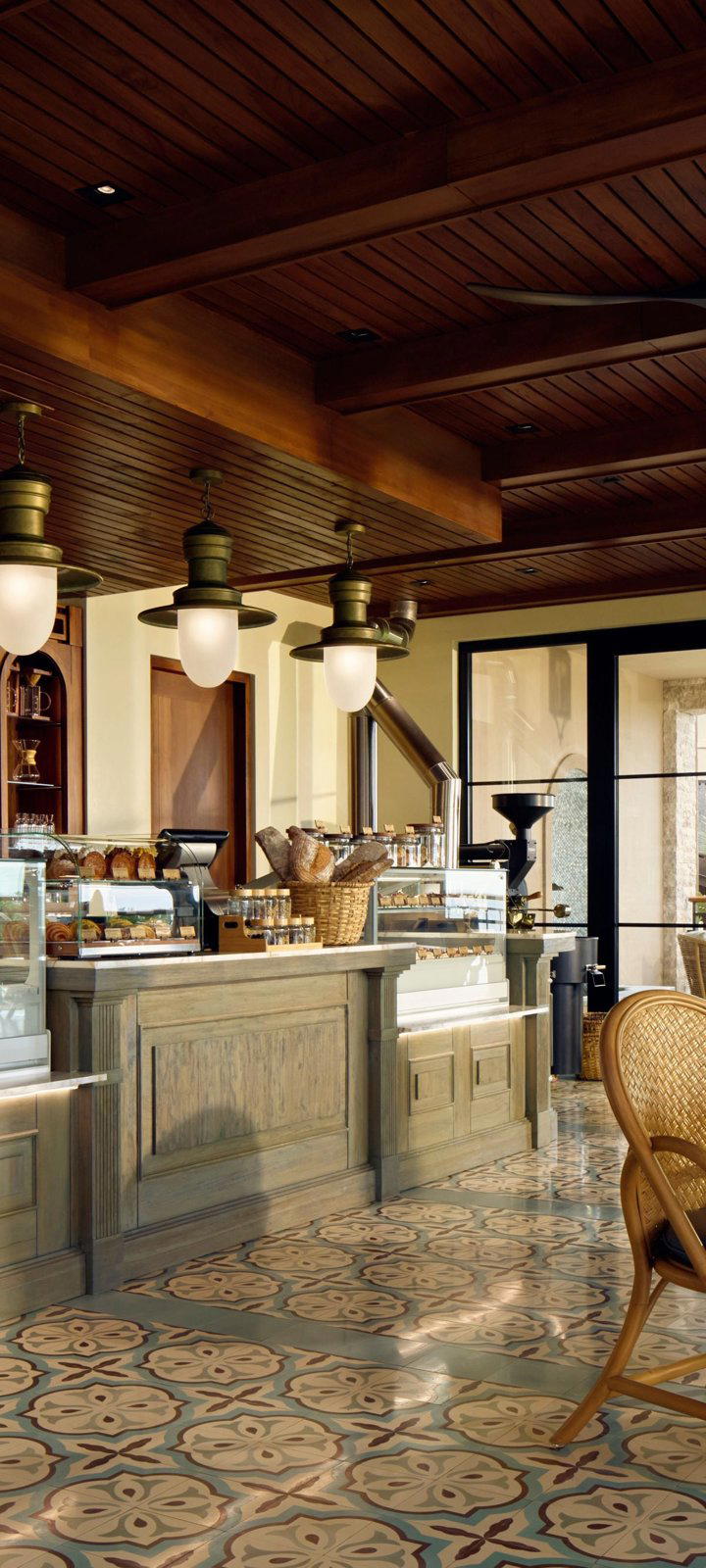
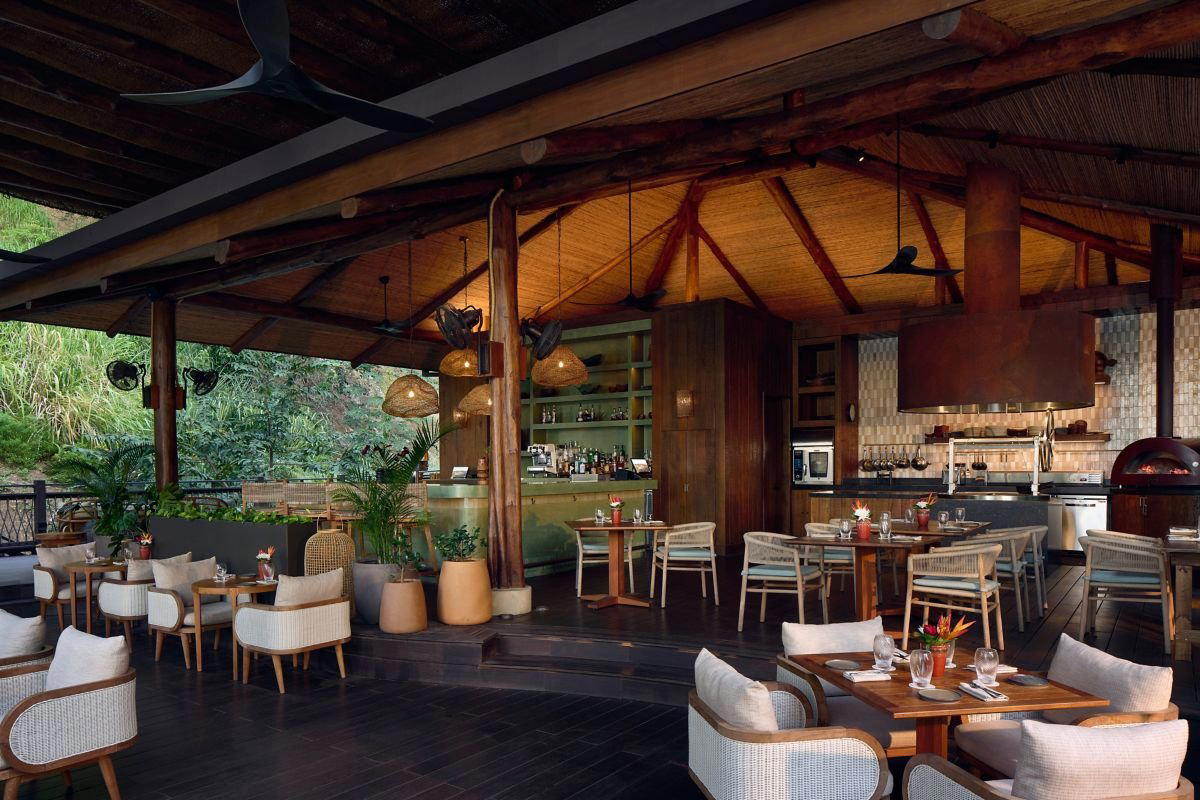
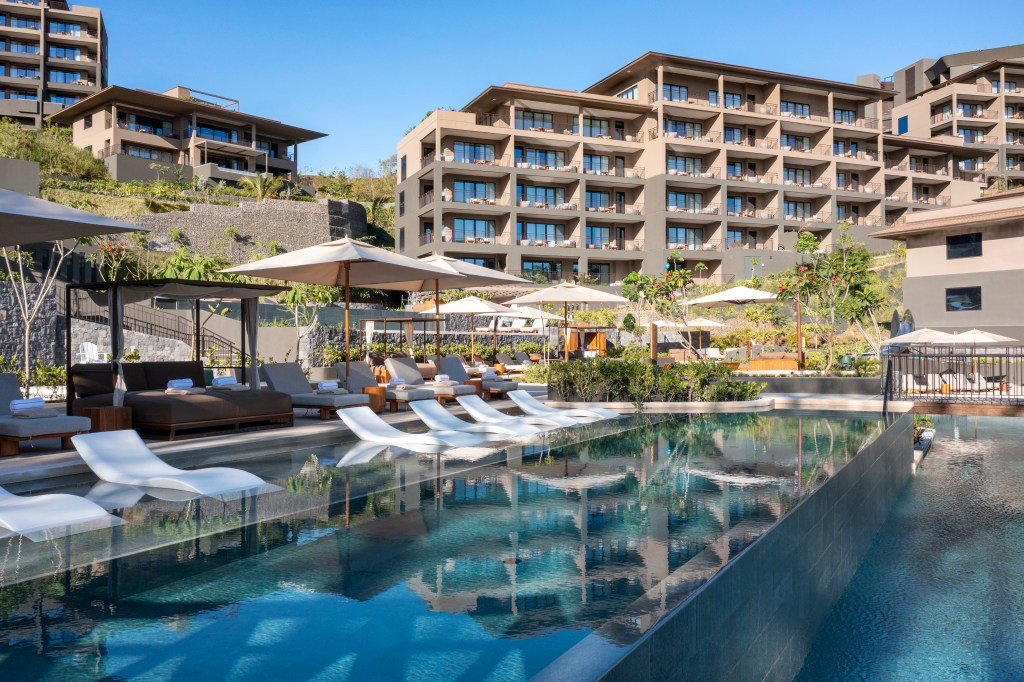
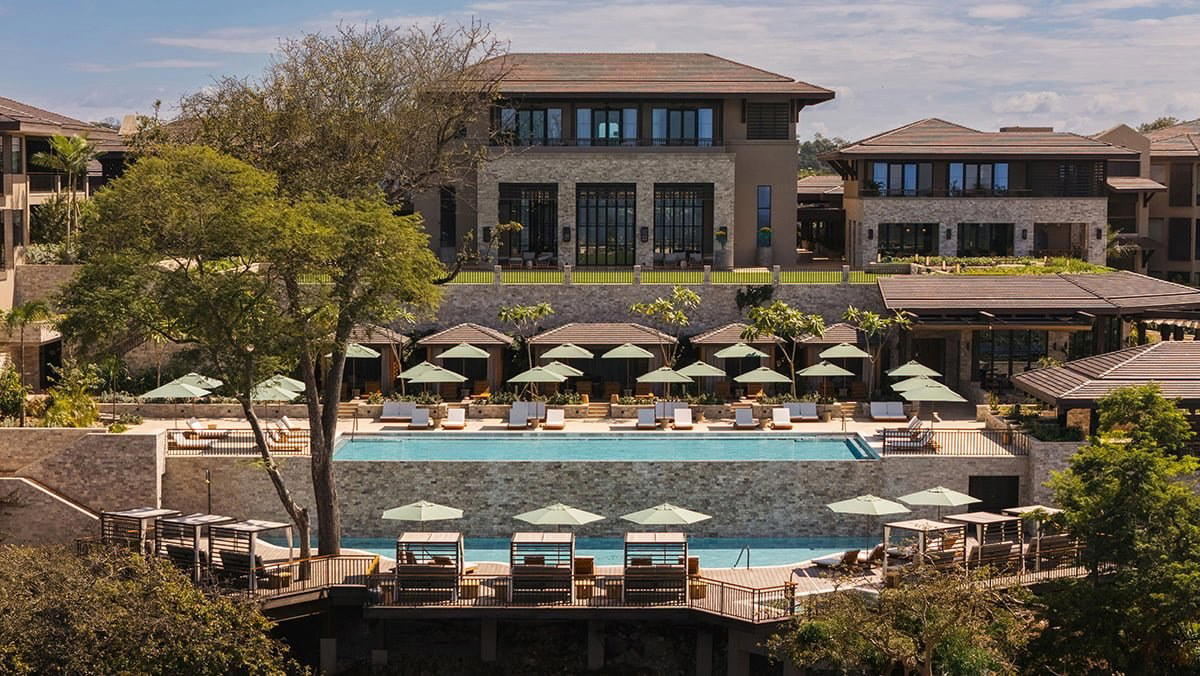
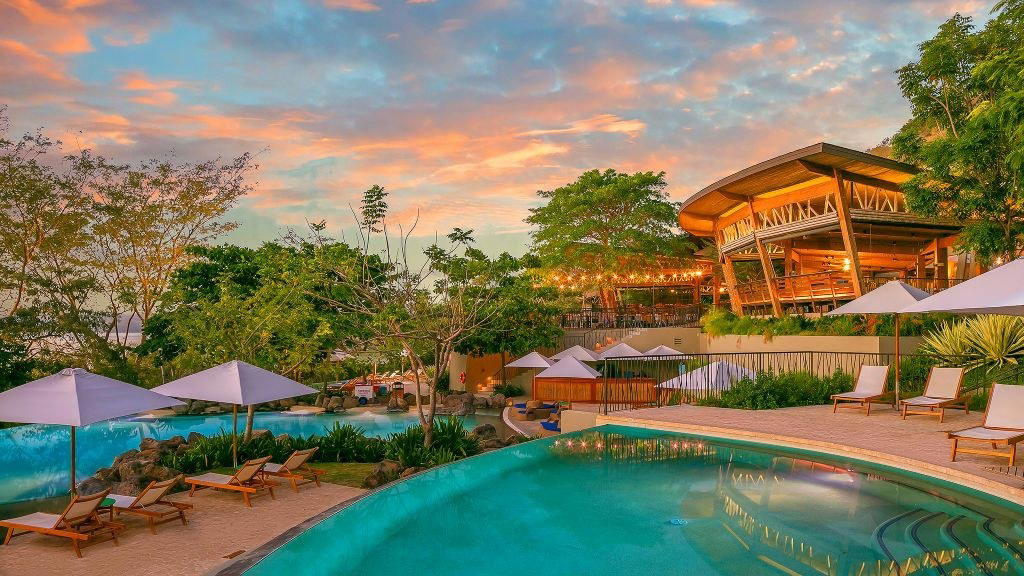
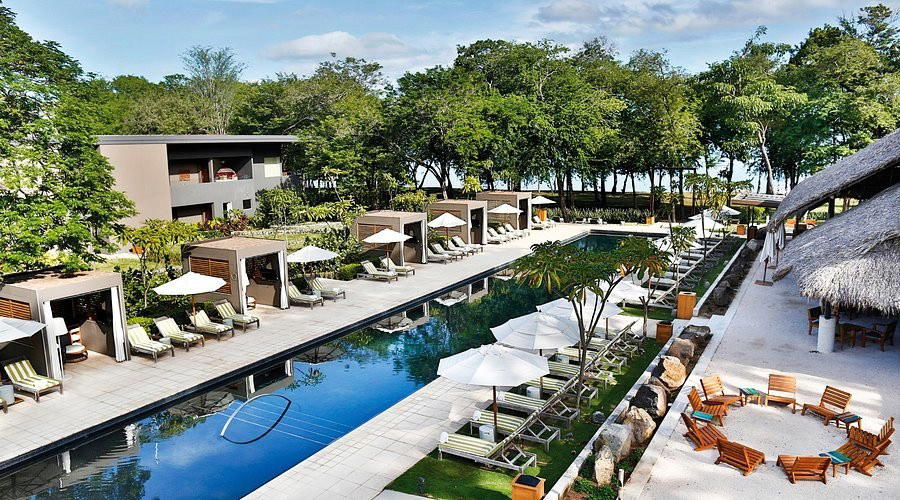
Modern and relaxed hotel‑café atmosphere with comfortable seating, a polished yet casual design, and a calm, conversational vibe where guests linger over specialty coffee, light dishes, and pastries near the marina.