Brisa
Our verdict
Brisa belongs to the Peninsula Papagayo style of Guanacaste dining, where the value of the table depends on proximity to Pacific seafood, tropical produce, and resort-calibre service rather than formal awards theater. The draw is the setting and sourcing logic: coastal Costa Rica expressed through a polished, destination-resort lens.

Pearl is the En Primeur Club membership app — saves, bookings, and concierge access live there. Same editors, same standards.
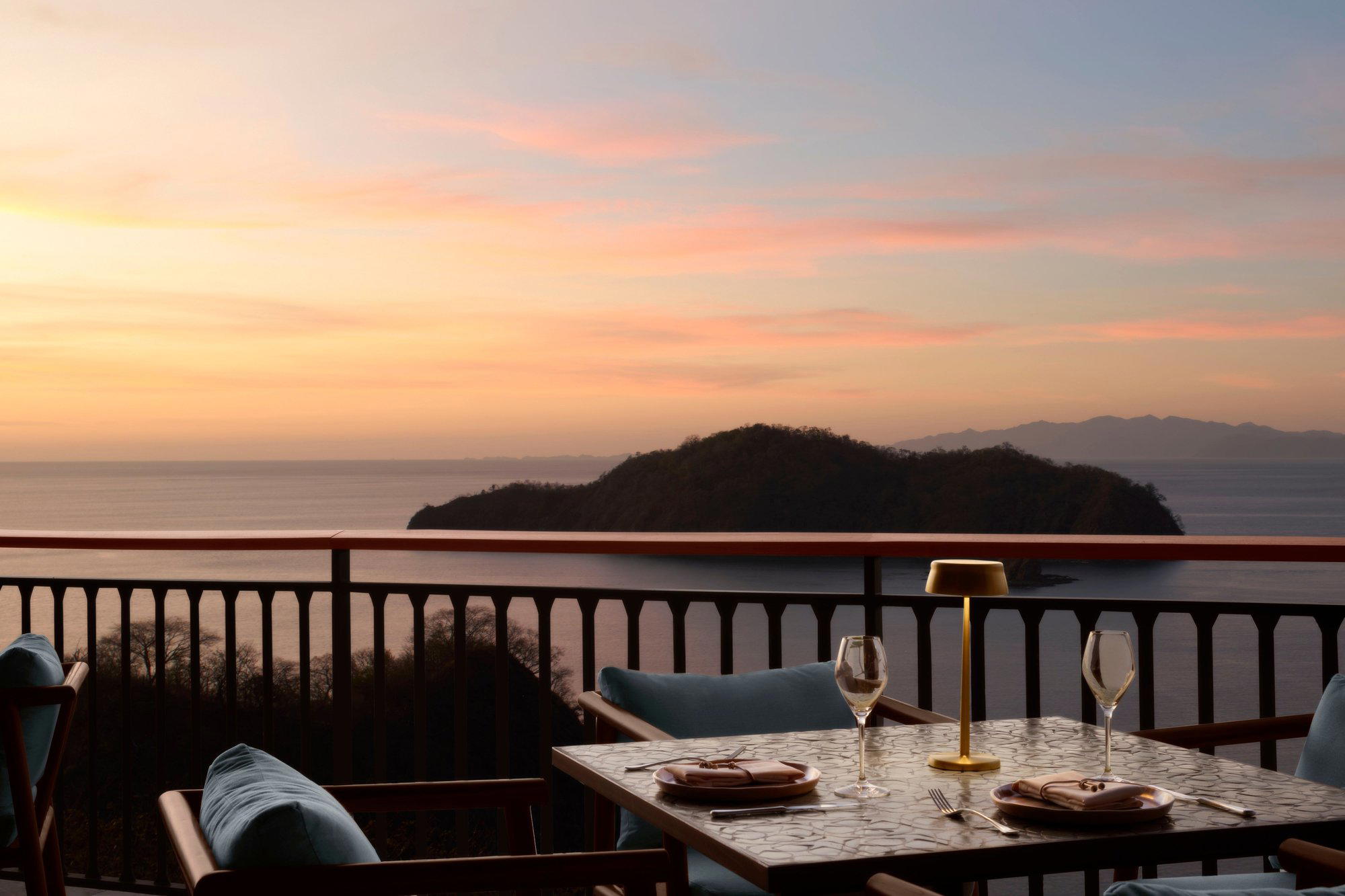
Approaching Guanacaste, the dining mood changes register. Dry-forest hills, sea air, and resort quiet create a context built around ease, views, and a slower pace rather than street life. In that context, Brisa is not competing with urban tasting-menu rooms or market cafés. It belongs to a coastal-resort category where the question is simpler and harder: can a meal feel connected to Costa Rica rather than merely placed in a beautiful setting?
That distinction matters in Guanacaste. The province has become Costa Rica’s shorthand for beach luxury, but its dining identity is split between hotel-led polish, surf-town casualness, and everyday local cooking. Brisa sits at the high-service end of that spectrum. The stronger tables in this corner of the country tend to work when they let the region’s climate, produce, and coastal setting shape the experience rather than using them as decoration. Brisa is best understood through that lens: a resort dining room whose strongest argument is its Guanacaste context.
Pacific ingredients, resort discipline, and the Guanacaste sourcing question
Guanacaste’s cooking is shaped by distance, heat, and seasonality. Restaurants here do not operate with the same rhythms as dining rooms in the capital, and coastal kitchens often depend on the relationship between local supply, regional growers, and hotel procurement systems. That makes sourcing less romantic than operational. A restaurant in this part of Costa Rica has to decide whether it will flatten everything into international resort food or let the region’s materials set the tone.
Brisa sits inside that decision point. Rather than reading it through personality-driven or trophy-led signals, the useful editorial frame is Guanacaste itself: a resort dining environment where service standards are expected to be composed and where menus are often built for international guests who still want a sense of place. That can create tension. The safest hotel menus can drift generic. The more convincing ones use the setting, the season, and the local pantry without turning them into costume.
The comparison within Guanacaste is instructive. Café Rincón points toward the everyday café register, while other Guanacaste dining rooms show how varied the province’s casual-to-polished range has become. Brisa occupies a more insulated lane: less street-facing, more tied to the destination-resort experience, and judged by how well it translates local abundance into a composed meal.
The Guanacaste version of coastal dining is controlled, not improvised
Atmosphere is central here because Guanacaste’s resort tables often sell the setting before the menu has a chance to speak. The appeal is not urban energy; it is space, weather, and the feeling of being removed from busier restaurant corridors. That creates a dining mood that is quieter, slower, and more view-led than Costa Rica’s city dining scenes. Readers looking for a loud, independent neighbourhood room will read the experience incorrectly. This is polished coastal dining in a planned resort style.
That does not make the format less serious. In resort destinations, consistency is a form of craft. The kitchen has to feed guests across different levels of appetite, familiarity, and schedule while preserving a regional point of view. The better version of that format keeps Costa Rica in the foreground through climate-appropriate produce, bright flavours, and enough restraint to avoid turning every plate into a tropical cliché. Without relying on fixed signature-dish expectations, the smarter approach is category-based rather than item-based: look for the parts of the menu that connect most directly to Guanacaste.
For a broader read on the province, use Our full Guanacaste restaurants guide alongside Our full Guanacaste hotels guide, Our full Guanacaste bars guide, Our full Guanacaste wineries guide, and Our full Guanacaste experiences guide. The wider Costa Rica circuit also helps frame the decision: capital-city dining belongs to a different register, other Pacific towns reflect their own rhythms, and inland resort areas sit closer to rainforest tourism than beach-resort dining. Other coastal and international comparisons can be useful for readers measuring how destination dining changes when the ingredient culture and hospitality context shift.
Who should put Brisa on the Guanacaste plan
Brisa makes the clearest sense for travellers already moving through Guanacaste or staying along the province’s resort corridors. It is less useful as a cross-province detour for diners chasing chef-led counter formats, published tasting menus, or award ladders. The better reason to go is contextual: to understand how high-end Guanacaste hospitality interprets a sense of place inside a controlled coastal environment.
The editorial read is therefore practical, not breathless. Choose it when the evening calls for coastal calm, regional context handled with resort discipline, and a setting that reflects Guanacaste’s particular version of Costa Rican luxury. Skip it if the priority is street-level discovery, late-night bar energy, or a room defined by a named chef’s public persona. In Guanacaste, the stronger dining choices are not always the loudest ones; they are the ones that make the province’s setting, climate, and pace feel coherent at the table.
Frequently asked questions
Is Brisa child-friendly?
Brisa is in Guanacaste, which can make it practical for families already staying nearby. Treat it as part of a resort-day itinerary rather than a downtown dinner plan.
What should I expect atmosphere-wise at Brisa?
Expect a resort-side dining room in Guanacaste. The atmosphere is composed and hotel-led rather than street-front or nightlife-driven.
How do I find Brisa?
Brisa is located in Guanacaste.
How far ahead should I plan for Brisa?
Because Brisa sits in Guanacaste, it makes sense to plan it alongside your stay in the wider region. It works best as a scheduled stop within a resort itinerary, especially if your time in the area is limited.
What is Brisa known for?
Brisa is identified as a Guanacaste venue, placing it within Costa Rica's resort dining landscape. The location is its main anchor for travellers moving through the region.
Quick Comparison
Comparable venues by cuisine and price in the same metro.
| Venue | Cuisine | Price |
|---|---|---|
| BrisaThis venue — the venue you are viewing | International cuisine with Mexican and Baja coastal flair | $50–100 |
| Mirador | International | Not listed |
| Niri Beach Club | Portuguese and Iberian Beach Club | Not listed |
| Paruro | Asian-Peruvian Omakase | $30–50 |
| Café Rincón | Costa Rican coffee & cacao café with international light fare | $30–50 |
Brisa
Featured Guides

Continue exploring
More in Guanacaste
Restaurants in Guanacaste
All restaurants in Guanacaste →

Bars in Guanacaste
All bars in Guanacaste →



Brisa
The wine
- Wine program
- Curated wine list
- Craft cocktails
- Zero-proof drinks
Details
- Scenic
- Elegant
- Modern
- Sophisticated
- Romantic
- Energetic
- Date Night
- Family
- Group Dining
- Celebration
- Casual Hangout
- Special Occasion
- Waterfront
- Panoramic View
- Design Destination
- Hotel Restaurant
- Terrace
- Craft Cocktails
- Zero Proof
- Local Sourcing
- Waterfront
- A La Carte
- Small Plates
- Cocktails
- Wine
- Zero Proof
- Vegetarian Friendly
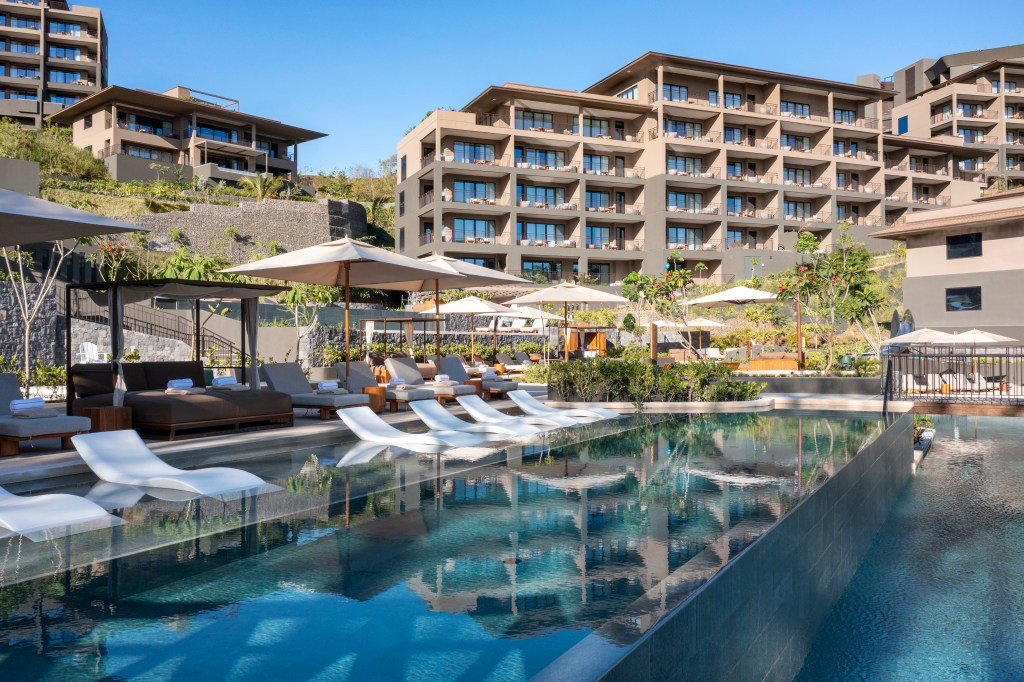
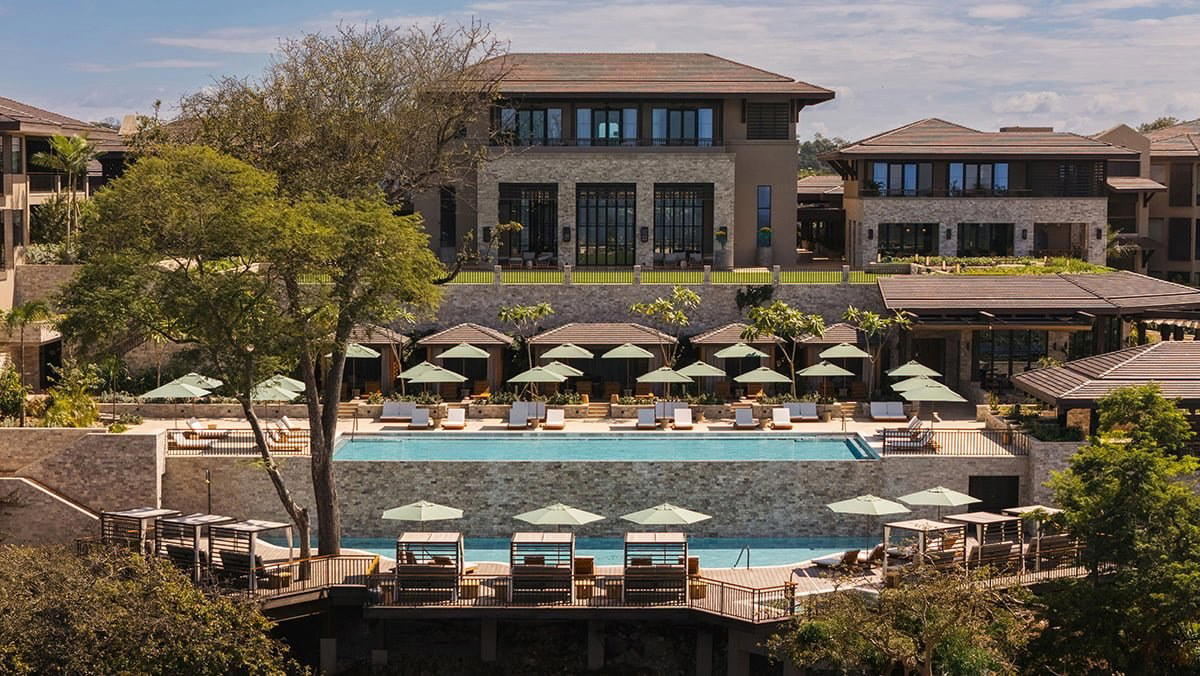
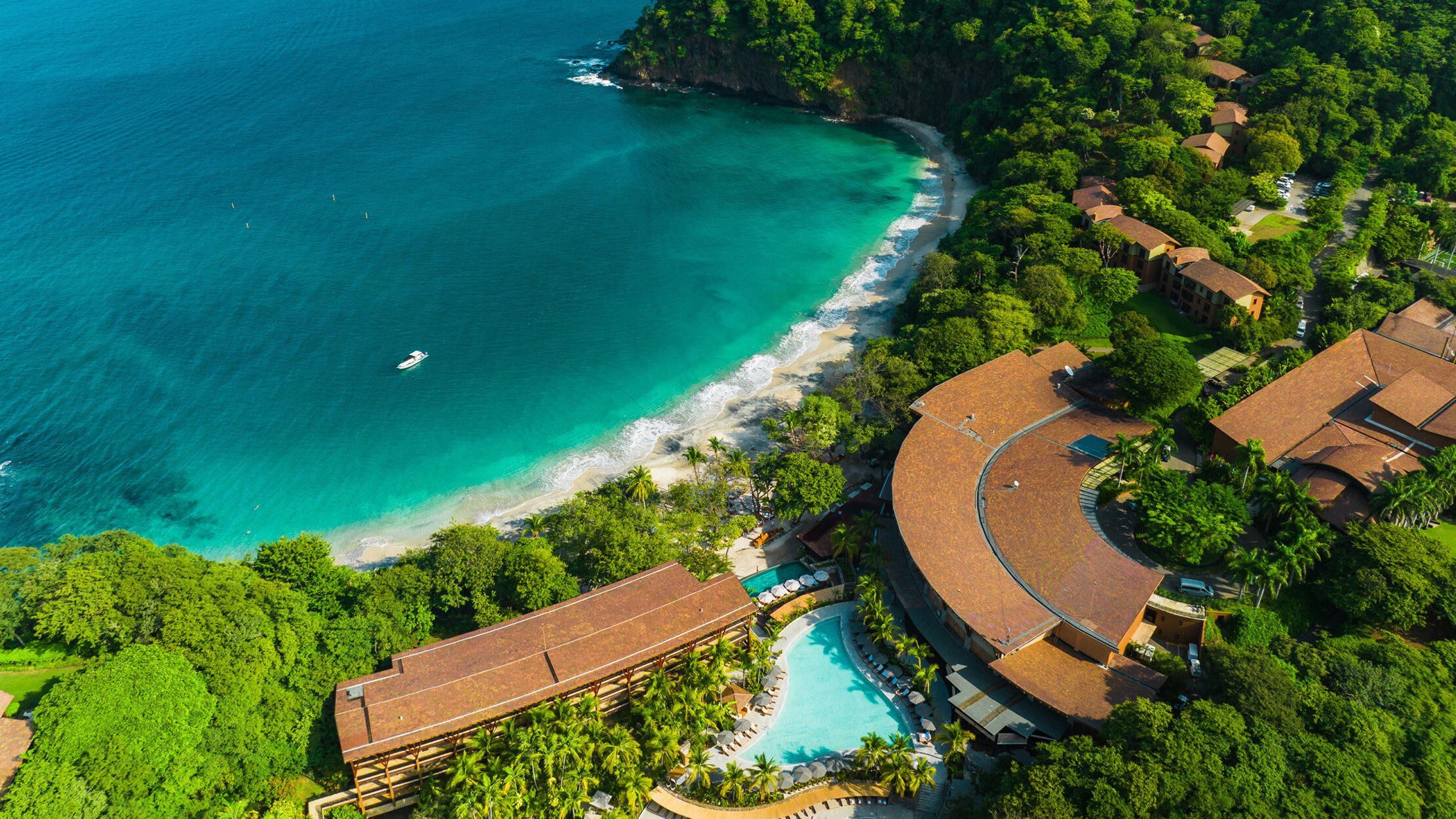
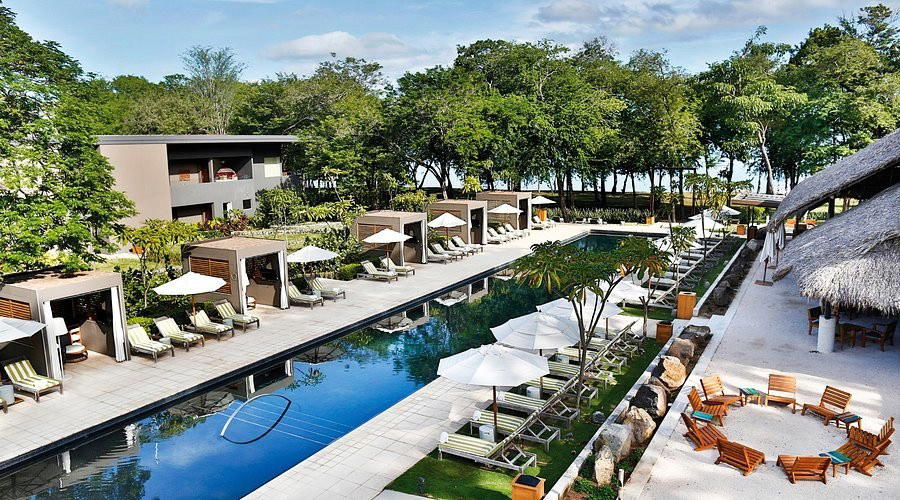
Open-air, resort-style setting flowing along the infinity pools with ocean views; relaxed and breezy by day with poolside cocktails, then more intimate and sophisticated after dark with atmospheric lighting and coastal Baja flavors.