Skip to Main Content
← Collection
Price≈$35
Dress CodeSmart Casual
ServiceUpscale Casual
NoiseConversational
CapacityMedium

Hotel Bars and the African Ingredients Question Johannesburg's cocktail scene has been splitting along a familiar axis: the standalone venues in Braamfontein and Maboneng that compete on technical programmes and bartender personality, and the hotel bars that anchor the northern suburbs and serve a different kind of drinker. Aduna Bar sits in the second category, operating out of the African Pride Hotel at 1 Melrose Square in Birnam, and the tension between those two worlds is worth holding in mind when thinking about what it offers and what it doesn't. Hotel bars in this city have historically struggled with identity. The pressure to serve every guest, from the business traveller running on expense account to the local resident looking for a serious drink, produces menus that hedge. The ones that push through that pressure and commit to a clear creative position tend to find a following. Globally, that shift has often arrived through an ingredients-led approach: bartenders anchoring their programmes in local botanicals, regional spirits, or fermentation traditions that give the cocktail list a geographic signature. In South Africa, that means a growing conversation around fynbos, rooibos, marula, and other plant materials with deep continental provenance, a conversation that venues like Asoka in Cape Town have been advancing in parallel. The Setting at Melrose Square Melrose Square is one of those Johannesburg addresses that signals a certain kind of contained comfort: walkable within the square itself, secure, and oriented around the hotel's footprint rather than a wider neighbourhood character. Arriving at Aduna Bar, you enter through the African Pride Hotel's lobby environment rather than from a street-level door, which shapes the atmosphere before a single drink arrives. The bar occupies hotel space, which means the design register tends toward the polished and the considered rather than the deliberately rough or the experimentally casual. The comparison is useful: northern Johannesburg's premium hotel bar tier trades on consistency and setting over the kind of programme volatility that defines the city's more independent venues. For visitors staying in the area or for residents who want a reliable evening out without crossing the city, that consistency has genuine value. Reading the Cocktail Programme The broader African ingredients movement provides one useful lens for understanding where Aduna Bar sits editorially. Across South Africa, a cohort of bartenders has been building programmes that treat the continent's plant material the way an ambitious wine list treats terroir: as a source of geographic specificity that no amount of imported product can replicate. Rooibos-washed spirits, marula liqueur bases, fermented grain components drawn from sorghum traditions, and bitter botanicals from the fynbos and highveld all appear in programmes across Johannesburg and Cape Town. Hotel bar programmes that engage with this movement credibly tend to do so by anchoring two or three signature serves in local ingredients while maintaining a broader menu that covers the expected international range. The risk of going too far in either direction is real: a list that ignores local ingredients entirely feels disconnected from the moment, while a list that forces the concept on every drink can feel didactic. The programmes that land leading, whether at Jewel of the South in New Orleans or at well-executed hotel bars in Nairobi and Lagos, treat the local ingredient as a naturally occurring feature of the menu rather than a theme applied from above. Standalone cocktail venues in Johannesburg, including Sin + Tax and Great Dane, operate with the freedom to build a programme around a single clear vision. Kitchener's, further into the city, represents a different register again, where the bar's cultural positioning shapes what goes on the menu as much as any ingredient sourcing logic. Mr. Pants Wine Bar pivots toward South African wine as the primary focus. These venues each have a clear answer to the question of what they're for. Aduna Bar's answer is shaped partly by its hotel context, which broadens the brief and distributes the creative focus across a wider range of guest needs. Johannesburg's Bar Geography Understanding Aduna Bar means understanding where Birnam sits in Johannesburg's drinking geography. The city's bar culture does not cluster in a single district the way London's does around Soho or New York's around the East Village. It distributes across a series of nodes, each with its own character: the arts-driven venues of Braamfontein, the neighbourhood bars of Melville and Parkhurst, the premium hotel and development bars of the northern suburbs, and the historically significant but now complex terrain of Hillbrow. Melrose Square belongs to the northern suburbs node, which means its proximity to Sandton's commercial and hotel concentration shapes the kind of crowd that passes through. It draws business travellers, guests of the African Pride Hotel, and residents of the surrounding suburbs who want a bar experience that doesn't require crossing the city. That audience profile tends to favour consistency over experimentation, which in turn influences how ambitious any cocktail programme at this address can realistically be. For comparison, Stellenbosch Wine Bar in Stellenbosch and Vee and Forti in Pretoria both illustrate how premium bar addresses outside Johannesburg's core have built their own distinct identities within their respective cities. The geographic context of a bar, as much as its programme, determines what it can become. Planning a Visit The bar is located inside the African Pride Hotel at 1 Melrose Square, Birnam, which means access is direct for hotel guests and requires a short drive or ride from most of the northern suburbs for those coming from outside. Melrose Square's layout makes it a self-contained destination. Contact details and current hours were not available at the time of publication; checking directly with the African Pride Hotel before visiting is one reliable approach for current operating information. For a broader view of what Johannesburg's bar and restaurant scene offers, the EP Club Johannesburg guide covers the full range across neighbourhoods and price tiers. Those planning a trip that extends to Miami or New Orleans, where the cocktail conversation runs at a comparable level of ambition, may find Café La Trova in Miami a useful point of comparison for what a clearly defined, ingredients-led programme looks like in a different cultural register. Frequently Asked Questions What kind of setting is the bar?The bar occupies the African Pride Hotel at 1 Melrose Square in Birnam, Johannesburg. It operates within the hotel's physical footprint, which positions it in the northern suburbs hotel bar tier rather than among the city's standalone cocktail venues. The setting is polished and contained, oriented toward hotel guests and residents of the surrounding area.What should I drink at the bar?South Africa's broader bar culture has been building programmes around local botanicals and ingredients, including rooibos, marula, and fynbos-derived materials. A hotel bar in Birnam with access to this ingredient pool is leading approached by asking the bartender what they are working with from local sources, as those serves tend to reflect one deliberate part of any programme in this category.What's the defining thing about the bar?Its location inside the African Pride Hotel at Melrose Square defines the frame for everything else: the audience, the atmosphere, and the range of the drinks offering.Should I book the bar in advance?Current booking procedures and contact details were not confirmed at the time of publication. Contacting the African Pride Hotel directly is one reliable route for reservation information, particularly if you are planning to visit during a busy hotel period or over a weekend evening.Should I make the effort to visit the bar?If you are staying at the African Pride Hotel or are based in the northern suburbs and want a bar with a proper hotel address rather than a drive across the city, the bar is a practical and considered option. Those specifically seeking Johannesburg's most technically ambitious standalone cocktail programmes will find that the city's independent venues offer a different level of creative focus.How does the bar relate to the African ingredients movement in South African cocktail culture?South Africa's most discussed bar programmes have been incorporating locally sourced botanicals, distillates, and fermentation traditions as a way of giving their menus geographic specificity. A hotel bar in Johannesburg operating in 2024 sits squarely within that conversation, and the African Pride Hotel's continental branding suggests an alignment with that direction. Venues like Asoka in Cape Town represent how far that approach can go when applied with full creative commitment; the bar's hotel context places it in a more moderated position within the same broader trend.

Pearl is the En Primeur Club membership app — saves, bookings, and concierge access live there. Same editors, same standards.

Plan your visit on PearlPlan Your Visit
Address
The African Pride Hotel, 1 Melrose Square, Birnam, Johannesburg, 2196, South Africa
Phone
+27 82 732 3747
Directions
Get directions
Saves & bookings on Pearl
Aduna Bar bar in Johannesburg, South Africa
About

Hotel Bars and the African Ingredients Question

Johannesburg's cocktail scene has been splitting along a familiar axis: the standalone venues in Braamfontein and Maboneng that compete on technical programmes and bartender personality, and the hotel bars that anchor the northern suburbs and serve a different kind of drinker. Aduna Bar sits in the second category, operating out of the African Pride Hotel at 1 Melrose Square in Birnam, and the tension between those two worlds is worth holding in mind when thinking about what it offers and what it doesn't.

Hotel bars in this city have historically struggled with identity. The pressure to serve every guest, from the business traveller running on expense account to the local resident looking for a serious drink, produces menus that hedge. The ones that push through that pressure and commit to a clear creative position tend to find a following. Globally, that shift has often arrived through an ingredients-led approach: bartenders anchoring their programmes in local botanicals, regional spirits, or fermentation traditions that give the cocktail list a geographic signature. In South Africa, that means a growing conversation around fynbos, rooibos, marula, and other plant materials with deep continental provenance, a conversation that venues like Asoka in Cape Town have been advancing in parallel.

The Setting at Melrose Square

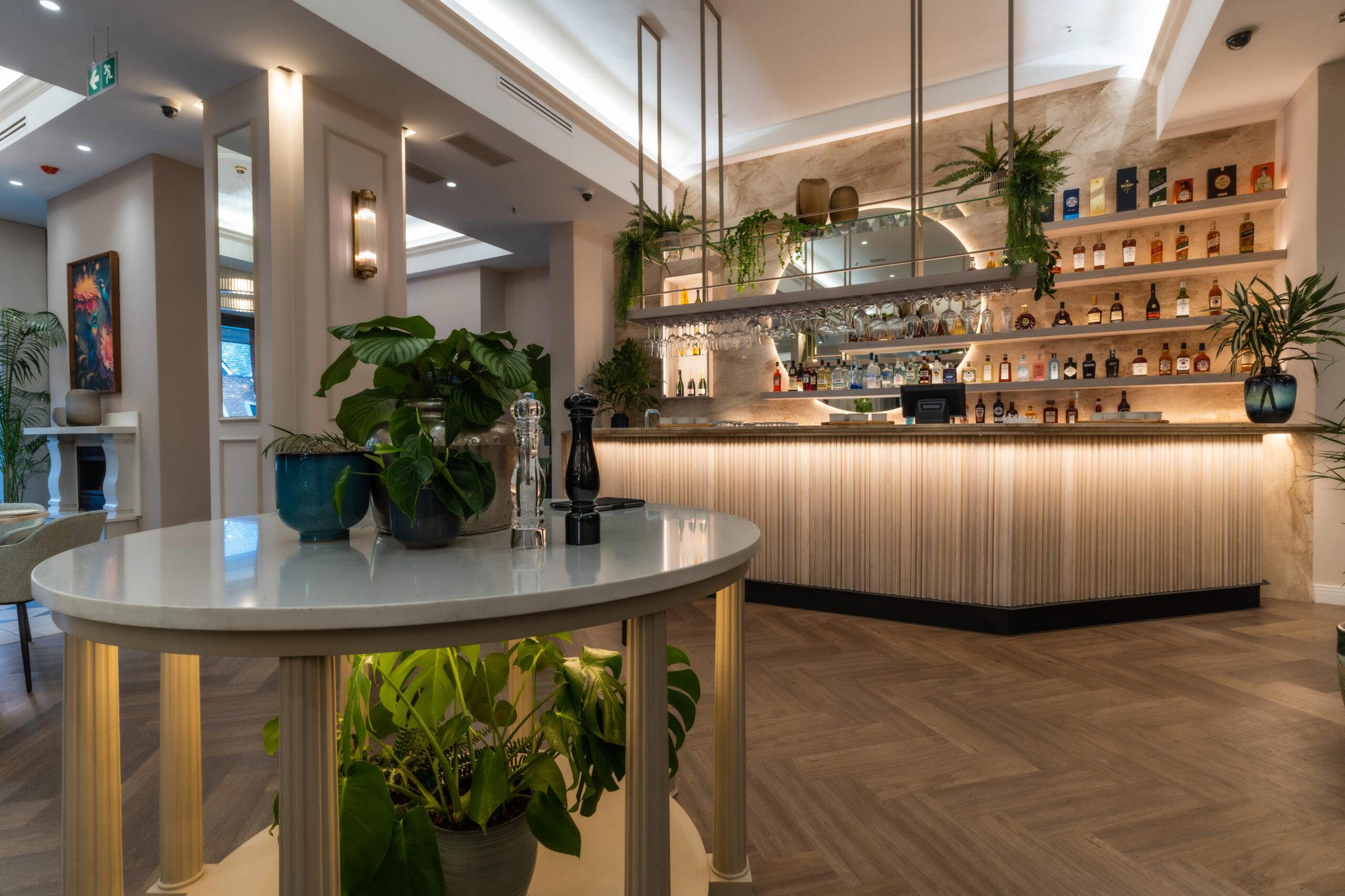
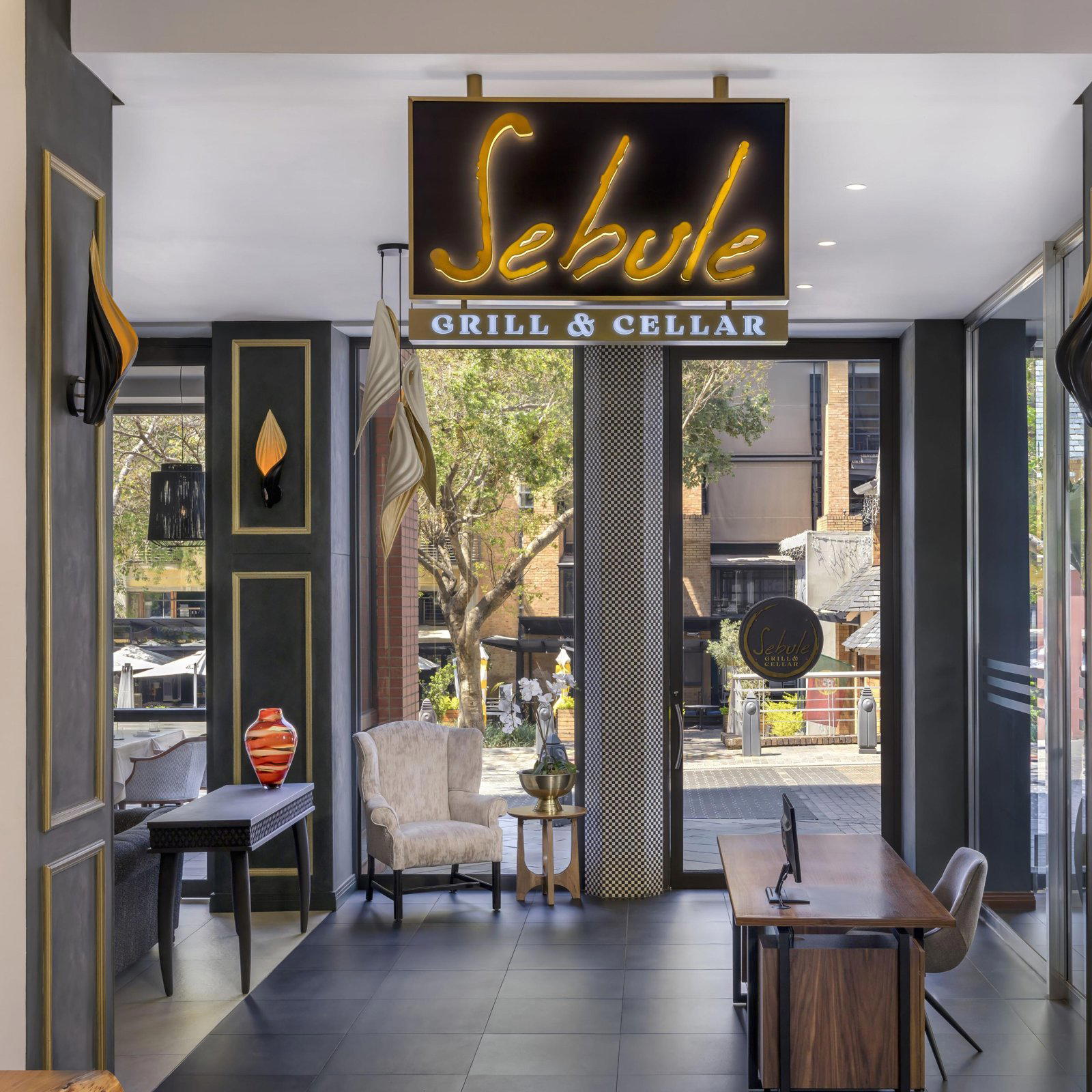
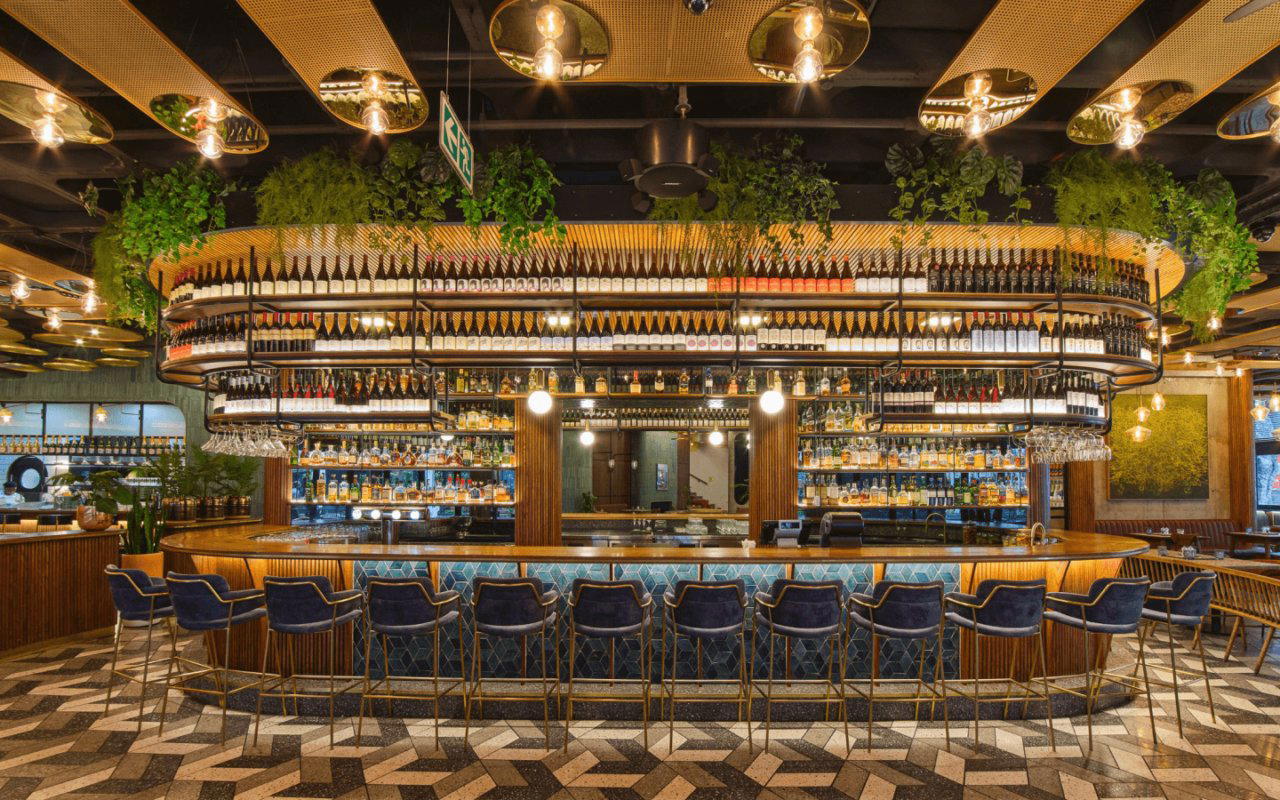
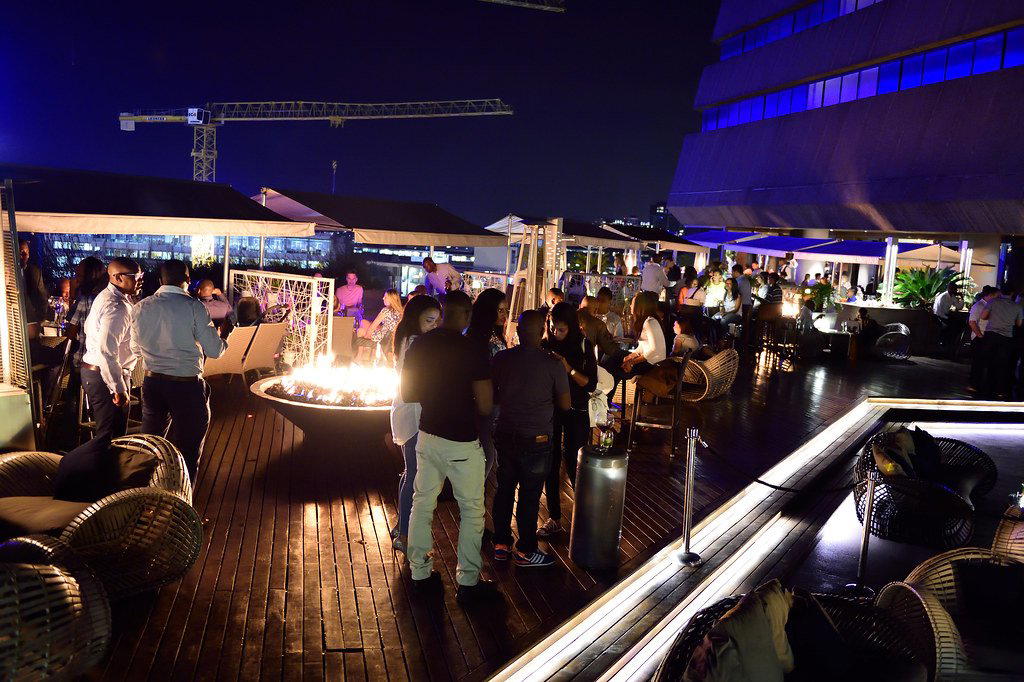
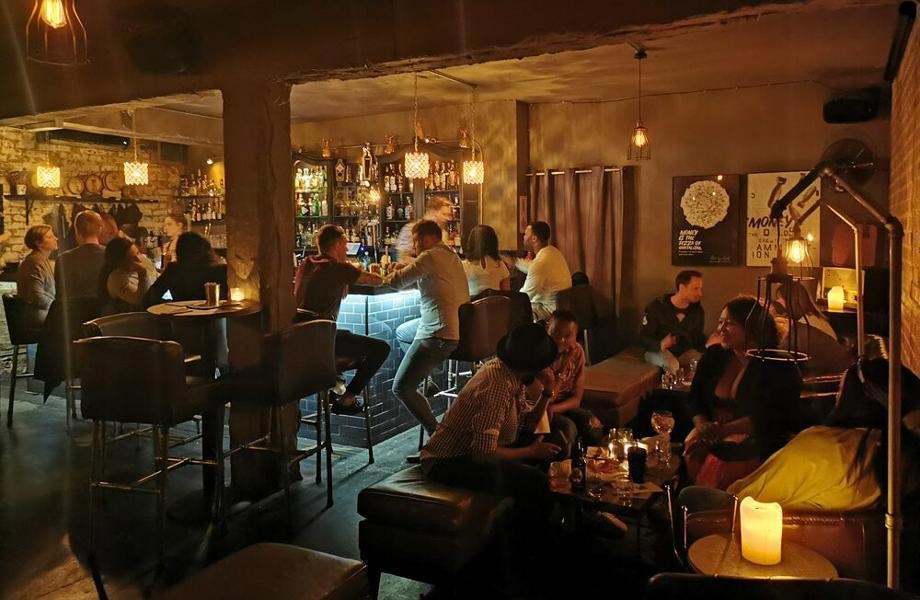
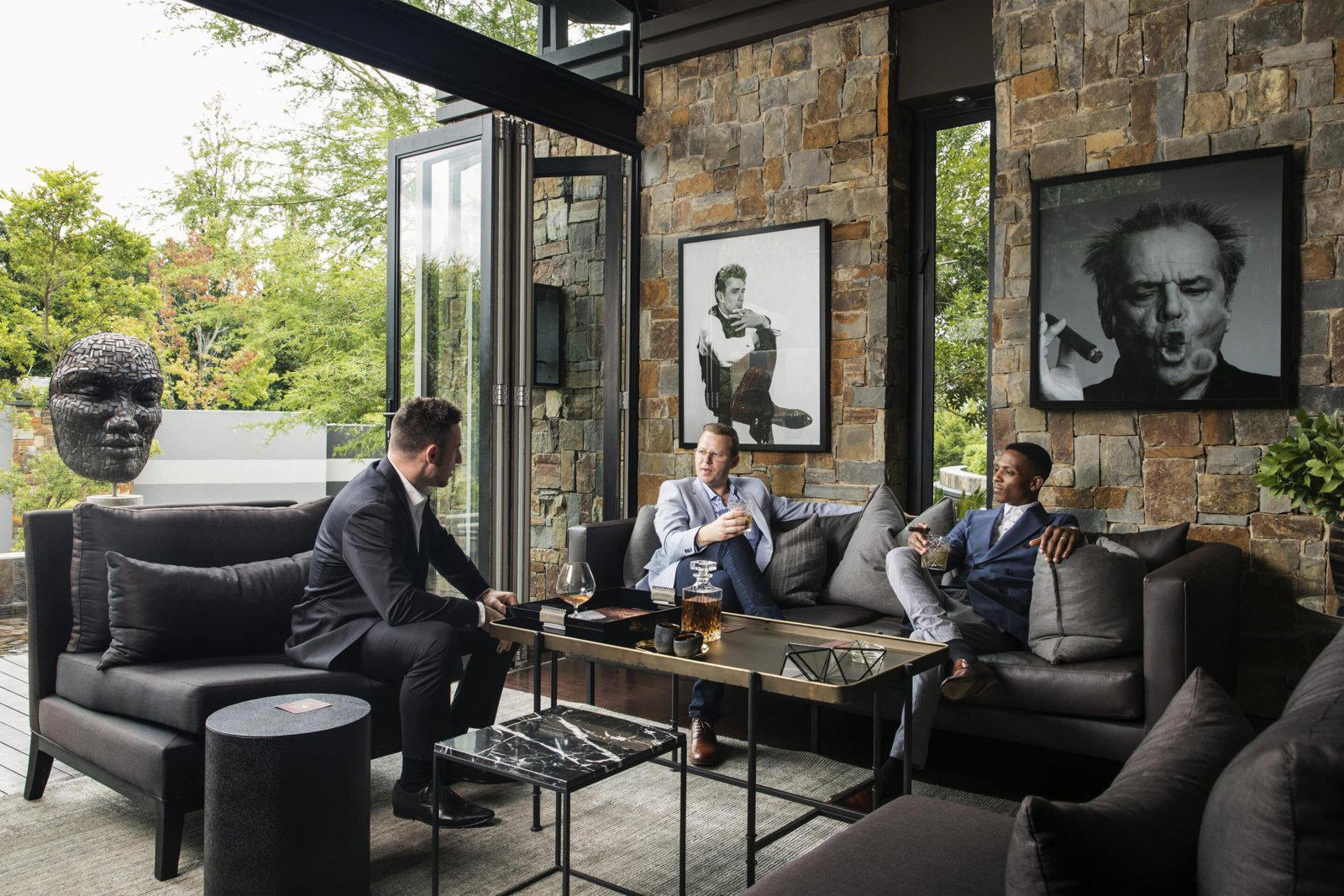
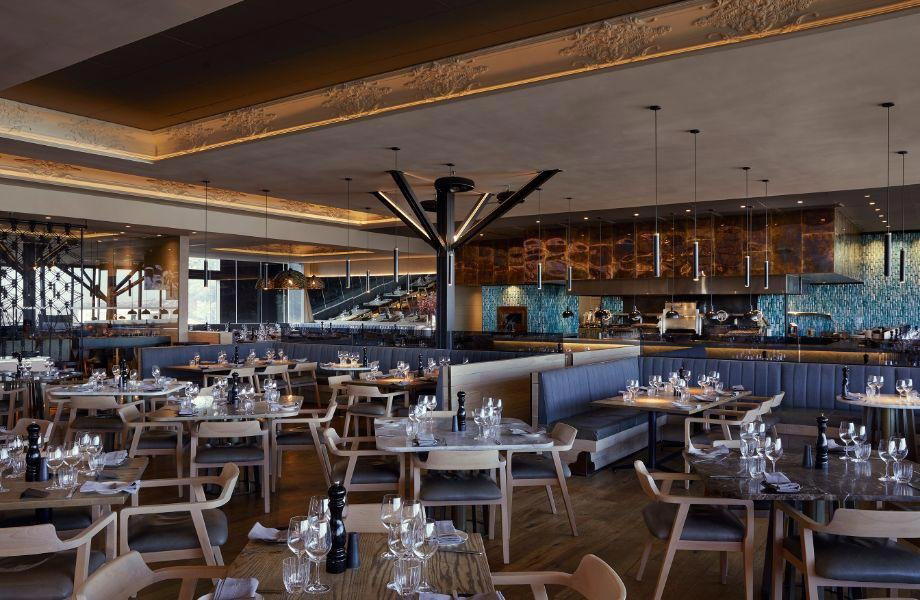
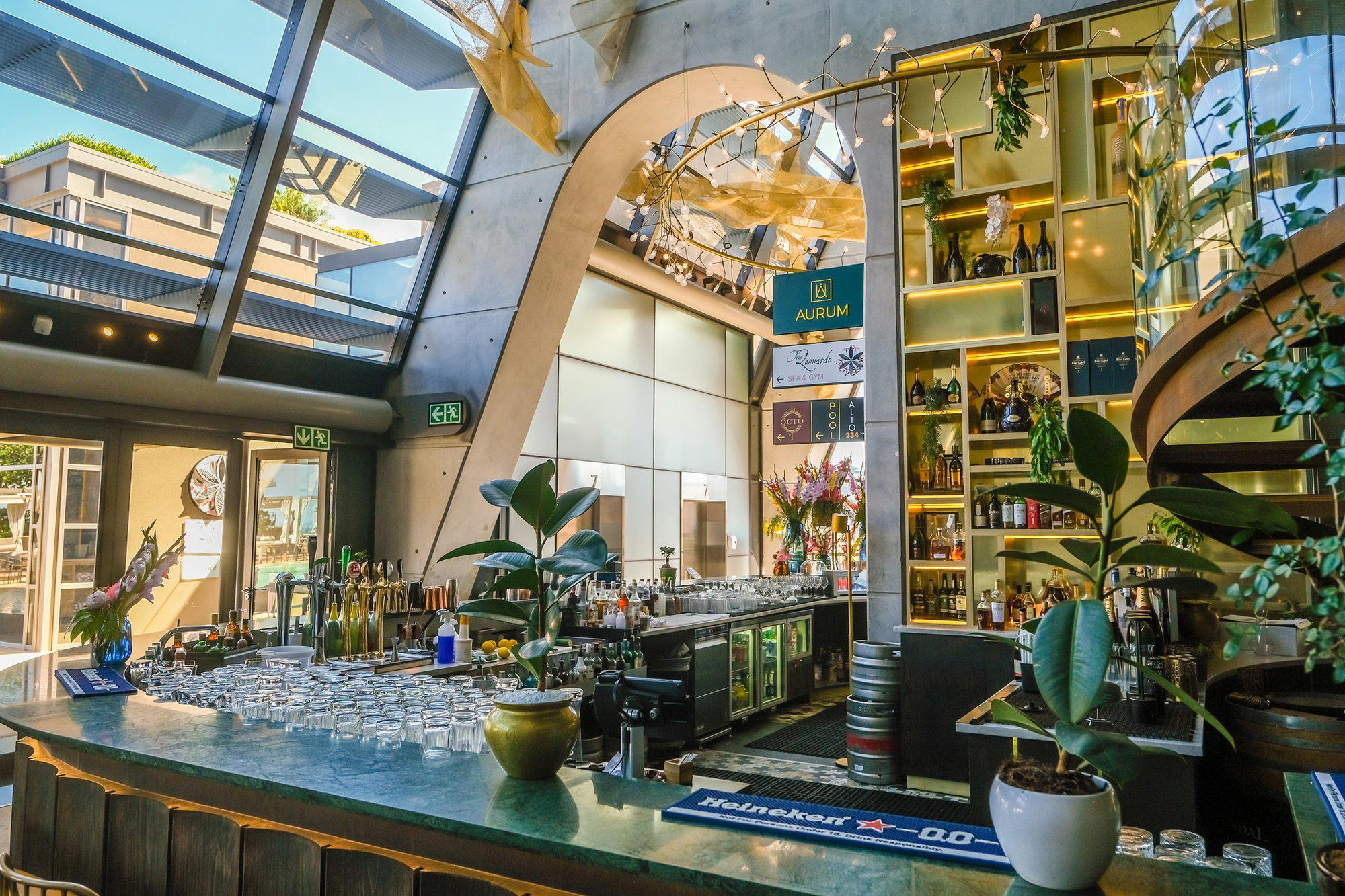
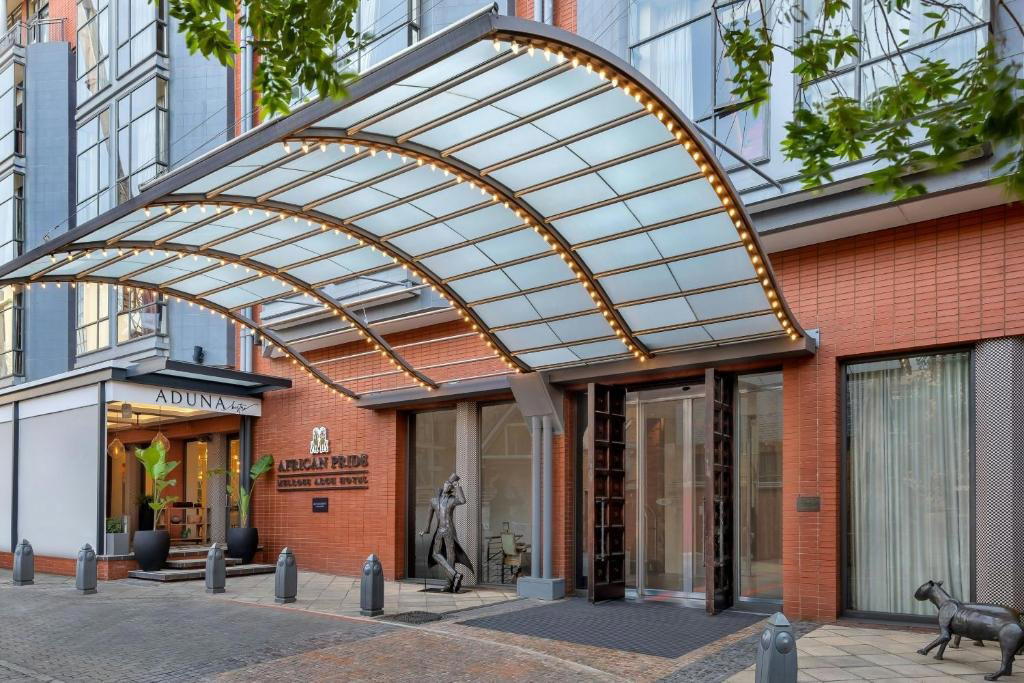
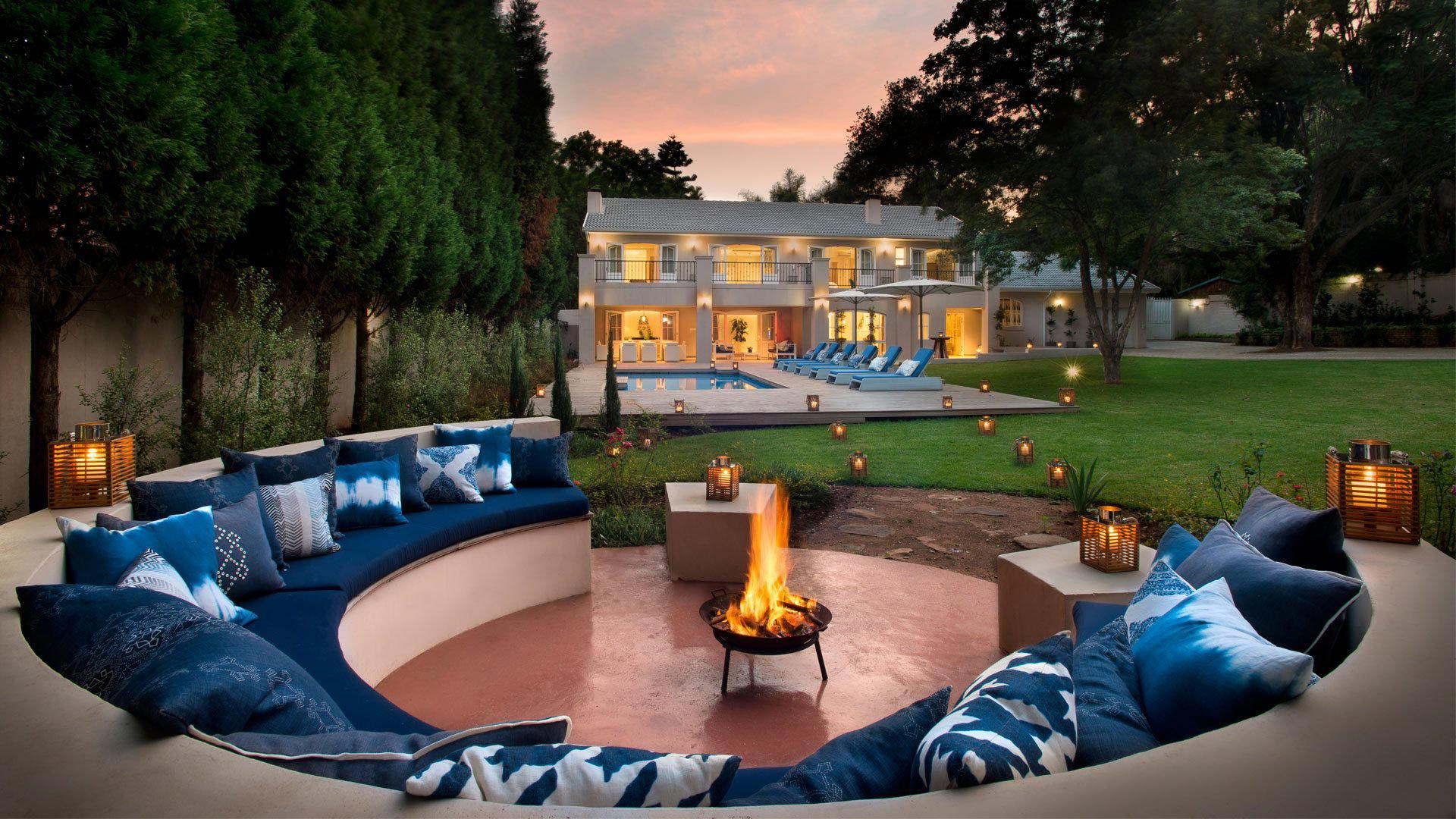
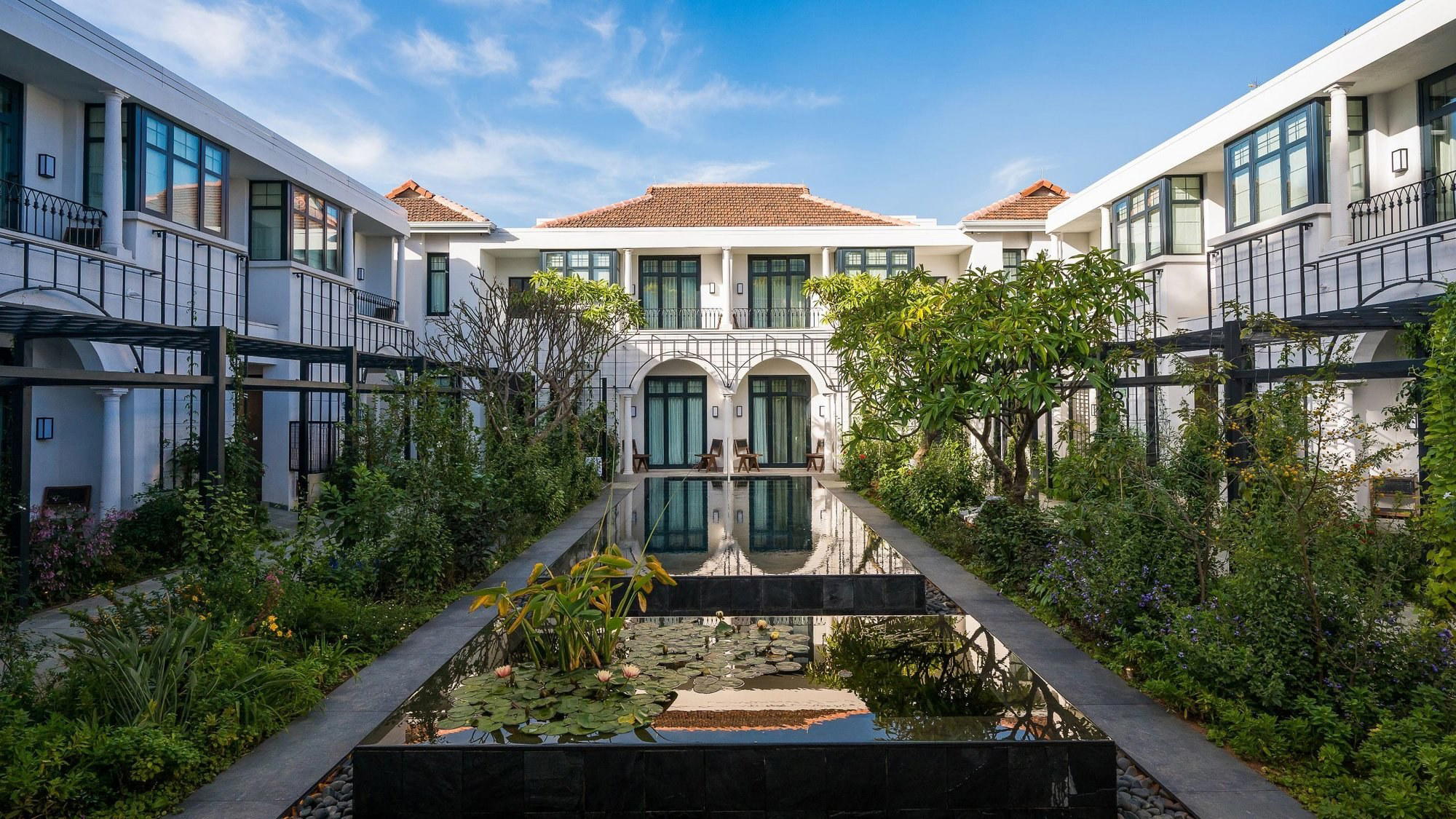
Melrose Square is one of those Johannesburg addresses that signals a certain kind of contained comfort: walkable within the square itself, secure, and oriented around the hotel's footprint rather than a wider neighbourhood character. Arriving at Aduna Bar, you enter through the African Pride Hotel's lobby environment rather than from a street-level door, which shapes the atmosphere before a single drink arrives. The bar occupies hotel space, which means the design register tends toward the polished and the considered rather than the deliberately rough or the experimentally casual.

The comparison is useful: northern Johannesburg's premium hotel bar tier trades on consistency and setting over the kind of programme volatility that defines the city's more independent venues. For visitors staying in the area or for residents who want a reliable evening out without crossing the city, that consistency has genuine value.

Reading the Cocktail Programme

The broader African ingredients movement provides one useful lens for understanding where Aduna Bar sits editorially. Across South Africa, a cohort of bartenders has been building programmes that treat the continent's plant material the way an ambitious wine list treats terroir: as a source of geographic specificity that no amount of imported product can replicate. Rooibos-washed spirits, marula liqueur bases, fermented grain components drawn from sorghum traditions, and bitter botanicals from the fynbos and highveld all appear in programmes across Johannesburg and Cape Town.

Hotel bar programmes that engage with this movement credibly tend to do so by anchoring two or three signature serves in local ingredients while maintaining a broader menu that covers the expected international range. The risk of going too far in either direction is real: a list that ignores local ingredients entirely feels disconnected from the moment, while a list that forces the concept on every drink can feel didactic. The programmes that land leading, whether at Jewel of the South in New Orleans or at well-executed hotel bars in Nairobi and Lagos, treat the local ingredient as a naturally occurring feature of the menu rather than a theme applied from above.

Standalone cocktail venues in Johannesburg, including Sin + Tax and Great Dane, operate with the freedom to build a programme around a single clear vision. Kitchener's, further into the city, represents a different register again, where the bar's cultural positioning shapes what goes on the menu as much as any ingredient sourcing logic. Mr. Pants Wine Bar pivots toward South African wine as the primary focus. These venues each have a clear answer to the question of what they're for. Aduna Bar's answer is shaped partly by its hotel context, which broadens the brief and distributes the creative focus across a wider range of guest needs.

Johannesburg's Bar Geography

Understanding Aduna Bar means understanding where Birnam sits in Johannesburg's drinking geography. The city's bar culture does not cluster in a single district the way London's does around Soho or New York's around the East Village. It distributes across a series of nodes, each with its own character: the arts-driven venues of Braamfontein, the neighbourhood bars of Melville and Parkhurst, the premium hotel and development bars of the northern suburbs, and the historically significant but now complex terrain of Hillbrow.

Melrose Square belongs to the northern suburbs node, which means its proximity to Sandton's commercial and hotel concentration shapes the kind of crowd that passes through. It draws business travellers, guests of the African Pride Hotel, and residents of the surrounding suburbs who want a bar experience that doesn't require crossing the city. That audience profile tends to favour consistency over experimentation, which in turn influences how ambitious any cocktail programme at this address can realistically be.

For comparison, Stellenbosch Wine Bar in Stellenbosch and Vee and Forti in Pretoria both illustrate how premium bar addresses outside Johannesburg's core have built their own distinct identities within their respective cities. The geographic context of a bar, as much as its programme, determines what it can become.

Planning a Visit

The bar is located inside the African Pride Hotel at 1 Melrose Square, Birnam, which means access is direct for hotel guests and requires a short drive or ride from most of the northern suburbs for those coming from outside. Melrose Square's layout makes it a self-contained destination. Contact details and current hours were not available at the time of publication; checking directly with the African Pride Hotel before visiting is one reliable approach for current operating information. For a broader view of what Johannesburg's bar and restaurant scene offers, the EP Club Johannesburg guide covers the full range across neighbourhoods and price tiers. Those planning a trip that extends to Miami or New Orleans, where the cocktail conversation runs at a comparable level of ambition, may find Café La Trova in Miami a useful point of comparison for what a clearly defined, ingredients-led programme looks like in a different cultural register.

Signature Pours
Red DriverSavvy BlossomStrawberry DaiquiriPineapple Cooler
Frequently asked questions

At a Glance
Vibe
  • Romantic
  • Elegant
  • Modern
  • Sophisticated
  • Cozy
Best For
  • Date Night
  • Special Occasion
  • Casual Hangout
  • Group Outing
Experience
  • Hotel Bar
Format
  • Lounge Seating
  • Booth Seating
  • Private Rooms
Drink Program
  • Craft Cocktails
  • Zero Proof
Dress CodeSmart Casual
Noise LevelConversational
CapacityMedium
Service StyleUpscale Casual
Visit details

Current opening hours

Monday
6:30 AM–10 PM
Tuesday
6:30 AM–10 PM
Wednesday
6:30 AM–10 PM
Thursday
6:30 AM–10 PM
Friday
6:30 AM–10 PM
Saturday
6:30 AM–10 PM
Sunday
6:30 AM–10 PM

Hours can change for holidays and private events. Last verified .

Elegantly designed space where sophistication meets comfort, with warm ambiance well-suited for relaxed meals, date nights, or business lunches.