2 Lam Son
A Bar Address That Ho Chi Minh City Takes Seriously On Công trường Lam Sơn, one of Ho Chi Minh City's more recognisable public squares, the bar at number 2 occupies a position that carries weight before you even step inside. The square has long served as a gathering axis for the city's café and nightlife culture, and the address brings with it a particular kind of expectation: that what happens inside should match what the location implies. In a city where the cocktail scene has matured faster than almost anywhere else in Southeast Asia over the past decade, that bar is a statement of intent rather than simply a place to drink. Ho Chi Minh City's bar culture has undergone a structural shift since the mid-2010s. The earlier model, dominated by rooftop beer gardens and spirit-forward tourist bars, has given way to a more layered scene in which cocktail programmes are benchmarked against regional peers in Bangkok, Singapore, and Taipei. Bars like Stir in Ho Chi Minh City have helped define what a technically credible programme looks like in this market, and the competitive pressure has raised the floor across the category. 2 Lam Son enters that conversation through its address and the expectations the square's history generates. The Cocktail Programme: Technique in a Vietnamese Register The most interesting development in Vietnamese cocktail culture over the past several years has been the integration of local ingredients into formats that draw on international technique. This is not a direct exercise. Lemongrass, perilla, pomelo pith, and Vietnamese whiskey all behave differently from Western bar staples, and bars that handle them without care produce drinks that are regional in surface detail but incoherent in structure. The better programmes treat local ingredients as primary variables in a technically grounded recipe, not as garnish or narrative colour. 2 Lam Son sits within that broader movement. The address on Lam Sơn Square places it in direct proximity to the kind of internationally aware clientele, hotel guests, expatriates, and Vietnamese professionals who have driven demand for more considered cocktail formats. That audience has options, and it has opinions. The bars that hold their attention are those that can demonstrate craft across repeated visits, not just on first impression. For comparison within Vietnam's bar circuit, the contrast is instructive. At the more casual end, venues like the Hoi An Brewing Company Tap Room and Riverside Beer Garden are built around volume and accessibility. At a different register, Absinthe in Sapa operates in a mountain-town context where the programme speaks to a specific traveller profile. Lam Sơn Square addresses neither of those modes. Where 2 Lam Son Sits in the Hanoi-HCMC Axis Vietnam's two major cities are developing distinct bar identities. Hanoi's scene, anchored by venues like The Haflington, The Hudson Rooms, and Workshop14, tends toward the intimate and neighbourhood-rooted, with a strong craft-beer and natural-wine current running alongside the cocktail programmes. The capital's bar culture rewards regulars and operates at a pace that suits long evenings over multiple rounds. Ho Chi Minh City moves differently. The energy is faster, the international footfall higher, and the competition more compressed at the premium tier. Bars in the central districts are benchmarked against each other with unusual speed, and a venue on a high-visibility square like Lam Sơn carries that pressure visibly. Even venues with less central addresses, like 12 P. Phúc Tân in Hanoi, have built strong followings by offering something distinct. On Lam Sơn Square, the expectation is not just distinction but presence. Outside Vietnam's two main cities, the scene fragments significantly. United Bar in Thanh Khe, Genji Bar in Cam Pha, and Le Rendez Vous in Da Nang serve local markets with different calibration entirely. The Lam Sơn address operates in a different tier, one defined by proximity to international hotels, a business-district clientele, and the visibility that comes with one of the city's most photographed public spaces. Planning Your Visit Ho Chi Minh City's cocktail bars at the premium tier tend to peak between Thursday and Saturday evenings, with the square itself drawing foot traffic that makes walk-in access more variable on weekends. Given the address's visibility, arriving earlier in the evening generally offers a more composed experience and better access to the full programme before the room reaches full capacity. The square's central position means it connects easily to the broader District 1 circuit, and a visit pairs logically with exploration of the surrounding hotel bars and café culture that defines the neighbourhood after dark. For those planning a wider Vietnam bar itinerary, cross-referencing with our full Hanoi restaurants guide and the regional bar circuit gives useful orientation on how the two cities' programmes compare in format and price. For international context, the kind of technically ambitious cocktail culture that Ho Chi Minh City's better bars represent now has direct parallels in cities like Miami, where venues like Café La Trova anchor a programme around cultural specificity and craft in equal measure. The ambition is comparable; the ingredients and references differ. Frequently Asked Questions What should I expect atmosphere-wise at 2 Lam Son?The setting on Công trường Lam Sơn, one of Ho Chi Minh City's most active central squares, means the bar operates with a particular energy shaped by its surroundings. The square draws a mix of hotel guests, local professionals, and visitors, and the bar's position within that flow tends to produce a room that runs more cosmopolitan than neighbourhood-local. at 2 Lam Son?What the Ho Chi Minh City cocktail scene at this tier typically rewards is engagement with the house programme rather than defaulting to standard spirit orders: the bars that have earned sustained recognition in this market, including those with regional awards and editorial coverage, tend to be the ones where the signature cocktail format reflects a considered point of view about local ingredients and international technique.Why do people go to 2 Lam Son?Location is a primary driver: Lam Sơn Square is one of District 1's most central and recognisable addresses, and bars at that address benefit from both destination traffic and the square's established role in the city's social geography. Beyond location, the premium Ho Chi Minh City bar circuit attracts an audience that is specifically seeking programmes that go beyond standard hotel-bar execution, and the address implies a level of ambition that draws that audience in.How does 2 Lam Son compare to other cocktail bars in Ho Chi Minh City's central district?Lam Sơn Square sits within the most competitive tier of Ho Chi Minh City's bar geography, where proximity to major hotels and the business district raises both the audience quality and the benchmark for programme credibility. Bars at this address compete less against neighbourhood venues and more against hotel bars and internationally recognised cocktail programmes, making the square's bars a useful reference point for anyone mapping the city's premium-tier options against each other.

Pearl is the En Primeur Club membership app — saves, bookings, and concierge access live there. Same editors, same standards.
- Address
- 2 Công trường Lam Sơn, Sài Gòn, Hồ Chí Minh 700000, Vietnam
- Phone
- +84 28 3824 1234
- Hours
- Daily 5 PM–1 AM
- Directions
- Get directions
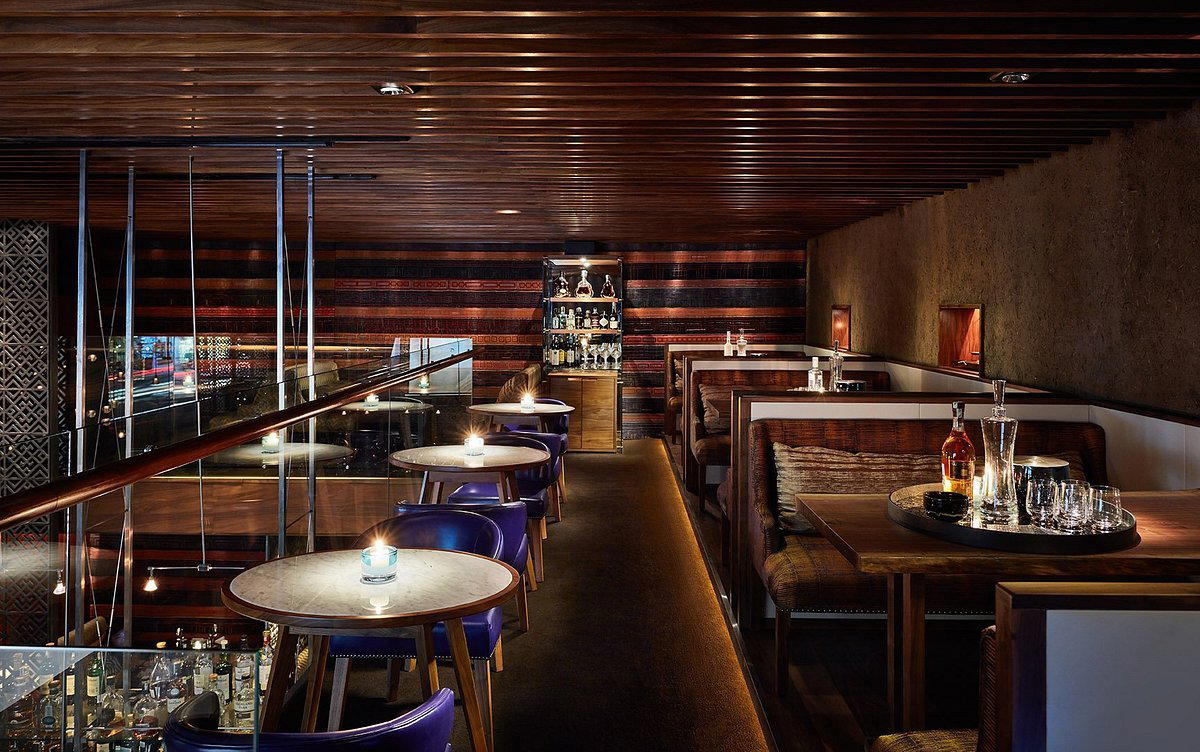
A Bar Address That Ho Chi Minh City Takes Seriously
On Công trường Lam Sơn, one of Ho Chi Minh City's more recognisable public squares, the bar at number 2 occupies a position that carries weight before you even step inside. The square has long served as a gathering axis for the city's café and nightlife culture, and the address brings with it a particular kind of expectation: that what happens inside should match what the location implies. In a city where the cocktail scene has matured faster than almost anywhere else in Southeast Asia over the past decade, that bar is a statement of intent rather than simply a place to drink.
Ho Chi Minh City's bar culture has undergone a structural shift since the mid-2010s. The earlier model, dominated by rooftop beer gardens and spirit-forward tourist bars, has given way to a more layered scene in which cocktail programmes are benchmarked against regional peers in Bangkok, Singapore, and Taipei. Bars like Stir in Ho Chi Minh City have helped define what a technically credible programme looks like in this market, and the competitive pressure has raised the floor across the category. 2 Lam Son enters that conversation through its address and the expectations the square's history generates.
The Cocktail Programme: Technique in a Vietnamese Register
The most interesting development in Vietnamese cocktail culture over the past several years has been the integration of local ingredients into formats that draw on international technique. This is not a direct exercise. Lemongrass, perilla, pomelo pith, and Vietnamese whiskey all behave differently from Western bar staples, and bars that handle them without care produce drinks that are regional in surface detail but incoherent in structure. The better programmes treat local ingredients as primary variables in a technically grounded recipe, not as garnish or narrative colour.
2 Lam Son sits within that broader movement. The address on Lam Sơn Square places it in direct proximity to the kind of internationally aware clientele, hotel guests, expatriates, and Vietnamese professionals who have driven demand for more considered cocktail formats. That audience has options, and it has opinions. The bars that hold their attention are those that can demonstrate craft across repeated visits, not just on first impression.
For comparison within Vietnam's bar circuit, the contrast is instructive. At the more casual end, venues like the Hoi An Brewing Company Tap Room and Riverside Beer Garden are built around volume and accessibility. At a different register, Absinthe in Sapa operates in a mountain-town context where the programme speaks to a specific traveller profile. Lam Sơn Square addresses neither of those modes.
Where 2 Lam Son Sits in the Hanoi-HCMC Axis
Vietnam's two major cities are developing distinct bar identities. Hanoi's scene, anchored by venues like The Haflington, The Hudson Rooms, and Workshop14, tends toward the intimate and neighbourhood-rooted, with a strong craft-beer and natural-wine current running alongside the cocktail programmes. The capital's bar culture rewards regulars and operates at a pace that suits long evenings over multiple rounds.
Ho Chi Minh City moves differently. The energy is faster, the international footfall higher, and the competition more compressed at the premium tier. Bars in the central districts are benchmarked against each other with unusual speed, and a venue on a high-visibility square like Lam Sơn carries that pressure visibly. Even venues with less central addresses, like 12 P. Phúc Tân in Hanoi, have built strong followings by offering something distinct. On Lam Sơn Square, the expectation is not just distinction but presence.
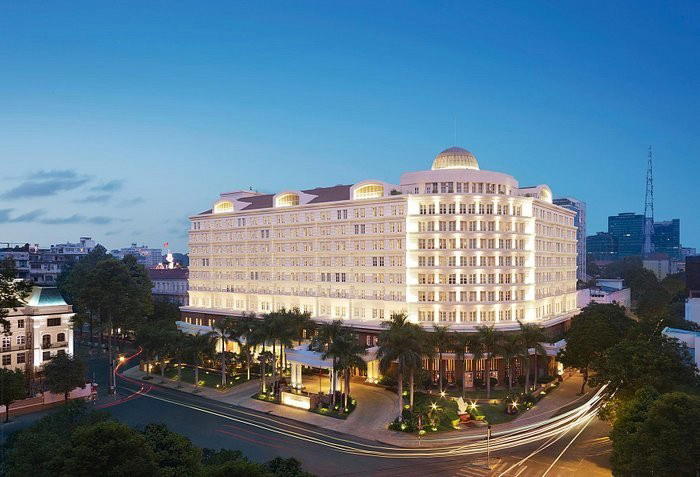
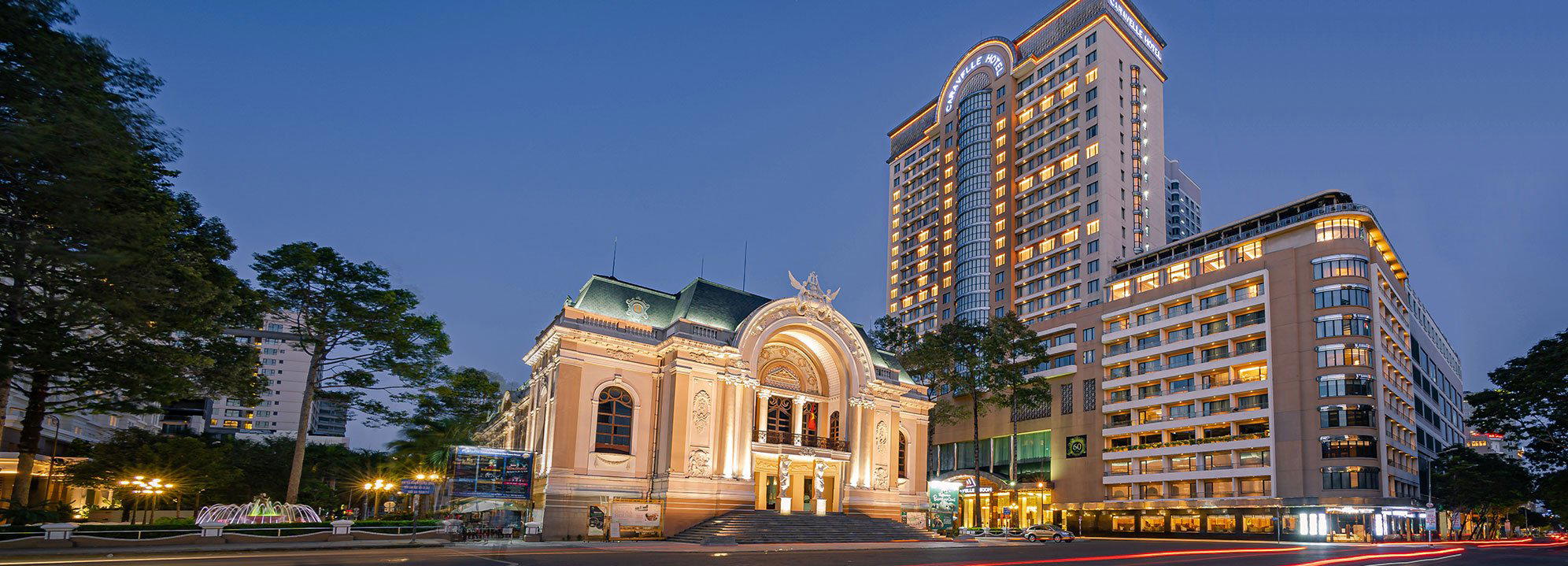
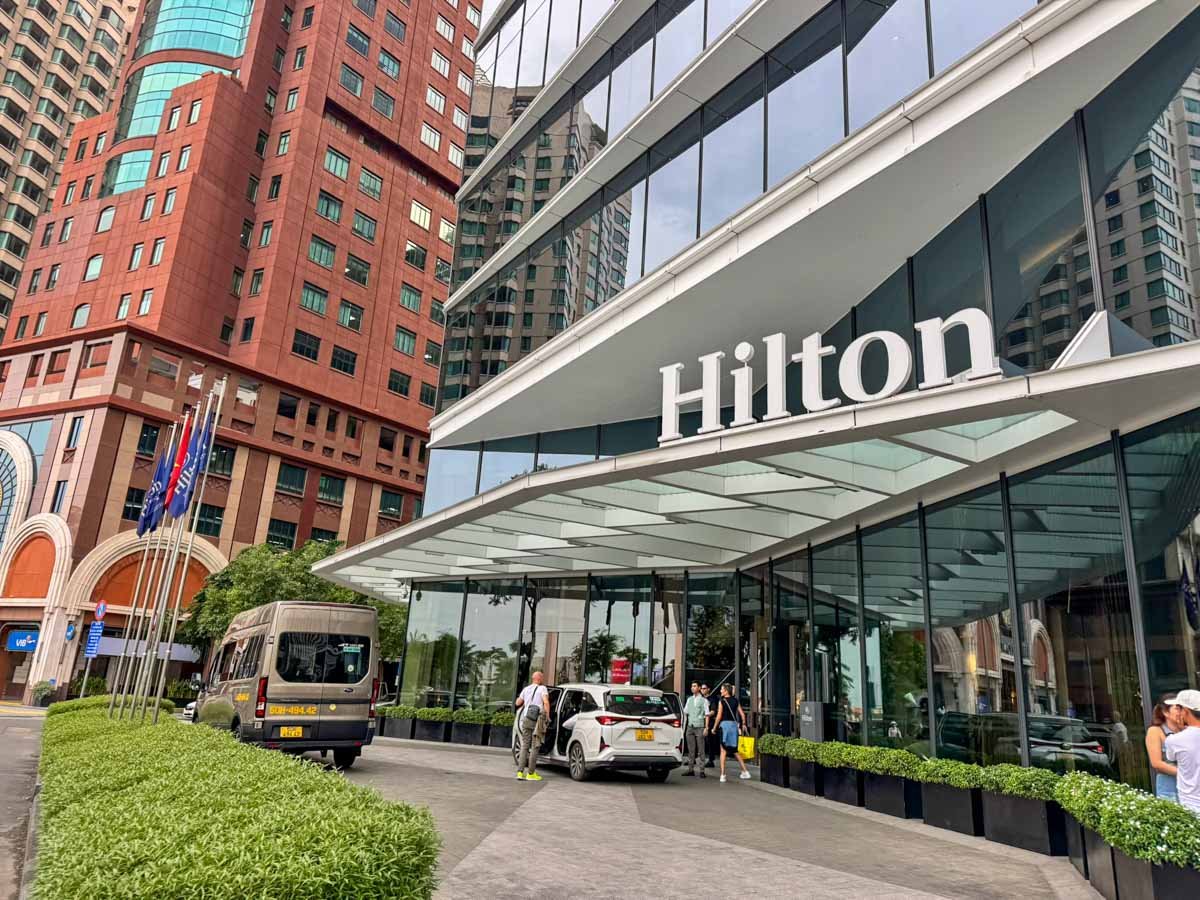
Outside Vietnam's two main cities, the scene fragments significantly. United Bar in Thanh Khe, Genji Bar in Cam Pha, and Le Rendez Vous in Da Nang serve local markets with different calibration entirely. The Lam Sơn address operates in a different tier, one defined by proximity to international hotels, a business-district clientele, and the visibility that comes with one of the city's most photographed public spaces.
Planning Your Visit
Ho Chi Minh City's cocktail bars at the premium tier tend to peak between Thursday and Saturday evenings, with the square itself drawing foot traffic that makes walk-in access more variable on weekends. Given the address's visibility, arriving earlier in the evening generally offers a more composed experience and better access to the full programme before the room reaches full capacity. The square's central position means it connects easily to the broader District 1 circuit, and a visit pairs logically with exploration of the surrounding hotel bars and café culture that defines the neighbourhood after dark. For those planning a wider Vietnam bar itinerary, cross-referencing with our full Hanoi restaurants guide and the regional bar circuit gives useful orientation on how the two cities' programmes compare in format and price.
For international context, the kind of technically ambitious cocktail culture that Ho Chi Minh City's better bars represent now has direct parallels in cities like Miami, where venues like Café La Trova anchor a programme around cultural specificity and craft in equal measure. The ambition is comparable; the ingredients and references differ.
Continue exploring
More in Ho Chi Minh City
Bars in Ho Chi Minh City
Browse all →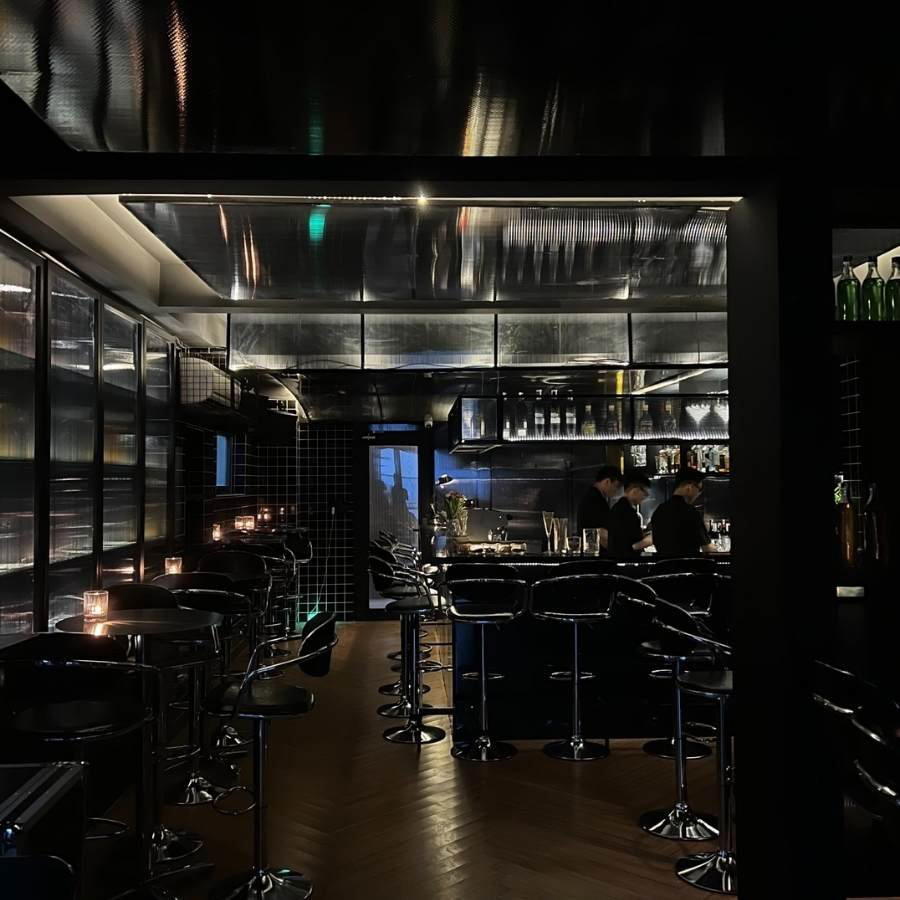
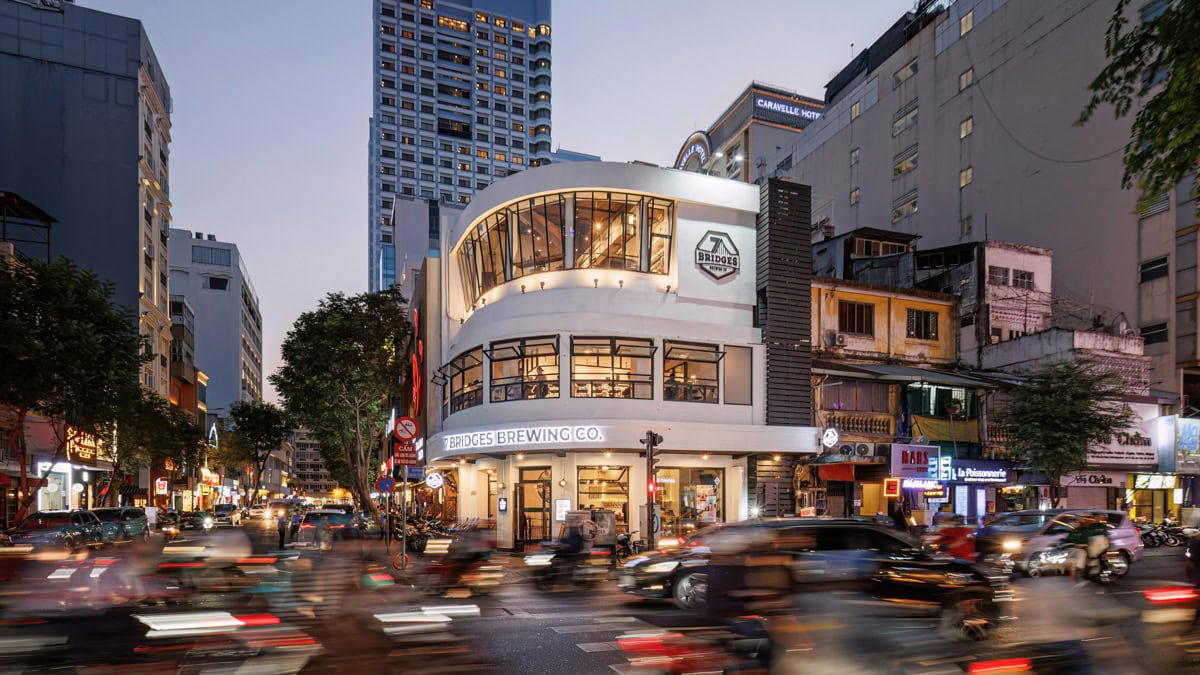
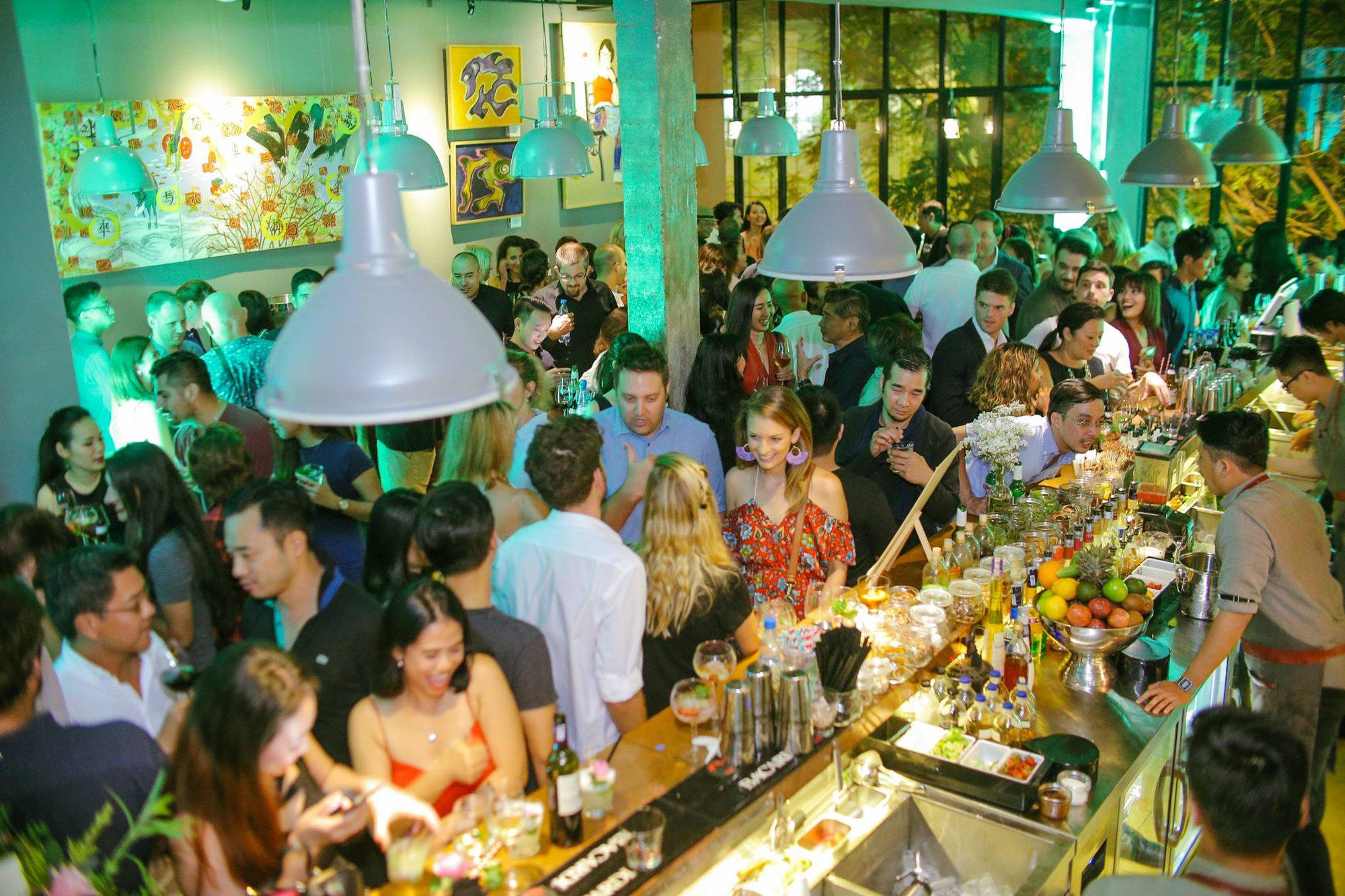
Restaurants in Ho Chi Minh City
Browse all →
Details
- Elegant
- Sophisticated
- Trendy
- Intimate
- Ornate
- Date Night
- Special Occasion
- Late Night
- Live Music
- Hotel Bar
- Lounge Seating
- Booth Seating
- Craft Cocktails
- Whiskey
- Tequila
- Street Scene
Current opening hours
- Monday
- 5 PM–1 AM
- Tuesday
- 5 PM–1 AM
- Wednesday
- 5 PM–1 AM
- Thursday
- 5 PM–1 AM
- Friday
- 5 PM–1 AM
- Saturday
- 5 PM–1 AM
- Sunday
- 5 PM–1 AM
Hours can change for holidays and private events. Last verified .
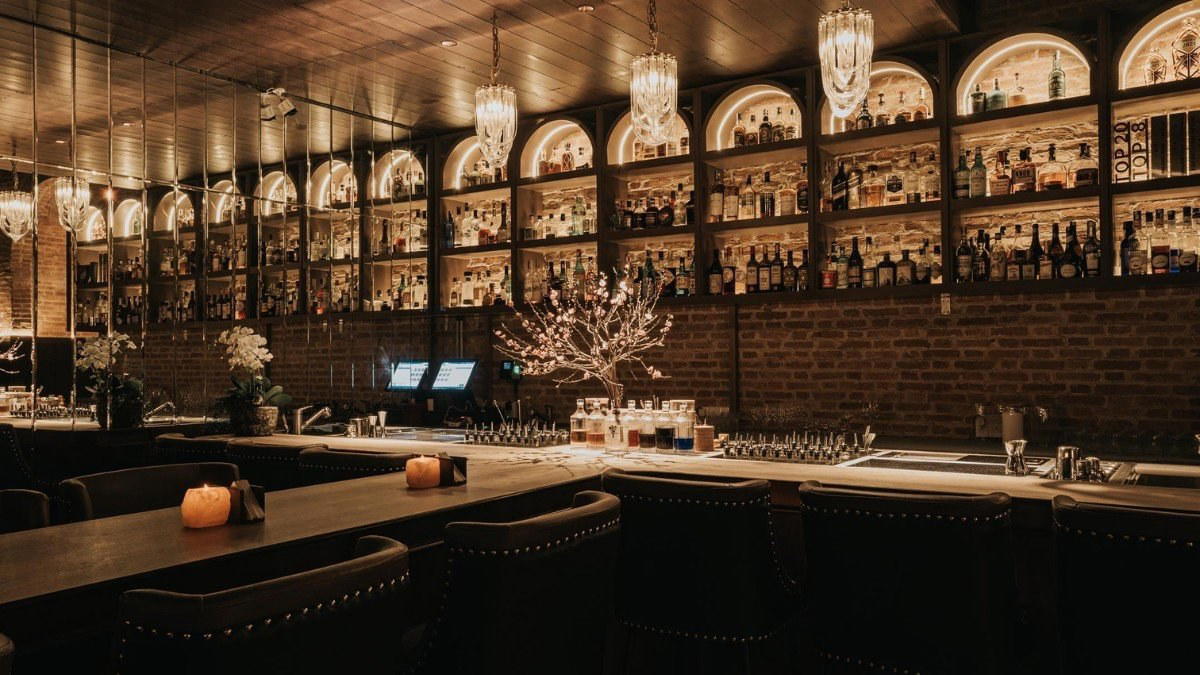
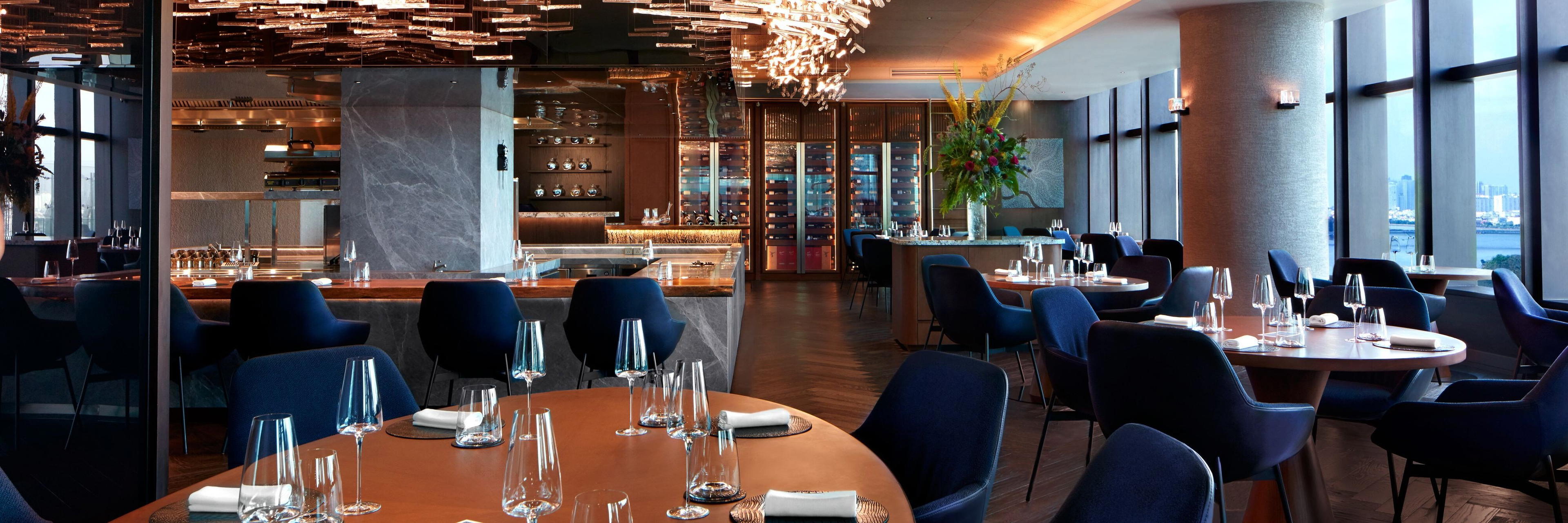
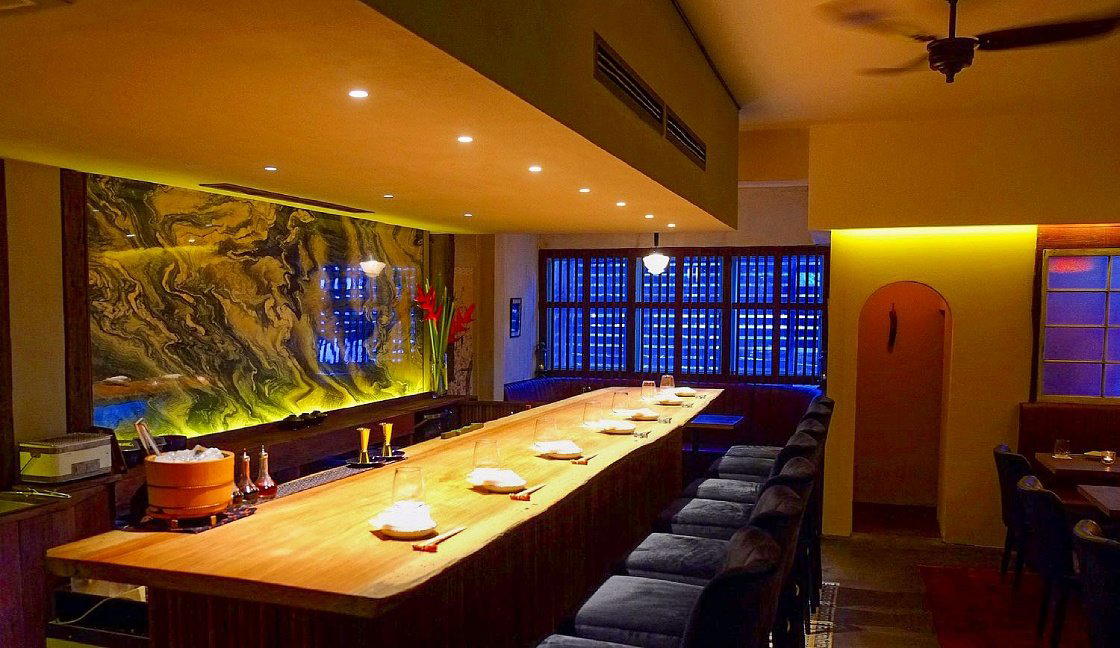
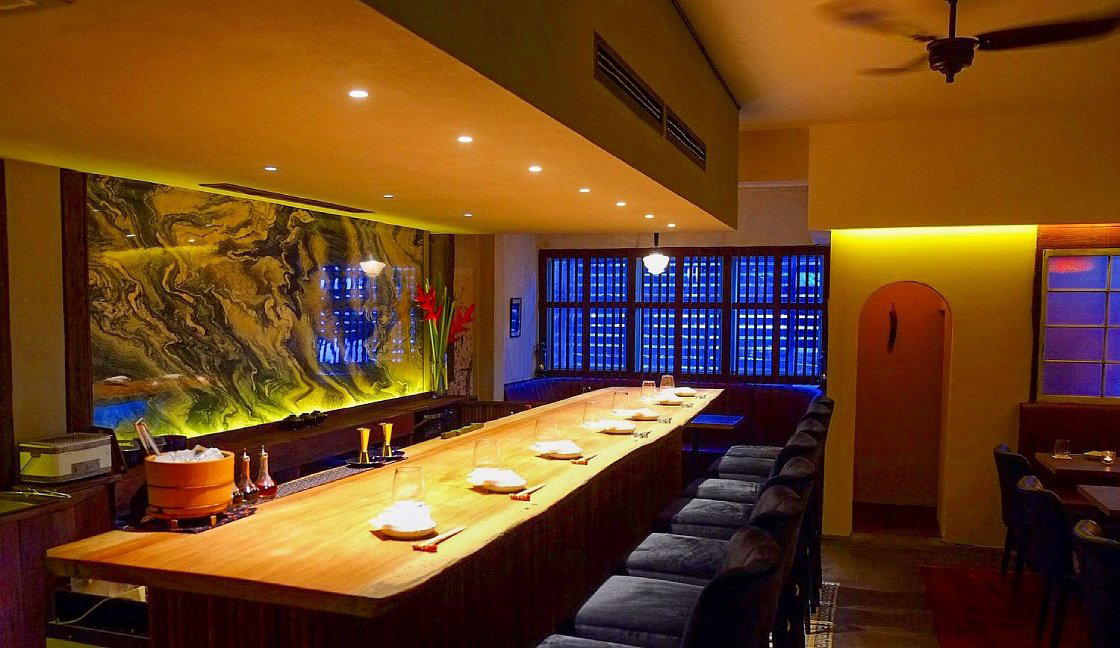
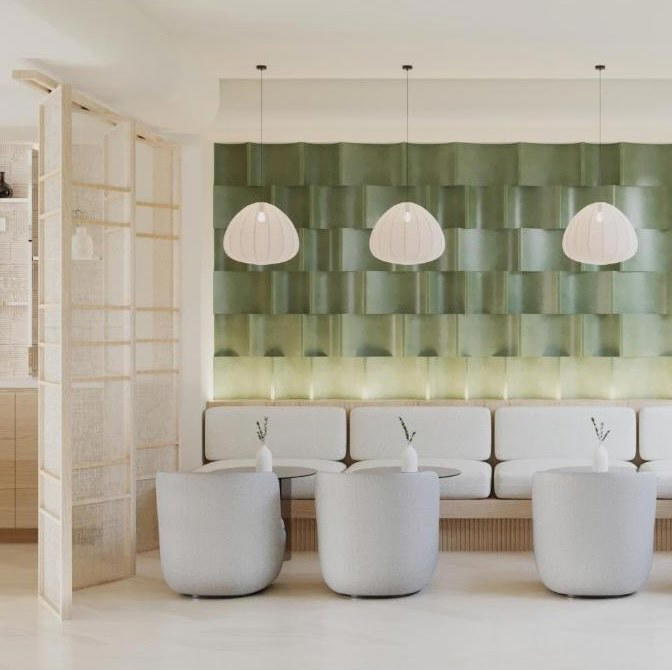
Dark and sexy ambiance illuminated by glowing tabletops and amber orbs, with an elegant smoke-free environment.