1933 Lounge by St. Elmo
<strong>Carmel</strong>’s bar scene rewards a slower read than <strong>a big-city cocktail</strong> crawl, and <strong>1933 Lounge by St. Elmo</strong> fits the <strong>steakhouse</strong>-adjacent lounge tradition: drinks first, dinner optional, pacing unhurried. With no public awards, pricing, hours, or booking details in the current record, treat it as a context-driven pick rather than a data-led reservation target.
 Discover on Pearl
Pearl is the En Primeur Club membership app — saves, bookings, and concierge access live there. Same editors, same standards.

The room before the drink
A lounge announces itself differently from a cocktail bar. The threshold matters: the shift from street pace to lower light, from dinner traffic to a room designed for lingering, from a quick order to a conversation built around the first round. In Carmel, where polished suburban dining sits beside a growing bar culture, that distinction matters. 1933 Lounge by St. Elmo belongs to the category where the drink is not a prelude to something else; it is the reason to take the table, read the room, and let the evening settle into a slower rhythm.
The editorial interest here is not a list of proprietary cocktails, because the available venue record does not provide a menu, bartender name, hours, price range, or booking method. The useful way to read the place is through format. Carmel does not behave like Miami, New Orleans, Los Angeles, or Seattle, where cocktail culture often announces itself through awards campaigns, tasting-menu-style drink progressions, or neighborhood bar mythology. Carmel’s premium bar language is more restrained: lounge seating, steakhouse gravity, familiar rituals, and a clientele that may be moving between dinner, a hotel stay, or a late drink rather than chasing a bar crawl.
That makes the cocktail programme, even without published specifics in the record, the natural lens. In this kind of room, the measure of seriousness is less about theatrical garnish and more about whether the bar can handle classics, spirit-forward drinks, and paced service without turning the experience into a performance. The strongest lounges in this bracket understand proportion, glassware, temperature, and timing. They also understand when not to interrupt. That is a different skill set from the high-volume party bar and a different kind of pleasure from the reservation-only laboratory.
Where Carmel's lounge culture sits
Carmel’s hospitality scene is not a miniature copy of Indianapolis, and it should not be judged as one. The city’s dining and drinking habits are shaped by a suburban premium market: guests arrive by car, evenings are planned around dinner rather than wandering, and venues tend to reward comfort, polish, and recognisable service rituals. In that context, a lounge attached by name to the St. Elmo orbit signals a particular American tradition: the bar as an extension of steakhouse culture, where cocktails carry as much social weight as the table itself.
That tradition has deep roots in the Midwest. Steakhouse bars have long been places where the first drink sets the hierarchy of the evening: martinis, Manhattans, bourbon pours, shrimp-cocktail energy, polished wood, and a preference for drinks that do not need a paragraph of explanation. Contemporary cocktail culture has moved far beyond that template, but it has not replaced it. In cities across the country, the smarter lounge programmes now meet classic expectations while quietly tightening technique: better ice, fresher citrus, more precise dilution, and back bars that make whiskey drinkers feel taken seriously.
Carmel’s drinker does not need to choose between that mode and a more contemporary bar language. The city’s bar map includes rooftop and lounge formats, and readers comparing categories should look at 3UP Rooftop Lounge for a higher-altitude social read on the same city. For a wider scan of the local field, Our full Carmel bars guide is the more useful starting point than treating any single venue as the whole story.
The cocktail programme as a signal, not a slogan
Bars often overstate creativity. A serious cocktail programme does not need to shout. It shows discipline through the basics: whether spirit-forward drinks arrive balanced rather than hot, whether citrus drinks avoid sweetness as compensation for weak structure, whether stirred cocktails are cold enough, whether the list gives guests a route through whiskey, gin, agave, rum, and low-ABV choices without reading like a warehouse inventory. The current record for 1933 Lounge by St. Elmo does not name signature drinks, so no responsible editorial account should invent them. The fair assessment is categorical: this is a lounge format, and lounge formats succeed when the bar programme supports repeat drinking rather than novelty seeking.
That distinction is especially relevant now. Across the United States, serious cocktail bars have split into several camps. There are technique-forward rooms where clarification, carbonation, fermentation, and culinary prep drive the menu. There are neighborhood bars where the bartender’s memory matters as much as the printed list. There are hotel bars, where consistency and international readability matter. Then there are steakhouse-adjacent lounges, where the drink programme has to serve a broad range of guests without becoming bland. The challenge is not creativity alone; it is range under pressure.
For comparison, Thunderbolt in Los Angeles represents a different American mode, where Southern influence and cocktail technique meet in a city that rewards bar identity as a destination in itself. Roquette in Seattle points toward another model: a wine-and-cocktail sensibility shaped by a compact urban drinking culture. Happy Accidents in Albuquerque shows how a bar can become known for personality and contemporary drink craft outside the coastal circuit. These comparisons do not make Carmel lesser; they clarify that 1933 Lounge by St. Elmo works in a different grammar.
Why the St. Elmo reference matters
The name carries useful context. St. Elmo is strongly associated with Indianapolis steakhouse culture, and that association frames guest expectations before the first drink is ordered. In travel dining, brand adjacency can be a double-edged signal. It can promise reliability, but it can also invite scrutiny because established names are judged against memory, reputation, and ritual. A lounge using that reference in Carmel enters the room with an inherited vocabulary: classic drinks, polished pacing, an adult room, and the assumption that the bar should be able to handle whiskey and steakhouse-era cocktails without apology.
This is where the venue’s lack of listed awards or published EP Club rating in the available record becomes relevant. Awards are not the only measure of a bar, but they help place a room in a national peer set. With no Michelin, James Beard, 50 Best, or named editorial recognition recorded here, the trust signal is contextual rather than trophy-led: city, category, and the St. Elmo naming connection. That places the venue closer to a regional lounge tradition than to the awards-driven cocktail circuit represented by bars in larger markets.
Nationally, the awards conversation tends to favor cities with deep media ecosystems and dense bar neighborhoods. Jewel of the South in New Orleans operates in a city where cocktail history is part of the civic fabric. Café La Trova in Miami draws on Cuban cantinero culture in a market with international attention. Viceversa in Miami reflects Miami’s current appetite for design-conscious, drink-led rooms. Carmel’s lounge scene is quieter, but quiet does not mean unserious. It means the reader should judge the venue by fit: mood, pacing, and whether the drinks support the occasion.
How to read the menu without a published list
Because the current database record does not include cuisine type, signature dishes, price range, or a drink list, the responsible approach is to give readers a framework rather than pretend to know what is on the page. At a lounge in this category, the first scan should separate three questions. Does the list give proper weight to classics? Does it include house drinks with enough structure to reveal a point of view? Does the back bar suggest depth in the spirits that matter to the room, especially American whiskey, rye, bourbon, gin, and amaro?
Technique should be assessed through restraint. A clarified cocktail can be impressive, but it is not automatically better than a properly made Manhattan. A smoked drink can work, but smoke often becomes a shortcut for drama. A barrel-aged cocktail can offer integration, but it can also flatten brightness. In a steakhouse-linked lounge, the strongest drink programmes usually understand that the guest may want one precise cocktail before dinner, one spirit-led drink after, or a nightcap that does not require negotiation. The bar’s creative vision, in this setting, should be legible without turning every order into a lecture.
That is also why atmosphere and menu cannot be separated. A drink that feels compelling at a counter in Manhattan may feel overworked in Carmel if it interrupts the room’s rhythm. Conversely, a classic cocktail can feel newly persuasive when the service pace, seating, and social register support it. The editorial question is not whether the bar is chasing national trends. It is whether it knows which trends belong in the room and which ones should be left outside.
Planning the evening in Carmel
The practical data currently available is limited: the record lists the venue in Carmel, Indiana, but does not provide address, phone, website, opening hours, booking method, seat count, dress code, or price range. That absence matters for planning. Readers should treat timing and access as items to verify directly through current official channels before arranging an evening around the venue, especially for weekends, holidays, private events, or dinner-adjacent peak periods. The safest assumption for a lounge of this type is that early evening is shaped by pre-dinner traffic, later hours by after-dinner drinking, and weekend demand by groups rather than solo walk-ins.
Carmel also rewards planning by category. A visitor building a full itinerary should not treat the bar in isolation. Dining decisions sit beside hotel location, transport, and the kind of evening desired. For restaurants, Our full Carmel restaurants guide gives the broader food context. For lodging, Our full Carmel hotels guide helps pair drinking plans with a sensible base. Readers looking beyond bars can use Our full Carmel wineries guide and Our full Carmel experiences guide to build a slower regional itinerary rather than forcing the city into a late-night-only frame.
The stronger use case for 1933 Lounge by St. Elmo is an evening that values continuity: a drink before dinner, a settled table after, or a social hour where the room matters as much as the glass. It is not the data-rich choice for travelers who require published awards, verified pricing, or a known tasting format before committing. It is the format-led choice for readers who understand the appeal of a lounge and want Carmel’s version of that tradition.
Editorial verdict
1933 Lounge by St. Elmo is leading understood as part of the American steakhouse-lounge lineage adapted to Carmel’s polished dining culture. The absence of recorded awards, chef data, price range, hours, and signature drinks means the page cannot responsibly make claims about specific cocktails or service details. What can be said with confidence is that the venue sits in a category where atmosphere, classic-drink competence, and pacing define the experience more than spectacle.
For travelers comparing cocktail destinations, this is not the same proposition as a nationally recognized bar with published accolades and a documented creative team. It is a local lounge read through reputation, format, and city context. That makes the decision simple: choose it when the desired evening calls for a composed drink in a lounge setting rather than a trend-chasing cocktail itinerary. In Carmel, that is a meaningful distinction.
At a Glance
- Elegant
- Sophisticated
- Classic
- Modern
- Intimate
- Date Night
- After Work
- Group Outing
- Celebration
- Special Occasion
- Private Event
- Speakeasy
- Standalone
- Seated Bar
- Lounge Seating
- Booth Seating
- Private Rooms
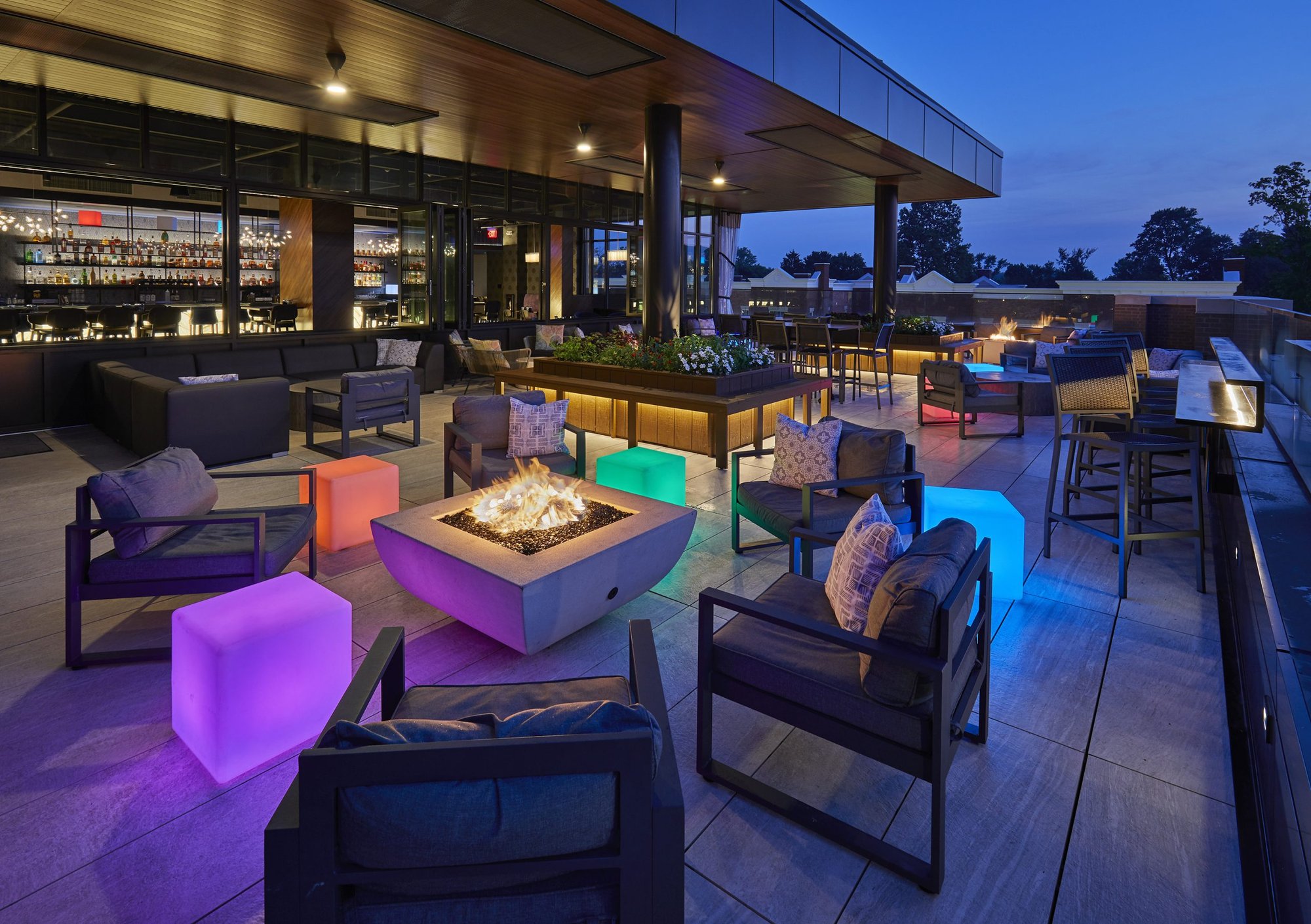
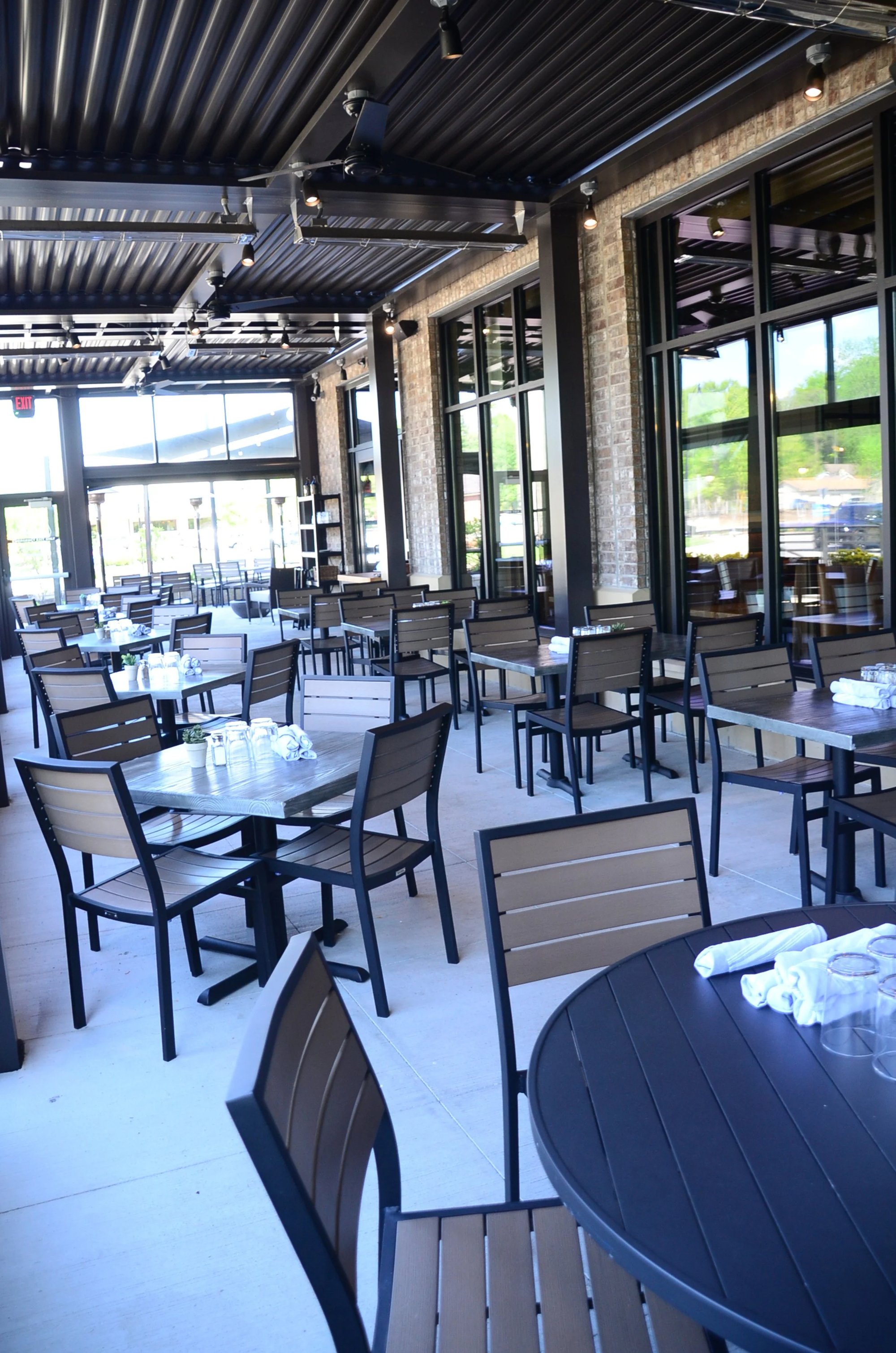
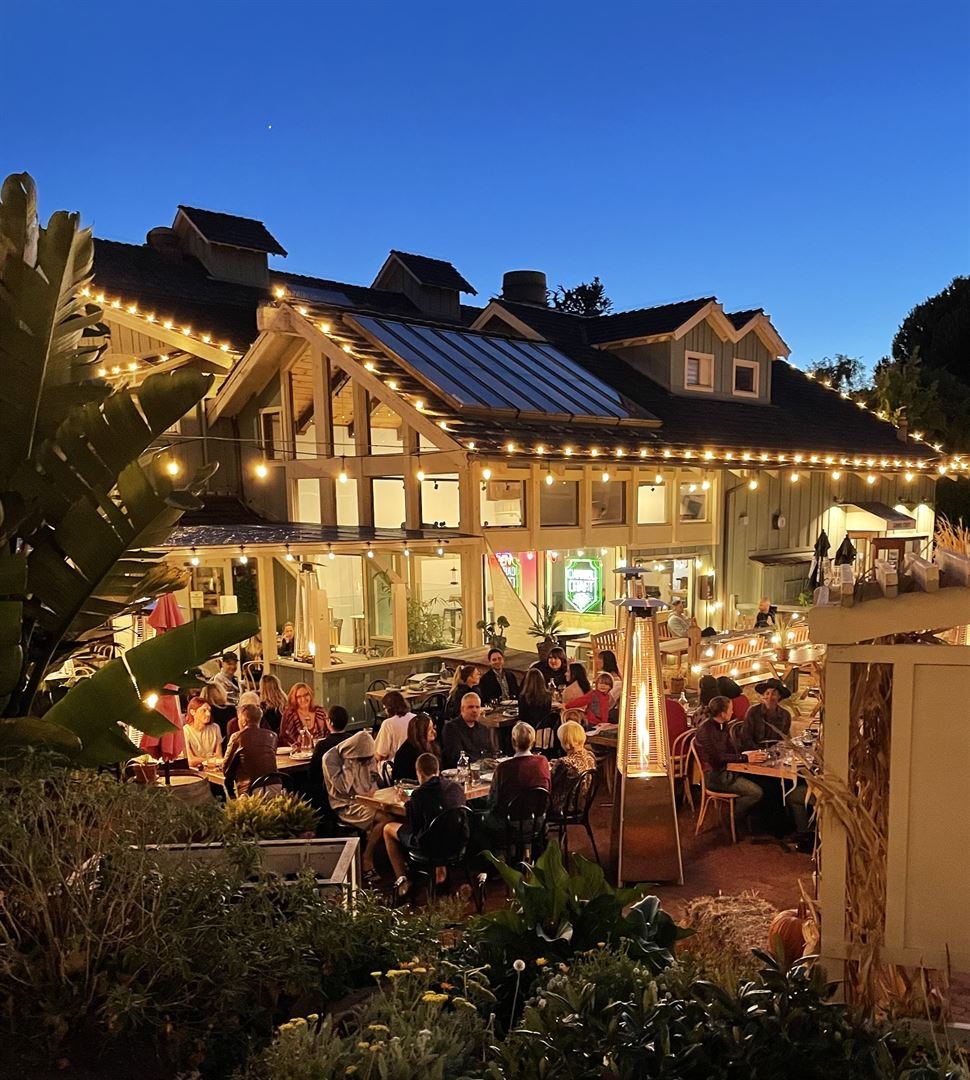
- Outdoor Terrace
- Classic Cocktails
- Craft Cocktails
- Whiskey
- Conventional Wine
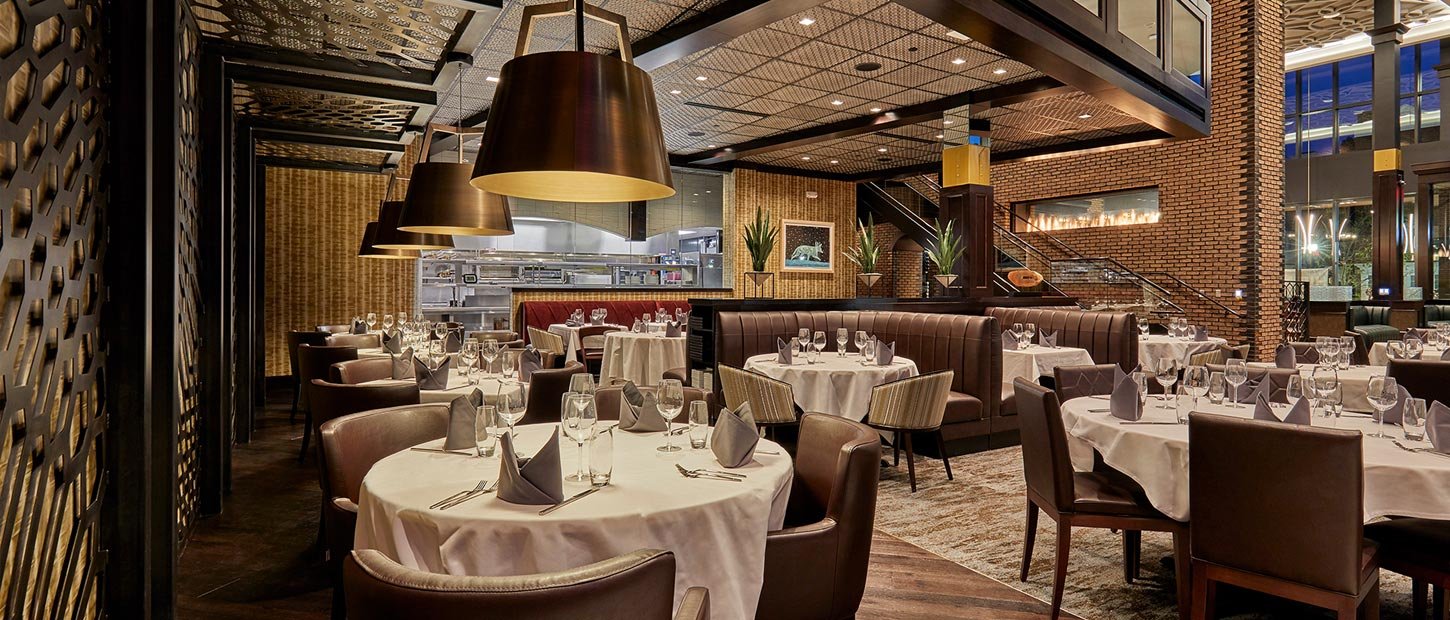
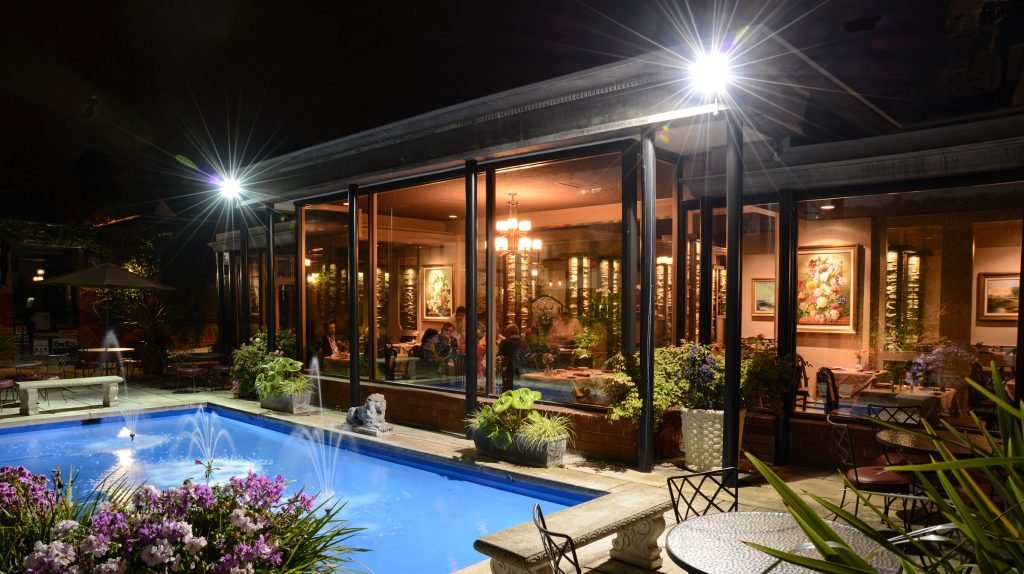
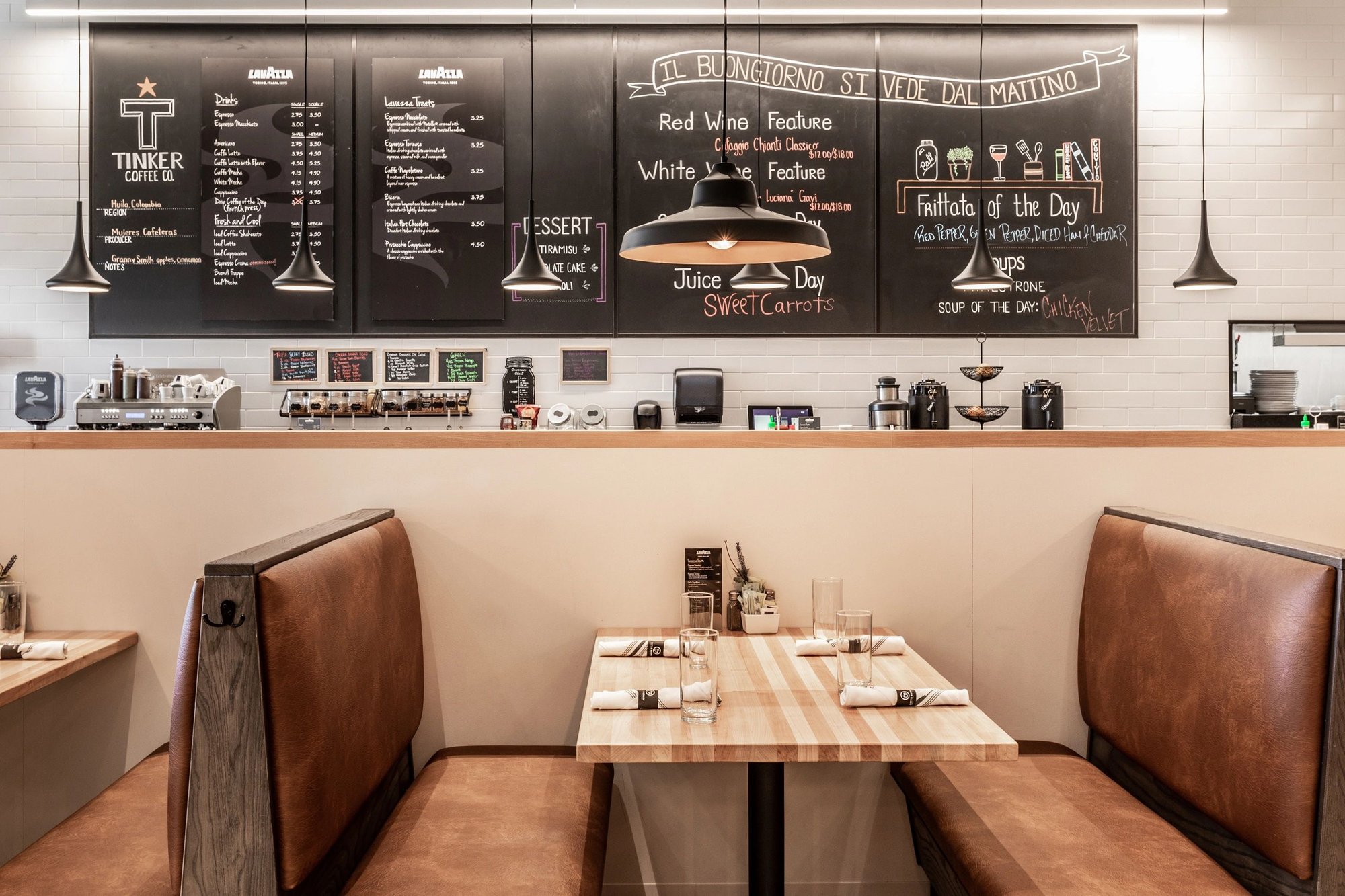
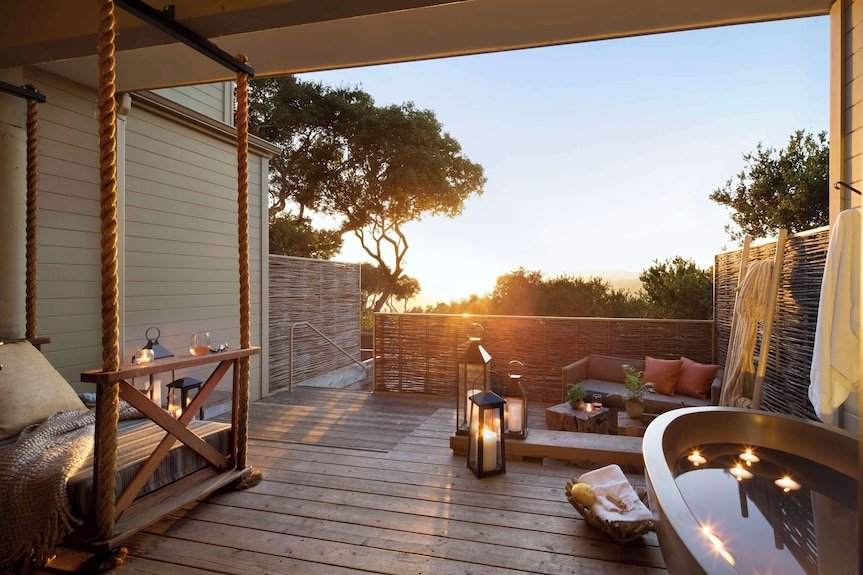
Upscale speakeasy atmosphere with modern elegance and timeless, classic touches—dimly lit, polished, and designed as a refined retreat for cocktails and conversation.