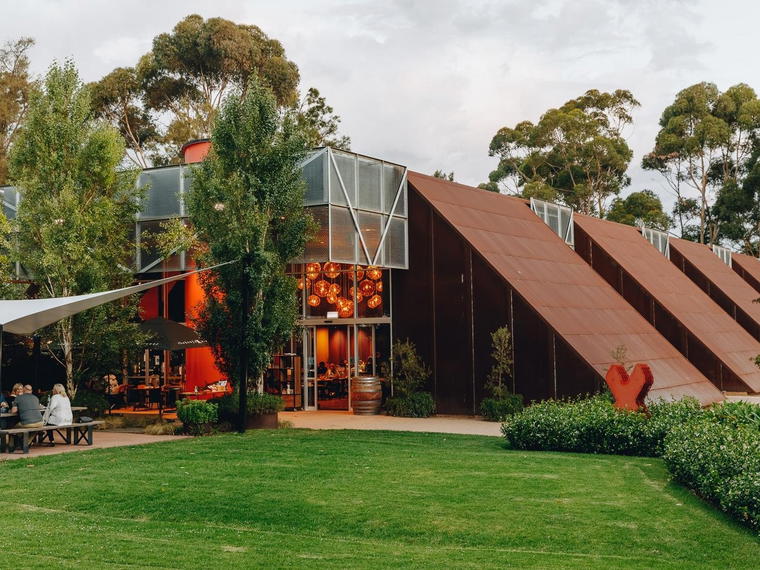
1
Victoria, Canada
Shadowfax Wines
Shadowfax Wines belongs in Victoria’s quieter drinks conversation: less spectacle, more attention to how coastal British Columbia’s climate shapes what ends up in the glass.
Results
Victoria, Canada
Shadowfax Wines belongs in Victoria’s quieter drinks conversation: less spectacle, more attention to how coastal British Columbia’s climate shapes what ends up in the glass.
Koblenz, Germany
Shadowfolk Vineyards is a small Mosel natural-wine project near Koblenz, led by Finnish winemaker Petra Kujanpää and rooted in Riesling, old vines, and organic production. Its appeal sits in the tension between the Lower Mosel’s steep-slope discipline and a lighter, more playful style that speaks to drinkers tracking Germany’s newer natural-wine movement.
Bolnisi, Georgia
Shalos Marani is a small Bolnisi winery built around Georgia’s cellar tradition rather than tasting-room theatre. Its 1818 cellar, native-variety vineyards and low-intervention qvevri and barrel work make it a focused stop for drinkers who want Georgian amber, red and amphora styles tied closely to place.
Kardenakhi, Georgia
Shalvino is a Kardenakhi estate winery rooted in Kakhetian qvevri tradition and modern cellar production. Its strongest argument is place: vineyards on the right bank of the Alazani River, local varieties such as Rkatsiteli, Khikhvi, Saperavi and Aladasturi, and a portfolio that includes fortified, amber-leaning and dry red styles.

Elgin, South Africa
Shannon Vineyards gives Elgin’s cool-climate argument a clear shape: river boundary, mountain air, morning mist, and a compact 10 hectares under vine. The estate’s identity is built around site expression rather than volume, with Sauvignon Blanc, Pinot Noir, Chardonnay, Semillon, and Merlot in the frame and Gordon Newton Johnson and Nadia Newton Johnson attached to the winemaking.
Ovid, United States
Sheldrake Point Winery reads as a Finger Lakes estate experience shaped by Cayuga Lake rather than by trophy language. The draw is the combination of estate-grown tasting flights, Riesling and other vinifera styles, dessert and ice wine, vineyard views, outdoor seating, and a calm staff-led format in Ovid.
Kenzingen, Germany
Shelter Winery is a small Baden producer in Kenzingen shaped by Pinot Noir, cool Kaiserstuhl-fringe sites, and a cellar style that favors restraint over show. Its identity runs through a former Canadian Air Force bunker origin, hand harvesting, low-chemical vineyard work, and small-scale production led by Hans-Bert Espe and Silke Wolf.
Gori, Georgia
Sherma Family Wine brings a quiet natural-wine lens to Gori, a central Georgian city outside the country’s more familiar wine-tourism circuits. The family winery began commercial production in 2020, works at small scale, and focuses on Krakhuna and Tavkveri with wild-yeast, unfiltered winemaking rather than polished cellar theatre.
Akhmeta, Georgia
Shilda Winery gives Akhmeta a modern estate expression of Kakheti wine culture: mountain-facing, vineyard-led, and built for guided tastings rather than casual bar-style drinking. Its defining pull is the combination of a 6-hectare estate, Kindzmarauli PDO context, Georgian varieties, and contemporary Italian and French cellar equipment.
Marsala, Italy
Sibiliana is a relaxed beachside stop in Marsala where the draw is space, clean water, casual food, and a low-pressure seaside rhythm rather than formal dining ceremony. The format suits families, groups, and solo beach time, with customized panini, granita, grilled items, cocktails, outdoor seating, and a personable service style shaping the appeal.
Luogosanto, Italy
Siddùra puts Gallura’s granite-country wine culture into a polished estate setting near Luogosanto, with Vermentino di Gallura DOCG as the key reference point. The experience is built around guided tastings, private visits, vineyard views, and a quiet rural atmosphere rather than urban tasting-room theatre.
Liestal, Switzerland
Siebe Dupf Kellerei AG in Liestal is a Swiss wine house shaped by regional production, cellar visits, and a broad European merchant’s portfolio. Its draw is not estate minimalism but range: Basel-Landschaft Pinot Noir, guided tastings, apéro formats, and social wine programming built on a trading legacy that dates to 1874.
Villabuena De Alava, Spain
Sierra de Toloño belongs to the fresher, altitude-led side of Rioja Alavesa, where limestone soils, north wind and small parcels matter more than cellar architecture. Sandra Bravo’s micro-bodega works with Tempranillo, Garnacha, Viura and other local varieties, using steel, amphorae and old wood to keep the wines tense, mineral and site-led.
Limoux, France
Sieur d’Arques gives Limoux’s sparkling-wine history a cooperative frame: Chardonnay, Mauzac, Chenin, Blanquette and Crémant seen through a large grower base rather than a single-estate lens. The tone is practical and educational, with the cellar, museum and galleries reinforcing why this corner of Occitanie matters to French fizz.
Großhöflein, Austria
Sigma Vinum places Großhöflein’s Burgenland red-wine context into a modern wine-design frame, with Blaufränkisch, Zweigelt, Grüner Veltliner and Sauvignon Blanc in view rather than a conventional cellar-door narrative. The useful lens here is terroir and format: a small-scale, concept-led producer tied to Leithaberg and Austrian indigenous varieties, with recognition through Falstaff’s winery directory and a market-facing Blaufränkisch bottling.
Barcelona, Spain
Signat Cava belongs to Barcelona’s wider cava orbit rather than the city’s restaurant circuit: quiet, traditional, and built around sparkling wine with regional identity. Its clearest expression is Brut Reserva Imperial, a D.O. Cava made from Chardonnay, Macabeo, Parellada, and Xarel-lo, with reserve aging, food-pairing intent, and a polished cava-house tone.
Buchberg, Switzerland
Sigrist Eigenkelterung is a small Buchberg winery built around the old Swiss logic of on-site growing, pressing, and production. The draw is not spectacle or trophy branding, but a quiet, full-cycle cellar format with Müller-Thurgau, Pinot Noir, and Räuschling in the frame.
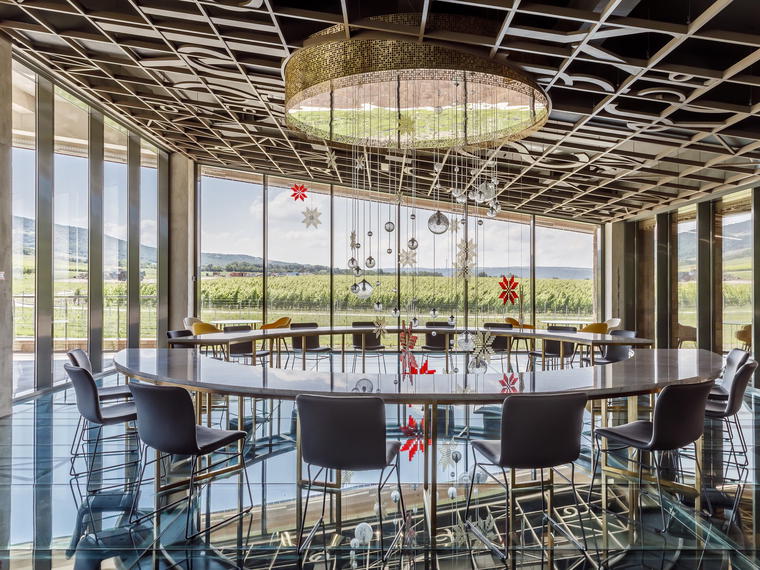
Krasnodar, Russia
Sikory Winery sits on the Krasnodar stretch of Russia's Black Sea wine corridor, ranked No. The property represents the serious tier of Russian fine wine production, where international recognition has placed Krasnodar firmly on the global winery circuit.
Condom, France
Silas Domaine Les Remparts is a working Gascon estate in Condom, built around IGP Côtes de Gascogne wines, Armagnac, Floc de Gascogne and pruneaux d’Agen rather than polished cellar-door theatre. Its interest lies in the old rural model: 46 hectares, mixed production, a restored 15-plate Armagnac still, and an HVE environmental label held since 2017.
Hastings, New Zealand
Sileni Estates is a hospitality-forward Hawke’s Bay winery in Hastings, built around cellar-door tasting, local-product browsing, and vineyard-side terrace time. Its range draws from Hawke’s Bay and Marlborough, with Sauvignon Blanc, Pinot Noir, Merlot, Syrah, and Pinot Gris framing a broad New Zealand wine conversation rather than a narrow single-site argument.
Boffalora Sopra Ticino, Italy
Silenzi di Terra is a small organic winery tied to Lugana DOC, with Turbiana at the center of its regional identity. The draw is not trophy culture but terrain: morainic soils, Lake Garda influence, vineyard views, and a quiet estate setting between Alpine and Po Valley cues.
San Pietro In Cariano, Italy
Silvano Piacentini Premium Wine Selection is a Valpolicella wine house in San Pietro In Cariano, founded in 2000 by Silvano Piacentini with his children. The emphasis is production, import/export, distribution and private tasting rather than a hospitality-first cellar-door model, with a still-red focus built around Corvina, Corvinone and Rondinella.
Santa Rosa, United States
Silver Palm Wines gives Santa Rosa a polished, Cabernet-forward address for North Coast California wine rather than a broad hospitality spectacle. The emphasis is small-lot production, sustainable sourcing, Chardonnay alongside Cabernet Sauvignon, and a quiet, classic tasting environment suited to drinkers who care more about regional expression than performance.
Robertson, South Africa
Silverthorn Wines is a Robertson Cap Classique specialist with a small-production, traditional bottle-fermented focus and a tasting-room setting shaped by the Breede River, vineyards and the Riviersonderend mountains. Its strongest case is terroir: rocky, lime-rich shale soils, old Chardonnay vineyards and a house identity built around South African sparkling wine rather than a broad cellar-door portfolio.

Zeddiani, Italy
Silvio Carta is a Sardinian winery and distillery in Zeddiani with a production-site character: tastings, purchases, and guided visits sit close to the work rather than behind polished hospitality theatre. Its strongest editorial pull is the breadth of the island vocabulary in one place, from Vernaccia di Oristano DOC to myrtle liqueur, gin, vermouth, amari, grappa, and brandy, with recent awards reinforcing the Vernaccia and spirits credentials.

La Morra, Italy
Silvio Grasso is a family-run La Morra winery founded in 1927, with a compact Piedmont program led by Nebbiolo and Barolo. The draw is terroir rather than spectacle: La Morra marne and sandstone for Barolo “Giachini,” Monforte d’Alba calcareous soils for Nebbiolo “Peirass,” and regional breadth through Dolcetto and Barbera.
Chamoson, Switzerland
Simon Maye is a small family wine estate in St Pierre De Clages, founded in 1948 and shaped by the limestone, gravel and terraced slopes of Valais. The draw is terroir-led Swiss wine, especially old-vine Syrah made since 1985, with guided tasting by appointment rather than casual cellar-door traffic.
Kitzingen, Germany
Simon Wine puts Franconian natural wine into a modest Kitzingen frame: organic and regenerative farming, zero-intervention cellar work, and a Friday tasting culture built around conversation rather than ceremony. The point is not estate grandeur, but a direct reading of Silvaner, Pinot Blanc, Chardonnay, Pinot Noir, Domina and Savagnin through a young, small-scale producer with a strong sense of place.
Terranuova Bracciolini, Italy
Simona Guidelli is a winery listing in Terranuova Bracciolini, a Tuscan town where wine interest is inseparable from agricultural place rather than urban spectacle. Treat it as a low-information producer entry: useful for mapping the local wine scene, not for assuming a defined tasting format, flagship bottle, or cellar-door program.
Castiglione Tinella, Italy
Simone Cerruti is a small Castiglione Tinella winery focused on Moscato Bianco from the UNESCO-protected Langhe hills. The draw is not scale but specificity: 3.5 hectares worked by hand, small annual production, dry vinified Moscato aged in barriques, and a hill-country hospitality model built around guided tasting, vineyard context, and farmhouse calm.
Monforte d'Alba, Italy
A compact Monforte d’Alba wine stop for drinkers who care about Barolo-zone place rather than polished hospitality theatre. Simone Scaletta Viticoltore works from five hectares, produces about 18,000 bottles, and keeps the focus on natural vinification, named parcels, and the classic Langhe red-wine ladder from Dolcetto through Barolo.

Chablis, France
Simonnet-Febvre gives Chablis a production-minded counterpoint to the region’s small-domain romance: historic vaulted cellars, a modern winery in Chitry-le-Fort, and a range anchored in Chardonnay with Pinot Noir and Aligoté also in the frame. Its distinctive point is Crémant de Bourgogne, a rare thread in a town usually read through still white wine alone.

Canterbury, United Kingdom
Simpsons' Wine Estate is a polished English wine stop outside Canterbury, framed by Kent chalk soils, sheltered North Downs slopes, and a modern Glass House Tasting Room. The appeal is less rustic cellar door than terroir-led hospitality: estate-grown Chardonnay, Pinot Noir, and Pinot Meunier, guided tastings, vineyard tours, and a quiet setting built around still and sparkling wine.
Polpenazze Del Garda, Italy
Sincette is a biodynamic winery and farm in Polpenazze Del Garda, shaped by the Valtenesi hills and the western shore of Lake Garda. Its appeal sits in land-first winegrowing: Groppello, Marzemino, Barbera and Bordeaux varieties, olive cultivation, and a rural estate atmosphere where the vineyard, rather than cellar theatre, carries the argument.
Ventura, United States
Sine Qua Non is Ventura’s cult-wine outlier: a small, industrial, appointment-only producer whose reputation rests on Rhône varieties, tiny production and collector demand rather than conventional wine-country polish. Founded in 1994 by Manfred and Elaine Krankl, it is associated with art-driven labels, Syrah and Grenache, and multiple 100-point bottlings across its portfolio.
Cividale del Friuli, Italy
Sirch is a long-running Friuli Colli Orientali winery in Cividale del Friuli, opened in 1955 and focused on still white and red wines. The appeal is quiet and vineyard-led: guided appointment tastings, Friulian varieties such as Friulano, Ribolla Gialla, Refosco and Schioppettino, and a traditional style shaped by the Colli Orientali rather than cellar theatrics.
Negrar, Italy
Siridia gives Valpolicella Classica a contemporary, tightly edited reading: appassimento, Amarone, Valpolicella Superiore and Metodo Classico appear as parts of one disciplined cellar language rather than as separate tourist clichés. The visit is strongest for drinkers who want process, terroir and design to sit in the same conversation, with the fruttaio and tasting room doing more work than grand historical theatre.
Brda, Slovenia
Sirk Wine is a small-scale, family-run Brda cellar with a practical tasting format built around dry wines, stainless-steel-aged whites, and indoor or outdoor seating. The appeal is less trophy-room polish than a close reading of Brda’s still-white, still-red, and sparkling range, with Rebula, Sauvignon, Pinot Gris, Malvasia, Merlot, Cabernet Franc, and Chardonnay in the frame.
Montalcino, Italy
Siro Pacenti is a Pelagrilli estate in Montalcino built around Sangiovese, Brunello di Montalcino DOCG and a small-scale cellar experience. The draw is terroir expression across north- and south-facing vineyard sites, with Vecchie Vigne and Pelagrilli carrying the estate’s strongest critic recognition.
Imereti, Georgia
Sister Wine is a small Imeretian wine venue built around regional Georgian bottles, guided tasting, and a room with a rustic, lively local feel. The draw is less formal cellar theatre than Imereti’s place inside Georgia’s wider wine culture: indigenous grapes, still whites, reds, orange wines, and a natural-wine leaning sensibility shaped by regional identity.

