Sine Qua Non

Falstaff Winery - Listed
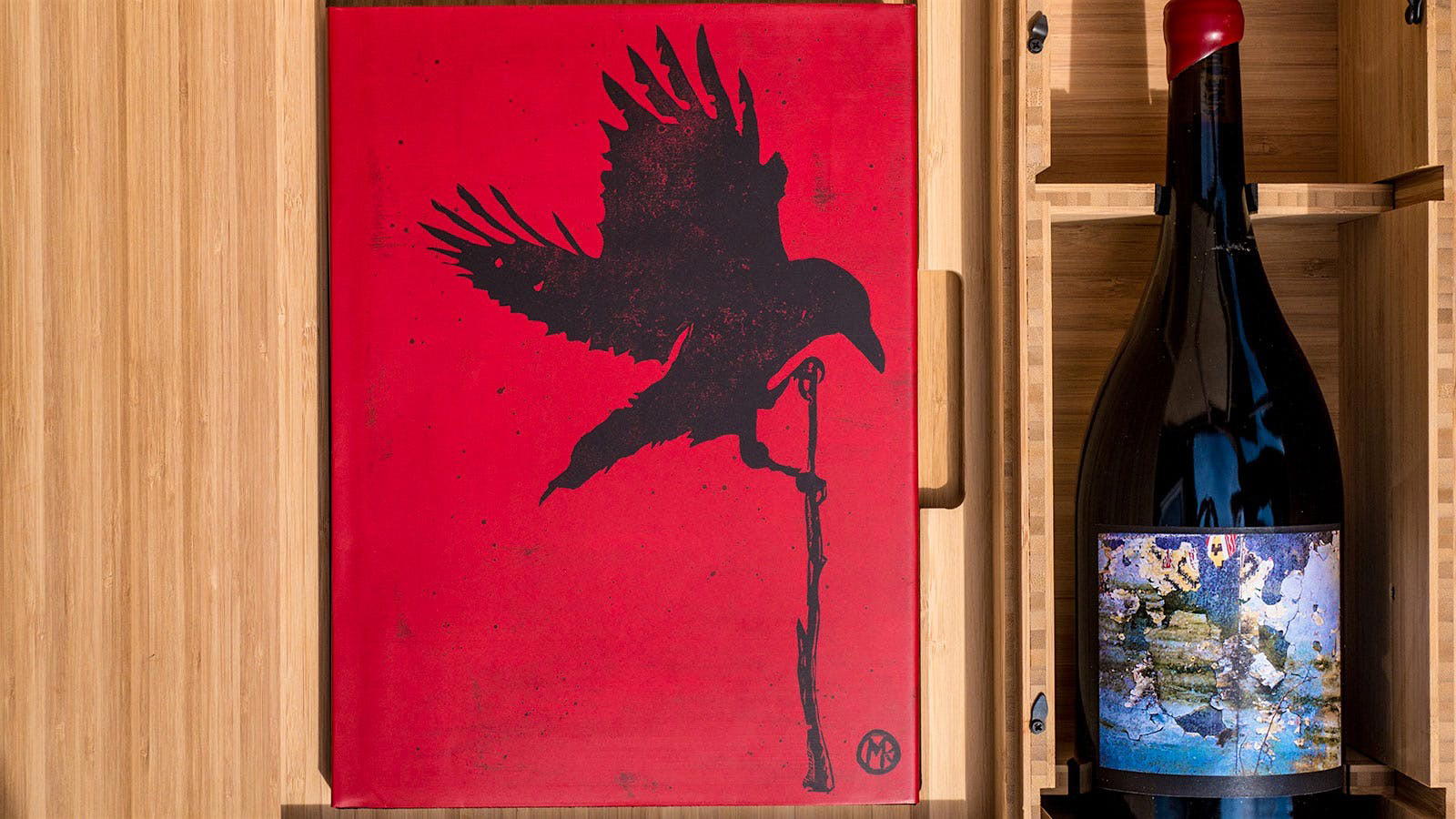
Sine Qua Non is Ventura’s cult-wine outlier: a small, industrial, appointment-only producer whose reputation rests on Rhône varieties, tiny production and collector demand rather than conventional wine-country polish. Founded in 1994 by Manfred and Elaine Krankl, it is associated with art-driven labels, Syrah and Grenache, and multiple 100-point bottlings across its portfolio.

Pearl is the En Primeur Club membership app, where members save venues, book tables and use the concierge.

Sine Qua Non in Ventura is best understood through its setting and reputation rather than through a long public checklist of services. The picture is intentionally narrow: a $$$$ venue with an industrial, warehouse-like cellar atmosphere and a cult-winery, art-driven character. Press descriptions have compared the space to a “Mad Max” set, which is a useful shorthand for the mood: rugged, unconventional and visually forceful rather than pastoral or resort-like.
That distinction matters. Many premium wine destinations lean on vineyard scenery, polished hospitality cues or a familiar countryside script. Sine Qua Non reads differently. Its Ventura identity is tied to an intimate, sophisticated cellar environment that feels hidden, iconic and highly specific. The appeal is not a broad list of amenities; it is the contrast between a rough-edged industrial frame and a luxury-level reputation.
Ventura, industrial atmosphere and cult-winery character
The facts support a focused description: Sine Qua Non is in Ventura, carries a $$$$ price level and is associated with an industrial cellar setting. “Warehouse-like” is not a throwaway adjective here. It defines the atmosphere more clearly than any invented service detail could. The room is better described as compact in feeling, serious in tone and art-driven in personality than as a conventional scenic tasting destination.
The venue’s character also explains why it stands apart from other Ventura dining and drinking options. It is a hidden-gem kind of address, but not in the casual sense of a low-key neighborhood find. The “hidden” quality comes from discretion, scarcity of public-facing detail and the sense that the place is built around a particular creative world. The “iconic” quality comes from the strength of that identity: industrial, sophisticated, intimate and visually memorable.
Safer and more useful reading is atmospheric. Sine Qua Non is a Ventura venue whose premium status is expressed through setting, mystique and art-led cellar character rather than through a broad hospitality inventory.
Confirmed price marker is $$$$, so visitors should understand Sine Qua Non as a high-end venue. Any guide that presents those as settled facts is going beyond the available information.
That does not make the venue less compelling; it simply changes how it should be described. The strongest grounded description is sensory and contextual. Sine Qua Non belongs to a luxury category, but its aesthetic is not glossy in a conventional way. It is industrial rather than pastoral, warehouse-like rather than salon-like, and art-driven rather than generic. The “Mad Max” comparison used in press descriptions captures that tension: a space with a rough, cinematic edge that still reads as deliberate and high-status.
For someone planning around Ventura, that means Sine Qua Non should be treated as a distinctive stop whose exact practical details need current confirmation from the venue. The guide-level certainty lies in the city, the $$$$ positioning and the atmosphere: cult-winery energy, an intimate cellar mood and a sophisticated but unconventional visual language.
The cellar experience is spare, quiet and art-led
The most reliable way to frame Sine Qua Non is as an art-forward industrial cellar in Ventura. “Spare” and “quiet” describe the mood better than any unsupported promise about a particular service style. The setting suggests concentration: not a showy resort environment, not a generic tasting-room template, but a visually distinct space where the cellar itself carries much of the identity.
This is also why dress-code language should be understood as contextual rather than prescriptive. The description points to an industrial, warehouse-like cellar with cult-winery character. In practical terms, that means the atmosphere is sophisticated and intimate, but not formal in the classic white-tablecloth sense. It is a place whose style is shaped by art, cellar work and an unconventional premium aesthetic.
Compared with other Ventura options, Sine Qua Non’s profile is unusually concentrated. What remains is still strong: a $$$$ Ventura venue with a hidden-gem reputation, an iconic industrial setting and an art-driven identity that makes it feel unlike a standard luxury wine stop.
That clarity is useful. Sine Qua Non should not be oversold with invented particulars. Its appeal is already specific enough: Ventura location, high-end price level, warehouse-like cellar mood, cult-winery aura, intimate sophistication and a press-noted visual edge dramatic enough to invite comparison to a “Mad Max” set.
Recognition history
Dated appearances from independent guides and award organizations, with the underlying list record or original source where available.
Falstaff Winery - Listed
Falstaff
Sine Qua Non
Featured Guides
Continue exploring
More in Ventura
Details
- Well Known
- Industrial
- Sophisticated
- Intimate
- Special Occasion
- Solo Exploration
- Wine Education
- Design Destination
- Syrah
- Grenache
- Roussanne
- Mourvèdre
- Viognier
- Still Red
- Still White
- Dessert
- Allocated Tasting
Industrial, warehouse-like cellar setting with a cult-winery, art-driven character; press descriptions compare the space to a 'Mad Max' set.