Simon Maye

Simon Maye is a small family wine estate in St Pierre De Clages, founded in 1948 and shaped by the limestone, gravel and terraced slopes of Valais. The draw is terroir-led Swiss wine, especially old-vine Syrah made since 1985, with guided tasting by appointment rather than casual cellar-door traffic.
Pearl is the En Primeur Club membership app — saves, bookings, and concierge access live there. Same editors, same standards.
- Address
- St-Pierre-de-Clages, Chamoson, Valais, Schweiz
- Directions
- Get directions
 Saves & bookings on Pearl
Simon Maye is best approached as a small, precise family wine estate in St Pierre De Clages. The picture is deliberately focused: quiet, classic, scenic and intimate, with a serious terroir-driven atmosphere centered on meticulous wine quality rather than spectacle. Nothing in the confirmed description pushes the estate toward a broad lifestyle concept or a showy visitor experience. Its appeal is more restrained: a place to think about wine, setting and craft in a concentrated way, with the family-estate character kept close to the surface.
A small family estate with a terroir-driven focus
The grounded details are limited, and that restraint matters. The safest way to read the estate is through its overall tone: precise, serious and site-conscious. Simon Maye is not best described by adding extra claims around production, status or particular bottles. Instead, the available picture points to a wine estate where the main subject is the relationship between place, care and quality.
That makes Simon Maye a fit for visitors who prefer focused wine context over a broad hospitality concept. The estate’s appeal rests on quiet concentration, a classic feel and a hidden-gem quality rather than on claims about rankings, awards, cellar size or particular wines. In editorial terms, it should be treated as a modestly framed but purposeful address: intimate enough to feel personal, serious enough to reward visitors who arrive wanting to listen, taste and understand rather than simply pass through.
The small family-estate identity also shapes expectations. It suggests a visit where scale is not the point and where the atmosphere is likely to feel measured rather than expansive. The emphasis is on a careful, quality-led wine identity, not on surrounding distractions. For travelers building a wine-focused day, that distinction is useful: the winery belongs in the part of an itinerary reserved for concentration, not for noise, entertainment or a checklist of add-on features.
Price positioning is listed as $$, which gives a basic planning signal without implying a specific tasting fee, bottle price or menu structure. It is enough to indicate a moderate planning category while avoiding details that are not confirmed. The important confirmed point is the estate’s careful, quality-led wine identity, and that should remain the anchor of how the venue is described.
A guided tasting format for drinkers who want context, not spectacle
The experience is guided by appointment, so planning ahead matters. That format suits visitors who want a more considered conversation around wine quality and place, rather than an unplanned visit. An appointment-minded structure naturally slows the encounter down: the visit is not framed as a casual drop-in moment, but as something arranged with purpose and attention.
The atmosphere is quiet and classic rather than performative. The winery is best understood as an intimate family estate where the visit supports the wine rather than distracting from it. The description points to a serious, terroir-driven mood, not to a restaurant, bar scene or large hospitality complex. That distinction is important because it keeps expectations aligned with what is actually confirmed: a focused tasting context, not a multi-format venue with separate dining or entertainment claims.
For drinkers who value context, the guided format is part of the draw. It allows the estate to be experienced through explanation, pace and attention, with the wines remaining the central subject. The scenic and quiet qualities add to the sense of place, but they do not replace the wine focus. Strong reading is that the setting frames the tasting, while the tasting itself remains the reason to go.
What can be said with confidence is that winery is appointment-minded, quality-focused and priced at $$. Beyond that, the page should stay disciplined. The confirmed identity is already strong enough: a small, classic, terroir-driven family estate suited to visitors who prefer depth over spectacle and a calm atmosphere over a busier hospitality experience.
How to place it in a St Pierre De Clages wine itinerary
The winery makes sense for a slower St Pierre De Clages wine stop, especially if the goal is a quiet, guided visit at a small family estate. It is less useful to frame it around specialties or hospitality features; the grounded draw is its precise, terroir-led character. In an itinerary, it should be positioned as the focused wine-estate stop, the place where the pace narrows and attention turns to the estate’s own sense of quality and place.
For nearby editorial planning, compare it with other St Pierre De Clages options generically, keeping the winery as the focused wine-estate stop in the itinerary. That means avoiding unsupported contrasts and letting the known qualities do the work: small, family-run in feel, intimate, serious, scenic and guided by appointment.
Treat it as an intimate St Pierre De Clages family estate with guided tastings by appointment, a serious atmosphere and a $$ price level. Its value in a wine day comes from restraint and precision: a quiet stop for visitors who want the estate, the setting and the wine conversation to remain closely connected.
Recognition history
Dated appearances from independent guides and award organizations, with the underlying list record or original source where available.
Falstaff Winery - Listed
Falstaff
Continue exploring
More in St Pierre De Clages
Wineries in St Pierre De Clages
Browse all →
Bars in St Pierre De Clages
Browse all →
Restaurants in St Pierre De Clages
Browse all →
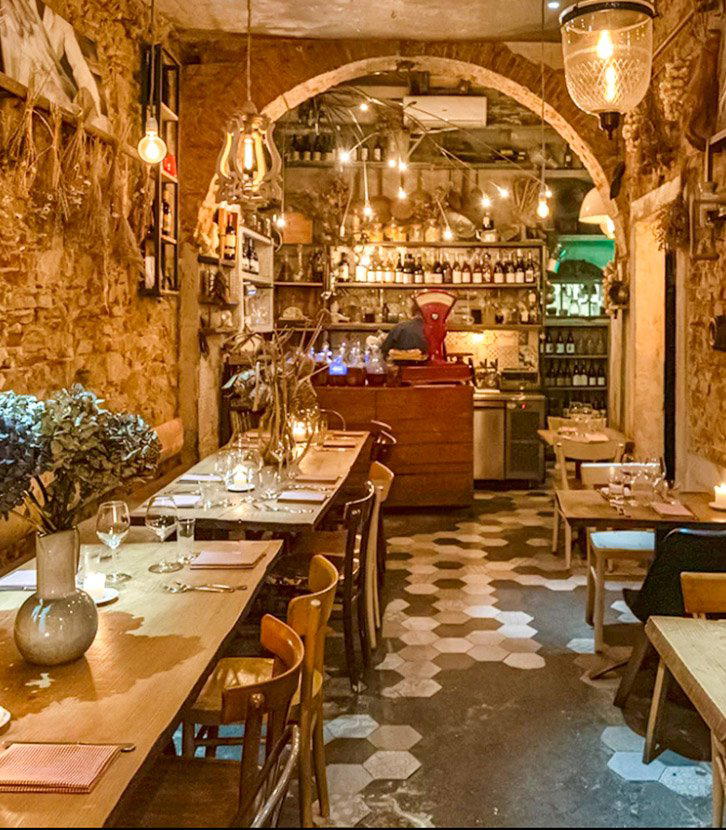
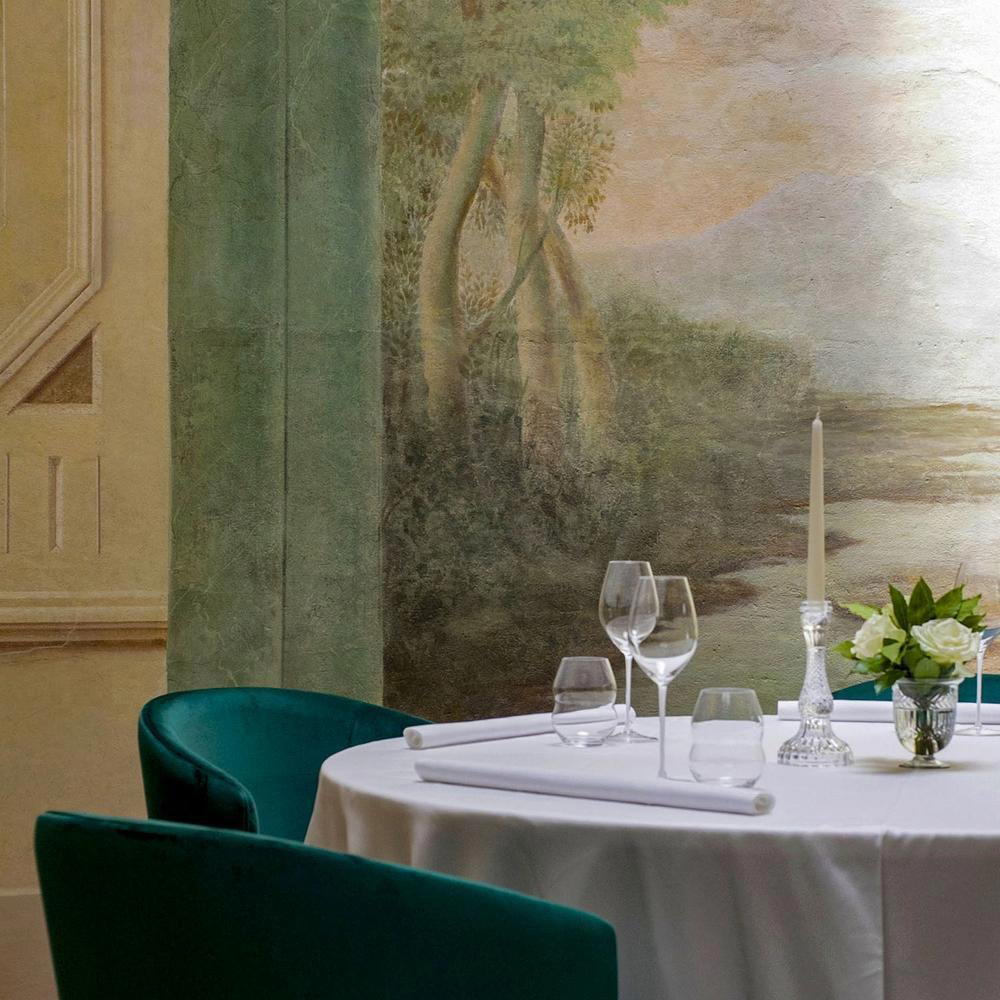
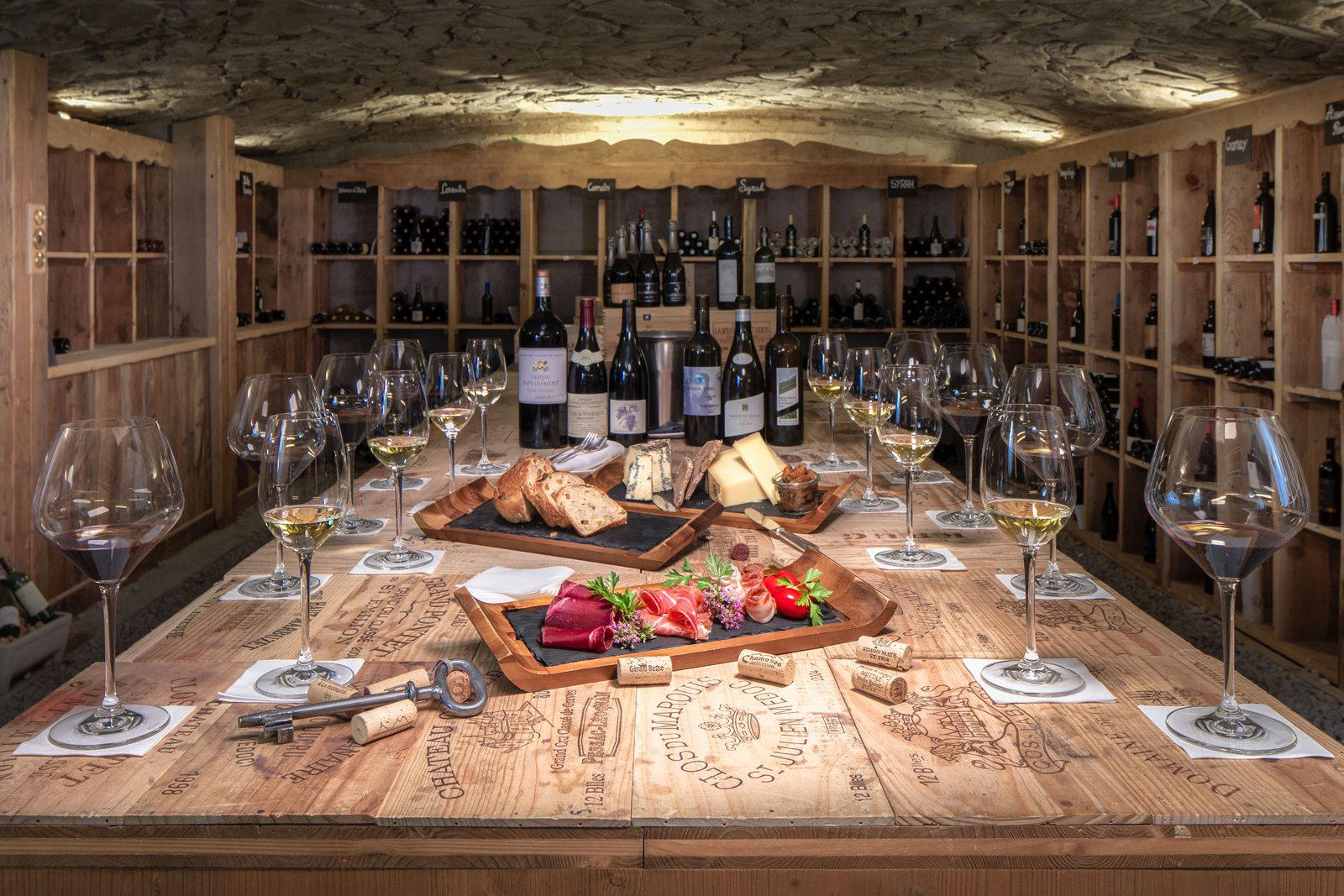
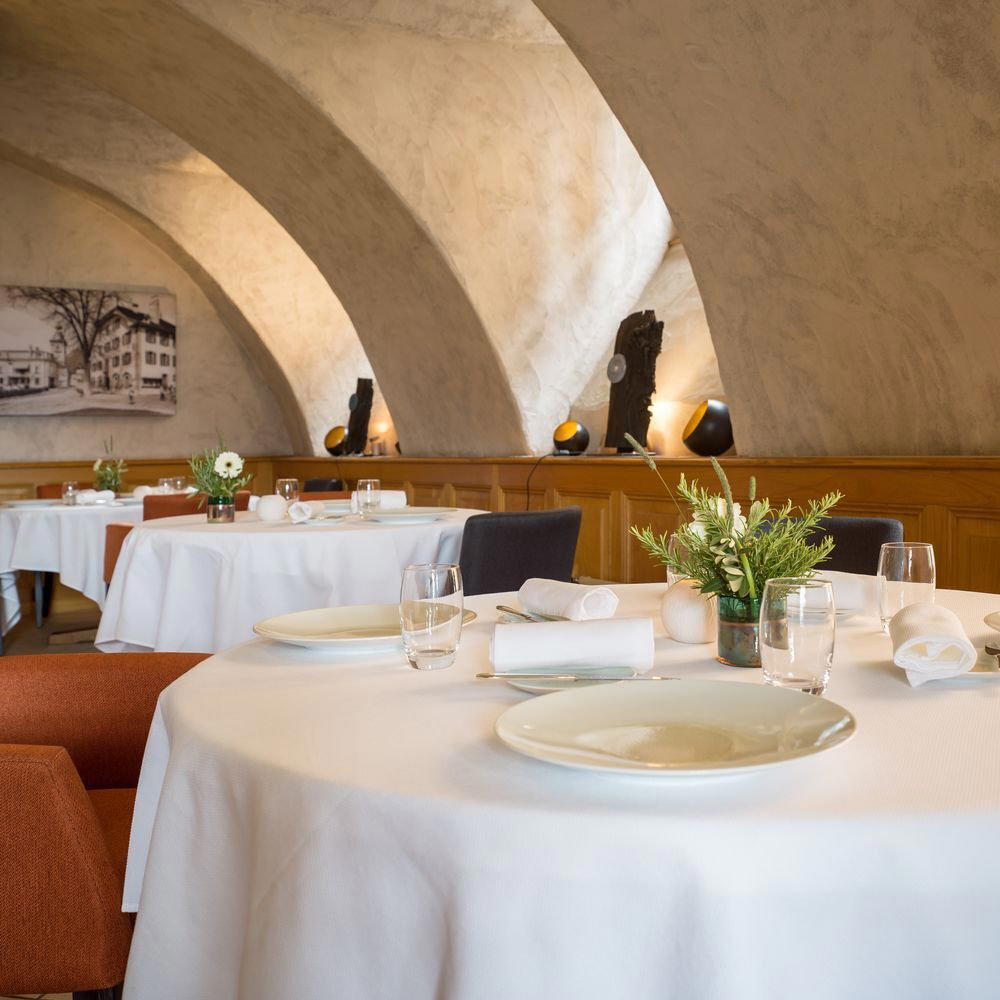
At a Glance
- Quiet
- Classic
- Scenic
- Intimate
- Solo Exploration
- Special Occasion
- Wine Education
- Group Outing
- Private Tasting
- Vineyard Tour
- Cave Tasting
- Estate Grounds
- Organic
- Mountain
- Vineyard
- Chamoson AOC
- Syrah
- Pinot Noir
- Petite Arvine
- Cornalin
- Chasselas
- Still Red
- Still White
- Still Rosé
- Private Tasting
- Guided Tasting
- By Appointment
A small, precise family estate with a serious, terroir-driven atmosphere focused on meticulous wine quality and guided tastings by appointment.