
Shelter Winery is a small Baden producer in Kenzingen shaped by Pinot Noir, cool Kaiserstuhl-fringe sites, and a cellar style that favors restraint over show. Its identity runs through a former Canadian Air Force bunker origin, hand harvesting, low-chemical vineyard work, and small-scale production led by Hans-Bert Espe and Silke Wolf.
Pearl is the En Primeur Club membership app — saves, bookings, and concierge access live there. Same editors, same standards.
- Address
- Kenzingen, Baden, Baden-Wuerttemberg, Deutschland
 Saves & bookings on Pearl
Shelter Winery is a small, understated winery in Kenzingen with a distinctive bunker-origin story and a quiet, craft-focused character. Rather than presenting itself as a large hospitality venue, it reads as rustic, cozy, and shaped by a hands-off cellar aesthetic. That sense of understatement is important to the way the place comes across: the appeal is not in scale, spectacle, or a long list of public-facing promises, but in a more contained mood that suits a traveler who is comfortable with quieter discoveries.
Because the public details are limited, the safest way to understand Shelter Winery is through its atmosphere rather than through unconfirmed claims about specific grapes, vintages, owners, production methods, visitor formats, or awards. What is clear is that the place is positioned around restraint, craft, and a memorable origin story. The bunker-origin detail gives the winery a sharper identity than a generic small cellar, while the rustic and cozy feel keeps that identity grounded rather than theatrical.
A small, understated winery in Kenzingen
Shelter Winery’s appeal comes from its scale and mood. It is best described as quiet and rustic, with a cozy feel that suits travelers looking for a more low-key wine stop in Kenzingen. The bunker-origin story gives the winery a distinctive identity without needing to rely on grand claims or spectacle. In that sense, its character is easy to understand even when the available public information remains spare: it is a place defined less by a broad hospitality program and more by a small winery atmosphere.
The price range is $$$. Beyond that, specific pricing, bottle lists, tasting formats, opening hours, grape varieties, and service details should be checked directly with the winery before planning a visit. That kind of confirmation matters here because the venue is not best approached as a fully mapped-out, highly standardized attraction. Travelers should avoid assuming details that have not been stated, especially if a visit depends on timing, availability, or a particular style of tasting.
One grounded way to frame the winery is as a craft-focused address with an understated personality. Its character is not built around confirmed awards or rankings, but around a small-scale winery feel, a hands-off cellar aesthetic, and a sense of quiet discovery. The mood suggested by the place is restrained rather than promotional: rustic, compact, and intentionally unflashy. For some visitors, that restraint will be the main reason to seek it out, especially when compared with wine stops that foreground polished presentation over atmosphere.
A small cellar aesthetic rather than a visitor spectacle
It is better understood as a small Kenzingen winery with a rustic, cozy atmosphere and a distinctive backstory. The phrase “cellar aesthetic” is useful because it points toward a more direct, less staged impression: a place where the setting and the sense of craft matter more than a scripted visitor experience. Nothing in the available description requires inflating the winery into a destination with elaborate programming; its appeal is more modest and more specific.
Visitors should confirm practical information directly before going. That includes the basic details that can shape a visit, such as whether the winery is receiving visitors at the desired time and what format, if any, is available. Since the known public description is intentionally limited, a quick direct check is one accurate way to keep expectations aligned with reality and to avoid building a day around assumptions.
For travelers comparing options in Kenzingen, the winery is distinctive for its quiet, hidden-gem quality and its craft-forward cellar identity. Other dining and drinking options in Kenzingen can round out the day, but the winery’s appeal is specifically its understated winery atmosphere. It is the kind of stop that works well for someone drawn to texture, mood, and a memorable origin story rather than to a long checklist of amenities.
How to place it in a Kenzingen trip
The winery fits best into a Kenzingen itinerary for travelers who appreciate small, characterful places rather than highly polished visitor experiences. Its strengths are atmosphere, price range, and identity: $$$, quiet, rustic, cozy, and tied to a distinctive bunker-origin story. Those qualities make it especially suitable as a focused stop, not because it promises a broad range of publicly confirmed experiences, but because its personality is clear even in a concise description.
Treat the winery as a focused Kenzingen stop and verify current visit details directly before building the rest of the day around it. Approached that way, it can occupy a clear place in an itinerary: a small, craft-minded winery with a memorable backstory, a restrained atmosphere, and a quiet sense of discovery. Strong expectation is not grandeur, but character.
Recognition history
Dated appearances from independent guides and award organizations, with the underlying list record or original source where available.
Falstaff Winery - 4 Stars
Falstaff
Continue exploring
More in Kenzingen
Wineries in Kenzingen
Browse all →Restaurants in Kenzingen
Browse all →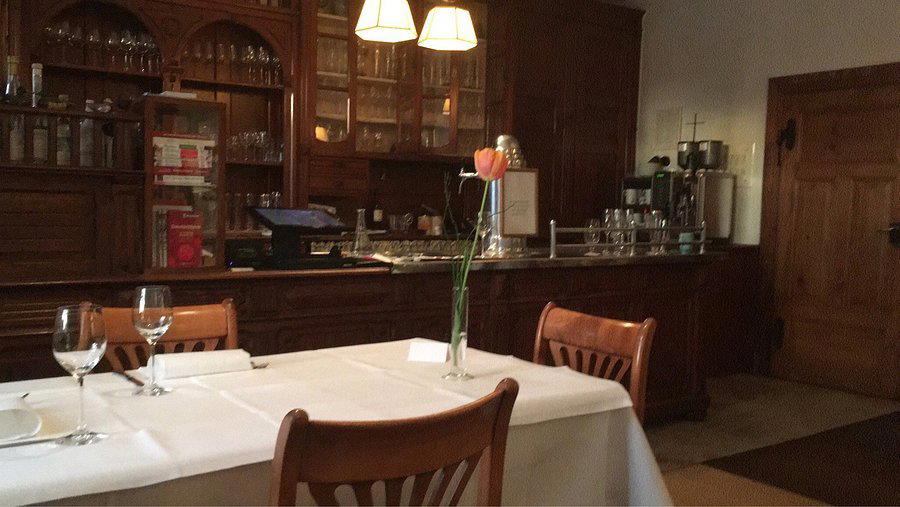
At a Glance
- Quiet
- Rustic
- Cozy
- Solo Exploration
- Special Occasion
- Wine Education
- Private Tasting
- Historic Building
- Sustainable
- Vineyard
- Baden
- Pinot Noir
- Chardonnay
- Still Red
- Still White
- Winery Tasting
- Appointment Tasting
A small, understated winery with a distinctive bunker-origin story and a hands-off, craft-focused cellar aesthetic.