
Falstaff Winery - Listed
Zukunftsweine in Mainz reframes German wine around climate-resilient vines rather than estate nostalgia. The project, founded in 2021 and led by Eva Vollmer, focuses on sustainable Zukunftsreben that can reduce plant-protection spraying by up to 80%, with discovery packs and a movement-led format replacing the usual cellar-door script.

Pearl is the En Primeur Club membership app — saves, bookings, and concierge access live there. Same editors, same standards.

Approach Zukunftsweine in Mainz as a mission-driven wine venue rather than as a conventional prestige address. The picture is deliberately lean: the place is presented around sustainability, climate-resilient winemaking, and a modern activist-brand feel. That gives visitors a useful frame before they arrive. Instead of looking for a heavily traditional atmosphere, expect a contemporary identity built around the future of wine and the choices that shape it.
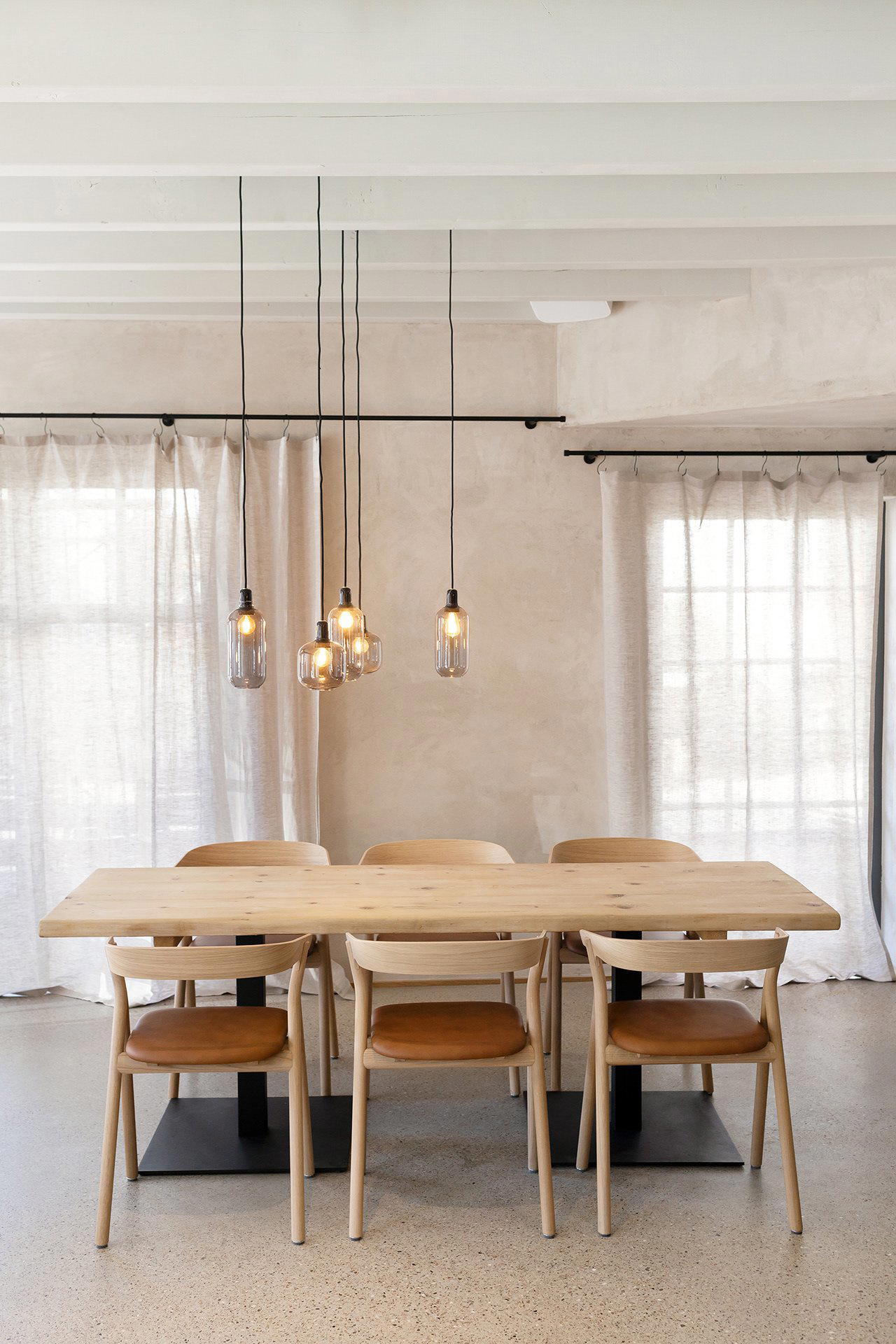
The most important confirmed detail is the venue’s focus. Zukunftsweine is centered on sustainability and climate-resilient winemaking, which makes it a distinctive stop for drinkers who want a wine experience with an environmental point of view. The public-facing style is modern and minimalist, with the feel of a rather than a grand, formal institution. That does not confirm a particular menu, tasting format, producer lineup, seating plan, or service schedule; it simply establishes the tone and the reason the venue stands out in Mainz.
Climate-resilient winemaking as the core idea
Zukunftsweine is best understood through its mission. The venue’s identity is tied to climate-resilient winemaking, a phrase that points to one of the central questions facing wine today: how should wine culture adapt as growing conditions change? On the page, that should remain the focus.
What can be said with confidence is that the concept is sustainability-focused. For a visitor, that means the appeal is not only what is in the glass, but also the conversation around why the wine exists and what kind of future it is trying to support. In that sense, Zukunftsweine sits apart from more conventional wine venues whose identity may be built primarily around heritage, cellar tradition, formal luxury, or collector prestige.
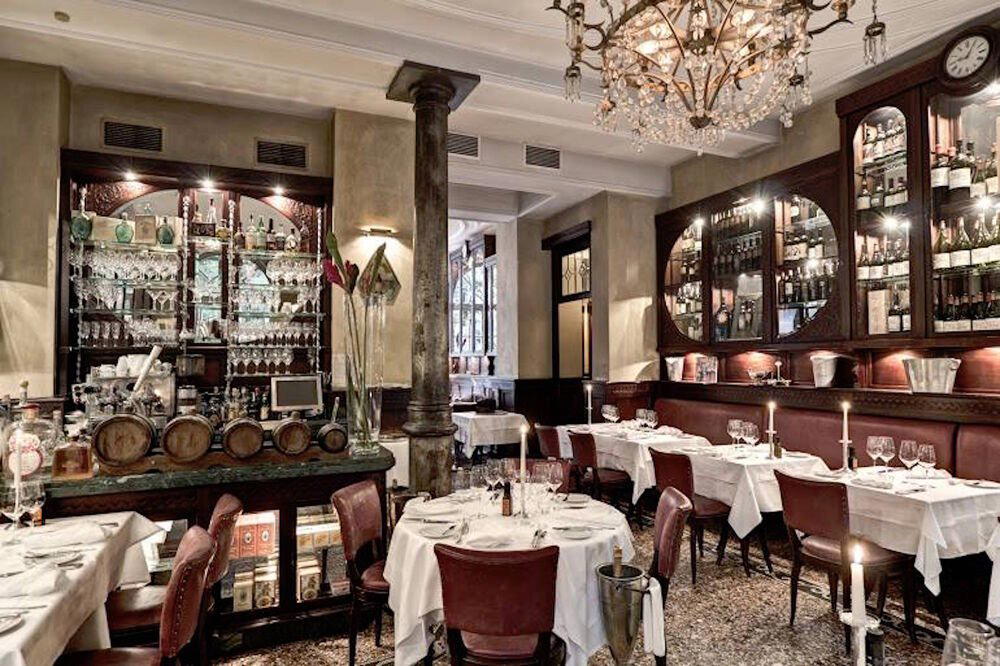
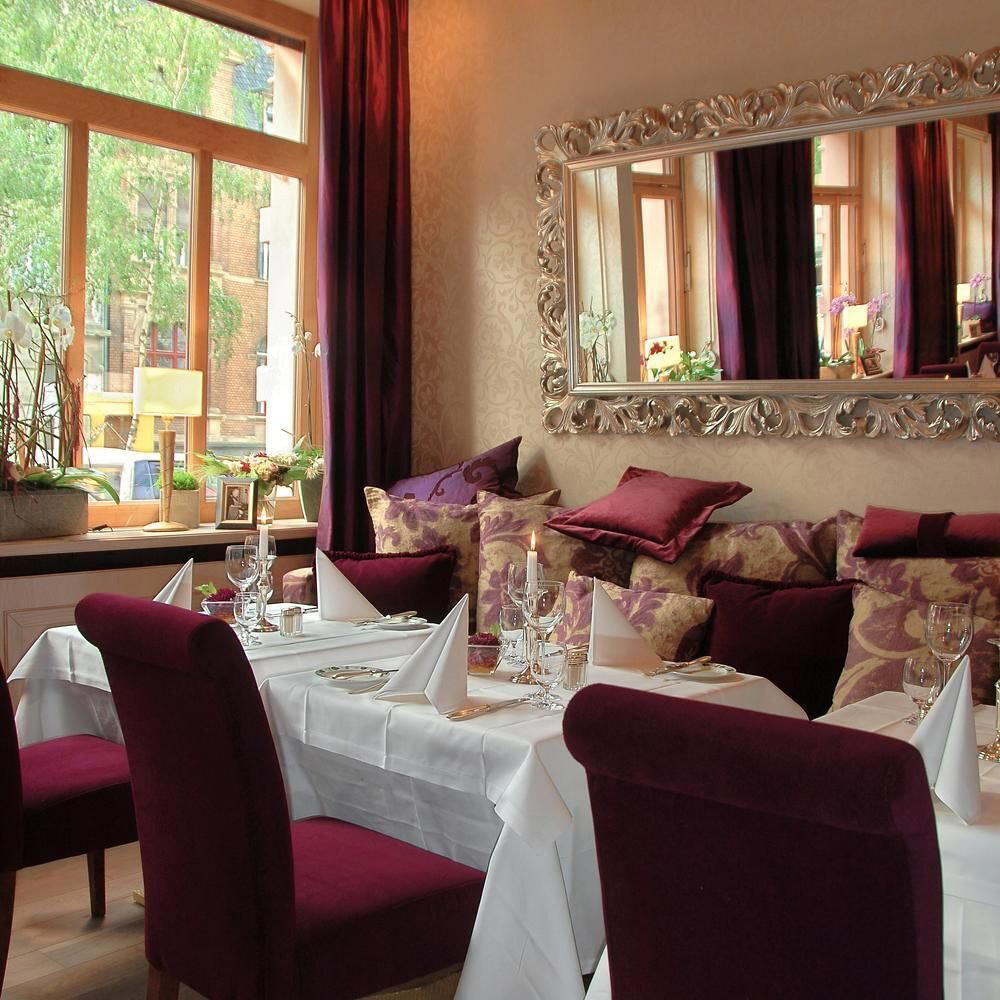
The atmosphere matters because it supports that mission. The style is modern and minimalist, with a contemporary activist-brand feel. That suggests a venue where the message is part of the experience, not an afterthought. The setting is not described here through decorative specifics, historic architecture, or a detailed hospitality script; the grounded point is simpler and stronger: Zukunftsweine presents wine through a sustainability-led, future-facing lens.
A portfolio built for discovery, not trophy collecting
Zukunftsweine is not being positioned here as a trophy cellar or a high-ceremony luxury venue. Its confirmed profile is more approachable and idea-led: a Mainz wine address with a clear sustainability mission and a modern, pared-back identity.
The price level is listed as $$, which places it in a moderate bracket rather than at the most expensive end of the market. That detail is useful because it aligns with the venue’s broader accessibility as a concept: a sustainability-focused wine stop does not need to be framed only for collectors or specialist insiders. Still, no specific bottle prices, tasting fees, menu prices, or package costs, so visitors should treat $$ as a general price signal rather than a precise budget.
It is also worth avoiding assumptions about what is offered on any particular day.
How to read Zukunftsweine within a Mainz wine itinerary
Within Mainz, Zukunftsweine is a useful counterpoint to more familiar wine expectations. The grounded appeal is not a named award, an exact ranking, a famous chef, a historic cellar, or a detailed tasting ritual. It is the combination of Mainz, sustainability, climate-resilient winemaking, a modern minimalist style, and a hidden-gem feel.
That makes the venue a strong fit for visitors who care about the direction of wine culture as much as the atmosphere of a night out. If your Mainz plans are built around polished dining rooms or classic wine traditions, Zukunftsweine offers a different lens: more mission-led, more contemporary, and more directly connected to environmental questions.
For a broader Mainz plan, place Zukunftsweine alongside other dining and drinking options in the city generically rather than treating it as interchangeable with them. Its value is specific: it gives the local itinerary a sustainability-focused wine stop with a modern activist-brand identity. That is enough to make it memorable without adding claims about awards, formats, production details, or hospitality services.
Recognition history
Dated appearances from independent guides and award organizations, with the underlying list record or original source where available.
Falstaff Winery - Listed
Falstaff
Continue exploring
More in Mainz
Wineries in Mainz
All wineries in Mainz →
Bars in Mainz
Browse all →


Restaurants in Mainz
All restaurants in Mainz →
Details
- Modern
- Minimalist
- Solo Exploration
- Wine Education
- Sustainable
- Still White
- Still Red
- Sparkling
Mission-driven and sustainability-focused, with a modern activist-brand feel centered on climate-resilient winemaking.