Weinhaus Mößner

Weinhaus Mößner is a small independent Baden winery in Wasenweiler, shaped by the Kaiserstuhl’s volcanic slopes, loess soils, and warm climate. The draw is scale and site: 2.5 hectares under vine, a vineyard-first hospitality style, and a portfolio that includes Baden staples such as Grauburgunder and Spätburgunder alongside white, rosé, red, and sparkling wines.
Pearl is the En Primeur Club membership app — saves, bookings, and concierge access live there. Same editors, same standards.
- Address
- Wasenweiler, Baden, Baden-Wuerttemberg, Deutschland
- Directions
- Get directions
 Saves & bookings on Pearl
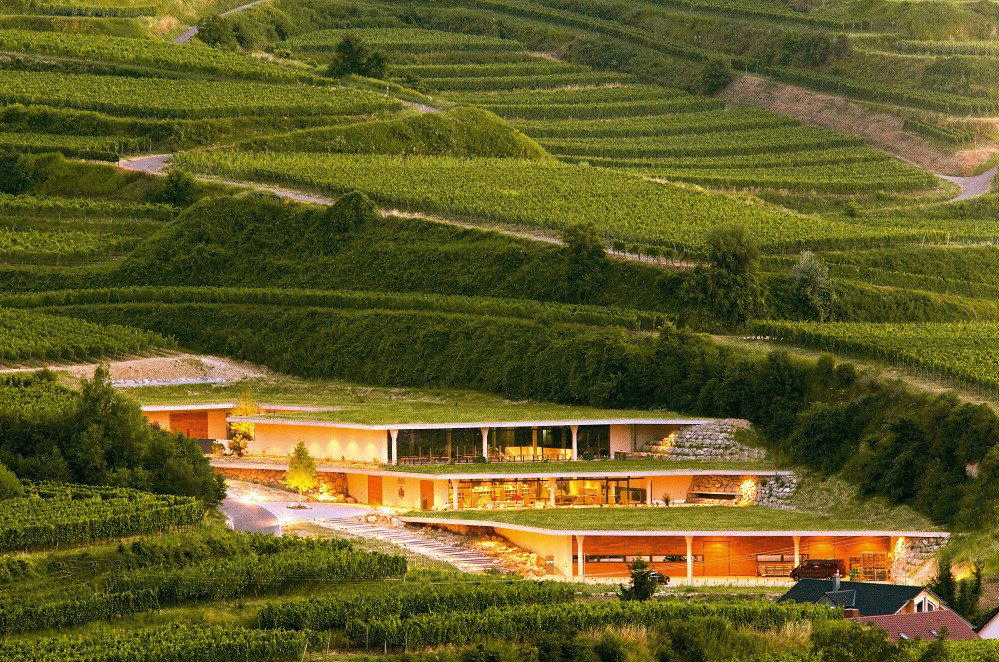
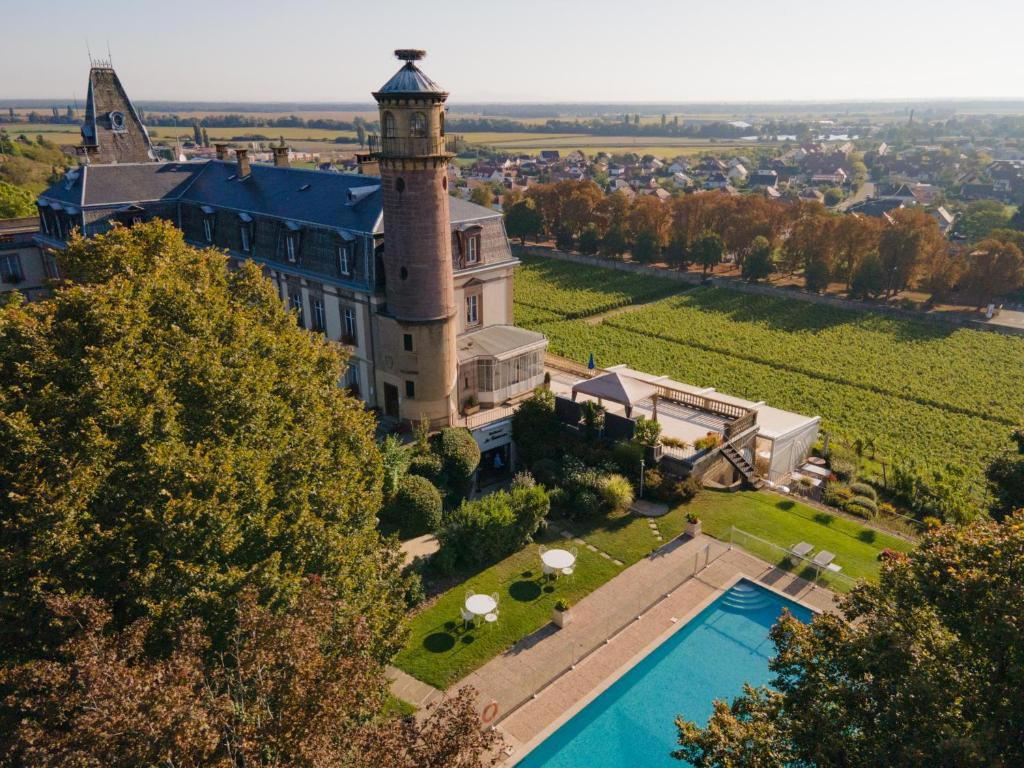
Approaching wine in the Kaiserstuhl is a physical experience before it is a tasting experience: slopes, heat, and the imprint of volcanic vineyard land shape the way visitors understand the place. Weinhaus Mößner belongs to the quieter side of that Baden story, a small independent producer in Wasenweiler where the vineyard is not scenery but the central point of attention. In a region with many different wine addresses, this is a modest, hands-on counterpoint, closer to a working hillside conversation than a grand visitor circuit.
The editorial reason to pay attention is not scale or spectacle. It is proportion. The profile for Weinhaus Mößner points to a small, cozy, fine-grained estate with a pragmatic winemaking style and a strong emphasis on walking the volcanic vineyard slopes of the Kaiserstuhl. Its price tier is listed as $$, which places it in an accessible bracket, while the experience remains more specialist and landscape-led than broadly touristic.
Volcanic Kaiserstuhl, loess, and the discipline of small production
The Kaiserstuhl gives Baden one of Germany’s most distinctive wine landscapes. Its volcanic character and hillside vineyards create a setting where the land itself is part of the story. At Weinhaus Mößner, the emphasis is on small-scale independent production and close attention to the slopes, rather than on a large hospitality operation or a heavily staged tasting format.
That smallness matters. “Small but fine” can become a cliché in wine writing, but it is useful here because the estate is described as one of Baden’s smallest independent producers. The important point is not an exact acreage, a trophy claim, or a long list of bottle categories; those details are not needed to understand the venue. The clearer signal is a compact producer working pragmatically in a volcanic Kaiserstuhl setting, where walking the vineyard and reading the ground are part of the identity.
The winemaking identity is best described in practical terms. The winery is associated with hands-on work rather than grand positioning. That gives the venue a grounded character: it reads as a small producer shaped by the demands of the hillside, not as a destination built around architecture, awards, or elaborate service language. For EP Club readers, the value is in the combination of place, restraint, and directness.
A vineyard-first visit, not a showroom tasting
The experience at the winery should be understood through the vineyard first. The description is small, cozy, and fine-grained rather than grand. That means expectations should be calibrated accordingly: this is not a page to promise a specific tasting room format, a formal tour structure, a food program, or a list of amenities. The grounded appeal is the estate’s scale and its emphasis on the volcanic vineyard slopes of the Kaiserstuhl.
This is the kind of place that rewards drinkers who prefer context over choreography. A visit here is best framed around attention to the land and to a pragmatic producer style. It suits travellers who are interested in Baden wine as a landscape and working culture, rather than those looking for a broad leisure stop with many publicly listed extras. The absence of details about specific services is important: plan with flexibility, check directly before making the trip, and avoid assuming a fixed hospitality format.
The clearer identity is smaller and more local: an independent Wasenweiler producer, a hands-on approach, and a vineyard-led sense of place. In travel terms, that makes the winery a sharper fit for readers building a producer-focused wine day than for those seeking a large, predictable visitor attraction.
How to place it within a Wasenweiler wine day
Wasenweiler sits within a Baden context where wine travel is often about reading the landscape: the warmth of the Kaiserstuhl, the vineyard villages, and the contrast between larger operations and smaller independent producers. The winery adds a compact lens to that itinerary. It is better understood as a concentrated terroir stop than as a conventional showpiece.
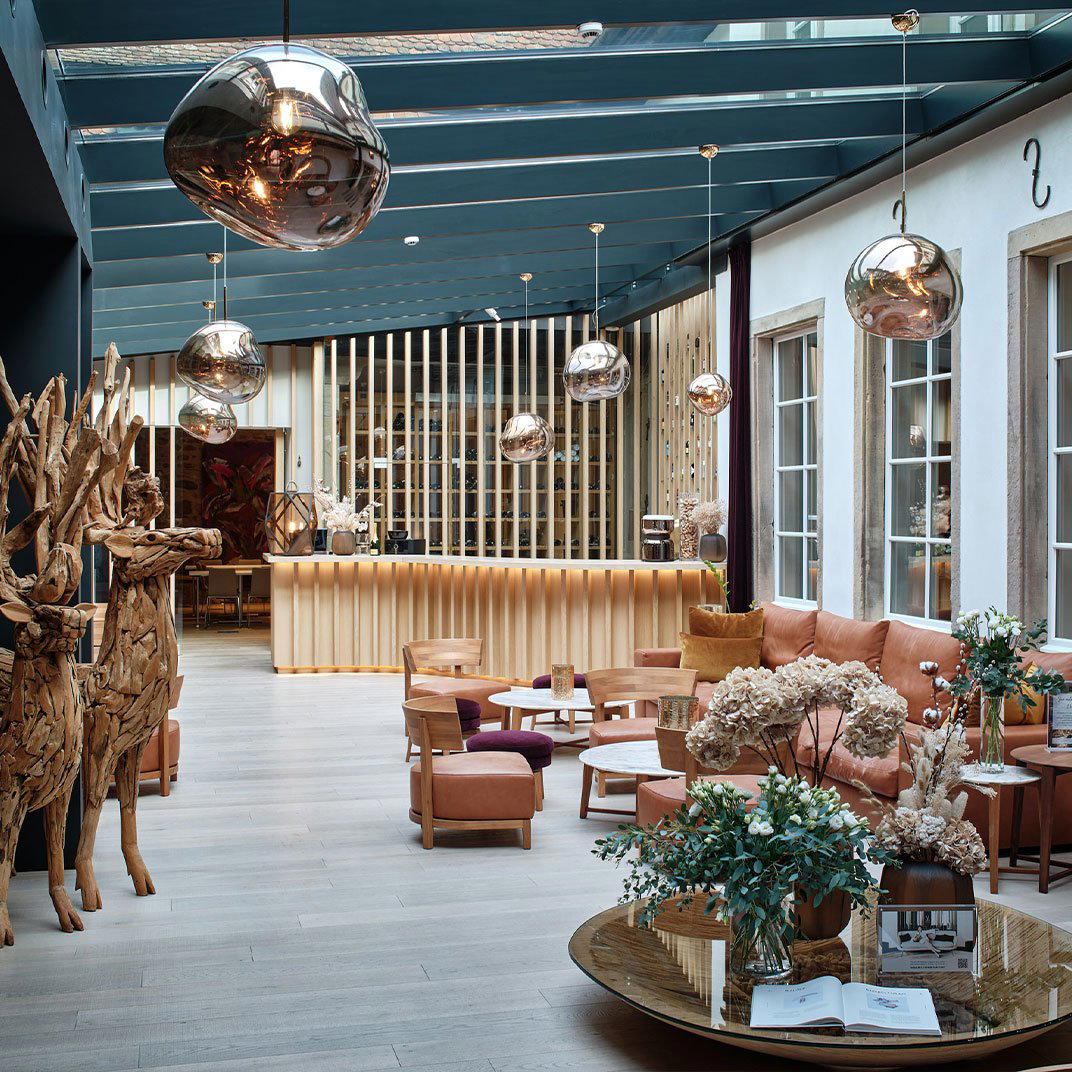
For broader planning, use Our full Wasenweiler wineries guide as the natural anchor, then cross-check the local dining and hotel context through Our full Wasenweiler restaurants guide, Our full Wasenweiler hotels guide, Our full Wasenweiler bars guide, and Our full Wasenweiler experiences guide. For comparisons, keep the focus on the winery itself and on other dining or travel options in Wasenweiler described generically rather than relying on named peers.
Recognition history
Dated appearances from independent guides and award organizations, with the underlying list record or original source where available.
Falstaff Winery - Listed
Falstaff
Continue exploring
More in Wasenweiler
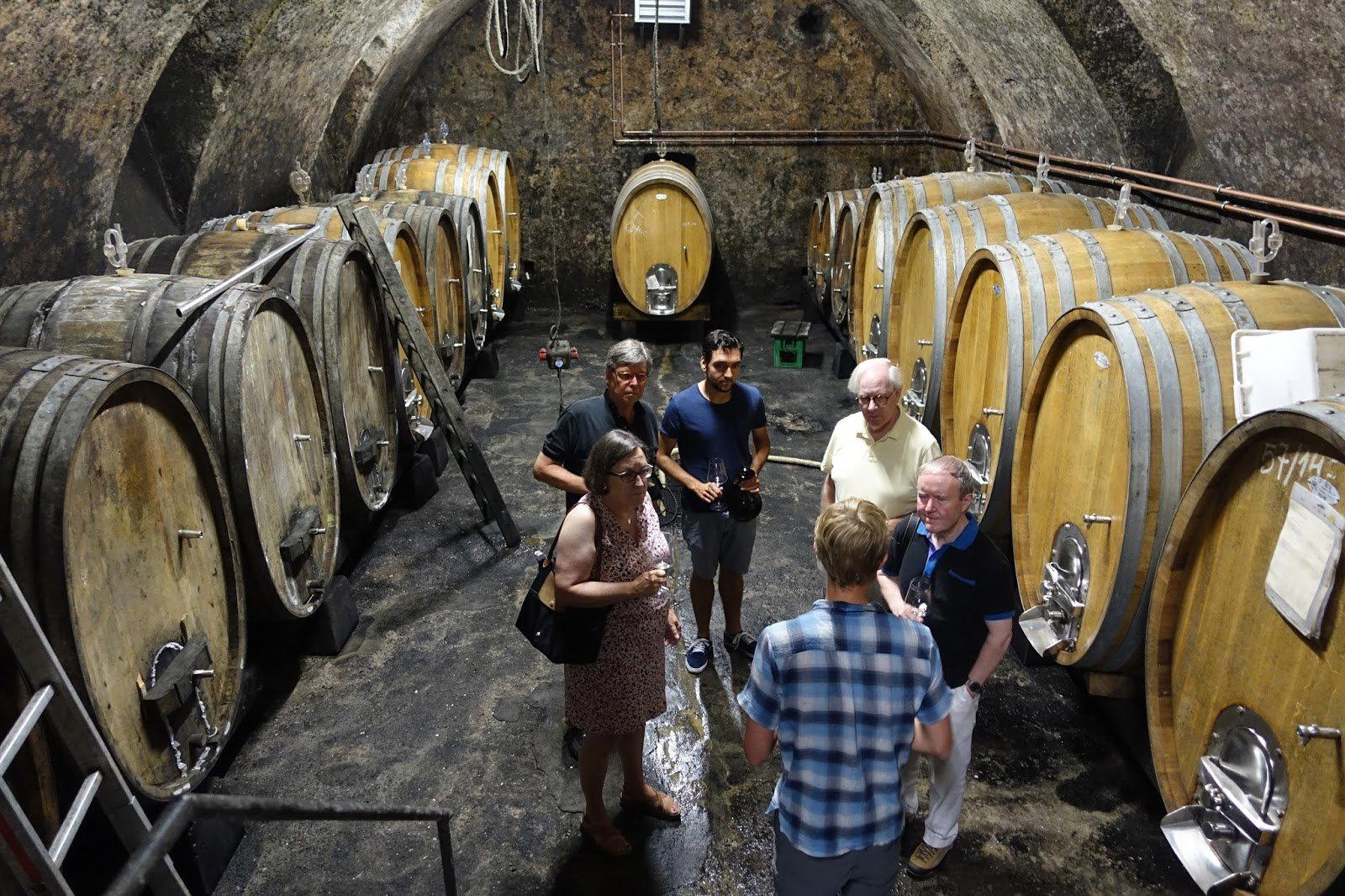
Wineries in Wasenweiler
Browse all →
Bars in Wasenweiler
Browse all →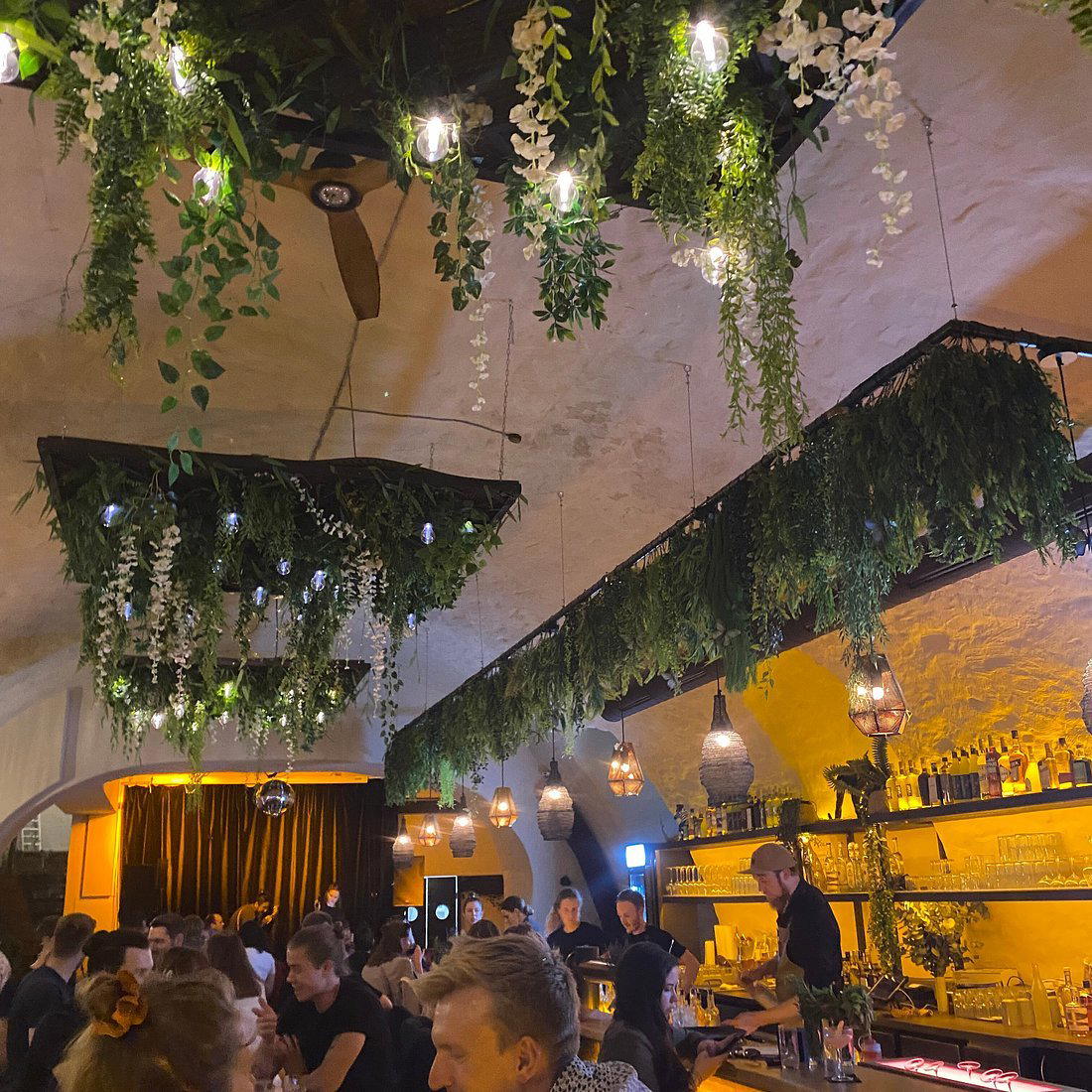



Restaurants in Wasenweiler
Browse all →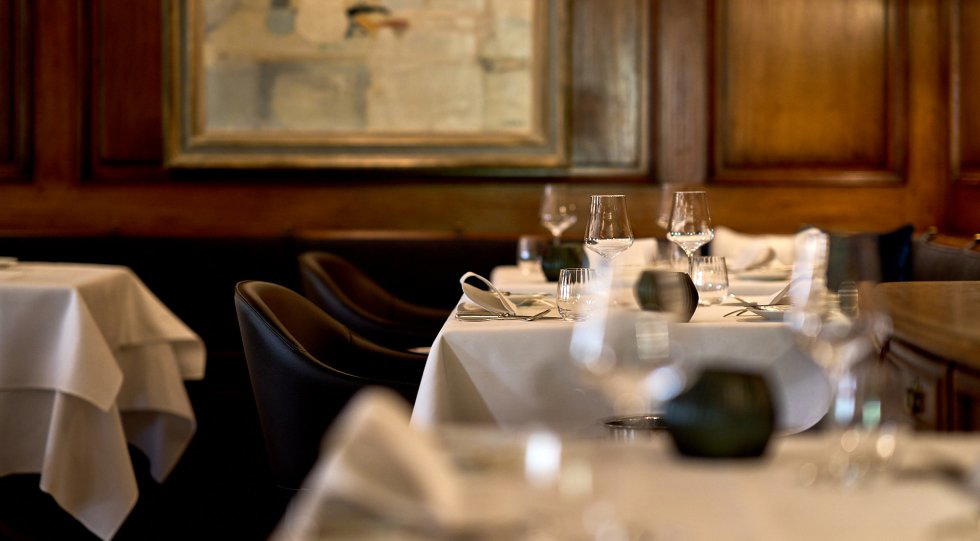
At a Glance
- Cozy
- Rustic
- Intimate
- Scenic
- Solo Exploration
- Wine Education
- Special Occasion
- Vineyard Tour
- Estate Grounds
- Vineyard
- Baden; Kaiserstuhl
- White
- Rosé
- Red
- Sparkling
- Still White
- Still Red
- Still Rosé
- Sparkling
- Barrel Room
- Private Tasting
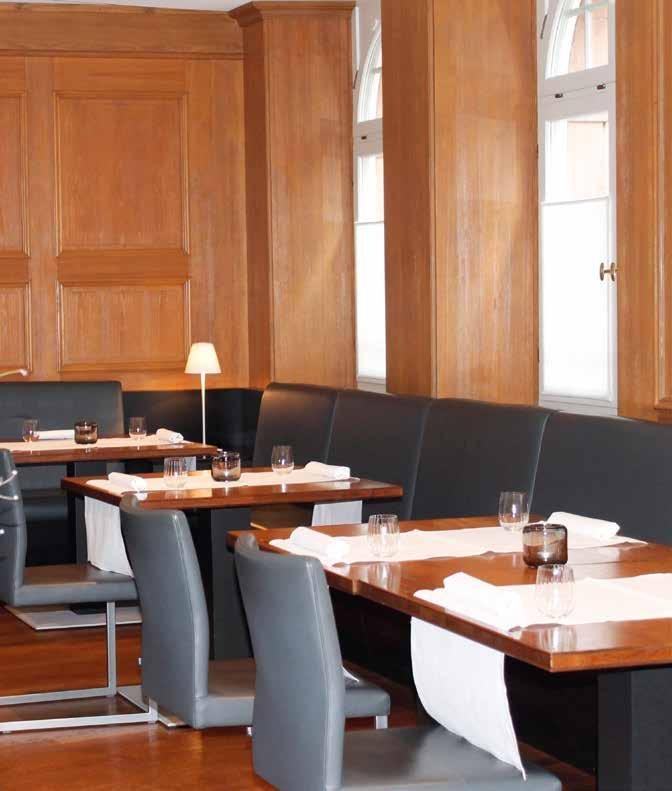
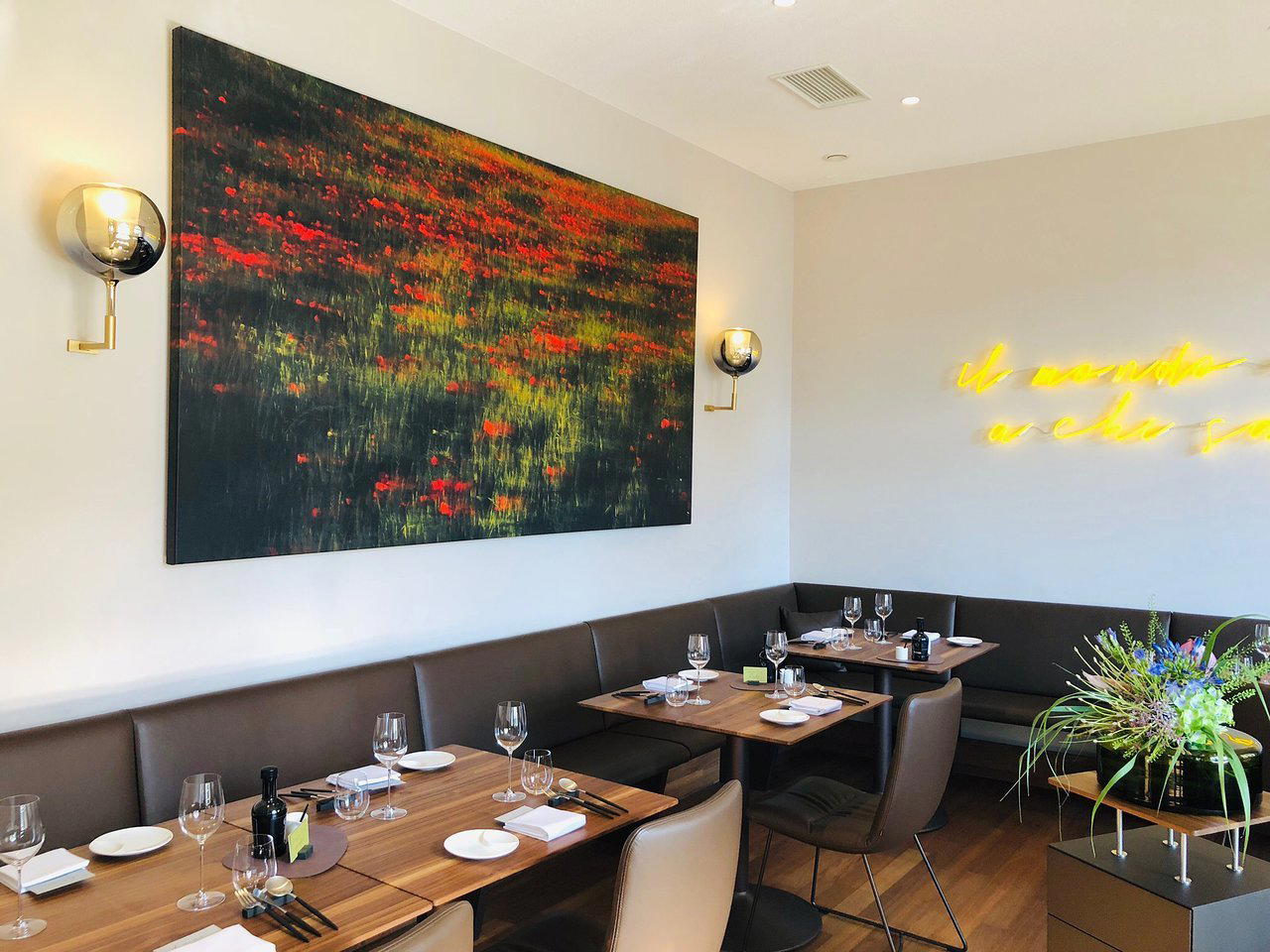
Small, cozy, and fine-grained rather than grand; the estate is described as one of Baden’s smallest independent producers, with a hands-on, pragmatic winemaking style and a strong emphasis on walking the volcanic vineyard slopes of the Kaiserstuhl.