
Weingut Weyh is a family-run Mosel winery in Winningen, founded in 1919 and now led by fourth-generation winemaker Peter Weyh. The draw is Riesling from Winningen vineyards including Uhlen and Röttgen, tasted in a relaxed vinotheque and Rosenhof setting beside the Mosel cycle path, with English-language hospitality and a walk-in-friendly format.
Pearl is the En Primeur Club membership app — saves, bookings, and concierge access live there. Same editors, same standards.
- Address
- Winningen, Mittelrhein, Rhineland-Palatinate, Deutschland
- Directions
- Get directions
 Saves & bookings on Pearl
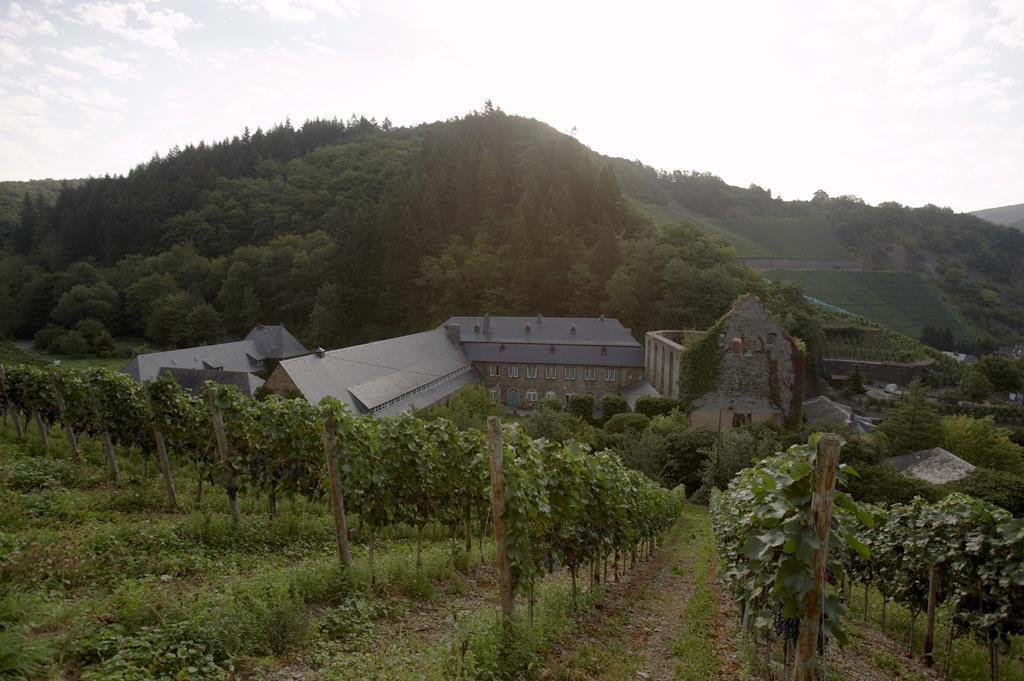
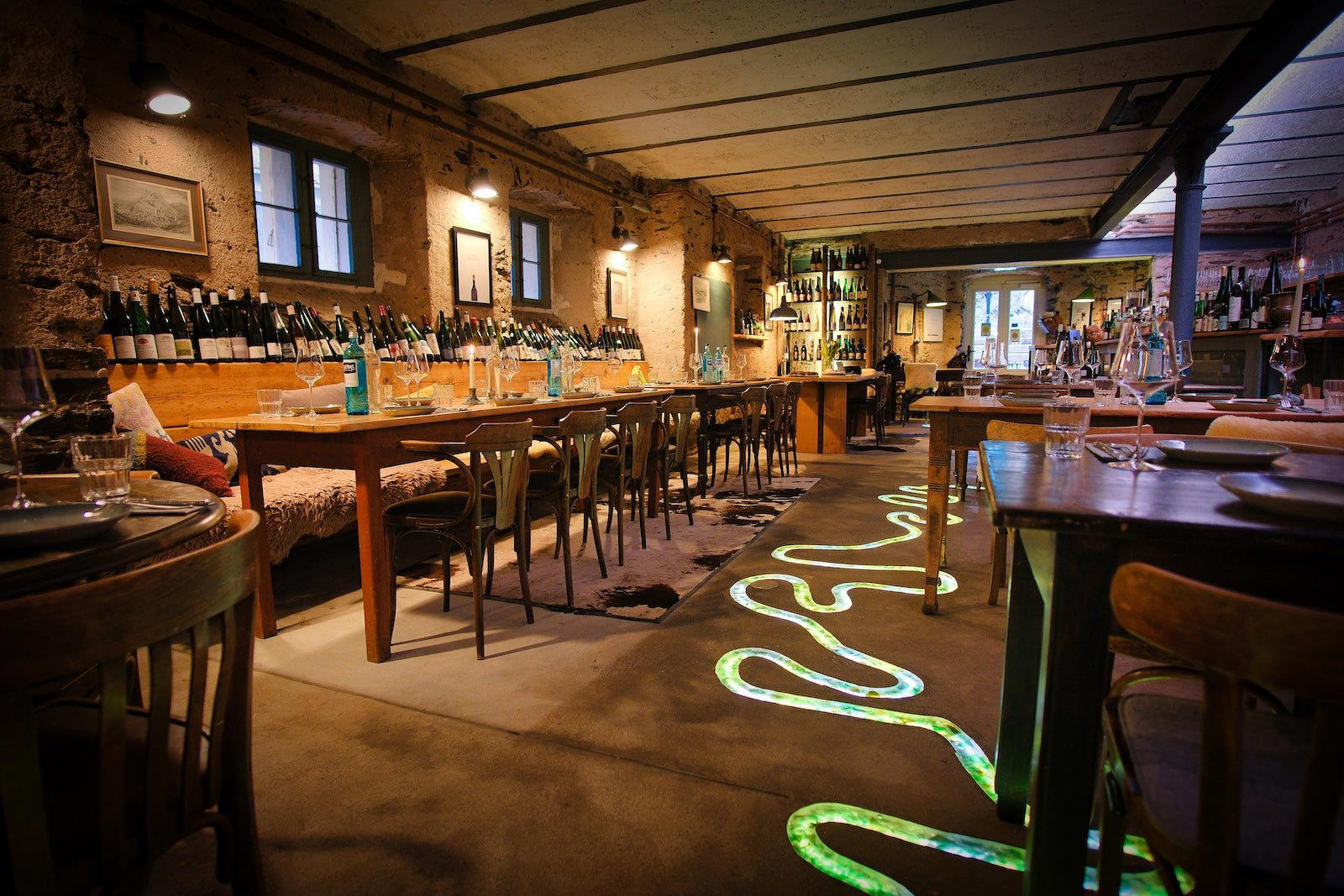
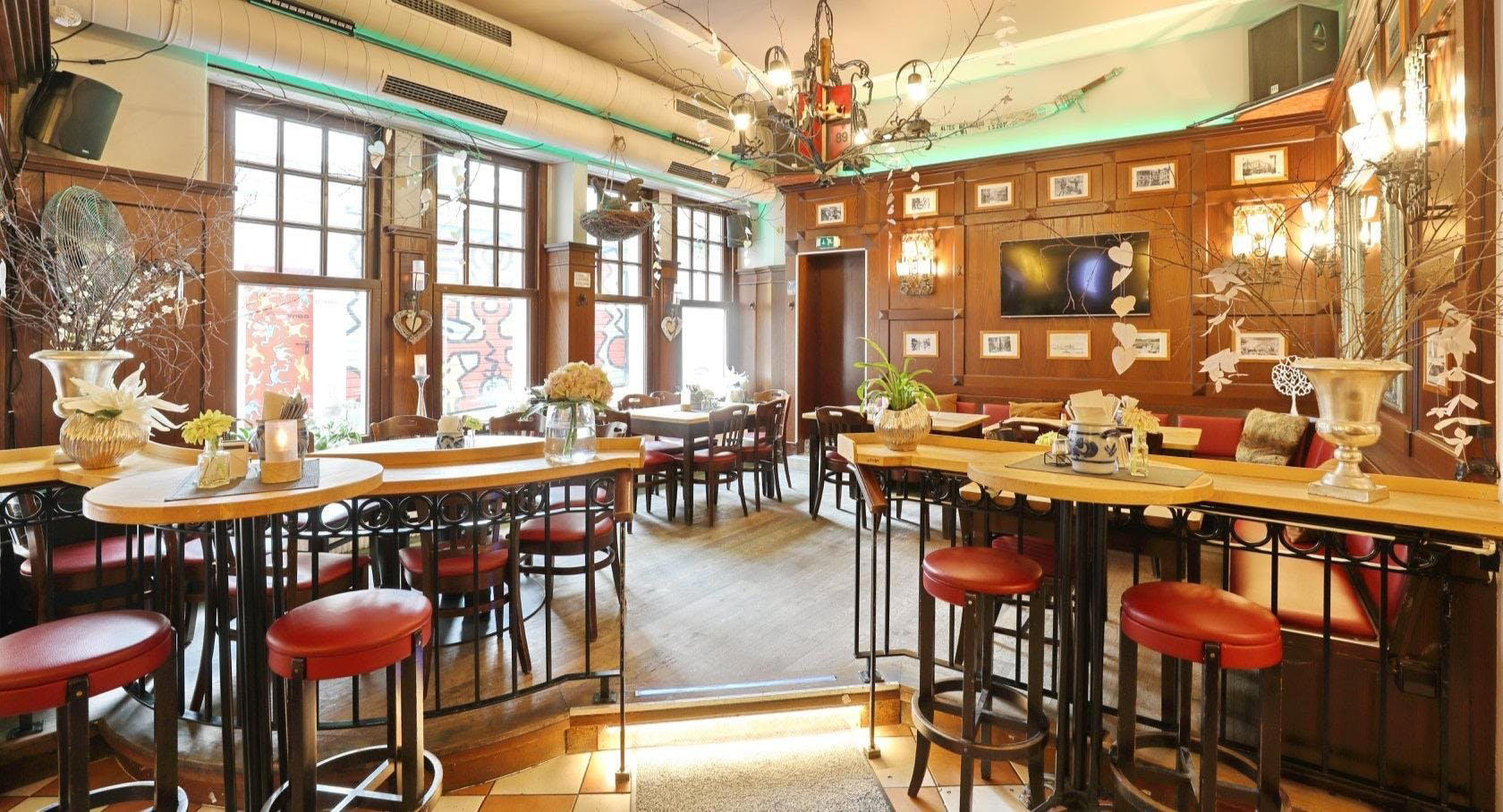
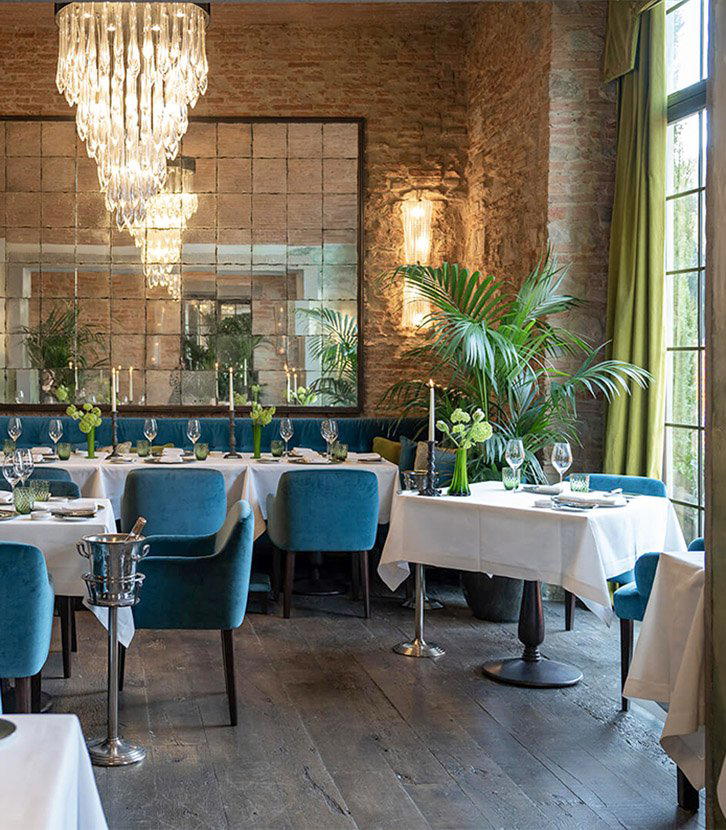
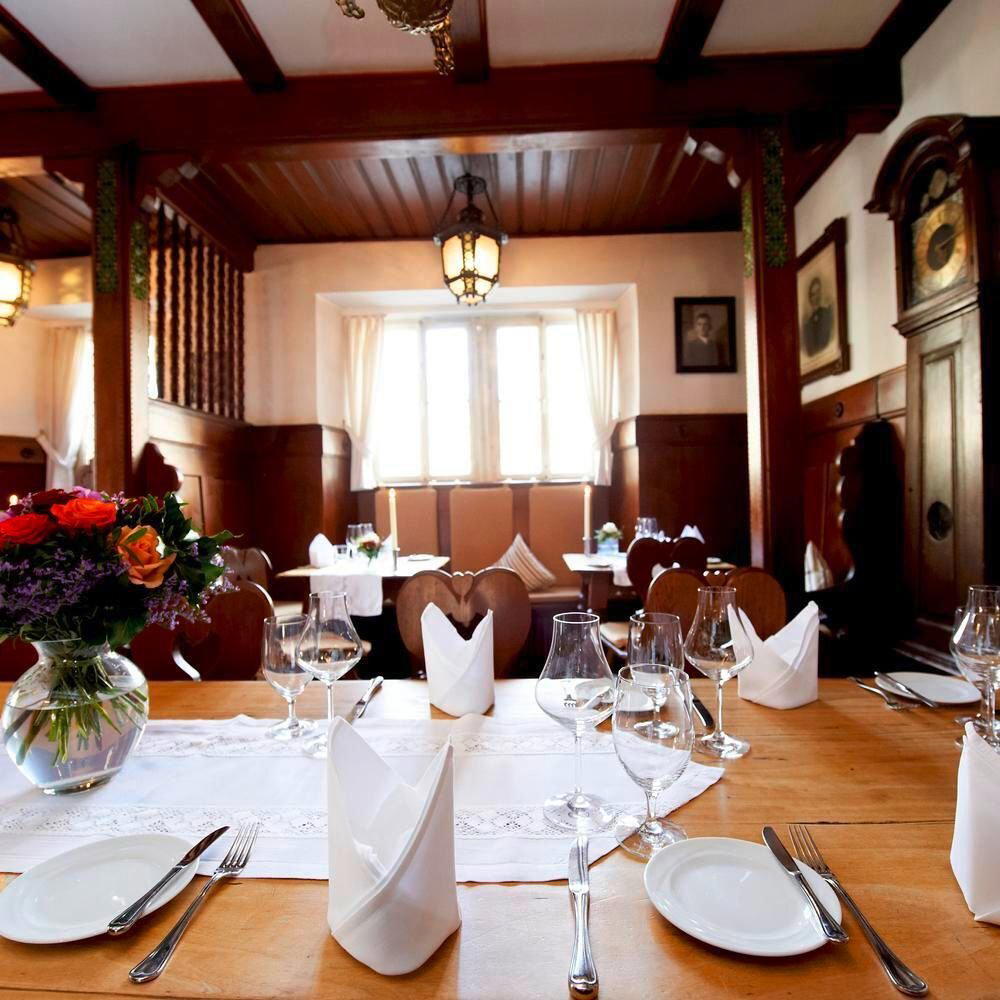
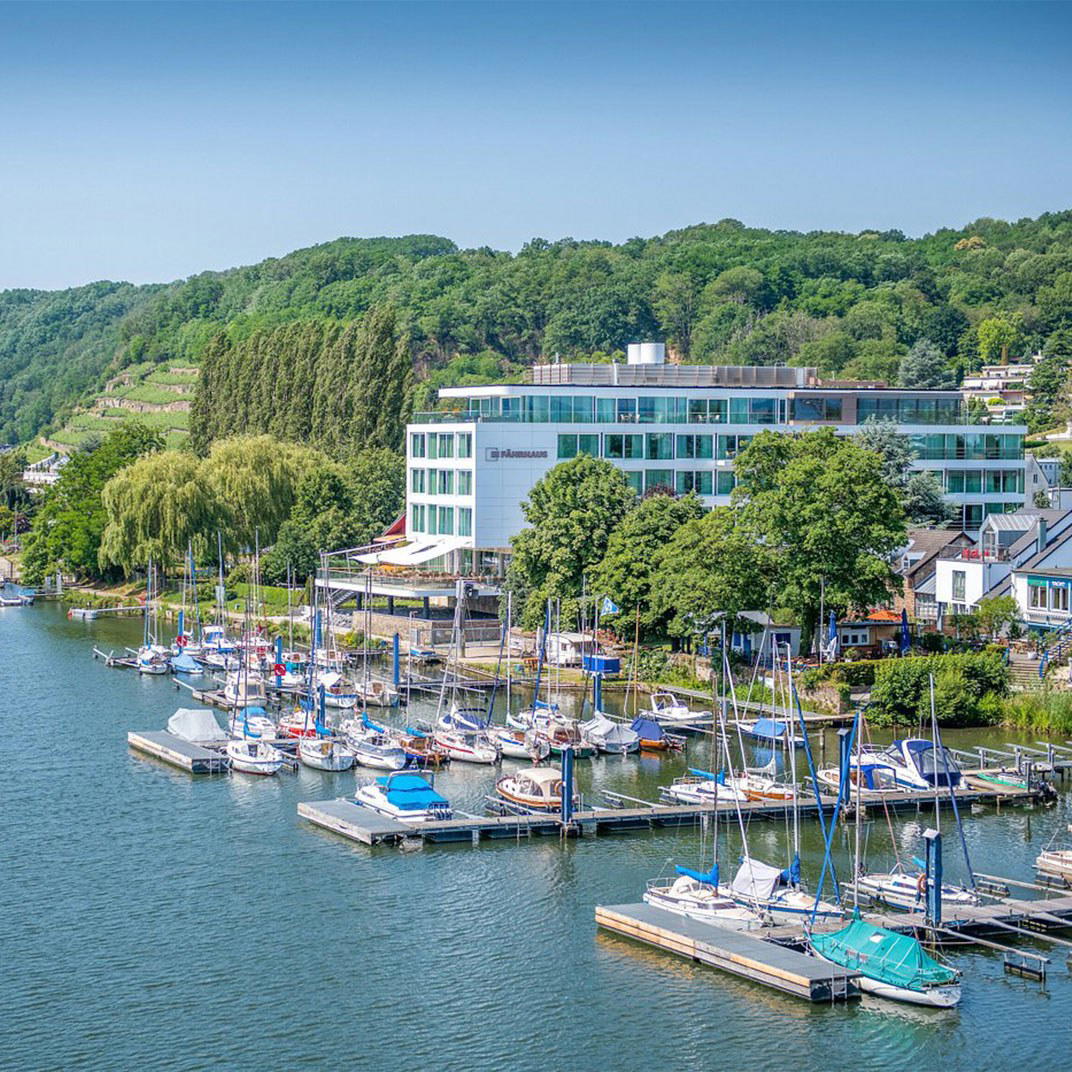
Approaching wine in Winningen often means reading the village through movement: cyclists following the Mosel path, travelers pausing between river and village, and tasting rooms that can feel relaxed rather than formal. Weingut Weyh belongs in that practical Moselle frame. The picture is simple but useful: a wine-tasting atmosphere in Winningen, a traditional Rosenhof setting, and a scenic stop on the Mosel cycle path. Those details are enough to place the estate as a low-pressure pause in a Mosel itinerary without overstating what is publicly confirmed.
the important discipline is not to turn a compact listing into a fuller story than the facts support. Weingut Weyh is best described by its setting, mood, and price level rather than by unconfirmed claims about individual wines, appointments, services, founders, vineyards, or awards. Travelers planning time in Winningen can treat it as one of the village’s relaxed wine stops and use other Winningen dining and travel resources generically around it, while keeping the expectations grounded in what is known.
Winningen first, with the Moselle setting doing the heavy lifting
Weingut Weyh’s strongest confirmed identity is geographic and atmospheric. It is in Winningen, a Moselle village where the rhythm of a visit is often shaped by the river corridor, the cycle path, and compact local stops rather than by a single destination alone. The estate’s traditional Rosenhof setting gives the visit a rustic, classic frame, while the confirmed dress code and mood point toward a relaxed wine-tasting atmosphere rather than a highly formal one.
That matters for travelers because the use of a stop like this is situational. It can sit naturally within a day spent moving through Winningen, especially for guests who value a scenic pause and a cozy, Moselle-style atmosphere. The price marker is $, so the guide should not position the venue as a luxury splurge or a high-barrier destination. It reads more accurately as an accessible wine-related stop in the village.
What should not be inferred is just as important. A responsible visit note therefore keeps the emphasis on the setting: Winningen, Rosenhof character, rustic and classic atmosphere, and a scenic relationship to the Mosel cycle path.
The Rosenhof setting keeps the visit close to place
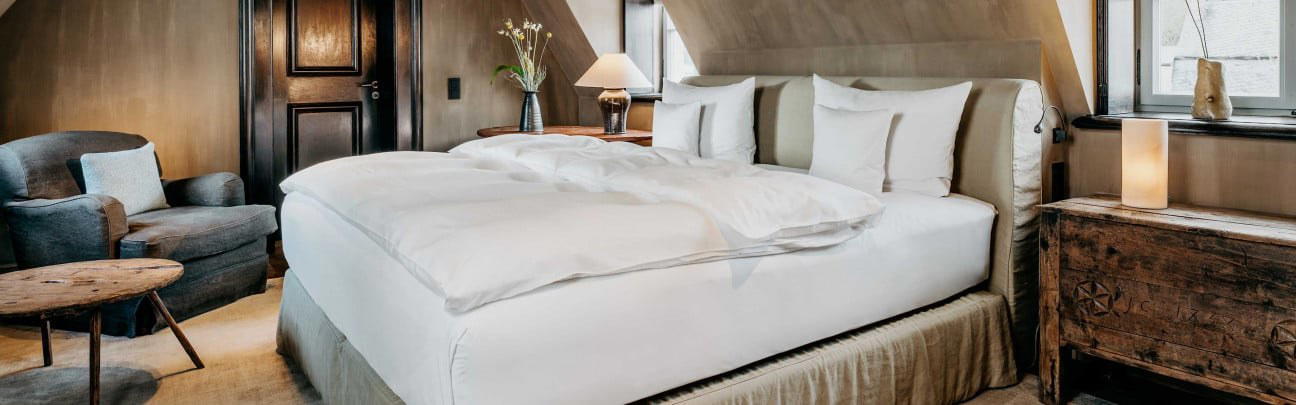
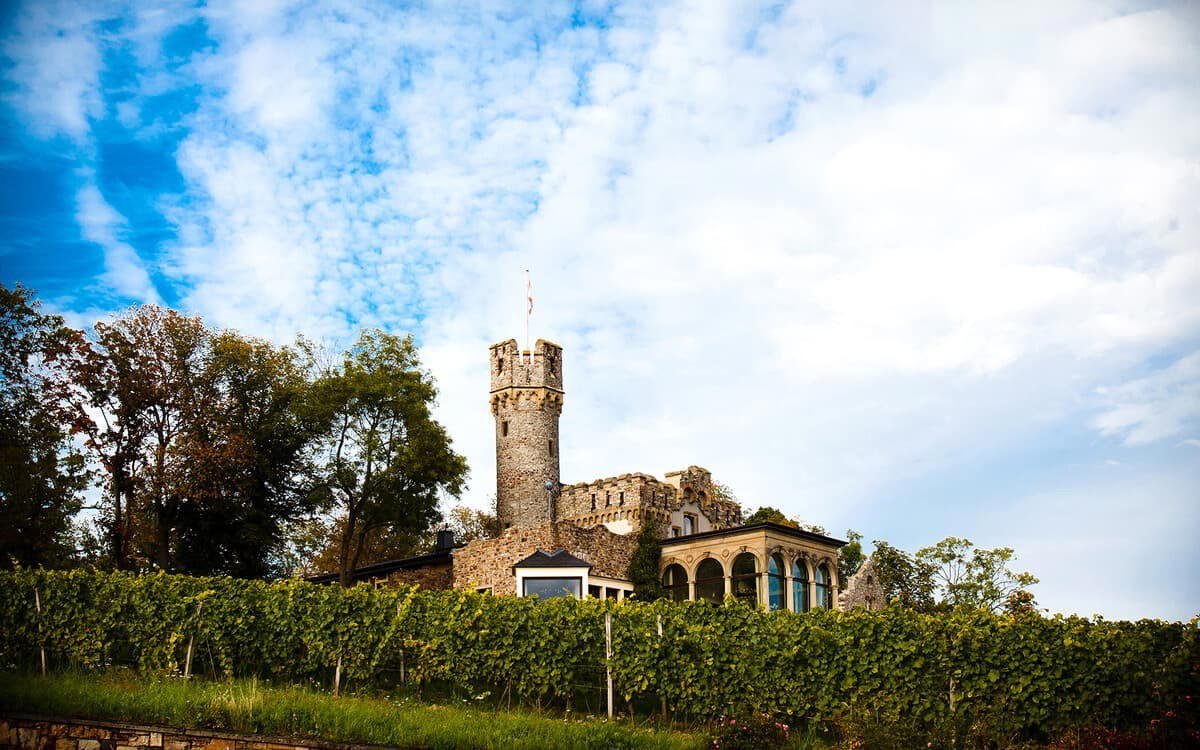
The concrete reason to consider the winery is the sense of place. “Traditional Rosenhof setting” is a meaningful description in a village wine context because it suggests a visit shaped less by spectacle and more by local atmosphere. The confirmed descriptors, scenic, cozy, rustic, classic, all point in the same direction. This is not a profile built around an acclaimed dining room, a chef-led menu, or a formal fine-wine credential. It is a venue guide entry for a relaxed Moselle wine-tasting stop in Winningen.
The Mosel cycle path detail is also useful. It gives the venue a practical travel role: a scenic stop for people moving through the area, especially those who prefer a day that combines landscape, village texture, and a simple wine-focused pause. That does not verify any particular walk-in policy, opening schedule, or service format, so those questions should be checked directly before visiting. Still, the confirmed setting is enough to understand why the estate belongs in a Winningen itinerary.
For planning, compare the winery with other unnamed Winningen wine and dining options by mood rather than by invented rankings. If the priority is a relaxed Moselle-style atmosphere, a rustic-classic setting, and a scenic stop near the cycle route, the winery fits the brief.
How to read the estate in a German wine itinerary
The winery is best read as a modest, place-led entry rather than a venue that should be oversold. The confirmed $ price level supports the idea of an approachable stop. The confirmed atmosphere supports casual clothing and a relaxed pace. The confirmed Rosenhof and Mosel cycle path references support a scenic, traditional setting in Winningen. Together, those facts create a coherent but deliberately narrow recommendation.
This kind of thin-data profile can still be valuable. Not every venue needs a long list of confirmed services to be useful to travelers. Sometimes the decision point is simpler: whether a stop fits the day’s geography, budget, and mood. For the winery, the grounded answer is that it fits travelers looking for a cozy, rustic, classic Moselle wine-tasting atmosphere in Winningen, especially as part of a river-paced route.
The editorial take is therefore restrained: use the winery for setting and atmosphere, not for promises. Expect a relaxed wine-tasting context in Winningen, a traditional Rosenhof feel, and a scenic position connected to Mosel cycle-path travel.
Recognition history
Dated appearances from independent guides and award organizations, with the underlying list record or original source where available.
Falstaff Winery - Listed
Falstaff
Continue exploring
More in Winningen
Wineries in Winningen
Browse all →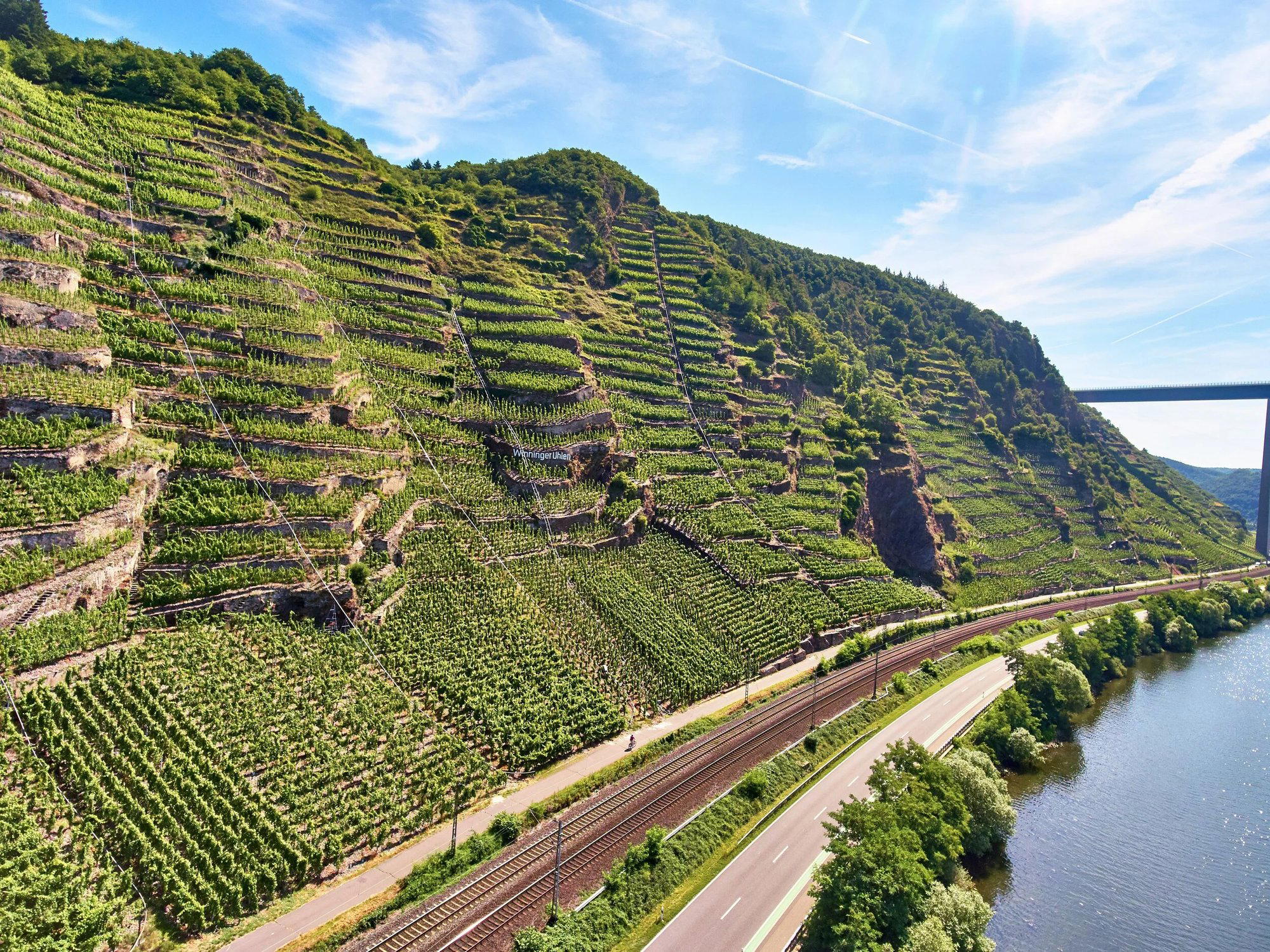
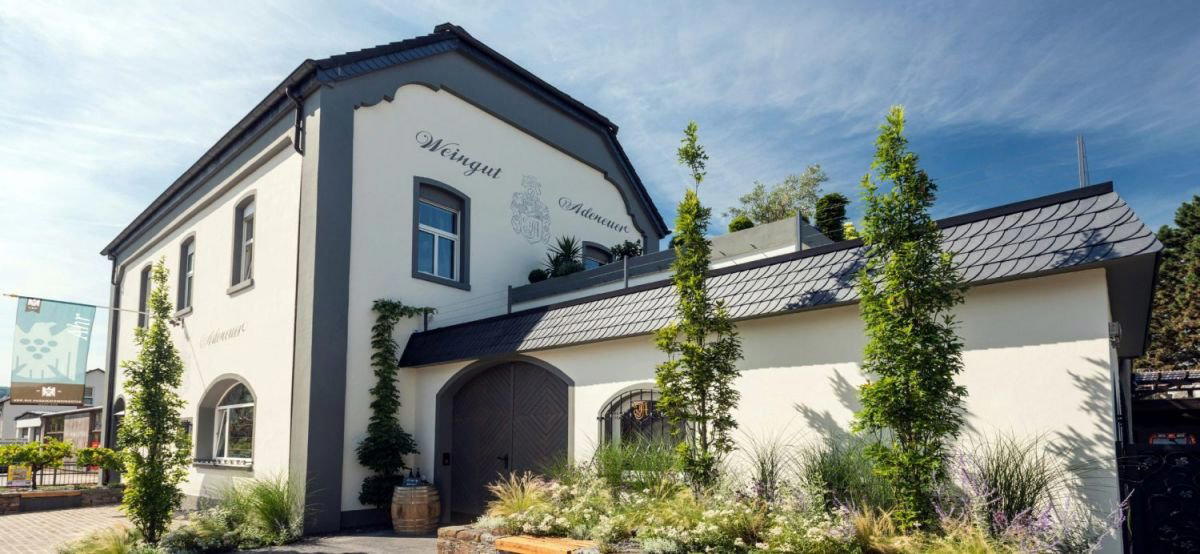
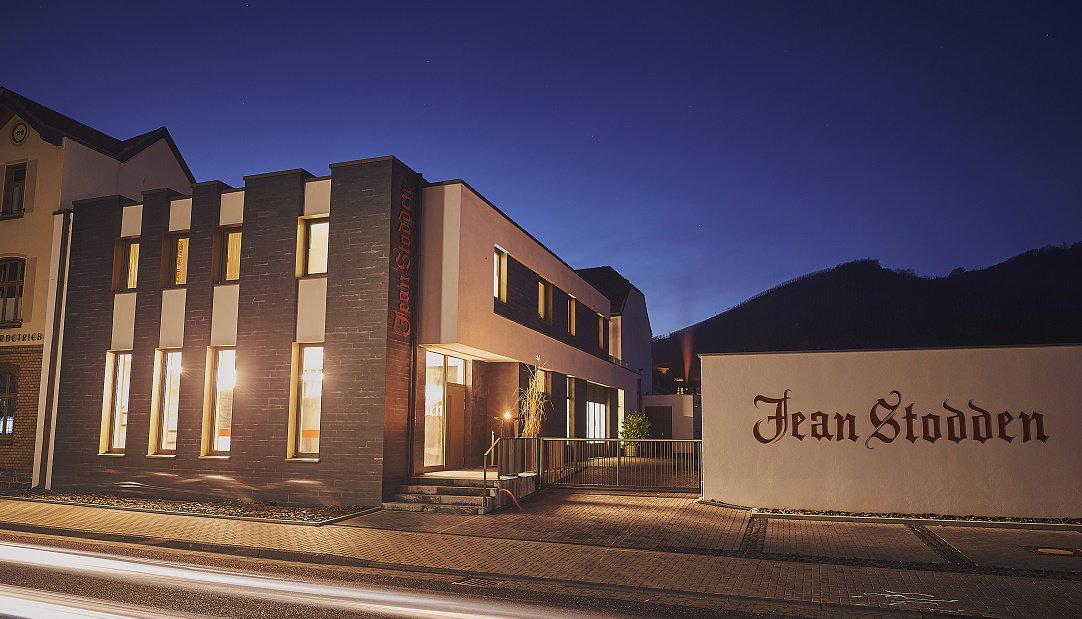
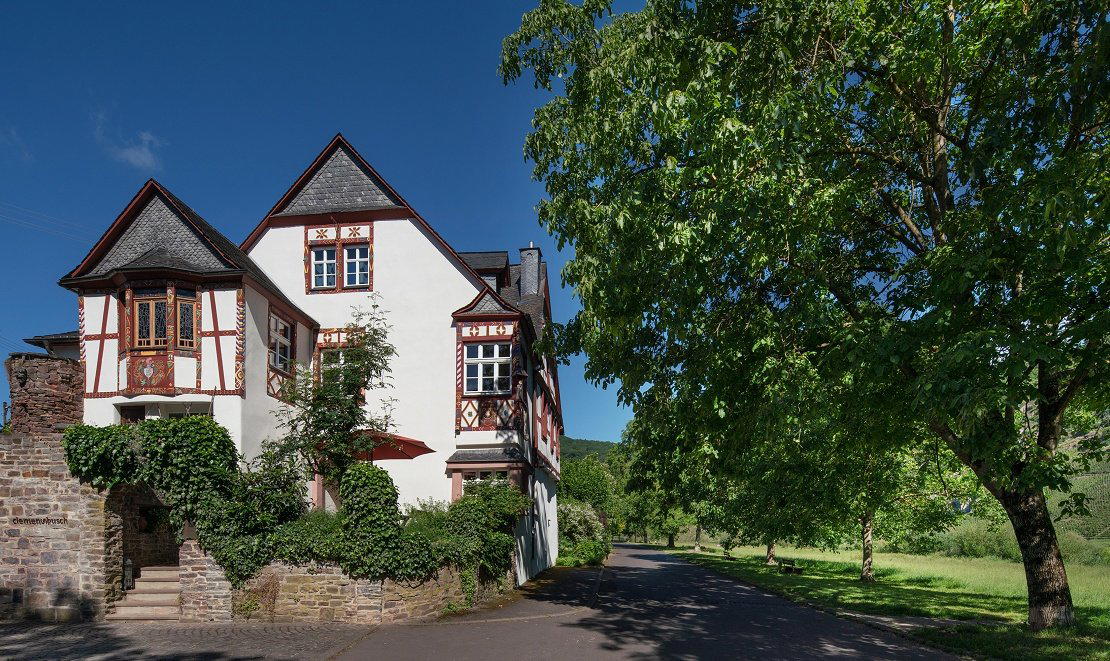
Bars in Winningen
Browse all →
Restaurants in Winningen
Browse all →
At a Glance
- Scenic
- Cozy
- Rustic
- Classic
- Group Outing
- Solo Exploration
- Wine Education
- Garden
- Terrace
- Vineyard
- Mosel
- Riesling
- Kerner
- Pinot Blanc
- Pinot Noir
- Still White
- Wine Tasting
- Vineyard Tasting
Moselle-style, relaxed wine-tasting atmosphere with a scenic stop on the Mosel cycle path and a traditional Rosenhof setting.