Weingut Pflüger

Weingut Pflüger is a biodynamic Pfalz estate in Bad Dürkheim, shaped by family winegrowing roots reaching back to the 18th century and a modern era under Alexander Pflüger since 2010. Its appeal is site-led rather than theatrical: dry-style wines from about 38 hectares around Bad Dürkheim, Ungstein, and Wachenheim, served through a compact vinotheque with an understated, local feel.
Pearl is the En Primeur Club membership app — saves, bookings, and concierge access live there. Same editors, same standards.
- Address
- Bad Dürkheim, Pfalz (Palatinate), Rhineland-Palatinate, Deutschland
- Directions
- Get directions
 Saves & bookings on Pearl
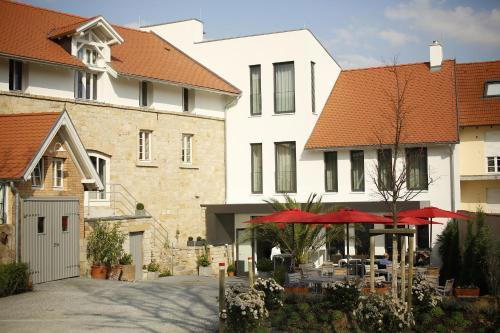
Bad Dürkheim’s wine culture is not built around spectacle. It is a town of cellars, gardens, saline air, and vineyards that press close to daily life, where the serious producers often communicate through farming choices rather than architectural display. Weingut Pflüger fits that register: a compact vinotheque in the town, quiet in tone, with the emphasis falling on vineyard origin, biodynamic discipline, and dry Pfalz wines rather than staged hospitality.
The useful way to read the estate is through land first. Pflüger works about 38 hectares in and around Bad Dürkheim, Ungstein, and Wachenheim, including named sites such as Dürkheim-Ungsteiner Michelsberg, Ungsteiner Herrenberg, Dürkheimer Spielberg, and Dürkheimer Fuchsmantel. In the Mittelhaardt context, that spread matters. It gives the winery a local grammar of parcels rather than a single broad regional voice, and it places the wines inside the Pfalz tradition of ripe, dry, site-conscious production.
Biodynamic Pfalz wine with a site-first argument
The Pfalz can be generous by German standards, and that generosity can be pushed into weight, polish, or easy fruit. The more interesting countercurrent is restraint: farming that tries to make ripeness legible without blurring origin. Pflüger’s Demeter membership is the clearest formal signal here. Biodynamic certification is not a tasting note, but it is a meaningful production choice, especially when paired with the estate’s stated emphasis on uncompromising vineyard work and purist cellar handling.
That combination gives the wines their editorial frame. The grape list includes Riesling, Pinot Noir, Sauvignon Blanc, Chardonnay, and St. Laurent, a range that maps neatly onto the modern Pfalz conversation: German classics, Burgundian-leaning reds and whites, and varieties that respond clearly to warmth and farming. The estate’s focus is still wine, both white and red, with dry-style production at the center. No single cuvée needs to be inflated into a house myth to understand the point. The argument is structural: family continuity, biodynamic agriculture, and multiple named sites around one of the Pfalz’s established wine towns.
Alexander Pflüger has led the estate since 2010, which gives the current chapter a defined start without turning the story into a personality profile. The deeper credential is older: the family’s winegrowing roots reach back to the 18th century. In regions like the Pfalz, that kind of continuity matters because site knowledge is cumulative. The strongest estates are not simply making wine from land; they are interpreting land that has been observed across generations.
A small vinotheque, not a production-line tasting room
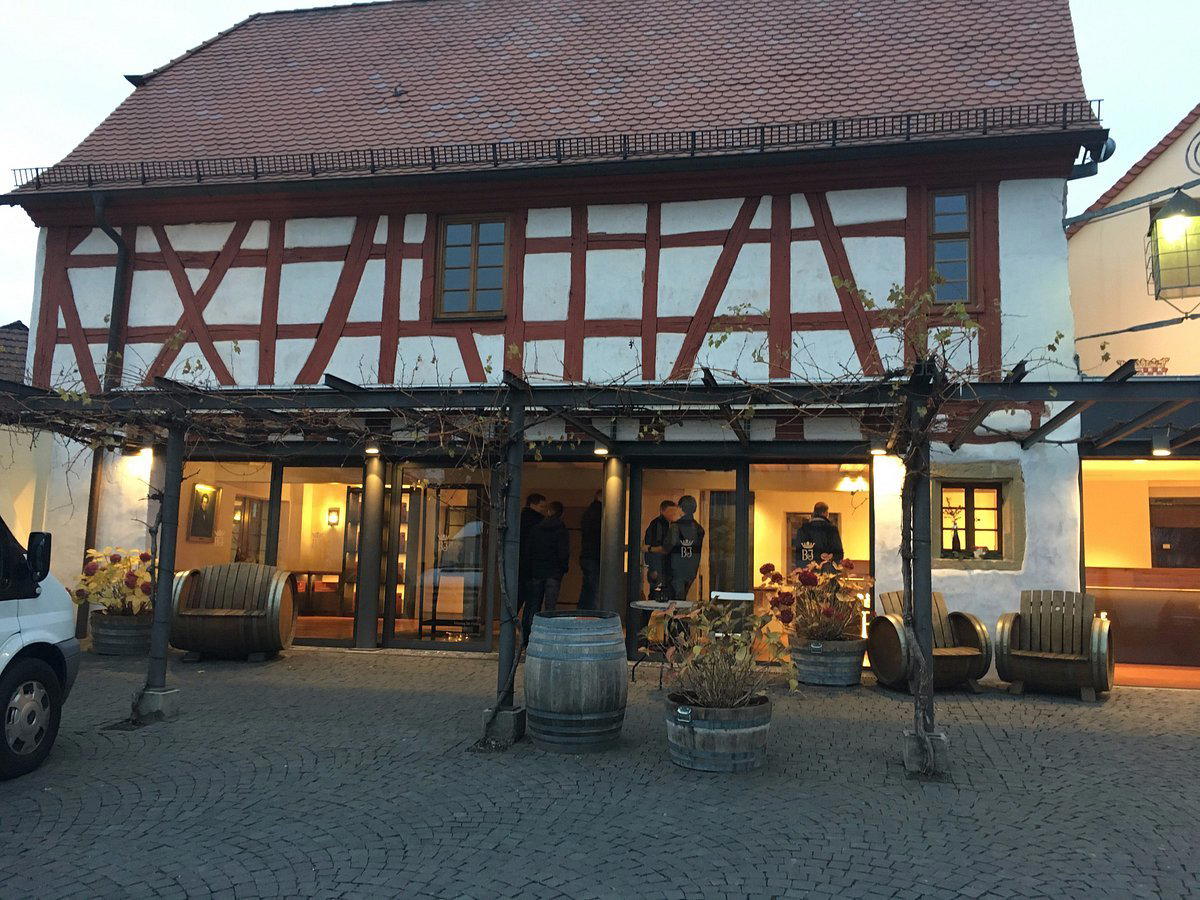
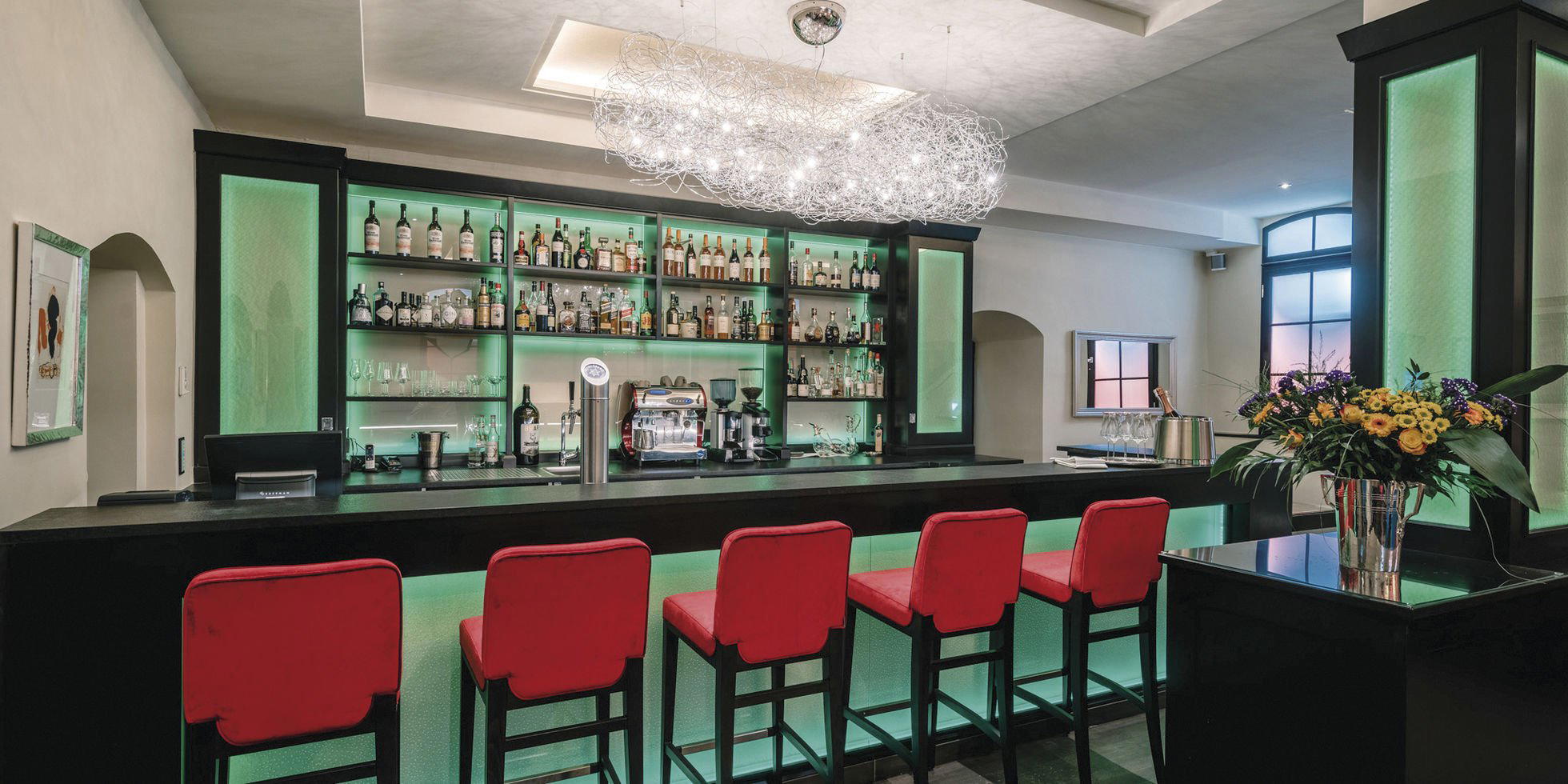
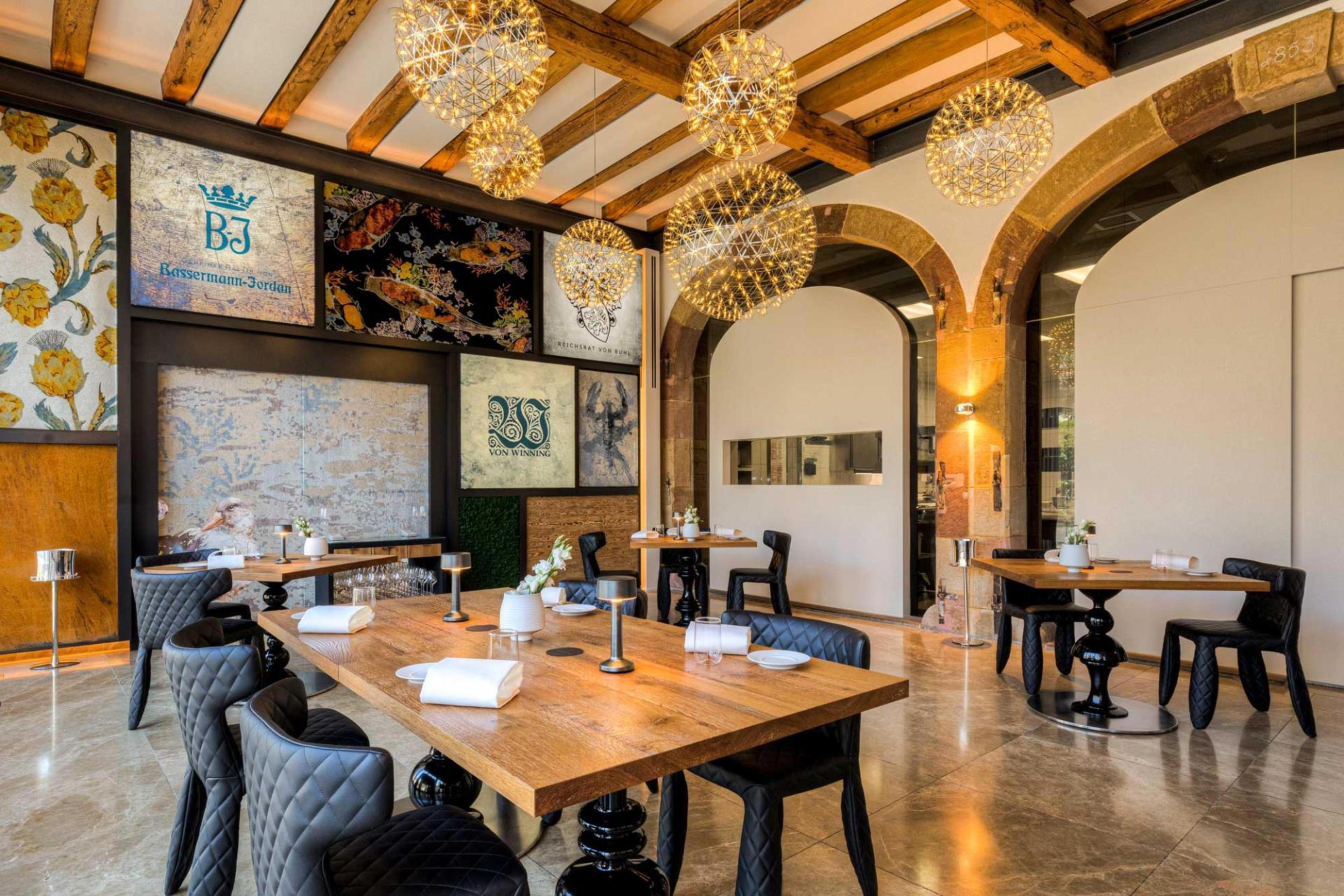
The visitor format is deliberately modest. The vinotheque has 25 indoor seats and 30 outdoor seats, enough to create a real public-facing tasting space without becoming a high-volume stop. That scale suits the estate’s character. A tasting here is better understood as a direct encounter with a working Pfalz producer than as a packaged wine-tour performance.
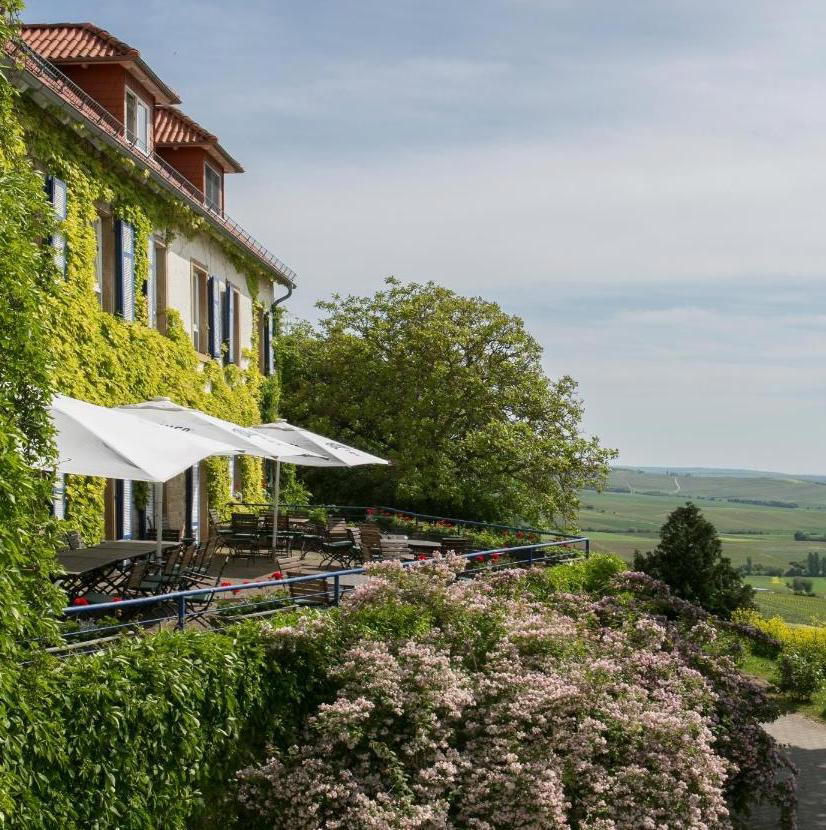
The mood is casual and quiet, with a rustic, classic tone rather than gloss. That distinction matters in Bad Dürkheim, where wine tourism can easily drift toward festival energy or broad regional sampling. Pflüger sits on the other side of that divide: smaller, calmer, and more concerned with explaining why place and farming show up in the glass. The setting near town gardens and the saline area reinforces that sense of local continuity, with vineyards close enough to keep the agricultural context present rather than abstract.
Estate is walk-in friendly, with private tasting also listed as part of the experience. The strongest practical reading is to treat it as a compact urban winery and vinotheque with a small-capacity rhythm, especially if visiting as a group. German is the listed tour language, and the format is better suited to focused wine education than to elaborate food pairing; the venue does not position itself around a food-pairing program. Casual dress is appropriate, and the quiet atmosphere rewards visitors who want to taste with attention rather than turn the stop into a social checkpoint.
Where Pflüger fits in a Bad Dürkheim wine itinerary
Bad Dürkheim rewards a slower approach than many visitors give it. The town is often treated as a gateway to the Deutsche Weinstraße, but its better wine experiences come from comparing farming choices, site names, and cellar restraint across producers. Pflüger is useful in that sequence because it gives biodynamics and terroir expression a concrete local form: Demeter farming, vineyards across Bad Dürkheim, Ungstein, and Wachenheim, and a vinotheque built for direct tasting rather than crowd management.
For readers planning a broader wine day, the surrounding EP Club coverage can help build context without forcing false comparisons. In Bad Dürkheim, look at STEPP, Vagabund Weine, Vier Jahreszeiten Winzer, Weingut Brenneis-Koch, and Weingut Bärenhof as additional local reference points. For city planning beyond cellar doors, use Our full Bad Dürkheim wineries guide, plus Our full Bad Dürkheim restaurants guide, Our full Bad Dürkheim hotels guide, Our full Bad Dürkheim bars guide, and Our full Bad Dürkheim experiences guide.
The wider German-speaking natural and low-intervention wine conversation also gives useful perspective, though each region speaks differently. For cross-regional reading, see & Handwein in Mannheim, 2 Naturkinder in Kitzingen, 3 Winner in Bechtheim, »der Steiner« Hans Steiner in Podersdorf am See, and ®walzer in Gneixendorf Bei Krems. Pflüger’s place in that broader map is not about fashion; it is about a Pfalz estate using biodynamic farming and named local sites to make origin the main subject.
Recognition history
Dated appearances from independent guides and award organizations, with the underlying list record or original source where available.
Falstaff Winery - 3 Stars
Falstaff
Continue exploring
More in Bad Dürkheim
Wineries in Bad Dürkheim
Browse all →
Bars in Bad Dürkheim
Browse all →
Restaurants in Bad Dürkheim
Browse all →
At a Glance
- Quiet
- Rustic
- Intimate
- Classic
- Solo Exploration
- Group Outing
- Special Occasion
- Private Tasting
- Historic Building
- Biodynamic
- Organic
- Garden
- Vineyard
- Pfalz / Mittelhaardt / Deutsche Weinstraße
- Riesling
- Pinot Noir
- Sauvignon Blanc
- Chardonnay
- St. Laurent
- Still White
- Still Red
- Walk In Tasting
- Private Tasting
Purist, terroir-driven, and biodynamic, with a compact vinotheque setting in the center of Bad Dürkheim; the overall feel is authentic and understated rather than showy.