
Weingut Paul Achs sits in Gols, the Burgenland village that produces some of Austria's most serious red wines along the western shore of the Neusiedlersee. Awarded Pearl 2 Star Prestige status in 2025, the estate occupies a position in the upper tier of the Pannonian wine scene, where the shallow, reflective lake and flat, heat-retaining plains shape wines with depth and structure that few central European appellations match.
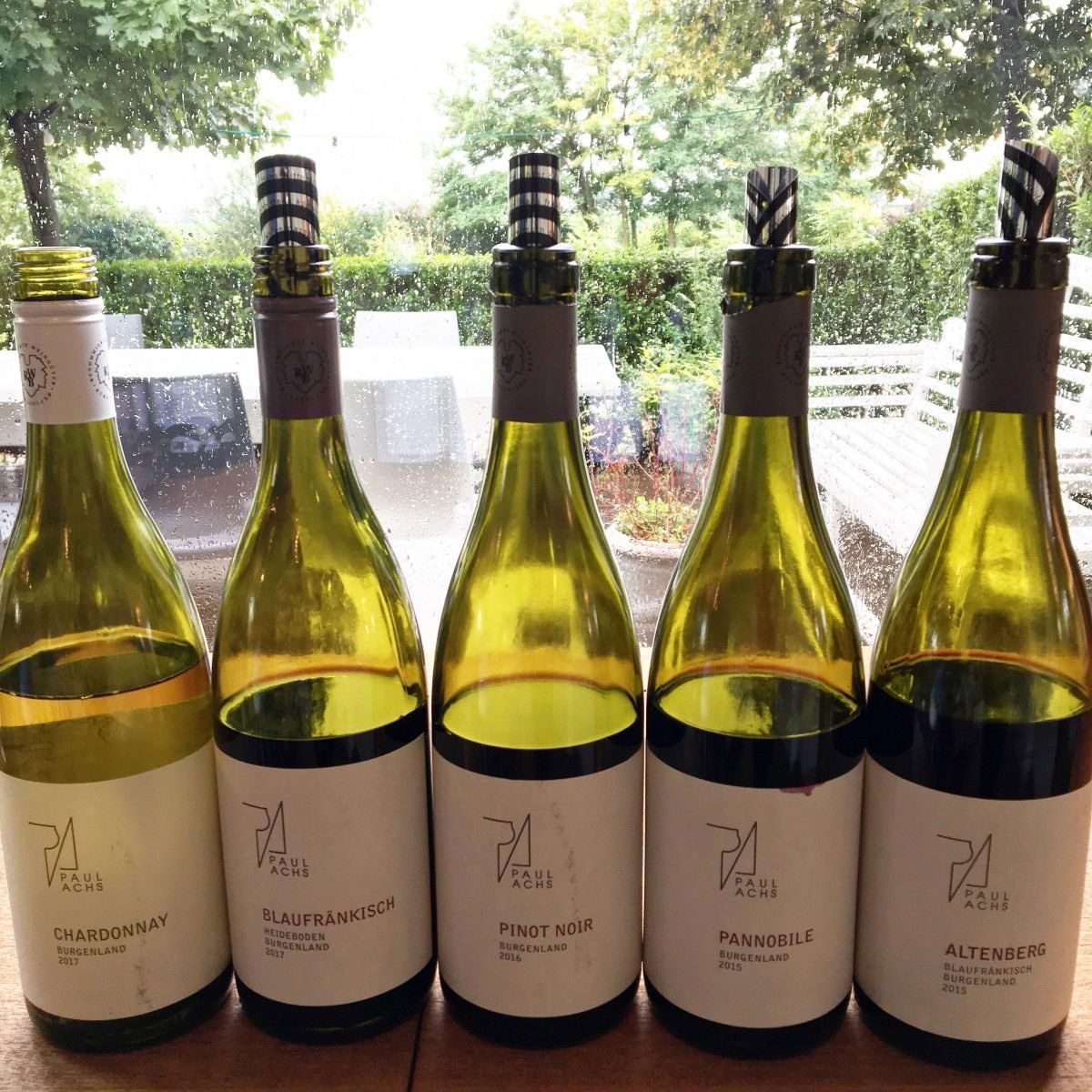
Where the Pannonian Plain Meets the Winery Gate
Arrive in Gols on a clear morning and the landscape announces itself before the wine does. The Neusiedlersee sits to the east, so shallow it barely registers on elevation maps yet so wide it shapes its own microclimate, bouncing light and warmth back onto the surrounding vineyards from spring through late harvest. The plains stretch flat and wide around the village, broken by low vine rows that seem to absorb the sky. This is not a dramatically alpine Austrian setting. It is something quieter and, for wine, arguably more consequential. Weingut Paul Achs, on Neubaugasse 13 in Gols, sits inside that agricultural and atmospheric context, a working winery in a village that has become one of Burgenland's most concentrated addresses for serious viticulture.
The physical setting of Gols rewards the kind of visitor who understands that wine terroir is not just soil type and altitude but also light quality, heat accumulation, and the particular rhythm of a farming year. The Neusiedlersee UNESCO World Heritage region, within which Gols operates, generates a climate that accelerates sugar and phenolic ripeness in red grapes, particularly in the Blaufränkisch and Zweigelt varieties that define the local red wine tradition. Estates in this zone often work with grapes that arrive at harvest with concentration levels that would require irrigation or exceptional vintage luck elsewhere in central Europe.
The 2025 Pearl 2 Star Prestige Award in Context
In 2025, Weingut Paul Achs received Pearl 2 Star Prestige recognition, placing it in a credentialed tier of Austrian wine producers that is smaller and more selective than general appellation membership. Pearl ratings in the Austrian wine context function as quality anchors, distinguishing estates that demonstrate consistent excellence across their range from those producing reliable but undifferentiated regional wine. A 2 Star Prestige level signals depth of portfolio rather than a single standout bottle, which is a more demanding standard to sustain year on year.
That credential places Weingut Paul Achs in the same peer conversation as other Gols producers who have drawn international attention to this stretch of Burgenland. Neighbours including Weingut Pittnauer, Weingut Anita und Hans Nittnaus, and Weingut Gernot und Heike Heinrich have all built reputations that extend beyond Austria's domestic market. Weingut Juris (Stiegelmar) rounds out a village roster that punches well above what its modest population would suggest. When a single village contains this concentration of credentialed estates, it signals something structural rather than coincidental about the terroir and the professional culture around it. Weingut Paul Achs fits that pattern.
Gols and the Neusiedlersee Terroir Argument
The case for Gols as a serious wine address rests on a specific set of physical conditions. The Neusiedlersee moderates temperature extremes: cooler nights than the surrounding plains during growing season, higher humidity that historically encouraged noble rot in sweet wine grapes, and reflected heat from the water surface that accelerates ripening in reds. Blaufränkisch, the grape most associated with prestige Burgenland reds, expresses differently here than it does in Eisenberg or Mittelburgenland to the south. Gols-grown versions tend toward fruit-forward structure with the tannin weight that comes from genuinely warm harvests, rather than the more austere, mineral-edged profiles further from the lake.
Zweigelt, Austria's most planted red variety, is a Gols staple as well, and in the hands of estates working at the Pearl Prestige level, it achieves a seriousness that its everyday reputation in supermarket Austria does not prepare you for. Visitors who arrive expecting light, approachable table wine often leave reconsidering the variety entirely. That recalibration is part of what distinguishes a visit to a credentialed Gols estate from a routine cellar door call.
The broader Austrian wine context matters here too. Estates such as Schloss Gobelsburg in Langenlois and Weingut Emmerich Knoll in Dürnstein anchor the Wachau and Kamptal white wine traditions at the prestige end of the Austrian market. Gols and the Neusiedlersee zone play the complementary role for reds and, in certain years, for late-harvest and TBA-level sweet wines. Understanding that geographic division helps place Weingut Paul Achs on Austria's national wine map: this is not the country's white wine heartland, but its red and late-harvest one. Further afield, Weingut Heinrich Hartl in Oberwaltersdorf offers another point of Austrian comparison for visitors building a broader itinerary. For those who want an international frame, the estate-level precision found here shares more with producers like Abadía Retuerta in Sardón de Duero than with regional cooperative models, even if the grape varieties and climate differ entirely.
The Village, the Atmosphere, and What to Expect
Gols itself is a working agricultural village rather than a wine tourism set piece. There are no cobblestone piazzas designed for photography. The wineries sit behind modest facades on residential streets, their ambitions expressed through what's in the bottle rather than what's on the signage. That understatement is consistent across the serious estates here. Visitors who arrive expecting the tasting room architecture of Napa or the chateau formality of Bordeaux will need to recalibrate. What Gols offers instead is proximity: to the vineyards, to the lake, and to producers who remain embedded in the agricultural reality of making wine at this latitude.
The atmosphere at an estate like Weingut Paul Achs reflects that village character. Expect a cellar-door environment shaped by the working realities of a family wine estate rather than a purpose-built visitor centre. The wines carry the weight and warmth of the Pannonian climate, and tasting them at source, with the flat, heat-radiant landscape visible beyond the winery, creates a sense of place that bottled wine alone cannot replicate. Those who want to extend a Gols visit beyond wine should consult our full Gols restaurants guide, our full Gols hotels guide, and our full Gols bars guide. The our full Gols experiences guide covers the lake and national park options that make this a practical base for a day or two of broader Burgenland exploration.
Visiting during the harvest period, typically September into October for red varieties in this climate, offers the fullest version of the Gols experience: the vineyards active, the cellar occupied, and the smell of fermentation moving through the village. Outside harvest, spring and early summer are quieter but allow for unhurried tasting appointments without competing with the demands of the winemaking calendar. Gols is accessible by rail from Vienna's Südbahnhof connections and by road via the Autobahn south toward Eisenstadt, making it a realistic day trip from the capital for those with the interest to plan it. For those who want to cover the full Gols wine scene systematically, our full Gols wineries guide maps the complete estate landscape. The village also shelters curiosities beyond wine, including Private Distillery Weisz, which offers a spirits counterpoint to the dominant viticulture.
How Weingut Paul Achs Sits in the Peer Set
Among its Gols neighbours, Weingut Paul Achs occupies the credentialed upper tier defined by that 2025 Pearl 2 Star Prestige award. Peer estates in Gols operate in a quality band where the differences between producers become visible primarily through stylistic approach, vineyard sourcing philosophy, and the degree to which individual terroir parcels are bottled separately rather than blended into a house style. At this level, the comparison is less about good versus better and more about different expressions of the same exceptional raw material. For visitors already familiar with Austrian wine's prestige tier, this is the productive comparison set: not Weingut Paul Achs against an average regional producer, but Weingut Paul Achs alongside the concentrated cluster of Gols estates that collectively justify the village's reputation. For those who want even wider European reference points, the discipline of estate-level production at prestige level connects to the broader craft tradition visible in producers as different as Aberlour in Aberlour, where place-specificity and consistent award recognition similarly define the positioning within a specialist category.
Planning Your Visit
Weingut Paul Achs is located at Neubaugasse 13, 7122 Gols, Austria. Given the working-estate character of Gols wineries, contacting the estate in advance to arrange a tasting appointment is advisable rather than arriving unannounced, particularly outside the main tourist months of summer and harvest. The village's concentration of Pearl-level producers makes it worth planning a half-day that takes in more than one estate. Spring and autumn visits offer the most direct engagement with the agricultural rhythm that shapes what ends up in the glass.
Frequently Asked Questions
What should I expect atmosphere-wise at Weingut Paul Achs?
Weingut Paul Achs operates within Gols's working-agricultural estate tradition rather than as a purpose-built wine tourism destination. The atmosphere is shaped by the village's flat, lake-adjacent landscape and the cellar-door character common to Burgenland's serious family estates. The 2025 Pearl 2 Star Prestige award places it in the credentialed upper tier of Gols producers, so tastings carry the weight of serious winemaking rather than casual hospitality. Visitors should expect engagement with the wines as the primary point of the visit, set against the quiet, heat-retaining Pannonian surroundings that define this corner of Austria.
What wine is Weingut Paul Achs famous for?
Weingut Paul Achs operates in Gols, where the dominant prestige varieties are Blaufränkisch and Zweigelt, shaped by the Neusiedlersee's warmth-amplifying microclimate. The 2025 Pearl 2 Star Prestige award signals consistent quality across the estate's range rather than a single celebrated label. In the Gols peer context, credentialed producers at this level typically emphasise red wine depth and structure over easy-drinking approachability, using the Pannonian climate's natural concentration as the foundation for wines that compete with serious reds from elsewhere in central Europe.
Compact Comparison
A compact peer snapshot based on similar venues we track.
| Venue | Classification | Awards | First Vintage | Notes |
|---|---|---|---|---|
| Weingut Paul Achs | 1 awards | This venue | ||
| Weingut Pittnauer | 1 awards | |||
| Weingut Anita und Hans Nittnaus | 1 awards | |||
| Weingut Gernot und Heike Heinrich | 1 awards | |||
| Weingut Juris (Stiegelmar) | 1 awards | |||
| Private Distillery Weisz | 1 awards |
Access the Cellar?
Our members enjoy exclusive access to private tastings and priority allocations from the world's most sought-after producers.
Access the Concierge