
Falstaff Winery - Listed
Weingut Michael Hackl is a small family-run winery in Jois, framed by careful fruit selection, nature-aligned production, and a broad range that moves from fruity whites to harmonious reds, sweet wines, and Frizzante. Its appeal is direct rather than ceremonial: a quiet, rustic tasting context for understanding how a Burgenland village producer translates ripe fruit into accessible, balanced styles.

Pearl is the En Primeur Club membership app — saves, bookings, and concierge access live there. Same editors, same standards.

Jois has the scale and tempo of a wine village rather than a showpiece destination: streets, cellar doors, family names, and a rhythm shaped by vineyard work more than visitor theatre. In that setting, Weingut Michael Hackl is best understood through the essentials: it is a family-run winery in Jois with a nature-minded, careful production ethos and a welcoming invitation to taste through the range. The experience is quiet, rustic, classic, and intimate, with the emphasis placed on the wines and the producer’s approach rather than on spectacle.
For travellers building a Jois wine day, this kind of stop has a particular appeal. It does not need an invented hook, a claimed award, or a detailed hospitality script to make sense. The useful reason to visit is simpler: a small-scale winery context where the house range can be approached directly, and where the mood is more grounded than theatrical. The price level is $$, which positions it as an accessible premium stop rather than a luxury-format destination.
Ripe fruit, gentle handling, and a Burgenland village frame
The strongest grounded description of Weingut Michael Hackl is not a list of technical claims, but a set of clear principles. The winery is described as family-run, nature-minded, and careful in its production ethos. Those words matter because they frame the visit around attention, restraint, and continuity rather than around scale or showmanship. For a guest, the practical takeaway is that the tasting should be read through the lens of producer identity: what does this family winery choose to present, and how does the range hold together?
The honest way to approach the winery is to leave space for discovery. Instead of arriving with a fixed expectation of a particular style or flagship bottle, visitors can use the tasting as a chance to understand the range as it is presented on site.
Phrase “taste through the range” is the most useful confirmed hospitality clue. It suggests breadth, but it does not verify a specific menu, flight format, bottle list, food pairing, or guided structure. That distinction is important. Weingut Michael Hackl can be recommended as a tasting-oriented winery in Jois, but not as a place with a documented tasting menu, formal dining program, lunch service, or named specialty offering unless those details are confirmed directly before visiting.
This is also where Jois matters. The city context supports a slower, producer-focused itinerary: one stop can be about conversation and comparison, another about a different interpretation of local wine culture. Weingut Michael Hackl fits that rhythm as a quiet, classic, intimate address where the focus remains on the winery’s own range and careful production mindset.
A tasting built for range, not ceremony
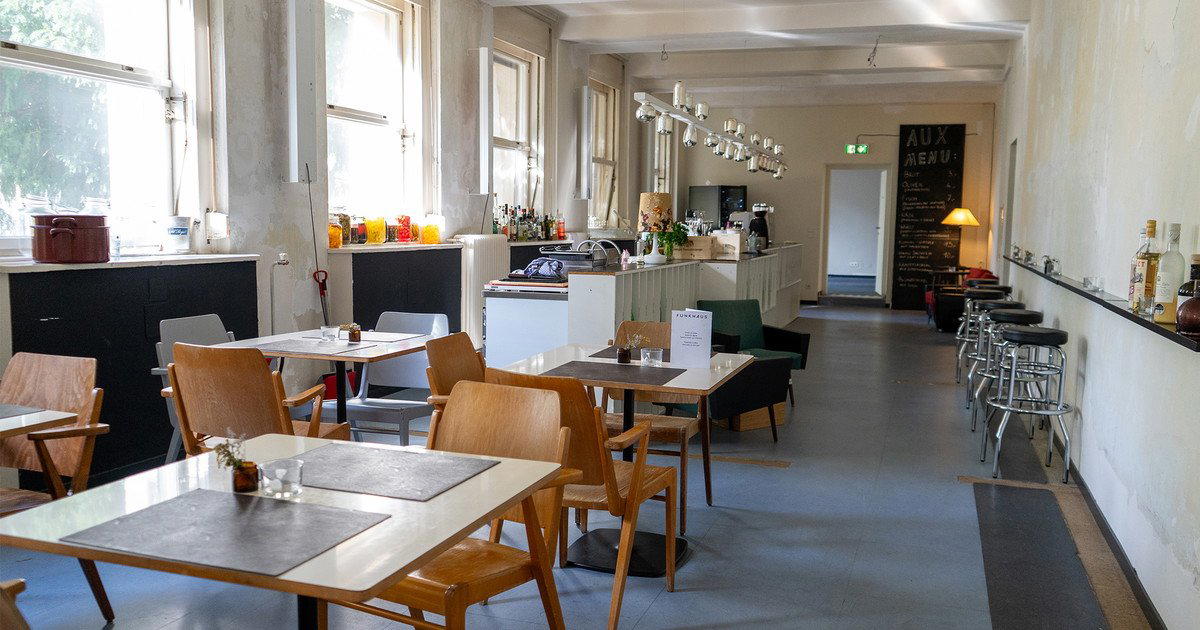
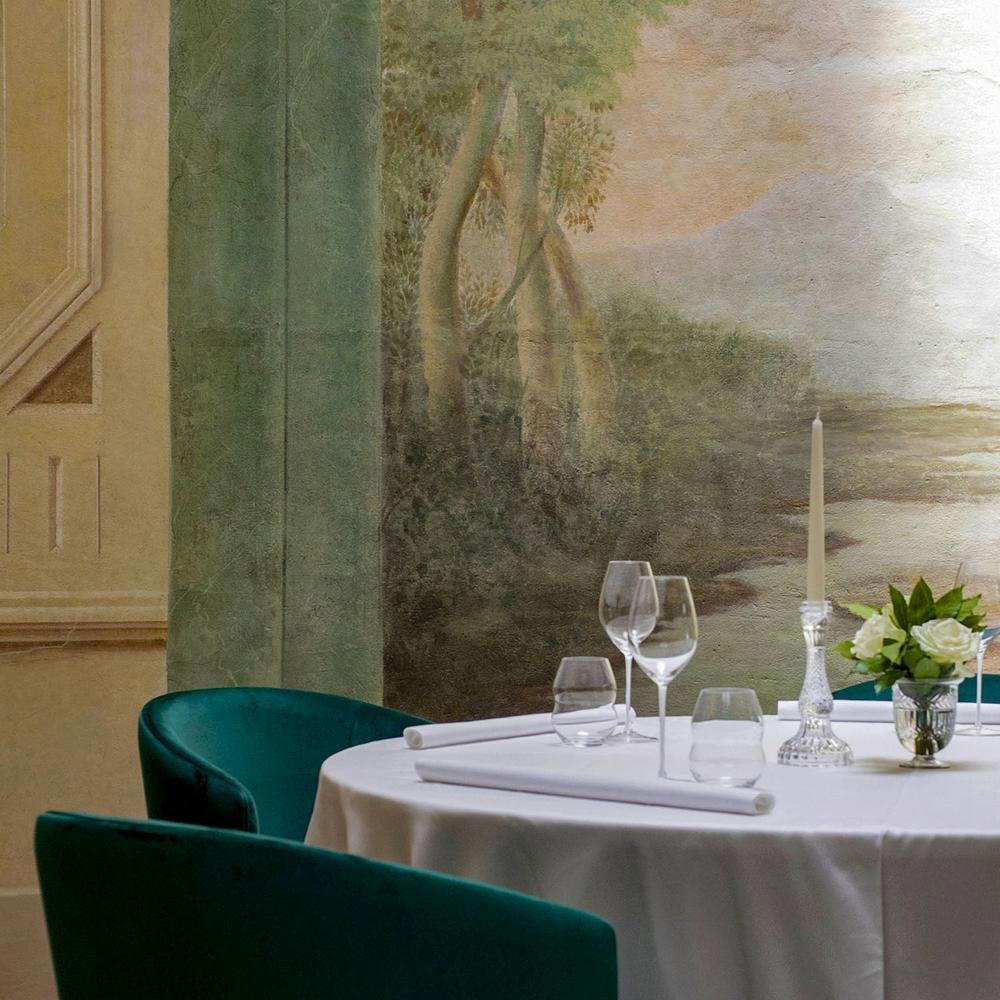
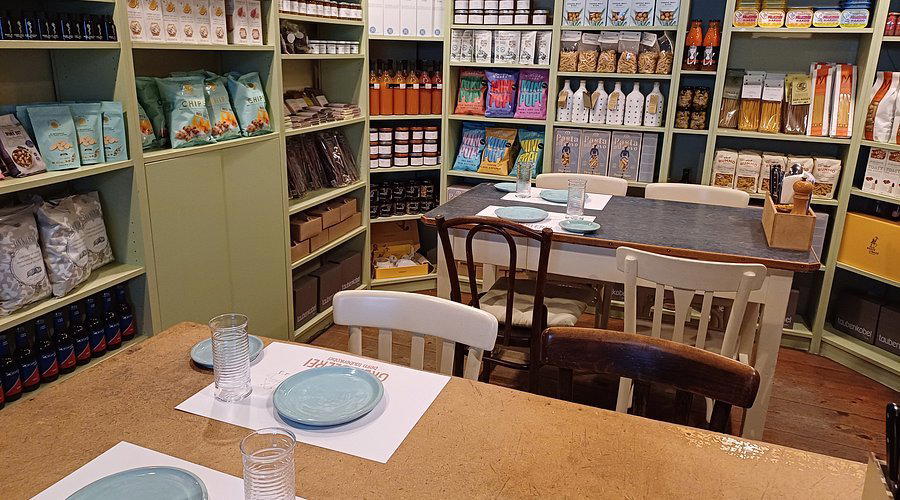
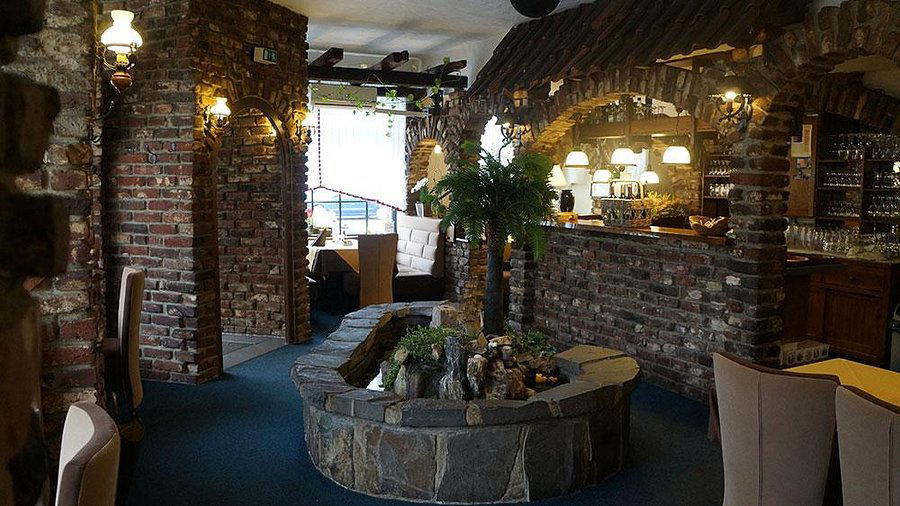
The guest experience is modest and direct. Weingut Michael Hackl is described as welcoming visitors to taste through the range, and its atmosphere is quiet, rustic, classic, and intimate. That combination points toward a visit centered on attention rather than performance. It is the sort of setting where the value comes from slowing down, comparing what is poured, and noticing how the producer’s careful ethos comes across.
It is equally important not to overstate what is known. Travellers should therefore treat the visit as a wine-focused stop and check directly if they need any particular arrangement beyond tasting.
The atmosphere makes the winery a natural fit for guests who prefer calm, small-scale settings. “Rustic” and “classic” do not mean rough or old-fashioned in a negative sense; here they are better read as cues for an experience rooted in winery identity rather than design-led hospitality. “Intimate” also suggests that the mood is better suited to focused tasting than to a loud or highly staged outing.
There is no need to force grand claims onto a place like this. Its appeal is narrower and more useful: a family-run winery in Jois, priced at $$, with a nature-minded and careful approach, and a clear invitation to explore the producer’s range. For travellers who value grounded wine experiences, that can be more meaningful than a venue built around luxury cues or accolades.
How to place it in a Jois wine itinerary
Use Weingut Michael Hackl as a calm, range-focused stop in Jois. The best itinerary role is not as a restaurant substitute or a full-day entertainment venue, but as a winery visit where the central activity is tasting and understanding the producer’s approach. Plan around the confirmed strengths: family-run character, careful production ethos, quiet rustic atmosphere, and an intimate setting.
That is especially sensible for anyone planning a larger group, a special occasion, or a visit that depends on specific timing. If the goal is simply to understand a Jois winery through its own range, Weingut Michael Hackl is a grounded and appealing choice.
Recognition history
Dated appearances from independent guides and award organizations, with the underlying list record or original source where available.
Falstaff Winery - Listed
Falstaff
Continue exploring
More in Jois
Wineries in Jois
All wineries in Jois →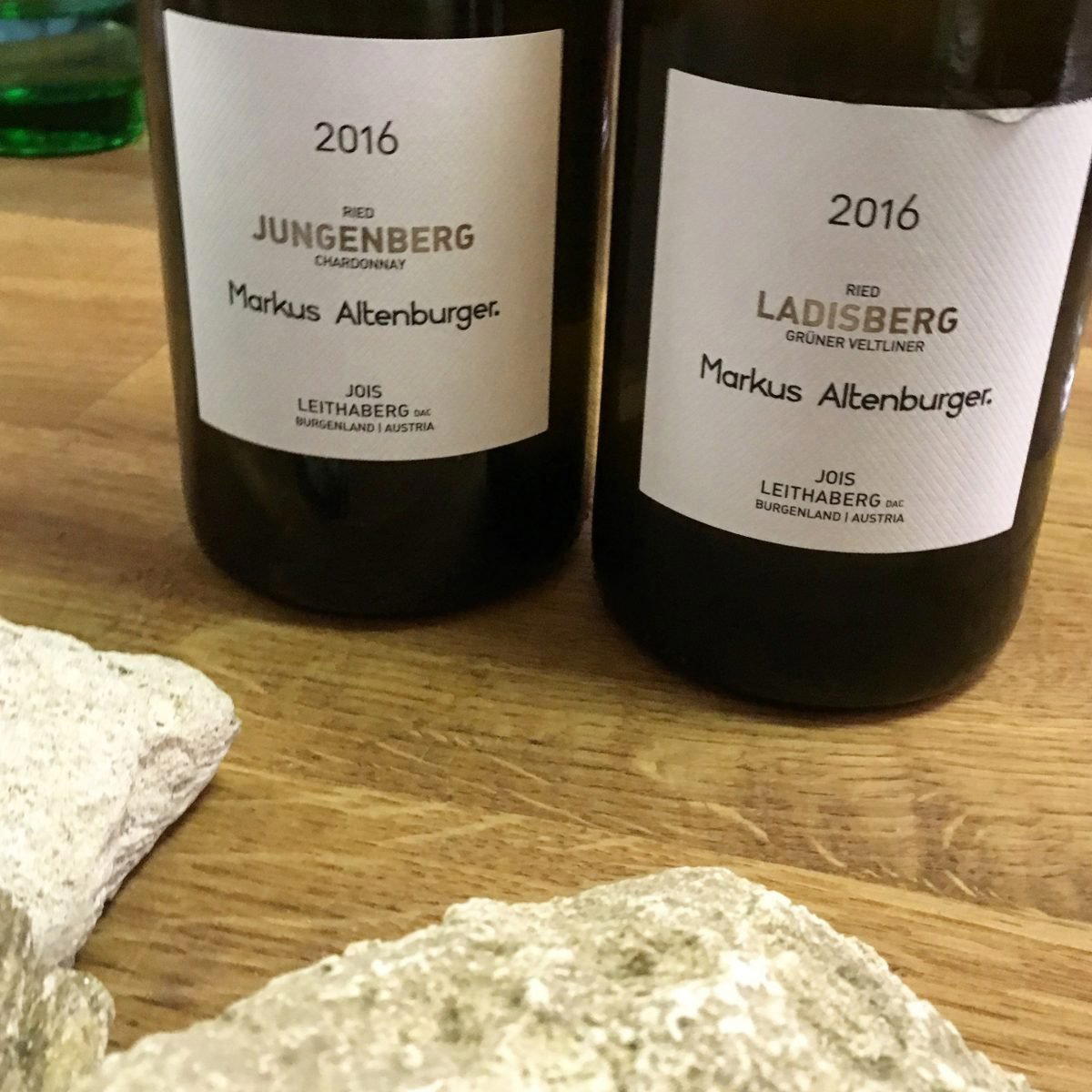
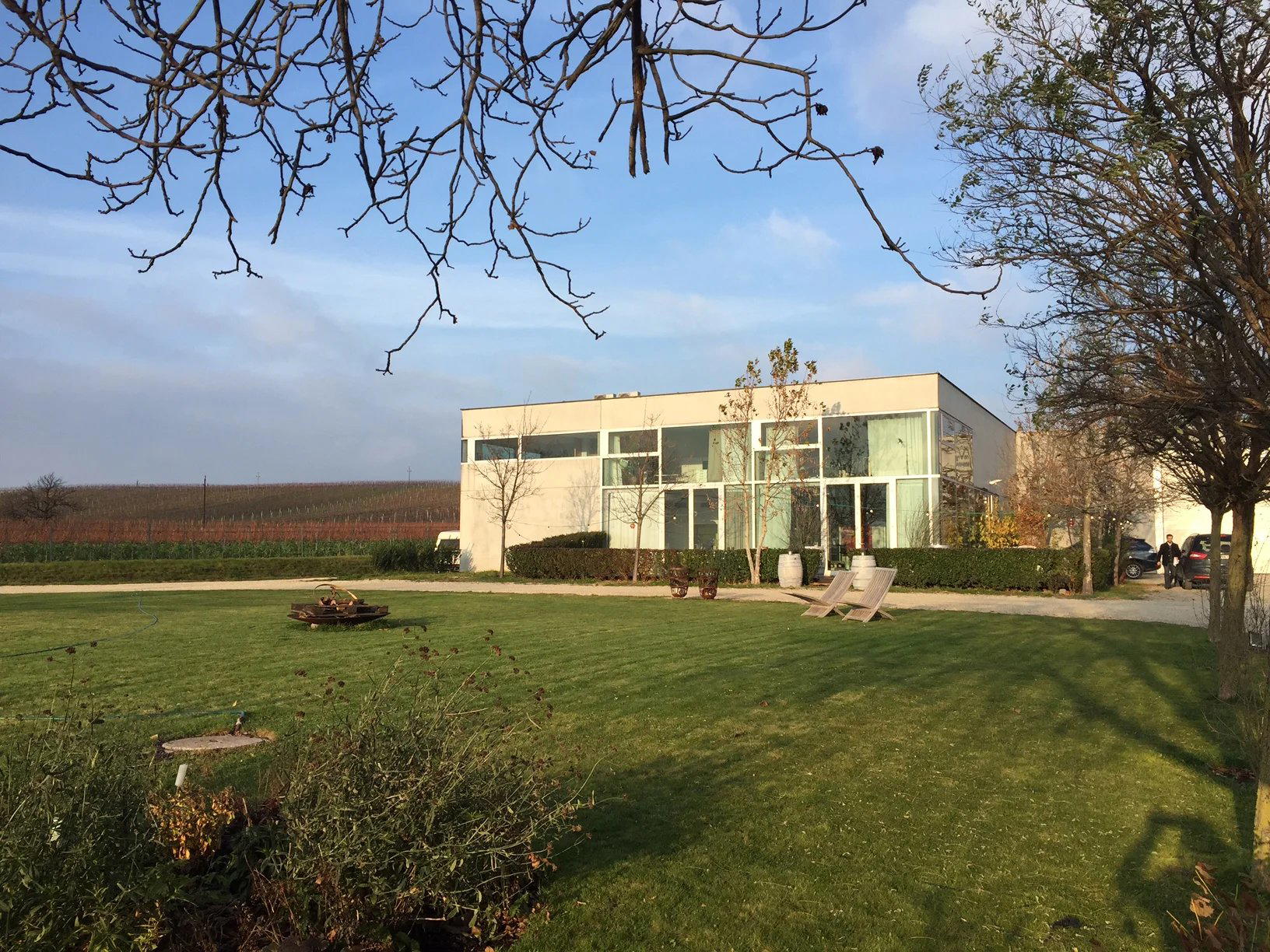
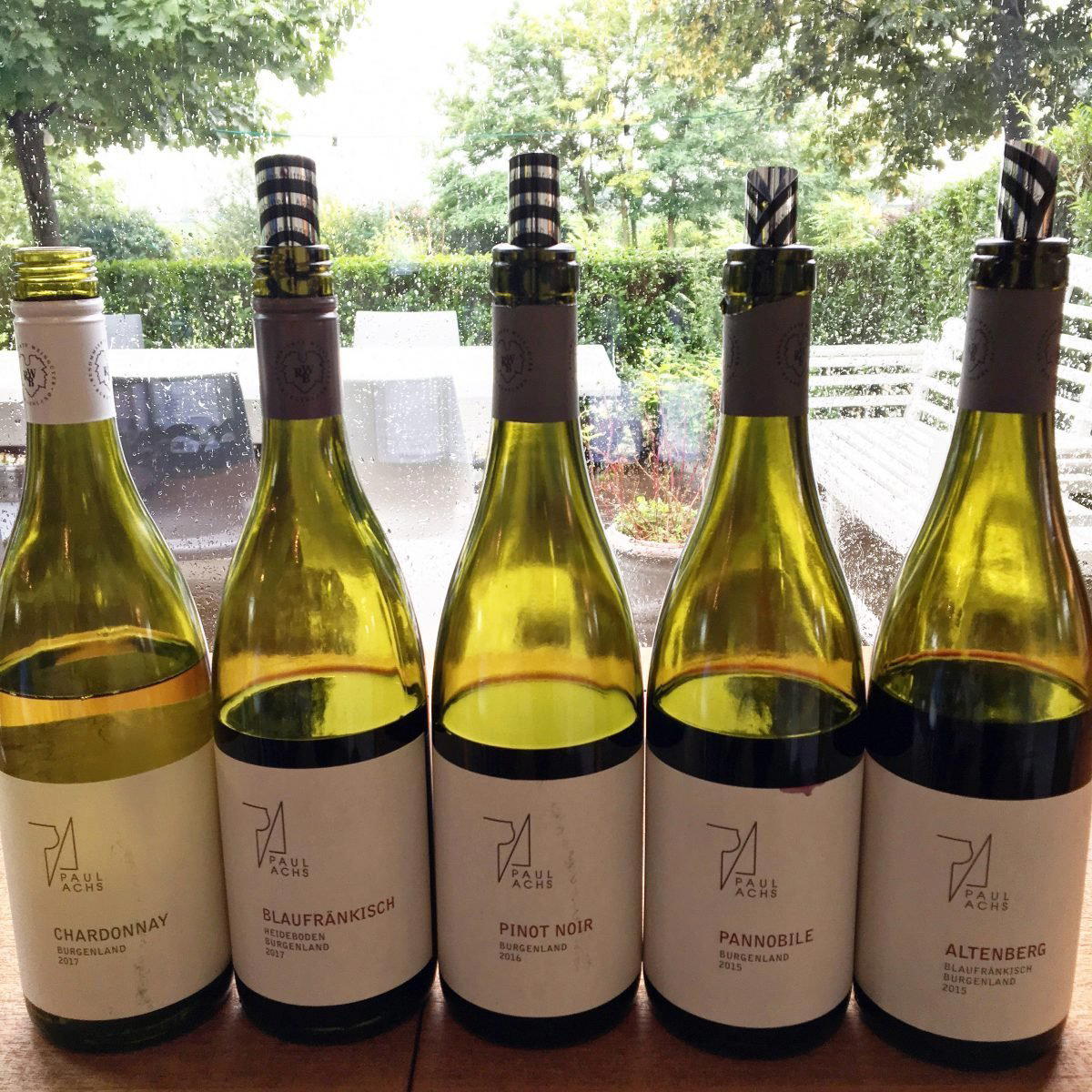
Bars in Jois
Browse all →

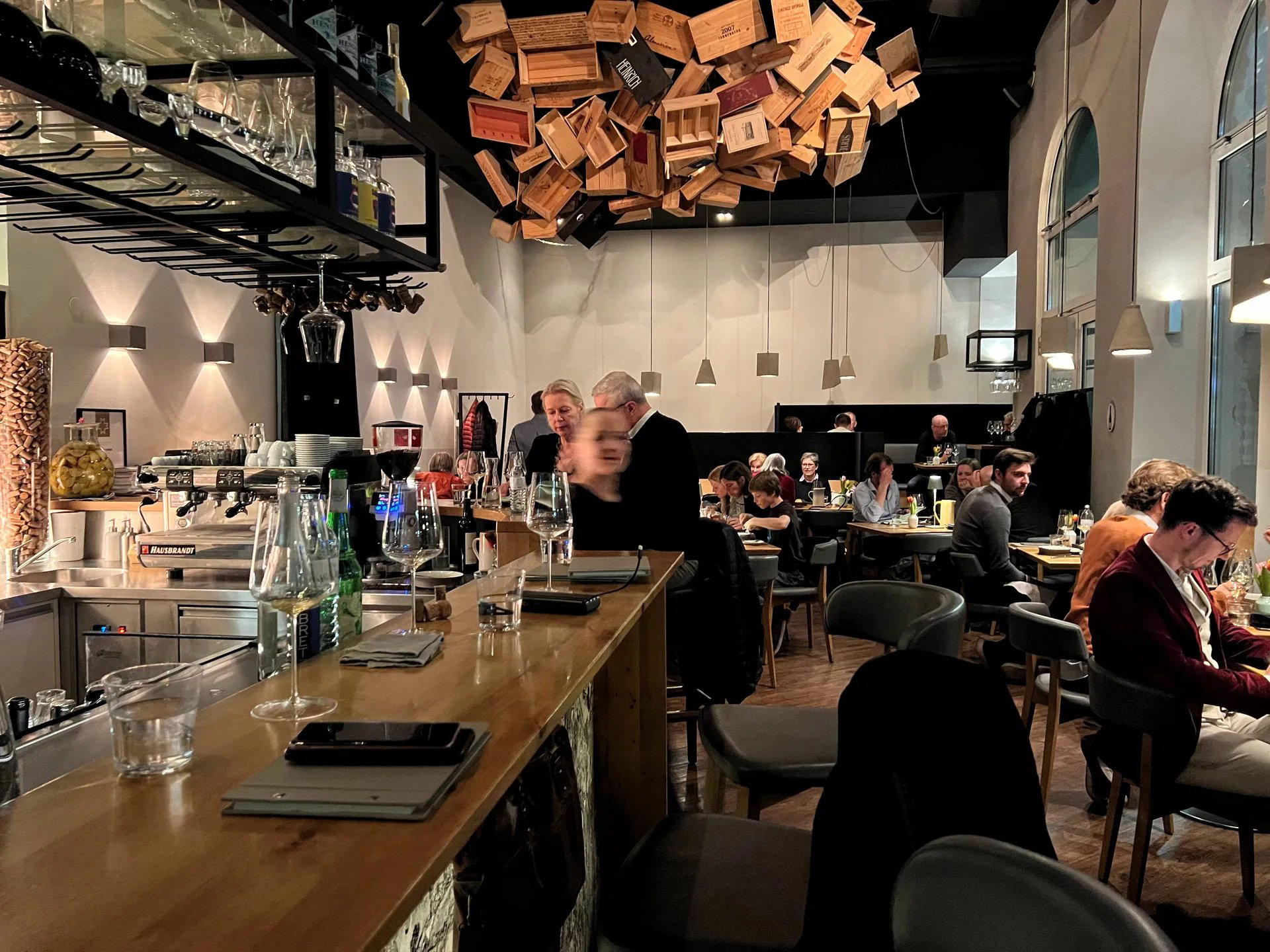
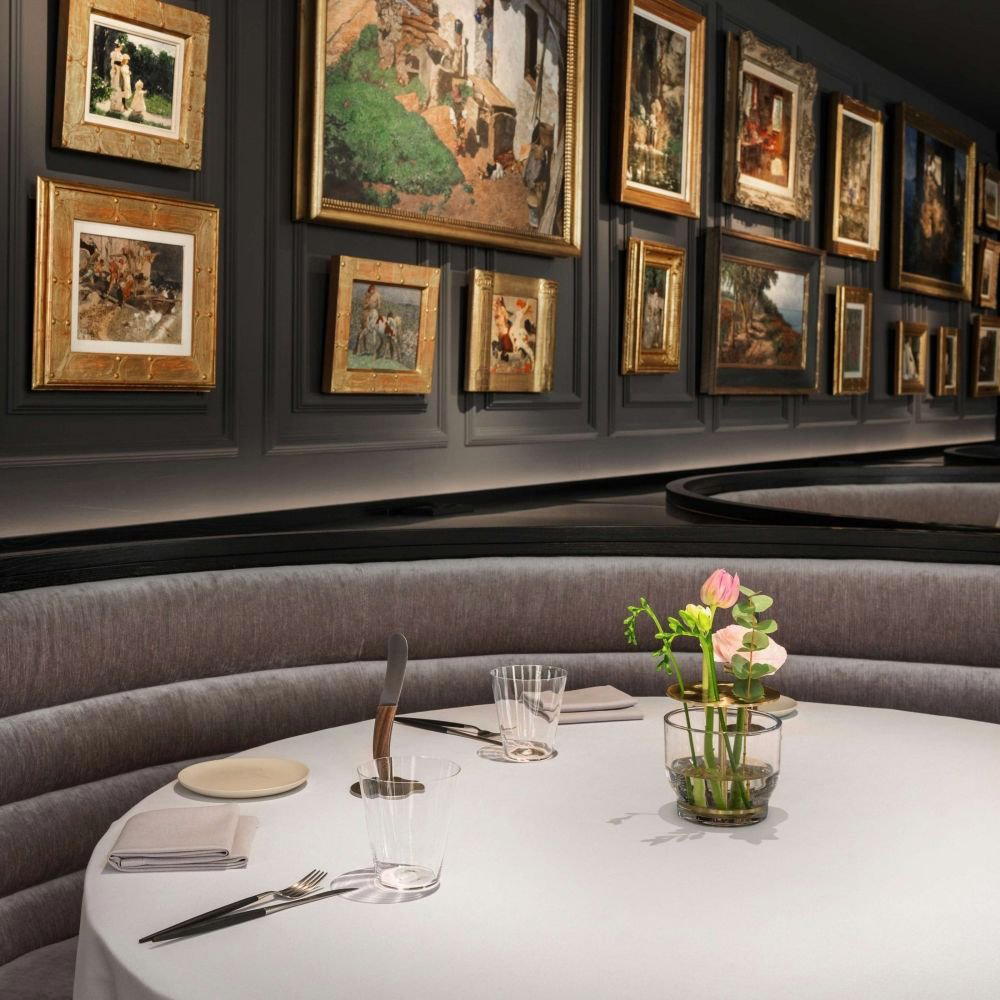
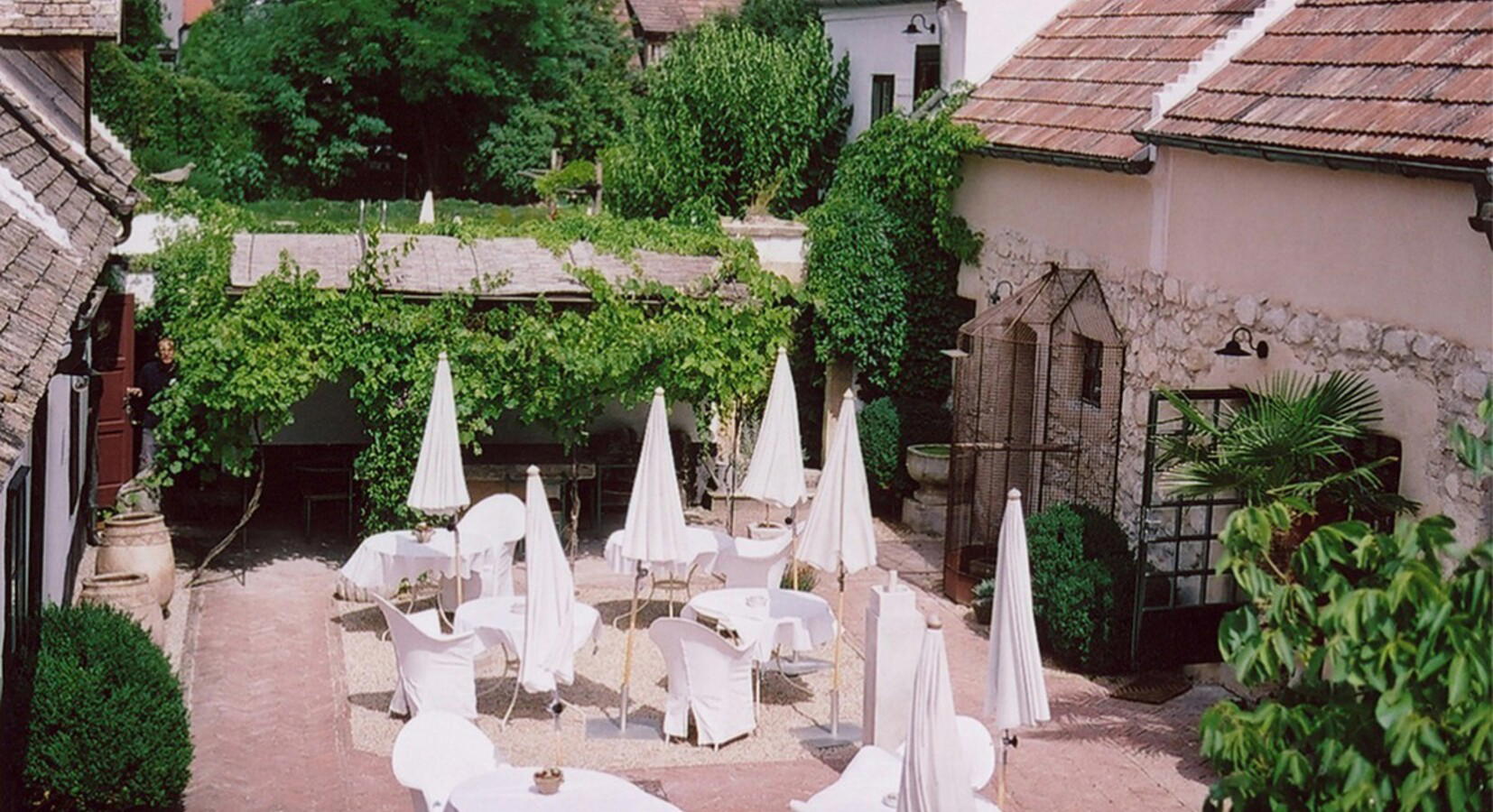
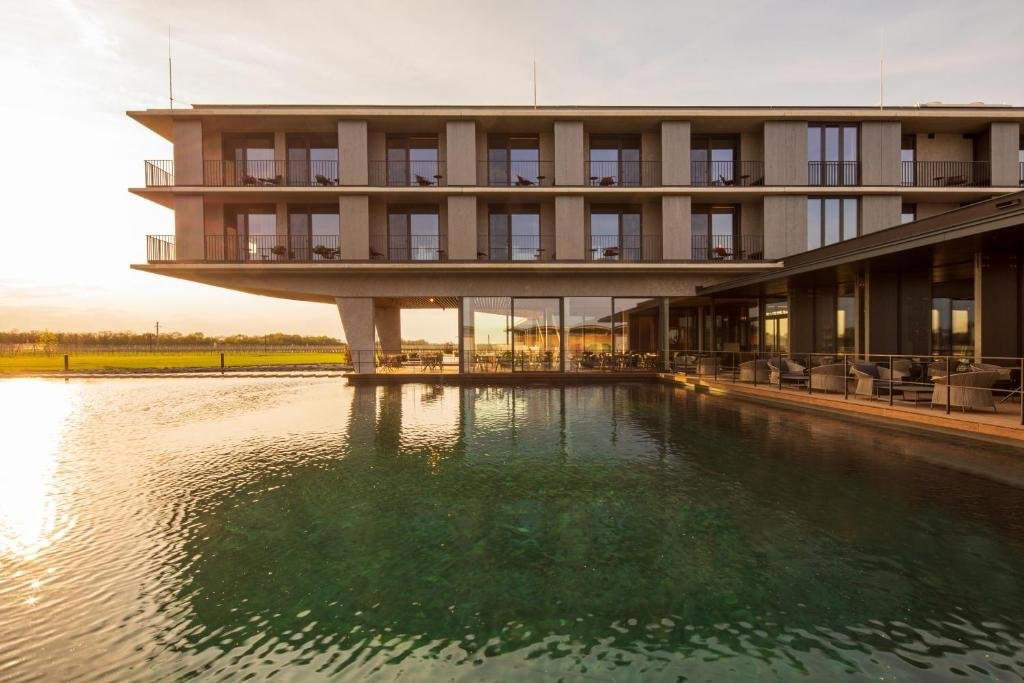
Details
- Quiet
- Rustic
- Classic
- Intimate
- Solo Exploration
- Wine Education
- Special Occasion
- Private Tasting
- Sustainable
- Street Scene
- Still White
- Still Red
- Dessert
- Sparkling
- Tasting
A family-run winery with a nature-minded, careful production ethos and a welcoming invitation to taste through the range.