
Falstaff Winery - 2 Stars
Weingut Karl May is a family-run Rheinhessen estate in Osthofen with roots back to 1815 and a hospitality setting built around a renovated historic half-timbered house and vinotheque. The draw is terroir rather than spectacle: organic farming, Wonnegau limestone, old Riesling material at Bechtheim Geyersberg, and a portfolio spanning dry whites, rosé, and still red wines.

Pearl is the En Primeur Club membership app — saves, bookings, and concierge access live there. Same editors, same standards.

Weingut Karl May in Osthofen is best approached as a quiet, traditional family-run winery rather than as a venue built around spectacle. The picture is concise but useful: a renovated historic half-timbered house, a vinotheque, an emphasis on craftsmanship, organic farming, and a mineral-driven wine style. That combination gives the estate a clear sense of place without needing a long list of claims about individual bottles, vineyard names, service formats, or visitor logistics.
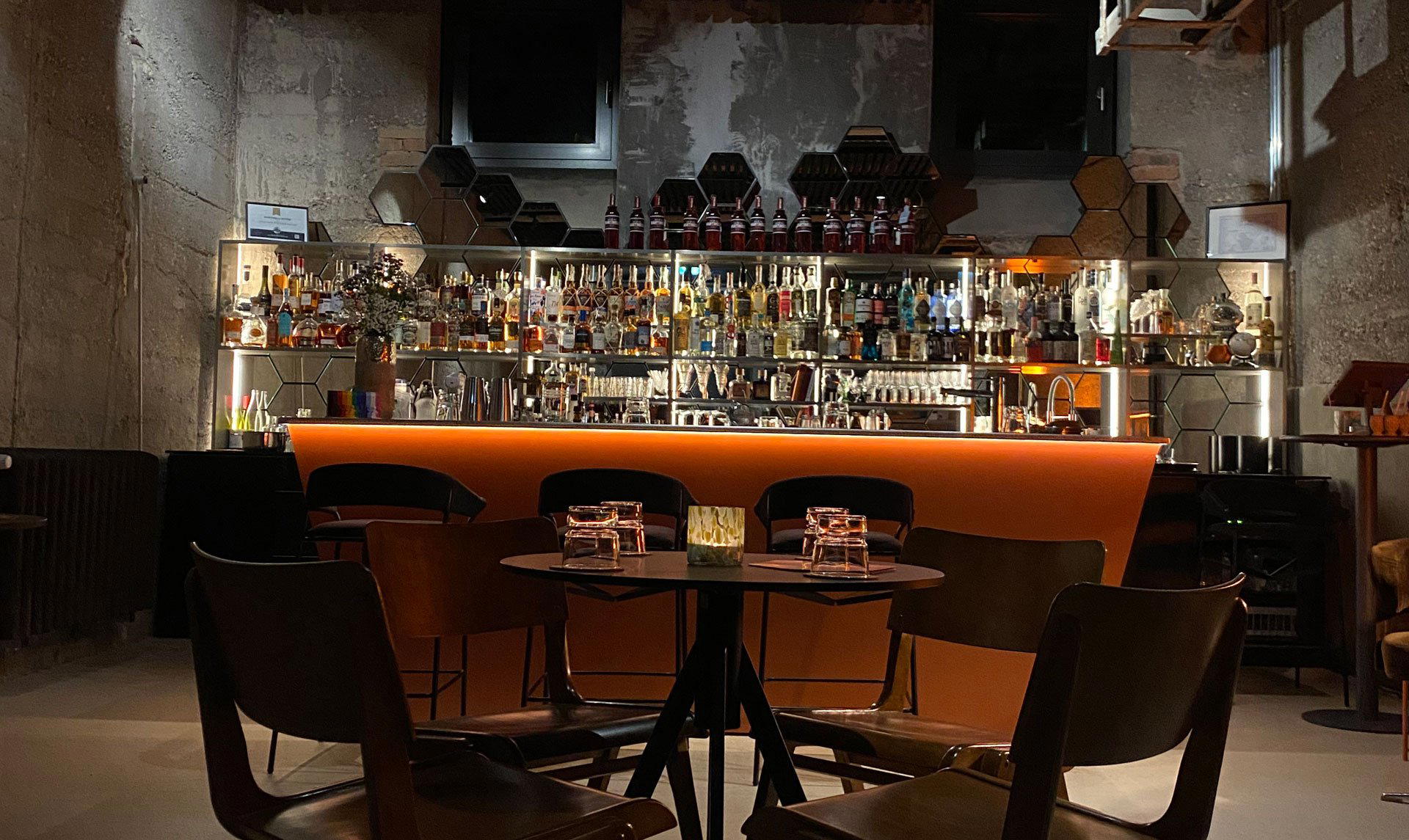
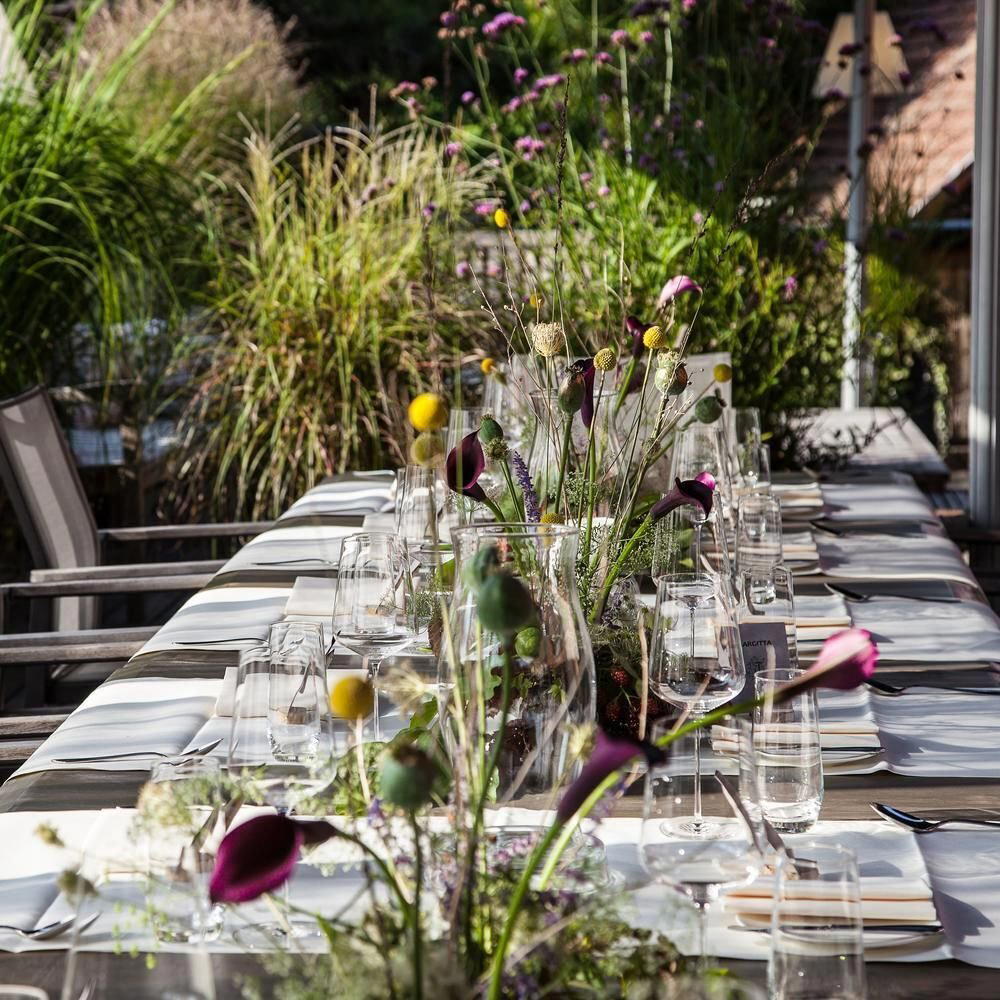
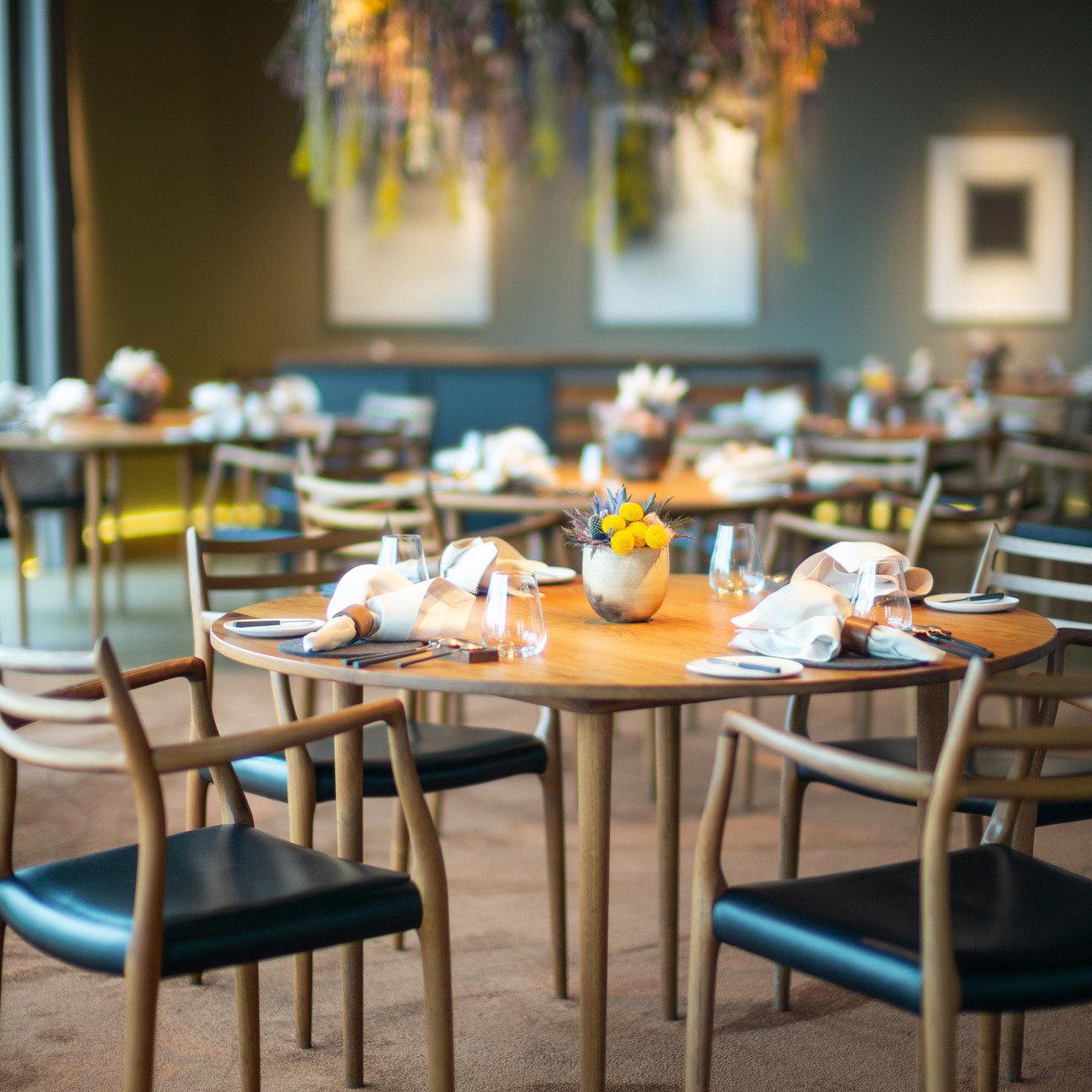
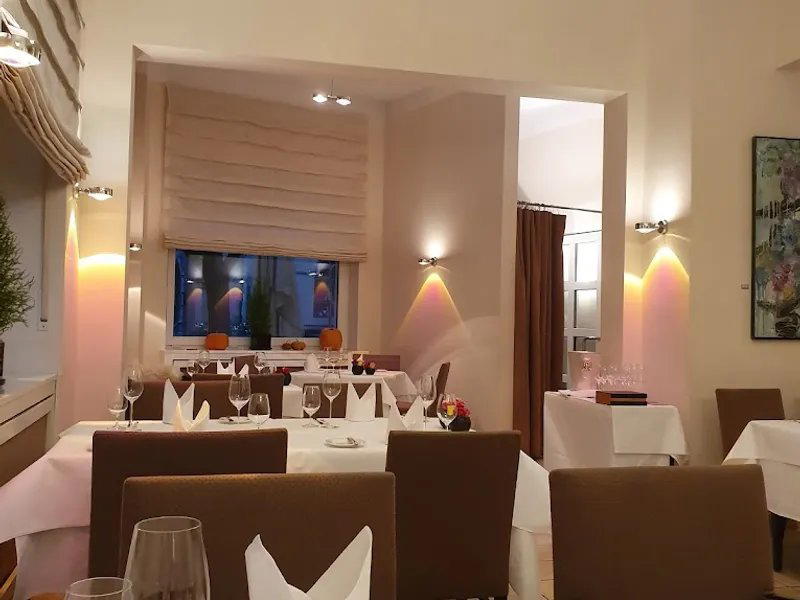
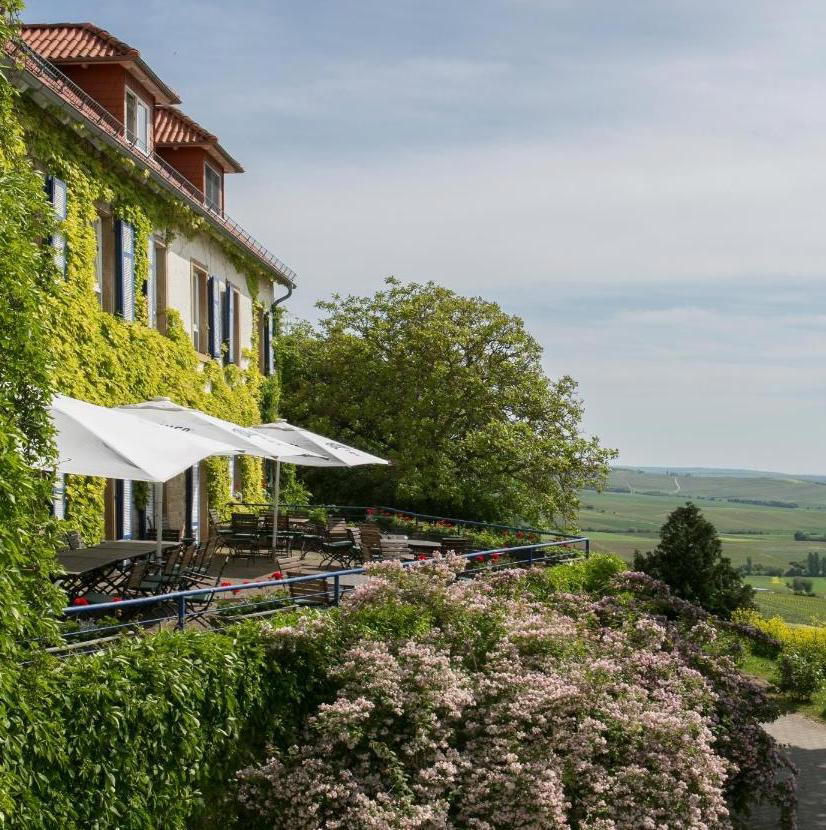
The atmosphere is classic, rustic, cozy, and quiet. For travelers comparing wine stops in Osthofen, that matters. This is the kind of setting where the building, the farming ethos, and the style of the wines do much of the work. It is not necessary to frame the estate through unsupported details about exact tastings, tour length, specific grape varieties, named parcels, or a formal booking format. The grounded appeal is simpler: a family-run winery in Osthofen with a historic setting and a wine identity shaped by organic farming and mineral expression.
Limestone, old Riesling vines, and a Rheinhessen style built on restraint
The most reliable way to describe the wine style here is mineral-driven and rooted in organic farming. Those are the anchors. Any more precise statement about particular sites, old-vine material, named bottlings, grape hierarchy, cellar techniques, or vintage-specific tasting notes would go beyond the available confirmed information. For a premium venue guide, that distinction is important: the estate can be presented as serious and craft-focused without inventing a full technical profile.
What can be said with confidence is that Weingut Karl May’s public identity emphasizes craftsmanship. In wine terms, that suggests a venue where the story is not only about what is poured, but also about how the estate wants its farming and style to be understood. Organic farming is a central part of that identity, and the mineral-driven character gives visitors a useful expectation before arrival. The experience should be read through restraint, texture, and place rather than through luxury staging or theatrical presentation.
The better, more accurate framing is to treat Weingut Karl May as an Osthofen winery whose appeal rests on a coherent, grounded set of signals: family continuity in atmosphere, organic farming in practice, and a mineral-led house style in the glass.
A family estate with a formal vinotheque, not a destination built on spectacle
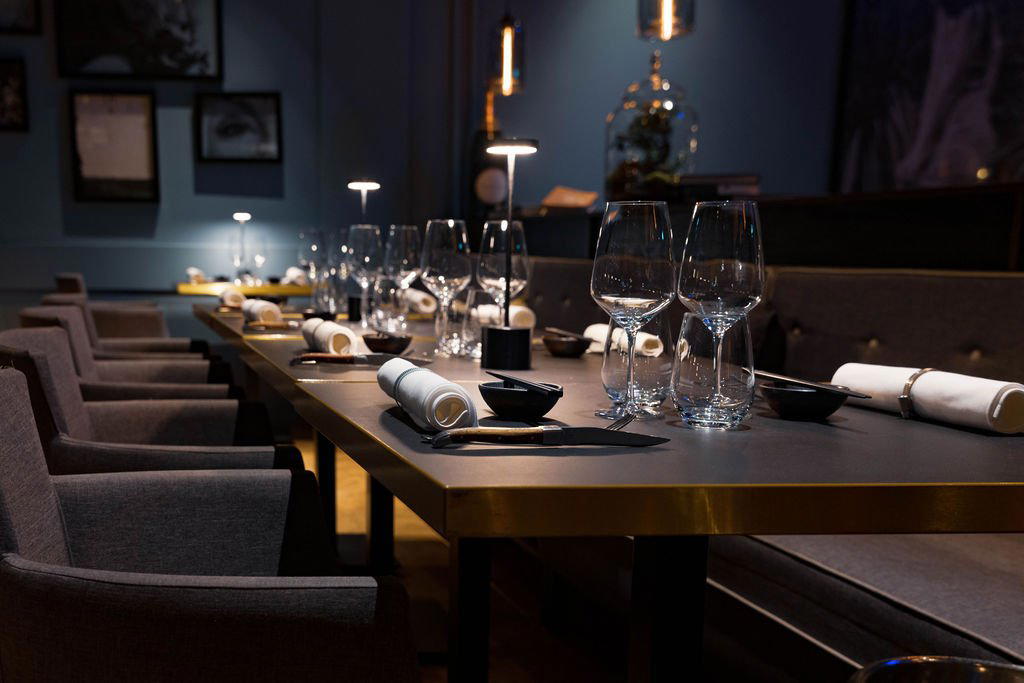
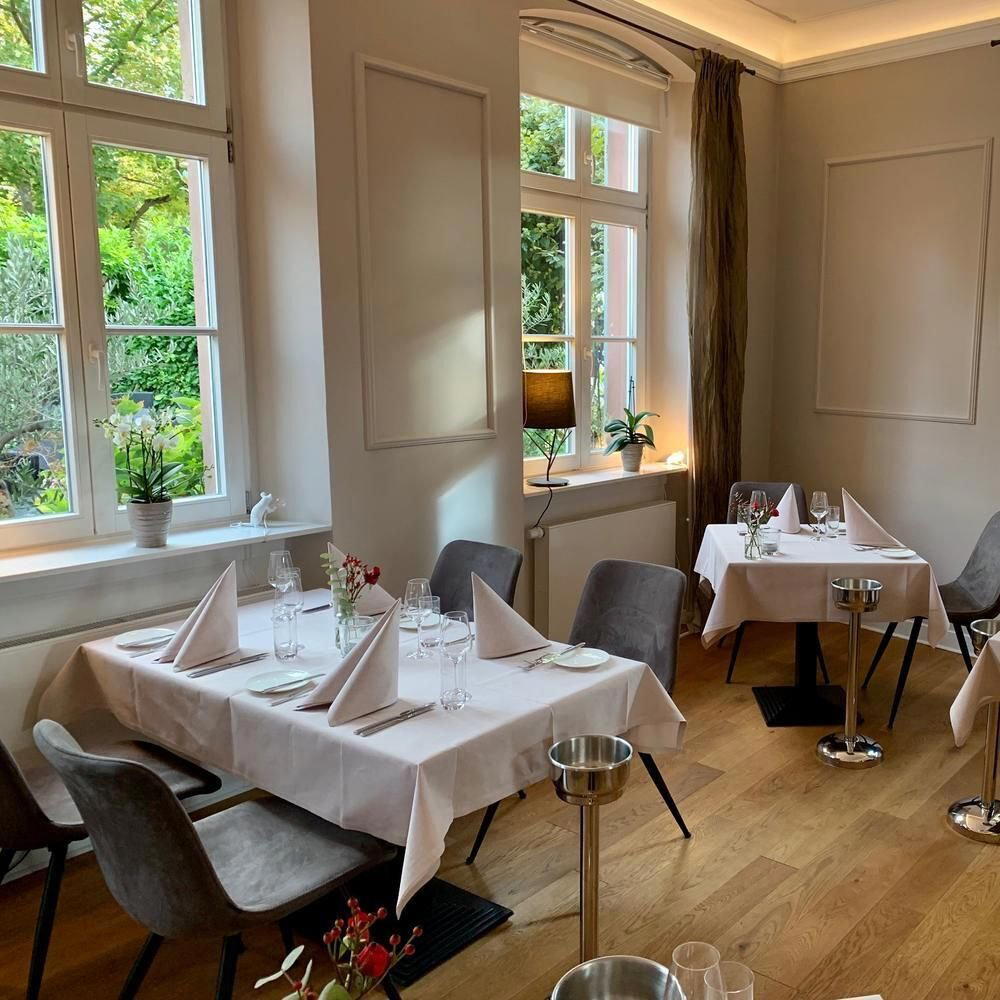
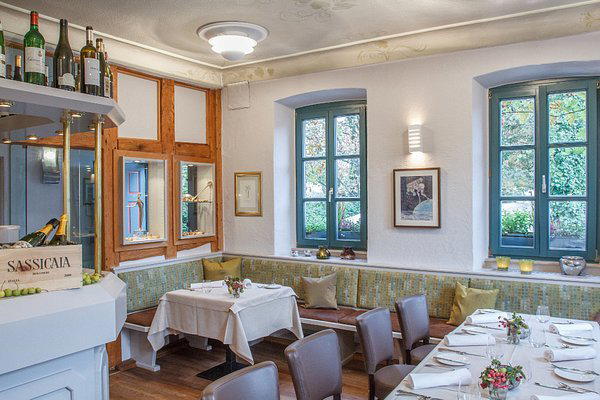
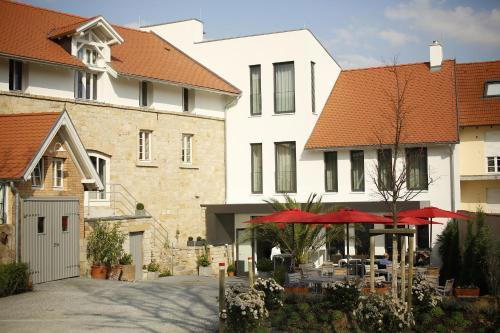
The setting is one of the strongest confirmed parts of the venue profile. Weingut Karl May has a renovated historic half-timbered house and a vinotheque, which together create a traditional but considered winery environment. The architecture matters because it shapes the visit before any wine is discussed: rustic, classic, and quiet rather than polished in a generic hospitality sense.
That tone suits the estate’s identity. A family-run winery built around craftsmanship does not need to be sold as a high-drama destination. Its appeal is more measured. Visitors should expect a calm Osthofen setting where the house, the vinotheque, and the farming ethos frame the experience. The description does not support claims about exact seating capacity, appointment policy, tour duration, group size, tasting menu structure, food service, or special-event infrastructure, so those details are best left unspecified unless confirmed directly by the venue.
The price level is listed as $$. In practical terms, that gives readers a broad cost signal without implying a specific tasting fee, bottle price, menu price, or package. The most accurate summary is that Weingut Karl May sits at a moderate price indicator while presenting itself through traditional winery atmosphere, organic farming, and a mineral-driven style.
How to place it within an Osthofen wine itinerary
Within Osthofen, Weingut Karl May makes sense as a focused winery stop for visitors who value atmosphere and production philosophy. The confirmed strengths are not nightlife, restaurant service, or a broad hospitality complex; they are the family-run setting, the renovated historic house, the vinotheque, organic farming, and a quiet, craft-minded wine identity. That makes the estate especially relevant for travelers who want a grounded sense of Osthofen wine culture rather than a generic tasting-room stop.
Planning should stay flexible unless current arrangements are confirmed with the winery. For logistics, confirm directly before making a dedicated trip.
Compared with other dining or drinking options in Osthofen, Weingut Karl May’s distinction is its winery identity: historic half-timbered surroundings, a vinotheque, a classic rustic mood, and a style connected to organic farming and mineral expression. The draw is not an invented award claim, a named tasting format, or a long roster of bottles. It is a traditional family-run estate atmosphere in Osthofen, presented with enough restraint to let the setting and wines remain central.
Recognition history
Dated appearances from independent guides and award organizations, with the underlying list record or original source where available.
Falstaff Winery - 2 Stars
Falstaff
Continue exploring
More in Osthofen
Wineries in Osthofen
All wineries in Osthofen →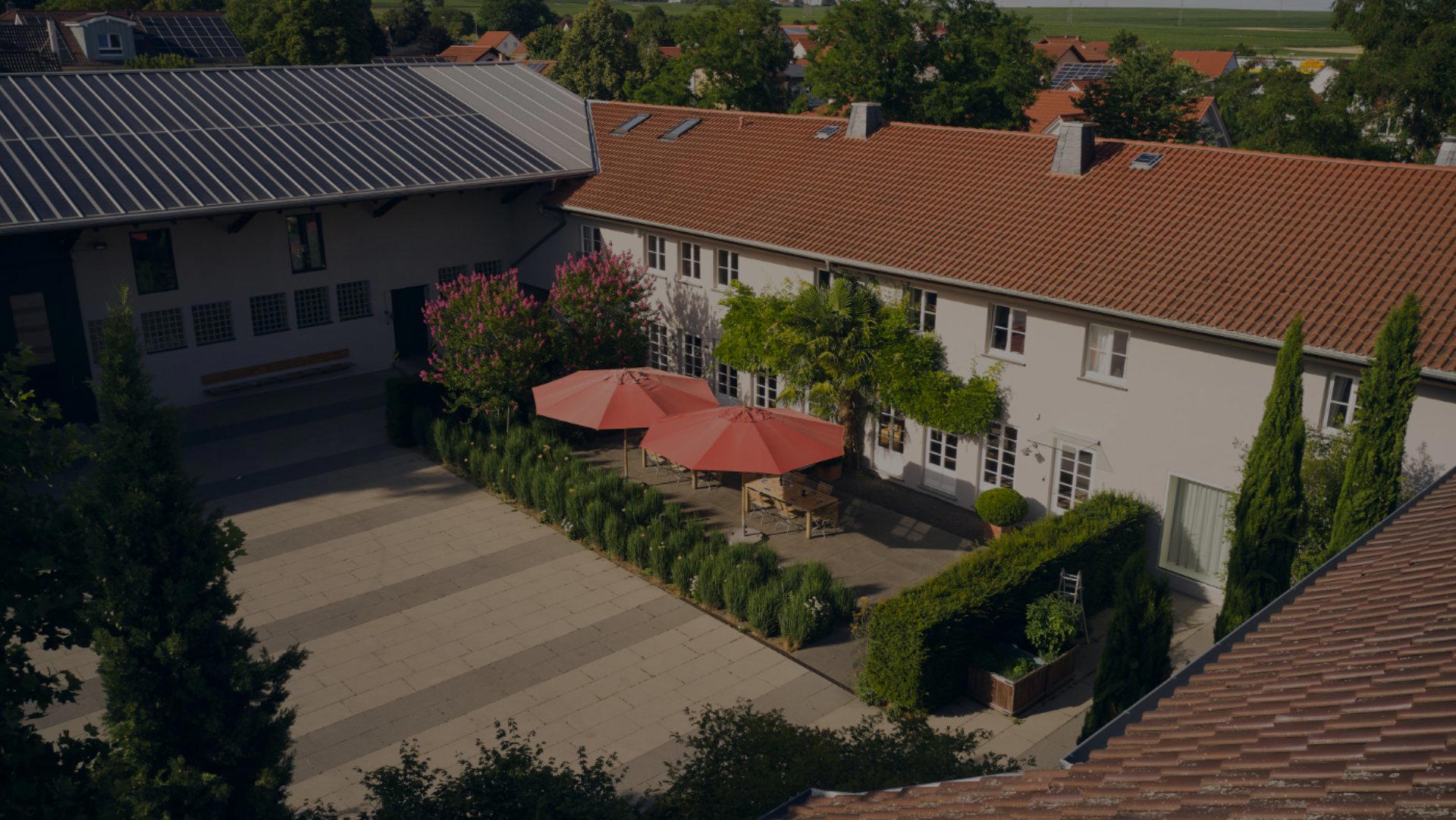
Bars in Osthofen
Browse all →
Details
- Classic
- Rustic
- Cozy
- Quiet
- Group Outing
- Special Occasion
- Wine Education
- Historic Building
- Estate Grounds
- Organic
- Vineyard
- Riesling
- Pinot Blanc
- Pinot Gris
- Silvaner
- Pinot Noir
- Still White
- Still Red
- Still Rosé
- Tasting Room
Traditional family-run winery atmosphere with a renovated historic half-timbered house and vinotheque; the setting emphasizes craftsmanship, organic farming, and a mineral-driven wine style.