Weingut Julius Zotz

Falstaff Winery - 2 Stars
Weingut Julius Zotz is a historic family winery in Heitersheim, rooted in Markgräflerland Gutedel, Pinot varieties, and traditional-method sparkling wine. Founded in 1865, with family winegrowing roots reaching back to about 1845, it offers a large-estate view of Baden: sustainable vineyard work, loess-and-limestone sites, and a quiet castle-linked setting rather than tasting-room theatre.

Pearl is the En Primeur Club membership app, where members save venues, book tables and use the concierge.
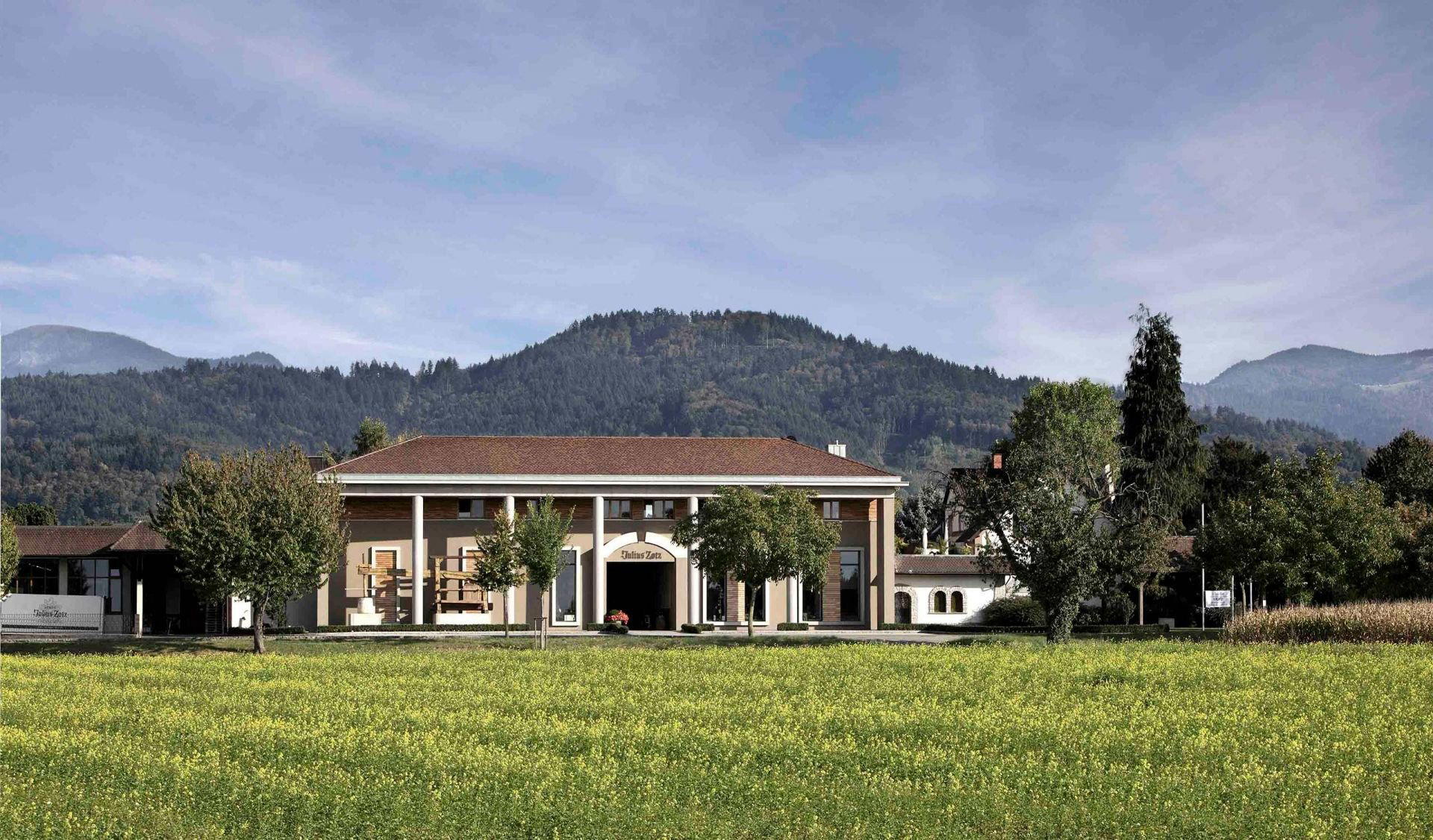
Weingut Julius Zotz in Heitersheim is best understood as a historic family winery rather than as a restaurant, bar, or high-concept hospitality venue. The picture is deliberately simple: a traditional estate setting, a quality-focused character, and a sustainable viticulture ethos in a castle-linked environment. For visitors researching Heitersheim, that makes it a quieter, more heritage-led stop than a place defined by chef-led dining, elaborate service formats, or nightlife energy.
Those details may matter for planning a wine visit, but they should be confirmed directly with the estate before making a special trip. What can be said with confidence is that Weingut Julius Zotz presents itself through a classic, rustic, scenic atmosphere and a family-winery identity rooted in Heitersheim.
A historic family-winery setting in Heitersheim
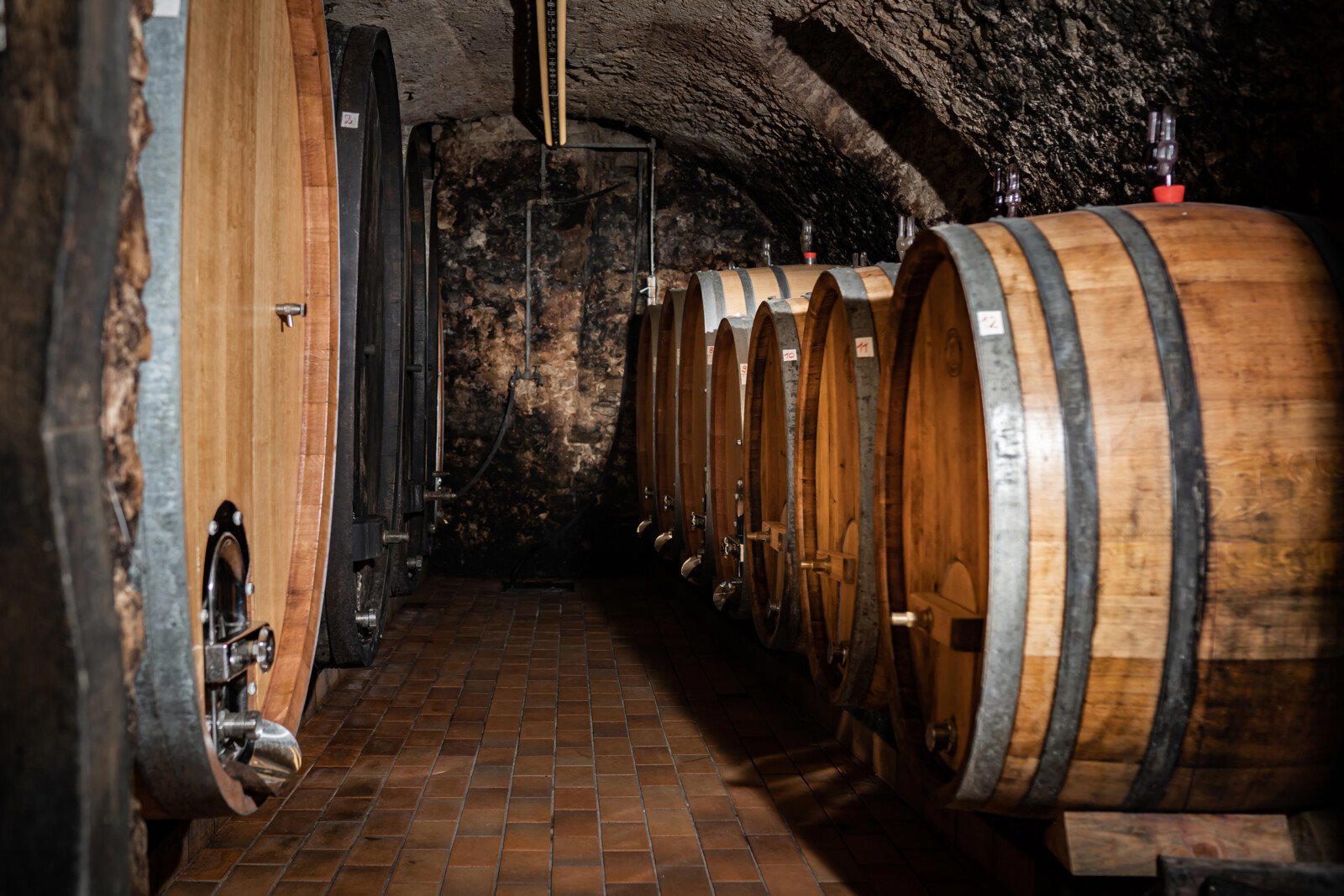
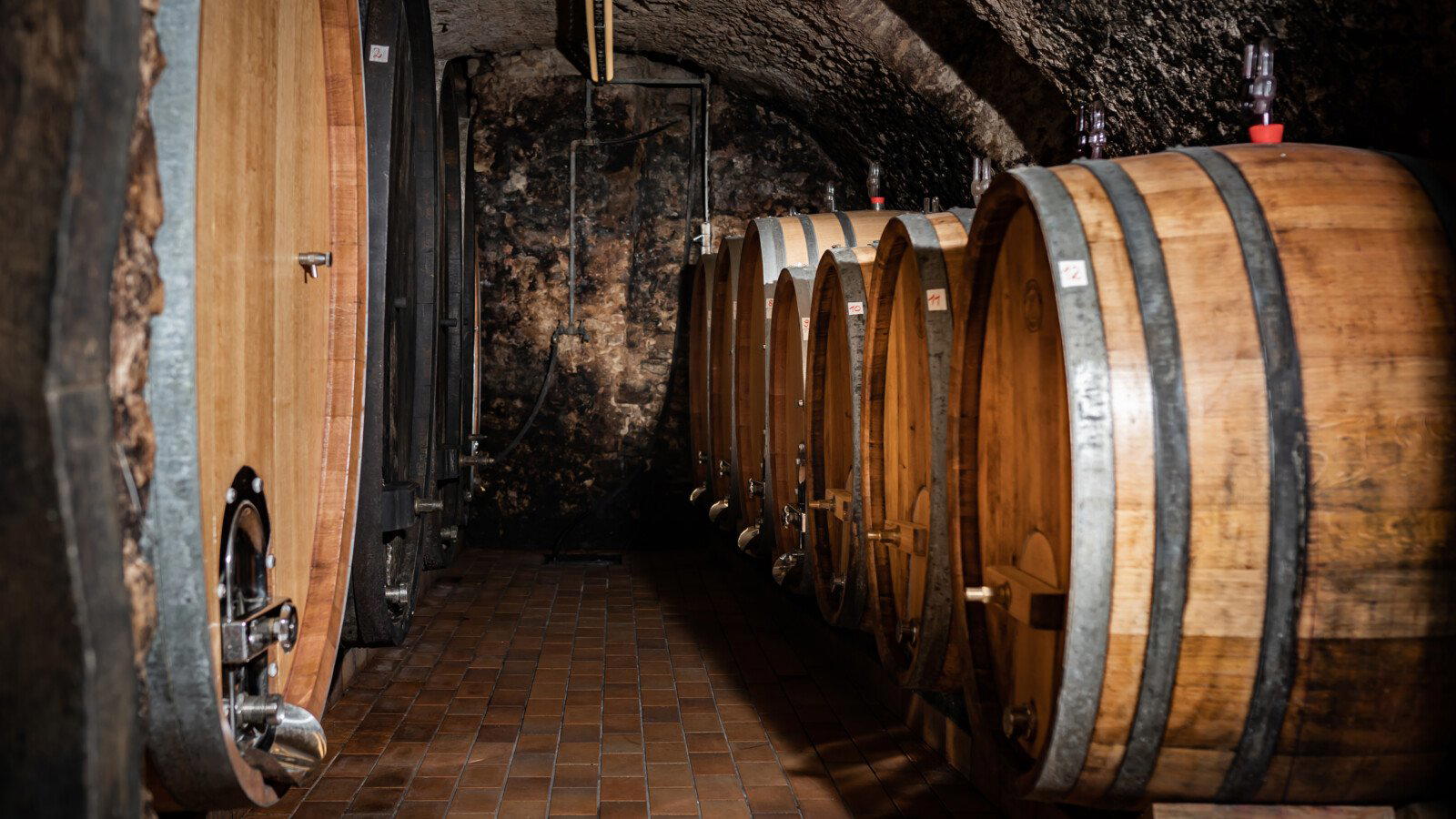
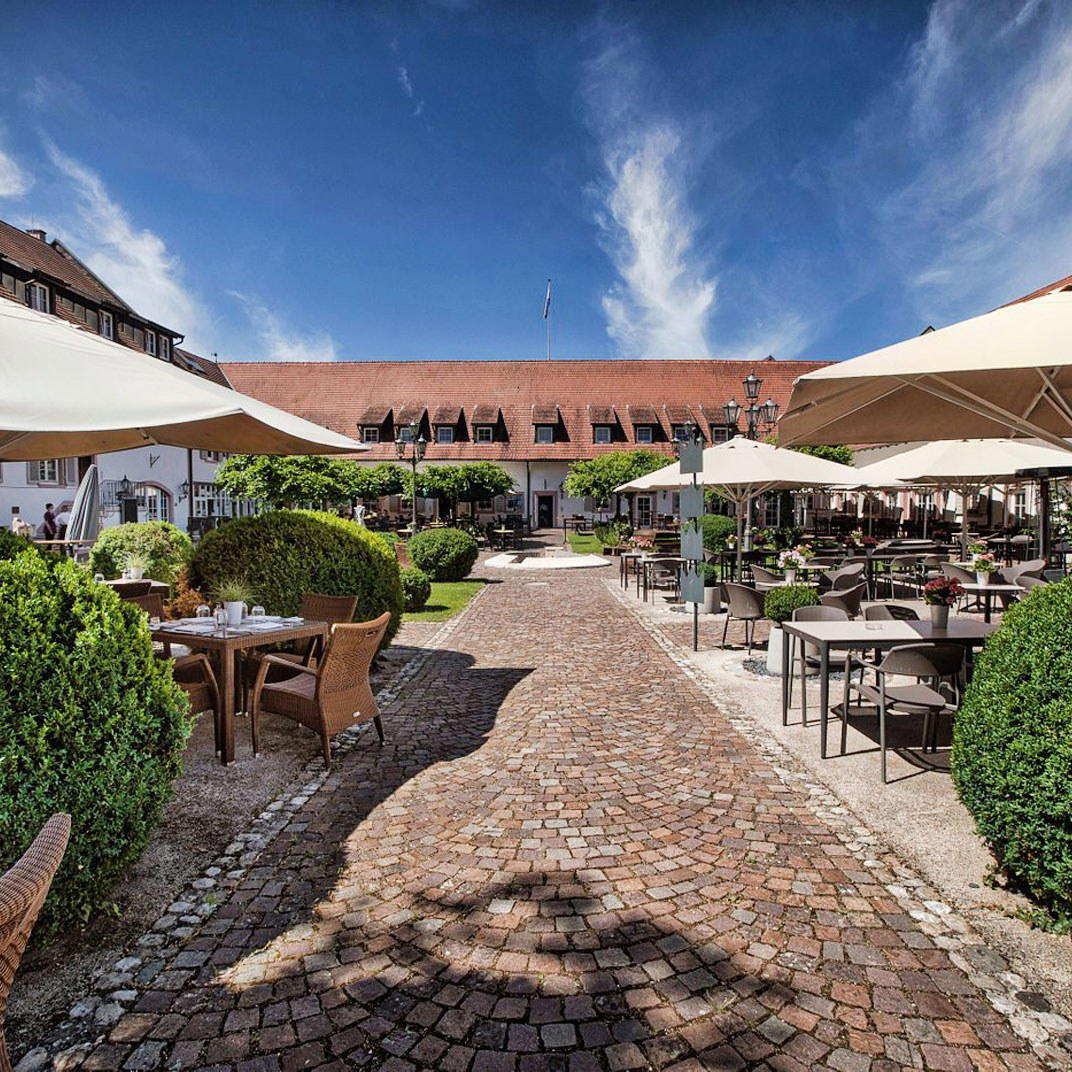
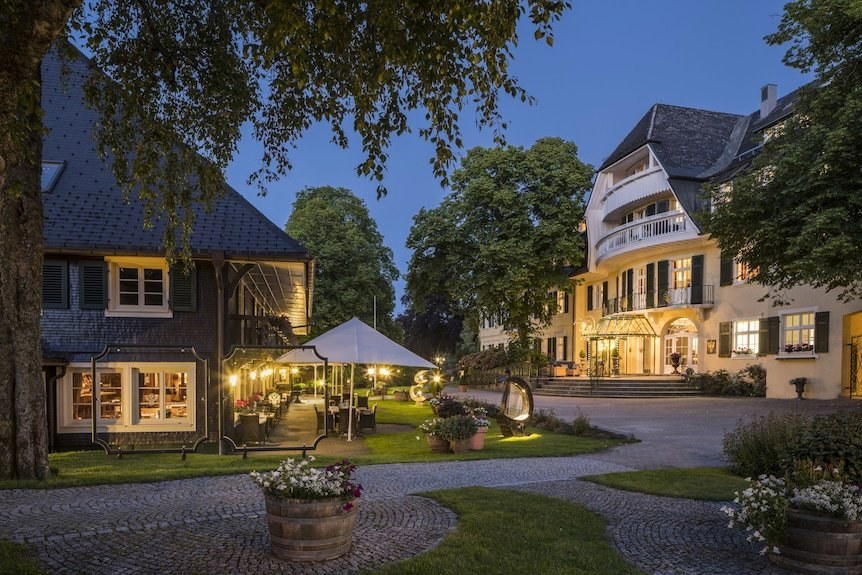
The main draw is the setting and character. Weingut Julius Zotz is associated with a historic family winery profile, a traditional tone, and a castle-linked estate environment. That combination gives the venue a more settled and place-specific feel than a modern tasting bar or casual storefront. The experience is likely to appeal most to visitors who value context, architecture, quiet surroundings, and a sense of continuity in a wine estate.
The description also points to a quality-focused approach. In practical terms, that should be read as a broad orientation rather than a guarantee of any particular wine style, bottle, menu, or guided tasting experience. The page should not be used as evidence for a specific grape focus, cellar technique, vintage, production size, or award history. For those details, direct confirmation from Weingut Julius Zotz is the safest route.
Its Heitersheim location is central to the recommendation. Rather than treating the winery as an interchangeable countryside stop, visitors should view it as part of a local wine-oriented itinerary in and around the city. Other dining or drinking options in Heitersheim can round out the day, but this venue’s appeal is the winery atmosphere itself: classic, rustic, quiet, scenic, and tied to a historic estate context.
Sustainable viticulture as part of the identity
One of the points for Weingut Julius Zotz is a sustainable viticulture ethos. That is an important part of how the venue should be framed, but it should not be expanded into technical claims. It is therefore more accurate to describe sustainability as part of the winery’s stated character rather than to attach a detailed farming narrative to it.
For visitors, that distinction matters. A sustainable viticulture ethos can shape the way a winery presents itself, but it does not automatically confirm organic certification, biodynamic practice, vegan production, low-intervention methods, or any particular environmental standard. Anyone planning around these issues, especially for ethical, dietary, or professional reasons, should ask the estate directly before visiting or purchasing.
Within the scope, the sustainable element supports the broader impression of a traditional estate that is not only heritage-focused but also attentive to responsible winegrowing. It adds depth to the venue’s profile without needing unsupported claims about vineyards, grape varieties, or winemaking methods.
What to expect from the visit
Expect a quiet and classic atmosphere rather than a venue built around spectacle. The descriptors are rustic, scenic, traditional, and quality-focused. That makes Weingut Julius Zotz a strong fit for travellers who prefer a calm estate setting and a sense of local heritage. It is less useful to frame it as a restaurant-style destination, a nightlife stop, or a place with a confirmed food program, because those details are not part of the record here.
The price category is listed as $, which places it at the accessible end of the guide’s price scale. That does not confirm the cost of any particular tasting, bottle, tour, or event. Prices can vary by product and visit type, so visitors should check directly with Weingut Julius Zotz if budgeting closely.
Planning should remain flexible unless you have confirmed current details with the estate. For a smooth visit, contact the winery or consult its current official information before relying on any itinerary details.
In short, Weingut Julius Zotz is a Heitersheim winery to consider for its historic family-estate character, sustainable viticulture ethos, and quiet scenic setting. The most reliable reason to go is not a claimed award, a particular dish, a named grape, or a detailed service format; it is the traditional, castle-linked winery atmosphere itself.
Recognition history
Dated appearances from independent guides and award organizations, with the underlying list record or original source where available.
Falstaff Winery - 2 Stars
Falstaff
Continue exploring
More in Heitersheim
Wineries in Heitersheim
All wineries in Heitersheim →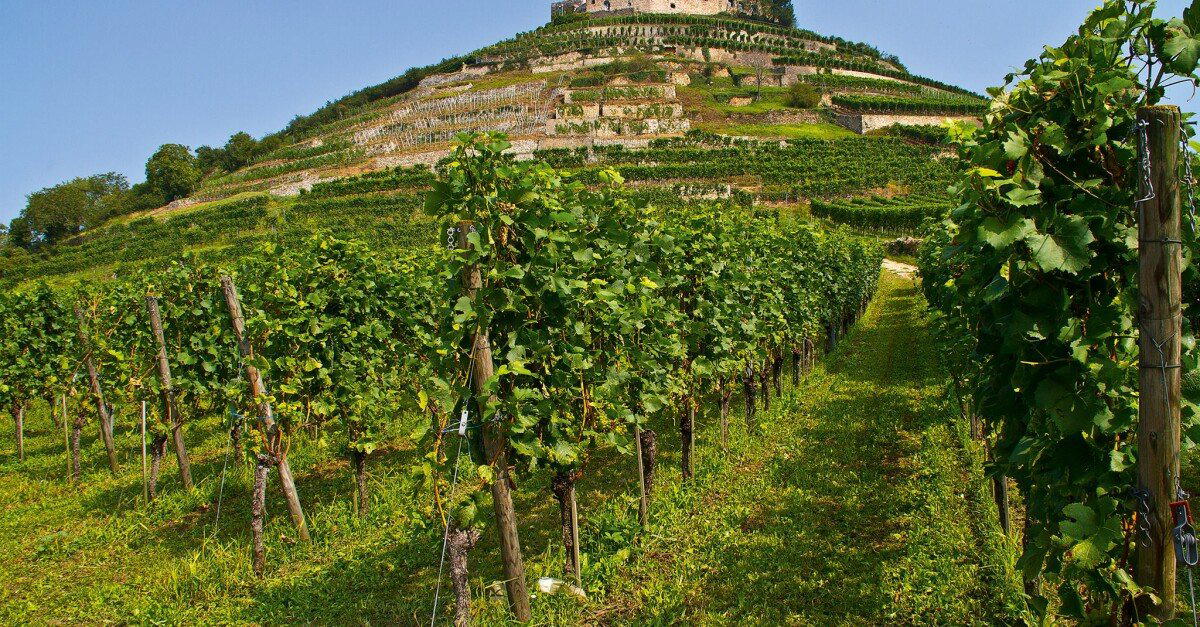
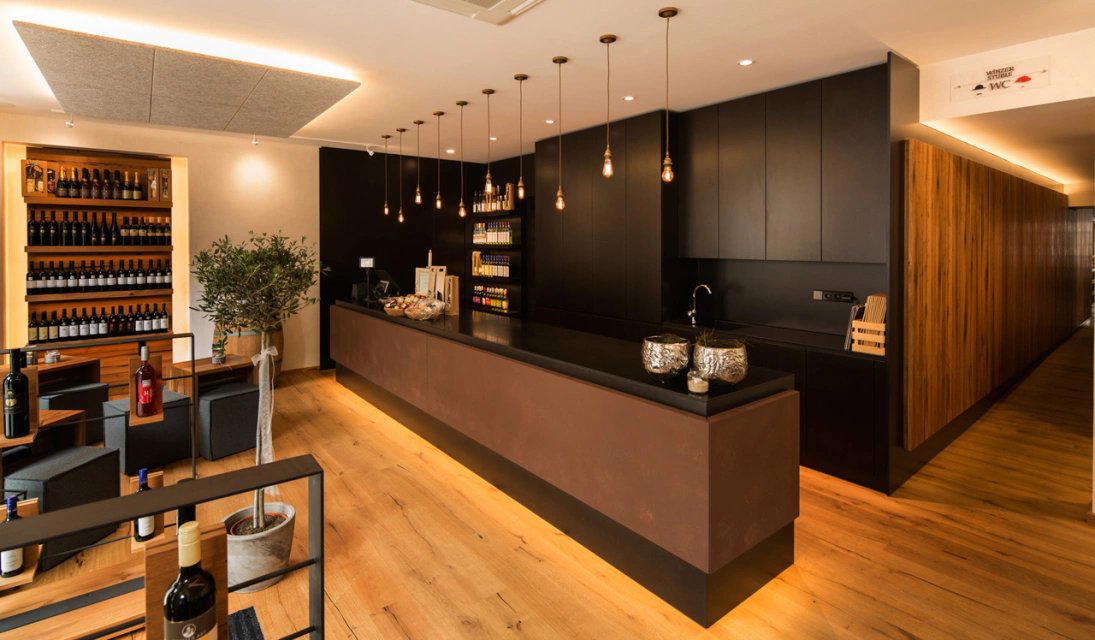
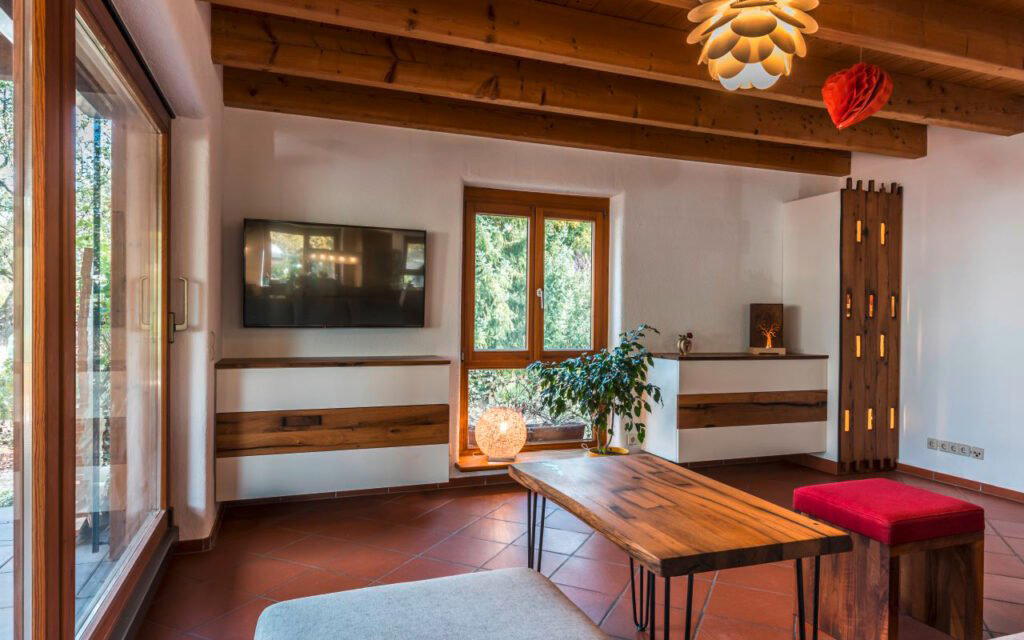
Bars in Heitersheim
Browse all →


Details
- Classic
- Rustic
- Quiet
- Scenic
- Group Outing
- Wine Education
- Solo Exploration
- Historic Building
- Estate Grounds
- Sustainable
- Vineyard
- Gutedel
- Pinot Blanc
- Pinot Gris
- Pinot Noir
- Sparkling Wine
- Still White
- Still Red
- Sparkling
- Tasting Room
Historic family winery with a traditional, quality-focused character and a sustainable viticulture ethos in a castle-linked estate setting.