Weingut Hermann Moser

Weingut Hermann Moser reads Rohrendorf through loess, Danube air, and the Kremstal DAC grammar of Grüner Veltliner and Riesling. The family-run winery and Heuriger has operated under Carmen and Martin Moser since 2002, with Mosi’s Brotzeit bringing the wines into a local food setting rather than a formal tasting-room script.
Pearl is the En Primeur Club membership app — saves, bookings, and concierge access live there. Same editors, same standards.
- Address
- Rohrendorf, Kremstal, Lower Austria, Österreich
 Saves & bookings on Pearl
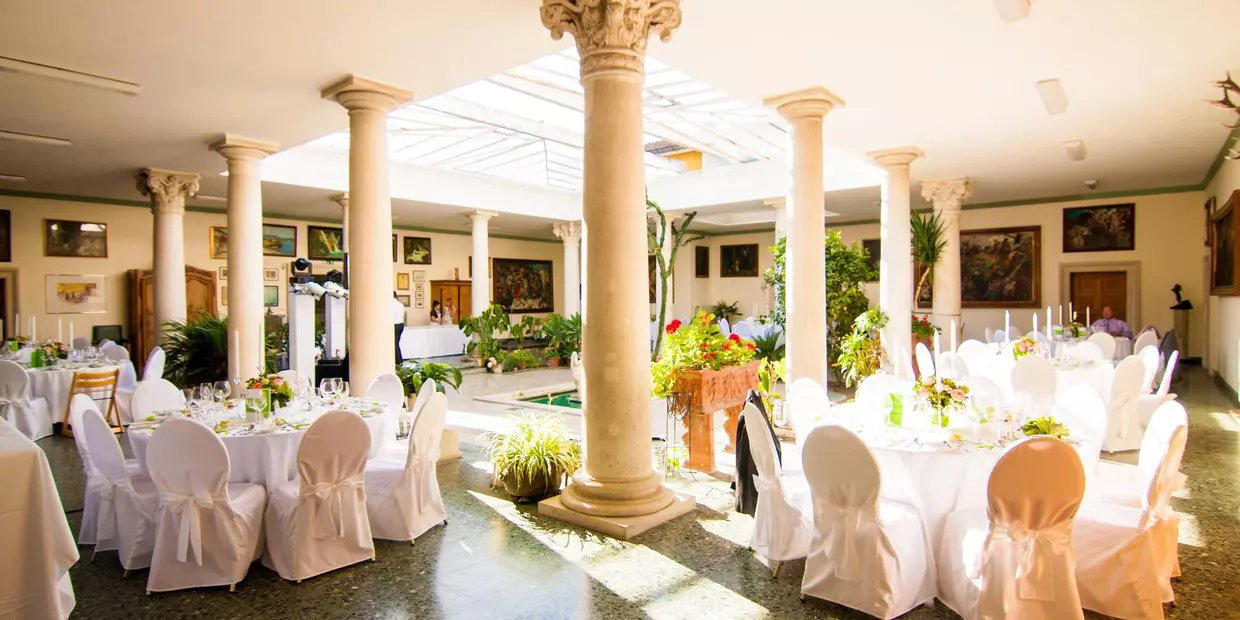
Rohrendorf’s wine country is best understood through landscape and cellar culture rather than spectacle. At Weingut Hermann Moser, the picture is a traditional, family-run winery atmosphere shaped by Kremstal loess soils, vineyard terraces, and the Danube-influenced landscape. The emphasis is on pure, elegant wines and in-house Heurigen fare, with a setting that reads as classic, rustic, cozy, and scenic.
What can be said with confidence is that Weingut Hermann Moser belongs to Rohrendorf’s winery landscape and presents itself through a local Heurigen frame: wine, food, and place understood together rather than as separate experiences.
Loess, Danube air, and the Kremstal white-wine grammar
The grounded context for Weingut Hermann Moser is Rohrendorf’s Kremstal setting. The area is associated here with loess soils, vineyard terraces, and the moderating influence of the Danube landscape. Those elements are not decorative background; they are the core of how the venue should be read. The winery’s identity is tied to a scenic agricultural setting rather than to a high-gloss urban tasting-room model.
For visitors, that means the appeal is rooted in place. The profile points to pure, elegant wines in a family-run environment, with the landscape itself forming part of the experience. It is reasonable to expect a winery visit that feels connected to Rohrendorf and its surrounding terraces, but the available confirmed data does not support naming individual vineyards, grape varieties, production methods, scores, awards, or specific wine labels.
This distinction matters for a premium guide. A venue can be compelling without needing invented detail. The winery’s confirmed strengths are already clear enough: a traditional winery atmosphere, a scenic Kremstal context, and a hospitality style linked to in-house Heurigen fare. Those are the points to plan around.
A Heuriger frame, not a formal fine-wine performance
The description places the winery within a Heurigen-oriented setting. In practical terms, that means the visit should be understood through the relationship between wine, simple hospitality, and local atmosphere. The guide can confirm in-house Heurigen fare, but it should not specify dishes, breads, spreads, desserts, dietary options, or service rituals unless those details are separately verified.
The atmosphere is the main reliable guidepost: classic, rustic, cozy, scenic, and family-run. That suggests a venue where the experience is less about formality and more about the surrounding wine country. The setting is shaped by vineyard terraces, loess soils, and the Danube-influenced landscape, so the sense of place is central to why a traveler would include it in a Rohrendorf itinerary.
It is also important not to overstate the format. Travelers should therefore treat this as a winery and Heurigen experience to verify directly before making plans, especially if timing, food needs, or group arrangements matter.
What remains is still useful: the winery offers a traditional family-run winery atmosphere with a focus on pure, elegant wines and in-house Heurigen fare. For many visitors, that combination is exactly the point of stopping in Rohrendorf wine country.
How to place it within a Rohrendorf wine itinerary
Use the winery as a Rohrendorf stop for atmosphere, landscape, and a Heurigen sense of hospitality rather than as a destination defined by accolades or technical claims. The confirmed price level is $$, and the setting is best described as classic, rustic, cozy, and scenic.
For planning, the safest approach is to build around what is known: Rohrendorf location, family-run winery atmosphere, Kremstal loess context, vineyard terraces, Danube-influenced surroundings, pure and elegant wines, and in-house Heurigen fare. If you need exact hours, booking requirements, menu details, accessibility information, or dietary accommodations, confirm those directly with the venue before visiting.
Compared with other dining and winery options in Rohrendorf, the winery’s reliable appeal is its combination of wine-country setting and traditional Heurigen character. It is not necessary to frame it against named rivals or unsupported rankings. The value is more grounded: a local winery experience in Rohrendorf that presents wine, food, and landscape as part of the same visit.
Recognition history
Dated appearances from independent guides and award organizations, with the underlying list record or original source where available.
Falstaff Winery - 4 Stars
Falstaff
Continue exploring
More in Rohrendorf
At a Glance
- Classic
- Rustic
- Cozy
- Scenic
- Quiet
- Group Outing
- Special Occasion
- Wine Education
- Celebration
- Historic Building
- Estate Grounds
- Private Tasting
- Organic
- Vineyard
- Kremstal DAC
- Grüner Veltliner
- Riesling
- Zweigelt
- Welschriesling
- Sauvignon Blanc
- Still White
- Still Red
- Guided Tasting
- Cellar Door Tasting
Traditional family-run winery atmosphere with a focus on pure, elegant wines and in-house Heurigen fare; the setting is shaped by Kremstal loess soils, vineyard terraces, and the Danube-influenced landscape.