Weingut Fendel

Weingut Fendel is a small family winery in Niederheimbach with a Middle Rhine identity dating to 1648. Its appeal lies in a Riesling-led, German-varietal range that stretches from dry and feinherb whites to Spätburgunder, sparkling wine, and an alcohol-free Secco, with direct estate purchase rather than luxury ceremony shaping the experience.
Pearl is the En Primeur Club membership app — saves, bookings, and concierge access live there. Same editors, same standards.
- Address
- Niederheimbach, Mittelrhein, Rhineland-Palatinate, Deutschland
- Directions
- Get directions
 Saves & bookings on Pearl
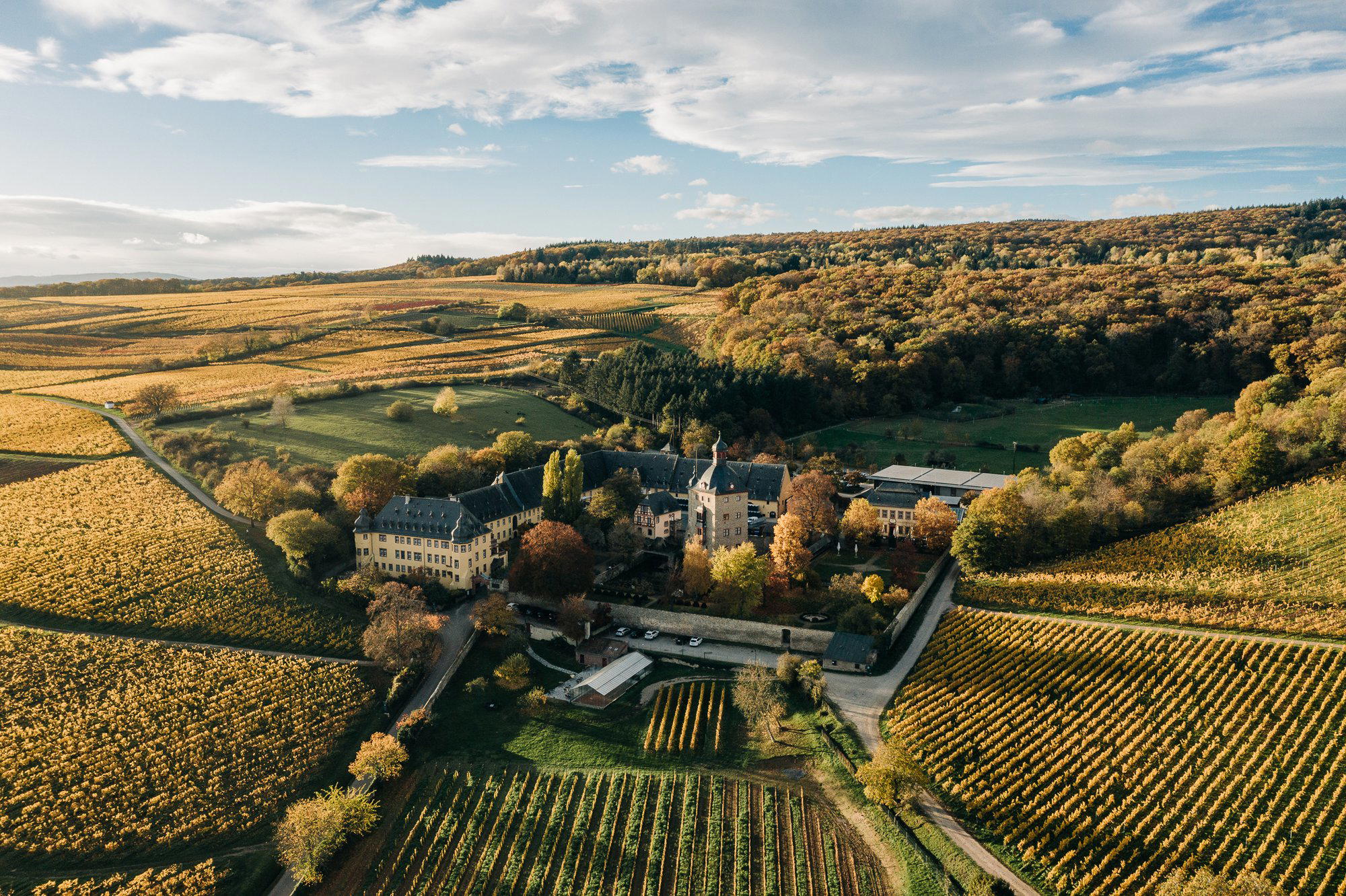
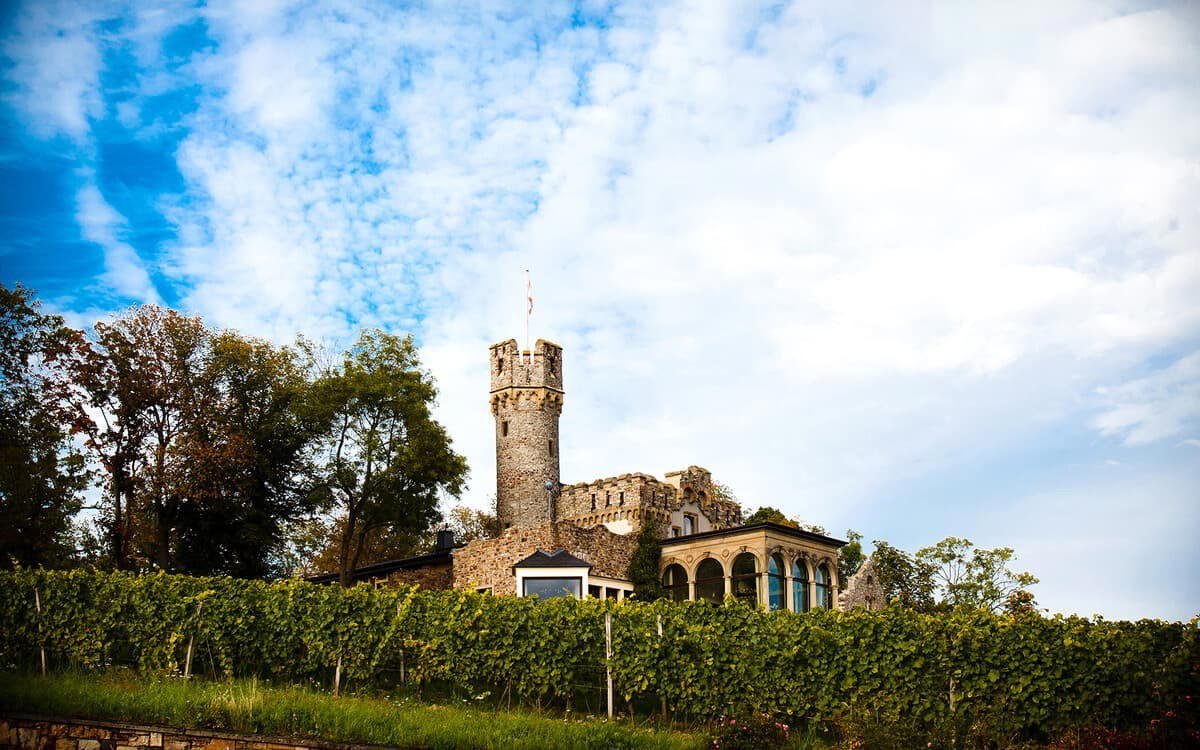
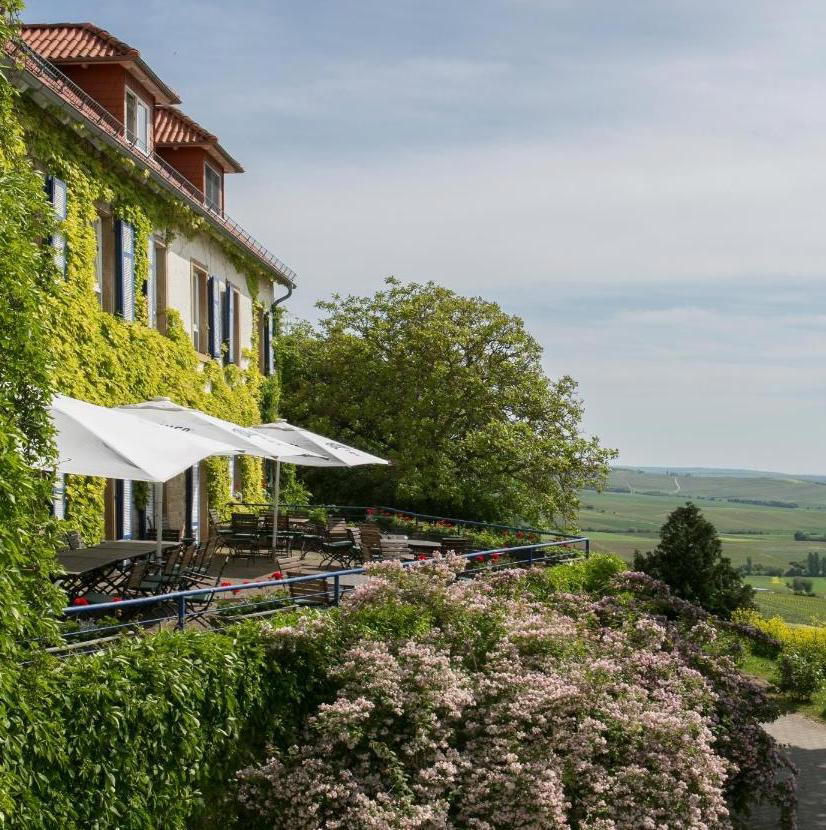
In Niederheimbach, Weingut Fendel is best understood as a traditional wine estate rather than a heavily staged destination. The picture is deliberately simple: a Middle Rhine venue with a long family heritage, a rustic and cozy atmosphere, and a vineyard-centered wine experience. That makes it a good fit for travellers who prefer local character over spectacle and who want a setting that feels rooted in its region.
The estate’s appeal rests on continuity and place. Weingut Fendel is positioned within the Middle Rhine, where wine culture is closely tied to village life, river landscapes, and family-run estates. Rather than overstate those points, the safer editorial read is that Weingut Fendel’s value lies in its traditional estate atmosphere and its role as a classic, rustic Niederheimbach wine stop.
Middle Rhine identity, expressed through setting rather than ceremony
The Middle Rhine context matters because it gives the winery its clearest frame. This is not presented as a luxury dining room, a chef-led restaurant, or a venue built around critic recognition. It is a wine estate in Niederheimbach with a long family heritage and a setting that reads as classic, cozy, and rustic. For visitors, that means the draw is less about a scripted performance and more about being in a place where wine, landscape, and local continuity are the main story.
Travellers should treat the winery as a vineyard-centered estate experience and confirm practical arrangements directly before planning around a specific format. What can be said with confidence is that the atmosphere is traditional and regionally grounded, with a hidden-gem quality suited to people seeking a quieter Middle Rhine stop.
The price level is listed as $$, which places the winery in a moderate bracket. The useful takeaway is simple: expect a classic wine-estate setting in Niederheimbach rather than a luxury-format experience.
A rustic tasting-room model built around direct purchase
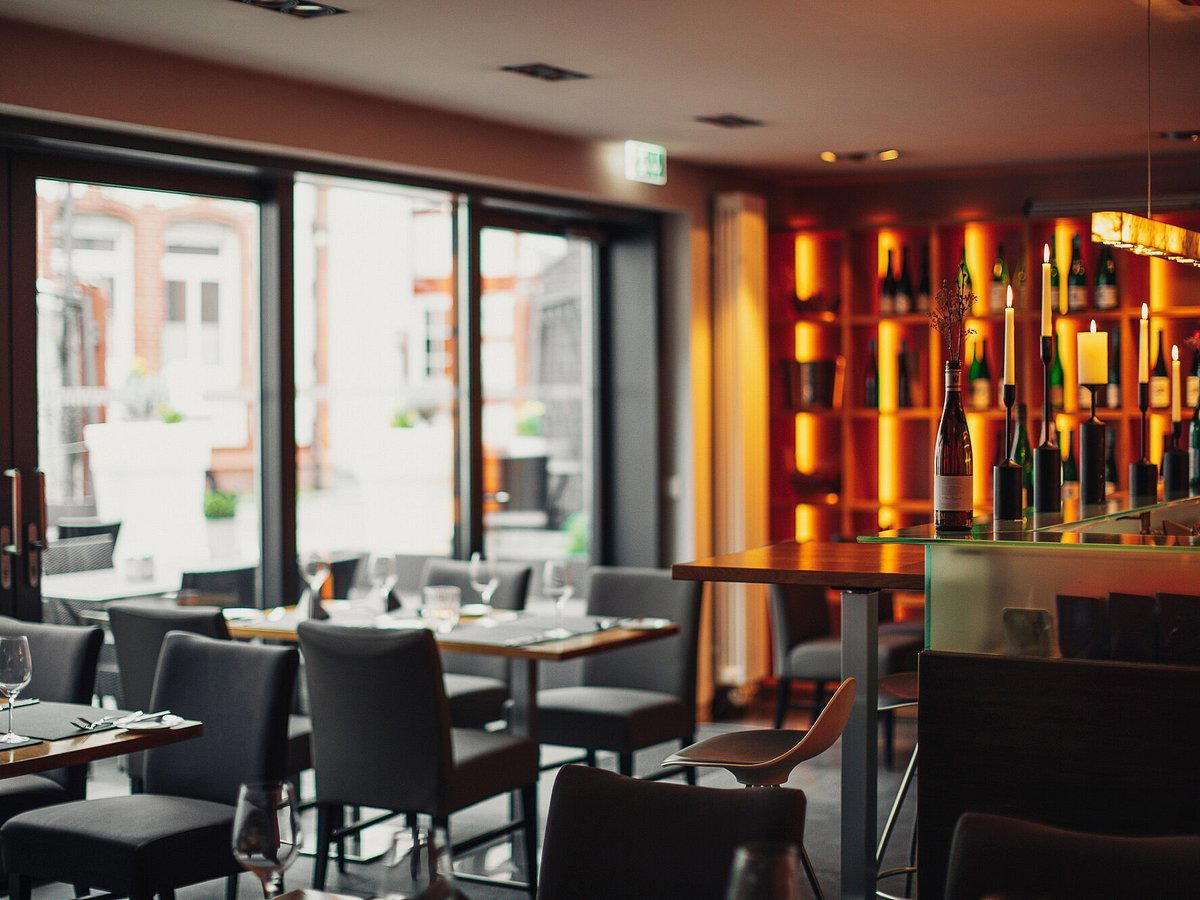
The winery is often best described in broad, grounded terms: traditional, rustic, cozy, and connected to a long family wine heritage. The facts support the idea of a vineyard-centered experience, but they do not verify specific services such as direct estate purchase, private tastings, food pairings, takeaway, delivery, outdoor seating, parking arrangements, or a particular reservation policy. Those practical details should be checked with the estate before visiting.
That limitation does not make the venue less useful; it simply narrows what can be promised. The strongest reason to include the winery in an itinerary is its character: it represents the kind of Middle Rhine wine estate where atmosphere and heritage are central to the appeal. Visitors who enjoy rustic rooms, local wine culture, and less polished-feeling discoveries are the natural audience.
The guide also should not assign names, ownership details, production claims, or award histories to the estate. No confirmed accolades, scores, seat counts, chef or winemaker details, or founding year are available in the record provided here. Particularly accurate positioning is therefore modest and clear: the winery is a classic Niederheimbach wine estate with a traditional, cozy mood and a long family background in the Middle Rhine region.
How to place it in a Niederheimbach itinerary
Niederheimbach is a small Rhine setting, so the winery works well as part of a relaxed regional plan rather than as a stand-alone luxury circuit. Build time around the landscape, the village, and other unnamed local dining or travel stops as needed.
Other nearby options can be considered generically for meals, stays, or drinks, but no specific peer venue is here beyond the winery.
The editorial case for the winery is not trophy recognition or a list of amenities. It is the combination of Niederheimbach location, Middle Rhine identity, long family heritage, and a classic, rustic, cozy feel. For travellers who care about local wine culture and quieter estate settings, that is enough to make it a worthwhile name to know, provided practical details are confirmed before arrival.
Recognition history
Dated appearances from independent guides and award organizations, with the underlying list record or original source where available.
Falstaff Winery - Listed
Falstaff
Continue exploring
More in Niederheimbach
Wineries in Niederheimbach
Browse all →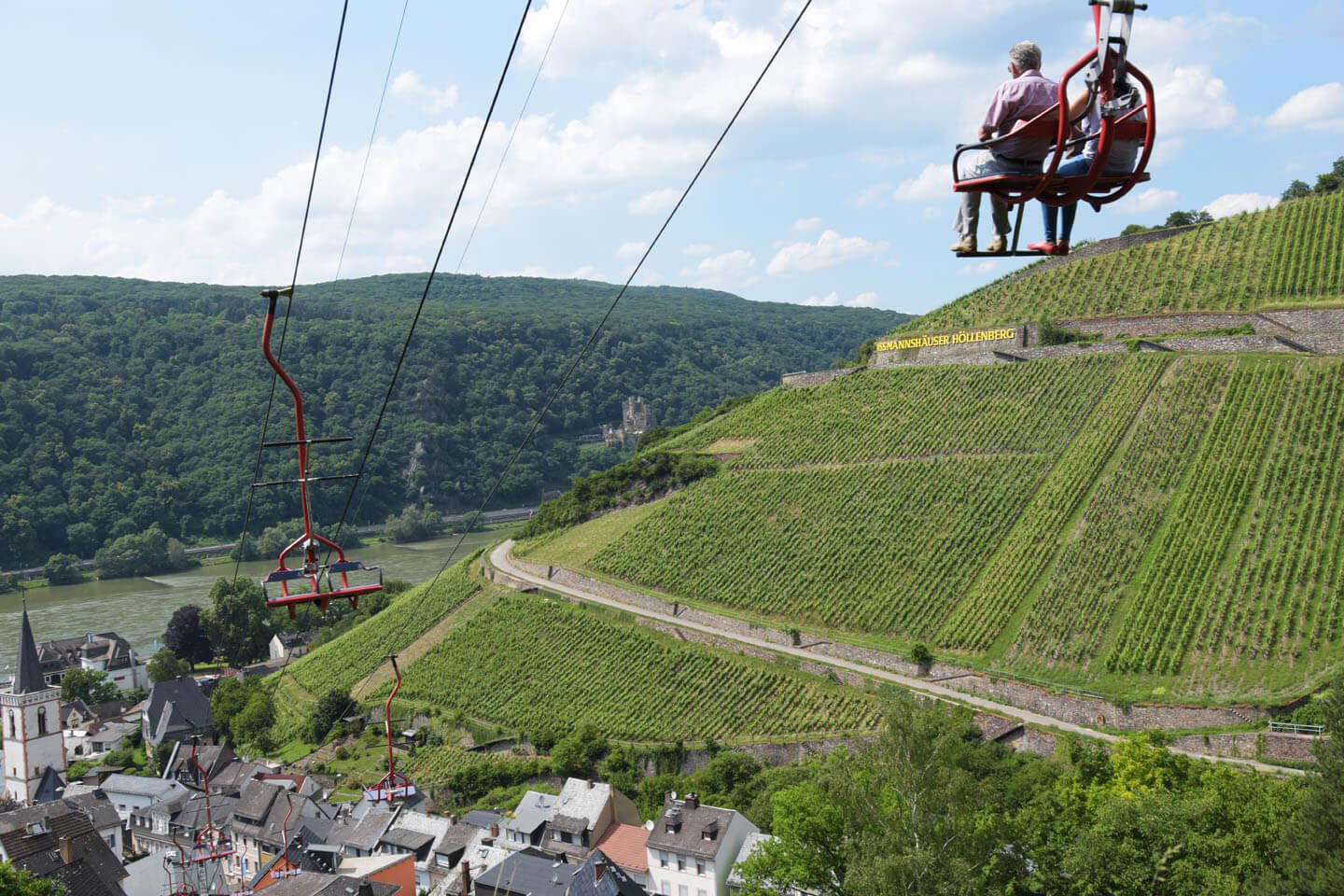
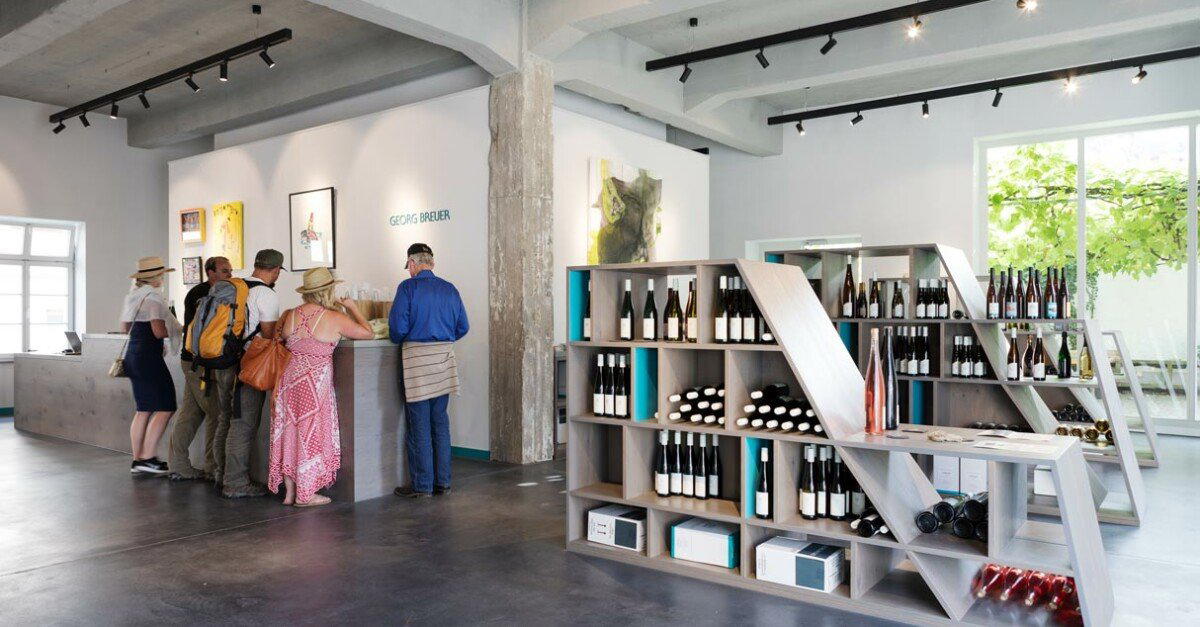
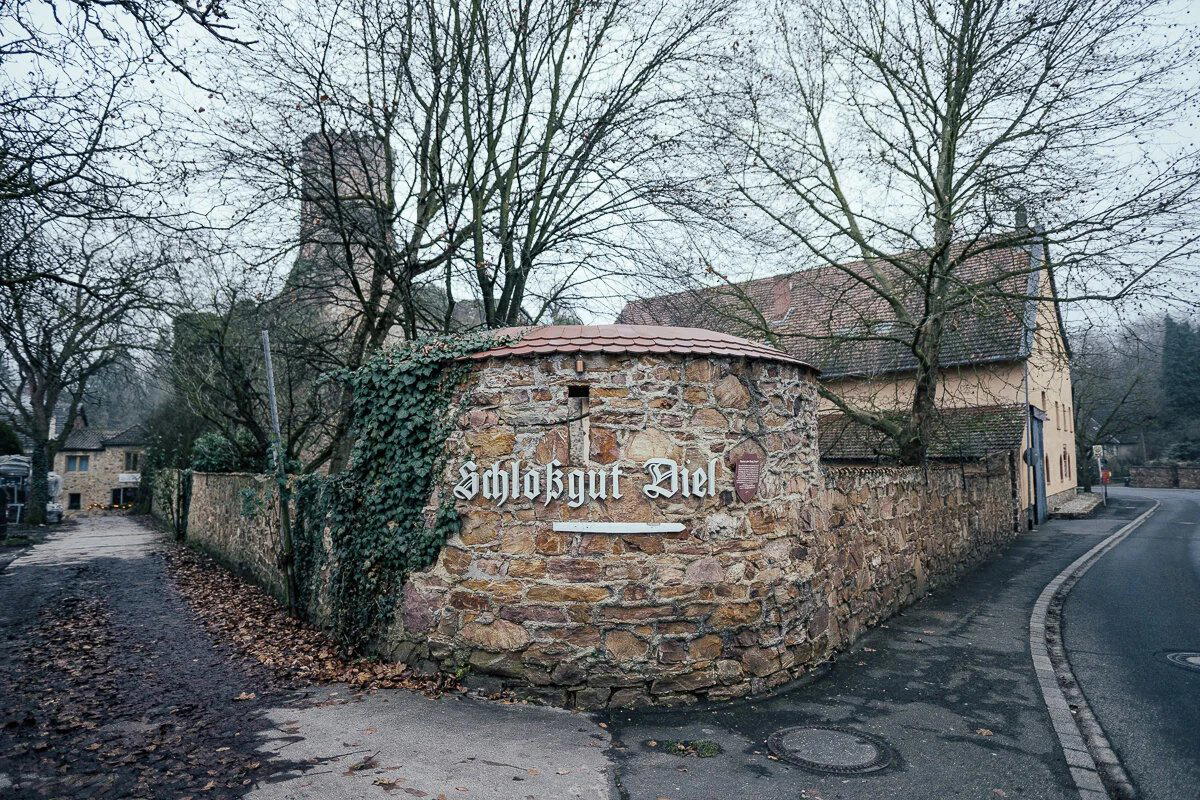
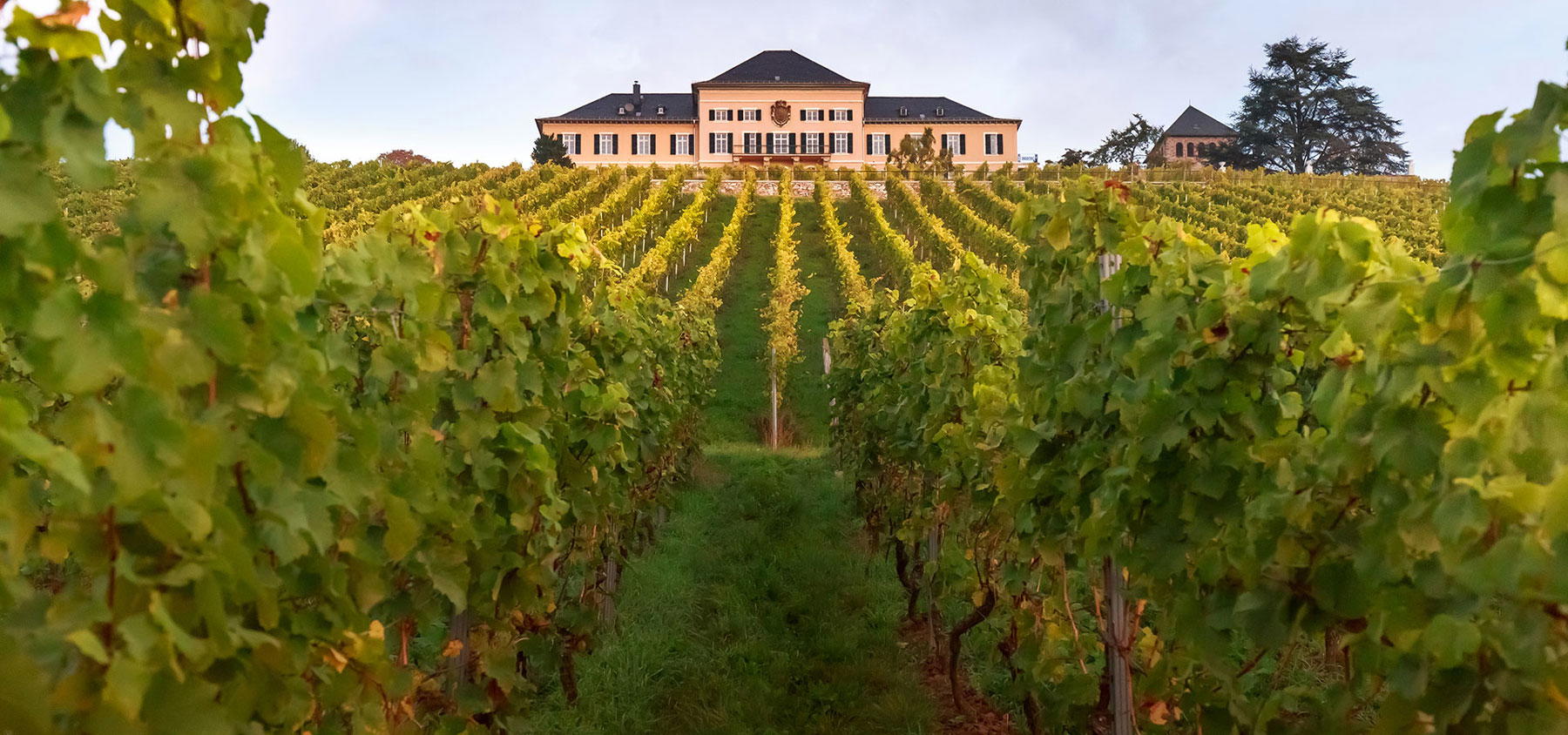
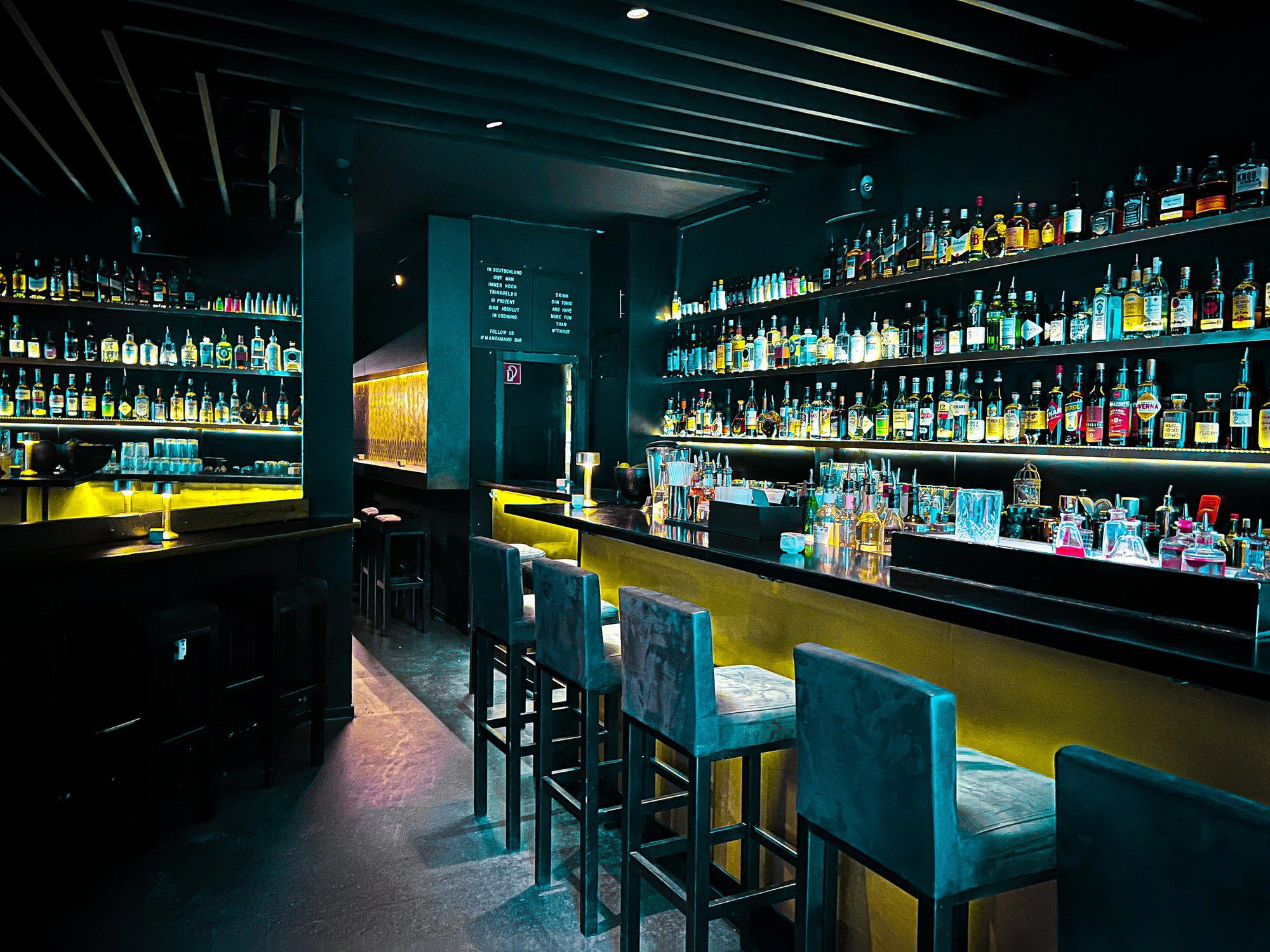
Bars in Niederheimbach
Browse all →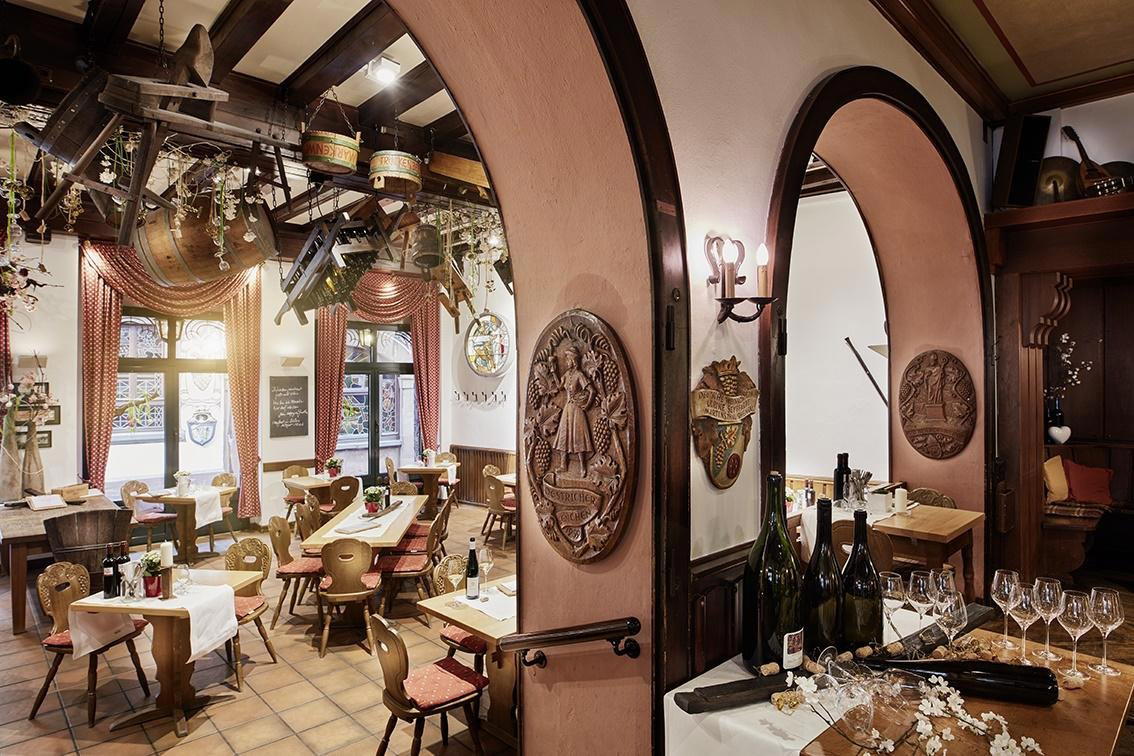

Restaurants in Niederheimbach
Browse all →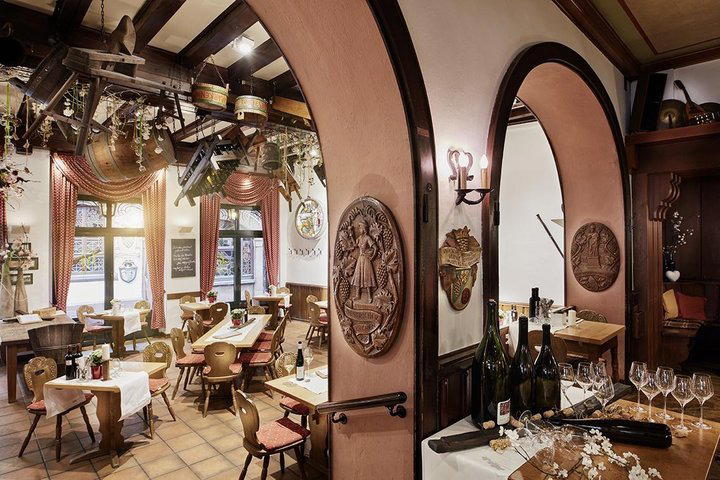
At a Glance
- Classic
- Rustic
- Cozy
- Group Outing
- Solo Exploration
- Special Occasion
- Historic Building
- Private Tasting
- Street Scene
- Mittelrhein
- Riesling
- Spätburgunder
- Grauburgunder
- Weißburgunder
- Still White
- Still Red
- Sparkling
- Tasting Room
Traditional wine estate atmosphere with a long family heritage, positioned in the Middle Rhine region and offering a vineyard-centered, rustic wine experience.