
Falstaff Winery - Listed
Weingut Dr. Frey is a family-run organic Saar estate in Kanzem shaped by ecological farming, quiet architecture, and landscape stewardship. Its appeal is less about spectacle than coherence: 100% organic agriculture since the mid-1990s, ECOVIN standards, biodiversity work in old vineyard walls, and a timber-led vinotheque built for calm, design-minded tasting.

Pearl is the En Primeur Club membership app, where members save venues, book tables and use the concierge.
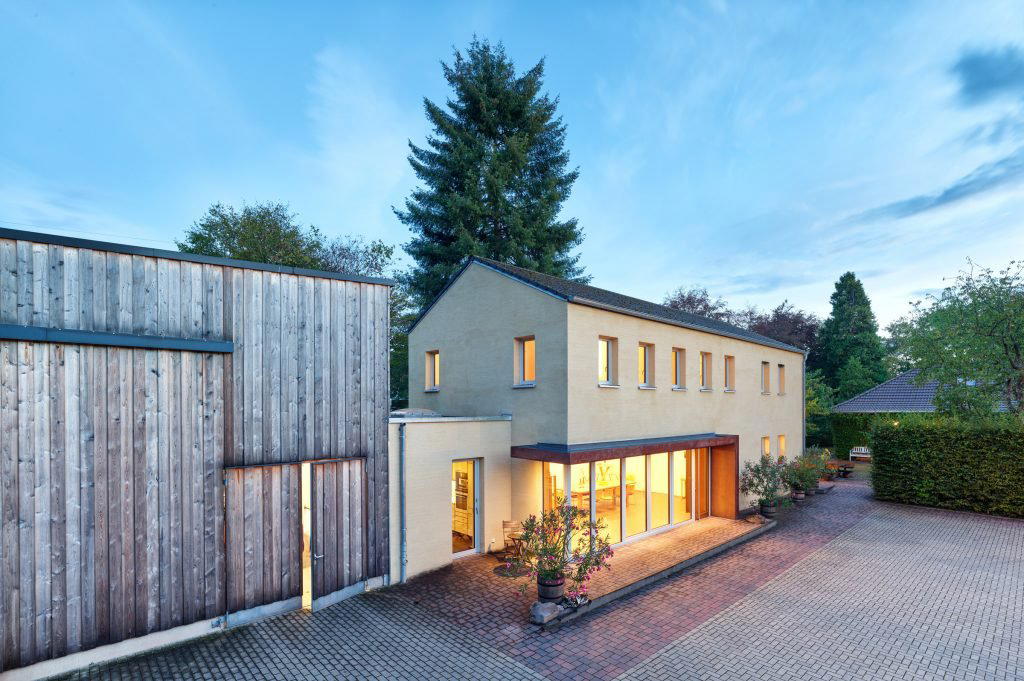
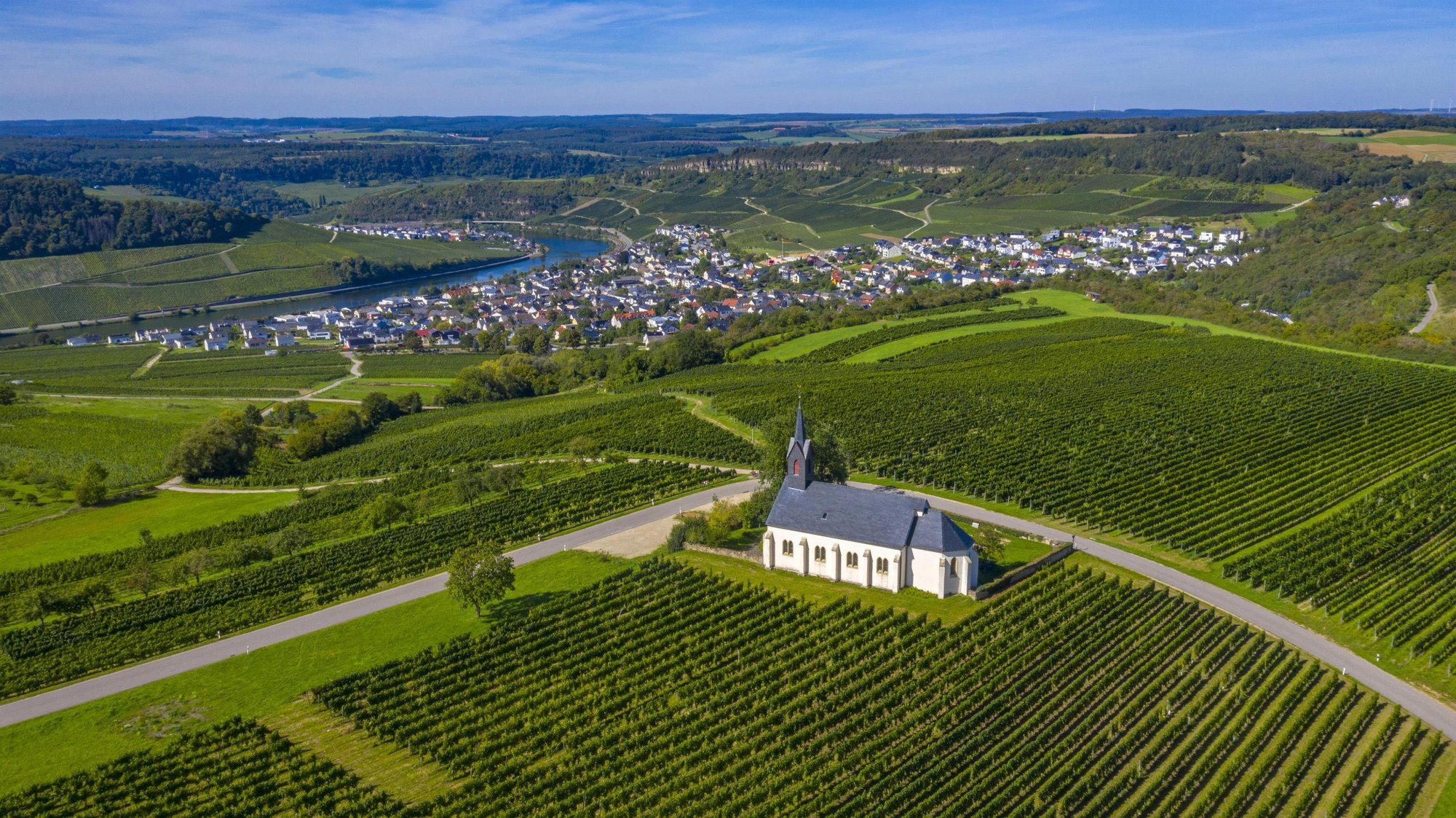
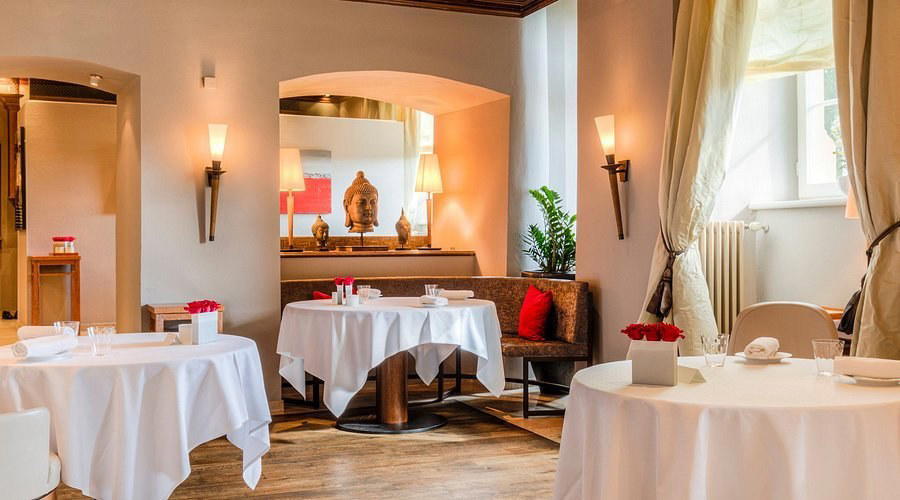
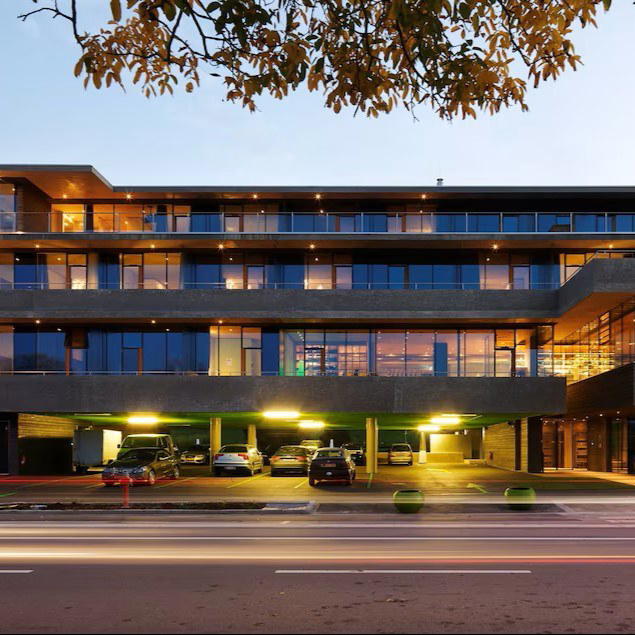
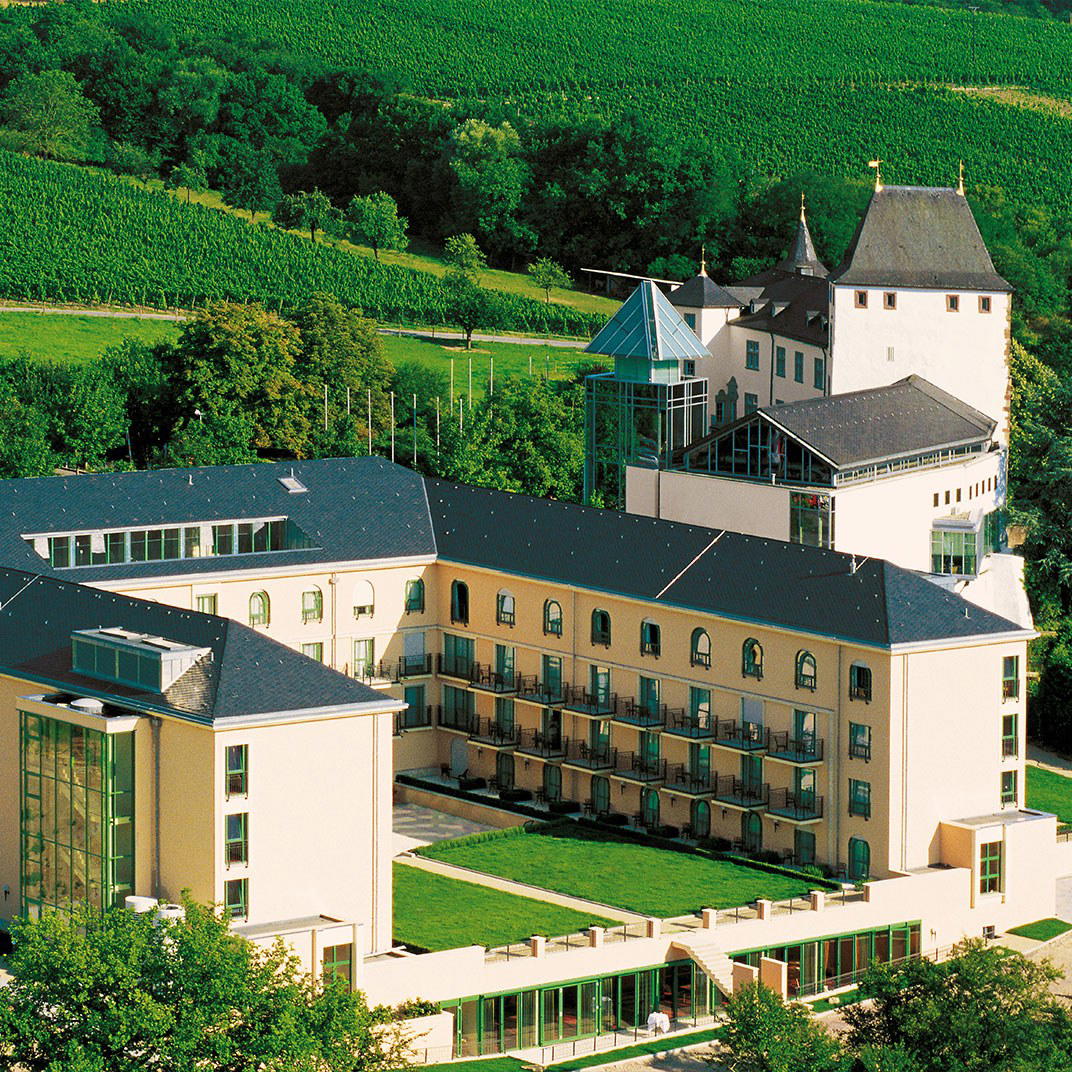
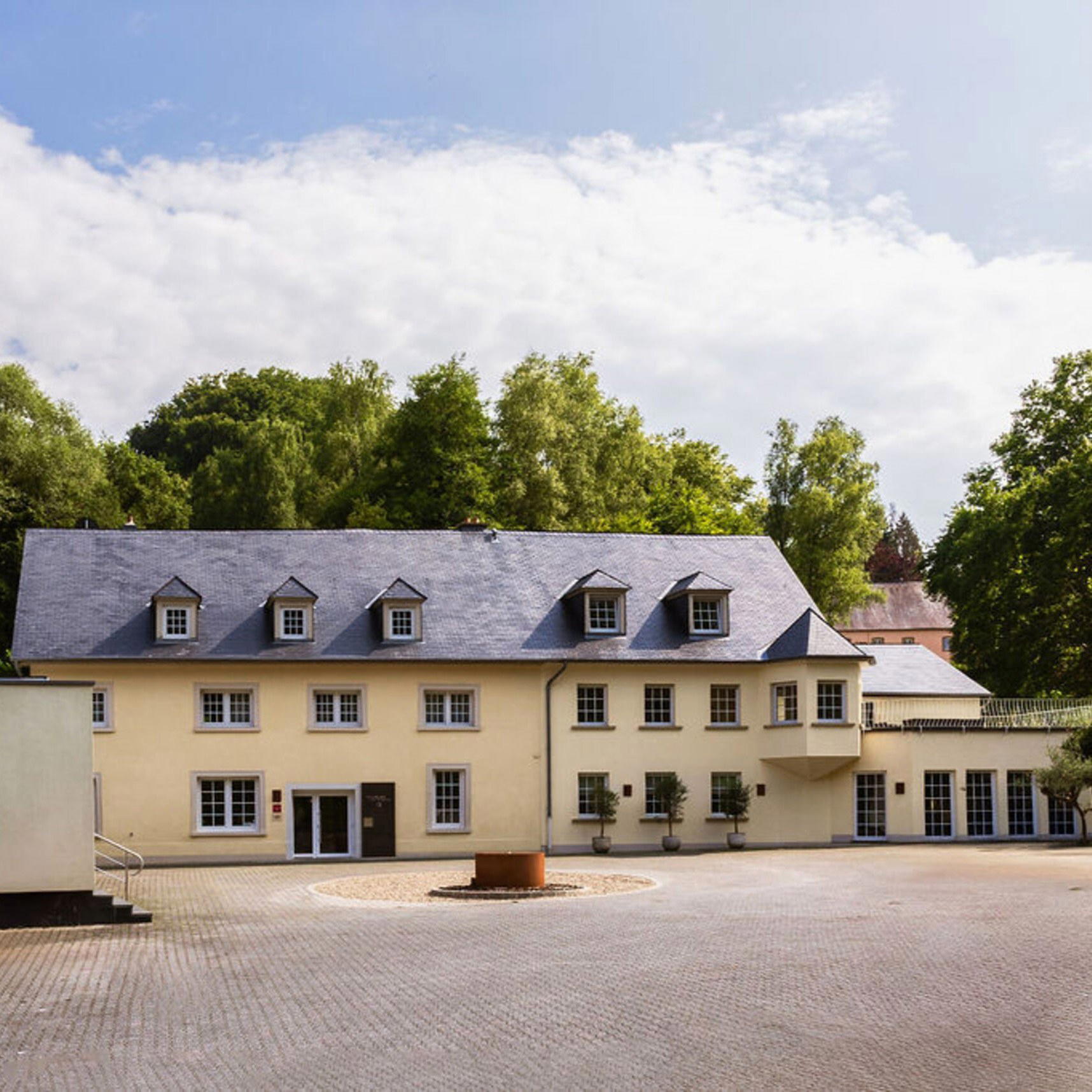
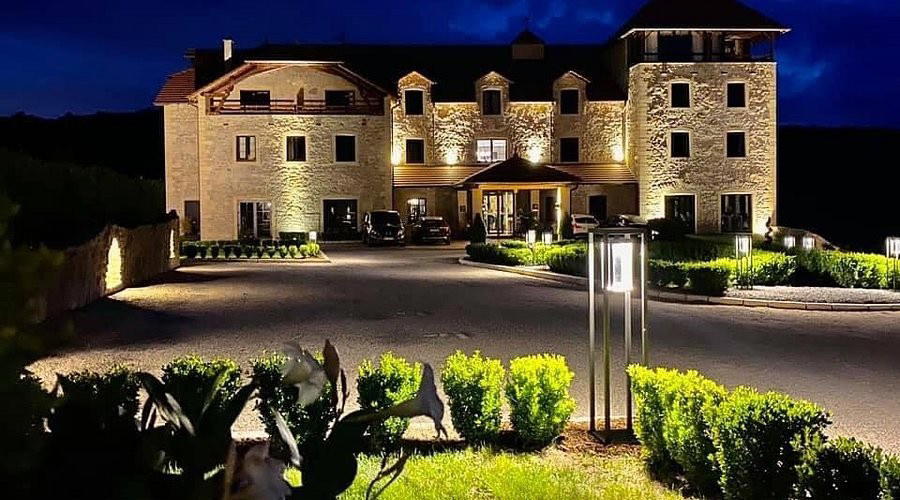
Weingut Dr. Frey in Kanzem is best presented as a quiet, nature-forward winery rather than as a venue defined by spectacle or a long list of public claims. The appeal is focused: a scenic, modern and minimalist setting, a sustainability-minded approach to construction, and a newer vinotheque or tasting space whose material language emphasizes timber, clay and concrete. For travellers looking for a hidden-gem stop in Kanzem, that combination gives the estate a clear identity without needing to overstate what is publicly confirmed.
The useful way to read Weingut Dr. Frey is through atmosphere and built environment. It is a winery experience centered on calm, landscape and ecological design choices. The emphasis is not on a named menu format, a specific bottle list, a public award claim or a detailed service schedule. Instead, the story is the setting itself: a restrained tasting space, natural materials and a sustainability-forward approach that suits visitors who prefer quiet wine-country experiences over louder hospitality formats.
Wine-country calm framed by ecological construction
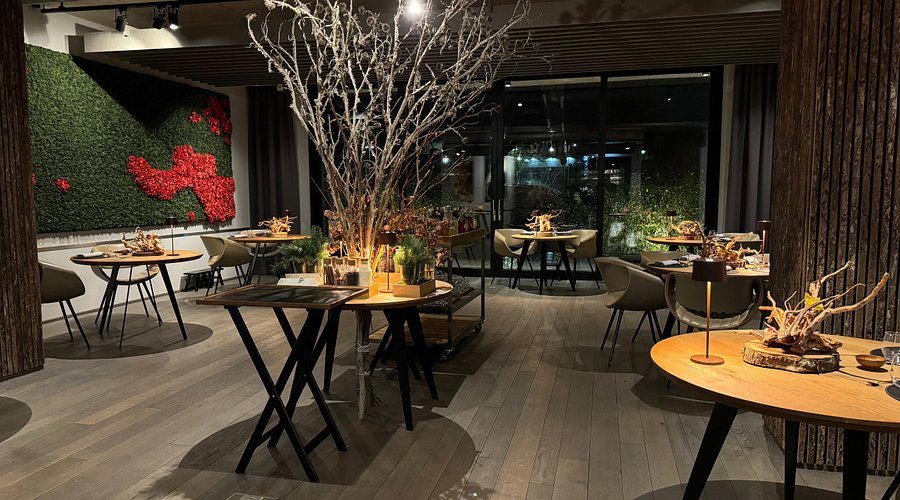
At Weingut Dr. Frey, the strongest confirmed detail is the relationship between hospitality and construction. The venue’s newer vinotheque or tasting space is described through timber, clay and concrete, a palette that points toward a grounded, modern and minimalist experience. Those materials are part of the reason the winery reads as nature-forward: the setting is not described as ornate or theatrical, but as quiet, scenic and connected to its surroundings.
That matters for visitors because winery experiences can vary widely. Some are built around high-volume tasting rooms, some around restaurants, some around cellar tours, and some around architecture. For Weingut Dr. Frey, only the latter, broader architectural and sustainability impression is here. The safest expectation is therefore a calm winery visit in Kanzem where the appeal lies in the ecological construction, the modern vinotheque setting and the mood of the place rather than in any claim about cuisine, awards, exact tasting formats or specific wines.
The price indicator is $$, which places it in a moderate bracket for planning purposes. Beyond that, the page should not imply a specific tasting fee, menu price, bottle price or package structure. Travellers should treat the venue as a design-conscious winery experience in Kanzem and confirm practical details directly before visiting.
Where sustainability shapes the visitor impression
The description of Weingut Dr. Frey repeatedly points toward sustainability. In editorial terms, that is the central organizing idea: ecological construction, a quiet natural setting and a modern vinotheque that uses materials associated with simplicity and restraint. Timber, clay and concrete give the space a tactile, grounded character, while the overall mood is described as quiet, scenic, modern, minimalist and somewhat hidden-gem in feel.
What should not be added is just as important. A careful guide should keep the focus on what is known: Weingut Dr. Frey is a Kanzem winery experience with a sustainability-minded, nature-forward identity and a newer vinotheque or tasting space shaped by timber, clay and concrete.
That restraint also makes the venue easier to place in a trip. It is well suited to travellers who value atmosphere, architecture and a quiet relationship to the landscape. If your priority is a calm winery stop in Kanzem with a minimalist, ecological design sensibility, Weingut Dr. Frey fits the profile.
How to place Dr. Frey in a wider wine itinerary
For a Kanzem itinerary, Weingut Dr. Frey can be treated as a quieter, design-led winery stop. Other dining or wine options in Kanzem may serve different needs, but they should be considered generically unless separately verified. The specific role of Weingut Dr. Frey is clear enough: it offers a scenic, modern and nature-forward experience centered on sustainability and a vinotheque or tasting space built around timber, clay and concrete.
Because the information is intentionally narrow, planning should remain practical. Check current opening arrangements, tasting availability and any visitor requirements directly with the venue before making the trip. Those details are not part of the confirmed record provided here.
The editorial case for Weingut Dr. Frey is therefore disciplined: a Kanzem winery with a quiet scenic mood, a modern minimalist sensibility, a hidden-gem feel and a sustainability-forward tasting environment. Its appeal is strongest for travellers who enjoy wine-country places where architecture and landscape carry much of the experience.
Recognition history
Dated appearances from independent guides and award organizations, with the underlying list record or original source where available.
Falstaff Winery - Listed
Falstaff
Continue exploring
More in Kanzem
Wineries in Kanzem
All wineries in Kanzem →
Bars in Kanzem
Browse all →
Details
- Quiet
- Scenic
- Modern
- Minimalist
- Solo Exploration
- Wine Education
- Special Occasion
- Private Tasting
- Estate Grounds
- Design Destination
- Historic Building
- Organic
- Sustainable
- Vineyard
- Still White
- Still Red
- Sparkling
- Private Tasting
- By Appointment
- German
- English
A quiet, nature-forward winery experience centered on ecological construction, sustainability, and a new vinotheque/tasting space that emphasizes timber, clay, and concrete materials.