Weingut Daniel

Weingut Daniel is a small Rheingau winery in Geisenheim with a Riesling-led portfolio that also reaches into Pinot Noir, Spätburgunder, Roter Traminer and sparkling wine. Open since 1930 and associated with organic production, it suits travelers who want a quieter, production-focused winery rather than a polished hospitality complex.
Pearl is the En Primeur Club membership app — saves, bookings, and concierge access live there. Same editors, same standards.
- Address
- Geisenheim, Rheingau, Hesse, Deutschland
 Saves & bookings on Pearl
Weingut Daniel is a Geisenheim winery profile with limited public detail for planning. The grounded picture is deliberately simple: it is listed in the $$ price bracket and described through a modern, quality-driven winery identity rather than through a restaurant-style hospitality concept. A reliable way to frame it is as a quiet, contemporary producer in Geisenheim, with an atmosphere that is presented as innovative, dynamic, rustic-modern, sophisticated and somewhat hidden-away. In practical terms, that means the page is more useful as a directional read on character than as a complete visitor manual.
A modern Geisenheim winery profile
The description of Weingut Daniel emphasizes stylistic wines and new approaches. That language points to a producer identity built around modern wine work rather than spectacle, ceremony or a dining-led experience. For visitors comparing winery stops in Geisenheim, the important distinction is that the available information supports a wine-focused reading of the venue, not a claim about a particular menu, tasting format, grape variety, vineyard holding, cellar method or award history.
What can be said is narrower but still useful: Weingut Daniel belongs on a Geisenheim wine shortlist for travelers who are interested in a modern, quality-oriented winery atmosphere and who prefer a quieter setting over a more elaborate hospitality venue. The value of the listing is not in detailed logistics, but in its clear signal of tone: contemporary, restrained and centered on the producer rather than on a broad hospitality package.
The stated mood is one of restraint. Words such as quiet, modern, rustic and sophisticated suggest a setting where the attraction is the producer’s style and tone rather than a large-format visitor operation. That makes the venue easier to understand as a focused wine stop than as a place to plan around a meal, a confirmed tour structure or a specific tasting sequence. It also helps set expectations for the kind of traveler who may appreciate it most: someone looking for a lower-key winery profile, not a fully specified destination experience.
What, and what is not
For a fact-checked guide, useful information is sometimes the boundary line. The winery is described as being in Geisenheim and as sitting in the $$ price category. Its character is innovative and dynamic, with an emphasis on stylistic wines and new approaches. The wine description available for the venue stresses modern, quality-driven production rather than a hospitality venue ambiance.
Details beyond that should not be over-interpreted. If those points matter to a visit, they should be checked directly before making plans. This is especially important because a winery profile can sound inviting while still leaving the practical shape of a visit undefined. The right reading is therefore cautious but not dismissive: the available description gives a sense of identity, while the operational details remain outside the confirmed record.
This makes the winery a good example of a thin-data winery page: the editorial recommendation can be honest without pretending to know more than it does. The reason to keep it in view is the combination of Geisenheim location, accessible $$ positioning and a modern, quality-driven producer identity. In that balance, the page is still useful, but it should be used as a starting point rather than a final plan.
How to place it within a Geisenheim wine itinerary
Within Geisenheim, the winery is best considered as a focused winery stop rather than as a full-service dining destination. The atmosphere points toward a quiet and modern experience, with rustic and sophisticated notes, so it may appeal most to travelers who prefer understated producer visits and who are comfortable confirming practical arrangements directly. It is the kind of listing that can add texture to a wine-focused day, provided the visit is treated as something to verify rather than assume.
Because no specific opening hours or access format are confirmed, an itinerary should leave room for confirmation. Treat the winery as one part of a broader Geisenheim plan, alongside other unnamed local dining or wine options, rather than as a stop with guaranteed service details. That approach keeps expectations realistic and avoids building the day around assumptions. It also preserves flexibility, which is useful whenever the public-facing information is more about style and positioning than about exact visitor mechanics.
The editorial case is therefore concise: the winery is a Geisenheim winery in the $$ bracket with a modern, innovative and quality-driven identity. It reads as quiet, rustic-modern and sophisticated rather than flashy. For travelers who value that kind of producer profile, it is worth considering; for those who need confirmed menus, tours, hours or specific wine listings, the next step is direct verification before visiting.
Recognition history
Dated appearances from independent guides and award organizations, with the underlying list record or original source where available.
Falstaff Winery - Listed
Falstaff
Continue exploring
More in Geisenheim
Wineries in Geisenheim
Browse all →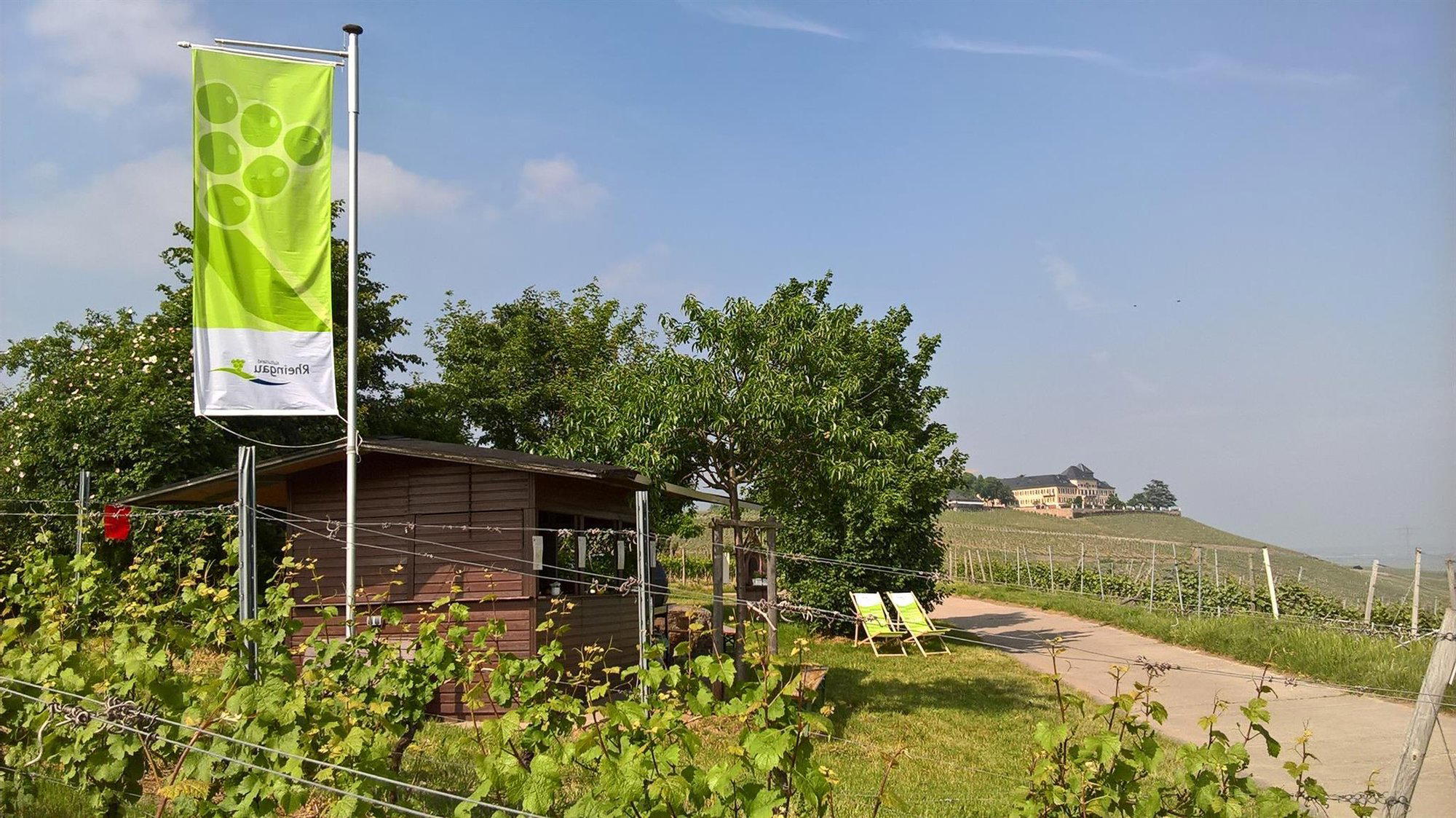
Restaurants in Geisenheim
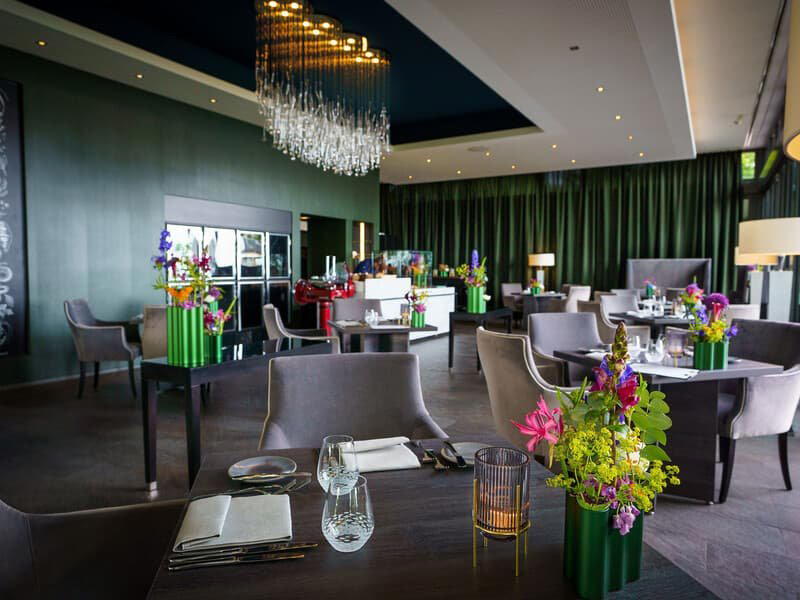
Browse all →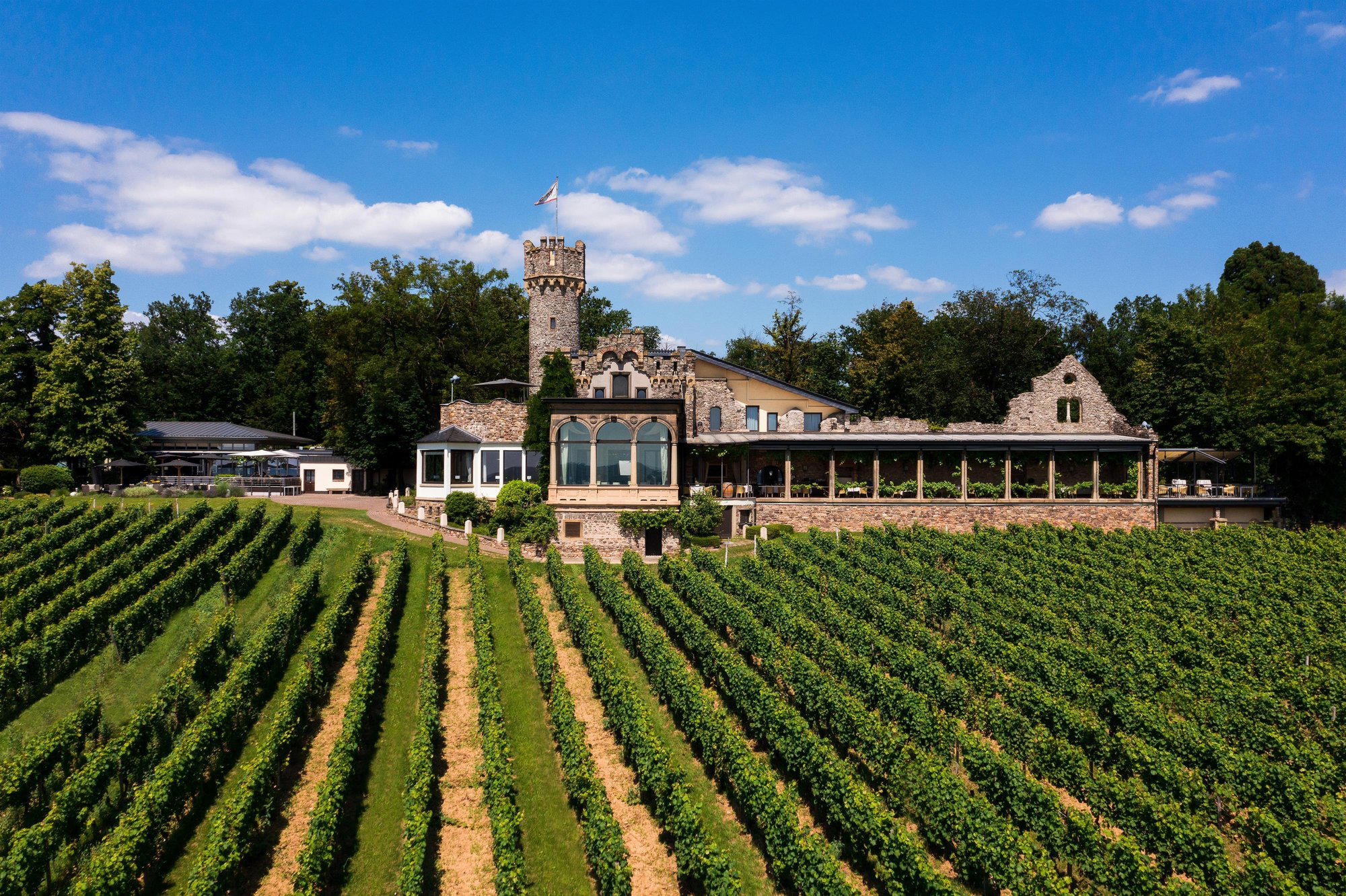
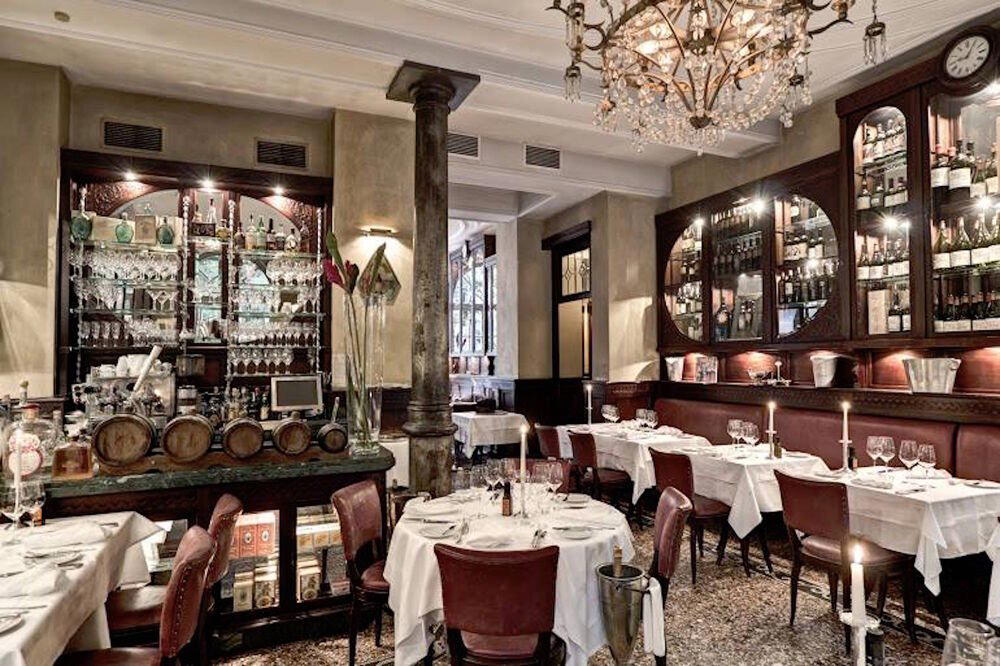
Hotels in Geisenheim
Browse all →
At a Glance
- Quiet
- Modern
- Rustic
- Sophisticated
- Wine Education
- Solo Exploration
- Organic
- Vineyard
- Rheingau
- Riesling
- Pinot Noir
- Spätburgunder
- Roter Traminer
- Still White
- Still Red
- Sparkling
Innovative, dynamic winery atmosphere focused on stylistic wines and new approaches; the wine description emphasizes modern, quality-driven production rather than a hospitality venue ambiance.