Viña Tarapacá

One of Chile's oldest wine estates, Viña Tarapacá operates from Fundo El Rosario in Isla de Maipo, a sub-valley that has shaped the country's Cabernet identity for well over a century. Recognised with a Pearl 3 Star Prestige award in 2025, the estate sits in a peer set defined by depth of terroir, historical weight, and a tasting format that rewards visitors who arrive with time rather than itineraries.
Where the Maipo Valley States Its Case
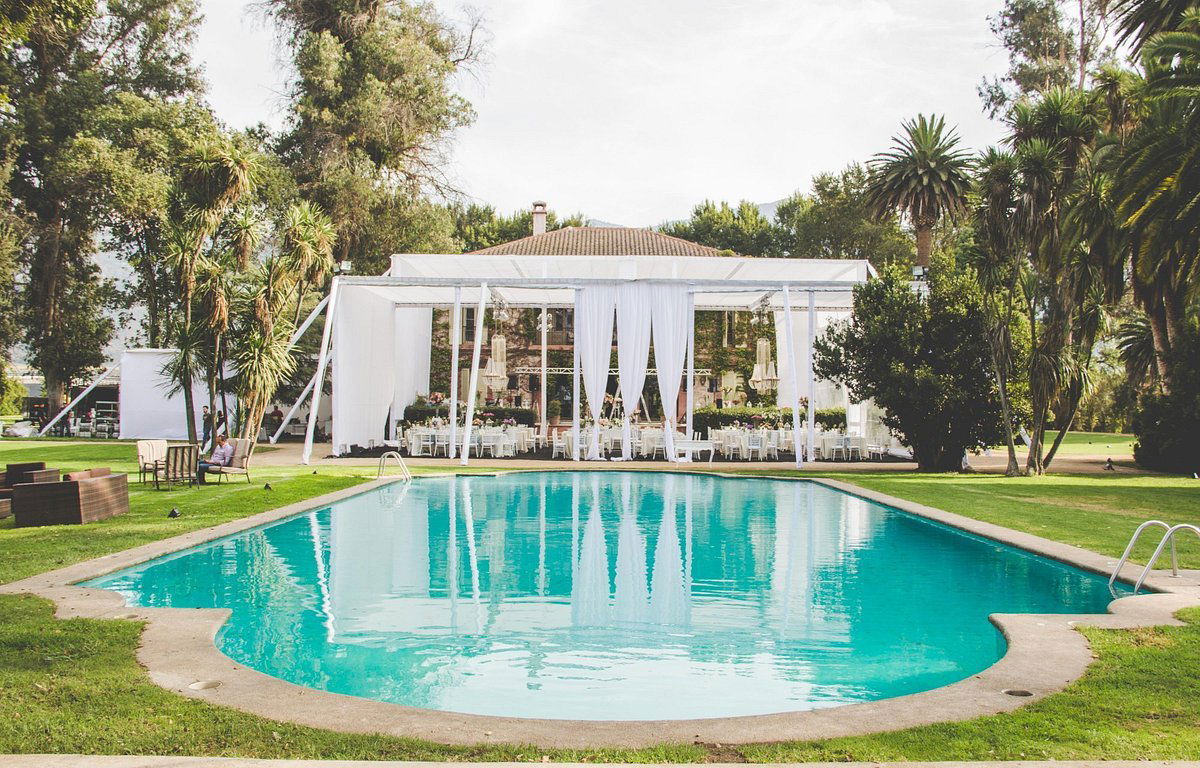
The road into Isla de Maipo narrows as the Andes sharpen on the horizon. Dust, dry heat, and the particular quiet of a working agricultural valley settle in before you reach the gates of Fundo El Rosario. This is not a winery that performs for arrival. The estate announces itself through continuity: old vines, deliberate spacing, and a physical scale that signals generations rather than recent investment. The tasting experience at Viña Tarapacá is conditioned by that physical context before a glass is poured.
Chile's Maipo Valley has long operated as the country's prestige Cabernet Sauvignon address, and Isla de Maipo sits within that valley as one of its most established sub-zones. The alluvial soils here, deposited by Andean run-off over millennia, provide excellent drainage and a diurnal temperature range that concentrates phenolic development without sacrificing structure. Among Chile's wine-producing regions, this corridor between Santiago and the coastal ranges occupies a specific tier: gravel-heavy river terraces producing age-worthy reds that position comfortably against peer estates in Buin, Palmilla, and further south in San Fernando. Viña Santa Rita in Buin and Viña MontGras in Palmilla represent the kind of estates that share Maipo's broader competitive conversation, each working with the same Cabernet-first logic but expressing it through different site and production choices.
The Tasting Format and What It Reveals
Premium Chilean wine estates have, over the past decade, split between high-throughput visitor centres designed around volume and more reserved formats built around depth. Viña Tarapacá sits closer to the latter end of that spectrum. The estate's scale and its recognition with a Pearl 3 Star Prestige award in 2025 from EP Club place it in a tier where the tasting experience is expected to reflect the wine's ambition, not just its accessibility.
Tasting rooms in this part of the Maipo Valley tend to be calibrated around the Cabernet programme, which is the rational choice given the appellation's strength. Visitors who approach Viña Tarapacá expecting a broad survey of varietals will find the estate's identity most clearly expressed through its red wine portfolio. The estate sits at Fundo El Rosario, and the physical setting of that property, working agricultural land within a valley that has produced wine commercially since the 19th century, shapes the tone of any visit. There is little theatrical staging here; the terroir context does that work instead.
Across the Chilean wine circuit, the comparison point worth holding is how differently estates in the same region frame their tasting experience. Viña De Martino and Viña Santa Ema, both operating within Isla de Maipo, approach the visitor relationship from their own positioning. What defines the upper tier of this sub-zone is not spectacle but the seriousness with which wine and place are connected. Viña Tarapacá's 2025 prestige recognition suggests its tasting programme belongs in that conversation.
Isla de Maipo in Regional Context
Chile's wine geography rewards some unpacking. The country's premium wine regions extend from the northern Elqui Valley, where producers like Viña Falernia in Vicuña have built a case for high-altitude viticulture, down through central valley appellations to the cooler coastal zones of Casablanca and Bio-Bio. Within this span, the Maipo Valley operates as the red wine anchor, and Isla de Maipo is its most historically weighted address.
The international comparison is instructive. At a peer level, the 3 Star Prestige tier aligns Viña Tarapacá with estates in other classic red wine regions that have moved past varietal novelty and now compete on vineyard age, extraction discipline, and the ability to produce wines that age rather than merely drink young. Abadía Retuerta in Sardón de Duero represents the kind of estate in a different hemisphere that operates with similar logic: old viticulture, site-specific production, and a visitor experience built around that accumulated credibility. The comparison is useful because it frames what the prestige designation implies about the category, not just the country.
Further afield, Chile's wine identity continues to diversify. Pisco Alto del Carmen Distillery in Huasco represents the northern extreme of Chilean production, where the grape's role shifts from wine to spirit. El Gobernador (Miguel Torres Chile) in Curicó operates in a region often associated with more commercially driven production, while Viña Casa Silva in San Fernando has built its identity around Colchagua's Carmenère and Syrah programme. Against this spread, Isla de Maipo and Viña Tarapacá remain associated with something more specific: Cabernet Sauvignon grown in a valley that has had more than a century to understand what that variety requires from this soil.
Planning a Visit
Isla de Maipo sits within the Región Metropolitana, roughly an hour from Santiago by road, which makes it a natural day-trip or combined itinerary stop for visitors based in the capital. The Fundo El Rosario address — Fundo El Rosario S/N, 9790000 Isla de Maipo — places the estate within the agricultural core of the sub-zone. Given that the venue data does not include current booking contacts or confirmed visitor hours, prospective visitors should verify current tasting formats and reservation requirements directly with the estate before travelling. Wine estate visit policies in this part of Chile can vary by season and group size, and estates operating at the prestige tier tend to favour advance arrangement over walk-in access.
The broader Isla de Maipo area rewards unhurried planning. For visitors who want to build a fuller picture of the sub-zone, our full Isla de Maipo wineries guide maps the estate landscape across the valley. For dining and accommodation around a longer stay, our full Isla de Maipo restaurants guide and our full Isla de Maipo hotels guide cover those categories. Evenings in the valley are cooler than Santiago by a measurable margin, which is worth accounting for in late spring and summer visits when daytime vineyard temperatures climb quickly. For those with wider interests, our full Isla de Maipo bars guide and our full Isla de Maipo experiences guide round out the planning picture.
Frequently Asked Questions
Is Viña Tarapacá more low-key or high-energy?
By the standards of the region, the estate operates at the considered end of the visitor experience spectrum. Isla de Maipo is not a high-volume tourist wine corridor; it is an agricultural sub-zone where estates tend to be working properties first. The 2025 Pearl 3 Star Prestige recognition from EP Club signals a tasting programme calibrated around quality depth rather than visitor throughput. The atmosphere reflects that priority: unhurried, wine-led, and anchored in the physical character of Fundo El Rosario.
What do visitors recommend trying at Viña Tarapacá?
Given the estate's location in Isla de Maipo and the appellation's established strength with Cabernet Sauvignon, the red wine programme is where the estate's identity is most clearly expressed. Maipo's gravel terraces are one of South America's most documented Cabernet addresses, and any tasting here is most meaningfully experienced through that lens. The 2025 prestige award substantiates the quality of the current portfolio, though specific current releases and tasting selections should be confirmed directly with the estate.
What's the main draw of Viña Tarapacá?
The combination of historical depth and current recognition. Operating from within one of Chile's most historically significant wine sub-zones, the estate brings the kind of continuity of place that newer operations cannot replicate. The 2025 Pearl 3 Star Prestige award from EP Club places it within a peer set of Chilean estates where the draw is not novelty but accumulated viticulture and the wines that result from it. For visitors spending time in the Región Metropolitana, the estate provides a substantive counterpoint to Santiago's urban wine-bar circuit.
How far ahead should I plan for Viña Tarapacá?
Estates operating at the prestige tier in the Maipo Valley generally require advance booking, particularly in the harvest season window from February through April when vineyard activity is at its peak and tasting programmes may be limited or modified. Current phone and website details are not confirmed in our database, so establishing contact through direct channels before building an itinerary around a visit is the practical approach. Building at least two to three weeks of lead time into your planning is reasonable; during peak harvest months, more is advisable.
Style and Standing
A compact peer snapshot based on similar venues we track.
| Venue | Cuisine | Awards | Notes |
|---|---|---|---|
| Viña Tarapacá | Pearl 3 Star Prestige (2025) | This venue | |
| Viña De Martino | |||
| El Gobernador (Miguel Torres Chile) | |||
| Viña Casa Silva | |||
| Viña Falernia | |||
| Viña MontGras |
Access the Cellar?
Our members enjoy exclusive access to private tastings and priority allocations from the world's most sought-after producers.
Access the Concierge