Viña Emiliana

Viña Emiliana operates in Chile's Casablanca Valley, where cool Pacific air shapes the aromatic whites and Pinot Noirs that define the region's reputation. Holder of a Pearl 2 Star Prestige rating from EP Club (2025), the winery sits within a peer set that includes some of the valley's most serious organic and biodynamic producers. Visit for the tasting room format and the chance to read the valley's terroir through structured flights.
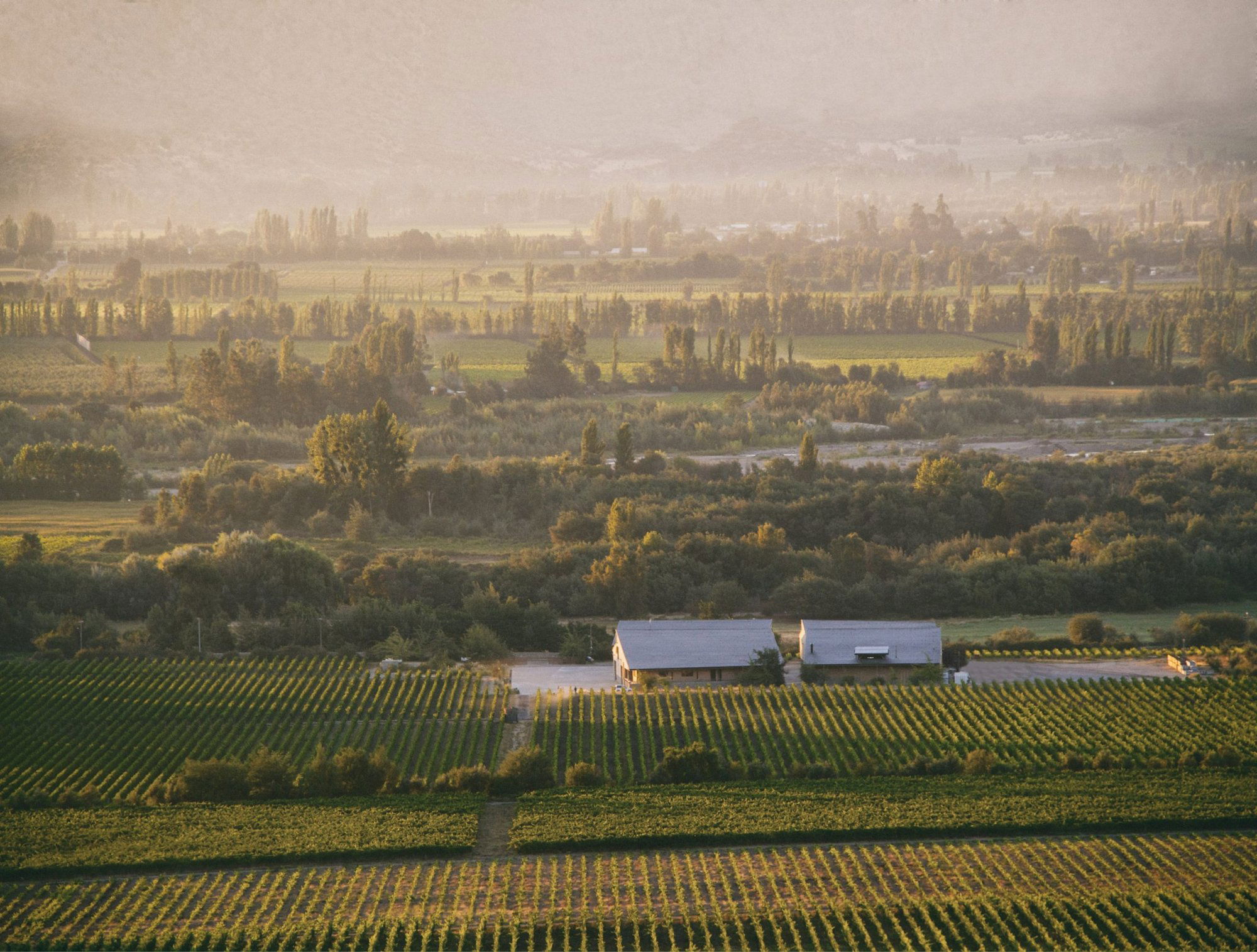
Where the Casablanca Valley Earns Its Credibility
The Casablanca Valley arrived late to Chile's wine story but moved quickly. Situated between Santiago and the port city of Valparaíso, the valley benefits from marine fog that rolls in most mornings and cool afternoon winds that extend the growing season considerably longer than the warmer Central Valley to the east. That thermal pattern is the primary reason winemakers here have staked their reputations on varieties that would struggle a hundred kilometres inland: Sauvignon Blanc, Chardonnay, Pinot Noir, and Riesling. The valley operates as a fundamentally different proposition from Maipo or Colchagua, and producers who work it well tend to be fluent in cool-climate logic rather than the extracted, tannic style that made Chilean wine famous internationally in the 1990s.
Within that context, Viña Emiliana holds a position recognised by EP Club with a Pearl 2 Star Prestige rating in 2025, placing it in the upper tier of the valley's producing estates. That rating reflects not only wine quality but the seriousness of the visit format, a consideration that matters when planning a tasting itinerary across a valley where experiences range from roadside pour-and-go stops to structured half-day immersions. Emiliana belongs to the latter category, and it earns its place there through the commitment to organic and biodynamic viticulture that has shaped its vineyard practices for years. For context on how the broader valley is structured, our full Casablanca wineries guide maps the full peer set.
The Tasting Room and What to Expect From a Visit
Tasting rooms in the Casablanca Valley have grown more sophisticated as the region's international profile has risen, and Emiliana's format reflects that maturation. The experience is grounded in the estate's biodynamic philosophy, which shapes everything from the rhythm of the vineyard calendar to the way the cellar team approaches conversation with visitors. Biodynamic viticulture is a demanding and specific system, informed by Rudolf Steiner's agricultural methods and governed by a lunar planting calendar, and estates that practise it seriously tend to produce guides who can explain the system with genuine depth rather than marketing shorthand.
At Emiliana, the tasting format moves through the estate's range in a sequence that makes sense of the cool-climate terroir: lighter, more aromatic whites first, then the more textural Chardonnays, and finally the Pinot Noirs that represent the valley's most compelling argument for serious red wine production outside of a handful of Burgundy-derived cool zones worldwide. The structure of the visit is one of its more instructive qualities. Guests who arrive expecting a quick pour and a price list tend to find more than they bargained for; those who come with genuine curiosity about biodynamic farming, soil health, and seasonal variation tend to leave with a clearer understanding of why Casablanca produces the wines it does.
Practical logistics are worth considering. The Casablanca Valley sits roughly midway between Santiago and Valparaíso, making it accessible from either city as a day trip, though most visitors approach from Santiago, a journey of approximately 90 minutes by road depending on traffic. The valley's tasting rooms generally do not require advance booking for walk-in visits during quieter periods, but organised tastings and vineyard tours at prestige-rated estates like Emiliana benefit from prior arrangement, particularly on weekends when Santiago-based visitors tend to fill the morning slots. Checking availability in advance is the pragmatic approach for anyone planning around a specific date. For a complete picture of how to structure a day or longer stay in the area, our full Casablanca experiences guide covers the surrounding options, and our full Casablanca hotels guide addresses where to stay if an overnight makes sense.
Emiliana in the Valley's Peer Set
The Casablanca Valley's prestige tier is not large, and the producers operating at it occupy distinct positions. Kingston Family Vineyards operates with a strong single-vineyard identity and a direct-to-consumer emphasis that gives its tasting experience a different character from estate producers with broader distribution. Casas del Bosque has built a significant restaurant alongside its wine programme, making it a more integrated food-and-wine destination. Bodegas RE occupies a smaller, more experimental position in the valley. Indómita operates at scale and is often a first port of call for visitors exploring the region. Matetic Vineyards brings a biodynamic perspective similar to Emiliana's, making those two estates natural points of comparison for visitors interested in the ecological farming end of the valley's story.
What positions Emiliana distinctly within this peer set is the organic and biodynamic commitment at estate scale rather than as a niche sub-range. That approach tends to produce wines with a particular textural character: lower intervention in the cellar often correlates with wines that carry more of the vintage's weather in them, and the Casablanca Valley's cool-climate growing conditions amplify that sensitivity. The wines are not always the most uniform in the valley, but they tend to be the most transparent about where they come from, which is exactly the quality a serious tasting visit rewards.
The Broader Biodynamic Argument in Cool-Climate Viticulture
Biodynamic viticulture has gained significant traction in cool-climate zones over the past two decades, and the logic is not arbitrary. In warmer wine regions, thick skins and high sugar accumulation can compensate for soil or canopy management inconsistencies. In cool climates, where the margin between phenolic ripeness and over-acidity is narrower, what happens below the surface matters more. Producers who have committed to biodynamic farming in regions like the Casablanca Valley argue, with some empirical support, that healthier soil biology produces vines with deeper root systems and more consistent ripening, which in turn reduces the need for corrective intervention in the cellar.
Emiliana's position in that argument is well-established within Chilean wine circles. The estate has operated within certified organic and biodynamic frameworks for long enough that its farming approach is baked into the wines rather than being a recent marketing repositioning. For a visitor doing a comparative tasting across the valley, that depth of practice reads differently from estates that have adopted sustainability credentials more recently. It is the kind of contextual detail that rewards preparation and is why visiting a place like this benefits from arriving with some background on what the farming system actually involves.
For those building a broader tasting itinerary beyond Casablanca, the EP Club network covers prestige wine estates across multiple regions and countries: from Abadía Retuerta in Sardón de Duero to Accendo Cellars in St. Helena, and from Achaia Clauss in Patras to Adelaida Vineyards in Paso Robles. Whisky travellers can add Aberlour in Aberlour to that picture. Each represents a different regional tradition and a different argument for how terroir and farming philosophy interact.
Planning Your Visit
The Casablanca Valley operates primarily as a daytime destination. Most tasting rooms open mid-morning and close by late afternoon, which shapes how the day works: arrive early to secure a full format tasting, build in time between estates if you are visiting more than one, and leave room for the drive back before the late-afternoon Santiago traffic compounds the return journey. For dining before or after, our full Casablanca restaurants guide and full Casablanca bars guide cover options in and around the valley. Whether Emiliana is the anchor of a day trip or one stop within a broader valley itinerary, the Pearl 2 Star Prestige rating from EP Club signals that the visit format here operates at a level of seriousness that justifies building a day around it.
Frequently Asked Questions
What wine is Viña Emiliana famous for?
Emiliana's reputation is built on cool-climate varieties grown in the Casablanca Valley under certified organic and biodynamic farming practices. The valley's marine-influenced climate makes it well-suited to Sauvignon Blanc, Chardonnay, and Pinot Noir, and these form the core of any serious tasting at the estate. The biodynamic approach across the range is the defining credential, distinguishing the wines from conventional Casablanca producers and positioning them within a peer set that prioritises vineyard expression over technical correction. EP Club awarded the estate a Pearl 2 Star Prestige rating in 2025.
What's the main draw of Viña Emiliana?
The primary draw is the combination of the Casablanca Valley's cool-climate terroir and Emiliana's long-standing commitment to biodynamic viticulture, delivered through a tasting format that gives the farming philosophy proper context. The Pearl 2 Star Prestige rating from EP Club (2025) reflects both wine quality and the seriousness of the visit experience. For visitors interested in ecological farming at scale, this is one of the valley's more instructive stops. Compared to peers like Matetic Vineyards or Kingston Family Vineyards, Emiliana tends to foreground the biodynamic system most directly in how it frames the tasting experience.
Do I need a reservation for Viña Emiliana?
No phone number or booking portal appears in the EP Club database for Viña Emiliana at time of publication, so direct confirmation through the estate's own channels is advised before visiting. As a general rule across Casablanca Valley prestige estates, walk-in visits are often possible on quieter weekdays, but structured tastings and vineyard tours at Pearl 2 Star Prestige-level properties tend to fill on weekends. Arriving without prior contact is a reasonable option mid-week; on Saturdays and Sundays, or around Santiago public holidays, advance arrangement is the more practical approach.
Cuisine and Credentials
A quick peer check to anchor this venue’s price and recognition.
| Venue | Classification | Awards | First Vintage | Notes |
|---|---|---|---|---|
| Viña Emiliana | 1 awards | This venue | ||
| Bodegas RE | World's 50 Best | |||
| Casas del Bosque | World's 50 Best | |||
| Kingston Family Vineyards | 1 awards | |||
| Indómita | 1 awards | |||
| Matetic Vineyards | 1 awards |
Access the Cellar?
Our members enjoy exclusive access to private tastings and priority allocations from the world's most sought-after producers.
Access the Concierge