
Falstaff Winery - Listed
Telish gives Sofia a Bulgarian wine story shaped less by trophy-cellar theatre than by modernization, export reach, and broad-drinking reliability. Its late-1960s production heritage, 1999 restart, and 2002 bag-in-box first for Bulgaria place it in the value-driven, innovation-led side of the country’s wine culture.

Pearl is the En Primeur Club membership app — saves, bookings, and concierge access live there. Same editors, same standards.
- Address
- Sofia, Bulgaria

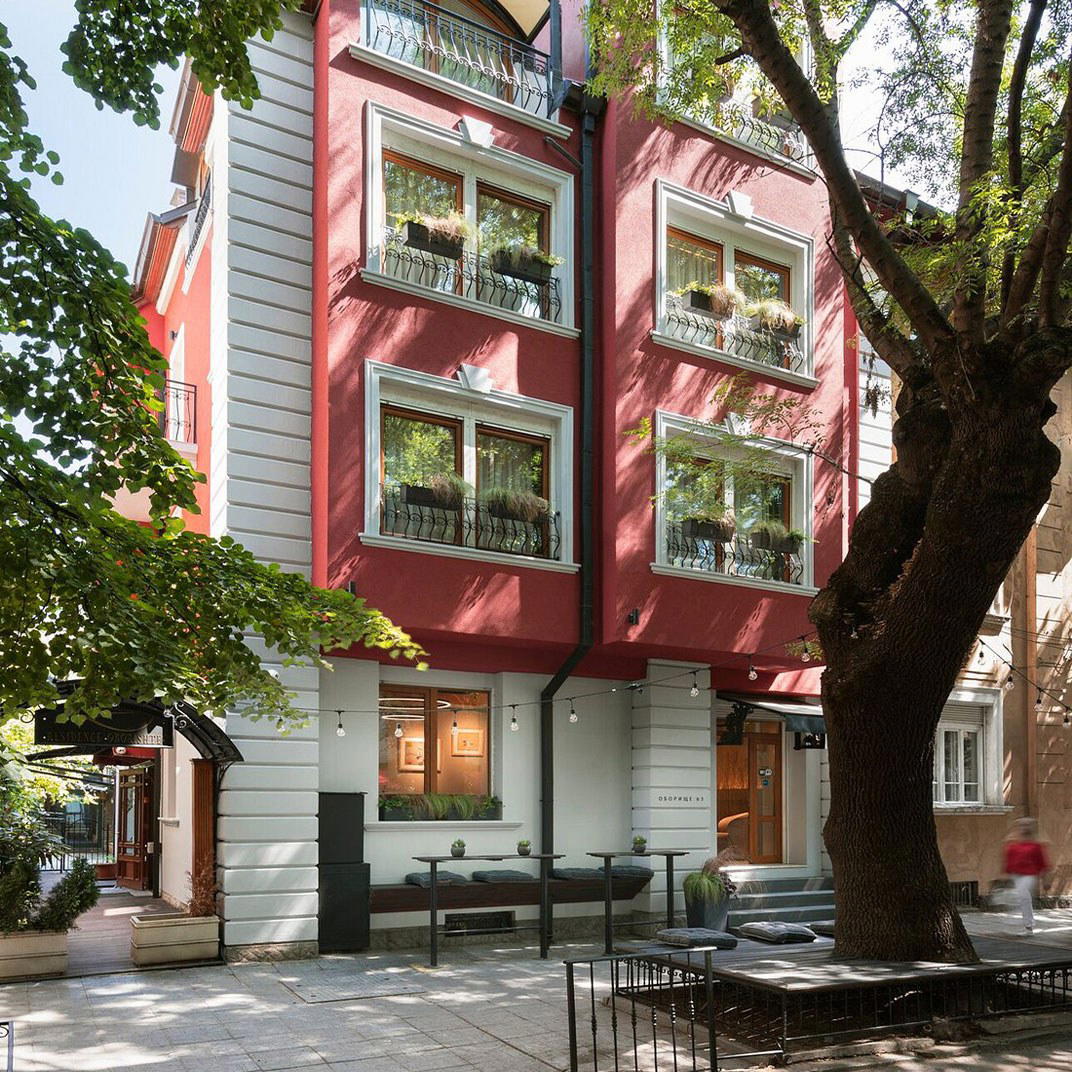
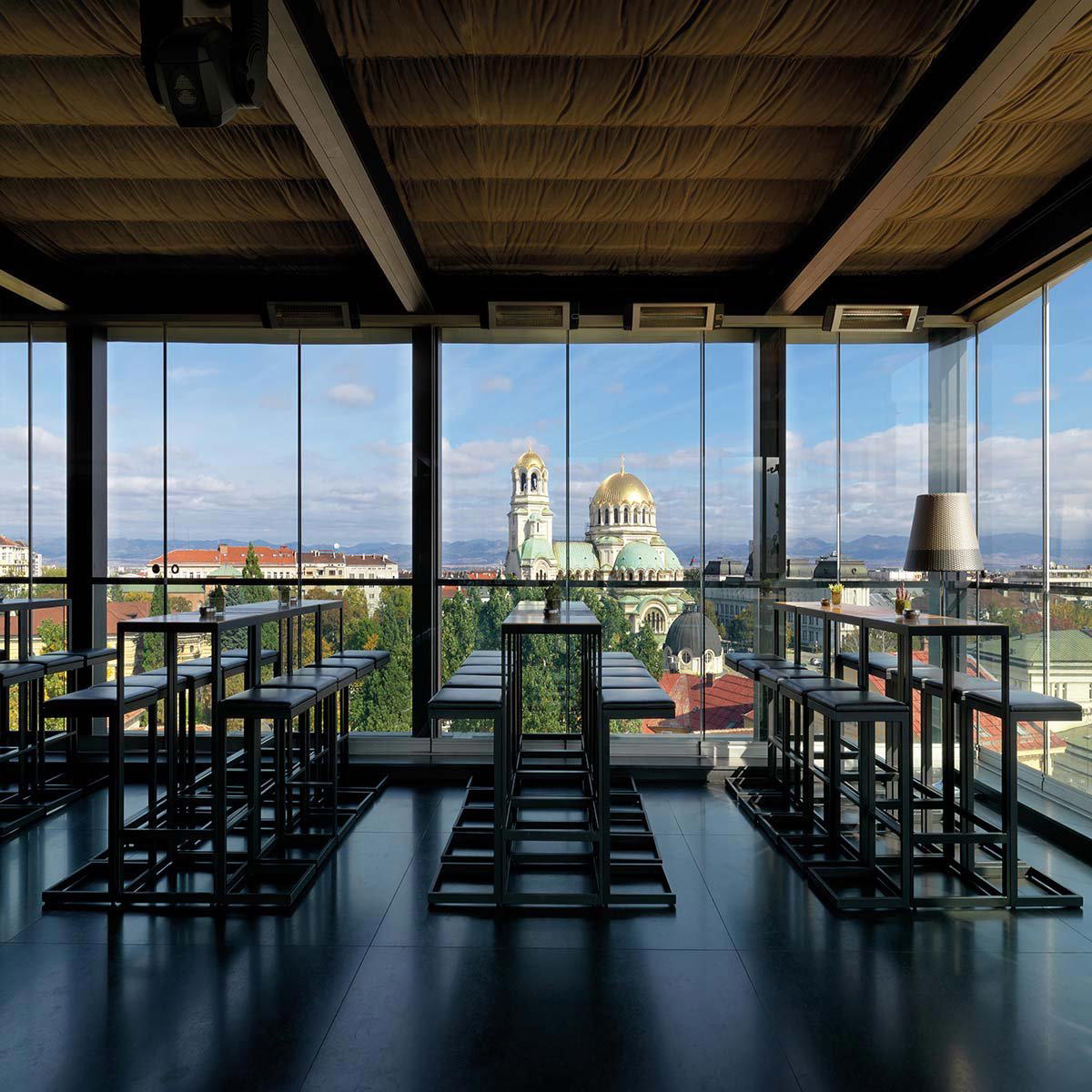
Approach Telish as an urban wine stop rather than a vineyard-romance set piece. The mood is quiet, practical, and education-led: the emphasis falls on what Bulgarian wine can communicate through range, format, and consistency rather than on manicured rows of vines outside the door. That makes the experience useful for travelers trying to understand how the country’s wine trade moved from post-socialist reset into a more export-aware, consumer-facing era.
Bulgarian wine is often discussed through terroir, and rightly so, but Telish complicates that conversation. Its place story is not built around a single mapped slope or a named soil profile. It is built around a Bulgarian producer using both familiar international grapes and a local reference point, Mavrud, to speak across domestic and overseas markets. Merlot, Cabernet Sauvignon, Chardonnay, Sauvignon Blanc, Sangiovese, Alicante Bouschet, and Mavrud give the portfolio a broad still-wine vocabulary, with reds, whites, and rosé all in view.
A Bulgarian wine identity shaped by range rather than estate mythology
The modern identity dates to 1999, when Jair Agopian acquired the property from the state and redirected its commercial course. The underlying winery heritage reaches back to the late 1960s, which matters in Bulgaria: this is not a recently staged boutique project, but an older production asset reframed for a new market. That post-1999 restart places Telish inside a wider national pattern, where producers had to rebuild reputation, distribution, and consumer trust after decades of state-linked production structures.
Telish began with Merlot and Cabernet Sauvignon, two grapes that made sense for export audiences and for domestic drinkers familiar with international reds. Later series such as T-t and T-t Lux suggest a more organized house architecture, while blends such as Sangiovese with Merlot and Alicante Bouschet with Merlot show a willingness to move beyond the safest varietal lanes. The point is not rarity for its own sake. It is a portfolio designed to balance recognition, value, and a measure of experimentation.
Mavrud is the important local signal. The grape is one of Bulgaria’s reference varieties, often associated with darker-fruited, structured reds, though Telish does not present a detailed vineyard or cellar technical brief around it. In this context, Mavrud functions as a Bulgarian anchor within a lineup otherwise fluent in international grapes. For visitors, that is a useful lens: the tasting is less about a single terroir thesis and more about how a Bulgarian producer positions national identity inside a commercially accessible range.
The 2002 packaging move still explains the house attitude
Telish’s clearest innovation marker came in 2002, when it introduced bag-in-box wine to Bulgaria. In many premium wine circles, packaging can become a class marker before the wine is even poured; here, the format points to a different editorial truth. Bulgarian wine’s modern credibility has not only been built through reserve bottlings and medal cabinets. It has also been built through everyday reliability, distribution, and consumer education. Telish belongs firmly to that second story.
That value-led positioning should not be mistaken for lack of ambition. The wines have been sold in more than 15 countries across three continents, and the winery has participated in many international wine competitions. Those facts give the producer a trade-facing profile beyond Sofia, even without a detailed public roll call of medals or critic scores. Its reputation is better read through reach, consistency, and format innovation than through luxury scarcity.
The production story available to visitors is strongest at the portfolio level. There is no need to invent a cellar romance around fermentation vessels, barrel regimes, or vineyard blocks to make the case. The more interesting point is that Telish’s public identity is unusually clear about accessibility: honest wines, dependable quality, and customer expectation sit closer to the center than collector-only positioning. For a capital-city visitor, that can be more revealing than another polished prestige narrative.
How to read Telish within a Sofia wine itinerary
A guided tasting format suits the producer’s strengths, because the story needs context: late-1960s infrastructure, the 1999 relaunch, the first Merlot and Cabernet Sauvignon, the 2002 packaging shift, and the later expansion into broader varietal and blend territory. The setting is better matched to wine education and group conversation than to high-energy nightlife. It is casual in tone, quiet in pace, and most useful for drinkers who want to understand Bulgarian wine through market evolution as much as through grape variety.
For a wider view of the city’s drinking and dining map, keep Telish alongside Our full Sofia wineries guide, then build the rest of the trip through Our full Sofia restaurants guide, Our full Sofia bars guide, Our full Sofia hotels guide, and Our full Sofia experiences guide. Readers comparing Bulgarian producers can also look at Bessa Valley, Castra Rubra, Katarzyna Estate, Menada Winery, and Velis Vineyards for broader national context, without treating them as direct substitutes.
The broader regional shelf gives further perspective on how Central and Eastern European wine producers present heritage, hospitality, and export ambition: Angel's Estate in Stara Zagora, Bendida Winery in Brestovista, Château Burgozone in Leskovets Oryahovo, »der Steiner« Hans Steiner in Podersdorf am See, and & Handwein in Mannheim. Telish is the Sofia stop to choose when the question is not only what Bulgaria grows, but how Bulgarian wine learned to sell itself with discipline.
Recognition history
Dated appearances from independent guides and award organizations, with the underlying list record or original source where available.
Falstaff Winery - Listed
Falstaff
Continue exploring
More in Sofia
Wineries in Sofia
Browse all →
Bars in Sofia
Browse all →

Restaurants in Sofia
Browse all →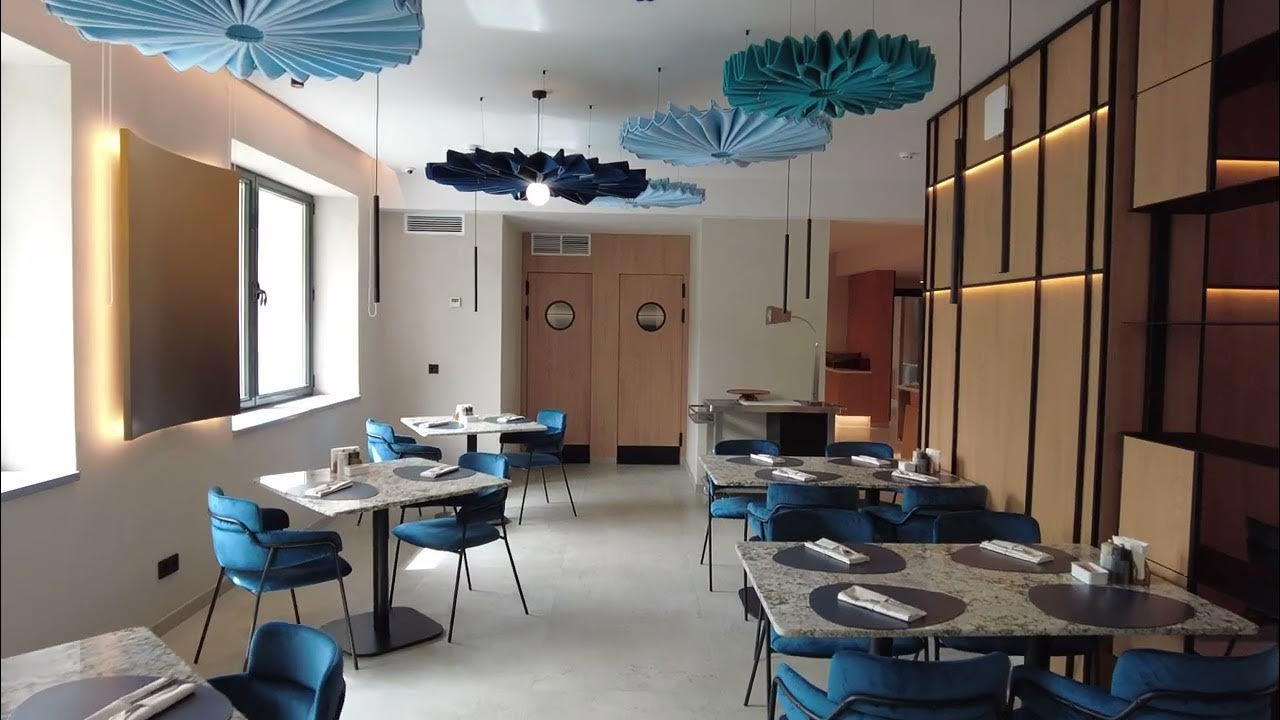




Details
- Classic
- Sophisticated
- Wine Education
- Group Outing
- Solo Exploration
- Historic Building
- Design Destination
- Private Tasting
- Street Scene
- Merlot
- Cabernet Sauvignon
- Sangiovese
- Alicante Bouschet
- Chardonnay
- Sauvignon Blanc
- Mavrud
- Still Red
- Still White
- Still Rosé
- Guided Tasting
A heritage winery with a value-driven, innovation-led identity; the brand emphasizes honest wines, consistency, and a modernized production story rooted in a late-1960s facility and a post-1999 restart.