
Falstaff Winery - Listed
Menada Winery is a large Bulgarian wine-and-spirits producer tied to the Thracian Valley, with roots dating to 1901 and an estate model built around significant vineyard ownership. Its interest lies less in boutique scarcity than in scale, regional grape identity, and a modern brand language aimed at contemporary drinkers.

Pearl is the En Primeur Club membership app — saves, bookings, and concierge access live there. Same editors, same standards.
- Address
- Sofia, Bulgaria

Menada Winery in Sofia is best understood through a limited but clear set of signals: it is a historic Bulgarian winery connected with the Thracian Valley, it draws on century-old winemaking traditions, and it presents those traditions through a modern, bold brand design aimed at contemporary urban wine drinkers. That combination gives the venue its editorial identity without needing to add unsupported details about vineyard holdings, grape varieties, production volumes, ownership history, visitor format, or specific services.
For readers planning around Sofia, the useful takeaway is the contrast built into the name and positioning. Menada Winery is not framed only as a heritage address, and it is not described only as a contemporary lifestyle brand. The picture sits between those poles: historic Bulgarian wine culture on one side, modern visual confidence on the other. The result is a winery profile that can appeal to guests who care about tradition as well as to urban drinkers who respond to a sharper, more current design language.
Historic Bulgarian wine identity with a modern visual edge
The most reliable way to describe Menada Winery is as a Bulgarian winery with roots in a longer regional winemaking story. The Thracian Valley association matters because it places the venue within one of Bulgaria’s best-known wine regions, while the Sofia listing makes it relevant for readers using the city as their reference point.
That restraint is important. A premium venue guide should not turn a thin profile into a fabricated travel narrative. Menada Winery can be compelling without invented specifics: its confirmed strengths are heritage, Bulgarian wine identity, and a contemporary brand presentation. Those are enough to set expectations for the kind of venue it represents, especially for readers who want to understand how a historic wine name can speak to a present-day audience.
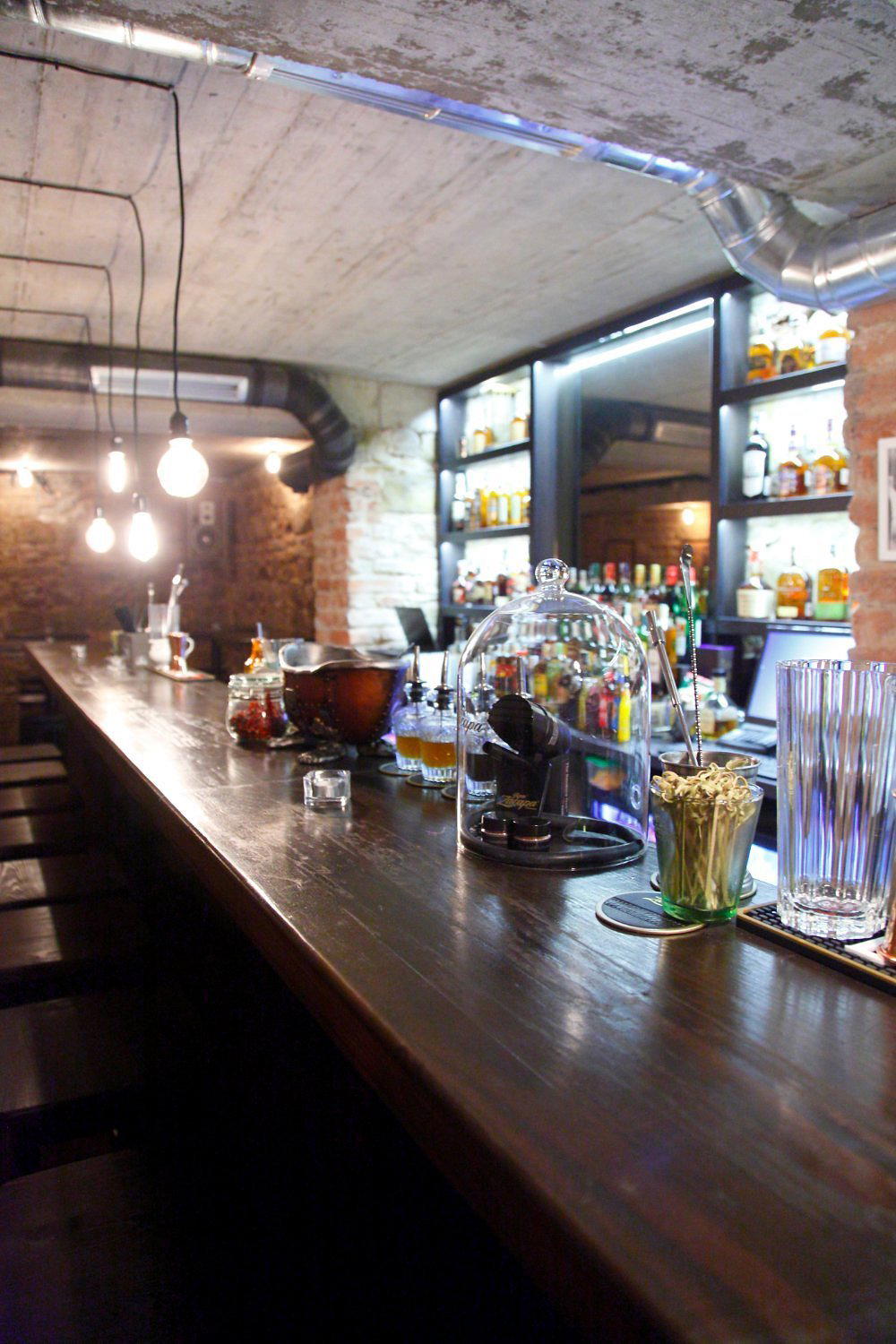
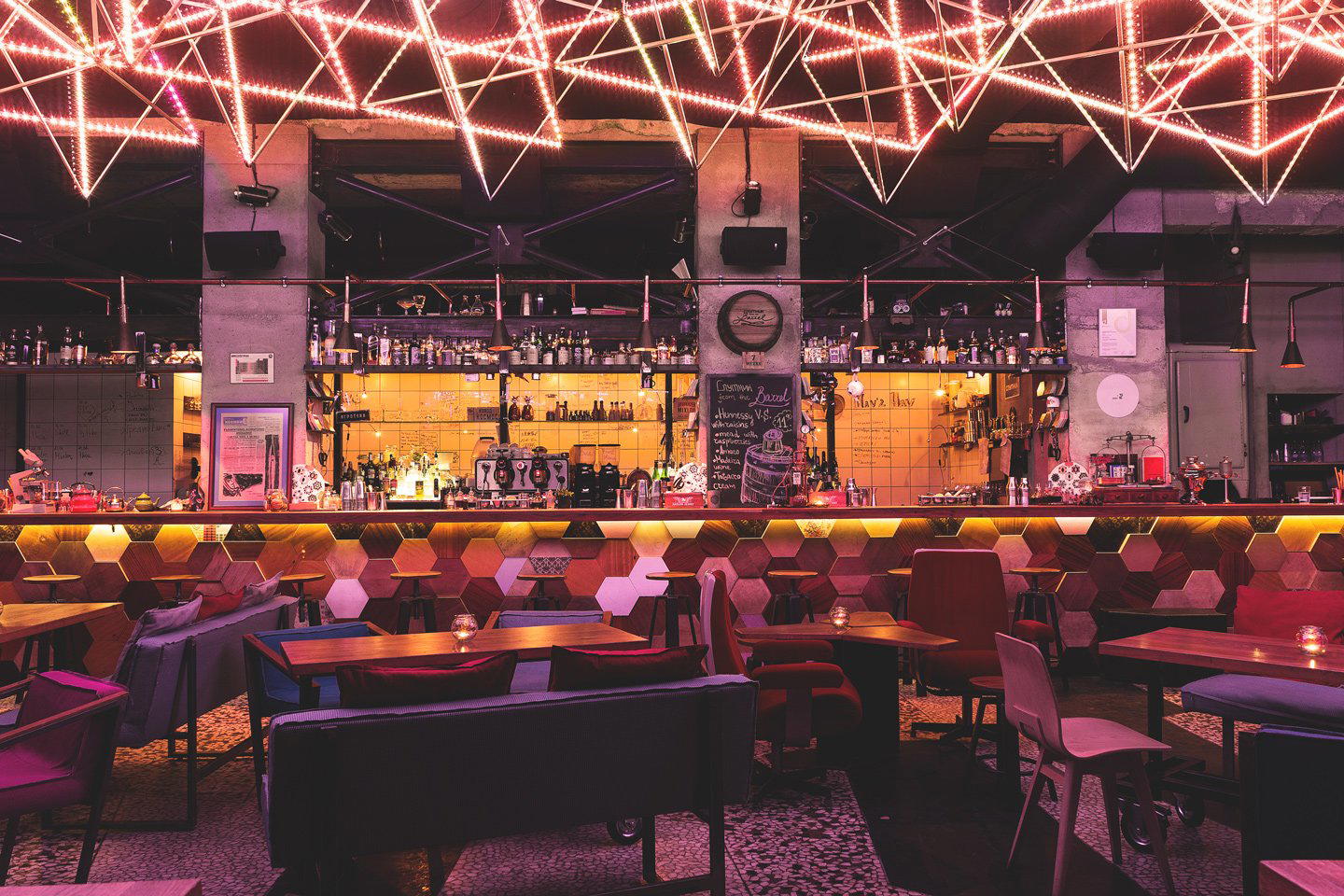
The style cues attached to Menada Winery are classic, modern, industrial, and iconic. Taken together, those words suggest a place whose identity is not rustic for its own sake. “Classic” points to continuity and tradition; “modern” and “industrial” point to a cleaner, bolder, more designed expression; “iconic” signals that the brand is meant to feel recognizable rather than anonymous. These are atmosphere and positioning cues, not a license to claim details about architecture, room count, tasting structure, or production equipment.
How to read Menada Winery from Sofia
From a Sofia perspective, Menada Winery is useful as a reference point for Bulgaria’s broader wine culture. It brings together the idea of century-old winemaking traditions and a contemporary look aimed at urban drinkers. That makes it different from a generic bar, restaurant, or retail listing: the focus is wine identity, brand heritage, and the way Bulgarian wine is presented to modern consumers.
What should not be assumed is just as important. If those details matter for a visit, they should be confirmed directly before making plans.
The price indicator is listed as $$. That is the only pricing signal, so it is better to treat Menada Winery as a moderate-price listing rather than attach bottle prices, tasting fees, menu costs, or package rates. The same principle applies to dress and atmosphere: the confirmed language points toward a historic Bulgarian winery with classic, modern, industrial, and iconic styling, not a formal dress requirement or a guaranteed hospitality format.
Why the profile still matters
Even with limited public detail, Menada Winery has a distinct role in a Sofia-focused guide because it shows how Bulgarian wine heritage can be translated for contemporary urban drinkers. The description emphasizes century-old tradition, but it also emphasizes bold modern brand design. That pairing is the story: history is not being presented as something static, and modernity is not being presented as a break from the past.
For readers comparing Sofia wine and dining options, Menada Winery should be approached as a heritage-and-design wine listing rather than as a fully documented restaurant, bar, or tasting-room review. Other dining in Sofia may offer more conventional meal-led experiences, but Menada Winery’s confirmed appeal lies in Bulgarian winery identity, Thracian Valley association, and a contemporary brand language built around wine culture.
The honest recommendation is therefore focused rather than expansive. Consider Menada Winery if you are interested in a historic Bulgarian winery name, a Thracian Valley connection, and a visual identity designed for modern urban wine drinkers. Avoid relying on assumptions about specific grapes, tours, menus, services, awards, or facilities. On the facts available, Menada Winery stands as a classic, modern, industrial, and iconic Bulgarian wine reference in Sofia.
Recognition history
Dated appearances from independent guides and award organizations, with the underlying list record or original source where available.
Falstaff Winery - Listed
Falstaff



Details
- Classic
- Modern
- Industrial
- Well Known
- Group Outing
- Wine Education
- Special Occasion
- Corporate Event
- Estate Grounds
- Historic Building
- Vineyard
- Mountain
- Cabernet Sauvignon
- Merlot
- Rubin
- Mavrud
- Still Red
- Still White
- Still Rosé
- Sparkling
- Fortified
Historic Bulgarian winery in the Thracian Valley combining century-old winemaking traditions with a modern, bold brand design aimed at contemporary urban wine drinkers.