Taken Wine

Taken Wine sits in Napa’s more contemporary register: St. Helena roots, Napa Valley fruit, playful bottle names, and a style built for sharing rather than ceremony. The house is anchored by Taken Red Wine, a Cabernet-led blend, with Chardonnay and broader California blends extending the range without leaning into old-estate formality.
Pearl is the En Primeur Club membership app — saves, bookings, and concierge access live there. Same editors, same standards.
- Address
- St. Helena, Napa Valley, California, Vereinigte Staaten
 Saves & bookings on Pearl
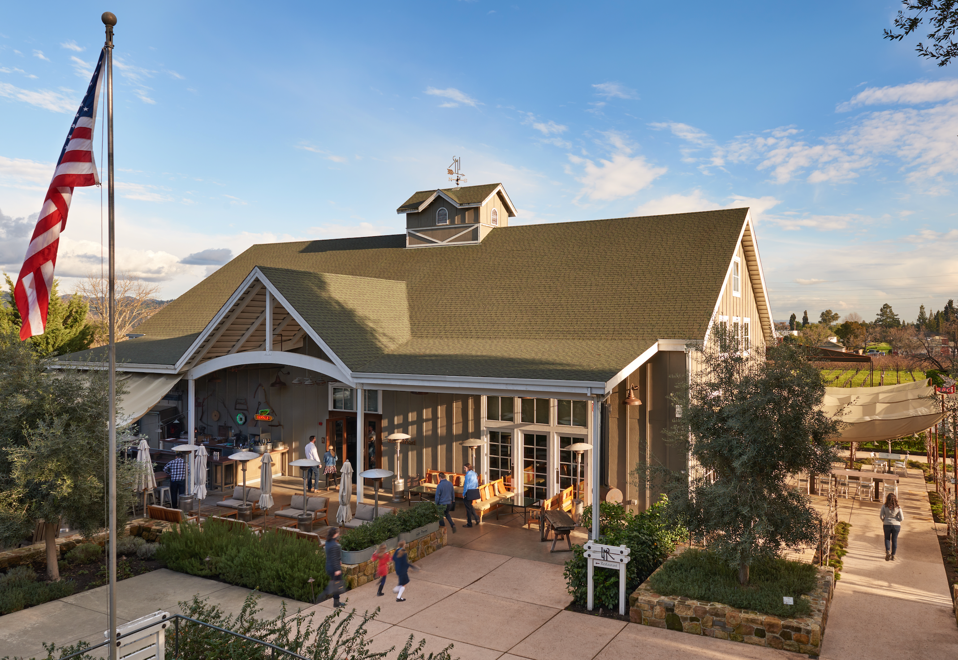
St. Helena wine culture can sometimes be framed through formality, prestige, and ritual. Taken Wine approaches Napa Valley with a different tone. The profile is simpler and more approachable: a family-owned Napa Valley winery in St. Helena with a contemporary point of view, a fun and shareable brand identity, and a mood that reads as modern, whimsical, hidden-gem, and conversational rather than formal.
That distinction is one useful way to understand Taken Wine from the available facts. This is not a page where details support a deep dive into specific bottlings, vineyard sources, tasting formats, cellar methods, or service logistics. What is confirmed is the broader positioning: Taken Wine belongs to the more relaxed side of the St. Helena wine conversation, with a $$ price signal and a brand identity that favors approachability over ceremony.
Napa Valley identity without a formal tone
The clearest anchor is that winery is a family-owned Napa Valley winery in St. Helena. Beyond that, particularly reliable reading is stylistic rather than technical. The brand is described through contemporary, whimsical, and conversational cues, which matters in a region where winery experiences can sometimes feel highly structured or formal.
For visitors, that means the winery is best understood as a Napa Valley name with a lighter social register. The available information does not verify a specific tasting format, menu structure, bottle list, grape lineup, production size, reservation policy, or on-site service style. Rather than invent those details, the fair description is that the winery’s public personality is approachable and shareable, with a modern identity that stands apart from more traditional luxury signals.
The $$ price category is also worth noting because it gives a broad expectation without pretending to define a full menu or tasting cost. In St. Helena, where wine-country pricing can vary widely, $$ suggests a moderate price position relative to the broader premium landscape. It should not be read as a guarantee of a specific fee, bottle price, flight price, or package.
A St. Helena brand built around approachability
The winery’s character is less about formality and more about tone. The words attached to it, modern, whimsical, conversational, point to a winery that wants to feel easy to talk about and easy to share. That is a meaningful identity in Napa Valley, especially for travelers who like the region’s wine culture but do not want every stop to feel ceremonial.
The family-owned description adds another layer. It gives the winery a personal frame without requiring unsupported claims about founders, history, estate holdings, production numbers, or generational background. The safest conclusion is that winery presents itself as a family-owned Napa Valley winery with an accessible brand personality rather than a highly formal destination built around prestige alone.
That approachable stance is the main reason to consider it in a St. Helena itinerary. Those practical points should be checked directly with the venue before planning around them. What can be said is that winery’s identity fits visitors looking for a contemporary Napa Valley winery with a more relaxed voice.
How to place it in a St. Helena itinerary
For a wine-country day, the winery works well when the brief is casual, modern Napa rather than a formal, highly scripted experience. Its profile is concise: St. Helena, Napa Valley, family-owned, $$, approachable, contemporary, whimsical, and conversational. That is enough to position it, but not enough to claim a specific visit format or a detailed hospitality program.
St. Helena works well when wine is planned alongside other dining, lodging, and slower afternoon pacing. If you are building a full day, place the winery among other St. Helena stops based on confirmed logistics from the venue’s current channels. For broader planning, compare it with other St. Helena dining and wine options generically rather than assuming a particular service model.
The winery’s place in that wider map is clear enough: a Napa-rooted, family-owned winery with a modern and approachable identity. The land and city matter, but the story is mostly about tone, less formal, more conversational, and shaped for people who want St. Helena wine culture without an overly stiff frame.
Recognition history
Dated appearances from independent guides and award organizations, with the underlying list record or original source where available.
Falstaff Winery - Listed
Falstaff
Continue exploring
More in St. Helena
Wineries in St. Helena
Browse all →
Bars in St. Helena
Browse all →

Restaurants in St. Helena
Browse all →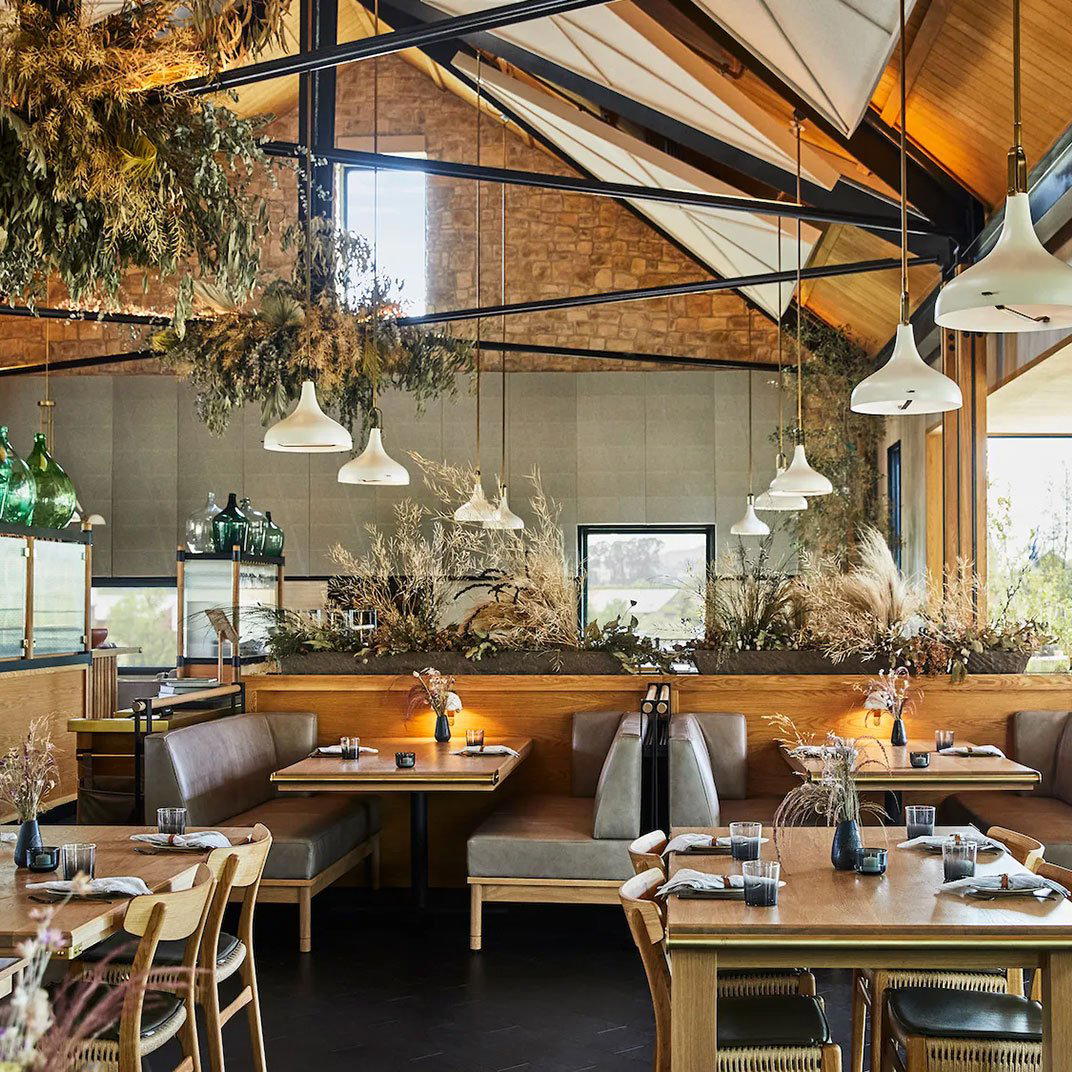
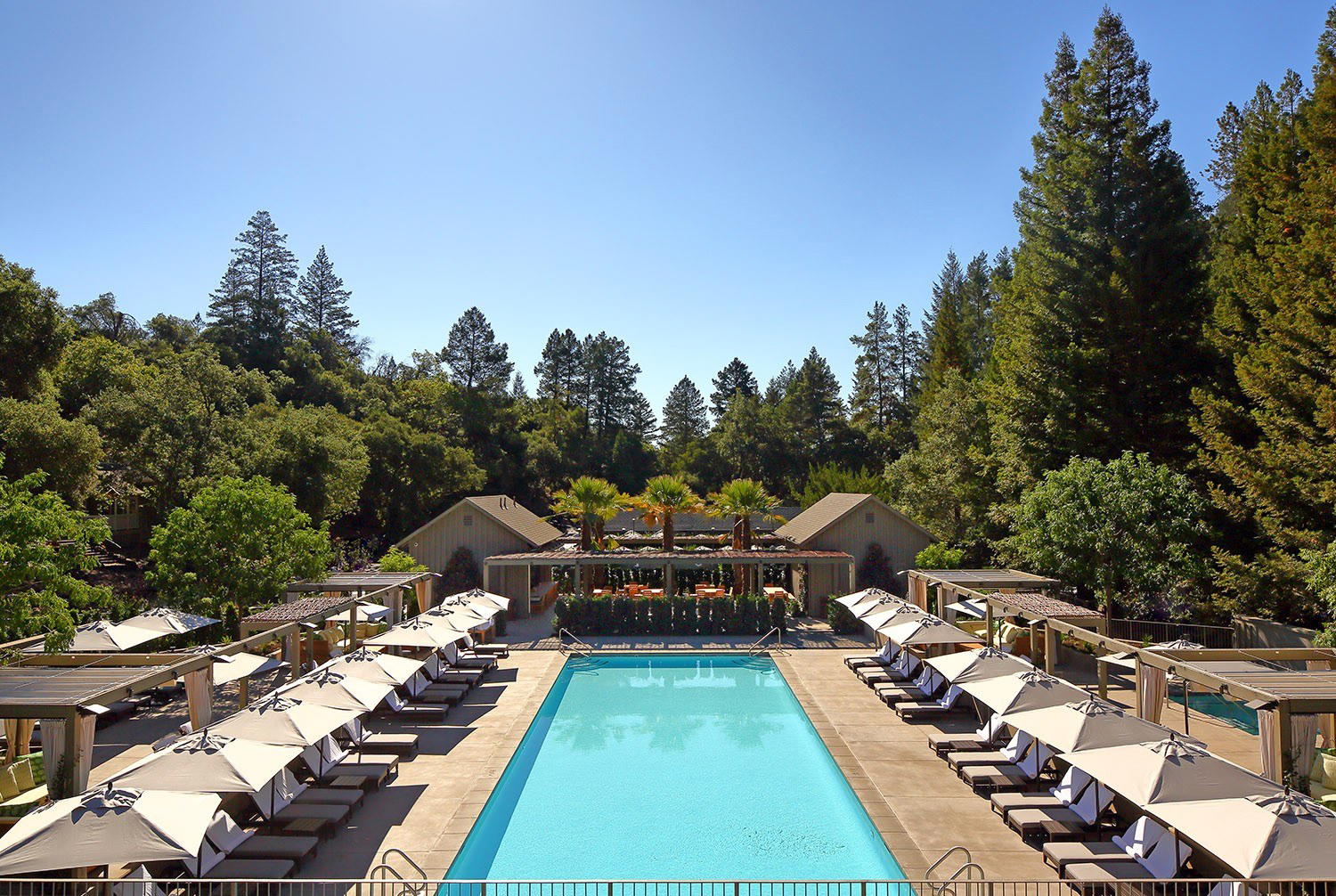
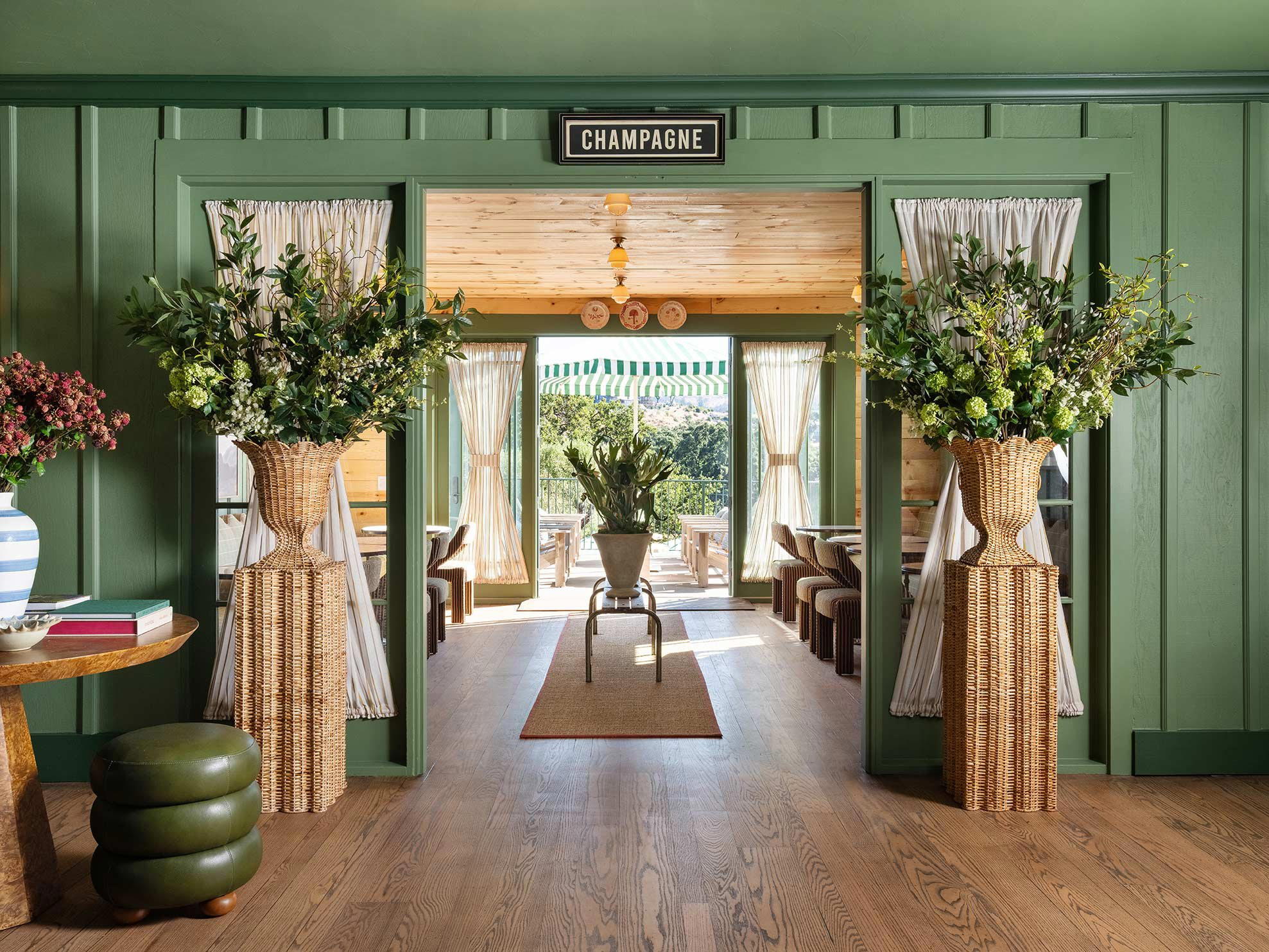
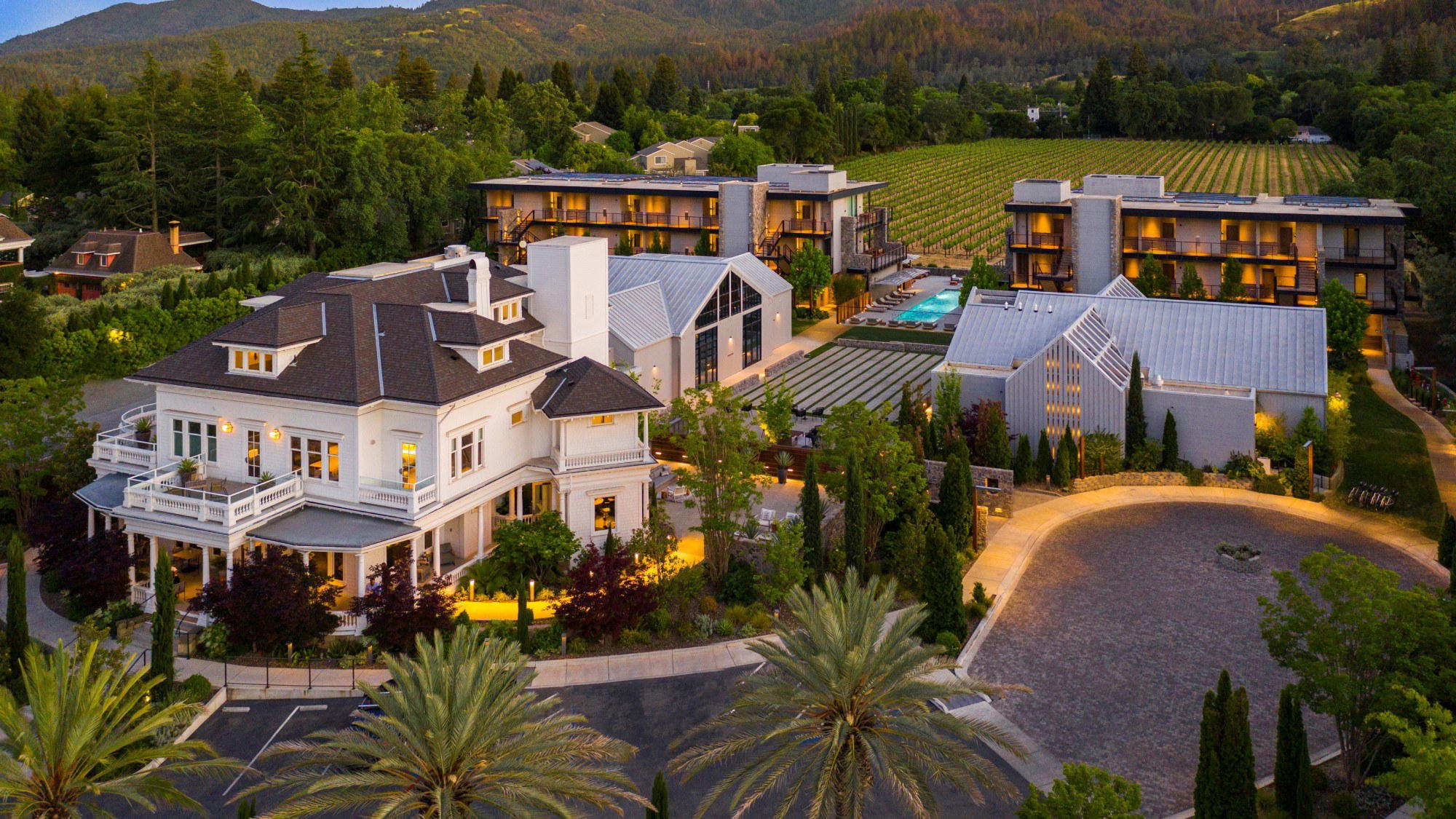
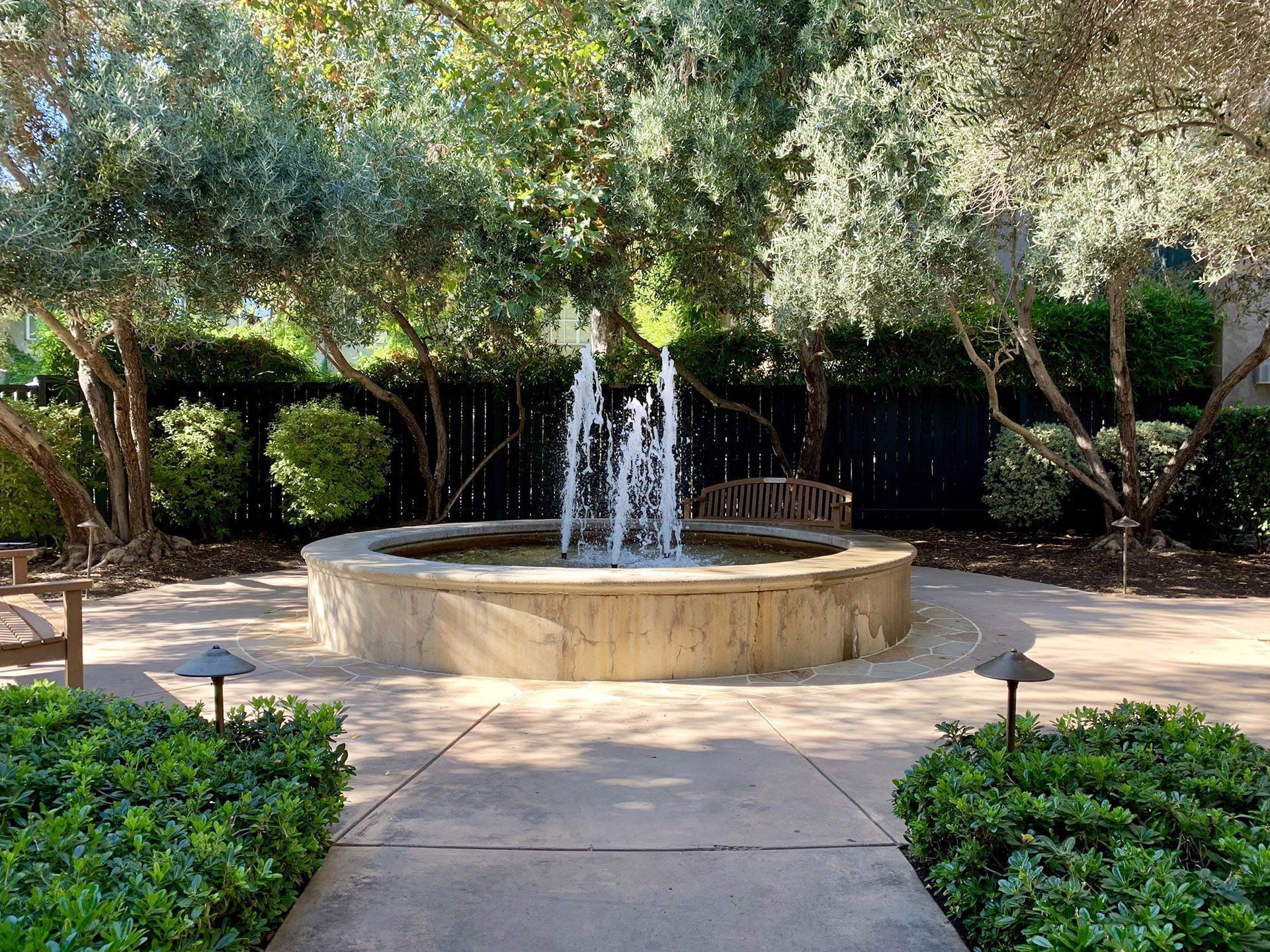
At a Glance
- Modern
- Whimsical
- Solo Exploration
- Special Occasion
- Private Tasting
- Napa Valley AVA
- Cabernet Sauvignon
- Merlot
- Chardonnay
- Zinfandel
- Malbec
- Petite Sirah
- Grenache
- Syrah
- Sauvignon Blanc
- Muscat
- Still Red
- Still White
- Tasting Room
A family-owned Napa Valley winery with a contemporary approach and a fun, shareable brand identity; the overall tone is approachable rather than formal.