Spring Mountain Vineyard

Falstaff Winery - Listed
Spring Mountain Vineyard sits on the forested western slopes above St. Helena, within a Spring Mountain District appellation defined by volcanic soils, elevation, and one of Napa's most concentrated clusters of estate producers..

Pearl is the En Primeur Club membership app — saves, bookings, and concierge access live there. Same editors, same standards.
- Address
- 2805 Spring Mountain Rd, St Helena, CA 94574
- Directions
- Get directions
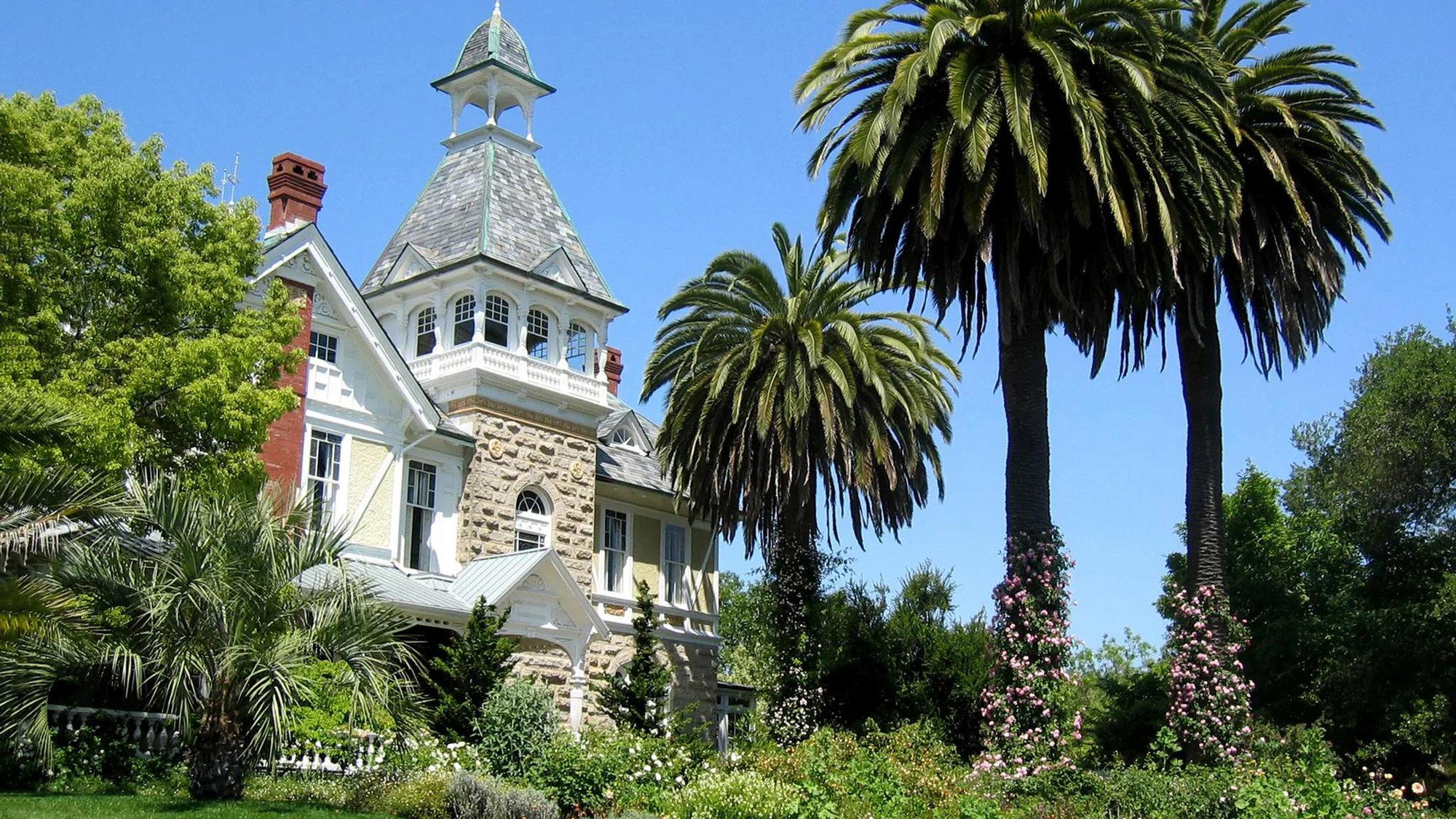
The Western Slope and What It Produces
Spring Mountain Road climbs steeply from the valley floor at St. Helena, and by the time it reaches the higher elevations of the district that shares its name, the character of the terrain has changed substantially. The fog that settles over the Napa Valley floor most mornings rarely reaches this far up; the soils shift from the deep alluvial deposits of the valley to fractured volcanic rock and well-drained loam; and the temperature swings between day and night grow wider. These are not incidental details. For estate producers in the Spring Mountain District, the land itself is the primary argument for why their wines taste the way they do — structured, often tannic in youth, built for a longer arc than most valley-floor bottlings.
Spring Mountain Vineyard occupies that terrain. The address at 2805 Spring Mountain Road places it within a stretch of the district that has accumulated, over several decades, a cluster of serious estate operations including Barnett Vineyards, Keenan Winery, Fantesca Estate & Winery, Frias Family Vineyard, and Calla Lily Estate & Winery.
What Mountain-Source Viticulture Actually Means
Napa's premium identity is built primarily around Cabernet Sauvignon, but within that broad consensus there is a significant internal division between valley-floor production and mountain-sourced viticulture. The distinction matters because mountain farming is categorically harder. Slopes limit mechanisation, yields per acre tend to run lower, water access requires more management, and harvest logistics are more complex than on flat ground. Producers who work mountain sites accept those constraints in exchange for what the terrain delivers: concentrated fruit, naturally lower sugars relative to flavour development, and tannin structures that often read as more granular and age-worthy than those from warmer valley sites.
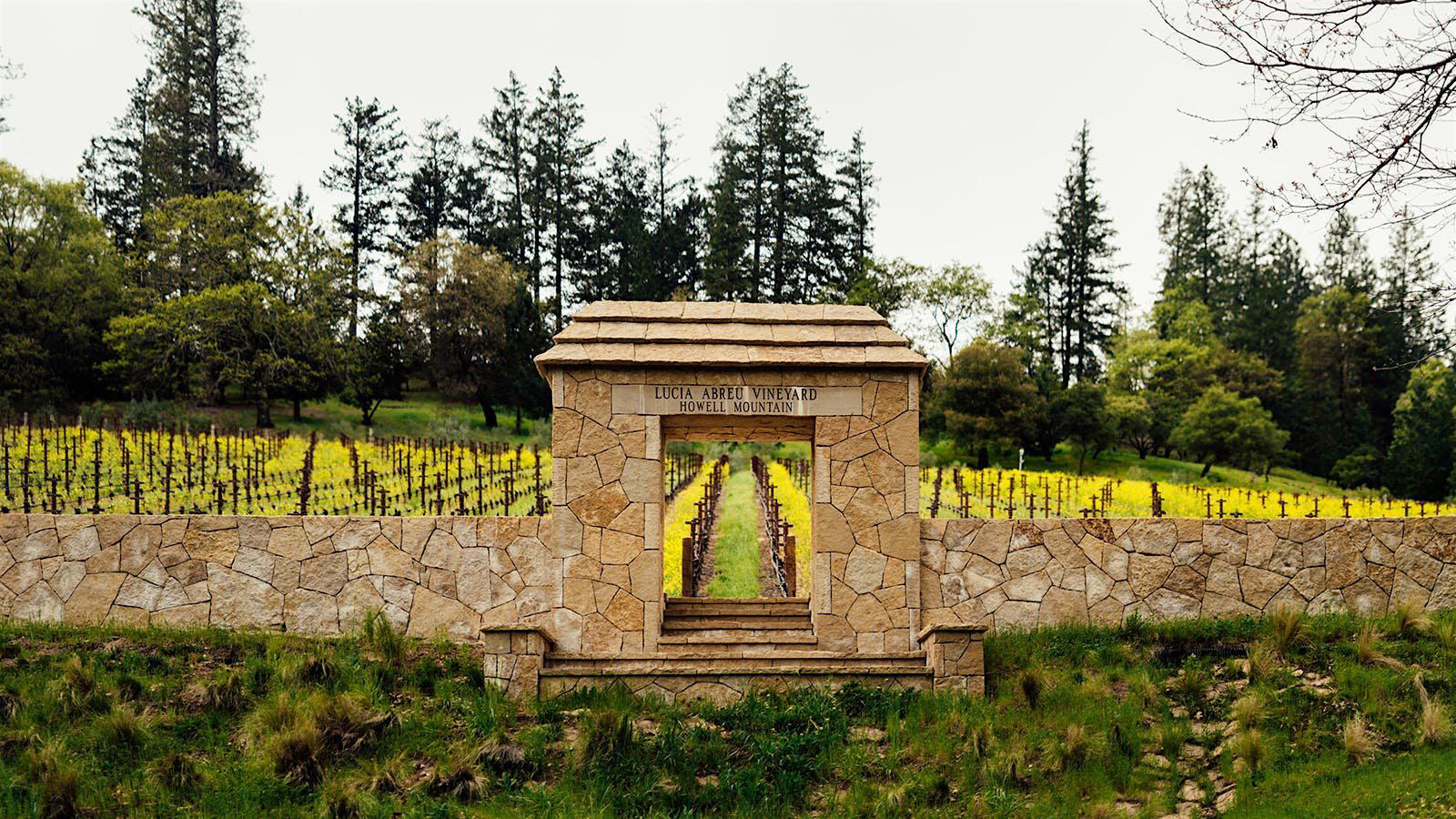
Spring Mountain District sits within a broader category of Napa mountain appellations that also includes Howell Mountain to the east and Diamond Mountain District immediately to the north. Each carries its own soil signature — Spring Mountain is particularly associated with the complex interplay of volcanic and sedimentary deposits laid down along the Mayacamas range, but all share the logic of elevation viticulture: less heat accumulation, more diurnal shift, slower ripening. That slower ripening window is precisely where the sourcing argument for mountain Cabernet lives. The wine that results reflects conditions that valley farming cannot replicate, regardless of winemaking approach.
For producers operating at reference-tier level in this appellation, estate sourcing is not a marketing distinction but a production reality. The vineyard is the supply chain, and its character is non-negotiable.
Spring Mountain District has a smaller public profile than Stags Leap or Oakville, but among collectors and trade buyers, it occupies a well-defined position. The appellation's producers tend to attract buyers who have already moved through the more accessible valley-floor bottlings and are looking for wines with greater structural complexity and longer cellaring potential. This is a narrower market, and the wineries within it price and allocate accordingly.
Compared to some other Napa appellations, the Spring Mountain District has a relatively small number of established estate producers, which concentrates attention on those who have built sustained reputations. Properties rated at comparable levels elsewhere in the state include Accendo Cellars in St. Helena and Alpha Omega Winery in Rutherford, both operating within Napa's premium tier, and further afield, Adelaida Vineyards in Paso Robles and Adelsheim Vineyard in Newberg demonstrate how estate-sourced viticulture at elevation or in distinctive terroir plays out across different California and Oregon appellations.
Globally, the logic of place-specific sourcing at premium tier runs through everything from Alexander Valley Vineyards in Geyserville to Alban Vineyards in Arroyo Grande to Andrew Murray Vineyards in Los Olivos, and extends to reference estates in entirely different wine cultures, including Aberlour in Aberlour and Achaia Clauss in Patras, a reminder that the relationship between a defined place and what it produces is a near-universal premium signal, not an exclusively Californian one.
Planning a Visit
Spring Mountain Road is a working agricultural route, not a tourist corridor, and the wineries along it reflect that. Visits to Spring Mountain Vineyard and its neighbours are not walk-in affairs; this end of the Napa wine experience operates on appointment and allocation, and the expectation on both sides is engagement with the wines rather than casual tasting. Visitors coming from St. Helena should account for the drive up the mountain, which is short in distance but involves narrow switchbacks that reward patience. The broader Spring Mountain District offers concentrated access to multiple estate producers within a compact geographic area, making it possible to schedule more than one visit in a day if appointments are planned accordingly.
For context on the full range of producers operating in this part of Napa, our full Spring Mountain District (St. Helena) guide maps the appellation's key estates and explains the sourcing and stylistic distinctions that separate them.
Cuisine Lens
Comparable venues nearby, for context on price, style, and recognition.
| Venue | Cuisine | Price | Awards | Notes |
|---|---|---|---|---|
| Spring Mountain VineyardThis venue — the venue you are viewing | Cabernet Sauvignon, Merlot | $200–300 | Falstaff Winery - Listed | Not listed |
| STEREOGRAPH | Cabernet Sauvignon, Grenache | Not listed | Not listed | St. Helena |
| Somerston Estate | Cabernet Sauvignon, Merlot | $150–200 | Not listed | Eastern Napa Valley |
| Signorello Estate | Chardonnay, Cabernet Sauvignon | $100–150 | Not listed | St. Helena |
| Faust | Cabernet Sauvignon, Merlot | $50–100 | Not listed | Coombsville |
| Gandona Estate | Cabernet Sauvignon, Cabernet Franc | $100–150 | Not listed | Pritchard Hill |
Recognition history
Dated appearances from independent guides and award organizations, with the underlying list record or original source where available.
Falstaff Winery - Listed
Falstaff
Continue exploring
More in St. Helena
Wineries in St. Helena
Browse all →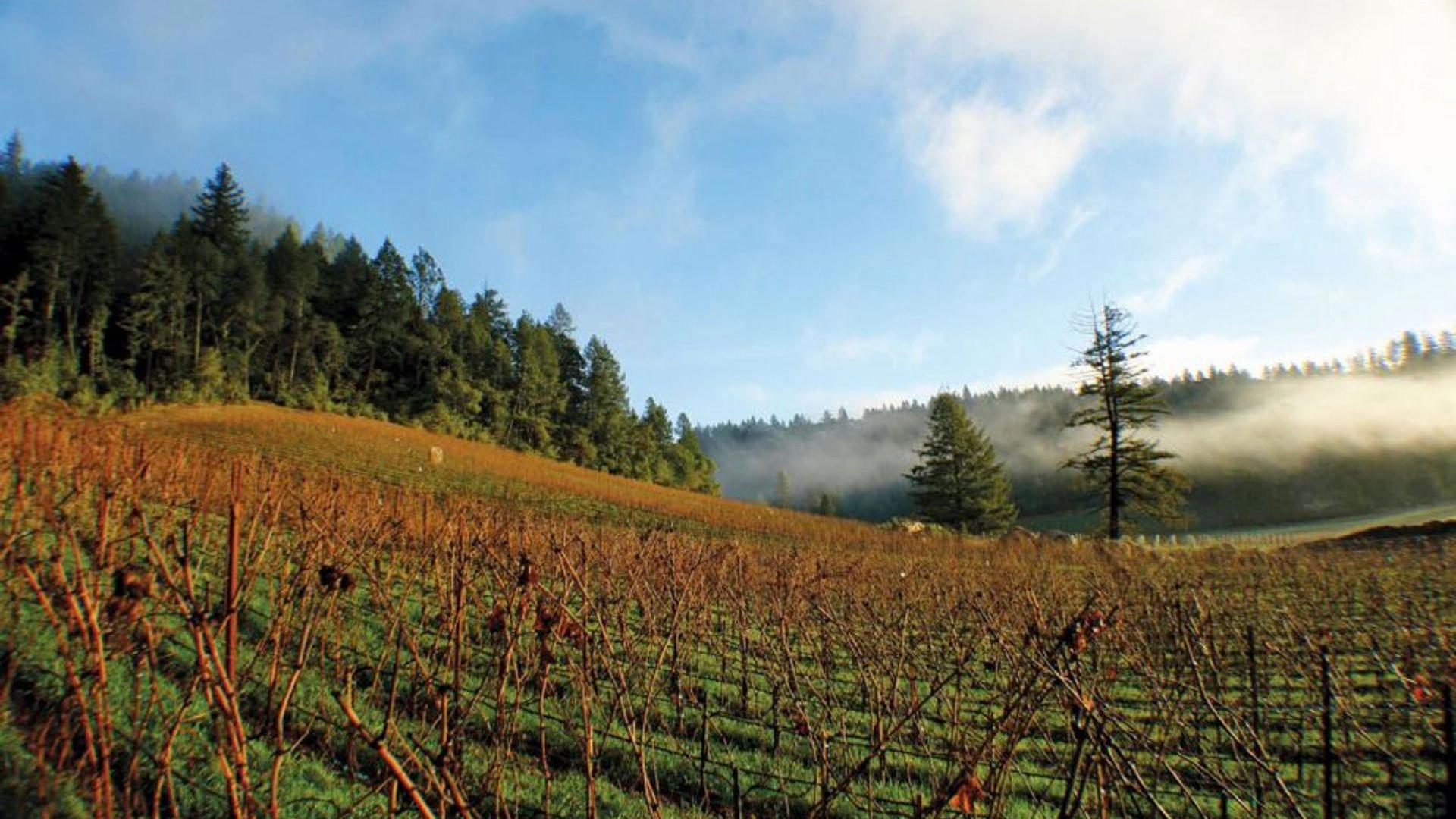
Bars in St. Helena
Browse all →
Restaurants in St. Helena
Browse all →
Details
- Scenic
- Elegant
- Romantic
- Well Known
- Sophisticated
- Romantic Getaway
- Wine Education
- Special Occasion
- Group Outing
- Cave Tasting
- Vineyard Tour
- Estate Grounds
- Garden
- Panoramic View
- Historic Building
- Private Tasting
- Sustainable
- Vineyard
- Mountain
- Garden
- Cabernet Sauvignon
- Merlot
- Cabernet Franc
- Bordeaux Blends
- Still Red
- Vista De Miravalle
- Forged By Founders
- English
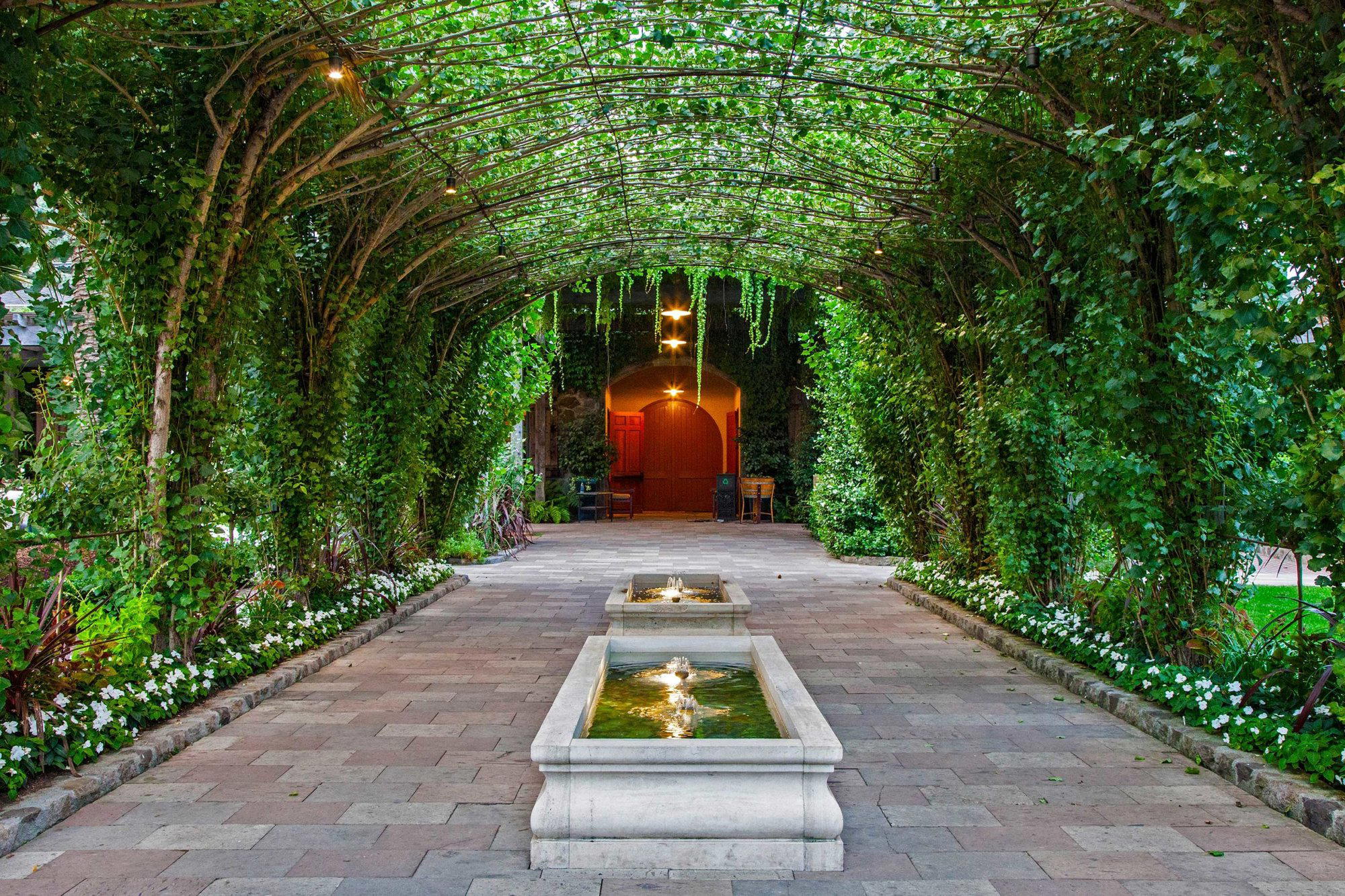
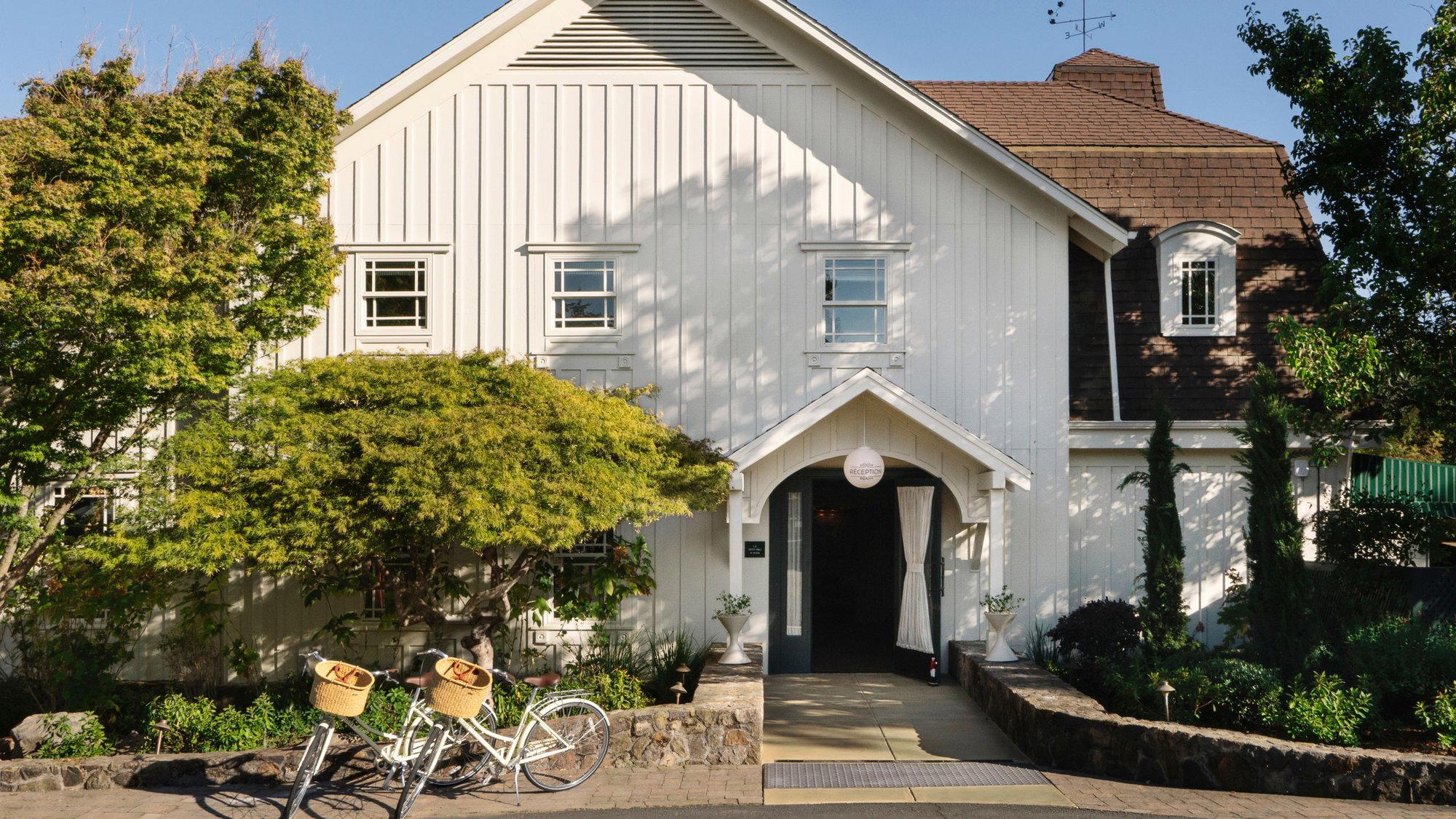
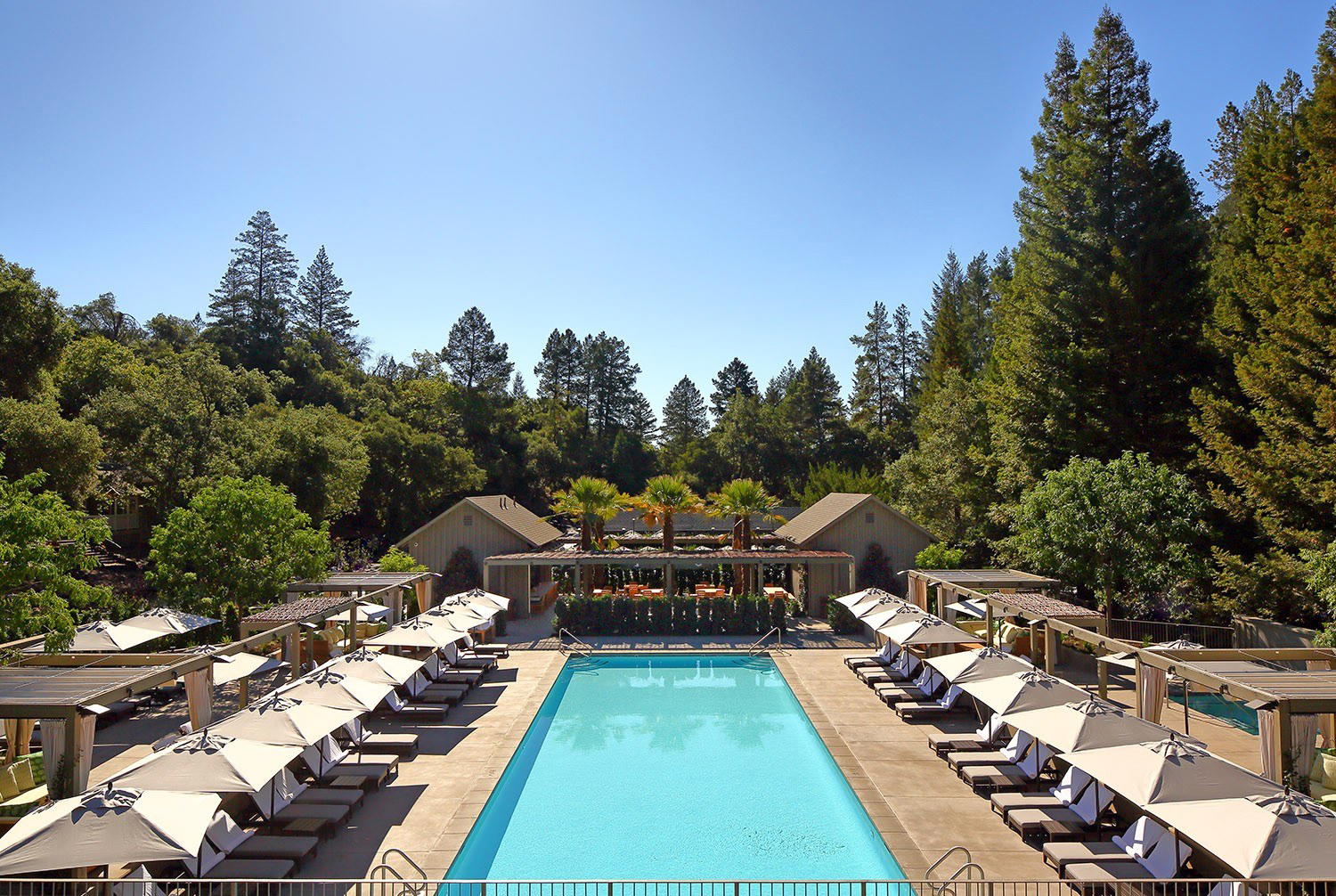
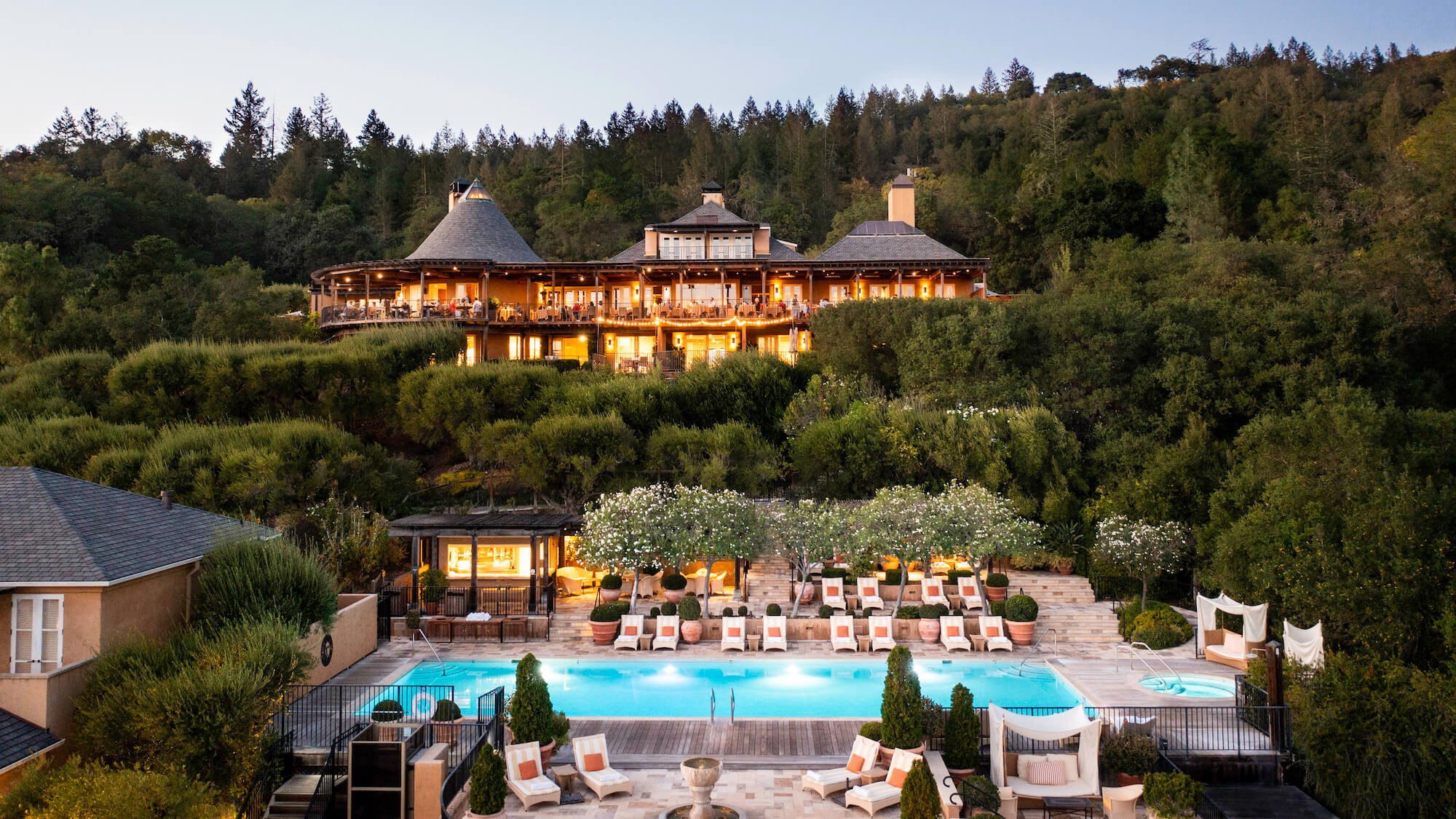
Ornate and serene mountain setting with wild beauty, fog-shrouded lower elevations giving way to sun-drenched slopes, featuring restored Victorian architecture and Mediterranean gardens.