Schubert Wines

Falstaff Winery - Listed
Schubert Wines is a small Martinborough cellar door for drinkers who want the region’s Pinot Noir story told through organic farming, low yields and a compact tasting-room format. Its recognition in The Real Review’s Top 100 Wineries of New Zealand 2024 gives the estate a national quality signal, while the experience stays quiet, intimate and vineyard-led.

Pearl is the En Primeur Club membership app — saves, bookings, and concierge access live there. Same editors, same standards.
- Address
- 57 Cambridge Road, Martinborough 5711, New Zealand
- Phone
- +64 6 306 8505
- Hours
- Daily 11 AM–3 PM
- Website
- schubert.co.nz
- Directions
- Get directions
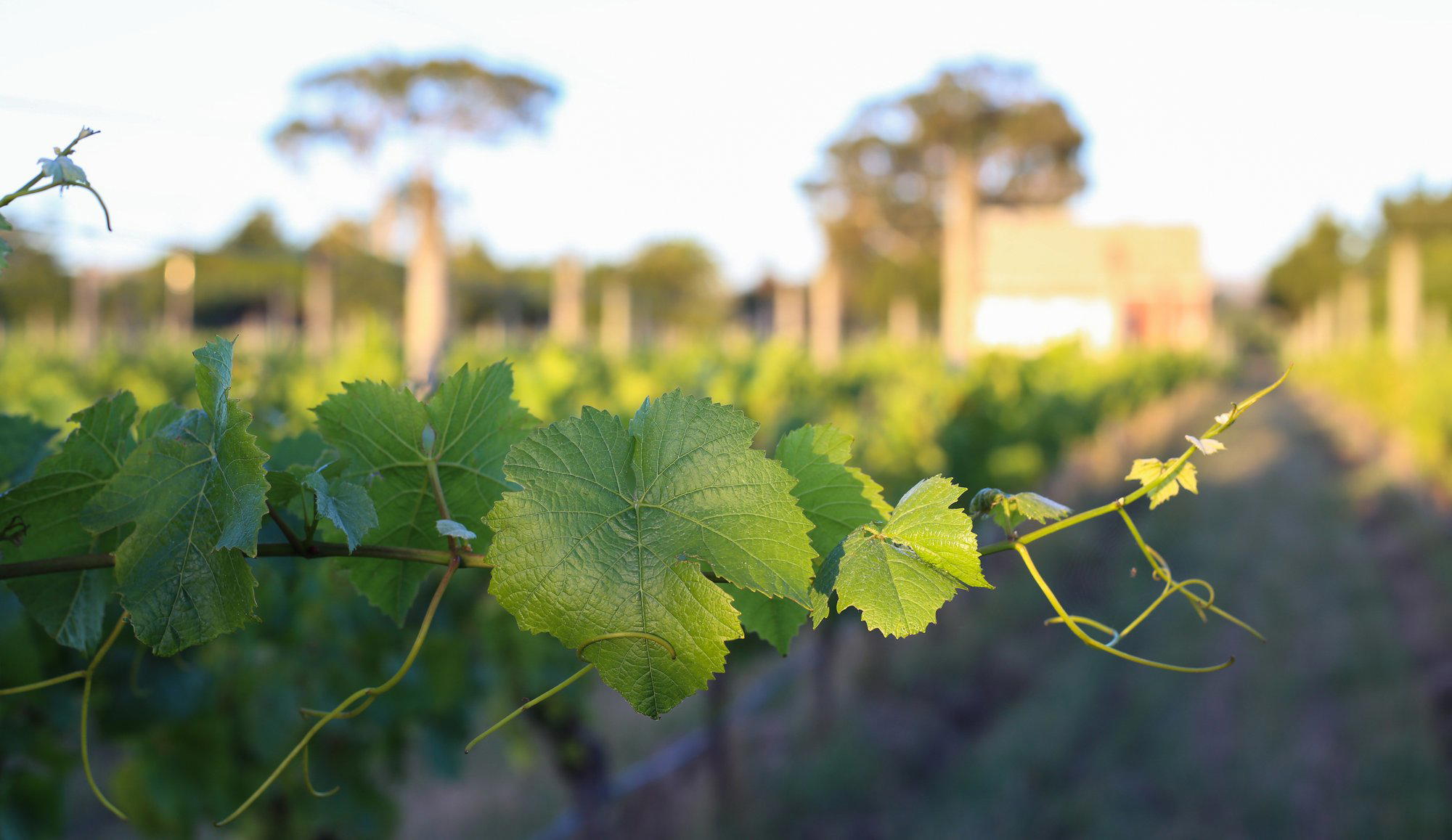
Martinborough’s cellar-door rhythm is compact and tactile: low buildings, vineyard edges close to town, and tastings that often feel closer to a grower conversation than a polished hospitality production. Schubert Wines fits that register. The room is described as cosy and traditional rather than architectural, the setting is boutique and organic, and the centre of gravity is not food, spectacle or volume. It is Pinot Noir, grown in a cool-climate pocket where the argument for the wine begins in the land.
That matters in Martinborough because the village has built much of its fine-wine reputation on Pinot Noir rather than breadth for its own sake. The region’s value lies in concentration: low-yield vineyards, cool-climate structure, gravelly soils and a tasting circuit where serious producers sit close enough for a focused day of cellar-door visits. Schubert Wines belongs to the smaller, more restrained side of that culture, with organic farming, hand work in the vineyard and a portfolio led by site-sensitive reds rather than a broad tourism brief.
Martinborough Pinot Noir, read through organic farming and low yields
The estate has been growing and producing wine since 1998, a useful marker in a region where producer continuity counts. Its founding story runs through Germany, Geisenheim training and a wider search across established wine regions before Martinborough became the chosen site for Pinot Noir. That biography should not be over-romanticised; its editorial value is more practical. It explains why the wines are framed through European cool-climate discipline while remaining grounded in Wairarapa conditions.
The production signals are consistent: BioGro New Zealand organic certification, manual vineyard management, handpicking, low yields and a restrained cellar approach. The estate is associated with natural yeasts where possible, extended red-wine maceration and French oak maturation for reds. Those details place the emphasis on vineyard selection and texture rather than speed or scale. For visitors, that means the tasting is less about novelty and more about reading variations within a focused house language.
Pinot Noir is the anchor, with Block B Pinot Noir and Marions Vineyard Pinot Noir forming the clearest red-wine reference points. The broader portfolio includes Syrah, Sauvignon Blanc, Tribianco, Rosé, Con Brio and Dolce, so the tasting can move beyond a single-variety lesson without losing its centre. The estate’s cultivation of eight Pinot Noir clones is a telling technical detail: clone diversity gives a grower more tools for structure, ripeness and aromatic range, especially in a cool-climate region where small viticultural decisions carry weight.
Recognition by The Real Review’s Top 100 Wineries of New Zealand 2024 gives the label a current national signal, which is more useful than vague praise. It places the estate inside New Zealand’s fine-wine conversation while keeping the Martinborough identity intact. This is not a large-format destination winery competing through scale; it is a small producer whose credibility rests on organic certification, Pinot Noir focus and the ability to translate a specific terrace site into a coherent tasting.
A cellar-door format for drinkers who prefer restraint to theatre
The hospitality style is quiet, casual and tasting-room-first. That is a strength if the point of the visit is wine rather than a long lunch. There is no need to dress the experience in lifestyle language: the useful facts are that the format is intimate, the noise level is quiet, outdoor seating is listed, and the cellar door suits solo exploration, small groups and special-occasion stops where the occasion is the wine itself.
Its price positioning sits at $$, which aligns with a boutique producer rather than a luxury hospitality complex. The tasting format includes walk-in tasting and private tasting, with reservations recommended. That combination suits Martinborough well: the town rewards flexible cellar-door movement, but smaller producers can change the feel of a day quickly if several groups arrive at once. Planning ahead is the sensible move for anyone building a wine-focused itinerary.
Accessibility details are stronger than many small cellar doors: wheelchair access and a step-free entrance are listed. Payments include credit card, debit card and contactless options, and shipping is available. The estate is not framed around food pairing, children or dogs, so the use case is clear. Come for a concentrated tasting of organically farmed Martinborough wine, not for a family picnic or a restaurant-style afternoon.
The wider Martinborough circuit is worth structuring by theme rather than volume. For Pinot Noir context, build a day around cellar doors and producers rather than trying to turn the village into a checklist. EP Club’s wider regional coverage can help with that planning: start with Our full Martinborough wineries guide, then map meals through Our full Martinborough restaurants guide, stays through Our full Martinborough hotels guide, drinks through Our full Martinborough bars guide and non-wine time through Our full Martinborough experiences guide.
Readers comparing New Zealand and international cellar-door styles can also use EP Club’s winery pages as reference points, from Ata Rangi, Dry River Wines, Escarpment, Kusuda Wines and Martinborough Vineyard to South Island producers such as Akarua Winery in Nevis and Akitu in Wānaka. For a broader cellar-door lens, see Alan McCorkindale Limited in Christchurch, »der Steiner« Hans Steiner in Podersdorf am See and & Handwein in Mannheim.
The critical read is simple: Schubert Wines is strongest for travellers who care about terroir expression more than hospitality theatre. Its appeal comes from the overlap of Martinborough Terrace, organic farming, Pinot Noir clone work and small-scale cellar-door focus. In a region where the distance between vineyard and glass can feel unusually short, that is exactly the point.
Recognition history
Dated appearances from independent guides and award organizations, with the underlying list record or original source where available.
Falstaff Winery - Listed
Falstaff
Continue exploring
More in Martinborough
Wineries in Martinborough
Browse all →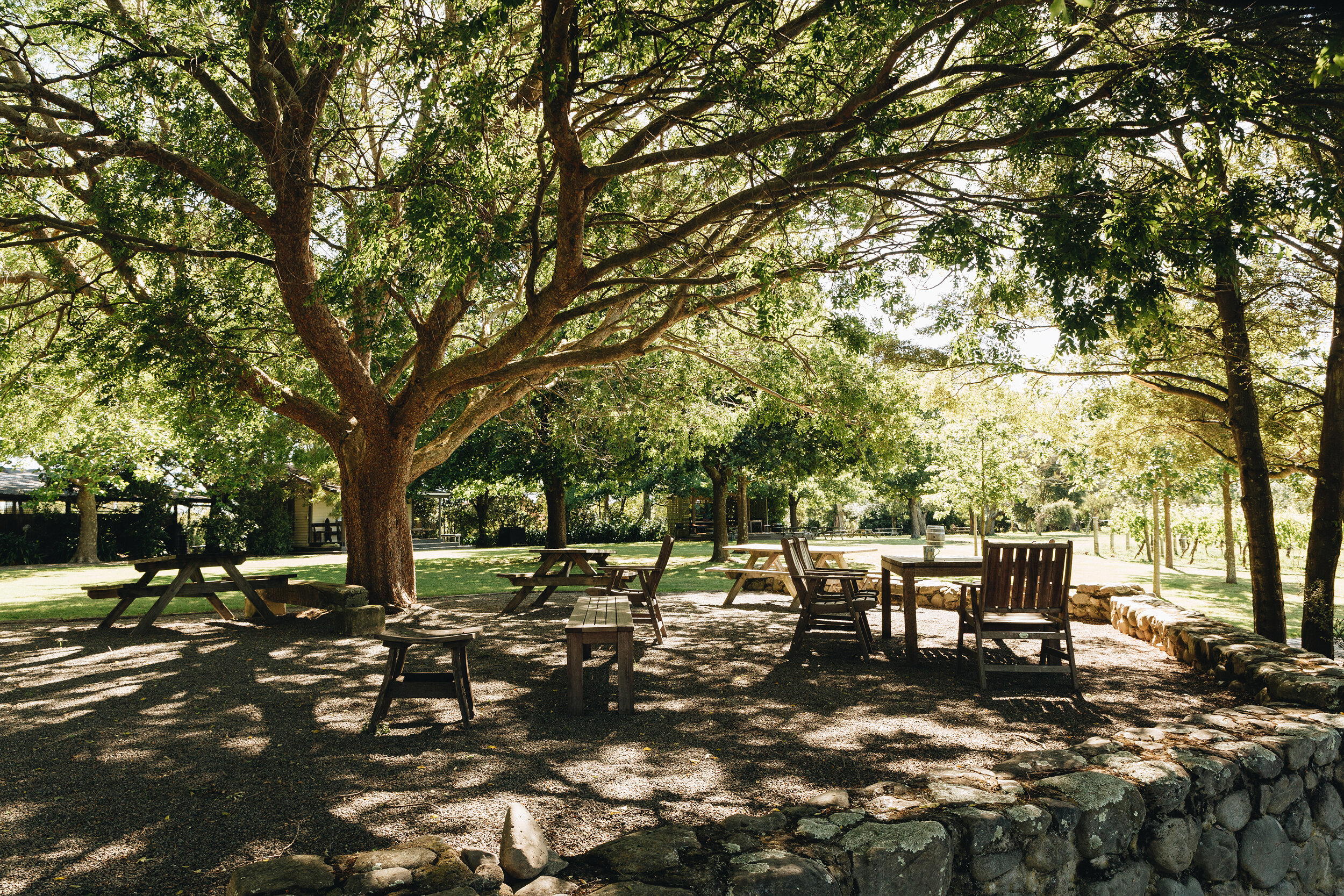

Bars in Martinborough
Browse all →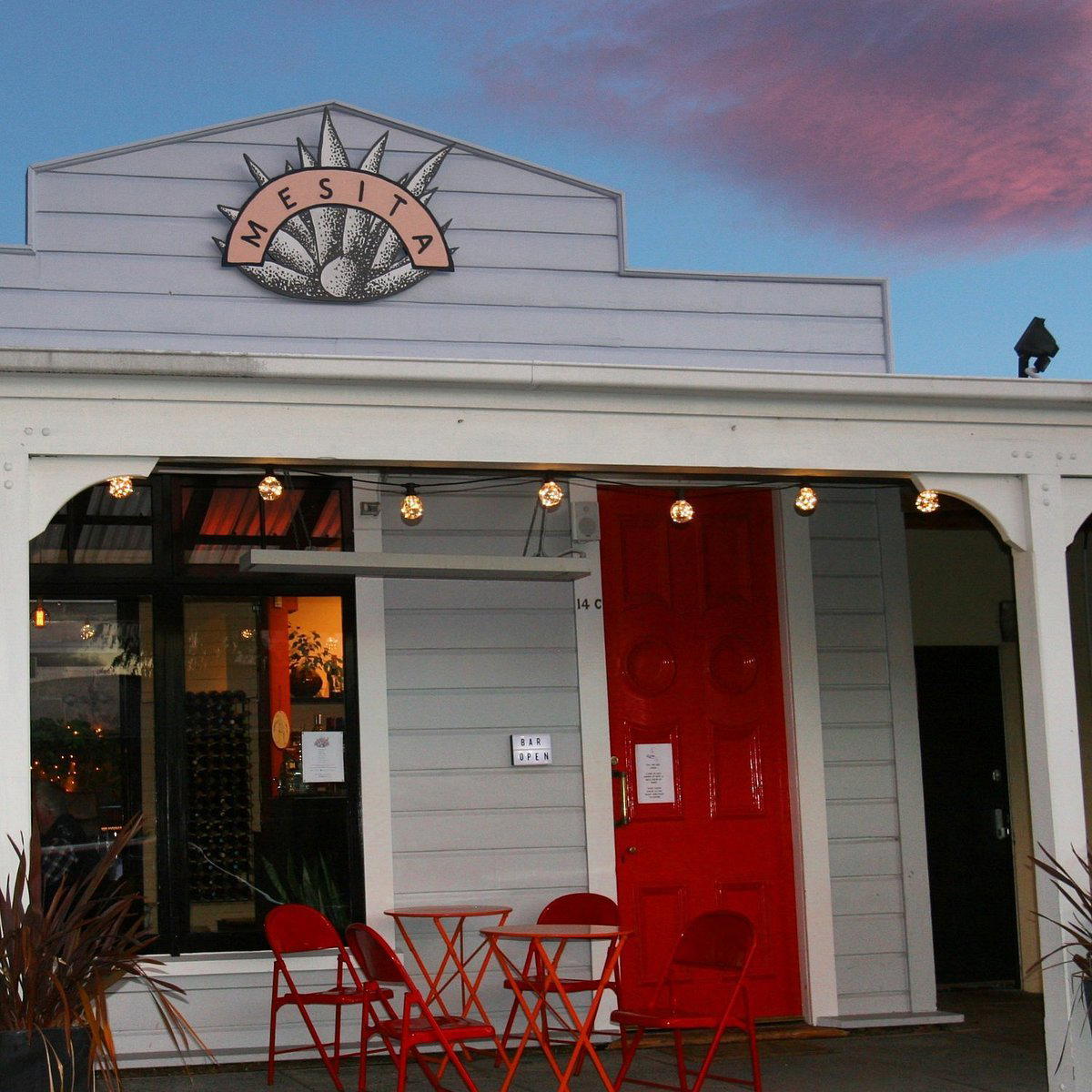
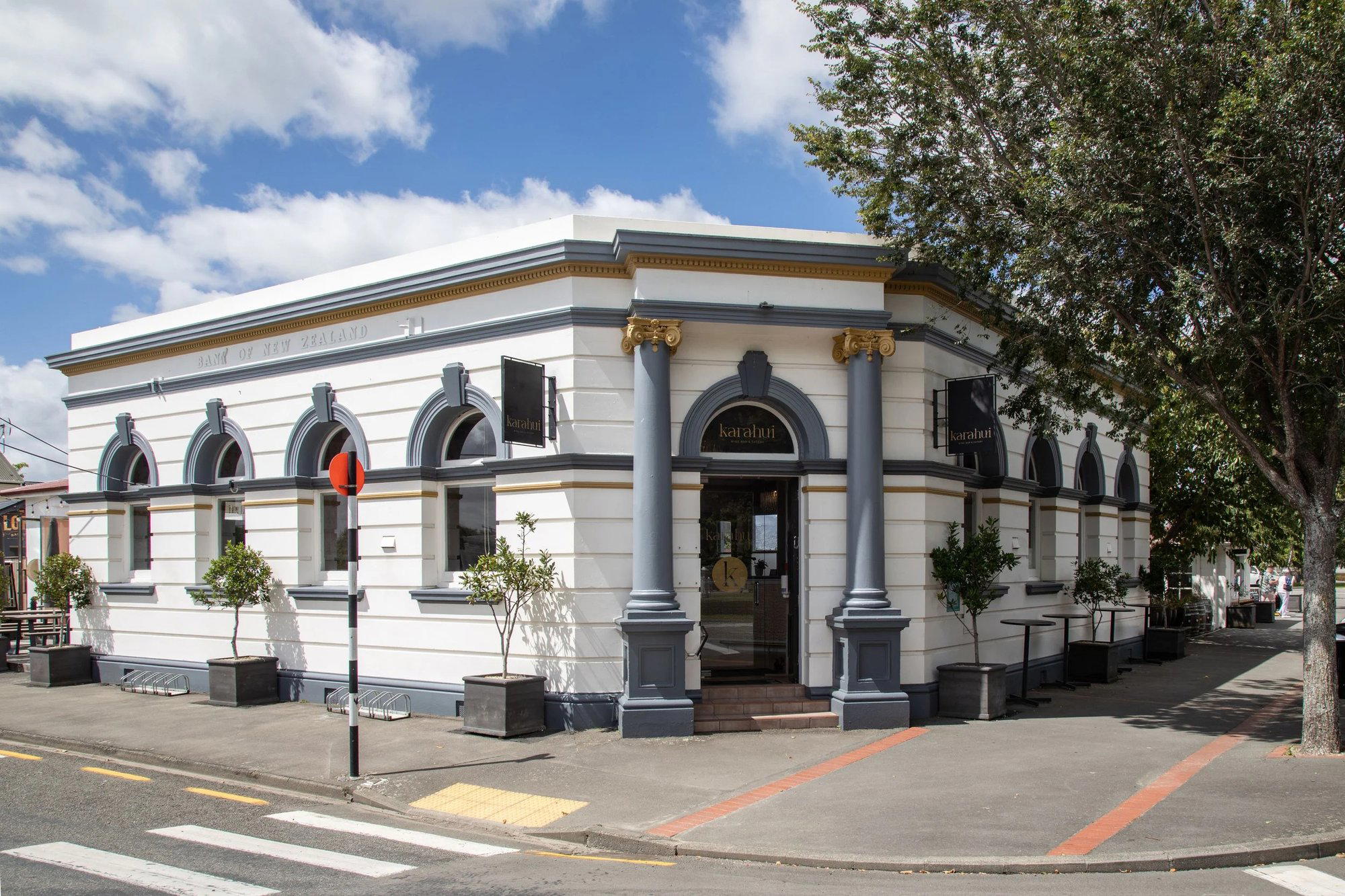
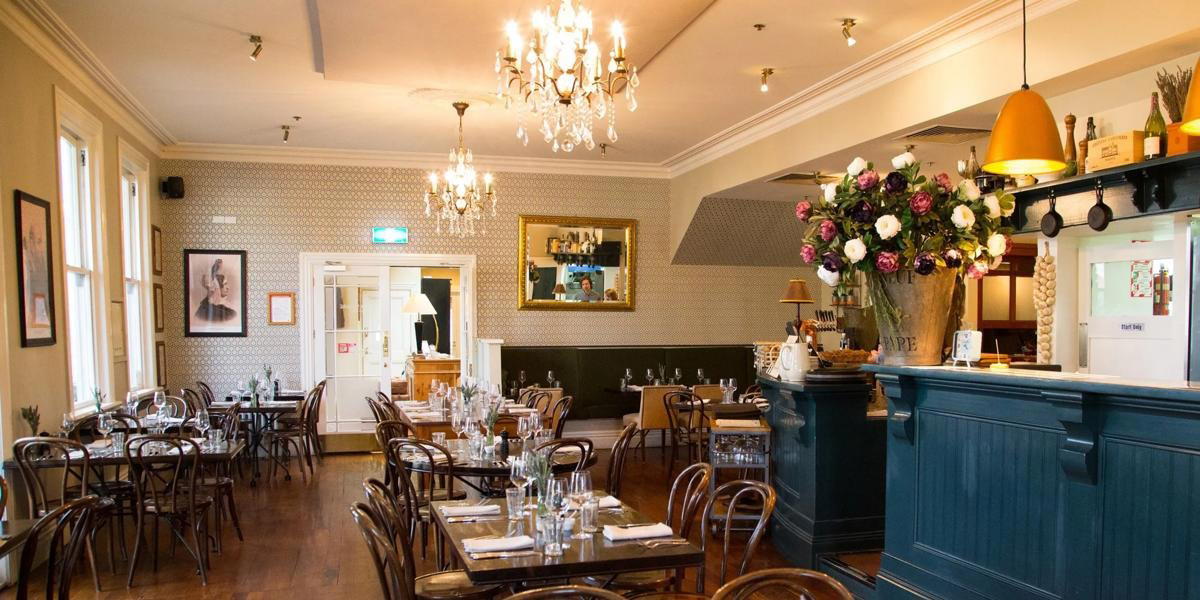
Restaurants in Martinborough
Browse all →
Hotels in Martinborough
Browse all →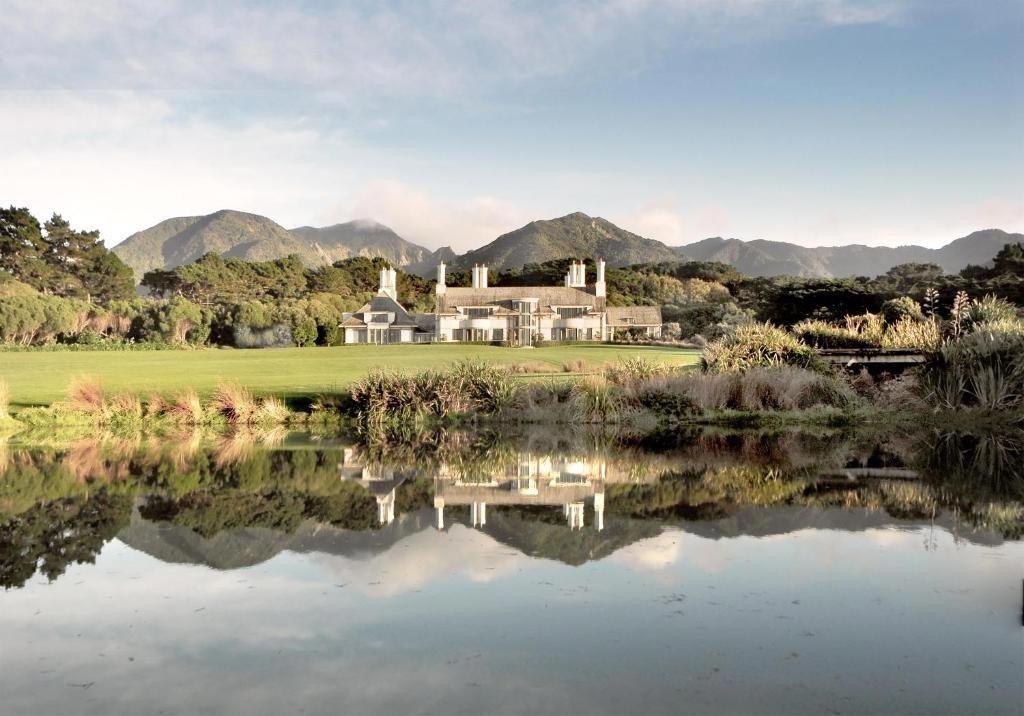
Details
- Quiet
- Cozy
- Classic
- Intimate
- Solo Exploration
- Group Outing
- Special Occasion
- Private Tasting
- Organic
- Vineyard
- Street Scene
- Pinot Noir
- Sauvignon Blanc
- Syrah
- Müller Thurgau
- Chardonnay
- Pinot Gris
- Still Red
- Still White
- Dessert
- Walk In Tasting
- Private Tasting
- English
- German
Current opening hours
- Monday
- 11 AM–3 PM
- Tuesday
- 11 AM–3 PM
- Wednesday
- 11 AM–3 PM
- Thursday
- 11 AM–3 PM
- Friday
- 11 AM–3 PM
- Saturday
- 11 AM–3 PM
- Sunday
- 11 AM–3 PM
Hours can change for holidays and private events. Last verified .
Intimate, cosy cellar door atmosphere with a traditional tasting room feel and a boutique, organic winery setting in the heart of Martinborough.