Lismore Estate Vineyards

Falstaff Winery - Listed
A wine-first estate framed by cool-climate viticulture, Lismore Estate Vineyards is strongest as a terroir story rather than a tourism stop. Its portfolio reaches across Pinot Noir, Chardonnay, Sauvignon Blanc, Riesling, Syrah and Viognier, with external wine-media attention giving the estate a modest but credible place in the conversation around small-scale, site-led production.

Pearl is the En Primeur Club membership app — saves, bookings, and concierge access live there. Same editors, same standards.
- Address
- Central Otago, Neuseeland
- Directions
- Get directions

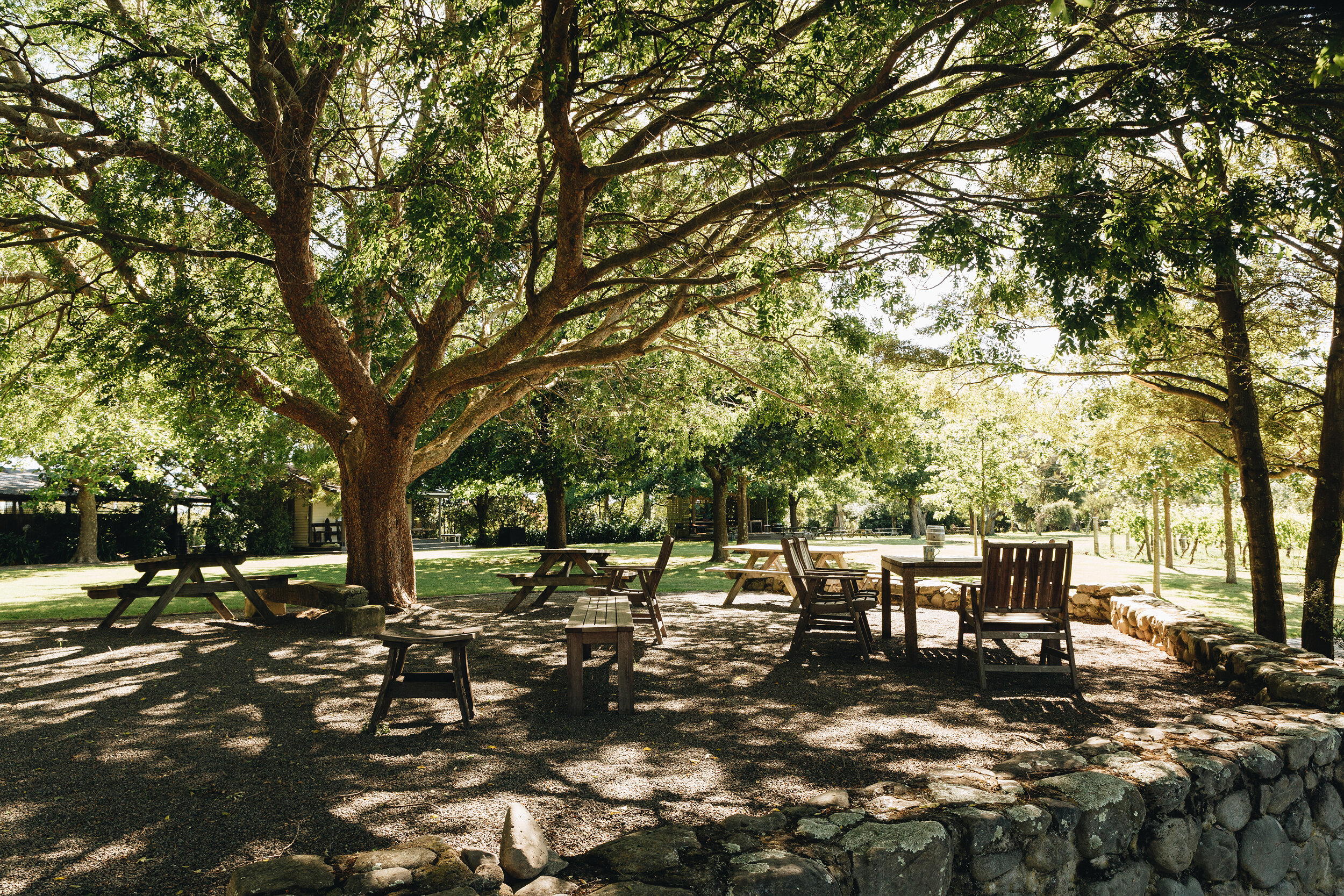
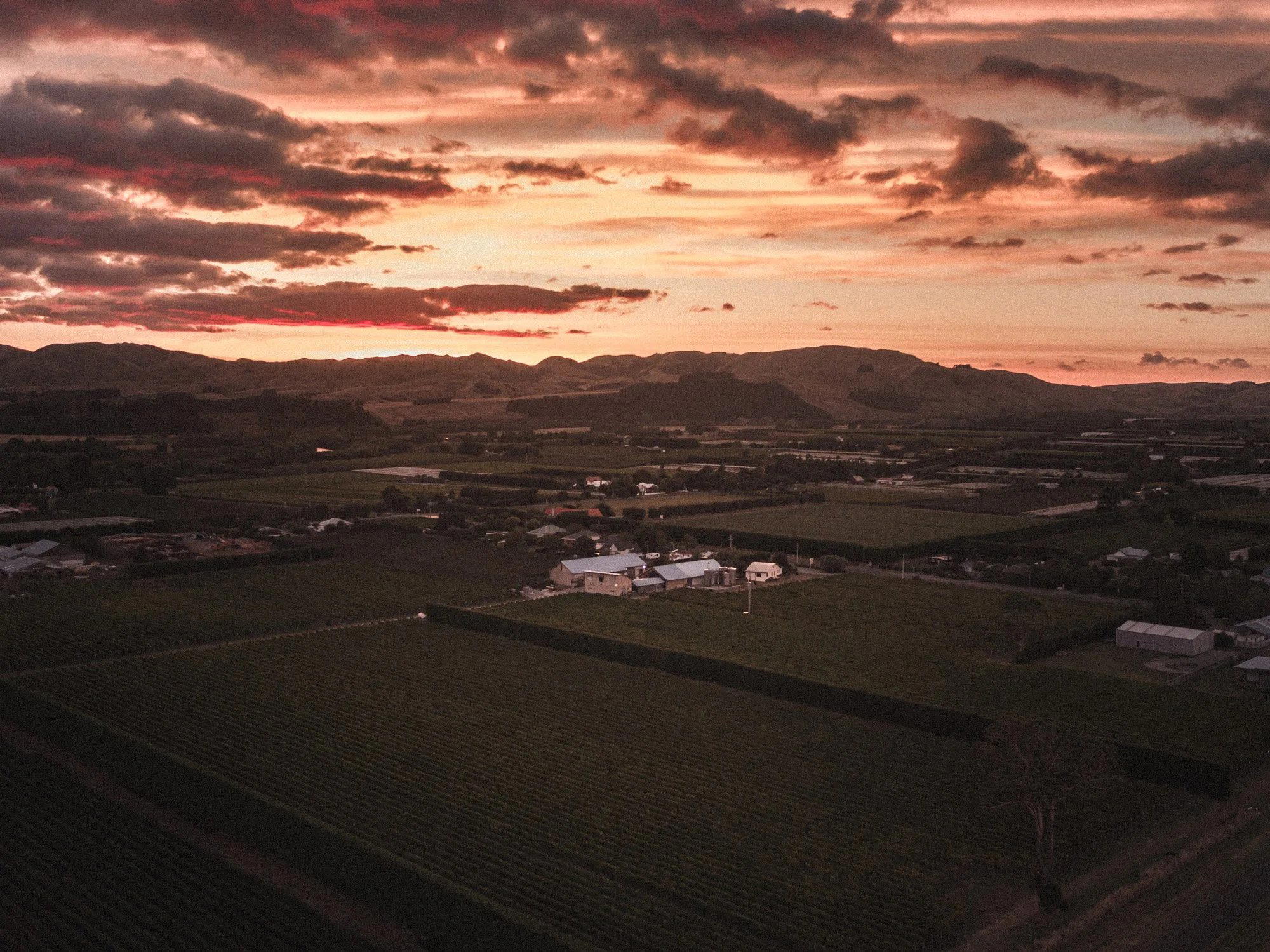
Approach Lismore Estate Vineyards as a quiet rural estate winery rather than a polished visitor complex. Its appeal is rooted in a small, mountain-foothill setting in Central Otago, with a tranquil atmosphere and a focus on serious, small-batch winemaking rather than tourism activities. The mood is scenic, rustic and intimate, making it better understood as a hidden-gem wine address than as a broad hospitality venue. In that sense, the estate is best framed with a light touch: not as a place defined by spectacle, volume or a dense list of services, but as a rural wine setting where scale, stillness and a sense of place carry much of the experience.
Cool-climate wine in a restrained rural setting
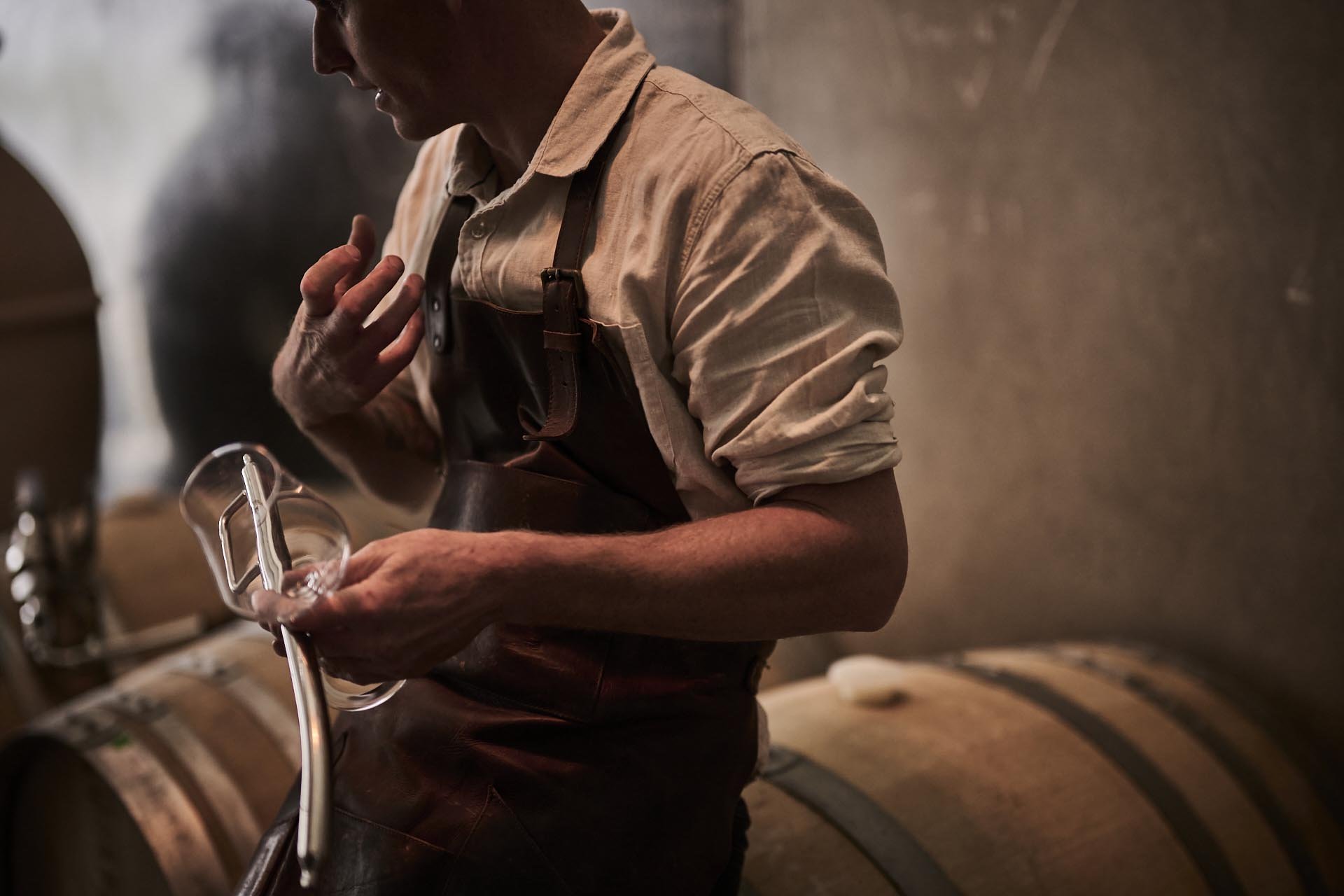
Lismore Estate Vineyards is described as a small estate winery in Central Otago with a cool-climate character. That setting is central to how the venue should be framed: rural, foothill-oriented and deliberately low-key. Rather than building the experience around a large visitor program, the estate’s identity is tied to small-batch production and a quieter sense of place. The cool-climate context also matters because it supports the idea of the winery as focused and considered, with attention directed toward the vineyard and the wines rather than toward a heavily programmed visitor offering.
What can be said confidently is that the estate sits at a $$$ price level, and that its positioning is more about serious winemaking than high-volume tourism. The price cue should be read as part of that more restrained identity: this is not presented as a casual mass-market stop, nor as a venue whose appeal depends on breadth of amenities. It is more useful to think of the $$$ positioning alongside the small-scale, rural and winemaking-led character already attached to the estate.
For readers, the main reason to note Lismore Estate Vineyards is its atmosphere and scale. It suits those who value a scenic, rustic and romantic rural wine setting, especially anyone looking for a more intimate Central Otago address rather than a busy hospitality campus. The word intimate is important here, because it points to the kind of experience implied by the available information: quieter, more personal in feel, and grounded in the landscape rather than in a list of add-ons. Readers seeking polished infrastructure may need to look carefully at the practical details, but those drawn to rural texture and small-production seriousness will understand the appeal.
A rural estate experience shaped by restraint
The atmosphere is quiet, scenic and vineyard-led in spirit, with a mountain-foothill estate character. This is the kind of place to consider if the appeal is the rural setting and the sense of small production, not a long list of added activities. The restrained nature of the venue is not a weakness in the editorial framing; it is the point. Lismore Estate Vineyards reads as a place where the surrounding rural character and the winery’s small-batch focus do the defining work.
Visitors should therefore check directly with Lismore Estate Vineyards before planning around specific services. That caution is especially important because the estate is not being described here as a broad hospitality complex with predictable visitor infrastructure. If timing, tastings, food or access arrangements are central to a trip, those details should be with the winery rather than assumed from the general Central Otago wine setting.
The strongest editorial framing is restraint: a small Central Otago estate winery with a tranquil, rustic mood and a focus on small-batch winemaking. That is enough to distinguish it from more tourism-driven wine venues without relying on claims. The estate’s appeal lies in the combination of quiet rural atmosphere, foothill setting and serious production language, all of which suggest a wine address that should be approached with measured expectations and an appreciation for simplicity.
How to place it in a wider wine itinerary
Lismore Estate Vineyards suits those looking for a focused, rural Central Otago wine address with a $$$, low-volume feel. It is less appropriate to describe it through menus, tasting formats, awards or named wine styles. The safer and more useful way to understand it is as a scenic, intimate estate winery with a serious small-batch identity. That makes it a considered entry on a wine itinerary rather than a catch-all recommendation for every type of traveller.
For broader trip planning, pair Lismore Estate Vineyards with other dining, wine and hospitality research in Central Otago, keeping in mind that confirmed details for this estate are intentionally limited. The main cues are its $$$ price level, cool-climate foothill setting, tranquil rural atmosphere and small-batch winemaking focus.
Recognition history
Dated appearances from independent guides and award organizations, with the underlying list record or original source where available.
Falstaff Winery - Listed
Falstaff
Continue exploring
More in Central Otago
Wineries in Central Otago
Browse all →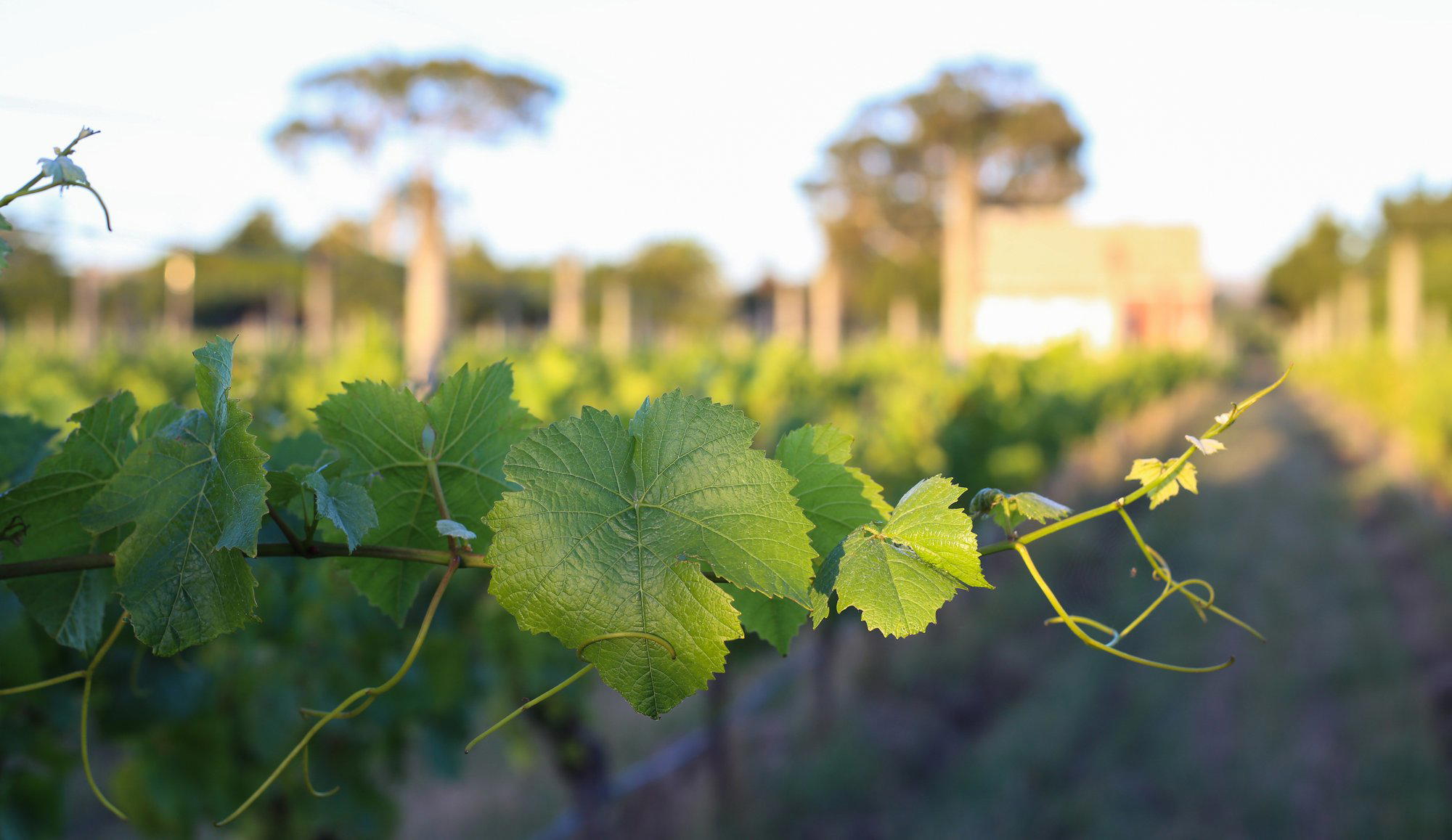
Bars in Central Otago
Browse all →
Restaurants in Central Otago
Browse all →

Hotels in Central Otago
Browse all →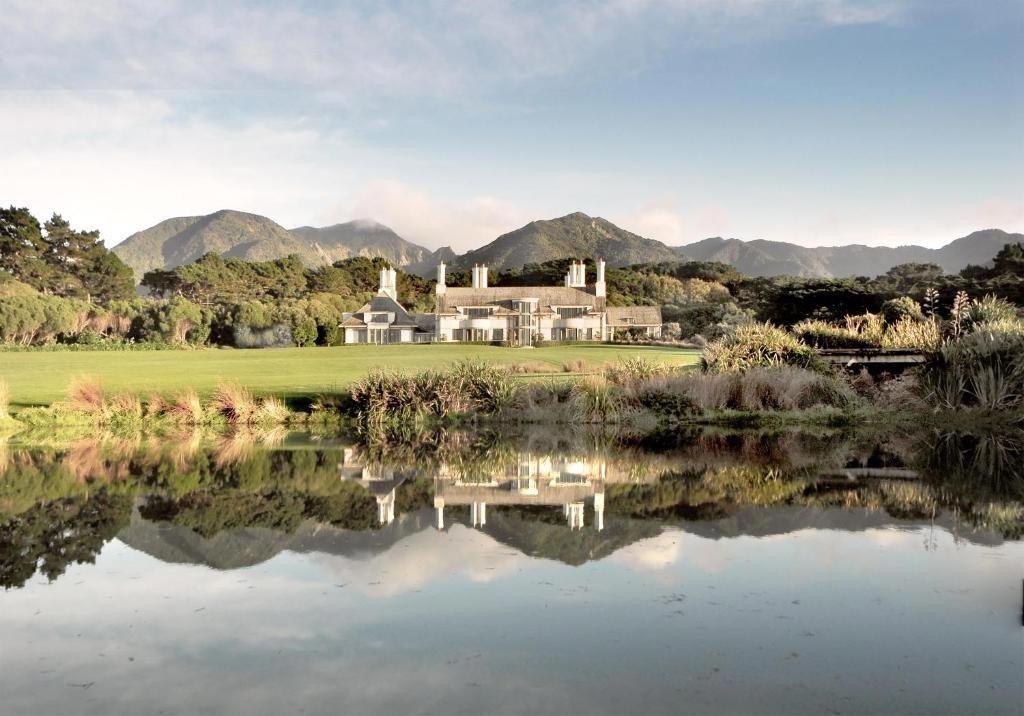
Details
- Scenic
- Rustic
- Intimate
- Romantic
- Romantic Getaway
- Solo Exploration
- Wine Education
- Group Outing
- Estate Grounds
- Panoramic View
- Vineyard Tour
- Sustainable
- Dry Farmed
- Mountain
- Vineyard
- Chardonnay
- Sauvignon Blanc
- Viognier
- Syrah
- Pinot Noir
- Still White
- Still Red
- Estate Tasting By Appointment
- Tasting Room Flights
- English
A small, mountain-foothill estate winery in the cool-climate Greyton ward, with a tranquil, rural atmosphere focused on serious, small-batch winemaking rather than tourism activities.