Rijk’s Wine Estate
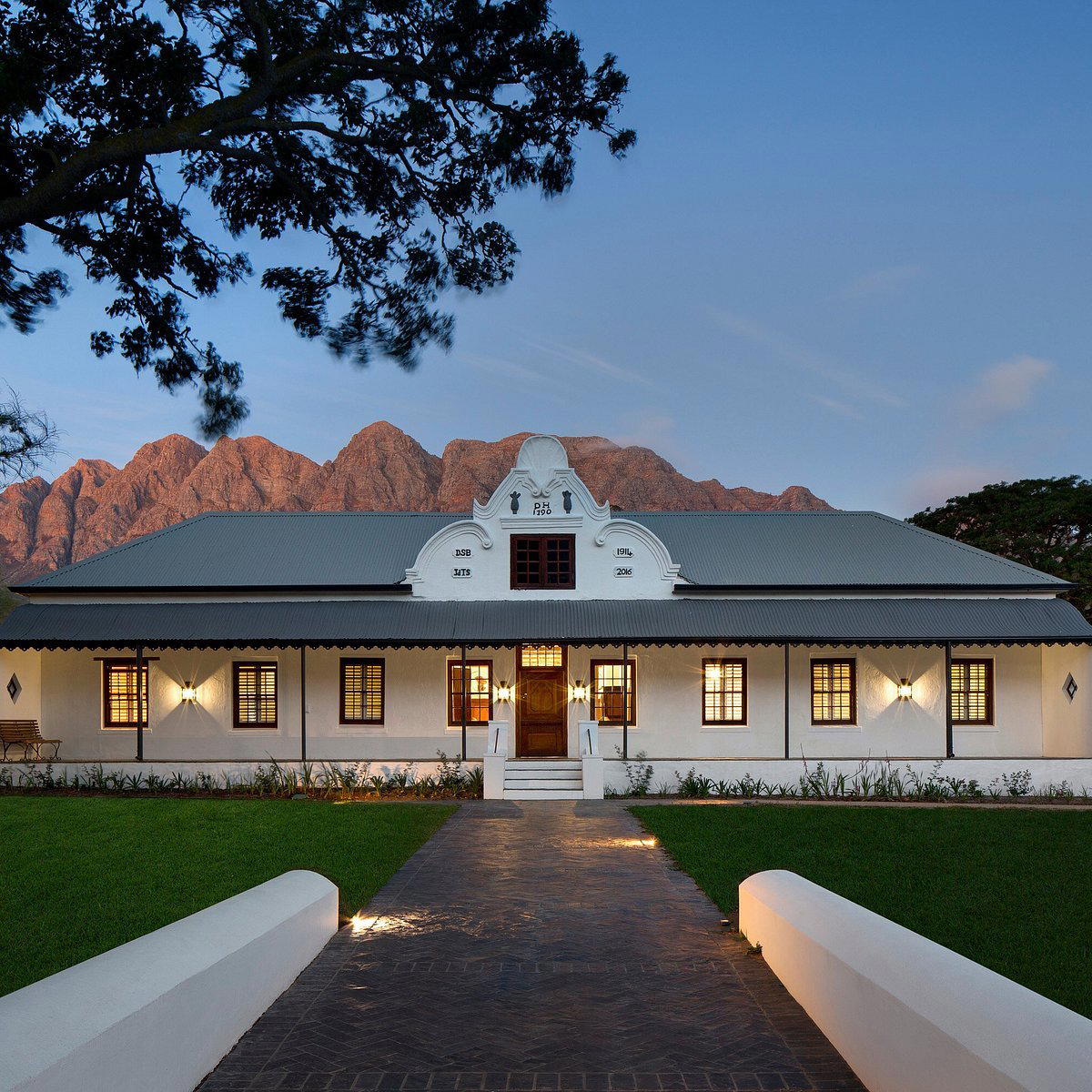
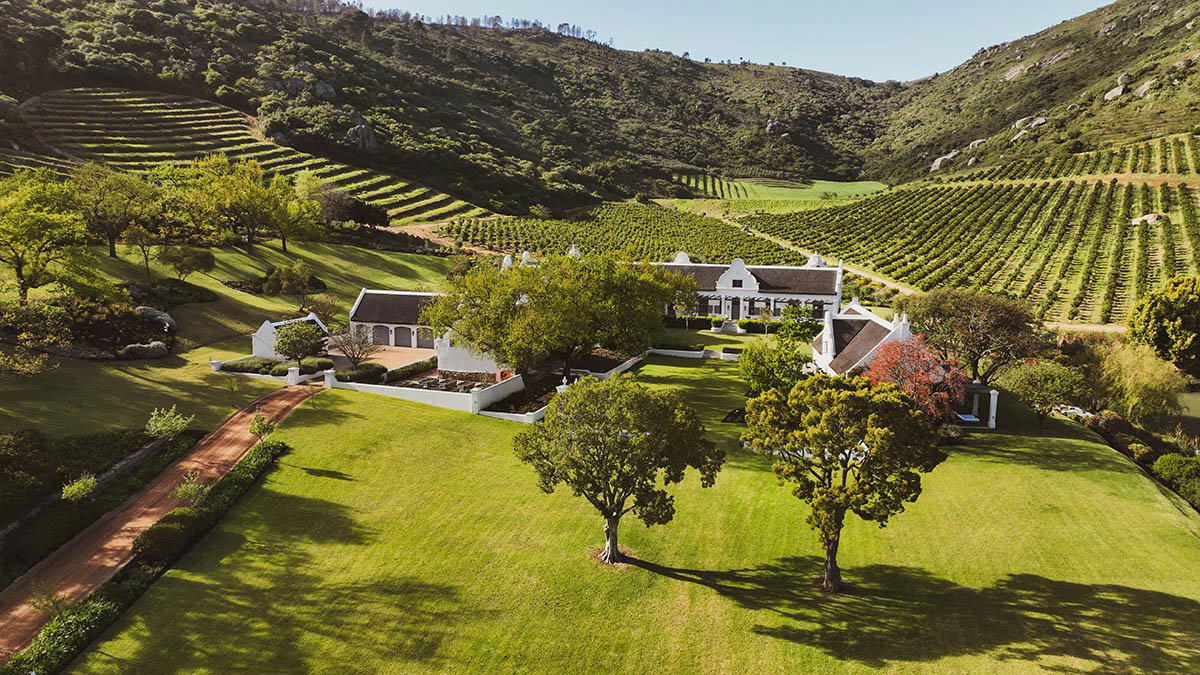
Rijk's Wine Estate sits in the Tulbagh Valley, one of the Cape Winelands' most geographically enclosed growing regions, where mountain walls and a semi-arid climate shape wine with a distinctly mineral character.. Tulbagh's relative quietness compared to Stellenbosch or Franschhoek makes it a deliberate destination rather than a passing stop.

Pearl is the En Primeur Club membership app — saves, bookings, and concierge access live there. Same editors, same standards.
- Address
- Rijks Cellar, Van der Stel street, Tulbagh, 6820
- Phone
- +27 23 230 1622
- Website
- rijks.co.za
- Directions
- Get directions
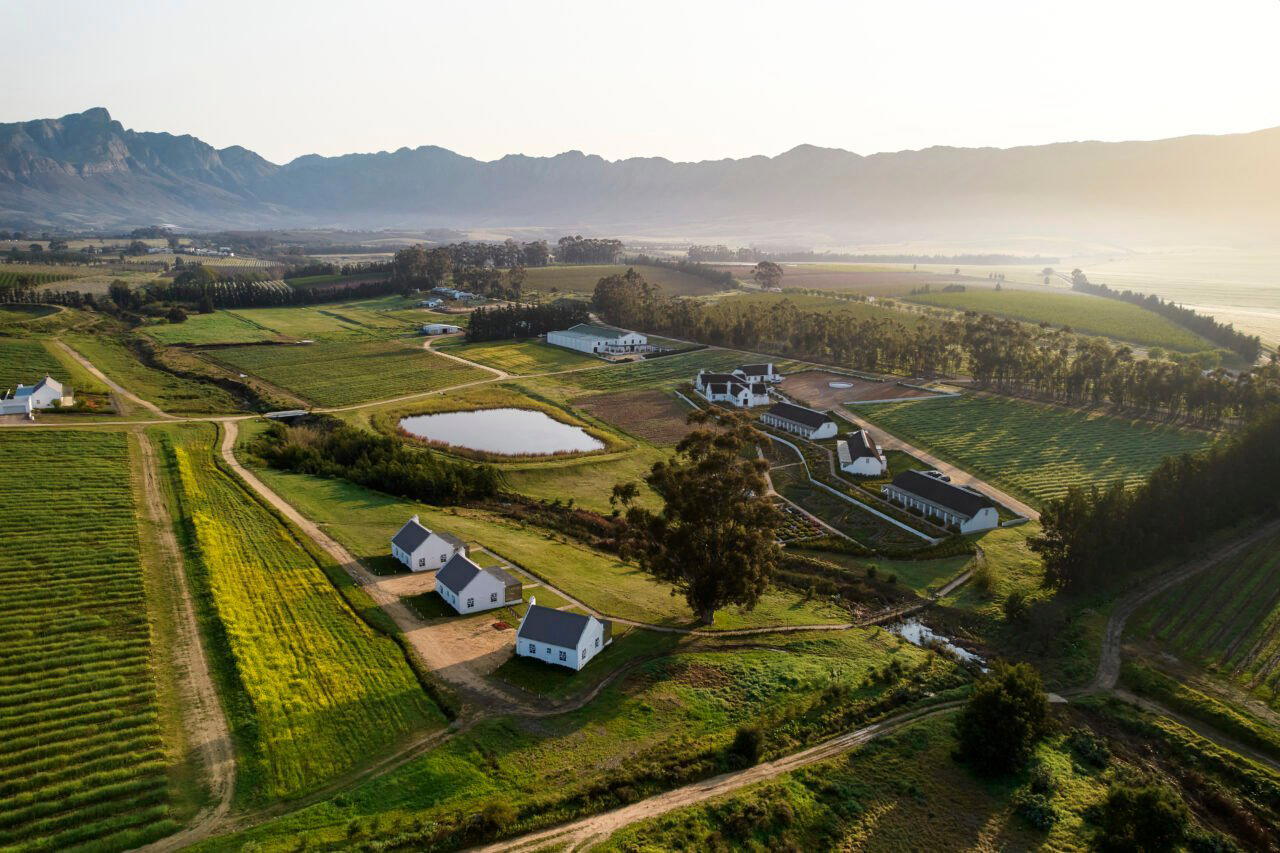
A Valley That Shapes Wine Before the Winemaker Does
Approach Tulbagh from the south and the geography announces itself plainly: the Winterhoek, Witzenberg, and Obiqua mountain ranges close in around the valley floor like a theatre in the round. The enclosure is not merely scenic. It is climatically consequential. Hot summer days accumulate heat faster here than in coastal-influenced regions, while cold nights, funnelled down from altitude, slow the ripening curve and preserve acidity in ways that a winemaker from Stellenbosch or Franschhoek would have to work much harder to replicate.
Tulbagh occupies a specific position in the wider Cape Winelands conversation. It is not a volume-production region. The valley's narrow footprint and the complexity of its soils, which shift between decomposed granite on the slopes and heavier clay-enriched alluvial material on the valley floor, make blanket approaches to viticulture unreliable. Producers who have committed to site-specific thinking rather than varietal formula tend to be the ones whose wines carry genuine regional identity. Rijk's belongs to that category of estate.
What the Land Contributes
In South Africa's wine geography, Tulbagh holds an unusual position: geographically close to the Swartland, yet climatically distinct from it. The Swartland's heat retention and predominantly schist-over-granite substructure produce wines with a density and spice profile that have attracted considerable international attention, particularly through producers like Sadie Family Wines in Swartland. Tulbagh, by contrast, runs cooler at night, and the mountain barrier affects wind patterns differently, giving wines from the valley a slightly different register, often leaner through the mid-palate, with more pronounced freshness on the finish.
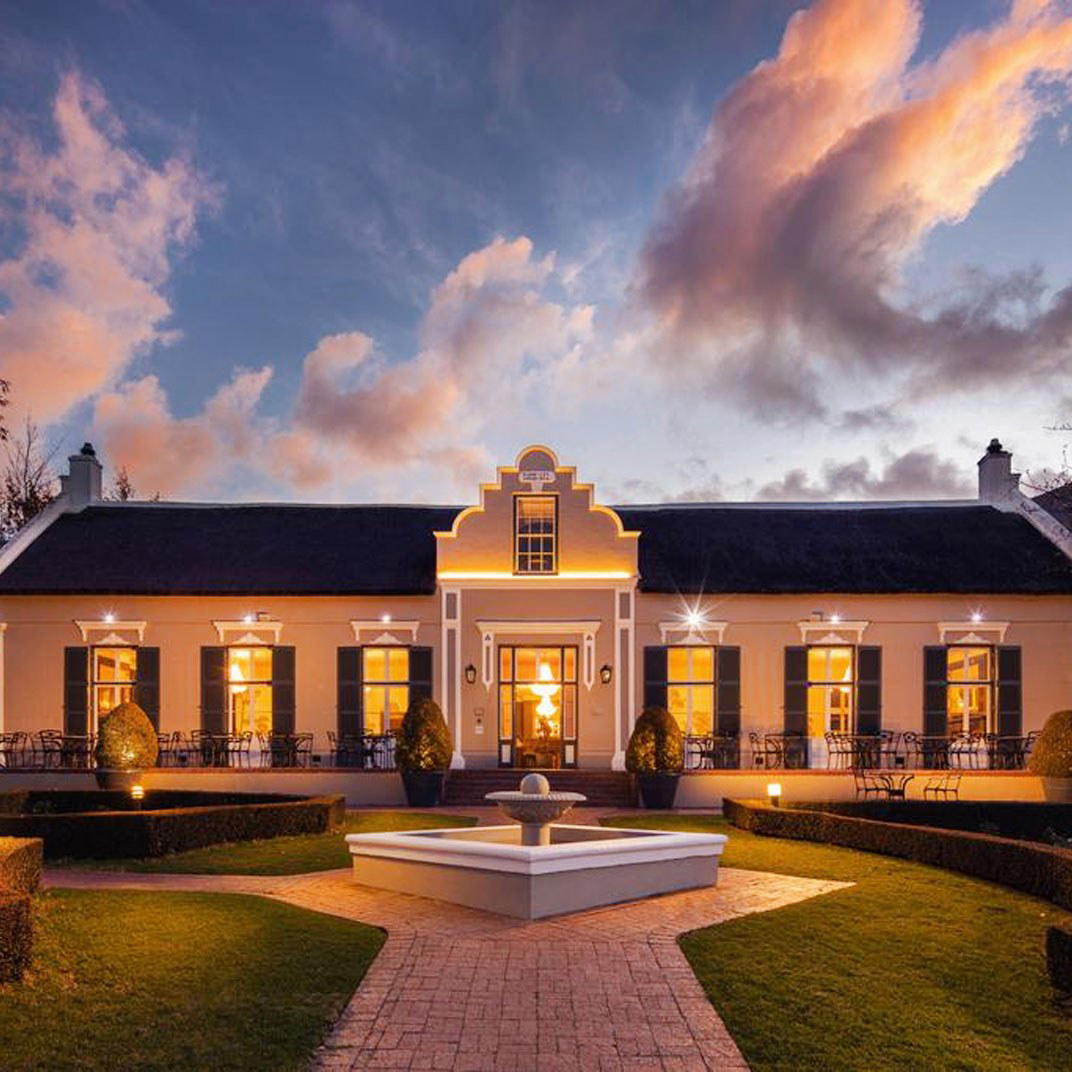
The specific Van der Stel Street address of Rijk's Cellar places it within the historic core of Tulbagh, a town that rebuilt its centre in Cape Dutch style after the 1969 earthquake and now holds one of South Africa's highest concentrations of nationally protected buildings on a single street. The physical setting carries context: estates in this valley are not recent arrivals chasing a trend. The wine culture here has deep roots, and contemporary producers operate within a tradition rather than in spite of one.
In a region where the international spotlight tends to fall on the Stellenbosch Cabernet houses and the Swartland's natural wine movement, a Tulbagh estate achieving this level of recognition is an argument for paying closer attention to the valley.
For reference, that calibration becomes clearer when you consider the range of Cape Winelands producers operating at the prestige tier: estates like Constantia Glen in Cape Town and Vergelegen Wine Estate in Somerset West have built reputations partly on the distinct character their growing conditions impose. Rijk's occupies a comparable logic, with Tulbagh's thermal amplitude and mountain-sourced water doing heavy lifting before a single decision is made in the cellar.
Comparison with other inland producers is instructive. Graham Beck Wines in Robertson demonstrates how a non-coastal, high-diurnal-range region can produce wines of precision and depth when the site is understood over decades.
Tulbagh in Context: Why the Drive Matters
Visitors accustomed to the well-trafficked wine routes of Franschhoek or Stellenbosch will notice immediately that Tulbagh operates differently. There are no major resort estates here, no high-volume tasting rooms processing hundreds of visitors on weekend afternoons. The valley's relative distance from Cape Town, roughly two hours by road through the R44 and R303 corridor, filters the casual day-tripper and means that most visitors arrive with some intention. That self-selection changes the character of a visit: the experience is quieter, more focused, and less mediated by the infrastructure of mass wine tourism.
This is a different proposition to, say, Babylonstoren in Franschhoek or Val de Vie Estate in Paarl, where the wine experience is embedded in a broader hospitality offering with hotels, restaurants, and gardens designed for extended stays. Tulbagh is not that. It is a working wine valley that happens to have one of South Africa's most architecturally intact historic towns at its centre. Rijk's fits naturally into a visit structured around wine rather than lifestyle spectacle.
Among the valley's producers, Saronsberg Cellar is the other name that regularly appears in prestige-tier discussions, and the two estates together define what serious Tulbagh wine production looks like. Visiting both in a single day gives a clear picture of how producers can work the same geography and arrive at wines with distinct characters, the kind of comparison that reveals terroir more clearly than any single tasting can.
Planning a Visit
Rijk's Wine Estate is located on Van der Stel Street in Tulbagh, within the protected historic precinct. The drive from Cape Town runs approximately two hours under normal conditions, making it a committed day trip rather than an afterthought added to a Stellenbosch itinerary. The town of Tulbagh itself, with its concentration of Cape Dutch architecture and small-scale dining, supports a full day's programme. Visiting in autumn, after harvest and before the winter rains, gives the valley its most photogenic and atmospheric conditions, though summer tastings allow visitors to see the vineyards in full growth. Because specific opening hours and booking details for Rijk's are not publicly listed through EP Club's database, direct contact with the estate or checking current information through local tourism resources before travelling is advisable. Readers building a broader Cape Winelands itinerary should consult our full Tulbagh restaurants guide for context on what the valley offers beyond the cellar door.
For those extending their wine country travels, the estate sits within reasonable driving range of other credentialed producers across the Western Cape: Neethlingshof Estate in Stellenbosch, Creation Wines in Hermanus, and Beaumont Family Wines in Bot River each represent different expressions of Cape terroir and make natural companions in a multi-day itinerary built around regional diversity rather than a single appellation.
Fast Comparison
Comparable venues nearby, for context on price, style, and recognition.
| Venue | Cuisine | Price | Awards | Notes |
|---|---|---|---|---|
| Rijk’s Wine EstateThis venue — the venue you are viewing | Syrah | Not listed | Not listed | Not listed |
| Saronsberg Cellar | Shiraz, Viognier | $20–30 | Falstaff Winery - Listed | Tulbagh |
| Plaisir de Merle | Cabernet Sauvignon, Merlot | Not listed | Not listed | Simondium |
| Waterford Estate | Cabernet Sauvignon, Chardonnay | $50–100 | Falstaff Winery - Listed | Helderberg |
| Rupert & Rothschild Vignerons | Merlot, Cabernet Sauvignon | Not listed | Falstaff Winery - Listed · We're Smart World 3 Radishes | Franschhoek Valley |
| Chamonix Wine Farm | Chardonnay, Pinot Noir | $30–50 | Falstaff Winery - Listed | Franschhoek |
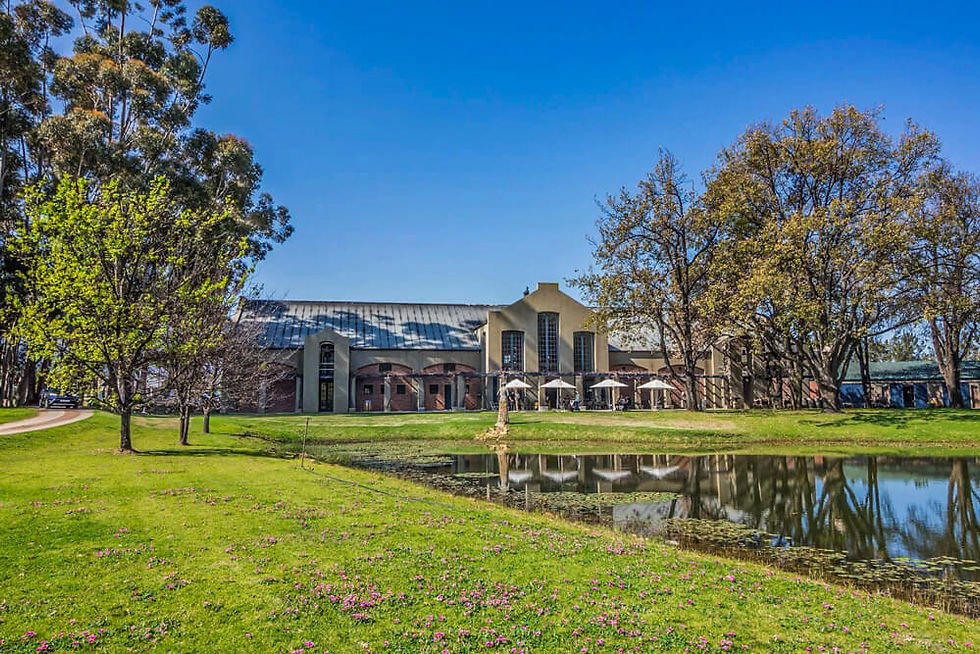

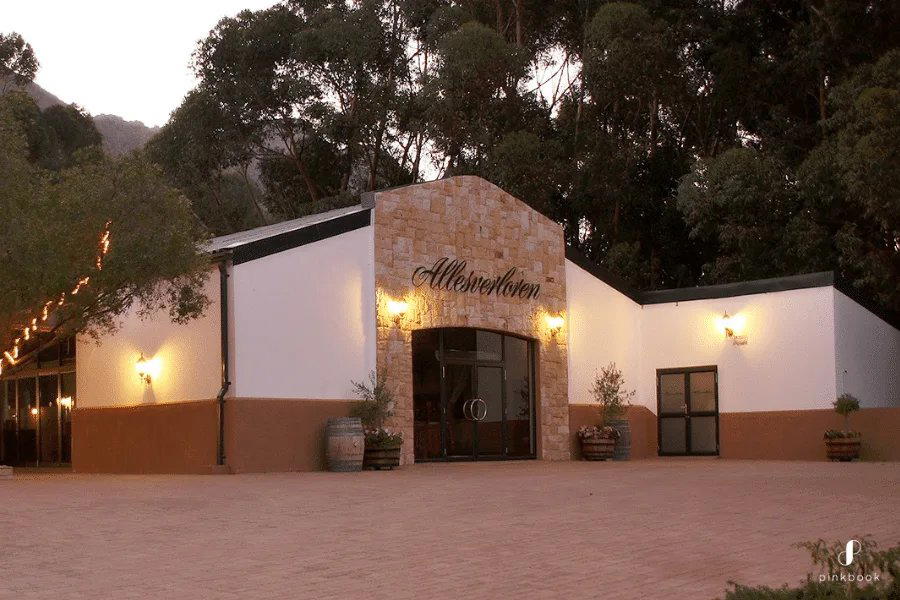
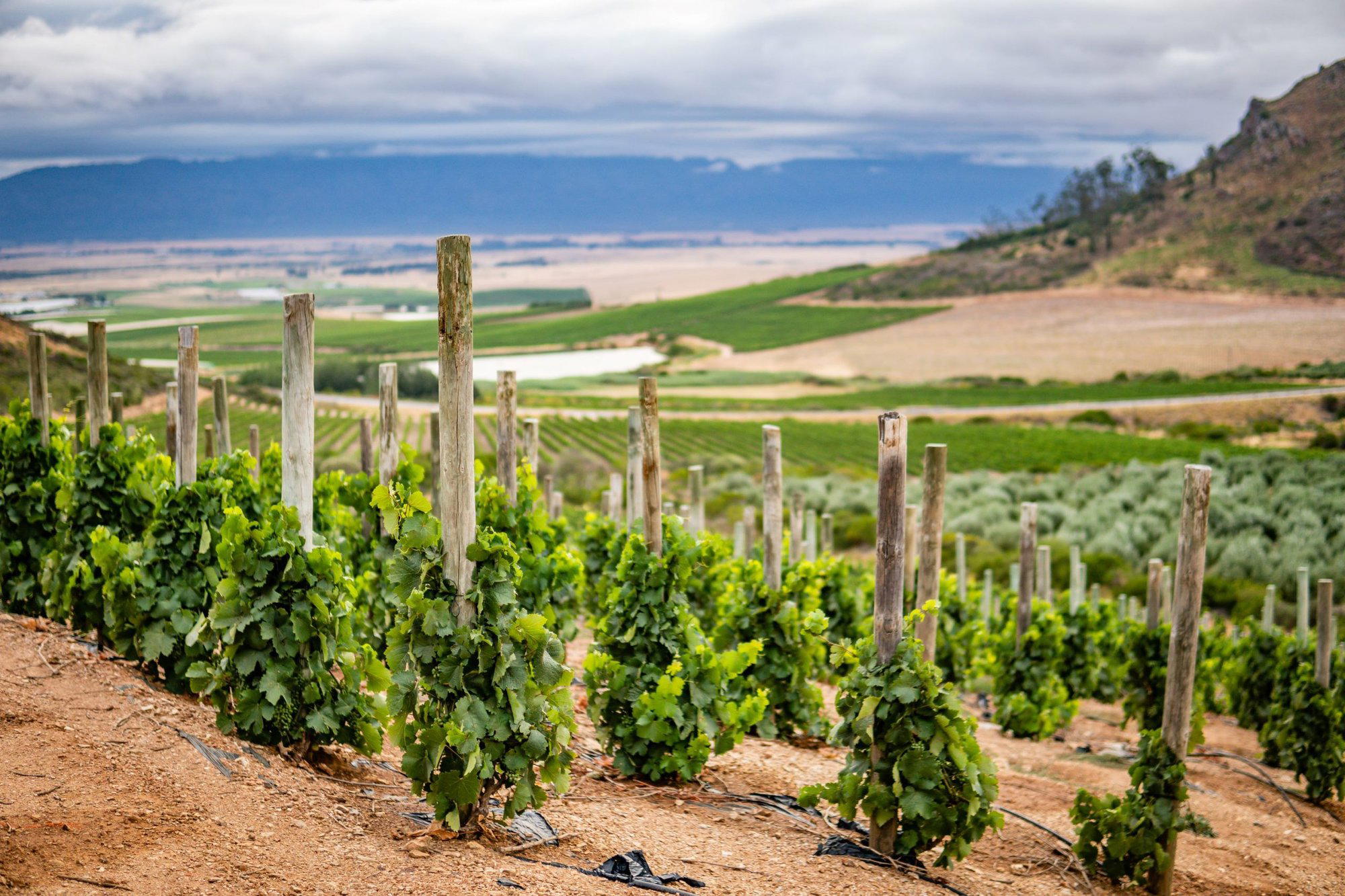
Details
- Scenic
- Rustic
- Romantic
- Elegant
- Romantic Getaway
- Group Outing
- Wine Education
- Vineyard Tour
- Estate Grounds
- Terrace
- Panoramic View
- Sustainable
- Mountain
- Vineyard
- Syrah
- Still Red
- Wine Tasting
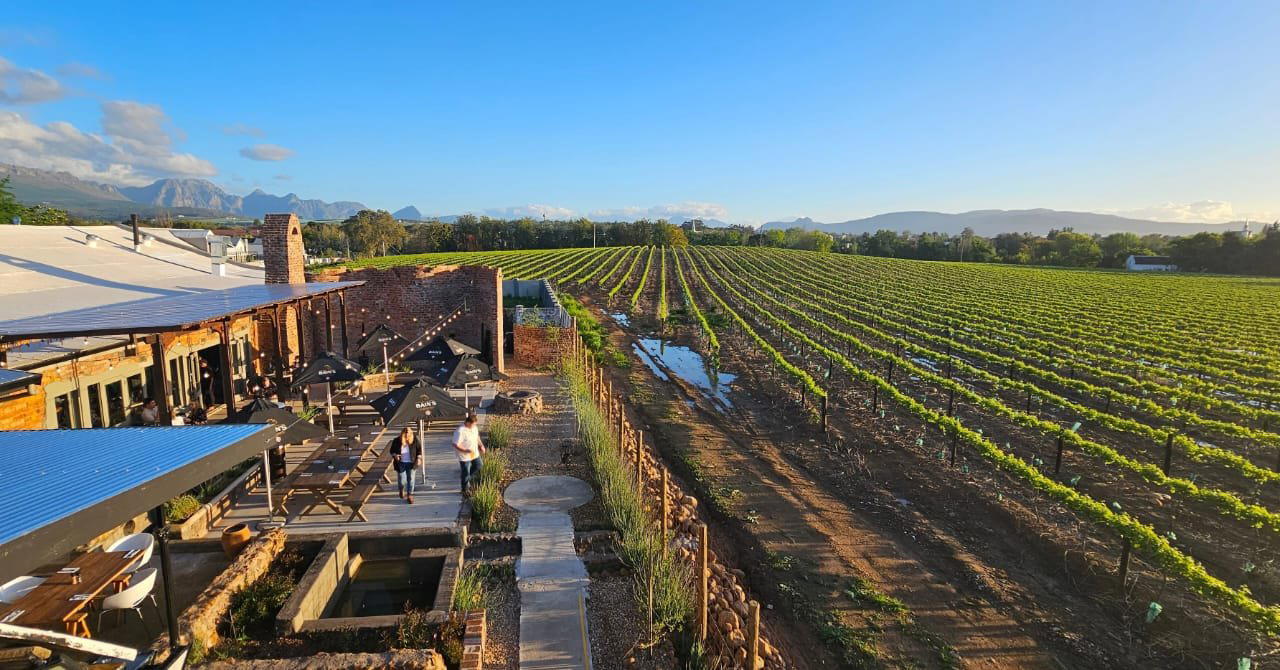
Tranquil and relaxing atmosphere with picturesque mountain and vineyard scenery, enhanced by warm hospitality and peaceful surroundings.