
Falstaff Winery - Listed
Quinta do Regueiro is a small Melgaço estate focused on age-worthy Alvarinho from altitude vineyards on granite soils. Founded in 1988 and now farming 12 hectares, it sits in the serious, site-driven corner of Vinho Verde, with Grandes Escolhas recognition for Producer of the Year 2019 and Alvarinho Barricas named Best White Wine.

Pearl is the En Primeur Club membership app — saves, bookings, and concierge access live there. Same editors, same standards.
- Address
- Melgaço, Viana do Castelo, Portugal
- Directions
- Get directions

In Melgaço, Quinta do Regueiro is best understood as a small, family-run estate focused on terroir-driven Alvarinho. The profile is narrow but distinctive: granite-soil vineyards at altitude, a quiet rustic character, and wines framed around minerality, acidity and long bottle aging. That combination gives the estate a clear identity without needing to lean on a broad hospitality story or a long list of external claims. It reads as a place where the essentials are the site, the grape and the patient expression of both.
Rather than treating Alvarinho only as a young, brisk white, the estate’s identity points toward structure and patience. The available information supports a picture of a hidden-gem producer with a classic, sophisticated feel, where site and grape expression matter more than spectacle. For drinkers who already associate Melgaço with serious Alvarinho, that positioning is easy to understand: Quinta do Regueiro sit firmly on the side of restraint, mineral definition and age-worthy balance, rather than immediate showiness.
Granite, altitude and Alvarinho with bottle life
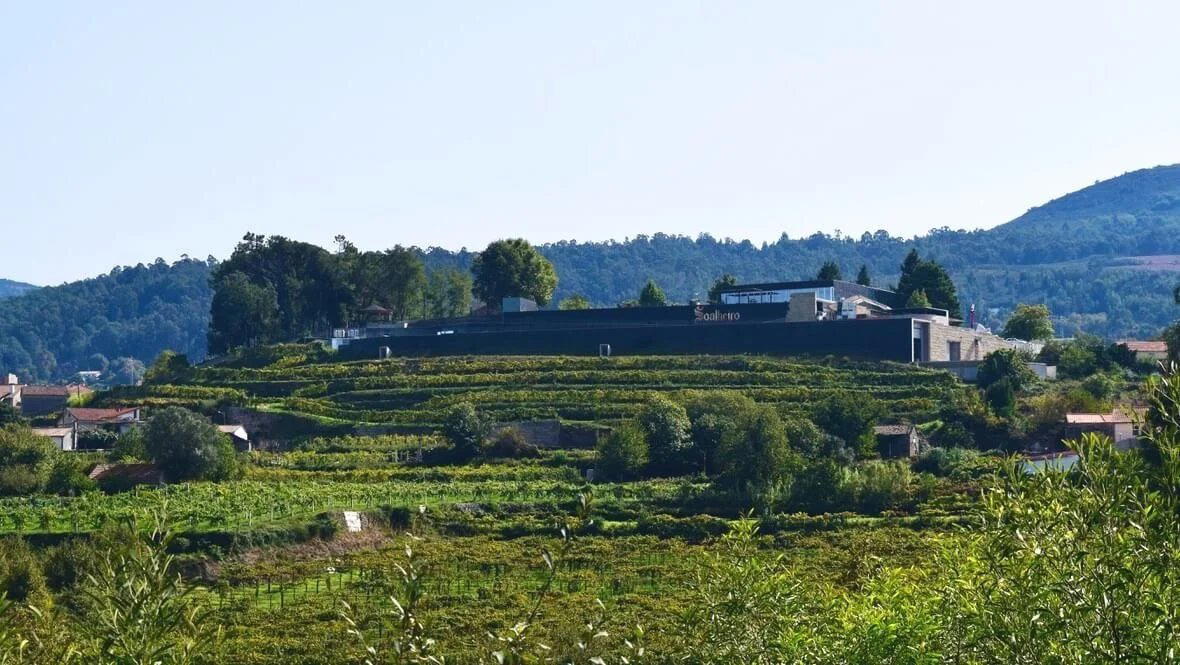
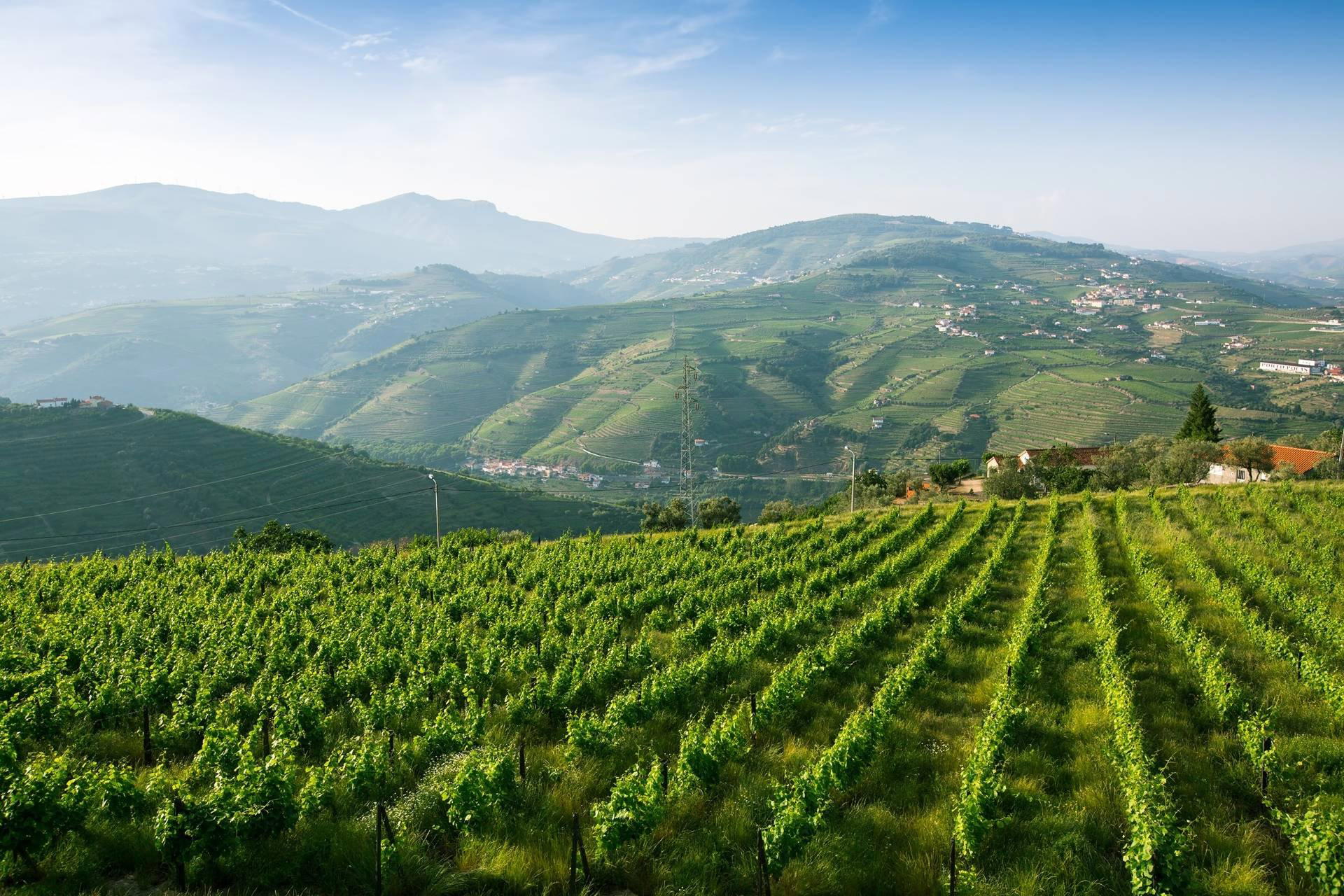
The clearest grounded way to read Quinta do Regueiro is through its place: Alvarinho grown from granite soils at altitude in Melgaço. Those conditions are central to the estate’s stated personality, with emphasis on mineral character, bright acidity and the capacity for longer bottle aging. The granite-and-altitude framing is not just background geography; it is the lens through which the wines should be understood. It suggests freshness, tension and a more structural reading of Alvarinho, with the grape’s aromatic and textural qualities shaped by a cooler, more refined setting.
What can be said with confidence is that the estate’s appeal rests on terroir-driven Alvarinho rather than a broad or highly commercialized identity. That focus is important because it keeps the story compact and legible. Quinta do Regueiro is not presented as a catch-all destination, nor as a place defined by volume, variety or spectacle. Its strongest argument is narrower: Alvarinho, Melgaço, granite soils, altitude and the sense that the resulting wines are built with enough acidity and mineral line to develop in bottle.
For travelers and drinkers interested in Portuguese white wine, that makes Quinta do Regueiro a focused stop: quiet, classic and rooted in a granite-and-altitude expression of Melgaço Alvarinho. It is the kind of producer to approach with attention to detail rather than expectation of grand scale. The reward, based on the information available, lies in seeing how a small estate can make a specific place feel coherent through a single grape variety and a restrained, age-conscious style.
A small estate with a quiet, classic profile
Its strongest grounded credentials are more elemental: family scale, Melgaço origin, altitude vineyards, granite soils and a style associated with minerality, acidity and age-worthiness. These are not flashy descriptors, but they are meaningful ones. Together they point to a producer whose appeal is built from fundamentals rather than from decoration. The family-run aspect reinforces the sense of intimacy, while the Melgaço setting and vineyard conditions supply the more technical foundation for the wines’ character.
The price range is listed as $$, suggesting a moderate positioning rather than a luxury-only framing. That matters because it places the estate in a space that can feel accessible while still carrying a serious, classic tone. Nothing in the available information requires presenting Quinta do Regueiro as either casual or extravagant. The more accurate reading is a measured one: a focused Alvarinho estate with enough sophistication to interest dedicated wine drinkers, but not framed as a high-end-only experience.
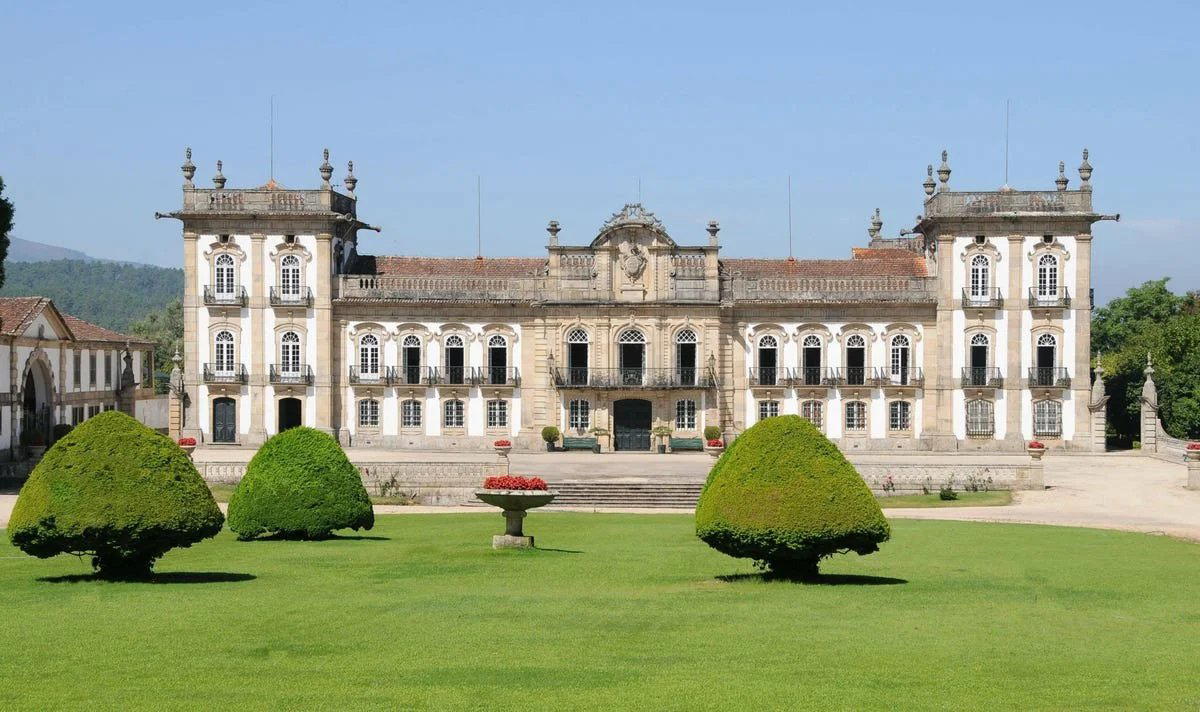
The overall mood is quiet, rustic and somewhat hidden-gem in character, with enough sophistication to appeal to visitors who want a classic Alvarinho estate rather than a high-gloss venue. The rustic element should not be mistaken for a lack of seriousness. Here, it reads more like understatement: a rural feel, a family scale and a preference for the wine itself to carry the argument. For visitors who value authenticity of place, that understated profile is part of the attraction.
How to read Melgaço through the glass
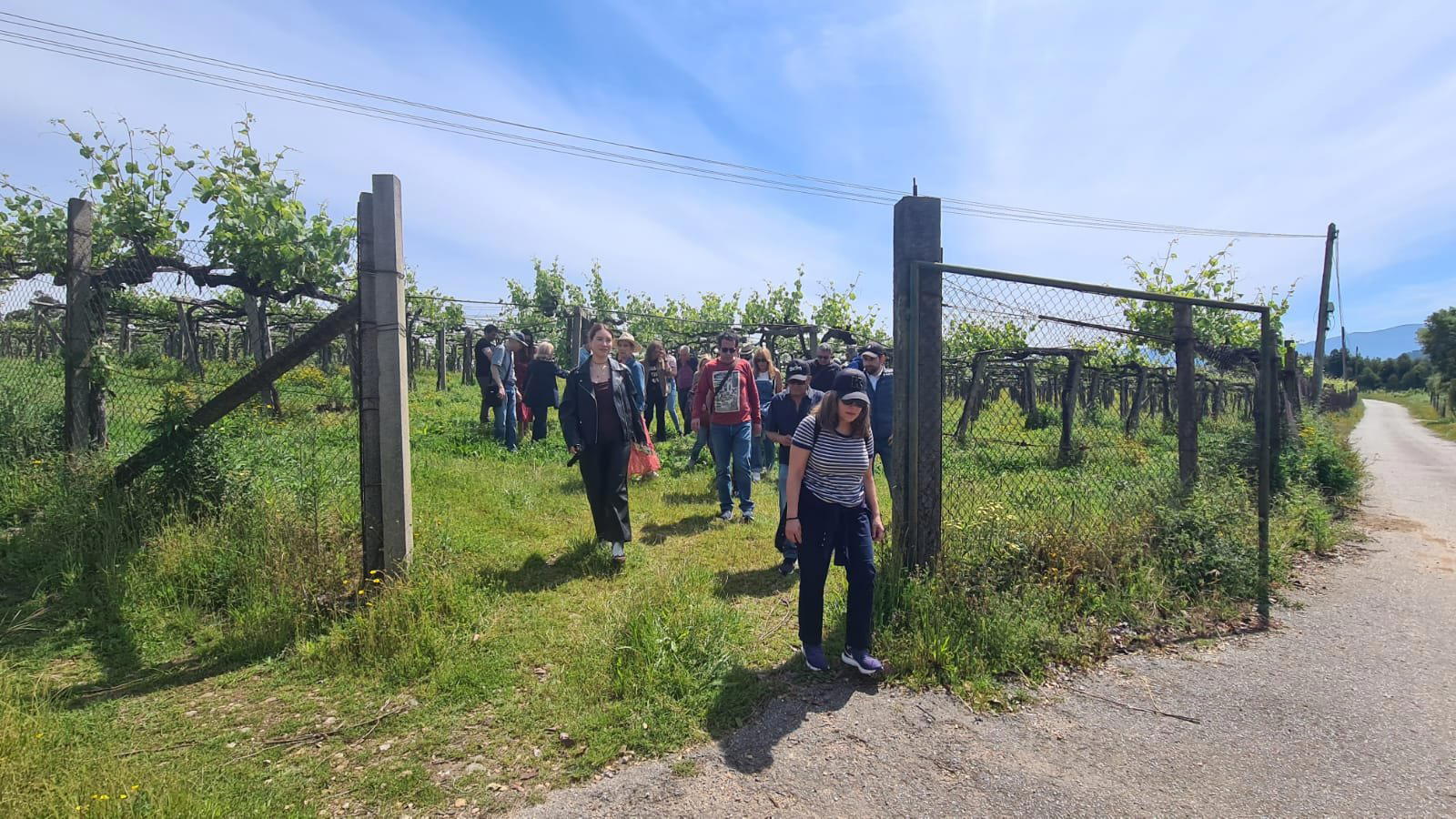
A visit or tasting plan around Quinta do Regueiro should be approached as a Melgaço Alvarinho experience, centered on place rather than on claims about formats, schedules or services. The most reliable reason to pay attention is the estate’s terroir-driven reading of Alvarinho from granite soils at altitude. In practical terms, that means going in with the expectation of clarity rather than breadth: the central story is not a wide-ranging program, but a precise expression of one area, one grape and a set of conditions that favor freshness, minerality and bottle life.
Melgaço also offers other dining and wine-related options, but specific comparisons are not needed to understand Quinta do Regueiro’s role. Its identity is already clear enough: a small, family-run estate with a quiet rural feel and a focus on mineral, age-worthy Alvarinho. That clarity is useful for planning, because it helps set expectations. Quinta do Regueiro is best read as one of those producers whose interest comes from definition: a limited frame, carefully held, rather than a sprawling offer that needs extensive explanation.
For broader planning, use Quinta do Regueiro as one point in a Melgaço itinerary and confirm practical details directly before visiting. The information supports the estate’s character and price level, but not specific claims about opening hours, appointment requirements, tours, languages or individual bottlings. Keeping to what is known makes the recommendation stronger. Quinta do Regueiro stands on a simple, grounded proposition: family scale, granite soils, altitude, Melgaço Alvarinho and a quiet style shaped by minerality, acidity and patience in bottle.
Recognition history
Dated appearances from independent guides and award organizations, with the underlying list record or original source where available.
Falstaff Winery - Listed
Falstaff


Details
- Quiet
- Rustic
- Sophisticated
- Classic
- Wine Education
- Special Occasion
- Group Outing
- Solo Exploration
- Vineyard Tour
- Estate Grounds
- Design Destination
- Historic Building
- Sustainable
- Vineyard
- Alvarinho
- Albariño
- Still White
- Sparkling
- Wine Tasting
- Portuguese
- English
- Spanish
A small, family-run estate focused on terroir-driven Alvarinho, with granite-soil vineyards at altitude and an emphasis on minerality, acidity, and long bottle aging.