
One of the Douro Valley's most respected Port houses, Niepoort operates its lodge on the Vila Nova de Gaia waterfront with a depth of archive wines and a reputation that sits at the serious end of the appellation's visitor circuit. A Pearl 3 Star Prestige rating in 2025 positions it firmly within the upper tier of Gaia's winery experiences, alongside a small peer group defined by technical rigour and significant cellar history.
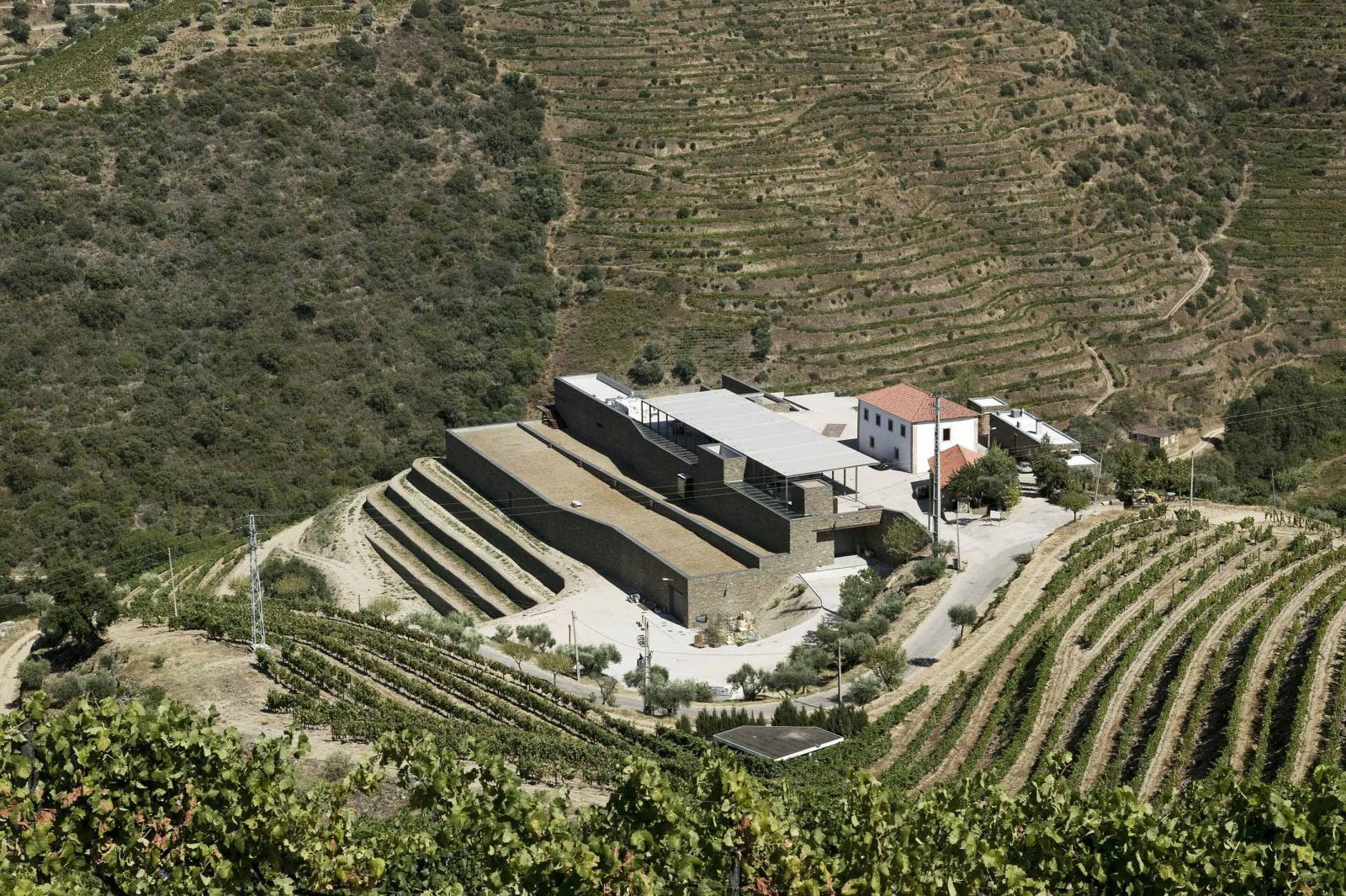
The Lodge on the Left Bank
The south bank of the Douro, Vila Nova de Gaia, holds more Port wine under its rooftops than almost any other stretch of riverfront in the world. The distinctive white-lettered lodges climbing the hillside from the water are a working archive of the appellation, and Niepoort's address on Rua de Serpa Pinto places it within that concentration. Approaching from the riverside promenade, the density of cellars and tasting spaces is immediately apparent: this is not a wine region that keeps its production at arm's length from its visitors. The lodges are the attraction, and they compete on the seriousness of what they hold inside.
Within that peer group, which includes houses such as Graham's Port, Cockburn's Port, Churchill's, Sandeman, and Real Companhia Velha, Niepoort occupies a particular position: a family-owned, relatively small-volume house that has accumulated disproportionate critical attention relative to its output. Its 2025 Pearl 3 Star Prestige award reflects that standing, placing it in a tier where the depth of provenance and the specificity of the tasting offer matter more than visitor throughput.
Food Pairing and the Architecture of a Tasting Visit
The Gaia lodge experience has evolved considerably over the past decade. Where visitor programmes once defaulted to a cellar walk followed by a brief pour, the upper end of the market has shifted toward structured food-and-wine pairing formats that treat Port as a gastronomic subject in its own right. This is a more honest way to encounter Port: the wine was built to accompany food, and its sweetness, acidity, and fortification all come into sharper focus alongside the right pairings.
Niepoort's position at the serious end of this spectrum means that a visit is unlikely to feel like a cursory pass through the lodge. Houses at this tier typically build tasting programmes around vertical flights, aged Tawnies against varying styles of cheese, Vintage and LBV alongside dark chocolate preparations, and White Port formats matched to savoury courses or aperitif contexts. The logic of these pairings is not incidental: aged Tawny's oxidative, nutty register works directly against hard mountain cheeses and dried fruit in ways that are demonstrably different from the fruit-forward structure of a young Ruby or LBV. When houses at this level invest in the pairing programme, they are making an argument about how Port should be understood, not simply offering a hospitality format.
For visitors planning their time in Gaia, this distinction matters practically. A mid-tier lodge visit and a premium pairing experience at a house with significant library stock represent different commitments of time and money, and they produce different levels of comprehension. The presence of older vintages and aged Colheitas in a tasting flight transforms the experience from an introduction to the category into something closer to an education in what the wines become over time.
Where Niepoort Sits in the Gaia Hierarchy
Vila Nova de Gaia's lodge district has a clear stratification, even if it is not always legible to first-time visitors. At one end sit the large heritage houses with extensive visitor infrastructure, café operations, and museum-style cellar tours designed for high volume. At the other end sit the smaller, older family houses with deep archive cellars, appointment-focused tasting formats, and reputations built almost entirely on the quality of what is in the bottle.
Niepoort belongs to the second group. The house is Dutch-founded and has operated across multiple generations, which places it among the longest-standing independent Port producers still operating from the left bank. That independence matters in a category where consolidation among the largest shippers has been significant: several major Gaia names now sit inside international drinks conglomerates, which affects both production philosophy and the character of the visitor experience. A family-controlled house at this scale operates with a different set of priorities.
The 2025 Pearl 3 Star Prestige recognition is a meaningful signal in context. At the level where Niepoort operates, awards function less as marketing tools and more as confirmation for the existing audience of serious wine visitors that the house maintains its standards. Peer houses with comparable prestige ratings in the region, such as those recognising depth in the Douro's table wine production as well as fortified formats, include properties with similarly long independent histories.
Niepoort Beyond Port
One element that distinguishes Niepoort from several of its Gaia neighbours is the breadth of its production identity. While the house is anchored in Port, it has also developed a serious reputation for Douro table wines, particularly in the context of Portugal's broader fine wine movement over the past twenty years. This dual identity has made it a reference point in discussions about what the Douro Valley can produce outside the fortified category, and it means that a tasting visit can cover a wider range of the region's potential than a Port-only house would offer.
This context places Niepoort in an interesting comparative position relative to operations elsewhere in Portugal. Houses like Bacalhôa Vinhos in Azeitão and Herdade do Esporão in Reguengos de Monsaraz have built comparable reputations for estates that straddle heritage and contemporary wine thinking. Further afield, the model of a historic lodge or estate with a serious visitor hospitality programme has parallels at Blandy's Wine Lodge in Funchal for Madeira, and at Abadía Retuerta in Sardón de Duero for the Iberian premium wine estate format more broadly. Even Aberlour in Aberlour operates on a comparable logic in a different category: heritage production with a visitor experience calibrated to serious enthusiasts rather than casual trade.
Planning a Visit to Niepoort
Vila Nova de Gaia is directly across the Douro from Porto and is accessible on foot via the Dom Luís I bridge or by metro, making it a natural half-day addition to any Porto itinerary. The lodge district is compact enough to visit two or three houses in a single afternoon, though doing so at the premium tier requires planning rather than spontaneous drop-in visits. Houses operating at Niepoort's level typically require advance booking for their structured tasting programmes, and allocating a minimum of ninety minutes allows the pairing format to unfold at a pace that is worth the visit.
For a broader survey of what Gaia offers beyond the lodges, our full Vila Nova de Gaia wineries guide maps the full range of producers and formats available. Those extending their stay will find context in our Vila Nova de Gaia restaurants guide, hotels guide, bars guide, and experiences guide for a complete picture of the left bank's offer.
Frequently Asked Questions
- What wine is Niepoort famous for?
- Niepoort has built its reputation across both Port and Douro table wines. Within the Port category, the house is particularly associated with aged Tawny and Colheita formats, as well as Vintage Port. Its work with Douro table wines has also drawn significant attention, positioning the house as a reference point for the region's broader fine wine potential beyond fortified styles. The 2025 Pearl 3 Star Prestige award reflects the depth of that combined offer.
- Why do people go to Niepoort?
- Visitors come to Niepoort primarily because of the house's standing as one of the left bank's serious independent producers, with a cellar depth and production identity that differs from the larger, more commercially oriented Gaia shippers. The combination of historic Port stock, Douro table wines, and a structured tasting format at the premium tier makes it a destination for visitors who want more than a brief introduction to the category. Its location on Rua de Serpa Pinto, within easy reach of central Gaia's lodge district, makes it direct to include in a broader Douro itinerary.
- Is Niepoort reservation-only?
- Houses at the premium tier in Gaia, particularly those with structured pairing programmes and archive tastings, generally operate on a booking-required basis for their principal visitor formats. Whether Niepoort requires advance reservation for all visit types is not confirmed in available data. Given the Pearl 3 Star Prestige positioning and the premium format implied by that rating, contacting the house directly before visiting is advisable. Walk-in availability, if it exists, is more likely to cover basic formats than the deeper tasting experiences the house is known for.
Peers Worth Knowing
A quick snapshot of similar venues for side-by-side context.
| Venue | Classification | Awards | First Vintage | Notes |
|---|---|---|---|---|
| Niepoort | 1 awards | This venue | ||
| Graham's Port | World's 50 Best | |||
| Churchill's | 1 awards | |||
| Cockburn's Port | 1 awards | |||
| Real Companhia Velha | 1 awards | |||
| Sandeman | 1 awards |
Access the Cellar?
Our members enjoy exclusive access to private tastings and priority allocations from the world's most sought-after producers.
Access the Concierge