Real Companhia Velha

One of the Douro Valley's oldest Port houses, Real Companhia Velha carries a lineage stretching back to 1756 and holds a Pearl 3 Star Prestige award for 2025. Its lodges in Vila Nova de Gaia place it among the most historically grounded addresses on the south bank of the Douro, where Port's story has been told for centuries. A reference point for understanding how the region's wine culture evolved.
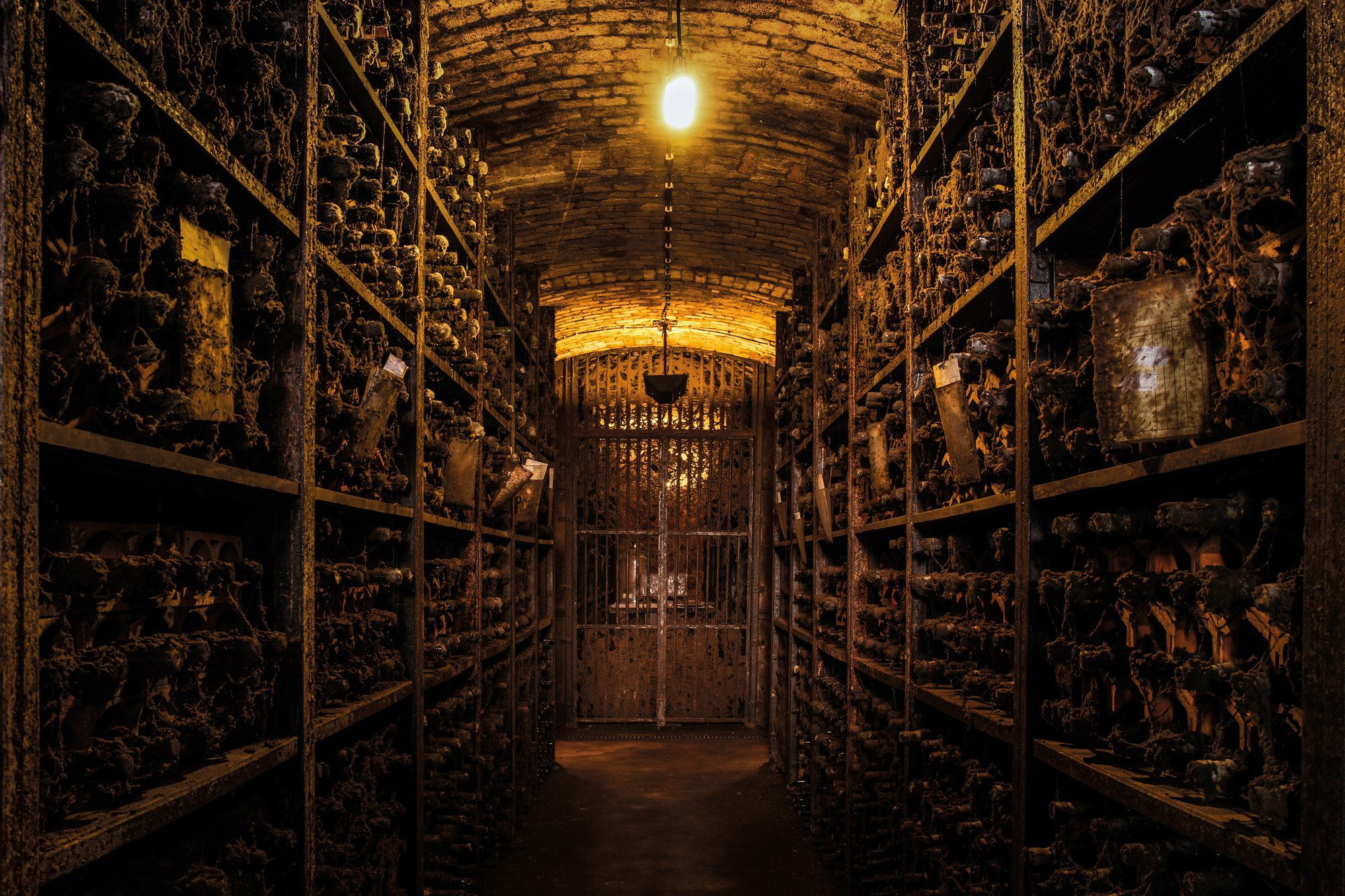
Where Port History Takes Physical Form
The south bank of the Douro, in Vila Nova de Gaia, is where Port wine stops being an abstraction and becomes stone, barrel, and river light. The lodges here — long, low-slung buildings that follow the hillside down to the water — have been ageing wine since the eighteenth century, and the air inside them carries that accumulation: wood, must, the particular stillness of a space calibrated around patience rather than spectacle. Real Companhia Velha sits within this tradition not as a newcomer positioning itself against it, but as one of its original architects. Founded in 1756 by royal charter , the same era that saw the Marquis of Pombal attempt to regulate the entire Douro wine trade , this house predates most of the institutions that now define the region's identity.
That founding context matters. The demarcated Douro region, established in 1756, is one of the oldest protected wine appellations in the world, and Real Companhia Velha was created specifically to operate within it. The company's full name, Real Companhia Velha (the Royal Old Company), points directly to that chartered origin. Arriving at Rua Azevedo Magalhães in Gaia, you are approaching a physical address that has been part of Portuguese wine commerce for longer than most wine regions have existed as formal categories.
Gaia's Lodge Culture and Where This House Sits Within It
Vila Nova de Gaia is often framed as Porto's shadow, the city across the river. In wine terms, the relationship inverts: Gaia holds the lodges, the ageing cellars, the tasting rooms, and the accumulated inventory that makes Port trade possible. The grapes grow upstream in the Douro Valley's schist-terraced quintas, but the wine matures here, in conditions shaped by Atlantic influence and the particular microclimate of the riverbank warehouses.
The lodge district is dense with historic houses. [Churchill's](/wineries/churchills-vila-nova-de-gaia-winery), [Cockburn's Port](/wineries/cockburns-port-vila-nova-de-gaia-winery), [Graham's Port](/wineries/grahams-port-vila-nova-de-gaia-winery), [Niepoort](/wineries/niepoort-vila-nova-de-gaia-winery), and [Sandeman](/wineries/sandeman-vila-nova-de-gaia-winery) all operate from addresses within walking distance of each other, which creates an unusual situation for a wine traveller: you can move through centuries of Port history in an afternoon. Within this peer set, Real Companhia Velha occupies a distinct position. While British-founded houses dominate Gaia's roster, this is a Portuguese-chartered institution with a founding mandate tied directly to the Crown's attempt to control wine exports. That lineage gives it a different cultural register from the Anglo-Portuguese shipper houses that built much of the trade.
Its 2025 Pearl 3 Star Prestige award places it in the upper tier of recognition on the EP Club scale, among Gaia's most credentialed addresses. That rating reflects accumulated quality signals rather than a single vintage or recent renovation, which is consistent with how these older houses tend to build their reputations: slowly, through production depth rather than marketing moments.
The Cultural Weight of a Royal Charter
To understand Real Companhia Velha's place in Portuguese wine culture, it helps to understand what the 1756 demarcation actually meant. The Marquis of Pombal's intervention was a commercial and political act: it defined where Douro wine could legally originate, set quality benchmarks, and attempted to stabilise prices in a trade that had become chaotic. Real Companhia Velha was the instrument through which the Crown sought to manage that trade. It held monopoly powers over Port wine exports and brandy supply for much of the eighteenth century, which made it a central , and frequently contentious , figure in the region's economic life.
That history is not merely archival. It shaped how the house built its production relationships with quintas across the Douro, and how it developed the broad portfolio of Port styles that characterise it today. Houses with this kind of vertical history tend to hold older wine stocks than newer operations can, and their aged tawnies and vintage declarations often reflect that depth. When you visit a lodge of this age, you are not simply tasting wine; you are accessing a production archive that spans multiple generations of winemaking decisions.
Port Styles and What They Reveal About the Producer
Port is not a single wine. The category spans ruby styles (including vintage, late-bottled vintage, and crusted ports) that preserve fruit character through reductive ageing, and tawny styles that develop oxidatively in small oak pipes, shifting over years or decades toward dried fruit, nut, and caramel notes. A house with Real Companhia Velha's age and scale typically maintains both tracks at significant depth, including colheita ports (dated tawnies from a single harvest) that require extended lodge ageing before release.
The Douro also produces unfortified table wines from the same indigenous varieties , Touriga Nacional, Touriga Franca, Tinta Roriz among them , and the region's better-known producers have increasingly positioned these alongside their Port ranges. Understanding where Real Companhia Velha sits in that dual production context requires direct engagement with the lodge, which is precisely what a Gaia visit enables.
For comparative reference across Portugal's premium wine addresses, [Bacalhôa Vinhos in Azeitão](/wineries/bacalha-vinhos-azeito-winery) and [Herdade do Esporão in Reguengos de Monsaraz](/wineries/herdade-do-esporo-reguengos-de-monsaraz-winery) represent the Setúbal and Alentejo traditions respectively, while [Blandy's Wine Lodge in Funchal](/wineries/blandys-wine-lodge-funchal-winery) offers a useful structural parallel: a historic lodge operation built around fortified wine ageing in a Portuguese Atlantic context. Across the border, [Abadía Retuerta in Sardón de Duero](/wineries/abada-retuerta-sardn-de-duero-winery) shows how Iberian wine estates can carry layered hospitality and production programs, and even a distillery visit like [Aberlour in Aberlour](/wineries/aberlour-aberlour-winery) shares the same core logic: a historic production site where the built environment is part of the tasting experience.
Planning Your Visit
Real Companhia Velha is located at Rua Azevedo Magalhães 314 in Vila Nova de Gaia, on the south bank of the Douro. The lodge sits within the wider cluster of Gaia wine houses, making it practical to combine with visits to neighbouring addresses on the same day. The Gaia riverfront is accessible by foot from the Dom Luís I Bridge, and most of the major lodges are within a short walk of each other along the hillside. Specific opening hours, tasting formats, and booking requirements are not confirmed in the EP Club database at this time; contacting the lodge directly or checking current schedules before visiting is the practical approach, as Gaia's lodge operations adjust their visitor programs seasonally and in response to event bookings.
For broader planning across the south bank, [our full Vila Nova de Gaia wineries guide](/cities/vila-nova-de-gaia) covers the complete lodge district with comparative detail. If you are building a longer stay around the region, [our full Vila Nova de Gaia hotels guide](/cities/vila-nova-de-gaia), [restaurants guide](/cities/vila-nova-de-gaia), [bars guide](/cities/vila-nova-de-gaia), and [experiences guide](/cities/vila-nova-de-gaia) cover the full range of options across the city.
Frequently Asked Questions
- How would you describe the overall feel of Real Companhia Velha?
- The atmosphere here is shaped by age and institutional continuity rather than by recent design intervention. This is a lodge with roots in the eighteenth century, operating in the heart of Gaia's historic wine district alongside peers like Churchill's, Graham's Port, and Sandeman. The 2025 Pearl 3 Star Prestige recognition places it among the district's more credentialed addresses. Price and format specifics are not confirmed in our current data, so direct contact with the lodge is the most reliable route for current visitor information.
- What wines is Real Companhia Velha known for?
- As a Douro-chartered house founded in 1756, the production tradition here is centred on Port in its full range of styles: ruby, tawny, vintage declarations, and aged colheitas. The house's depth of history suggests significant stocks of older aged tawnies, though specific current releases and winemaker details are not confirmed in EP Club's database. The Douro's indigenous varieties , Touriga Nacional, Touriga Franca, Tinta Roriz , form the backbone of any serious Port producer's range, and this house has been working with them longer than almost any other.
- What should I know about Real Companhia Velha before I go?
- The address is Rua Azevedo Magalhães 314, Vila Nova de Gaia, within walking distance of the Douro riverfront and the main lodge cluster. The house holds a Pearl 3 Star Prestige award for 2025. Current hours, tasting options, and booking procedures are not in our confirmed database; checking directly before your visit is advisable. Combining this stop with other Gaia lodges makes logistical sense given the density of the district , our full Vila Nova de Gaia wineries guide provides a framework for structuring that itinerary.
Just the Basics
A quick peer check to anchor this venue’s price and recognition.
| Venue | Classification | Awards | First Vintage | Notes |
|---|---|---|---|---|
| Real Companhia Velha | 1 awards | This venue | ||
| Graham's Port | World's 50 Best | |||
| Churchill's | 1 awards | |||
| Cockburn's Port | 1 awards | |||
| Niepoort | 1 awards | |||
| Sandeman | 1 awards |
Access the Cellar?
Our members enjoy exclusive access to private tastings and priority allocations from the world's most sought-after producers.
Access the Concierge